January 19, 2025—In a historic and deeply emotional development, the first phase of a hostage exchange agreement between Israel and Hamas was carried out today, just one day before former President Donald Trump is set to return to office. The deal, brokered through intense diplomatic efforts by Qatar, Egypt, and the United States, represents a critical moment in the region’s fragile attempts to de-escalate the ongoing conflict in Gaza.
Three Israeli hostages—Romi Gonen, Emily Damari, and Doron Steinbrecher—were released by Hamas early this morning. The hostages were handed over to representatives of the International Committee of the Red Cross (ICRC) at a secure location in Gaza. They were quickly transported to Israeli territory, where they were reunited with their families amid scenes of relief and celebration.
The exchange comes as part of a broader ceasefire agreement, under which Hamas has committed to releasing a total of 33 hostages in staggered phases. In return, Israel has agreed to free 90 Palestinian prisoners, many of whom were detained on charges of alleged security offenses.
Details of the Agreement
The ceasefire and exchange deal is being hailed by some as a diplomatic breakthrough but remains fraught with political and logistical challenges. The arrangement includes a temporary cessation of hostilities between Israel and Hamas, pausing over 15 months of continuous violence that has left thousands dead and displaced countless more.
Prime Minister Benjamin Netanyahu cautiously praised the agreement, emphasizing that the truce was “conditional and temporary.” He also reiterated Israel’s right to resume military operations should Hamas violate the terms of the ceasefire.
On the Palestinian side, Hamas leadership portrayed the prisoner release as a victory for their cause, rallying public support in Gaza and across Palestinian territories. However, critics on both sides question whether the deal addresses the deeper roots of the conflict, with many calling it a stopgap measure rather than a step toward lasting peace.
Diplomatic Landscape and Trump’s Return
The timing of the exchange is significant, coinciding with the imminent inauguration of Donald Trump, who returns to the presidency after a controversial reelection campaign. Trump previously touted his administration’s Middle East policies, including the Abraham Accords, which normalized relations between Israel and several Arab states.
It remains to be seen how Trump’s foreign policy approach in his new term will affect this fragile truce. Analysts suggest that Trump’s history of prioritizing bilateral agreements and bold diplomatic gestures may influence his engagement with the current crisis.
International Reactions
Global reactions to the exchange have been mixed. U.S. Secretary of State Antony Blinken welcomed the agreement as “a testament to the power of multilateral diplomacy,” while urging both sides to work toward a durable resolution to the conflict. Meanwhile, rights groups have highlighted the plight of other detainees and civilians caught in the crossfire, calling for more comprehensive humanitarian interventions.
As the hostages’ release brought moments of relief and hope, the complex realities of the Israeli-Palestinian conflict remain a daunting challenge for regional and global leaders alike. For now, the exchange is a rare bright spot in a region that continues to grapple with profound divisions and a yearning for peace.
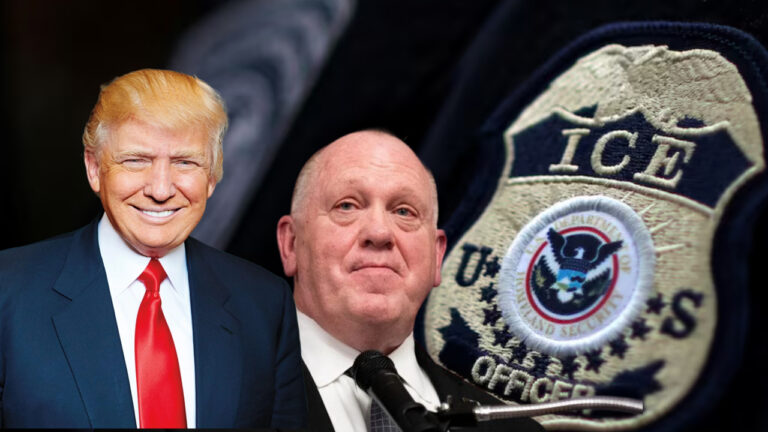
Washington, D.C. — As President Donald Trump prepares to begin his second term, U.S. Immigration and Customs Enforcement (ICE) is gearing up for large-scale immigration raids, targeting sanctuary cities across the nation. According to sources close to the administration, these operations are scheduled to commence the day after Trump’s inauguration on January 20, 2025.
The initiative marks a significant shift from the policies of the previous administration, which had curtailed aggressive enforcement measures. In contrast, the Trump administration plans to deploy hundreds of ICE officers to cities like Chicago, New York, Los Angeles, Denver, and Miami, focusing primarily on individuals with existing removal orders and those with criminal records, including minor infractions.
Aggressive Targets and Tactics
Chicago is set to be a major focal point of the operation, with estimates suggesting the involvement of 100 to 200 ICE officers. The raids will reportedly aim to apprehend immigrants who have violated U.S. immigration laws, prioritizing those who have committed crimes.
In addition, the administration is expected to end the Obama-era policy barring ICE raids at sensitive locations such as schools, hospitals, and places of worship. This move has drawn criticism from immigrant advocacy groups, which argue that such policies were designed to protect vulnerable populations and ensure community trust.
Tom Homan, a longtime immigration official and the incoming border czar, has emphasized that these measures are necessary to “restore law and order” and to focus on individuals who pose risks to public safety. “We’re sending a clear message that the U.S. will no longer tolerate illegal immigration,” Homan said in a recent interview.
Community Response and Concerns
The announcement has sparked widespread concern among immigrant rights organizations. Advocacy groups are organizing workshops and distributing “know your rights” materials to inform immigrants of their legal protections during encounters with ICE.
Critics have also pointed to the economic and social consequences of mass deportations. Many industries, including agriculture, construction, and hospitality, rely heavily on immigrant labor. Some fear that the intensified enforcement could lead to labor shortages and disrupt local economies.
“The ripple effects of these actions will be felt far beyond immigrant communities,” said a spokesperson for the Immigrant Legal Resource Center. “This approach risks tearing families apart and undermining the contributions of immigrants to our nation.”
Broader Implications
The raids are likely to reignite debates over immigration policy in Congress and among the public. Opponents argue that comprehensive immigration reform is needed to address the root causes of unauthorized migration, rather than relying on enforcement-heavy strategies.
Despite the controversy, Trump’s team has defended the planned actions as a fulfillment of campaign promises to prioritize American safety and sovereignty. These efforts, they argue, are aimed at restoring public confidence in the nation’s immigration system.
As the nation awaits the inauguration and the subsequent policy shifts, tensions are running high. The impact of these measures on immigrant communities, local governments, and the broader economy will be closely watched in the days and months ahead.
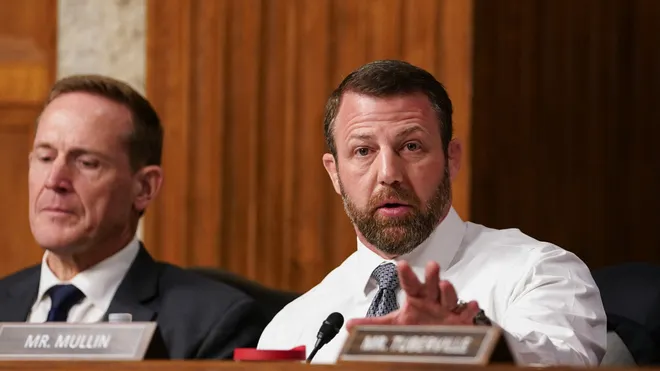
Washington, D.C. — During the Senate confirmation hearing for Pete Hegseth, President Donald Trump’s nominee for Secretary of Defense, Senator Markwayne Mullin (R-Okla.) delivered a fiery critique of his colleagues, calling out what he described as hypocrisy in their questioning.
Targeting the “Qualifications” Debate
Mullin took direct aim at senators who questioned Hegseth’s qualifications for the role, arguing that many of those raising concerns lack comparable expertise in their own positions. Referencing his own research, Mullin pointed out that the role of Secretary of Defense requires civilian oversight of the military, a threshold that Hegseth’s extensive military service easily exceeds.
“There’s a lot of talk about qualifications,” Mullin remarked. “But let’s be honest—what are the qualifications to be a senator? You have to be old enough, live in the right state, and convince enough people to vote for you. Yet here we are, sitting in judgment of someone who’s risked his life for this country.”
Mullin’s comments cast a critical light on the hearing, suggesting that the focus on Hegseth’s credentials was less about merit and more about political theater.
Pointing Out Double Standards
The senator highlighted what he described as glaring double standards in the treatment of nominees based on party affiliation. He noted that the current Secretary of Defense, Lloyd Austin, required a waiver due to his recent military service, yet received broad support. Mullin questioned why Hegseth’s similar military background was being treated differently.
“Let’s not forget, Secretary Austin stepped off the board of Raytheon, and we had to vote on a waiver,” Mullin said. “But because he was a Democrat nominee, it wasn’t a problem. Now, here we are nitpicking Pete Hegseth’s service record.”
Hypocrisy in Personal Attacks
Mullin also criticized the personal attacks aimed at Hegseth’s character, including references to past mistakes. He pointedly asked how many senators in the room had faced their own scandals or controversies, citing instances of public officials voting under the influence or engaging in personal indiscretions.
“How many senators here have shown up drunk to vote? How many have cheated on their spouses?” Mullin asked. “Yet none of you are stepping down. But when it’s convenient, you hold someone else to a standard you don’t live by yourselves.”
Praise for Hegseth and His Family
In a rare moment of vulnerability, Mullin turned to Hegseth’s wife, Jennifer, commending her for standing by her husband through his challenges. Drawing from his own life, Mullin reflected on his personal mistakes and credited his wife for helping him overcome them.
“Jennifer, thank you for loving Pete through his mistakes. I wouldn’t be here today if my wife hadn’t done the same for me,” Mullin said. “It’s easy to cast stones, but it takes strength to stand by someone and forgive.”
A Strong Case for Hegseth
Mullin concluded by emphasizing Hegseth’s unmatched dedication to the nation. He cited Hegseth’s two decades of military service, multiple deployments, and leadership under fire as evidence of his readiness for the role.
“You have a man who’s put his life on the line, seen his friends die for this country, and still wants to serve. What more qualification does he need?” Mullin challenged.
A Bold Call for Integrity
Mullin’s remarks were a bold repudiation of what he described as partisan and hypocritical behavior in the Senate. By highlighting double standards and emphasizing grace over judgment, he framed Hegseth’s nomination as a test of the Senate’s own integrity.
As the hearing progresses, Mullin’s impassioned defense of Hegseth and his critique of the Senate’s approach may leave a lasting impression on both supporters and critics of the nominee.
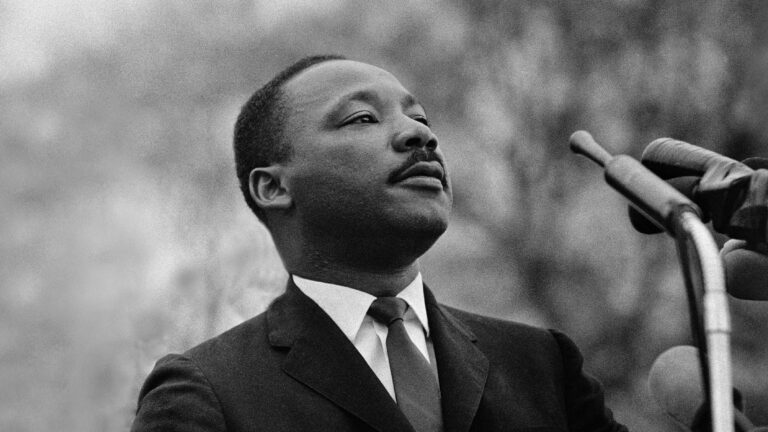
Dr. Martin Luther King Jr.’s legacy is often celebrated with the inspiring words of his “I Have a Dream” speech, where he envisioned a nation where equality transcends race. However, as we commemorate his life, we must not forget one of the most urgent parts of his vision: reparations. King’s dream was not just about integration but also about justice—economic justice for Black Americans who have endured centuries of systemic oppression. Today, in the face of staggering racial wealth disparities, the urgency to honor his vision and make reparations a reality cannot be overstated.
For 400 years, Black Americans have been systematically excluded from opportunities to build wealth. From slavery, which robbed millions of their wages and humanity, to the Jim Crow laws that institutionalized segregation to modern-day structural racism, Black Americans have been denied the economic foundations needed to thrive. The financial toll of this exclusion is undeniable.
Reparations would not only address historical injustices but also provide a substantial boost to the economy. A 2020 study by Citigroup estimated that closing racial gaps in wages, housing, education, and investment could add $5 trillion to the U.S. GDP over the next five years. Reparations could take many forms, including direct payments to individuals, targeted community investments, or tax incentives, ensuring that resources reach those most impacted by systemic racism.
The urgency of reparations becomes apparent when examining the stark disparities that persist. In 2019, the median wealth of Black families in the United States was just $24,100, compared to $188,200 for white families, meaning Black families hold only 12.8% of the wealth of their white counterparts. Black homeownership, a cornerstone of wealth building, stands at only 44%, compared to 74% for white families, a gap perpetuated by decades of redlining and discriminatory lending practices. According to the Federal Reserve, the average Black household earns just 59 cents for every dollar earned by a white household, a wage gap that has stubbornly persisted over decades. The income gap compounds over a lifetime—Black workers with a high school diploma earn $154,000 less than their white peers with the same education. For college graduates, the difference exceeds $1 million in lifetime earnings.
These disparities are not accidental; they are the direct result of policies that upheld white supremacy and excluded Black Americans from wealth-building opportunities. From the Homestead Act, which gave white families free land, to the GI Bill, which disproportionately benefited white veterans, government policies have systematically advantaged white Americans at the expense of Black citizens.
The Case for Reparations
Despite the pervasive myth of the “self-made man,” it is impossible to lift oneself up when held down by systemic barriers. Black Americans have been repeatedly told to “pull themselves up by their bootstraps” while being denied boots for centuries. The racial wealth gap is not the result of a lack of effort or responsibility—it is the product of deliberate, sustained oppression rooted in slavery, Jim Crow, and systemic racism that persists today.
Dr. Martin Luther King Jr. understood this deeply. He argued that reparations were not charity but an act of justice, a moral and economic obligation owed to Black Americans. In his 1964 book Why We Can’t Wait, King proposed a “Bill of Rights for the Disadvantaged” as a concrete step to address the economic harm inflicted on Black communities. His vision included investments in housing, education, and job creation, not as handouts but as tools to close the wealth gap and empower economic advancement.
Unfortunately, political leaders have too often shied away from this call for justice. Black Americans turned out in record numbers for Barack Obama, yet he avoided any substantial discussion of reparations for Black Americans during his presidency. Similarly, Vice President Kamala Harris, in her 2024 presidential run, refrained from engaging in honest, open discussions about reparations until it was too late, contributing to waning enthusiasm. Without a genuine commitment to addressing reparations, as evidenced by the lower Black voter turnout in 2024, the Democratic Party risks alienating a critical base.
Reparations are far from unprecedented. Germany paid billions to Holocaust survivors, and Japanese Americans interned during World War II received compensation from the U.S. government. Yet Black Americans—whose unpaid labor built the foundation of America’s wealth—remain uncompensated. Dr. King’s vision of justice demands that we recognize reparations not as a radical idea but as a long-overdue measure to address the systemic inequalities that continue to hold Black Americans back. Without action, the wounds of America’s past will remain unhealed, and the dream of equality will remain unrealized.
Reparations would not only address historical injustices but also provide a substantial boost to the economy. A 2020 study by Citigroup estimated that closing racial gaps in wages, housing, education, and investment could add $5 trillion to the U.S. GDP over the next five years. This potential economic growth is a reason for optimism and a compelling argument for the implementation of reparations. Reparations could take many forms, including direct payments to individuals, targeted community investments, or tax incentives, ensuring that resources reach those most impacted by systemic racism.
Programs like Evanston, Illinois’s reparations initiative, funded by cannabis tax revenue, and California’s groundbreaking reparations task force, which has proposed financial compensation and investments in education and housing, show that meaningful reparations are possible. However, in 2025, we need more than H.R. 40. There is no need to study the impact of slavery—we already have decades of research and evidence documenting the harms of slavery, Jim Crow, and systemic racism. It is written in the history of America, in its policies, and its persistent racial wealth gap. Now is not the time for more discussion; it is the time for action. The urgency of the reparations issue cannot be overstated. It is time to stand up for Martin Luther King Jr.’s conviction and demand that the U.S. government cut the check. Reparations are not just a symbolic gesture but a moral, economic, and historical imperative to repair centuries of harm and move toward a truly equitable society.
Honoring King’s Legacy
When we celebrate Martin Luther King Jr., we must include reparations as a central part of his dream. To ignore this essential component of his vision is to diminish his legacy and to fail our children and future generations. Dr. King understood that justice requires more than words; it demands action. Pastors, community leaders, and organizations must foster open and honest discussions about the necessity of reparations, not just as a moral obligation but as a transformative act of justice. As Dr. King famously said, “Justice delayed is justice denied.” The racial wealth gap between Black and white Americans has persisted for generations, and without bold action, it will only continue to grow wider.
Reparations are not about placing blame; they are about repair. They acknowledge the harm inflicted through centuries of slavery, Jim Crow, and systemic racism, and they represent the steps necessary to ensure every American has an equal chance to thrive. Dr. King’s dream was rooted in the principle of justice—not as a lofty ideal but as a call to actual, tangible actions. If we are serious about honoring his legacy, we must confront the economic foundations of inequality and take bold steps to address them. It is time to stop asking Black Americans to shoulder the burden of centuries of systemic oppression alone. Reparations are not just the right thing to do—they are the only path to fulfilling King’s vision of a just and equitable society.
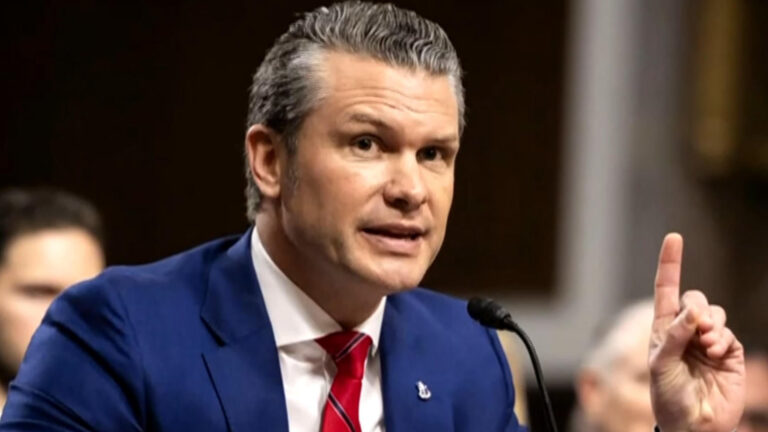
When the stakes are as high as national security, the Senate’s confirmation hearings should be a forum for serious inquiry into a nominee’s fitness to lead. Unfortunately, these hearings too often devolve into partisan theater, prioritizing personal attacks over the substantive questions that truly matter. This tendency undermines the integrity of the process and distracts from the critical responsibility of ensuring that our leaders are equipped to protect and guide the nation’s defense.
The position of Secretary of Defense is one of immense importance. This leader oversees a department responsible for managing a vast budget, safeguarding the country from global threats, and ensuring the readiness and welfare of our armed forces. At a time of mounting challenges—from the rising influence of China and Russia to escalating cybersecurity threats and the need for military modernization—this role demands a nominee with vision, competence, and an unwavering commitment to the mission. Yet, instead of focusing on these attributes, confirmation hearings too often veer into personal controversies, many of which bear little relevance to the nominee’s ability to fulfill their duties.
In the recent hearing for Pete Hegseth, for example, questions about his personal conduct overshadowed critical discussions about his plans to address pressing issues such as military readiness, the future of U.S. involvement in global conflicts, and the integration of advanced technologies into defense strategy. While character and ethics are essential in leadership, the line between legitimate vetting and partisan grandstanding has become increasingly blurred. This focus on personal allegations not only risks undermining the nominee but also diminishes public confidence in the process.
The hearing also missed opportunities to delve deeply into issues that affect the lives of millions of service members and the broader trajectory of national defense. For instance, little time was devoted to discussing how Hegseth would counter threats from China and Russia, modernize the military’s aging infrastructure, or address troop welfare and recruitment challenges. Instead, senators devoted significant time to questioning his past behavior, which, while worth addressing, should not eclipse the urgent need to evaluate his leadership approach and strategic vision.
This imbalance has real consequences. When hearings prioritize spectacle over substance, the public and the Senate lose the chance to fully assess a nominee’s readiness to lead. Moreover, these distractions can erode the nominee’s ability to articulate their priorities and set the tone for their potential tenure. In the case of the Department of Defense, this is particularly concerning, given the immense responsibility the position carries.
To restore faith in the confirmation process, it is crucial to refocus on what matters. Senators must ensure that their questions prioritize the nominee’s qualifications, leadership style, and plans to address the nation’s most pressing security concerns. Personal matters should only be explored when they directly bear on the nominee’s ability to lead with integrity. By limiting partisan grandstanding and emphasizing substantive inquiry, the Senate can uphold its duty to the American people and ensure that critical leadership roles are filled with capable, prepared individuals.
The confirmation hearing process is a cornerstone of our democracy, a mechanism through which leaders are held accountable to the public. But it must be conducted in a way that reflects the gravity of the positions at stake. At a time when national security challenges grow more complex each day, we cannot afford to waste this process on political theater. It is time to demand better—for the sake of the nation, the armed forces, and the defense of our shared future.
The clock is ticking for TikTok in the United States. With a January 19 deadline looming, the popular social media app faces the possibility of a nationwide ban unless ByteDance, its Chinese parent company, divests its U.S. operations. Signed into law by President Joe Biden, this unprecedented measure stems from concerns over national security and potential data misuse by the Chinese government.
As the Supreme Court reviews the legality of this legislation, TikTok’s future hangs by a thread. Should the court uphold the law, TikTok will be removed from U.S. app stores, preventing new downloads and slowly degrading the app’s functionality for current users. This uncertainty has sparked a rush among content creators and influencers to secure their digital presence elsewhere, and Black Americans, who have been instrumental in shaping TikTok’s cultural impact, are leading the charge.
A Turning Point for Digital Platforms
TikTok has been a cornerstone of creativity and expression, particularly for Black creators. From viral dance challenges to influential commentary, Black users have leveraged the platform to amplify their voices and redefine cultural trends. However, with the looming ban, many are seeking alternatives that not only provide creative freedom but also ensure equitable recognition and monetization.
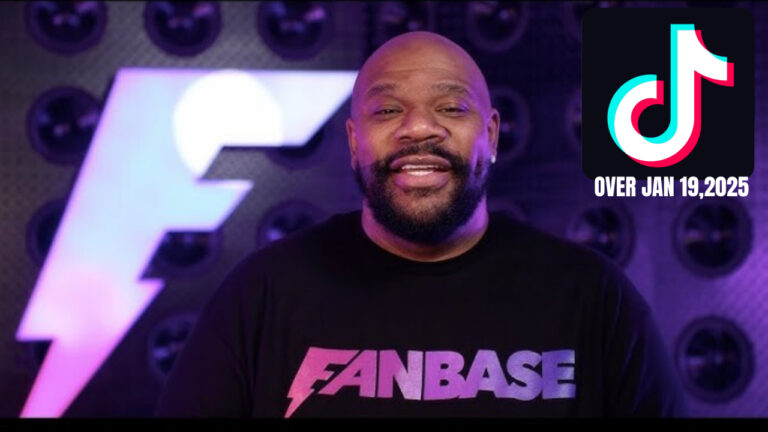
Fanbase, a Black-owned social media platform, has emerged as a promising alternative. Founded by entrepreneur Isaac Hayes III, Fanbase offers a hybrid experience that blends social networking with content monetization. The platform allows users to post photos, videos, and audio, while also providing subscription options for exclusive content—a model designed to empower creators to earn directly from their followers.
Why Fanbase?
For Black Americans, the appeal of Fanbase goes beyond functionality. The platform represents a shift toward supporting Black-owned businesses and fostering a digital space that prioritizes inclusivity and equity. TikTok has faced criticism for failing to credit Black creators adequately and for its opaque algorithmic practices that some allege suppress Black content. Fanbase’s commitment to transparency and fair compensation has made it an attractive option for those seeking a fresh start.
“Fanbase isn’t just an app—it’s a movement,” said Hayes in a recent interview. “We’re creating a platform where everyone, especially Black creators, can thrive and be rewarded for their work.”
The Road Ahead
The Supreme Court’s pending decision adds urgency to the migration. While TikTok users in the U.S. wait for clarity, platforms like Fanbase are capitalizing on the uncertainty to attract a broader audience. Other social media platforms, such as Instagram Reels and YouTube Shorts, have also seen a surge in activity as creators diversify their presence to safeguard their reach.
For many Black Americans, this moment is a call to action to rethink their digital strategy. The potential TikTok ban underscores the vulnerability of relying on platforms that are subject to geopolitical tensions and regulatory scrutiny. Platforms like Fanbase offer a sense of ownership and community that TikTok may no longer be able to provide.
A Cultural Shift
The possible end of TikTok in the U.S. marks a turning point in the digital landscape. For Black creators, it’s an opportunity to reclaim agency and invest in platforms that align with their values. Whether TikTok survives this crisis or not, the conversation around equitable digital spaces and the power of Black creativity will continue to shape the future of social media.
As the January 19 deadline approaches, one thing is certain: the resilience and ingenuity of Black creators will ensure that their influence remains a driving force, no matter the platform.
The Mount Vernon City School District (MVCSD) released the following statement on their website:
The Mount Vernon Board of Education approved a new school building configuration at a special meeting on Tuesday, January 14, 2025. The District has been exploring a building reconfiguration due to statewide declining enrollment – which contributed to higher costs in the K-8 model – expensive building repairs and a designation of significant fiscal distress by New York State.
A modified K-8 model was chosen. This model was selected because it allows the District to operate affordable K-8 neighborhood schools in four locations, while also moving students in reorganized schools to nearby buildings. Three school buildings – Cecil H. Parker School, Mount Vernon Honor Academy, and Mount Vernon Leadership Academy – would close in this model.
“This school building model gives an opportunity for the District to recover from its fiscal distress, while also upholding the high academic standards throughout our schools,” said Acting Superintendent Dr. K. Veronica Smith. “Our financial situation is unfortunate, but we are establishing a sustainable path forward that utilizes resources effectively and keeps our students in a close vicinity to their current schools. Thank you to everyone in the community who provided input and helped guide our decision.”
This model provides the opportunity for the District to consolidate its resources in a more sustainable building model. With declining enrollment across New York, it has become increasingly challenging financially for the District to operate middle schools at 13 locations.
“This change, while difficult, is a necessary one for the future of the Mount Vernon City School District,” said Board President Adriane Saunders. “A reconfiguration allows us to continue to offer a wide range of programs and ensure a financially healthy school district for years to come. We recognize the challenge for students and their families, especially at schools slated for closure, and the Board does not take those challenges lightly. We will continue working to support our students and their families as we navigate the next steps towards a bright future for the District.”
If approved by the New York State Education Department (NYSED), the new model would take effect to start the 2025-2026 school year.
The District will submit a petition for the reconfiguration to NYSED by March 1.
The U.S. House of Representatives has recently approved a significant and polarizing piece of legislation, the “Protection of Women and Girls in Sports Act.” Passed on January 14, 2025, the bill has sparked intense debate nationwide due to its implications for transgender athletes.
With a vote tally of 218-206, the bill garnered support primarily from Republican lawmakers, while most Democrats opposed it. Two Democrats broke ranks to vote in favor of the legislation, and one voted present. The bill seeks to limit the participation of transgender women and girls in female sports teams at federally funded schools and colleges.
Key Provisions of the Bill
The bill mandates that participation in athletic programs be determined based on the sex assigned at birth, effectively barring transgender women and girls from competing in women’s sports categories. Proponents argue that the legislation aims to ensure fair competition and protect opportunities for cisgender female athletes. They assert that biological differences between males and females can lead to unfair advantages in sports.
The Debate
Supporters of the legislation believe it upholds the integrity of women’s sports, ensuring that athletes compete on a level playing field. Representative Nancy Jones, a key proponent, stated, “This bill is about fairness and preserving the original intent of Title IX, which was to provide equal opportunities for women and girls in sports.”
However, opponents argue that the bill discriminates against transgender individuals, infringing on their rights and dignity. Critics emphasize that inclusive policies can be designed to balance fairness and equality without excluding transgender athletes. Representative Mark Green, a vocal critic of the bill, said, “This is a step backward in the fight for inclusivity and understanding in our society.”
Implications and Future Prospects
If enacted into law, the legislation would have far-reaching consequences for schools and athletic programs nationwide, potentially affecting existing state policies that allow transgender athletes to compete in categories matching their gender identity.
The bill is expected to face strong opposition in the Senate, where Democrats hold a slim majority. Advocacy groups on both sides of the debate are mobilizing, with some planning legal challenges if the bill becomes law. The Biden administration has indicated its intention to veto the bill should it reach the president’s desk, citing its discriminatory nature.
Public Response
The passage of the bill has drawn mixed reactions from the public. Advocacy groups for women’s rights and sports organizations are divided, reflecting the broader societal debate over inclusion versus competitive fairness in athletics. Public demonstrations and social media campaigns have surged as the nation grapples with the broader implications of this legislation.
The “Protection of Women and Girls in Sports Act” represents a contentious intersection of sports, gender identity, and federal law. Its progress through Congress highlights the ongoing challenges of addressing inclusivity while maintaining perceived fairness in competitive arenas. As the debate continues, the ultimate fate of the bill will likely have lasting implications for the rights of transgender individuals and the future of women’s sports in the United States.
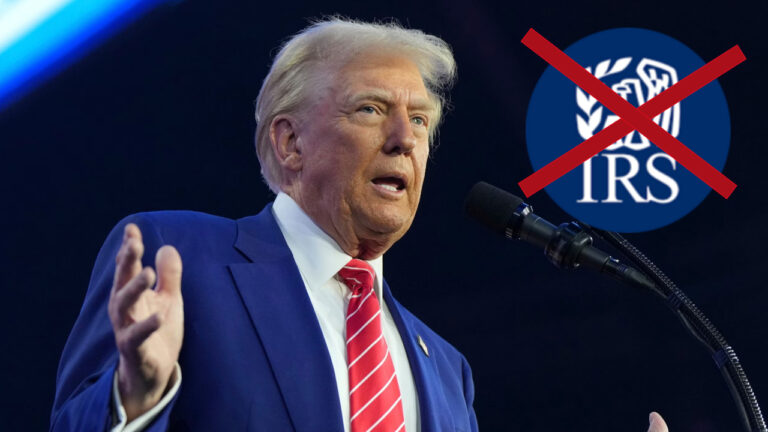
Washington, D.C.—President-elect Donald Trump has unveiled plans to establish a new federal agency, the External Revenue Service (ERS), tasked with collecting tariffs, duties, and other revenues from foreign sources. The announcement, made on the eve of his second inauguration, signals a bold step in his broader effort to realign the United States’ trade policies and reduce the domestic tax burden.
The ERS is designed to function as the international counterpart to the Internal Revenue Service (IRS), which handles domestic tax collection. Trump emphasized that this new agency will target foreign entities engaging in trade with the U.S., ensuring they “pay their fair share.”
“For too long, American workers and families have shouldered the cost of foreign trade imbalances,” Trump stated during a press conference. “The External Revenue Service will level the playing field by making foreign beneficiaries of our market contribute to our prosperity.”
Proposed Tariff Increases
Key to the ERS’s revenue generation strategy is a series of proposed tariff hikes. The plan includes a 25% tariff on imports from allies such as Canada and Mexico and up to a 60% tariff on goods from China. These measures aim to reduce trade deficits while creating a significant revenue stream for the federal government.
Challenges in Congress
While the Republican majority in both the House and Senate gives Trump’s proposal a strong legislative foundation, the plan has sparked considerable debate. Democratic lawmakers, led by Senator Ron Wyden, have criticized the initiative as a veiled tax hike on American consumers and small businesses. “The costs of these tariffs will ultimately fall on everyday Americans,” Wyden warned.
Despite these objections, Trump’s team remains optimistic. “The ERS will mark a new chapter in American trade policy,” said an unnamed administration official. “This is about ensuring fairness in our global economic relationships.”
Leadership and Efficiency Efforts
Trump also announced the appointment of high-profile leaders Elon Musk and Vivek Ramaswamy to spearhead the Department of Government Efficiency (DOGE), a nongovernmental task force. DOGE will focus on identifying inefficiencies and streamlining federal operations to complement the administration’s goals of reducing government size and scope.
Economic Concerns
Economists have expressed mixed reactions to the plan. While supporters argue that tariffs can bolster domestic industries, critics warn of potential retaliation against U.S. exports and increased costs for consumers. “Tariffs are a double-edged sword,” noted Dr. Laura Chen, a trade policy expert. “They may generate revenue, but the economic ripple effects could be significant.”
What’s Next?
The ERS proposal is set to move through Congress in the coming weeks. If approved, the agency would begin operations on January 20, coinciding with Trump’s inauguration. The administration hopes this initiative will solidify its commitment to “America First” policies while addressing longstanding trade inequities.
Public Reaction
Reactions to the announcement have been polarized. Supporters hail the ERS as a revolutionary approach to trade, while detractors fear it could escalate tensions with key trading partners. As the debate unfolds, one thing remains clear: the creation of the External Revenue Service marks a defining moment in U.S. trade policy.
The Mount Vernon NAACP Branch wrote an open letter on Tuesday, January 14th to the Mount Vernon City School District (MVCSD) Board just hours before a special meeting to express their grave concerns regarding the ongoing actions and decisions of the Board of Education, particularly as they pertain to the 2023-2024 school year and the rushed implementation of the K-8 program. “Your actions have undermined the trust and voice of the community you are elected to serve. It is imperative that we address these issues and demand immediate accountability and transparency moving forward.”
The letter which was a call for accountability and community-centered decision-making addressed the lack of community involvement in the K-8 Program, the closing of Cecil H. Parker, The Mount Vernon Honor Academy (formerly Holmes Elementary School), and The Mount Vernon Leadership Academy (formerly Columbus), the mismanagement of bond funds, and the lack of leadership continuity. The letter (see below) ended with a set of recommendations.
Hours later the Mount Vernon City School District Board of Education held a Special Meeting at 6:30 p.m. at the Education Center, 165 North Columbus Ave., Mount Vernon, where they voted 5 (Adriane Saunders, Sabina Kelley, Lorna Kirwan, Wanda White, Helene Njenga) – 4 (Warren Mitchell, Lynne Middleton, Chris McDonough, Donna Marable) to close the schools in question.
One thing I haven’t heard addressed is that Cecil Parker is a voting location that many in the area without cars can walk to, to cast their vote. Closing Parker has unforeseen ramifications like making it harder for some on the South Side to vote which can be seen as a form of voter suppression.
In addition, several members of the public questioned one of the board members being allowed to leave the board meeting and have a private sidebar with the school district’s attorney and if that influenced her vote.
“Mr. Royce Russell, the in-house counsel of the school district, should have exercised better judgment than to leave an open public meeting to confer with a trustee during a vote. It was inappropriate for Trustee Helene Thompson-Njenga to address her private question outside of the open forum,” Brenda L. Crump shared with Black Westchester. “The in-house counsel should have informed her that it was against procedure to do so; and that any questions must be posed during the vote, not privately. Trustee Thompson-Njenga’s Board colleagues, district administration, and the public are unaware of what transpired between her and Mr. Russell. This leaves room for speculation that she may have been offered an inducement in exchange for her vote. Such actions, in my opinion, should invalidate that vote, therefore resulting in the vote not passing which would require one of the nah voters to bring the resolution back.”
Also, since the Board violated its bylaws by not allowing Public Speaking in the Special Meeting (section 3000 Community Relations, Code 3220 number 9), are these two violations enough for the public to demand a revote on closing the three schools? I could not get an answer from any of the trustees I spoke with on whether these are violations and if there was a process for the public to force a revote.
9. In the case of a special board meeting with business conducted in public session (as opposed to a special board meeting consisting only of an executive session), public comment shall be permitted; however, all public comment at such a special board meeting must pertain exclusively to one or more items on that meeting’s scheduled agenda. A speaker wishing to make comments of any other nature may do so at the next regularly scheduled Board meeting.
Trustee Donna Marable proposed delaying the vote and questioned the harm of waiting until the regularly scheduled board meeting the following Tuesday. Trustee Chris McDonough also proposed delaying the vote, Trustee Warren Mitchell also had questions and read the aforementioned except from the bylaws about public speaking at special meetings. Trustee Lynne Middletown also expressed some concerns. All to no avail. The other five trustees voted for the school closings.
Residents left the special board meeting feeling like they had no voice in the decisions of those they elected to run the school district.
The District will submit a petition for the reconfiguration to the New York State Education Department (NYSED) by March 1. If approved by the NYSED, the new model would take effect to start the 2025-2026 school year.