Home Blog Page 127

The 2028 Democratic Field: Who Can Take on Vice President J.D. Vance?

The 2028 presidential race is shaping up to be a defining moment in American history. With Vice President J.D. Vance emerging as the presumptive Republican nominee, the Democratic Party faces a steep uphill battle to reclaim the White House following their crushing loss in 2024. During the 2024 cycle, an Emerson College poll highlighted key Democratic figures: Vice President Kamala Harris led with 37% support, trailed by California Governor Gavin Newsom at 7%. Other notable contenders included Transportation Secretary Pete Buttigieg, Michigan Governor Gretchen Whitmer, Pennsylvania Governor Josh Shapiro, and progressive firebrand Rep. Alexandria Ocasio-Cortez. Though not included in the poll, Congressman Richie Torres has sparked speculation about a potential run, adding intrigue to the 2028 field.

On the Republican side, the first post-election Emerson poll revealed President-elect Donald Trump’s favorability climbed to 54%, up from 48% before the election. Comparatively, President Joe Biden’s job approval sank to a four-year low of 36%, with disapproval steady at 52%. Trump’s rising popularity among younger voters (55% favorable under age 30) and strong support from white (59%) and Hispanic voters (53%) underscore the shifting political landscape.

At the same time, Democrats grapple with divisive cultural debates over abortion rights, transgender inclusion in sports, and pronoun usage—issues that energize their urban and progressive base but remain polarizing in rural and conservative regions. Openly gay candidates like Buttigieg and Torres could also face challenges appealing to socially conservative voters. As Democrats gear up for 2028, the stakes couldn’t be higher. Here’s a closer look at the hopefuls vying for their party’s nomination and their chances against Vice President Vance.


Kamala Harris: The Tested but Tarnished Leader

As the 2024 Democratic nominee, Kamala Harris shoulders the burden of the party’s recent defeat. Her extensive experience as Vice President and her historic candidacy as the first woman of color to lead a major ticket remain notable assets. However, her failure to capture swing states and connect with key voting blocs raises serious concerns about her ability to succeed against Vance.

  • Strengths: National profile, fundraising ability, and experience.
  • Challenges: Voter fatigue, inability to connect with working-class voters, and lingering skepticism over her 2024 campaign strategy.
  • Matchup with Vance: Harris risks being framed as a symbol of Democratic stagnation, while Vance’s populist rhetoric could resonate with disillusioned voters.

Gavin Newsom: The Progressive Pragmatist

California Governor Gavin Newsom has positioned himself as a bold, charismatic leader with a progressive yet pragmatic agenda. His successes in California—on climate change, healthcare, and reproductive rights—offer a compelling contrast to Republican policies. However, his association with California’s struggles, such as homelessness and crime, could be weaponized by Republicans.

  • Strengths: Strong media presence, robust policy record, and ability to energize the Democratic base.
  • Challenges: Perceptions of elitism and geographic distance from key swing states.
  • Matchup with Vance: Newsom’s communication skills and charisma could make him a formidable opponent, but he would need to overcome Vance’s appeal in the Rust Belt.

Pete Buttigieg: The Intellectual Connector

As a former presidential candidate and Transportation Secretary, Pete Buttigieg has cultivated a reputation for intelligence and eloquence. His appeal to suburban voters and younger demographics could be an asset. However, his lack of strong support among minority and rural voters—and the cultural stigma against an openly gay candidate in socially conservative areas—could be significant liabilities.

  • Strengths: Articulate and solutions-oriented, with a proven ability to appeal to moderate voters.
  • Challenges: Weak base among key Democratic constituencies, cultural opposition in rural America, and limited executive experience.
  • Matchup with Vance: Buttigieg could present a stark intellectual contrast, but Vance’s authenticity and working-class credentials might undercut him.

Richie Torres: A Fresh Democratic Face

Congressman Richie Torres, representing New York’s 15th district, could inject fresh energy into the Democratic field. As a young, openly gay Afro-Latino, Torres represents a new generation of progressive yet pragmatic leadership. His compelling personal story and focus on urban issues could energize the Democratic base. However, Torres would face significant hurdles in connecting with rural and socially conservative voters.

  • Strengths: Authenticity, grassroots appeal, and the ability to energize young and minority voters.
  • Challenges: Limited name recognition, cultural resistance in rural America, and perceptions of inexperience.
  • Matchup with Vance: Torres’ urban-focused message could contrast sharply with Vance’s populist rhetoric, but he would need to expand his appeal to swing-state and rural voters.

Gretchen Whitmer: The Swing-State Stabilizer

Michigan Governor Gretchen Whitmer is a pragmatic leader with a track record of success in a critical battleground state. Her focus on infrastructure, education, and healthcare resonates with middle-class voters. Her ability to govern effectively in a swing state gives her credibility as a potential unifier.

  • Strengths: Midwest appeal, proven ability to win in tough races, and moderate stances.
  • Challenges: Lack of national name recognition and a perceived cautiousness in policy ambition.
  • Matchup with Vance: Whitmer’s focus on kitchen-table issues could blunt Vance’s populism, but she would need to expand her appeal beyond the Midwest.

Josh Shapiro: The Rising Star

Pennsylvania Governor Josh Shapiro is another swing-state leader with national ambitions. His moderate policies and focus on governance over rhetoric could resonate with voters seeking stability after Trump’s second term. However, his ability to excite the Democratic base remains untested.

  • Strengths: Swing-state credentials, strong record on education and governance, and bipartisan appeal.
  • Challenges: Limited national recognition and potential struggles energizing progressives.
  • Matchup with Vance: Shapiro’s calm, methodical style could contrast favorably with Vance’s fiery populism, but he would need to build a compelling national narrative.

Alexandria Ocasio-Cortez: The Progressive Firebrand

Rep. Alexandria Ocasio-Cortez represents the progressive wing of the Democratic Party. Her ability to energize young voters and drive the conversation on climate change, healthcare, and economic inequality could be a game-changer. However, her polarizing nature might limit her appeal in a general election.

  • Strengths: Strong grassroots support, bold vision, and ability to energize young and diverse voters.
  • Challenges: Perceptions of being too radical and lack of executive experience.
  • Matchup with Vance: AOC’s progressive platform could ignite a turnout wave, but Vance’s messaging could alienate moderates from her candidacy.

The Uphill Battle Ahead

For the Democrats, 2028 presents a pivotal moment in their quest to regain the White House. Issues like abortion rights, transgender inclusion in sports, and pronoun usage are at the forefront of cultural debates. While these topics energize the progressive base, they risk alienating moderate Democrats, independents, and rural voters who may feel disconnected from the party’s priorities. Additionally, the cultural stigma surrounding LGBTQ+ candidates like Pete Buttigieg and Richie Torres could create obstacles in socially conservative regions.

To overcome these challenges, Democrats must refine their strategy by crafting a unifying message centered on economic opportunity, job creation, and tangible improvements to everyday life. Emphasizing a clear, inclusive vision for the future—while also tackling kitchen-table issues such as healthcare costs and education—can broaden their appeal and win over independent voters. Whether the party backs a progressive firebrand, a swing-state governor, or a fresh face like Torres, its success in 2028 will hinge on uniting a fractured coalition and addressing the pressing concerns of an increasingly divided electorate

Did the Clinton and Obama Era Harm or Help the Black Communities Progress?

While Bill Clinton and Barack Obama were in office, black Americans consistently backed Democratic presidents. Obama’s election, which broke the nation’s highest racial barrier, and Clinton’s election, referred to as “the first black president” due to their cultural resonance and perceived empathy, represent progress and equality. While these policies had noble intentions, they failed to address systemic inequities and exacerbated racial disparities.

Clinton Era Policies that Deepened Inequity

A Crime Bill was passed in 1994

Although Black leaders initially supported his 1994 Crime Bill to combat urban violence, it remains a contentious legacy.As part of the legislation, harsher punishments, such as longer prison sentences, were implemented for drug-related offenses, and local law enforcement funding was increased. Black African Americans were also disproportionately incarcerated as a result of the bill. As a result of mandatory minimum sentencing and “three strikes” laws, the bill disproportionately affected African-American men, contributing to mass incarceration and family instability. Initially, many Black leaders viewed the bill as a way to address urban crime rates, which were devastating their communities. Increasing law enforcement and toughening sentencing would restore safety and stability to neighborhoods plagued by violence and drug use. 

These policies, however, quickly became apparent as they disproportionately targeted Black individuals, leading to widespread disillusionment and criticism. As a result of the pipeline to prison, poverty, and systemic disadvantage continue to exist. Mandatory minimum sentences and “three strikes” laws must be reduced for fair sentencing practices. In addition, investing in community-based programs aimed at preventing, educating, and rehabilitating criminals can help reintegrate them back into society. As a final point, improving police accountability and prioritizing restorative justice initiatives can help rebuild trust between police and marginalized communities. In restorative justice, healing and reconciliation take precedence over punishment. It is a chance for offenders to apologize to victims and work towards making amends for their actions. Reducing recidivism rates by fostering understanding and personal growth can create a safer, more cohesive community.

Accord on NAFTA

He advocated for NAFTA in 1993 and remains integral to Clinton’s economic legacy. Even though the agreement promised economic growth, Black communities have lost essential manufacturing jobs as a result. NAFTA has had a long-term effect on community development, particularly in Black communities. The loss of jobs has contributed to economic decline, reduced local investment, and a lack of quality education and healthcare. This has resulted in many communities failing to create sustainable economic opportunities, which worsens poverty cycles and hinders overall development. Middle-class stability has been eroded as automotive manufacturing positions have been outsourced. If alternative trade policies are implemented, trade agreements like NAFTA can negatively impact local jobs and fair labor practices.

By encouraging domestic manufacturing and investing in workforce development programs, industries can be revived, creating new jobs. It is also possible to set strong environmental and labor standards in trade agreements to ensure that marginalized communities are not harmed in economic growth. Despite lower consumer prices resulting from NAFTA, it had a profound effect on Black families’ financial well-being, which illustrates how global monetary policy plays a role in livelihoods at the local level. Local economies have suffered as once-thriving industries shuttered or relocated, leaving workers unemployed and communities with diminished tax bases due to outsourcing.

Economic Recovery and Education: Missed Opportunities Under Obama’s Presidency

Generations to come: Educating the young

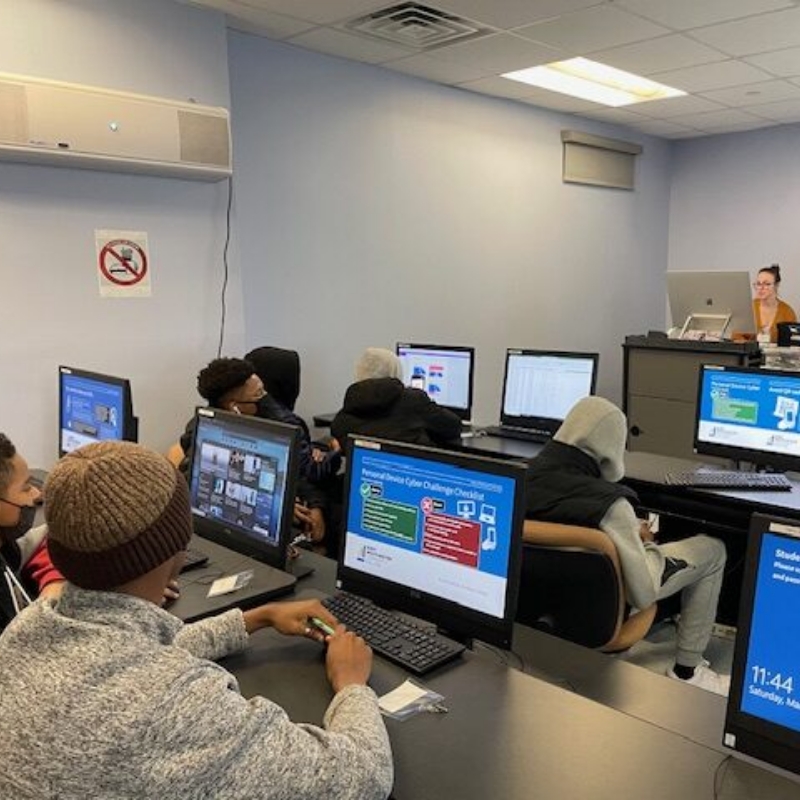
The Obama administration viewed higher education as a pillar of social mobility. The local government could offer tax incentives and grants to companies willing to invest in these affected communities to attract new businesses. Businesses may also be more inclined to locate in these areas if infrastructure improvements, such as transportation and internet service, are made. By developing specialized training programs tailored to the needs of new industries, educational institutions can also create a skilled workforce, further enticing businesses to establish operations in these areas. In addition to failing to address structural barriers, the vision overlooked the importance of vocational training and skilled trades. The one-size-fits-all approach has led to many Black Americans not pursuing a college education.
Financial crisis of 2008: reactions

Due to the 2008 financial crisis, these limitations became more apparent. Black homeowners who were the victims of predatory lending practices did not benefit from the TARP bailouts since the program provided massive bailouts to banks. There was a 40% decline in Black homeownership rates as a result of the foreclosure crisis. Nearly $1 trillion in Black wealth was lost as a result of the foreclosure crisis. Targeted financial assistance can be implemented for first-time homebuyers to support Black homeownership recovery. Affordability of mortgages and financial literacy education can also assist individuals in making informed decisions about homeownership. Regulations to prevent predatory lending will also protect Black communities from future exploitation. Inadequate and poorly implemented homeowner assistance programs exacerbated economic disparities.

The policies of both presidents contributed to the growing divide between African-American communities. The number of college-educated professionals has increased, while those without degrees have had fewer economic opportunities. Despite making up 13% of the population, black business ownership remains stagnant at just 2.4%. Individual successes—such as Black athletes, entertainers, and executives—tend to obscure the community’s economic challenges.

It is a testament to the power of symbolic victories and representation that Clinton and Obama remain popular among Black voters. However, increasing Black support for candidates like Donald Trump indicates dissatisfaction with symbolic advancements.

Democrat policymakers’ focus on higher education highlighted a critical blind spot. It is often unintended consequences that result from extending college access. The student loan debt burden was disproportionately heavy on black students, compounded by persistent racial wage gaps. College promises of economic stability often lead to generational wealth gaps. In addition to traditional higher education, vocational training offers a valuable alternative. Individuals gain practical skills and hands-on experience applicable to in-demand jobs, making them economically independent. Communities can ensure a more inclusive workforce and reduce barriers to financial stability by prioritizing vocational education.
Further compounding the problem was the administration’s neglect of vocational training as a viable alternative. Plumbing and electrical work are skilled trades that offer reliable routes to middle-class security, often with earnings exceeding those of college graduates. However, this pathway has often been overlooked, resulting in the financial instability of Black Americans.

The lessons from Clinton’s and Obama’s presidencies are clear: representation is crucial but cannot replace policies that address systemic inequity and promote widespread opportunity. To achieve real progress, Black communities must move beyond symbolic victories to implement strategies encouraging upliftment. By focusing on substantive reforms and broad-based economic progress, we can lay the groundwork for a more equitable and inclusive future.

Here is a comprehensive list of references and sources that support the content of the op-ed:


Bank Bailouts and TARP

  1. Amount Allocated to Banks:
  • Troubled Asset Relief Program (TARP) reports by the U.S. Department of the Treasury.
  • Congressional Budget Office (CBO) analysis of TARP expenditures and repayments.
  1. Bank Bailouts:
  • Reports from The Atlantic and The New York Times on how TARP favored Wall Street over struggling homeowners.
  • Analysis from the Center for Responsible Lending on the disproportionate impact of the financial crisis on Black homeowners.

Foreclosure Crisis and Black Homeownership

  1. Decline in Black Homeownership:
  • U.S. Census Bureau data on homeownership rates by race (2004–2016).
  • Pew Research Center analysis of the foreclosure crisis and its impact on minority communities.
  1. Loss of Black Real Estate Wealth:
  • Center for Responsible Lending reports on predatory lending practices targeting Black homeowners.
  • Urban Institute studies on wealth loss and foreclosure rates among Black families.
  1. Predatory Lending Practices:
  • Studies by the National Community Reinvestment Coalition and the Federal Reserve Bank of Chicago on the targeting of subprime loans to Black borrowers.
  1. Widening Racial Wealth Gap:
  • Brookings Institution reports on wealth disparities exacerbated by the Great Recession.
  • Federal Reserve data showing the median wealth of Black vs. White households post-recession.
Obama Administration Policies

  1. Home Affordable Modification Program (HAMP) and Home Affordable Refinance Program (HARP):
  • U.S. Department of Housing and Urban Development (HUD) assessments of HAMP and HARP effectiveness.
  • Critiques from the National Consumer Law Center on the limitations of these programs.
  1. Neglect of Targeted Relief:
  • Reports from the Economic Policy Institute and the Brennan Center for Justice on the lack of direct support for Black communities during the recovery.

Systemic Inequities and Economic Impact

  1. Loss of Wealth in Black Communities:
  • Analysis by the Institute for Policy Studies on the $1 trillion wealth loss in Black communities during the Great Recession.
  • Reports by the NAACP on the long-term effects of the foreclosure crisis on Black neighborhoods.
  1. Structural Inequalities in Housing:
    • Historical studies from the Harvard Joint Center for Housing Studies on redlining and systemic barriers to homeownership for Black Americans.

Political and Social Perceptions

  1. Criticism of the Obama Administration:
    • Articles from Politico and The Washington Post examining disillusionment among Black voters regarding the administration’s handling of the foreclosure crisis.
    • Pew Research Center analysis of Black voter turnout trends during the Obama years.
  2. Impact of the Great Recession on Public Trust:
    • Gallup polls and studies on public trust in government during the recession, with a focus on racial disparities in perceptions of fairness.
  3. The Role of Predatory Lending in Black Wealth Loss:
    • Reports from the Center for Responsible Lending and the National Fair Housing Alliance on how predatory lending practices disproportionately affected Black communities.

!

The Hidden Cost of War: Black Lives on the Front Lines

When Americans cheer for war from the safety of their living rooms, they rarely see the faces of those who will actually do the fighting and dying. Here’s an uncomfortable truth: Those faces are disproportionately Black. Every time our nation endorses military intervention, whether through media commentary, political rhetoric, or public support, we are effectively signing a blank check with Black Lives.

The statistics are damning. Black Americans, while comprising just 12.4% of the U.S. population, make up 19% of active-duty Army personnel. This isn’t coincidence or choice – it’s the result of systemic inequities that have made military service one of the few reliable paths to economic stability for many Black Americans. When we casually endorse military intervention, we’re exploiting these inequities.

As tensions escalate in Ukraine and Gaza, the stakes of this racial disparity become even more apparent. Cable news pundits and politicians debate intervention with theoretical detachment, while Black families worry about deployment notices. When America decides to flex its military muscle, Black communities hold their breath, knowing they’ll bear a disproportionate share of the casualties.

The cruel irony is that the very communities most affected by these decisions have the least input in making them. Foreign policy remains largely the domain of a privileged class that rarely serves in combat roles. The decision-makers’ children typically don’t patrol hostile territories or face enemy fire. They don’t return home with PTSD or struggle with VA benefits. Those burdens fall heavily on Black service members and their families.

Every call for military intervention, every hawkish foreign policy stance, every casual endorsement of war carries an unspoken asterisk: Terms and conditions will disproportionately affect Black Americans. When media personalities champion aggressive responses to international crises, they’re not volunteering themselves or their children – they’re volunteering others, often from communities they’ve never visited.

This reality demands immediate action:

First, we must recognize that supporting military intervention isn’t just a foreign policy position – it’s a decision that puts Black lives at particular risk. Every discussion about deploying troops should acknowledge this racial dynamic explicitly.

Second, Black communities need greater representation in foreign policy decisions. This means more than token consultation – it requires Black Americans in genuine positions of power within the State Department, National Security Council, and military leadership.

Third, we must reform a military recruitment system that exploits economic disparities to fill combat roles. When military service is one of the few paths to college or healthcare, it’s not truly voluntary – it’s economic conscription.

For those quick to endorse military action, ask yourself: Would you be as supportive if your community bore the brunt of casualties? Would you champion intervention if your children were disproportionately represented on the front lines?

The conflicts in Ukraine and the Middle East highlight these dynamics with painful clarity. As America contemplates its role in these crises, Black service members once again stand ready to pay the highest price for decisions made by others. The same pundits who opposed Black Lives Matter now readily risk Black lives abroad.

This isn’t just about foreign policy – it’s about racial justice. Every time we endorse military action without considering its disproportionate impact on Black communities, we perpetuate a system that values Black lives less than white ones. Every casual call for intervention that ignores this reality is a form of racial blindness at best, racial exploitation at worst.

The path forward requires honest acknowledgment of these dynamics. When we discuss foreign policy, we must center the voices of those communities most likely to suffer its consequences. When we contemplate military action, we must weigh not just its geopolitical implications, but its racial ones.

For Black Americans, foreign policy isn’t abstract – it’s intensely personal. Each endorsement of military action carries the possibility of a flag-draped coffin returning to a Black family. Until this reality changes, until the burden of war is truly shared equally, we must approach every call for military action with the gravity it deserves.

Our lives depend on it.

If Trump Can Be President With Felonies, Why Can’t Everyone Have a Fair Shot

Donald Trump’s recent election to the presidency despite facing 35 felony charges has left many outraged, confused, and frustrated. But instead of directing our energy solely toward criticizing this development, we should seize this moment to confront a deeper, systemic issue: the disproportionate impact of felony convictions on the lives of millions, particularly Black men. If a man can become President of the United States while under indictment, why should anyone with a felony conviction be barred from housing, jobs, or full participation in society?

For decades, felony convictions have carried a life sentence of stigma for the average American. A criminal record locks people out of employment, housing, and even voting rights in many states. These barriers are particularly brutal for Black men, who are overrepresented in the criminal justice system due to systemic inequalities. This has created a devastating cycle of poverty and disenfranchisement, not just for individuals, but for entire communities.

The fact that Trump could rise to the highest office in the land highlights a glaring hypocrisy. While millions of Americans struggle to rebuild their lives after serving their sentences, the rules seem to bend for those with wealth and influence. Trump’s ability to campaign, command media attention, and ultimately win, despite his legal woes, should force us to ask an important question: Why are we so willing to forgive some people and not others?

Can We Blame White Privilege or the Status Quo?

This moment forces us to ask tough questions: Is this disparity a product of white privilege? The status quo? Or the legacy of outdated laws that neither Democrats nor Republicans have had the political courage to confront?

Michelle Alexander, author of The New Jim Crow, puts it succinctly: “Today, it is perfectly legal to discriminate against criminals in nearly all the ways it was once legal to discriminate against African Americans — in employment, housing, voting, education, public benefits, and exclusion from jury service. We have not ended racial caste in America; we have merely redesigned it.”

This “redesign” is evident in the way felony convictions disproportionately impact Black men, perpetuating a racial caste system that denies them access to fundamental rights and opportunities. It is also evident in how public perception treats white-collar crimes or politically charged indictments differently from the lived experiences of everyday Americans with felony records.

Changing the Laws and Perceptions

This moment is not just about Trump—it’s a call to rethink how our society treats those with felony convictions. If being under indictment isn’t a barrier to holding the most powerful office in the world, why should a felony conviction prevent someone from securing a job as a teacher, mechanic, or office worker? Why should it block access to housing, education, or the right to vote?

Policies that strip opportunities from people with criminal records disproportionately harm Black men. One in three Black men will face a felony conviction in their lifetime. After serving their time, many find themselves permanently excluded from meaningful employment, making it nearly impossible to reintegrate into society. The irony is glaring: we demand accountability from these individuals while simultaneously denying them the tools they need to succeed.

Solutions Are Within Reach

Here’s how we can start dismantling these barriers:

  1. Ban the Box: Prohibit employers from inquiring about criminal records on job applications, ensuring everyone gets a fair shot at employment based on their skills and qualifications.
  2. Restore Voting Rights: End felony disenfranchisement laws that disproportionately silence Black voices in the political process.
  3. Reform Housing Policies: Prevent landlords from discriminating against individuals with criminal records, providing stable housing as a foundation for reentry.
  4. Invest in Education and Training: Create programs that offer skills training, education, and resources tailored to those reentering society after incarceration.
  5. Challenge Social Stigma: Launch public awareness campaigns to humanize people with criminal records and emphasize their potential contributions to society.

The President as a Precedent

Trump’s election sets a precedent, whether we like it or not. If the country is willing to trust someone with multiple indictments to lead the nation, it must also be willing to extend grace and opportunity to the millions of Americans burdened by felony convictions. Fairness demands that we remove arbitrary barriers to employment, housing, and civic participation for all.

Instead of progressives and the left pointing fingers and complaining about Trump’s felonies, they should use this moment to fight to change state and federal laws. For far too long, we have faced an unjust justice system where simply being arrested creates a permanent stigma. A felony conviction can disqualify you from good civil service jobs like firefighting, teaching, or law enforcement. Still, somehow, it doesn’t disqualify you from becoming President, with control over nuclear weapons and the military. This is social hypocrisy at its finest.

Michelle Alexander’s words remind us of the underlying truth: we have not dismantled racial caste systems, merely rebranded them. If Trump’s presidency proves anything, it’s that the rules we apply to some can be changed for all. Let’s turn this glaring inconsistency into a movement for justice, equity, and second chances. If you can be President of the United States, there should be no job you can’t qualify for. It’s time to ensure that justice and opportunity are universal—not privileges reserved for the few.

Why Disney/Marvel Should Bring Back Jonathan Majors

In Hollywood, stories of redemption and second chances are not just plotlines—they often reflect real-life arcs of resilience, growth, and accountability. Nowhere has this been more evident than in the career of Robert Downey Jr., whose journey from legal troubles and substance abuse to becoming the face of Marvel’s billion-dollar Avengers franchise stands as a beacon of what can happen when a studio embraces talent amid adversity. The same principle should now apply to Jonathan Majors, whose recent legal troubles and the dismissal of lawsuits should prompt Disney/Marvel to rethink its stance.

Majors, a critically acclaimed actor, was in a media firestorm following his two misdemeanor convictions. In a civil lawsuit filed in New York in March, Jonathan Majors’ former partner accused him of a “pattern of pervasive domestic abuse” spanning from 2021 to 2023. However, in court documents filed, attorneys for both parties agreed to dismiss the claims against Majors with prejudice, ensuring that these allegations cannot be refiled

In light of this, Marvel should take a moment to reflect on its precedent. If Robert Downey Jr., with a well-documented history of criminal offenses and substance abuse, was allowed to become one of the most beloved Marvel star in the world, why shouldn’t Majors be offered the same chance?

A Tale of Two Actors

Robert Downey Jr.’s troubled past is no secret. In the late 1990s and early 2000s, his career was nearly derailed by arrests for drug possession and time spent in rehab. His struggles were public and prolonged, yet Hollywood—and Marvel specifically—saw his potential. By casting him as Tony Stark in Iron Man, Marvel revived Downey’s career and set the foundation for history’s most successful film franchise. The decision was risky, but it paid off financially and culturally.

Now, Marvel is reportedly bringing Downey back as a new character, Doctor Doom, embracing his talents again despite his well-documented past. Yet, Jonathan Majors, who was only found guilty of two minor charges and had to do counseling, finds himself ignored and sidelined in a situation where many feel he caught a raw deal. The charges shouldn’t have even been brought against him. This stark inconsistency raises questions about fairness and who is afforded grace in Hollywood.

Robert Downey Jr. to Earn $100 Million for Playing Dr. Doom: Report – IMD

Jonathan Majors, by contrast, has not demonstrated a pattern of behavior akin to Downey’s public struggles but for this one incident. He has been a rising star and is celebrated for his performances in projects like Lovecraft Country, Creed III, and Ant-Man and the Wasp: Quantumania. Unlike Downey, who had to rebuild after confirmed misconduct, Majors is still navigating a complex situation where one mistake should not erase a lifetime of trying to be the best he can be as an actor.

A Call for Compassion and Consistency

Disney/Marvel’s swift distancing from Majors raises questions about fairness and consistency. The studio has previously demonstrated patience and understanding for other actors embroiled in controversy. Why, then, should Majors be treated differently? In an era when public figures are often tried in the court of public opinion, studios like Marvel have the power to set an example by upholding.

Furthermore, Majors attended counseling after the court case and got engaged to Megan Good—Disney/Marvel not severing ties so quickly—which would align with modern values of accountability and growth. This approach doesn’t absolve or ignore potential wrongdoing but instead creates a path forward, showing that Marvel believes in redemption and responsibility, not just punishment.

The contrasting treatment of James Gunn and Jonathan Majors by Disney/Marvel raises uncomfortable questions about equity and forgiveness in Hollywood. Gunn was fired in 2018 after offensive tweets resurfaced. Yet, his public apology and industry support led to his reinstatement less than a year later, allowing him to continue directing Guardians of the Galaxy Vol. 3. Now Gunn has become the head of DC Studios. This disparity suggests that forgiveness and second chances may be extended more readily to white men in the industry. In contrast, Black men face harsher consequences. It’s a glaring inconsistency, calling for deeper reflection on how Hollywood applies its values of redemption and fairness.

Jonathan Majors’ contract with Marvel Studios reportedly included a unique clause designating him as the exclusive actor to portray Kang the Conqueror and all its variants, making him central to the Marvel Cinematic Universe’s future for at least the next 10 years. However, following his recent conviction, Marvel and Disney swiftly distanced themselves, sidelining Majors despite his lack of prior misconduct.

At the same time, Ant-Man and the Wasp: Quantumania underperformed at the box office, grossing $476.1 million worldwide against a $388.4 million production budget—well below the $600 million break-even point. Critics blamed weak storytelling, excessive CGI, and a lukewarm reception of how Kang was written, not Majors’ portrayal of Kang. The film’s poor performance also appeared to impact Disney’s stock price, which dropped from $105.22 on February 17, 2023 (the film’s release date), to $100.35 by February 24—a 4.6% decline within a week.

Marvel’s subsequent pivot, rebranding Avengers: The Kang Dynasty to Avengers: Doomsday and bringing back Robert Downey Jr. as Doctor Doom, suggests the studio used both the film’s disappointing results and Majors’ legal troubles as an opportunity to reset its narrative direction. This abrupt shift raises questions about whether the decision was driven by Majors’ situation or the studio’s desire for a convenient way to move on, further underscoring inconsistencies in how Marvel treats its stars.

Redemption Is Profitable—and Right

From a business perspective, bringing Majors back isn’t just ethical; it’s also smart. Majors’ portrayal of Kang the Conqueror, and his variant He Who Remains, and Vitor Timely in the Marvel Cinematic Universe (MCU) has already drawn widespread acclaim. Replacing him would risk alienating fans, disrupting continuity, and undermining the MCU’s carefully constructed narrative. Moreover, audiences love a comeback story. Just as Downey’s personal growth became part of his public appeal, Majors’ resilience and accountability could further endear him to fans.

Disney/Marvel can demonstrate its belief in fairness and the power of second chances by reinstating Jonathan Majors. If they could take a chance on Robert Downey Jr.—a decision that changed Hollywood forever—they can certainly extend that same grace to Majors. Doing so would honor Marvel’s redemption legacy and reinforce that growth and accountability should be celebrated, not shunned. Is it time for Marvel to practice the heroism it often portrays on screen?

Get Ready to Witness a Story That Will Change Your Life: The Honorable Shyne Premiere

The Honorable Shyne premiere was an experience that will shake you to your core. If you weren’t there on November 13, 2024, you missed one of hip-hop and cultural history’s most real, raw, and powerful events. We’re talking about a film that’s more than just entertainment; it’s a deep dive into resilience, redemption, and self-discovery. I mean, this isn’t your typical Hollywood fluff. The Honorable Shyne is the kind of film that will change how you see life, loss, and triumph.

First off, the energy in the room at the DGA was absolutely electric. You had Cody, director of Kanye West’s documentary, and Benny Boom, the GOAT videographer in the hip-hop game, all in one place. It was a vibe. But it was Shyne himself who set the room on fire. After the screening, he got up on stage and shared the most intimate parts of his journey—the highs, the lows, and the lessons that came from them. This man went from being locked down for a decade to becoming an international symbol of strength and faith. He talked about how he forgave Diddy for what happened at just 19 years old. Let that sink in.

The film gives you an inside look at how Shyne survived and rose above 13 years of deportation and incarceration. But what really hit home? His connection to Belize—the place that gave him love when he thought he couldn’t get any. His redemption story is everything this culture stands for. It’s a living, breathing testament that no matter where you come from or how many times you get knocked down, you can always rise up and reclaim your power.

(L to R Shyne and his Mother)

This film isn’t just about Shyne’s journey—it’s about all of us. It’s about understanding that we can always turn our pain into purpose and break free from the chains that try to hold us back. The after-party at Brooklyn Chophouse? That was the cherry on top. Shyne and his mother celebrating a 20-year journey to bring this story to life. And let’s be real, this film is just the beginning.

If you haven’t seen The Honorable Shyne, you are missing out. Don’t wait—this isn’t the kind of movie you can just watch and forget about. It’s the kind of story that will stay with you, long after the credits roll. It’s time to get addicted to this journey of redemption, growth, and love. Watch it, feel it, and let it fuel you to make your own comeback story.

Trust me, once you see this film, you won’t be able to look away. It’s time to take your seat, get inspired, and be a part of the movement. #TheHonorableShyne

Black Dollars, White Wealth: Why Our Spending Power Isn’t Building Our Future

It’s crucial for Black people to cut through the distractions and have honest, unfiltered conversations about the state of our communities. Yes, we’ve earned college degrees and placed a few Black faces in high places, but the broader reality tells a different story. My brothers and sisters, the numbers speak volumes, and they paint a sobering picture. As Black Americans, we are spending more than almost any other group, yet we own less. This isn’t by chance—it’s a wake-up call. Our financial power is undeniable, but too often, it slips through our hands and builds wealth for others. It’s time for us to change this narrative. It’s time to step into our rightful role as economic leaders, not just consumers.

The Reality We Face

Let’s face the facts: while individual success stories may highlight progress within our community, the collective numbers tell a much starker reality about our economic situation.

Black households earn a median income of $56,490 annually—the lowest among major racial groups. Here’s how we compare to others:

  • Indian (from India): $135,000
  • Taiwanese: $120,000
  • Chinese: $105,000
  • Japanese: $95,000
  • Korean: $92,000
  • White (Non-Hispanic): $89,050
  • Middle Eastern Americans: $88,000
  • Hispanic: $65,540
  • American Indian and Alaska Native: $57,000

Despite earning less, Black Americans spend nearly 910 billion a year, heavily driving industries like beauty, fashion, entertainment, and dining. Here’s where much of that spending goes:

  • $1.2 billion on beauty and grooming products.
  • $29 billion on apparel and footwear.
  • $20 billion on automotive purchases.
  • $120 billion on food and dining out.

Black Americans collectively spend nearly $900 billion annually, projected to be 1.7 trillion by 2030, an amount that rivals or surpasses the GDP of entire countries like Switzerland, Taiwan, and Saudi Arabia. Yet, unlike these nations, we have little to show for it but material possessions that lose value—clothes, cars, and gadgets. This level of consumption reflects immense financial power, but it’s power that flows outward, enriching others while leaving our communities underserved and economically vulnerable. Imagine if we planned our money wisely and redirected even a fraction of that spending toward supporting Black-owned businesses, investing in our neighborhoods, and building generational wealth. We could create a self-sufficient society within the U.S., one where our dollars circulate in our communities, fueling growth, opportunities, and independence. The potential for transformation is in our hands; we only need to act.

Yet, when it comes to ownership, the picture is bleak. Our homeownership rate stands at just 45.7%, far below other groups:

  • White (Non-Hispanic): 74.3%
  • Asian: 61.7%
  • Hispanic: 51.1%

Business ownership is another area where we lag significantly. Only 2.8% of U.S. businesses are Black-owned, compared to:

  • White (Non-Hispanic): 70.8%
  • Asian: 10.6%
  • Hispanic: 6.5%

These figures reveal a painful reality: while social media and entertainment often showcase individual achievements, they mask the collective struggles of our community. We are spending more than nearly any other group but are far behind in wealth creation, homeownership, and financial independence. If we continue on this path, the gap between our potential and our reality will only widen. Recognizing this is the first step toward meaningful change.

Why This Matters

Changing our financial mindset is the key to escaping this cycle. Right now, we spend the most and make the least. We focus on buying things that lose value—clothes, cars, and other fleeting symbols of success—rather than investing in assets that grow wealth.

We must realize that homeownership, business ownership, and investments are the real indicators of progress. These are the tools that can lift our community from the bottom and provide a legacy for future generations. If we fail to make this shift, the next generation will inherit the same challenges we face today

We’ve been conditioned by social media, entertainment, and societal pressures to measure success by material possessions. But what good is a new car if it loses value the moment you drive it off the lot? What good is expensive clothing if we don’t own the companies that make it? True wealth isn’t about what you buy—it’s about what you own, invest in, and pass down. It’s about building something greater than yourself and ensuring that future generations benefit from your sacrifices.

Even Black leadership has failed us in this regard. Instead of promoting the creation of Black-owned institutions, we celebrate buying into existing ones. We cheer when a Black individual becomes a minority owner in the NFL or NBA, treating it as a monumental achievement, yet ignore the larger question: Why aren’t we building our own leagues and teams? We are the majority of the players in these industries; we should also be the majority of the owners. The current system applauds token representation but leaves the wealth and decision-making power in the hands of others.

Imagine if we shifted our focus and taught our children early that the value of money isn’t in spending but in investing, owning, and creating. Imagine if they grew up understanding the power of budgeting, saving, and equity, rather than believing success is measured by how much they consume. The impact would be transformative—not just for individual families, but for the entire Black community. It’s time to rewrite the narrative and invest in a future where we are not just participants but leaders and builders of our own institutions.

We are not powerless, nor are we doomed to repeat these patterns. To change our trajectory, we must redirect our focus from spending to owning. This means prioritizing the purchase of homes, starting businesses, and making investments that lay the foundation for long-term wealth. Ownership, not consumption, is the key to economic stability and empowerment.

We must also commit to supporting Black-owned businesses. Every dollar we spend within our community has the potential to create jobs, foster growth, and circulate wealth among us. Reinvesting in those who reinvest in us is essential for building a self-sustaining economy.

Teaching our children early about financial literacy is another critical step. While schools often fail to provide this education, we have the power to instill these lessons at home. From a young age, our children should understand the importance of saving, investing, and distinguishing between wants and needs. Financial awareness can transform how future generations approach money.

It’s also crucial to reject the illusion of progress that social media and entertainment often portray. While they highlight individual Black success stories, these do not reflect the systemic realities faced by most of our community. True progress happens when we rise together as a collective, not when a few make it while the majority are left behind.

Finally, we must advocate for systemic change. Equal access to housing, fair wages, and funding for Black entrepreneurs won’t happen without deliberate policy reform. Advocacy is not optional—it is essential to leveling the playing field and ensuring that our community has the same opportunities to thrive as others. Together, these steps can lead us to a stronger, more self-reliant future.

To my community, I say this: let’s take these numbers seriously. Let’s not just read them and move on. Let’s act. Support Black-owned businesses. Learn how to build wealth and teach the next generation to do the same. If you don’t own your home, make it a goal—even if it seems distant. If you’ve ever dreamed of starting a business, find the resources to bring that dream to life.

We are a people of resilience, brilliance, and strength. We have overcome countless obstacles, and we will overcome this, too. The numbers may be against us, but they don’t define us. We define us. Together, we can rewrite the narrative. Together, we can ensure that our spending power turns into ownership power, lifting us all toward a brighter future.

Jussie Smollett’s Conviction Overturned by Illinois Supreme Court

Chicago, IL – In a landmark decision on November 21, 2024, the Illinois Supreme Court overturned the conviction of actor and singer Jussie Smollett, ruling that his due process rights were violated during his second prosecution. Smollett, best known for his role as Jamal Lyon on the hit television series Empire, had been embroiled in a highly publicized legal saga following allegations that he staged a racist and homophobic attack on himself in January 2019.

The court found that Smollett’s initial agreement with prosecutors in 2019, which involved the dismissal of charges in exchange for community service and a $10,000 payment, should have been binding. The ruling stated that the subsequent decision to prosecute Smollett again on the same charges constituted a breach of his constitutional protections.

Background on the Case

The case first gained national attention in 2019 when Smollett reported being attacked by two masked men who hurled racial and homophobic slurs, tied a noose around his neck, and poured a chemical substance on him. The report sparked widespread outrage and support for Smollett. However, investigations later revealed that Smollett had allegedly orchestrated the attack with the help of two acquaintances.

In December 2021, Smollett was convicted on five counts of felony disorderly conduct for filing false police reports. He was sentenced in March 2022 to 150 days in jail, 30 months of probation, and was ordered to pay restitution and fines. Smollett served six days in jail before being released pending an appeal.

Supreme Court’s Decision

The Illinois Supreme Court’s decision emphasized the importance of honoring prior agreements made by prosecutors. Justice Lisa Holder White wrote in the court’s opinion, “Prosecutorial agreements, once enacted, must be upheld to preserve public confidence in the integrity of the legal system.”

Smollett’s attorney, Nenye Uche, lauded the ruling, calling the initial prosecution a “vindictive persecution” that ignored the agreement Smollett had fulfilled in good faith.

“This decision reaffirms that everyone is entitled to constitutional protections, no matter how polarizing their case may be,” Uche said.

Prosecutor’s Response

Special prosecutor Dan K. Webb, who led the case against Smollett, acknowledged the court’s procedural ruling but stressed that it did not exonerate Smollett of wrongdoing. Webb stated that the ruling was based on technical grounds and did not contest the evidence that pointed to Smollett’s role in staging the attack.

Public and Legal Reactions

The decision has reignited debates about justice and privilege in high-profile cases. Supporters of Smollett view the overturned conviction as a vindication of his claims of innocence, while critics argue it underscores flaws in the legal system’s handling of celebrity defendants.

Legal analysts say the ruling sets a significant precedent for upholding prosecutorial agreements and limiting the scope of double jeopardy, a principle that prohibits someone from being tried twice for the same crime.

Smollett’s Continued Denial

Throughout the legal proceedings, Smollett has consistently maintained his innocence, asserting that he was the victim of a genuine hate crime. Following the Supreme Court’s decision, his legal team reiterated their stance, emphasizing that the original agreement was fair and lawful.

“This has been an incredibly difficult journey for Mr. Smollett,” said Uche. “We are pleased that the Illinois Supreme Court has corrected this injustice.”

As the legal dust settles, questions remain about Smollett’s future in the entertainment industry and public life. For now, the case stands as a reminder of the complex interplay between the law, media, and celebrity.

MSNBC Under Corporate Restructuring Amid Declining Ratings, Political Backlash, and Rise of Streaming Rivals

In a bold move reflecting the seismic shifts in the media industry, Comcast has announced plans to spin off MSNBC and several other cable networks into a newly formed publicly traded entity, tentatively named “SpinCo.” The restructuring comes as MSNBC faces not only a sharp decline in viewership but also growing competition from alternative media platforms and scrutiny over its political direction.

Strategic Restructuring

The spin-off will include MSNBC, CNBC, USA Network, and other Comcast-owned channels. Comcast executives have framed the move as part of a broader strategy to focus on its broadcast and streaming assets, including Peacock. However, analysts have pointed out that the timing coincides with challenges specific to MSNBC, including ratings declines, a shifting media ecosystem, and criticism of its hard-left editorial stance.

Observers question whether MSNBC’s unrelenting opposition to Donald Trump—once a ratings boon—has contributed to its current struggles. The timing of the spin-off announcement, shortly after Trump’s unexpected victory over Vice President Kamala Harris in the 2024 election, has added fuel to speculation that Comcast is seeking to insulate its core operations from MSNBC’s diminishing returns.

Rating Woes

MSNBC’s ratings have seen a steep decline since the November election. Primetime viewership dropped by 54%, from 1.1 million to 736,000. The network’s flagship morning program, Morning Joe, recorded its lowest ratings since 2021, with a 41% drop in the key 25-54 demographic after co-hosts Joe Scarborough and Mika Brzezinski faced backlash for meeting with Trump at Mar-a-Lago.

While MSNBC has historically thrived on political polarization, the loss of Harris to Trump and the subsequent cooling of political tensions may have left the network struggling to retain an audience. Critics argue that MSNBC’s perceived over-reliance on anti-Trump rhetoric has alienated moderate and independent viewers.

Streaming Rivals Take the Lead

Adding to MSNBC’s challenges is the meteoric rise of alternative media platforms and personalities. Podcasters like Joe Rogan, who commands millions of loyal listeners on Spotify and YouTube, and platforms such as Rumble have gained traction among audiences seeking diverse perspectives. These platforms offer on-demand, personality-driven content that increasingly outpaces traditional cable news in attracting younger and more tech-savvy viewers.

“The rise of independent voices and platforms has reshaped the news landscape,” said a media analyst. “Podcasters and streamers have captured the zeitgeist in a way traditional networks have struggled to replicate.”

The flexibility of streaming platforms, coupled with the growing public appetite for unfiltered and long-form discussions, poses a significant threat to cable networks like MSNBC. Platforms such as YouTube and Rumble have created ecosystems where creators can directly engage with their audiences, bypassing traditional gatekeepers.

What Lies Ahead for MSNBC?

As part of SpinCo, MSNBC will operate independently of NBC News, a move that some see as an opportunity for reinvention. However, the network faces significant challenges in rebuilding its brand and adapting to a fragmented and highly competitive media environment.

With the spin-off expected to be finalized within a year, MSNBC’s future remains uncertain. Whether it can navigate the twin challenges of political realignment and digital disruption will determine its ability to remain relevant in an era increasingly dominated by streaming and alternative media.

As the dust settles, one thing is clear: the era of traditional cable news dominance is fading, and MSNBC will need to evolve rapidly to find its place in the new media landscape.

International Criminal Court Issues Arrest Warrant for Israeli Prime Minister Benjamin Netanyahu

The Hague – In a historic and controversial move, the International Criminal Court (ICC) has issued arrest warrants for Israeli Prime Minister Benjamin Netanyahu and former Defense Minister Yoav Gallant, accusing them of war crimes and crimes against humanity during the recent Israel-Hamas conflict. The charges, announced on Thursday, include the use of starvation as a weapon of war and the intentional targeting of civilians in Gaza.

The warrants come amid growing international condemnation of Israel’s military campaign in Gaza, which followed the devastating October 7 attacks by Hamas that left over 1,400 Israelis dead. However, the ICC’s action has spotlighted the aftermath of Israel’s response, raising questions about its proportionality and ethical justification.

The Allegations

The ICC alleges that Netanyahu and Gallant orchestrated military strategies that led to widespread civilian suffering and death. Among the key accusations are:

  • Starvation as a Weapon: The systematic blockade of food, water, and fuel into Gaza, exacerbating a humanitarian disaster that has drawn widespread international criticism.
  • Civilian Targeting: Indiscriminate bombardment of densely populated areas, resulting in the deaths of thousands of Palestinians, including women and children.

What has deepened the global scrutiny, critics say, is the lack of a ceasefire effort after the killing of a key Hamas leader early in the campaign. Observers have pointed out that Netanyahu’s government did not leverage this tactical victory to halt hostilities but intensified its operations. This, many argue, signals a shift from defense to aggression, with some alleging that Netanyahu used the tragedy of October 7 as a pretext for large-scale punitive actions against Palestinians, actions that human rights advocates have described as collective punishment.

Global Reactions

The warrants have sparked fierce reactions across the political spectrum. Netanyahu has decried the ICC’s actions as “shameful” and an affront to Israel’s sovereignty. “The ICC has turned a blind eye to terrorism and targeted the one democracy in the region defending itself,” Netanyahu said in a televised address.

Critics view the ICC’s decision as a long-overdue step toward accountability. Amnesty International and Human Rights Watch have welcomed the move, emphasizing the need for impartial investigations into what they describe as systematic attacks on civilians. “This isn’t about defending Israel—it’s about ensuring that war crimes are not carried out under the guise of national security,” said a spokesperson for Human Rights Watch.

The ICC’s action has been met with cautious optimism among Palestinians and their allies. “The world is finally seeing what we’ve endured for decades,” said a Gaza-based human rights group spokesperson.

Meanwhile, global reactions remain divided. Some nations, particularly in the Global South, have expressed support for the ICC. In contrast, others, including the United States, have raised concerns about the political and practical implications of arresting a sitting leader.

A Missed Opportunity for Peace?

One of the most damning critiques against Netanyahu is his failure to pursue peace. After eliminating top Hamas leaders, many hoped for a ceasefire to de-escalate the violence and allow humanitarian aid to reach Gaza’s devastated population. Instead, Netanyahu’s government intensified its military campaign, leading to widespread destruction and the deaths of over 15,000 Palestinians, according to local authorities.

Observers have pointed out that the October 7 attacks provided Netanyahu with a moment of moral clarity on the international stage, uniting the world in sympathy with Israel. However, the subsequent military actions have eroded much of that goodwill. “Rather than focusing on eliminating the threat posed by Hamas, the Israeli government seemed intent on using the attack as a pretext to inflict collective punishment on Palestinians,” said one Middle East analyst. “It raises serious questions about intent.”

Enforcement and Implications

Despite the ICC’s warrants, practical enforcement remains a challenge. Israel is not a member of the ICC and does not recognize its jurisdiction. Netanyahu is unlikely to be arrested within Israel, but the warrants significantly restrict his ability to travel internationally, as ICC member states are obligated to detain him if he enters their territories.

The ICC has faced similar enforcement challenges, most notably with former Sudanese President Omar al-Bashir, who evaded arrest for years by avoiding ICC-member states. Analysts suggest that Netanyahu’s political alliances with nations like the United States could further complicate efforts to hold him accountable.

What’s Next?

The ICC’s actions are pivotal for international law and diplomacy. As the Israel-Hamas conflict continues to evolve, the question of accountability looms large. The warrants against Netanyahu and Gallant represent not just a legal challenge but a broader reckoning over the ethics of modern warfare and the protection of civilian lives.

Whether these warrants will lead to tangible justice or remain symbolic gestures depends on the political will of ICC member states and the broader international community. For now, the ICC’s decision has added a new layer of complexity to one of the most contentious conflicts of our time.