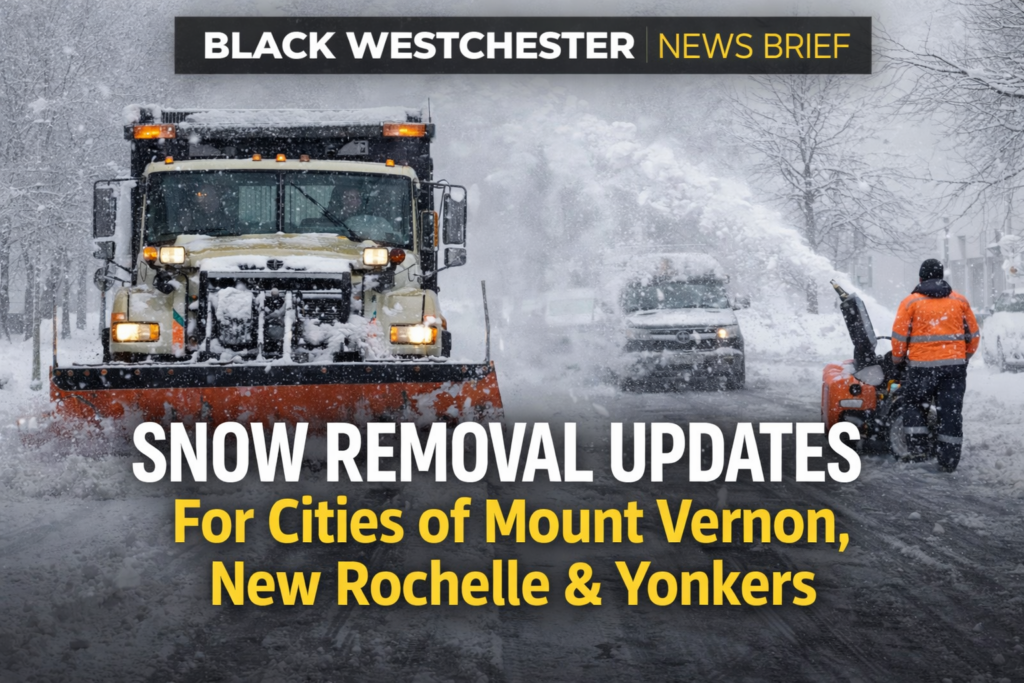
Snow blanketed Westchester County last weekend, and now municipalities across the region are dealing with the aftermath—clearing roads, restoring access, and addressing safety concerns as residents dig out. Public works crews have been working extended shifts to plow main thoroughfares, treat icy surfaces, and reopen secondary streets, while local officials urge patience as cleanup continues. With temperatures remaining low, refreezing and slippery conditions remain a concern, especially on side roads, sidewalks, and near transit hubs. Residents are encouraged to limit nonessential travel, follow local snow removal guidelines, and check municipal updates as crews work to bring communities back to normal. Here are snow removal updates for the cities of Mount Vernon, New Rochelle, and Yonkers
Mount Vernon City Snow Removal Update & Parking Advisory
Progress & Priority Areas:
Snow removal is complete around City Hall and Downtown Gramatan Avenue.
Over the next 24 hours, crews will focus on Fourth Avenue, Prospect Avenue, and Northern Gramatan Avenue on Friday night.
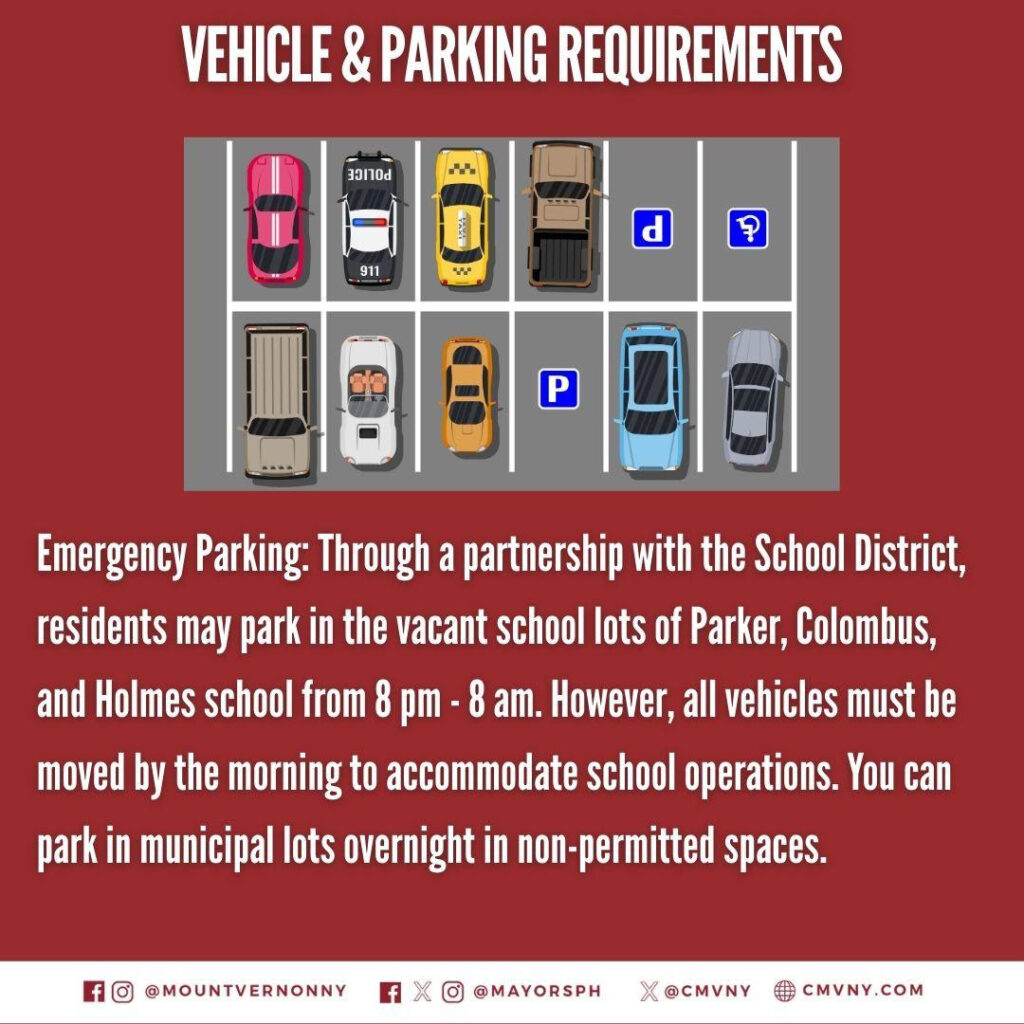
Vehicle & Parking Requirements:
Alternate Side Parking (ASP) will resume on Monday, February 2nd, beginning with snow emergency routes. Due to the extent of the snowfall and freezing temperatures, full clearance of all city roads will take several weeks.
Emergency Overnight Parking (8:00 PM – 8:00 AM): Residents may utilize vacant school lots at Parker, Columbus, and Holmes Schools. All vehicles must be removed by morning to accommodate school operations. Overnight parking is also permitted in municipal lots in non-permitted spaces.
Community Assistance:
Residents are encouraged to help break up snow piles near their properties to prevent icing and support safer streets and sidewalks. Your cooperation is greatly appreciated as we continue citywide snow removal efforts.
The Mount Vernon Lions Club Is Offering Assistance To Seniors Who Need Snow Shoveling
New RochelleSnow Removal Operation Moving Ahead of Schedule
The City of New Rochelle’s Department of Public Works announced on Thursday, January 29th, it has made more progress than anticipated in its three-night Snow Removal Operation to address snow accumulations resulting from Winter Storm Fern. The overnight operation, continuing tonight and Friday between 9:00 p.m. and 7:00 a.m., is intended to fully restore travel lanes and reopen unobstructed on-street parking along busy downtown roadways.
Thursday night crews will begin on Main Street at LeCount Place and work their way eastbound on until Echo Avenue. Crews will then tackle Huguenot Street from Echo Avenue, moving westbound to Pintard Avenue. The Downtown phase of the operation will wrap with Division Street South, Harrison Street and the Cedar Street extension between Huguenot Street and Harrison Street.
Parking on any of the affected roadways during operation hours shall be strictly prohibited. Vehicles that remain parked on the affected roadways will be issued a violation and towed. The City will provide daily public updates as the operation progresses.
To accommodate vehicles affected by the Snow Emergency and this removal operation, the City continues to offer free garage parking on a first-come, first-served basis at the following municipal garages through 9 a.m Saturday, January 31:
Transit Center Garage (1 Station Plaza North) (Floors 4 & 5 only; non-permitted vehicles on lower floors must move)
New Roc Garage (31 LeCount Place)
Guion Garage (116 Guion Place)
Maple Avenue Garage (19 Maple Avenue)
Illustrator Garage (600 North Ave)
Highgarden Tower Garage (11 Garden Street)
Need a ride to or from your vehicle? The City’s free electric shuttle, CircuitNR, serves all of the free parking facilities identified above. The Ride Circuit app is available for download on the Apple App Store and Google Play.
The New Rochelle City Code requires property owners to clear snow and ice from their sidewalks by noon each day and prohibits the placement of snow from private property onto public streets or sidewalks.
For additional information, including a list of Snow Emergency Streets, tips, and important phone numbers to call, please visit newrochelleny.gov/winterweather. Residents are encouraged to sign up for New Ro Alerts to receive local updates by phone, text, or email. The City’s official social media accounts will also provide regular updates. Follow us on Facebook & Instagram.
YONKERS WEEKEND SNOW REMOVAL / NO PARKING NOTICE
“This past week was a busy one for all of us, and with the snow still hanging around, things are a little messy out there. Crews are working through the weekend to clear the streets, so please be sure to check where you’re parked and move your car if needed. We know this is inconvenient, and we truly appreciate your patience and cooperation as we work to keep our streets safe and clear.
Please also be reminded that property owners are required to maintain minimum indoor temperatures and provide hot water throughout the winter season. If your home does not have proper heat or hot water, report it immediately by calling the City’s Heat Hotline at 914-965-3331 (24/7), Housing & Buildings at 914-377-6879 (Mon–Fri, 8:30 AM–4:30 PM), or the Mayor’s Help Line at 377-HELP (4357),” Yonkers City Council President Lakisha Collins-Bellamy shared.
Alternate side parking is in full effect and will be enforced.
Vehicles not moved will be ticketed or towed.
City crews will continue snow removal operations throughout the weekend. To allow crews to clear curb lanes, no parking is permitted in the locations listed below.
NO PARKING / SNOW REMOVAL LOCATIONS
• Warburton Avenue (Point Street to Otis Park, east side)
• Riverdale Avenue (Main Street to City Line, west side)
• McLean Avenue (Saw Mill River Parkway to Bronx River Road, north side)
• Nepperhan Avenue (South Broadway to Old Nepperhan, east side)
• Tuckahoe Road (Saw Mill River Road to Parkview Avenue, south side)
FREE ALTERNATE PARKING AVAILABLE (through 6 PM Sunday)
• Government Center Garage
• Buena Vista Garage
• School 25
• Pelton Park
• Warburton Avenue Promenade
• PEARLS Hawthorne School (entrance on Purser Place)
• Tibbetts Brook Park Lot #1 (Midland Avenue)
IMPORTANT
Vehicles parked in no-parking locations must be moved. Vehicles not moved will be ticketed or towed so snow removal can continue.
Vehicles parked in alternate lots must be moved by 6 PM Sunday.
Once snow removal is complete, no-parking signs will be removed, and regular parking will resume.
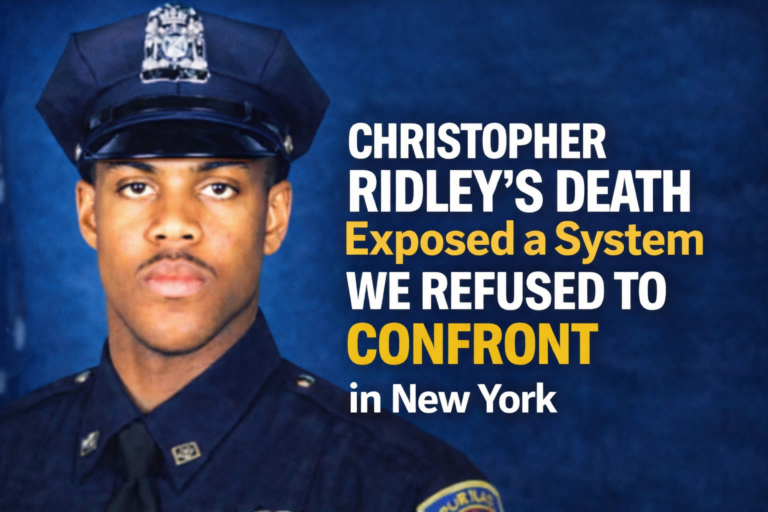
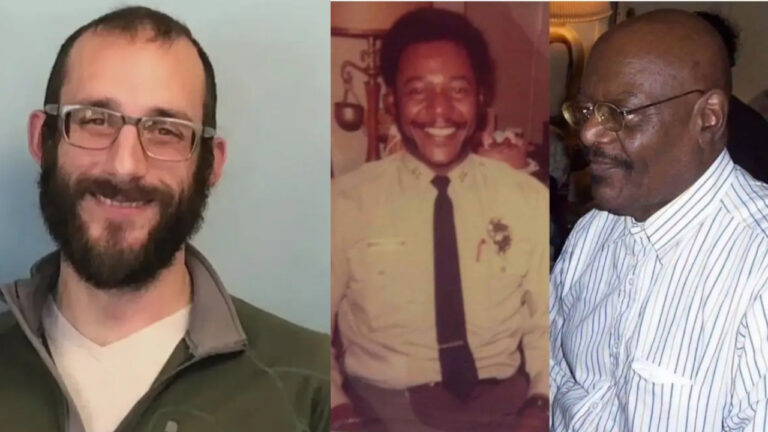
Eighteen years after the killing of Detective Christopher Ridley, the most revealing fact is not how he died, but how little changed afterward. Ridley was a Black detective, in plain clothes, off duty, attempting to make an arrest when he was shot and killed by Westchester County Police. There were no criminal charges. No discipline. No policy reforms. The system absorbed the incident and moved on.
At the time, Westchester County was governed by a Democratic County Executive and a Democratic District Attorney. That detail matters because it removes the usual political excuse. There was no hostile opposition party blocking accountability. There was no ideological enemy preventing justice. Power simply protected itself when pressure was absent.
That silence from Black Westchester—or rather, the lack of community action-has persisted for nearly two decades, making residents feel Their voice and participation are vital for change.
That silence has repeated itself for nearly two decades. Westchester’s Black community has been tested almost every other year by local police shootings, questionable uses of force, and fatal encounters. Each time, the pattern has been the same: brief emotion, limited turnout, no sustained pressure, and no measurable policy change. If outcomes are the standard, the outcome has been failure at home.
Instead of confronting local realities, it became politically safer to rally around national cases. Trayvon Martin. George Floyd. Causes that deserved attention, but whose distance made participation convenient. National outrage carried no local cost. Demanding accountability in Westchester meant confronting prosecutors, police unions, and elected officials with absolute power. That confrontation was largely avoided.
This political convenience was on full display in the case of Kenneth Chamberlain Sr. Chamberlain, a senior citizen, Marine veteran, and retired correction officer, was killed by White Plains police—audio recordings captured officers calling him the N-word multiple times before killing him. The slur was not disputed. Yet the Democratic District Attorney at the time, Janet DiFiore, dismissed the language as a “tactic” meant to distract her. No charges followed.
The response from Black political leadership, including local council members and community organizations, was silence.
It proved easier—and politically safer—for state legislators to wear hoodies in solidarity after the killing of Trayvon Martin than to confront the White Plains Police Department over recorded racial slurs used against a Black senior citizen in their own jurisdiction. Symbolism was embraced. Accountability was avoided. This pattern shows that online outrage alone can’t create change; your sustained local pressure is what truly influences police policies and accountability.
Many of today’s loudest online voices have never attended a county meeting, never confronted a local district attorney, never organized around a Westchester case, and never sent condolences to families harmed here. Yet they speak confidently about racism in other states and failures in Washington. That imbalance is not accidental. It is safe.
The community also made a critical strategic error: celebrating Black political advancement without demanding policy results. Representation was treated as victory. Votes were given without conditions. Standards were lowered for familiar faces. Institutions learned that symbolism was sufficient and that failure carried no consequence.
The results are visible today. In New York, six people have recently been killed by law enforcement, roughly half during mental-health crisis responses, under the current Attorney General. Yet there is no sustained outrage, no coordinated demand for reform, and no pressure campaign. The pattern persists because incentives have not changed.
Christopher Ridley’s death still matters because it highlights the need for community-enforced standards. It revealed what happens when accountability is optional, when silence replaces strategy, and when political convenience overrides moral consistency. He was not only Black. He was not only a detective. He was proof that justice does not operate on symbolism—it responds to pressure.
Until communities like ours actively enforce standards locally and consistently, the cycle will continue, and real change will remain out of reach for us all.
When Kiara Jenkins, a 36-year-old Black mother of five, was shot multiple times and left dead in a Chicago alley while heading to early-morning church, her loss was quietly ignored, leaving Black families feeling unseen and unheard. Her children lost their mother. A community absorbed another silent grief.
There were no mass protests.
There was no national media cycle.
You did not see it debated on CNN, MSNBC, or Fox News.
You did not hear it discussed by so-called “Black voices” on liberal media platforms.
Joy Reid did not lead with it. Don Lemon did not dedicate a segment to it. Liberal Black podcasters did not mobilize their audiences around it. Abby Phillips did not have a roundtable discussion about it on your CNN show.
Not because it wasn’t tragic—but because it didn’t serve an agenda rooted in systemic biases that prioritize certain lives over others.
Now compare that silence to what is happening today when white civilians are killed during ICE or immigration-related enforcement actions. Those deaths immediately dominate headlines. They spark protests. They become national moral emergencies. Media panels debate federal power, civil rights, and enforcement policy around the clock.
The same outlets that ignored Kiara Jenkins suddenly find their voices.
This contrast exposes an uncomfortable truth: media outrage is not driven by the value of life, but by how well a death fits a narrative that benefits certain power structures.
Black pain—when it comes from within Black communities—is treated as usual, expected, and unworthy of national disruption. It does not interrupt political coalitions. It does not threaten donor pipelines. It does not fit neatly into the white liberal framework that dominates modern media activism.
So it is ignored, but recognizing this pattern can motivate Black communities to demand attention and change, fostering a sense of collective responsibility and hope.
But when death can be framed as a consequence of federal enforcement—especially immigration enforcement—it becomes politically valuable. It reinforces pre-existing ideological positions. It activates protest culture. It justifies endless airtime.
In that process, Black Americans are subtly conditioned—through repetition and omission—to accept other people’s pain as more urgent while remaining silent about their own, eroding their agency.
This is not solidarity. It is conditioning.
The message is clear: Black life matters most when it can be used to support someone else’s political priorities. A Black mother murdered on her way to church does not qualify. Her death raises questions no one wants to answer—about failing cities, broken leadership, cultural decay, and policies that protect narratives instead of people.
Those conversations threaten the political status quo. So they are avoided.
Liberal Black media figures often present themselves as voices for the community, but their silence here can make us feel overlooked and question whether our concerns truly matter in the broader media landscape.
That agenda has no space for Black accountability, Black self-preservation, or Black-centered priorities—only for Black participation when it serves broader ideological battles.
So Kiara Jenkins is mourned privately, while others are mourned publicly.
That is not justice. It is a hierarchy.
A hierarchy where some deaths are worth shutting down cities for, while others are barely worth mentioning. Where Black suffering is only visible when it can be weaponized for causes that are not our own.
Until Black America refuses to play this role—until our outrage is reserved first for our own communities, our own mothers, our own children—nothing changes. The funerals continue. The silence remains. And the media moves on, right on schedule.
Dangerously cold temperatures will continue to plummet overnight in Westchester, with a cold weather advisory in effect through 10 a.m. Wednesday, January 28, and arctic subzero temperatures expected to linger.
Westchester County Executive Ken Jenkins urged residents to take precautions to protect themselves, their families, and their pets from hypothermia, frostbite, and other cold-related dangers.
“Residents should limit time outdoors during extreme cold, dress in warm layers, keep pets indoors, and check on vulnerable neighbors and relatives to be sure they have heat. If you must travel, place blankets and emergency supplies in your vehicle, ensure electric vehicles are adequately charged, keep traditional vehicles fueled, and heat your home safely,” CE Jenkins shared with Black Westchester
CE Jenkins said the County’s Department of Emergency Services and Department of Health are providing guidance to help residents stay safe in the cold. For the latest on shelter availability, contact your local municipality. Libraries, municipal buildings, and malls are also good places to warm up.
Health Commissioner Dr. Sherlita Amler emphasized the importance of preparation and awareness during extreme cold conditions.
“Before heading outside during this dangerous cold spell, dress yourself and your children in a hat, gloves, and multiple layers. Check your tire pressure because it can drop in extreme cold, and if you must spend time outdoors, take frequent breaks to warm up inside. It’s critical to recognize the signs of hypothermia and frostbite,” Dr. Amker shared.
Low temperatures can be life-threatening, especially for seniors, infants, and people at increased risk for hypothermia. Warning signs of hypothermia in adults include stumbling, mumbling, fumbling, shivering, slurred speech, and confusion. Infants with hypothermia may appear sluggish, have very low energy, and exhibit bright red, cold skin. If you think someone is suffering from hypothermia or frostbite, call a medical provider immediately.
Those who are most vulnerable to hypothermia include elderly people with inadequate food, clothing or heat, babies sleeping in cold rooms, people who remain outdoors for long periods of time, and those with alcohol or substance use disorders.
Frostbite can occur quickly and without warning, and most often affects the nose, ears, cheeks, chin, fingers, or toes. Numbness may develop, increasing the risk of permanent injury. Older adults and people with diabetes are especially susceptible due to impaired circulation.
At the first signs of redness or pain in any skin area, move the person out of the cold or protect any exposed skin as frostbite may be beginning. Seek immediate medical care. Signs of frostbite include white or grayish-yellow skin, numbness or skin that feels unusually firm or waxy. Victims are often unaware of frostbite until someone else points it out because the frozen tissues are numb.
Tips to Avoid Hypothermia and Frostbite:
Dress warmly in layers.
Be aware of the wind chill factor.
Work slowly when doing outside chores.
Bring a buddy and an emergency kit to outdoor recreation.
Carry a charged cell phone.
If Power is Lost:
Report outages to your utility provider:
Con Edison: 1-800-75-CONED (752-6633)
NYSEG: 1-800-572-1131 (electric) or 1-800-572-1121 (gas)
Leave a light on to signal when power is restored.
Use flashlights or battery-operated lanterns instead of candles.
Limit opening refrigerator and freezer doors.
Never operate generators indoors or in garages, basements, porches, or sheds—even with doors or windows open.
Camp stoves and portable grills are for outdoor use only.
Safe Heating Practices:
Never use ovens, gas stoves, or propane heaters to heat your home.
Ensure fireplaces, wood stoves, and combustion heaters are properly vented outdoors.
Follow manufacturer instructions for all heating equipment.
Use only the fuel intended for each device.
Keep space heaters at least three feet from furniture, curtains, bedding and water sources.
Never cover a space heater or place it on furniture.
Keep children and pets away from heating equipment.
Never add fuel to a heater while it is hot.
Never leave candles unattended.
Keep a fire extinguisher nearby, if available.
Eligible residents may receive financial help to heat their homes this winter. For information about the Home Energy Assistance Program (HEAP), call the Westchester County Department of Social Services at (914) 995-3333 or United Way’s 2-1-1. Eligibility information is also available at www.myBenefits.ny.gov, and applications can be found at otda.ny.gov/programs/heap.
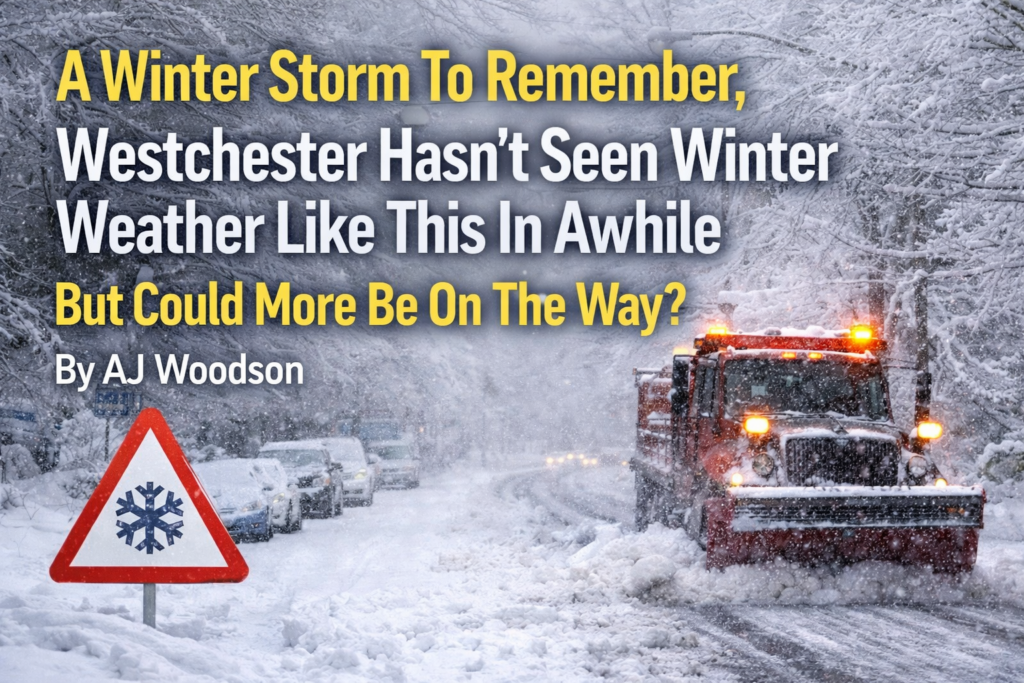
Westchester County woke up to a winter wallop as the latest snowstorm swept through the region overnight, blanketing neighborhoods in a thick layer of snow and transforming familiar streets into icy, white corridors. From Mount Vernon to Peekskill, residents shoveled driveways, brushed off windshields, and navigated slick roads as plows worked to keep major routes passable. Churches closed for in-person services on Sunday, and students got an extended weekend as most schools closed Monday. Commuters braced for slower travel, and local officials urged caution as temperatures hovered below freezing and gusty winds threatened drifting snow and reduced visibility. The storm served as a sharp reminder that winter still has a firm grip on the Hudson Valley.
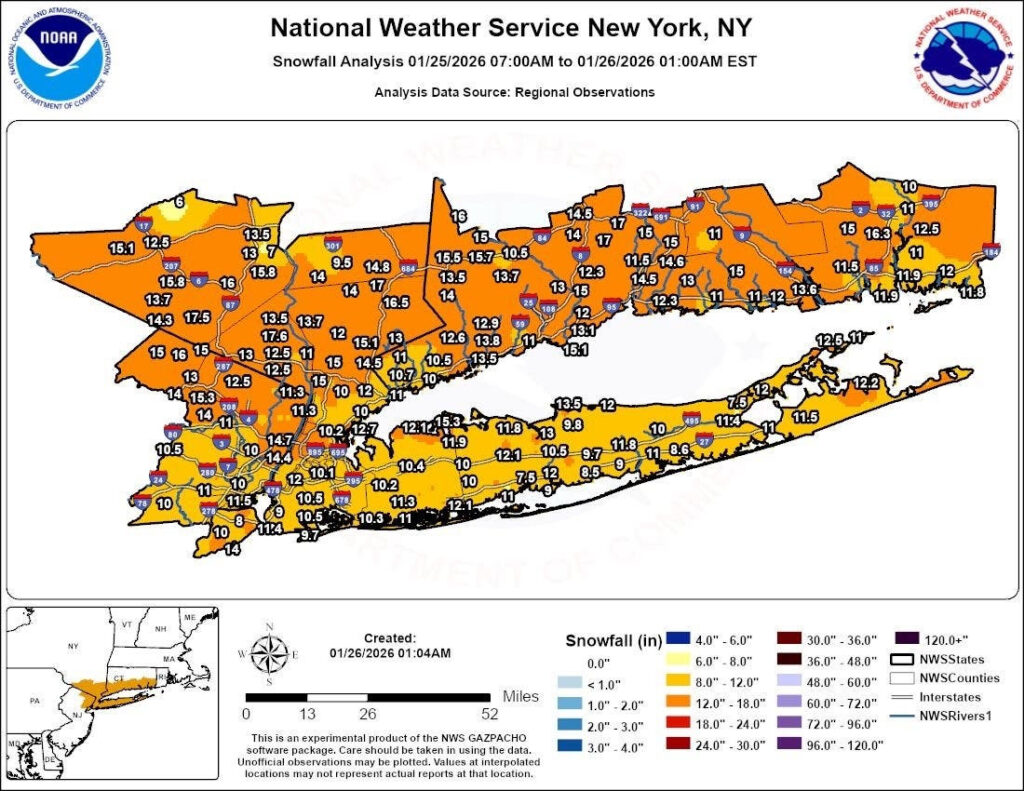
So just how much snow dropped on Westchester County? According to National Weather Service reports and local measurements, most communities saw between 9 and 17 inches of snow by early morning, with the highest amounts occurring in the northern and western parts of the county. Areas such as Bedford, Pound Ridge, and Peekskill were among the hardest hit, with some localized pockets receiving closer to a foot of accumulation. Closer to the Sound — including towns like Mamaroneck, Rye, and Larchmont — totals were slightly lower, generally 6–8 inches, as the storm’s heaviest bands shifted westward.
The latest Westchester County snowfall totals, according to the National Weather Service:
Ardsley: 11 inches
Armonk: 15.5 inches
Bedford-Chappaqua: 16.5 inches
Brewster: 14.0 inches
Bronxville-Eastchester: 11.0 inches
Dobbs Ferry: 15 inches
Harrison: 10.0 inches
Larchmont-Mamaroneck: 10.5 inches
Mount Kisco-Chappaqua: 16.5 inches
Mount Vernon: 10.2 inches
Nanuet: 15.5 inches
New City: 17.6 inches
New Rochelle: 10 inches
Nyack-Piermont 12.2 inches
Ossining-Croton-On-Hudson: 12.5 inches
Pearl River: 15.5 inches
Peekskill-Cortlandt: 13.0 inches
Pelham: 12.7 inches
Pelham Manor: 12.7 inches
Pleasantville-Briarcliff Manor: 13.1 inches
Port Chester: 11.0 inches
Poughkeepsie: 8.0 inches
Rye: 11.0 inches
Scarsdale: 12.0 inches
Somers: 17 inches
Tarrytown-Sleepy Hollow: 15.0 inches
Tuckahoe: 12.0 inches
Valhalla: 14.5 inches
White Plains: 14.5 inches
Yonkers: 11.4 inches
Yorktown: 17.0 inches
This will be the coldest stretch of winter weather in about eight years.
While this storm is done, the problem is that it’s just so cold outside. The Arctic air that helped spawn that storm, though, is expected to stick around through the rest of the month. With cold air and gusty winds combining, wind chill values across the region could range from 0 to 10 degrees below freezing, with pockets dipping as low as 15 degrees below zero, according to forecasters.
JUST WHEN YOU THOUGHT IT WAS OVER, NWS WARNS OF A POTENTIAL UPCOMING STORM
As Westchester County digs out from Sunday’s major snowfall, forecasters are already tracking the potential for another significant winter storm that could impact the Tri-State area this weekend. The National Weather Service (NWS) says the potential is increasing for a new system to move into the area. However, it remains too early to determine exact timing, snowfall totals, or impacts. Forecasters urge residents to stay up to date as the week unfolds.
Stay tuned to Black Westchester, for now, the focus remains on staying safe in the dangerous cold — while keeping a close eye on the potential for another winter storm that could keep the Tri-State locked in an active and unforgiving weather pattern.
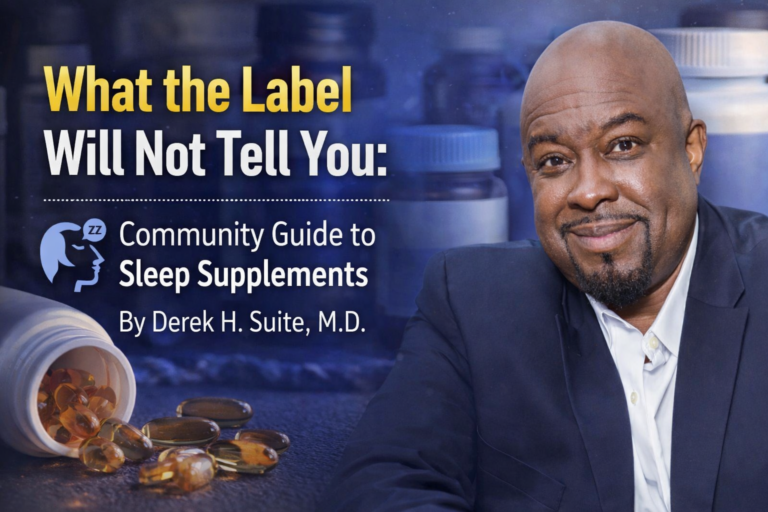
What exhausted people need to know before reaching for melatonin, gummies, or “natural” sleep aids
It is almost 10 p.m., and you are standing in the supplement aisle, phone in one hand, reading glasses sliding down your nose. You have not felt like yourself in weeks. The fatigue is constant, your mind races at night and feels sluggish during the day, and you keep catching colds. Your body feels heavy in a way that sleep does not seem to fix.
So here you are, trying to solve it yourself. And there on the shelf is a gummy blend that promises to do it all. Immune support, detox, and deep restful sleep in one bottle. One product, one purchase, and maybe you finally start feeling like yourself again.
The packaging is reassuring. Soft colors, leaves and herbs, words like “natural,” “gentle,” and “restorative.” Everything about this bottle signals safety, wellness, and relief.
But here is what the label will not tell you. Supplements are not regulated the way prescription medications are. In the United States, they are regulated more like foods, which means most products are not tested for safety or effectiveness before they reach the shelf. Independent testing organizations have repeatedly found that what is listed on the bottle does not match what is inside. Sometimes significantly more or less is inside the bottle than labeled. You may not be aware that when a label says, “proprietary blend,” it means the specific amounts of each ingredient are hidden. And “natural” does not mean the same thing as “safe for your body” or “right for your situation,” because many “natural substances” can still cause side effects or interact with medications.
A note before we continue: This article offers general information, not medical advice. Your situation is yours, and a healthcare professional can help you think through it. What follows is meant to help you ask better questions, not to replace that conversation.
Standing in that aisle late at night, hoping one bottle might fix months of exhaustion, makes complete sense. It is a reasonable response to a healthcare system that has not made it easy to get real answers. A fifteen-minute appointment does not leave much room for exploring why someone has not felt right in months. That instinct calls for better information than most labels provide.
A Closer Look at Who Is Reaching for the Bottle Research shows that Black adults are less likely than white adults to use dietary supplements overall. But that changes in specific categories. Products marketed most aggressively during vulnerable moments, such as immune boosters, detox formulas, and weight-loss aids, are often the ones with the least evidence behind them. And that marketing frequently targets communities already navigating barriers to traditional care.
The reasons behind that pattern have less to do with health literacy than with healthcare access and trust. When appointments are short and hard to get, when cost, insurance barriers, or past experiences, personal or historical, have made caution reasonable, finding alternative solutions can start to feel like self-preservation. The supplement aisle is open at any hour, no appointment needed, no insurance questions asked. Better information can help make sure that accessibility does not come at the cost of safety.
What We Know, and What We Don’t That bottle in your hand probably contains one of a few common ingredients, and each one comes with its own questions. Melatonin is everywhere. It is in gummies, capsules, teas, and chocolate squares. Most people think of it as a gentle nudge toward sleep, something the body already makes. That part is true. But the doses sold over the counter are often many times higher than what sleep specialists typically recommend, with many products at 5–10 mg when 0.5–3 mg is usually sufficient, if it helps at all.
When the body gets flooded with more melatonin than it needs, sleep can become more fragmented, not less, and some people wake up groggy, irritable, or with headaches they did not have before. Because these products are not routinely checked before they hit the shelf, what the bottle says and what is inside can be two very different things.
Timing also matters. Taking melatonin too late or too early can shift sleep patterns in unintended directions and make schedule problems worse instead of better. Most sleep specialists suggest taking it 30 minutes to an hour before your intended sleep time, though this varies depending on your natural rhythm.
CBD has become a popular option for relaxation and sleep, though it has no U.S. Food and Drug Administration approval for either insomnia or routine sleep problems. (The one FDA-approved CBD product, Epidiolex, is for certain seizure disorders, not sleep.) Quality varies enormously depending on the source, and CBD can interfere with how the liver processes certain medications, including some blood thinners, seizure medicines, and antidepressants. Anyone taking prescriptions should check with a pharmacist or clinician before adding it in.
Magnesium has more evidence behind it than many other sleep supplements, especially for people who are low in it to begin with. Low magnesium intake is common, and in people who are deficient or borderline, certain forms may modestly help with relaxation and insomnia symptoms. But not all magnesium is the same, and taking more does not necessarily mean sleeping better; higher doses and certain forms can cause diarrhea or other side effects.
Proprietary blends deserve extra scrutiny. When a label uses that phrase, it means the company has chosen not to disclose how much of each ingredient is in the product. A bottle might list twelve herbs and extracts, but without knowing the amounts, there is no way to know whether any of them are present at levels that matter or whether the combination has ever been studied at all.
The theme here is consistent: the label gives you a starting point, but not the full picture. And the person standing in that aisle at night is often left to figure out the rest alone. Some people work with integrative or naturopathic practitioners for more individualized guidance around supplements. For those who prefer that approach, the same questions are worth discussing with any practitioner. If you are pregnant, breastfeeding, or considering giving a supplement to a child, talk with a clinician first; dosing and safety can be very different in kids and during pregnancy.
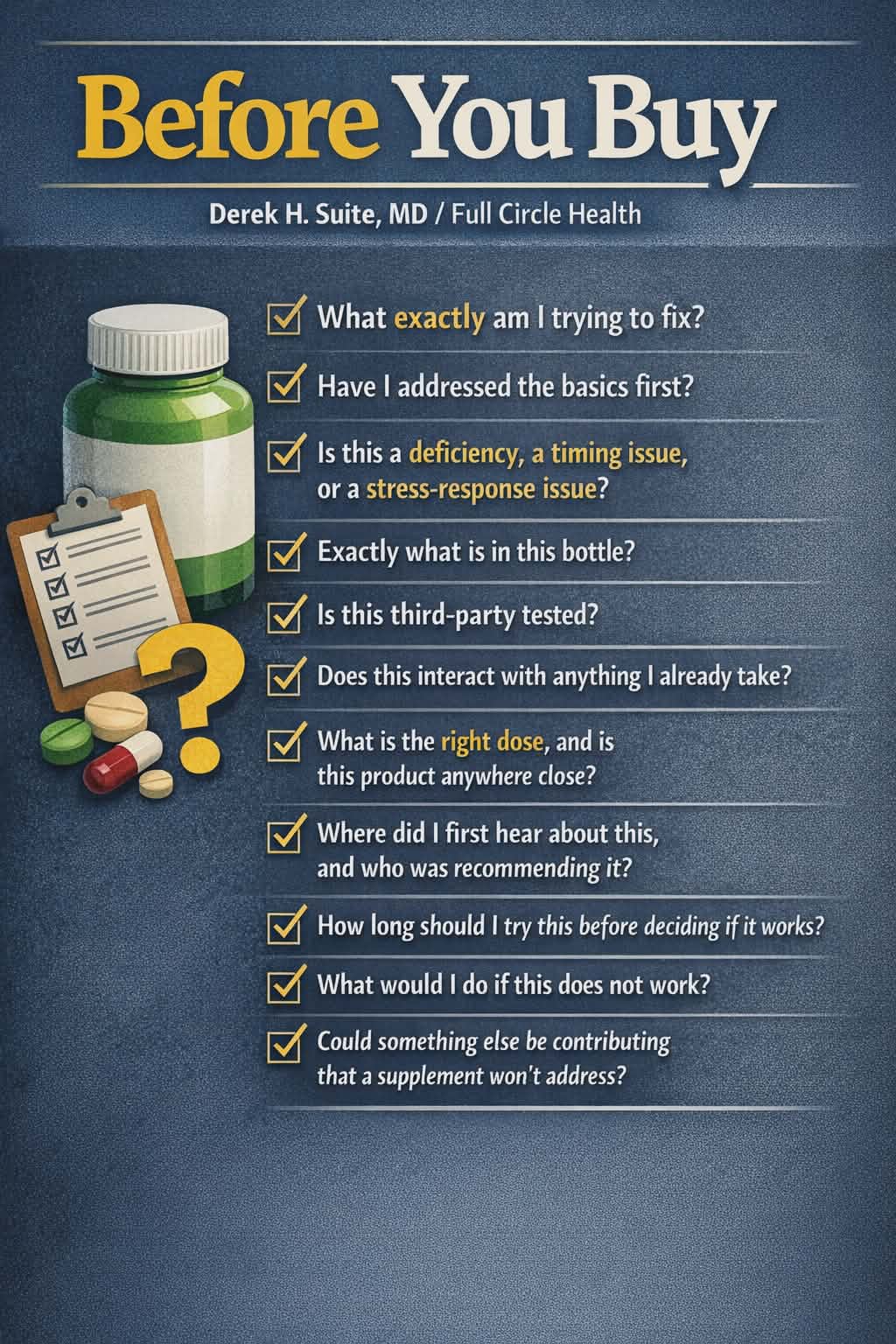
Ten Questions to Ask Before You Buy
The supplement aisle is not going to ask these questions for you. Neither is the packaging. So, before anything goes in the cart, and eventually into your digestive system, it helps to slow down long enough to ask them yourself.
What exactly am I trying to fix? Trouble falling asleep, waking at 3 a.m., dragging through the day, feeling wired at night—these are different problems with different causes. Getting specific about the actual problem makes it easier to know whether a supplement even makes sense.
Have I addressed the basics first? A consistent bedtime, morning light, caffeine cutoff by early afternoon, limited alcohol, a quiet sleep environment, correct room temperature, and screens dimming before bed all shape sleep in ways a supplement cannot override. If those foundations are shaky, a pill is unlikely to compensate.
Exactly what is in this bottle? If the label says “proprietary blend,” that means the amounts are hidden. If it lists fifteen ingredients, ask whether any of them have been studied at those levels or in that combination, and where these ingredients came from.
Is this third-party tested? Look for a seal from NSF, USP, or ConsumerLab. These organizations independently verify that what the label says matches what is inside and check for certain contaminants, although they do not guarantee that a product is safe or effective for you.
Without that verification, there is no way to know for sure. Does this interact with anything I already take? This includes prescriptions, other supplements, foods like grapefruit, other over-the-counter medications, and even alcohol. A pharmacist can run an interaction check in minutes, and most will do it for free, even if you do not buy anything, and no appointment is needed.
What is the right dose, and is this product anywhere close? Different medications, including supplements, can have different effects at different doses. Many products contain far more than research supports. Melatonin is one example where common doses often exceed what most adults need. More is not always better, and in some cases, more is worse. Where did I first hear about this, and who was recommending it? If the answer is a podcast ad, a social media post, or a celebrity endorsement, that is marketing designed to sell a product.
A recommendation from someone with clinical training carries a different weight than an influencer testimonial with a discount code. How long should I try this before deciding if it works? Going in with a defined window helps avoid the slow drift into taking something indefinitely without ever knowing whether it helped. Decide up front how long you will try it and take a moment to look up the long-term effects of the product, including any safety concerns, before you start.
What would I do if this does not work? Having a backup plan, including the option of seeing a doctor or sleep specialist, keeps one bottle from turning into five.
Could something else be contributing that a supplement would not address? Persistent fatigue, unrefreshing sleep, and waking up exhausted can sometimes point to conditions like sleep apnea or restless legs syndrome. Loud snoring, gasping at night, or waking with morning headaches are all clues that need medical evaluation. A supplement is unlikely to address those, but a clinician can.
When to Skip the Aisle Entirely Sometimes the supplement aisle is not the right stop at all. If the fatigue has been going on for months and nothing seems to help, that is worth a conversation with a nurse practitioner, pharmacist, or doctor rather than another bottle. If sleep feels broken in a way that rest does not fix, there may be something underneath it that no supplement can reach.
Conditions like sleep apnea and restless legs syndrome are common and often go undiagnosed for years. They can leave a person feeling exhausted, no matter how many hours they spend in bed. A supplement might take the edge off temporarily, but it will not address what is happening. The same is true when mood is shifting alongside sleep. Persistent fatigue, irritability, and difficulty concentrating can sometimes signal something that benefits from clinical attention rather than self-treatment.
Trying to solve a problem yourself is reasonable. But there are moments when the most useful thing a person can do is stop buying and start asking for help. A pharmacist can answer quick questions at no cost, even if you do not end up buying anything. A doctor can look deeper. And a sleep specialist can evaluate patterns that are difficult to see from the inside.
For those without a regular doctor, community health centers—including Federally Qualified Health Centers—often offer appointments on a sliding scale. You can find one at findahealthcenter.hrsa.gov. Many now offer telehealth visits for sleep and fatigue concerns, and in many states, telehealth for sleep issues is covered by Medicaid.
That bottle on the shelf is not the enemy. Supplements can play a supporting role when they are matched to a real problem, used at the right dose, and given a defined window before reassessing. The issue lies in the gap between what the label promises and what the person holding it needs to know to decide safely.
Standing in that aisle, exhausted and looking for relief, is a reasonable response to a healthcare system that has not made it easy to get real answers. Short appointments, limited access, and a lifetime of being told to figure it out can make self-treatment feel like the only option. But reaching for a bottle without the right information is a gamble, and the stakes include time, money, and health. The ten questions in this article are meant to help with making an informed decision.
Sleep matters. So does protecting the body that carries you through each day. The next time you find yourself in that aisle, phone in hand, take a breath. Ask the questions. And trust that the answers exist, even if the label was never designed to provide them.
Learn More The National Institutes of Health Office of Dietary Supplements (ods.od.nih.gov) offers guidance on evaluating supplement safety and quality, including how to read labels and understand claims. ConsumerLab, USP, and NSF also provide independent testing and reporting on supplement quality, contamination, and whether products contain what they claim. To find a community health center near you, visit findahealthcenter.hrsa.gov.
Derek H. Suite, MD, is a board-certified psychiatrist who works at the intersection of psychiatry, performance, and recovery across professional sport and leadership. He is the CEO and Founder of Full Circle Health and has served as an adjunct professor of Clinical Psychopharmacology at Teachers College, Columbia University, for ten years. His current focus is on sleep, recovery, and what allows performance to hold up when it matters most, including a forthcoming book, “Sleep As Performance Medicine.” He is also the host of The SuiteSpot, a daily podcast exploring science, spirituality, and human performance.
This article is educational content and not a substitute for individualized medical advice. It is not intended to diagnose, treat, cure, or prevent any disease. Readers should consult their own healthcare professionals before starting, changing, or stopping any supplement or medication. The author has no financial relationships with any supplement manufacturers.
Parties shouting their endorsements with confident language and carefully chosen photos.
Everyone suddenly knows exactly where they stand.
And at the same time, you start noticing who doesn’t.
The people who used to speak plainly now pause mid-sentence.
The advocates who once named harm now soften it.
The rooms that used to hold tension now move quickly past it.
You don’t hear the quiet because people have nothing to say.
You hear it because they’re calculating.
This is the season of new budgets.
New appointments.
New contracts.
And those things change the temperature of honesty.
You feel it in meetings where the air shifts after a certain name is mentioned. In phone calls that suddenly include phrases like “off the record” or “not right now.” In emails that used to arrive quickly and now take days.
You think, I used to hear them speak up.
And you’re right.
Because advocacy sounds different when survival enters the conversation.
When your salary and how you financially support your family are tied to falling in line, advocacy stops being theoretical.
It becomes personal.
It lives in the pause before you speak.
In the text you delete.
In the sentence you rewrite three times until it no longer names the harm directly.
Because it’s not just your paycheck on the line.
It’s rent.
It’s groceries.
It’s medication.
It’s tuition.
It’s the quiet promise you made to the people who depend on you that you would keep things steady.
So you weigh the truth against the table.
You ask yourself if this is the hill today.
You tell yourself silence is strategic. Temporary. Responsible.
And maybe it is.
But the cost is cumulative.
Each time you choose alignment over honesty, something inside you tightens, not because you’ve lost your values, but because you’re carrying them privately while performing neutrality publicly.
That’s the paycheck line.
It isn’t written anywhere.
No one announces it.
But everyone feels it.
And sometimes, the room makes it impossible to ignore.
There are moments when authority forgets how to listen, when presence turns heavy, and intimidation is rebranded as leadership.
And the reaction isn’t shock, but recognition: realizing the bare minimum is what you were trained to expect, and how deeply that training shapes what we tolerate.
Not everyone in the room agrees with what’s happening.
But not everyone can afford to say so out loud.
So one voice speaks.
Another pushes back.
And everyone else learns something about what it costs to intervene.
That’s how culture is shaped, not by the loudest behavior, but by what goes unchallenged.
You start noticing it in people’s faces too.
Friendly, affirming faces, warm when things are easy, begin to change the moment you ask for advice, direction, or clarity. The moment you ask a question that doesn’t already have a safe answer. The moment you’re not just agreeing, but seeking.
That’s when the smiles thin.
That’s when guidance turns vague.
That’s when support becomes conditional.
Not everyone who is friendly is invested in your growth.
Some people are comfortable with you, as long as you don’t disrupt the balance that benefits them.
And in places like Westchester, where nonprofits, boards, contracts, and political ecosystems overlap tightly, this distinction matters. Everyone knows how memory works. How dissent gets labeled “difficult.” How asking the wrong question can quietly close doors.
So people learn to speak in a lower register.
They trade clarity for caution.
They call it professionalism.
They call it strategy.
They tell themselves it’s just until the budget passes.
Just until the appointment is confirmed.
Just until after the election.
But just until stretches.
And silence starts sounding like consensus.
The hardest part is watching how this lands on the people who were depending on those voices.
They notice when advocacy goes quiet right when power gets loud.
They notice when endorsements are enthusiastic, but accountability is careful.
They notice when justice language spikes, but urgency doesn’t.
They start thinking, If even they aren’t saying anything anymore, maybe this is just how it is.
That’s how systems stabilize themselves.
Not by crushing resistance outright, but by making it unaffordable.
By creating conditions where speaking costs more than most people can afford. Where silence feels like the responsible choice. Where survival quietly negotiates with truth.
But here’s the other truth, the one that doesn’t get said enough.
Not everyone is built this way.
Some circles don’t shrink when you ask questions.
Some people don’t pull away when you seek direction.
Some relationships expand when you name your desire to grow.
And I don’t know about you, but my circle is infused with people who make me want to be better. People who challenge me with love. People who don’t flinch when I’m honest, curious, or unfinished. People who understand that growth isn’t a threat, it’s the point.
Those are the people who don’t require you to fall in line to belong.
Those are the people who remind you what real community feels like.
This isn’t about shaming the quiet.
It’s about naming the cost of it and refusing to pretend we don’t see it.
Because once we’re honest about the paycheck line, once we admit it exists, we can start choosing our circles with intention, not fear. We can tell the difference between environments that manage us and relationships that actually grow us.
And that distinction?
That’s where advocacy survives.
That’s where truth breathes again.
Community Reminder
This column was created with one purpose: to empower our community.
And when we say community, we mean come together and unify.
We mean sharing information, naming patterns, and building understanding across neighborhoods, so no one is left carrying these realities alone.
This is not about blame.
It’s about clarity.
Because shared truth is a shared lens. Sometimes we move through life so close to our own experiences that we can’t see the full picture. This column offers one vantage point, not the only one, but a necessary one, to widen how we understand what’s happening around us.
Clarity brings us together.
Unity strengthens our voice.
And a unified community, grounded in shared truth, is better positioned to create change that is meaningful, practical, and lasting.
From slave patrols to modern policing, Black Americans have lived under state violence from the very beginning of this country. That history is structural, not symbolic. American law enforcement was never designed with Black safety as its foundation — and the evidence has accumulated across centuries.
What’s more troubling today is not simply the continuation of that violence, but the way white liberalism has become the operating system for Black moral instincts — even when the issue is not ours, even when our own dead remain unacknowledged.
Let’s be apparent from the outset: this is not a defense of whether ICE was justified in the killing of Alex Pretti. That is a separate legal question. What is being examined here is outrage — who activates it, who amplifies it, and who remains silent.
Pretti had a gun.
Kenneth Chamberlain Sr. did not.
Chamberlain was a 65-year-old Black man, a Marine veteran, and a retired Westchester County correction officer. He was unarmed, in mental distress, and seeking help in his own home during what was supposed to be a welfare check. Instead, he was tased, shot with bean-bag rounds, called the n-word, and ultimately killed by White Plains police.
For more than a decade, rallies have been held to remember Kenneth Chamberlain Sr. Yet many of the same Black Westchester voices now loudly demanding accountability in the Pretti case never attended a single rally, never posted, never spoke publicly when it required confronting local power.
The Westchester County Department of Corrections offered no institutional support — despite Chamberlain being one of their own. More tellingly, Black correction officers who are now vocal online were absent then, when there were no national cameras, no trending hashtags, and no social rewards for speaking up.
That silence was not accidental.
It was incentivized.
Outrage today is no longer rooted primarily in lived Black experience, history, or proximity. It has been outsourced — handed over to national media narratives, white liberal institutions, and social approval systems that reward reaction over consistency.
There is little social reward for confronting local police departments, local politicians, or entrenched interests that Black people deal with every day. But there is applause for joining nationally approved outrage — especially when the target is federal, distant, and safely abstract.
That is not empathy.
That is status signaling.
This is where the Black mindset becomes enslaved — not by chains, but by dependency. When outrage is dictated externally, political courage collapses internally. The same politicians loudly condemning ICE today have failed to impose real police oversight or accountability in their own districts, where Black people actually live and die. Condemning distant federal power is safe. Challenging local police departments, unions, and entrenched interests requires sacrifice. What we are witnessing is not resistance, but managed dissent — protest everywhere except where leverage exists.
And the selective outrage extends even further — to New York’s highest law-enforcement authority.
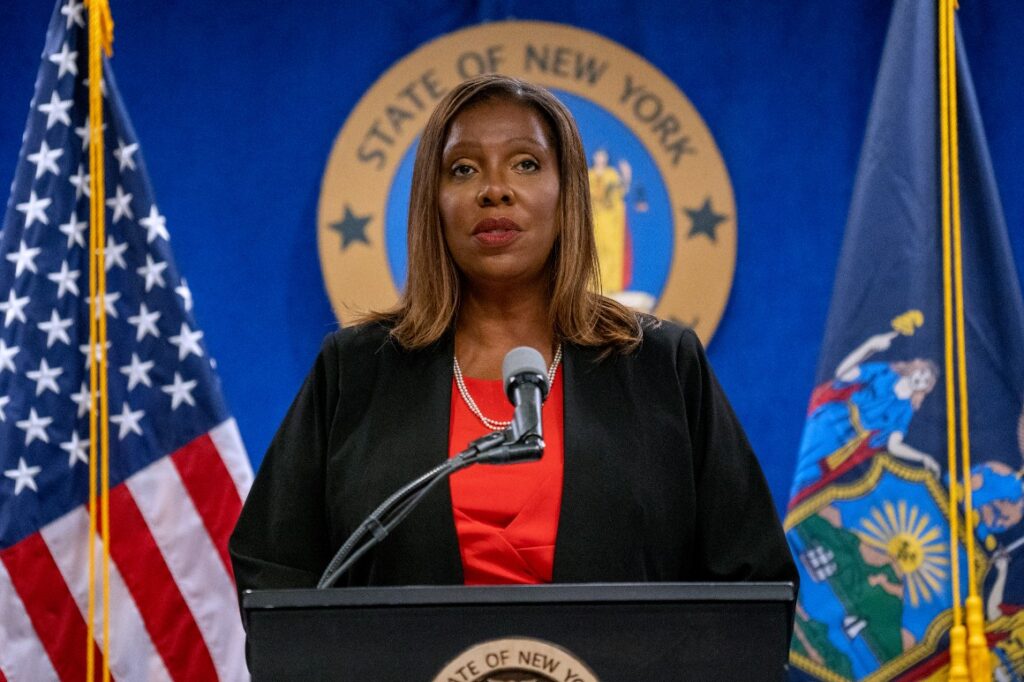
Where is the same fury against Tish James that some have directed at Donald Trump or Pam Bondi? Where is the same demand for accountability when her own NY Attorney General’s Office of Special Investigation (OSI) repeatedly refuses to pursue criminal charges against police officers in cases of civilian deaths?
Under AG James, OSI has reviewed multiple police-involved deaths and declined to bring charges:
Nyah Mway (13) — Utica (Oneida County), June 28, 2024 — no charges.
Win Rozario (19) — Queens (NYC), March 27, 2024 — no charges.
Jarrel Garris — New Rochelle (Westchester County), July 3, 2023 — no charges..
Daniel K. McAlpin (41) — Wawarsing/Ulster County, September 9, 2022 — no charges.
Different cities. Different departments. Same outcome — no criminal charges pursued. Yet many of the same voices demanding accountability from federal officers show little to no sustained pressure on the AG, whose office repeatedly clears local police of criminal liability.
This is not a coincidence. Holding ICE accountable costs nothing locally. Holding the New York Attorney Generalaccountable means confronting party loyalty, political alliances, and institutional power in our own backyard. One produces applause. The other produces consequences.
That is how moral outsourcing works.
That is how outrage becomes selective.
That is how accountability dies quietly while activism stays loud.
The result is a distorted moral hierarchy:
A white man’s death produces national outrage, political statements, and even discussions of lowering the American flag.
A Black veteran and retired correction officer killed in his own home becomes a local inconvenience.
That hierarchy communicates value — whether people admit it or not. The level of outrage becomes a proxy for who is deemed more valuable.
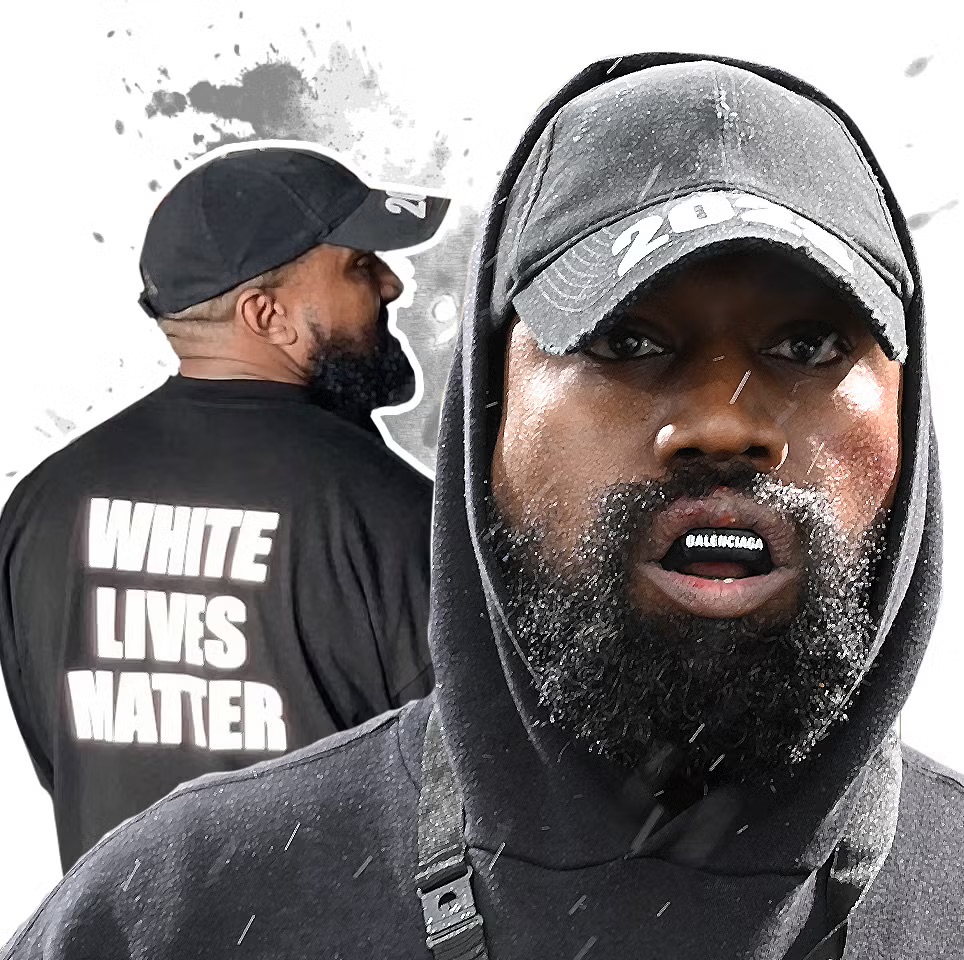
This is why the reaction to Kanye West’s “White Lives Matter” shirt is worth revisiting. Many condemned the slogan as offensive and dangerous. But the danger was never the shirt. The threat was behavior, making the slogan appear authentic.
When outrage for a white man with a gun eclipses outrage for an unarmed Black man seeking help — especially among those who claim to champion accountability — the contradiction becomes impossible to ignore.
Black America does not lack compassion.
It lacks sovereignty over its moral priorities.
When outrage is externally triggered and selectively applied, justice becomes theatrical and Black suffering becomes negotiable. That is not solidarity. That is dependency.
Police violence against Black people did not begin with social media. It did not start with body cameras. And it did not begin when national media decided a story was worthy of attention. The tragedy is that, after centuries of evidence, many still require permission to care.
That is not justice.
That is conditioning.
And until that conditioning is confronted — honestly and without excuses — Black lives will continue to be mourned quietly, while others are memorialized loudly.
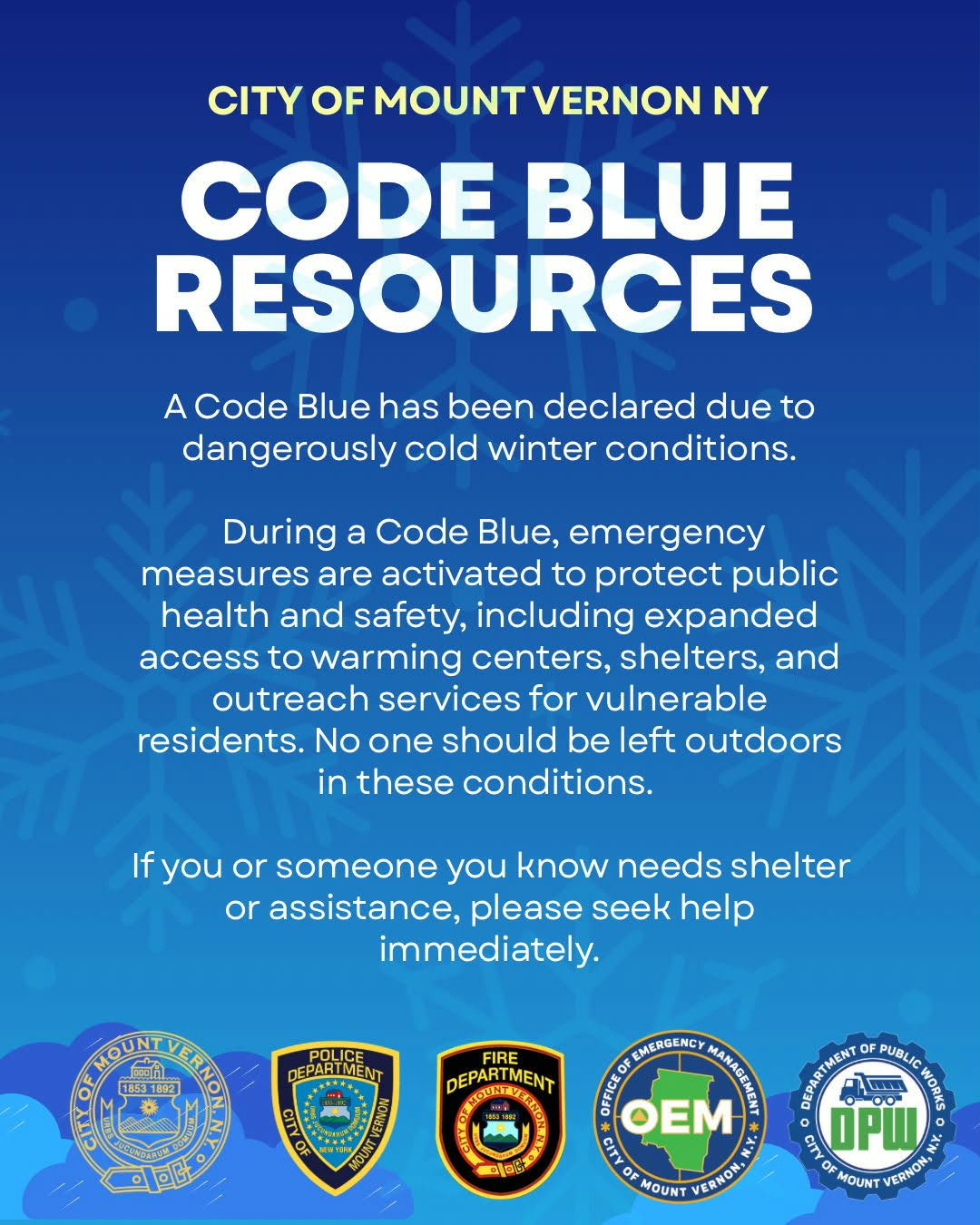
A Local State of Emergency has been declared to ensure the City of Mount Vernon can respond quickly, efficiently, and with all available resources. Residents are encouraged to stay safe, remain connected, and check in on neighbors—especially seniors and those who may be vulnerable.
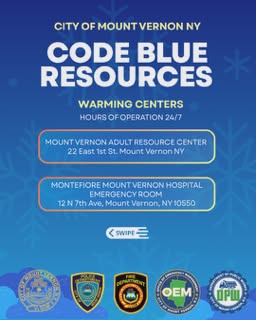
🚨 CODE BLUE WINTER ALERT 🚨
The City of Mount Vernon has activated Code Blue due to dangerously cold weather conditions. Warming centers and emergency services are available. Please share this information to help keep everyone safe. ❄️💙
Emergency & City Services
📞 Emergency: 911
🚓 Mount Vernon Police Department: 914-665-2500
🚒 Mount Vernon Fire Department: 914-665-2626
🔥 Heat Complaints: 914-359-1452
Warming & Medical Facilities
🏠 Mount Vernon Adult Resource Center 📍 22 East 1st Street
🏥 Montefiore Mount Vernon Hospital – Emergency Room 📍 12 North 7th Avenue
CMVNY Notify – Stay Informed
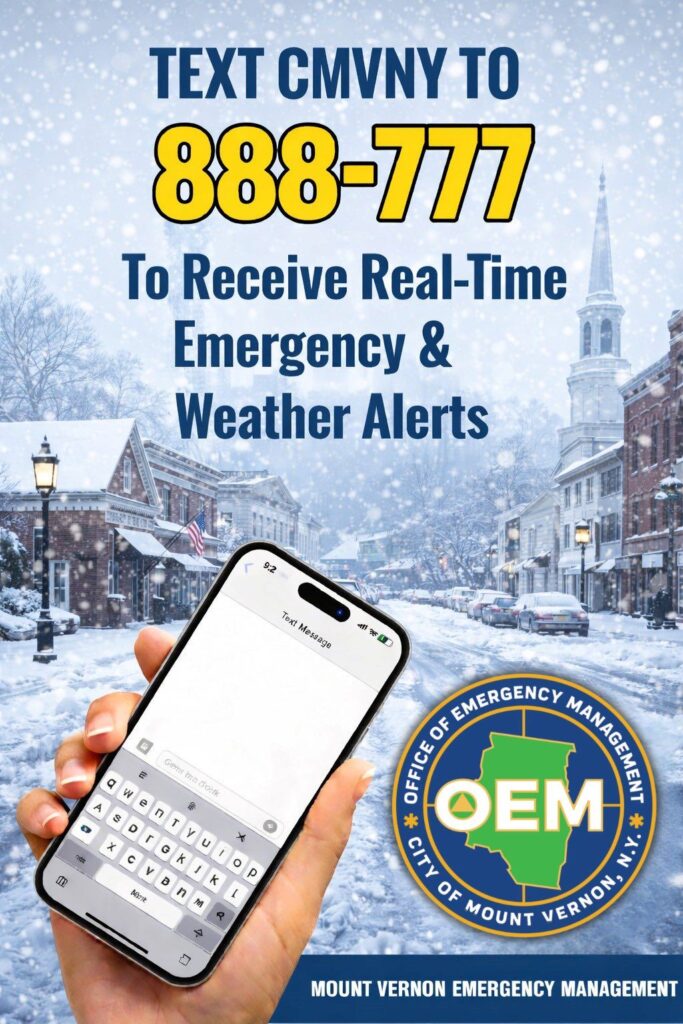
📲 Sign up for emergency alerts: Text CMVNY to 888-777 to receive real-time emergency notifications, weather alerts, and public safety updates.
Please check on neighbors, seniors, and anyone who may need assistance. No one should be left outdoors in these conditions.
During the storm, residents are urged to remain indoors when conditions worsen and to use 911 for emergencies only. After the storm, use caution when walking or driving, watch for black ice, and stay away from downed power lines.
Snow Emergency Routes
Below is the current list of Snow Emergency Streets as designated by the Mount Vernon Police Department (MVPD). Vehicles parked on these streets during a snow emergency may be ticketed or towed to allow for snow removal and emergency access.
North & South Streets
Columbus Avenue — Bronxville to 3rd Avenue (East & West Sides)
Fulton Avenue — Parkway South to East 3rd Street (West Side)
Fourth Avenue — 1st Street to 4th Street (East & West Sides)
Fourth Street — 4th Street to Sanford Boulevard (West Side)
Eleventh Avenue — Bronx Line to Scott’s Bridge (East & West Sides)
Mount Vernon Avenue — Scott’s Bridge to Yonkers Avenue (East & West Sides)
North Fifth Avenue — West First Street to West Lincoln Avenue (East Side)
Gramatan Avenue — Center Street to First Street (East & West Sides)
East & West Streets
Devonia Avenue — Gramatan Avenue to Columbus Avenue (South Side)
Lincoln Avenue — Scott’s Bridge to Columbus Avenue (North Side)
Lincoln Avenue — Station Place to Pelham Line (North & South Sides)
Third Street — Complete: Warwick Avenue to New York City Line (North & South Sides)
First Street — Fulton Avenue to Bronx Line (North & South Sides)
Sanford Boulevard — Mundy Lane to Highland Avenue
Fulton Avenue — West to Bronx Line (North & South Sides)
Fulton Avenue — East to Pelham (North Side)
Oak Street — Lincoln Avenue to Yonkers Line (South Side)
Stevens Avenue — Lincoln Avenue to Gramatan Avenue (South Side)
Valentine Street — North 5th Avenue to West Lincoln Avenue (North Side)
Prospect Avenue — North 5th Avenue to North Columbus Avenue
Prospect Avenue — North 3rd Avenue to North 5th Avenue (North & South Sides)
Prospect Avenue — North 3rd Avenue to North Columbus Avenue (North Side)
Fiske Place — Gramatan Avenue to North 3rd Avenue (North & South Sides)
Grand Street — Fleetwood Avenue to Westchester Avenue (North & South Sides)
Broad Street — Locust Street to Westchester Avenue (North & South Sides)
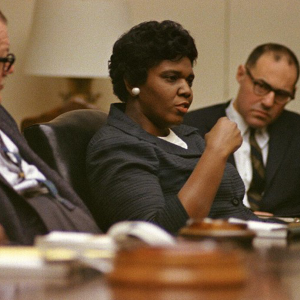
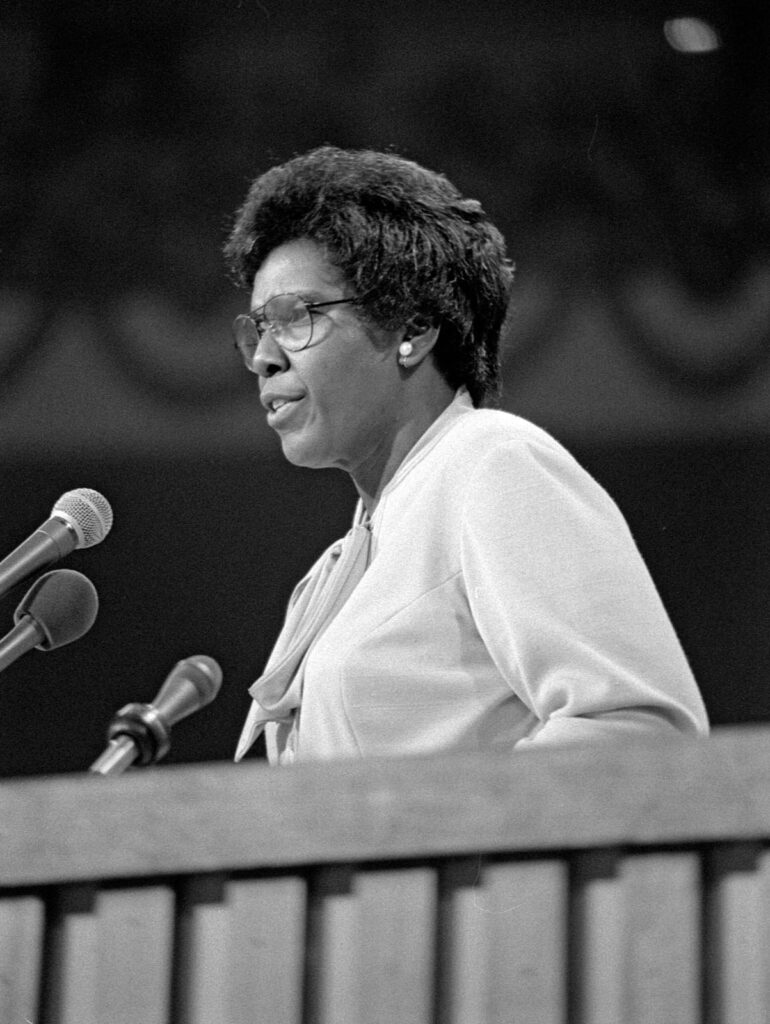
Black History Month often celebrates courage in theory while punishing it in practice. We praise Black leaders of the past precisely because they are no longer here to challenge us. Barbara Jordan is a perfect example.
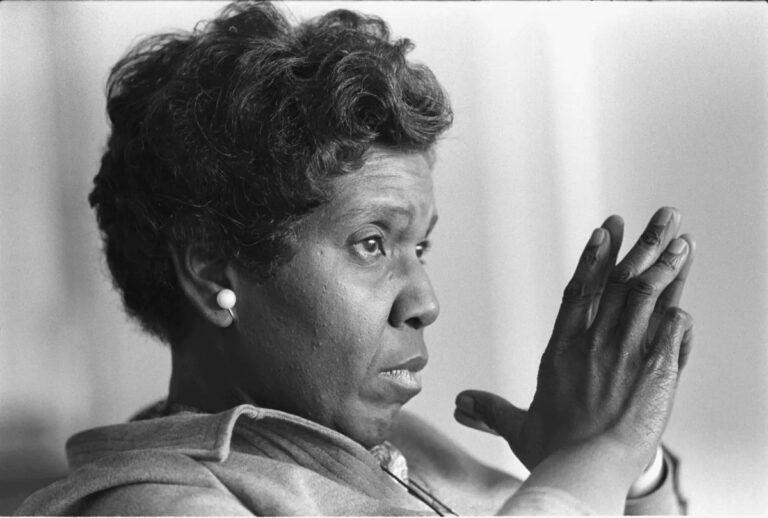
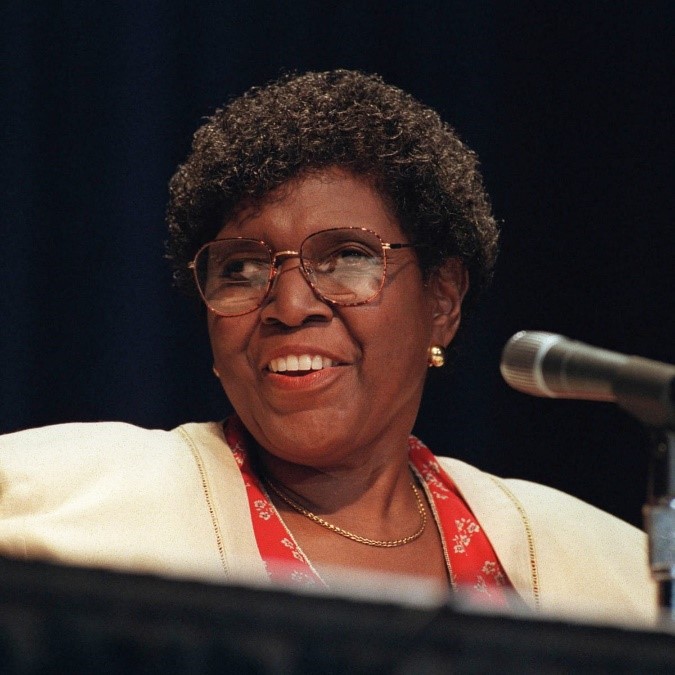
Barbara Jordan was a Democrat. A civil-rights icon. A constitutional scholar. A Black woman who broke barriers in Texas and in Congress long before diversity slogans were fashionable. Yet if she articulated her immigration views today—unchanged, documented, and grounded in data—she would not be celebrated. She would be condemned.
Barbara Jordan’s credentials were unimpeachable. She was a constitutional scholar, a graduate of Boston University Law School, and the first Black woman elected to the Texas Senate since Reconstruction. She later became the first Black woman from the South elected to the U.S. House of Representatives, where she gained national respect during the Watergate hearings for her clear, principled defense of the Constitution. A lifelong Democrat and civil rights leader, Jordan’s integrity and intellect led President Bill Clinton to appoint her as chair of the U.S. Commission on Immigration Reform in 1994. Her authority on immigration policy came from law, data, and public service at the highest level, inspiring admiration for her principled leadership.
In today’s political culture, Barbara Jordan would be labeled “MAGA,” revealing how current narratives distort or dismiss principled figures like her, which should concern us all and motivate a sense of responsibility to uphold honest policy debates.
Not because she embraced conservatism, but because she refused to abandon logic. Not because she opposed immigrants, but because she believed laws grounded in data and law matter. Not because she lacked compassion, but because she understood outcomes and the importance of evidence-based policy.
And tragically, much of the Black community—conditioned to treat emotion as morality and disagreement as betrayal—would likely turn on her, illustrating why data-driven policy is essential for genuine social justice.
That is not speculation. That is the current political reality.
Recognize that Jordan’s immigration work was rooted in a Democratic commission, appointed by President Bill Clinton and led by a Black woman with undeniable civil rights credentials, emphasizing the importance of evidence-based leadership.
The commission’s conclusions were clear—and uncomfortable.
Jordan argued that a nation that fails to enforce its immigration laws undermines the rule of law itself. She supported legal immigration, but rejected illegal immigration as destructive—not morally, but economically and socially. She warned that unchecked immigration depresses wages at the bottom of the labor market, strains public services, and disproportionately harms Black and low-income American workers.
In plain terms, she recognized what today’s politics often refuses to say out loud: when labor supply increases at the bottom without enforcement, wages fall. When housing demand rises without matching supply, rents rise. When public systems are stressed, service quality declines. Elites or policymakers do not absorb these costs. They are absorbed by working-class communities—disproportionately Black ones.
The Jordan Commission, therefore, recommended enforcing existing immigration laws before expanding immigration programs, imposing real penalties on employers who knowingly hire undocumented workers, strengthening border enforcement, reducing overall legal immigration to match economic capacity better, ending the diversity visa lottery, narrowing family-based immigration to immediate family members, and rejecting blanket amnesty because it incentivizes future violations.
These were not right-wing positions. They were Democratic conclusions based on evidence.
Jordan understood something today’s politics often denies: compassion without limits is not compassion—it is negligence. When policy ignores incentives, reality does not disappear. It simply shows up later, more concentrated, and more painful.
What makes Jordan’s legacy especially relevant today is how current attitudes toward immigration and Black leadership undermine her principles, shifting from evidence-based policy to moral posturing that weakens social progress.
In effect, we are being asked to accept policies that weaken Black economic standing while being told that objecting is immoral. We are told to sacrifice wages, jobs, housing stability, and bargaining power in the name of virtue. That is not solidarity. That is replacement—replacing the material interests of Black Americans with political symbolism that offers no protection when the consequences arrive.
Barbara Jordan would not have complied with that silence.
She believed citizenship meant something. She felt the law mattered. And she thought that ignoring who pays the price for bad policy is itself a form of injustice. She never confused empathy with surrender, or activism with analysis.
Black History Month should not be about rehearsing safe narratives. It should be about intellectual honesty. Barbara Jordan reminds us that authentic Black leadership has always included the courage to say what is unpopular when it is true—even when it costs applause, allies, or acceptance.
If Barbara Jordan were alive today, she would not change her conclusions to fit the moment. The moment would be forced to confront her findings.
And the fact that such a woman—Democrat, civil-rights icon, Black constitutionalist—would now be dismissed as “MAGA” tells us far more about today’s political culture than it ever could about her.

![Snow Removal Updates For Cities of Mount Vernon, New Rochelle & Yonkers [UPDATED]](https://blackwestchester.com/wp-content/uploads/2026/01/ChatGPT-Image-Jan-29-2026-05_54_45-PM-768x512.png "Snow Removal Updates For Cities of Mount Vernon, New Rochelle & Yonkers [UPDATED]")