Home Blog Page 14

Nation of Islam Saviours’ Day 2026: “We Must Make Our Community a Decent Place to Live”

Every year, Saviours’ Day serves as the annual gathering of the Nation of Islam — a moment of spiritual reflection, organizational direction, and community recommitment. This year’s theme, “We Must Make Our Community a Decent Place to Live,” strikes at the heart of a teaching that has defined the Nation of Islam since its modern rise in 1930: self-improvement as the foundation of community transformation.

The theme is not abstract. It is practical. It reflects the long-standing message of the Most Honorable Elijah Muhammad, who taught that freedom is not granted — it is built. That dignity is not requested — it is established. And that no people can rise who refuse to discipline themselves economically, morally, and socially.

To make a community “decent” requires more than political slogans. It requires order, safety, economic circulation within the community, respect between men and women, care for children, and cleanliness of streets, homes, and hearts. For decades, the Nation of Islam has emphasized ownership of businesses, agricultural development, strong family structure, personal discipline, and education rooted in self-knowledge. These teachings were never centered on waiting for government rescue. They were centered on internal reform first.

For decades, the keynote address at Saviours’ Day has been delivered by the Honorable Minister Louis Farrakhan, who rebuilt the organization in 1977 after its transition under Warith Deen Mohammed. The Saviours’ Day speech traditionally outlines the organization’s analysis of the social, political, and economic conditions affecting Black America and the broader world. It is not merely ceremonial; it is directional. It evaluates the times and challenges the community to respond with discipline and unity.

This year’s keynote address was delivered by Student Minister Ishmael Muhammad, marking a powerful generational moment at Saviours’ Day. As he spoke, the Honorable Minister Louis Farrakhan sat to the side, watching proudly as the next generation stepped forward to carry the message. The image itself reflected continuity — a passing of strength, discipline, and responsibility — signaling that the mission to uplift and fight for Black America is not ending, but advancing.

The Most Honorable Elijah Muhammad consistently taught that economic independence is the key to real freedom. A community that does not produce for itself will always depend on those who control production. While modern politics often promotes expanded programs and broader state involvement, the Nation of Islam’s message has long been that permanent dependency weakens initiative, weakens family structure, and weakens community cohesion.

A “decent place to live” is therefore not simply crime-free. It is economically active. It is morally grounded. It is culturally confident. It is a place where elders are respected, fathers are present, mothers are honored, and children are trained with purpose. It is a place where businesses thrive because the community supports them intentionally, not because of outside grants or temporary subsidies.

Saviours’ Day 2026 serves as a reminder that transformation does not begin in distant political offices. It begins in neighborhoods. It begins in homes. It begins with personal conduct and collective responsibility. The theme calls for accountability — not accusation. If our neighborhoods are unsafe, we must organize to correct it. If our dollars leave the community immediately, we must redirect them. If our schools fail our children, we must supplement and rebuild.

The central message remains consistent with the teachings that have defined the Nation of Islam for nearly a century: freedom is inseparable from self-sufficiency. To make our community a decent place to live is to reject chaos, reject corruption, reject exploitation, and replace them with structure, discipline, ownership, and faith.

Saviours’ Day is not only a commemoration. It is a recommitment — to build, to discipline, to organize, and to uplift. And according to the teachings of the Nation of Islam, that responsibility begins with us.

Where Legacy Meets Purpose: Inside Grace HBCU Weekend

Grace Baptist Church felt different that weekend. Not just busy. Not just full. But purposeful. From the moment the doors opened, the energy of legacy, ambition, and love for our children filled every hallway and handshake. The second annual Grace HBCU Weekend wasn’t just an event; it was a reminder to our young people of who they are and where they come from.

Saturday, February 21, 2026, set the tone. The sanctuary transformed into a bridge between dreams and opportunity. More than 25 HBCUs showed up, not just with brochures, but with belief. Parents leaned in with hope in their eyes. Students lit up when someone finally said, “Yes, you belong here.” The Ice Cold Experience Drumline shook the room like a heartbeat, reminding everyone that culture is power. The Financial Aid panel broke down barriers, and the Young HBCU Alumni spoke truth about resilience, identity, and survival with grace.

Young Alumni Panel from L to R. Moderator: Nia Baptiste, Howard U., Cayla Ross, Spelman College, Sydney Edwards, Fayetteville State U., Owen Burnside, Morehouse, Jonathan Mathieu, Virginia Union, Nia Fears, Clark-Atlanta U., Laylah Wilson, Norfolk State U. [Black Westchester]

You could feel that this weekend was carefully held, envisioned by Rev. Dr. W. Franklyn Richardson and brought to life by Dr. Candace Phaire, Deacon Clinton Myke, and Sakai Brown. This wasn’t programming for show. This was people who understood that representation isn’t symbolic, it’s necessary.

Rev Dr. W. Franklyn Richardson with the Young Alums [Black Westchester]

Sunday sealed it.

HBCU Sunday and Youth Sunday weren’t performances; they were affirmations. The pews became a runway of pride, Divine Nine letters, school colors, Black power statements stitched into fabric and spirit. Every outfit told a story. Every smile carried possibility. When the drumline performed again, it felt ceremonial. Like a declaration: Yes. This is who we are. This is where we’re going.

The Ice Cold Experience Drumline [Black Westchester]

I didn’t just attend Grace HBCU Weekend.

I witnessed investment.

I witnessed community choosing its future out loud.

I witnessed elders planting seeds and youth standing tall enough to receive them.

And that, right there, that’s sacred work.

Little Caesars Arena Roars as Claressa Shields Defends the Undisputed Heavyweight Crown in Detroit

Before the first punch of the main event was even thrown, the building felt like a major cultural event. The crowd stood for the anthems, with Wind Records artist Passion performing “Lift Every Voice and Sing,” followed by Grammy-nominated R&B gospel powerhouse Kelly Price leading the U.S. National Anthem. From that point on, it was clear this night wasn’t built to feel small.

Then the ringwalks started.

Baltimore’s Franchón Crews-Dezurn, the “Heavy Hitting Diva,” entered as the challenger. Flint’s own Claressa Shields entered as the defending, undefeated, undisputed heavyweight champion. The arena welcomed the world to Little Caesars Arena in Detroit for a 10-round championship fight broadcast on DAZN and promoted through a partnership that blended boxing, business, and culture: Salita Promotions and Win Records, along with 313 Presents and sponsors including Zeus Network.

And when the bell rang, they didn’t waste a second.

A Fast Start That Looked Like a Flashback

Commentary noted it immediately: the opening exchanges resembled their first fight from a decade ago. Both women came out throwing with real intent. Big overhand rights. Heavy exchanges in the center. Crews-Dezurn applied pressure early and forced Shields to make quick decisions.

But the difference, as the broadcast team pointed out, was Shields’ precision. Ten years later, she wasn’t just trading. She was picking spots, timing shots, and making the kind of adjustments champions make when the opponent is still dangerous.

The Story of the Fight: Shields’ Speed, Output, and Control

As the rounds developed, the pattern became hard to ignore.

Crews-Dezurn would fire three, and Shields would answer with five, six, sometimes eight punches in return. The announcers repeatedly pointed to Shields’ hand speed and work rate at this weight, calling her unusually fast for the division and noting how difficult it is for most heavyweights to match that pace.

A major tactical point came up over and over: Crews-Dezurn’s best moments started with her jab. When she used it, she could set up the right hand and interrupt Shields’ rhythm. When she drifted away from it or got pulled into extended exchanges, Shields’ speed advantage turned those moments into point-piling combinations.

The broadcast also highlighted Shields’ balance and base, noting she stayed under herself while throwing long combinations, which kept her able to defend and continue punching without falling in. That was one of the biggest differences in the fight: Shields could maintain form at high volume, while Crews-Dezurn often had to reset after bursts.

Body Work, Momentum, and a Champion’s Gas Tank

By the middle rounds, Shields’ body attack became a theme. The commentary repeatedly called out her slip-left-hook-to-the-body sequence, describing it as “a thing of beauty.” Those shots mattered because they didn’t just score. They drained.

As the fight progressed, the team noted Crews-Dezurn’s body language changing. Shields still looked fresh. Crews-Dezurn was still game, still tough, still landing here and there, but the energy gap widened. One score update during the broadcast had Shields outlanding her by a wide margin, and the judges’ tone at ringside reflected what the crowd could see: Shields was taking control with activity, accuracy, and pace.

The atmosphere played a role too. Between rounds, the arena drums could be heard, and the broadcast noted the “homefield advantage” feel in Detroit. It sounded different. It moved different. Shields wasn’t just fighting in front of a crowd. She was performing in front of her city.

Scorecards Tell the Tale

After 10 rounds, the announcement was definitive.

All three judges scored the bout 100–90, a unanimous decision for the winner and still the undefeated, undisputed heavyweight champion of the world, Claressa Shields.

Whether you felt Crews-Dezurn stole a round or two with grit and pressure, the official verdict left no debate: Shields owned the night.

Shields After the Win: Respect, Honesty, and the Drive for More

In the in-ring interview, Shields didn’t pretend it was easy.

She called Crews-Dezurn tough, credited her power, and said she had to “take her time” and be “tricky.” She spoke about needing to time the jab because Crews-Dezurn may be shorter, but “she’s longer,” and when that jab comes, the right hand follows.

Shields also said she “almost had her out” around round seven, and admitted she wasn’t punching enough in rounds seven through nine by her own standard, saying she plans to go back to camp, get in better shape, and keep chasing knockouts, even though she can win these fights unanimously.

Then she addressed what many people were talking about: the weigh-in incident and the tension between teams. Shields said the chaos was out of her and Crews-Dezurn’s control, and if she could do it over, she wouldn’t even have pushed her because she didn’t want the aftermath. She spoke with real love about Crews-Dezurn, recalling a moment when she was struggling before a fight and Crews-Dezurn was there for her.

That’s the part you don’t always see in promotion. Two competitors with history, conflict, and respect all at once.

Culture Meets Championship: The Win Records Connection

One of the loudest signals from this event is that women’s boxing is building more than fights. It’s building platforms.

Promoter remarks post-fight credited Papoose as a key bridge in connecting Win Records and Salita Promotions, framing the night as boxing, culture, hip-hop, and world-class championship energy coming together. That matters because it reflects what Detroit witnessed: not just a title fight, but a full production that treated women’s boxing like main-event business.

Crews-Dezurn: Tough, Proud, and Still Standing

Crews-Dezurn also got the mic, and she sounded like exactly what she calls herself: a diva with grit.

She shouted out Baltimore, Virginia, and D.C. supporters, told Detroit not to “act stank” because they love her too, and congratulated Shields while making it clear she’s still willing to run it back. She even joked she might need to bandage the other knee and wear an ankle brace next time, but she’s still here to push the sport forward.

And that may be the real takeaway.

You can lose a fight and still elevate the event when you come to fight for real. Crews-Dezurn did that. Shields did more than that.

What This Night Means for Women’s Boxing

The commentary at the end captured the larger point: women’s boxing has come a long way since their first fight, which helped spark this era. The moment Shields paused during her walkout and took in the crowd said it all. It was the look of someone realizing the impossible is now normal.

A sold-out arena. A main event built around women. A performance that blended skill, toughness, and showmanship. Detroit didn’t just watch Claressa Shields defend titles.

Detroit watched women’s boxing prove it belongs on the biggest stage.

Mt. Vernon Arts & Cultural Society Builds Cultural Legacy Through Youth Art and Leadership

On Saturday, February 21, 2026, the Mt. Vernon Arts & Cultural Society (MVACS), A.K.A. Mt. Vernon Arts Council did more than host an exhibition; it demonstrated what cultural stewardship looks like in action.

Under the leadership of President Judy Williams, the Society proudly presented the Mt. Vernon OLV 7th Grade Black History Month Artist Showcase, transforming 50 E. Sandford Boulevard into a living classroom where scholarship, artistry, and civic consciousness converged.

This was not a ceremonial nod to Black History Month. It was intentional programming designed to build confidence, critical thinking, and cultural literacy.

At the heart of this showcase was award-winning art instructor Mezaun Arnone, whose disciplined, student-centered approach shaped every piece in the room. Arnone, recently voted Mount Vernon Gold Winner for Art Instructor and Art Lessons and recipient of Platinum Art Valor for Art for Veterans arts lessons, leads her students through a rigorous STREAM curriculum, integrating Science, Technology, Reading, Engineering, Art, and Math through project-based learning.

Students are not simply handed materials. They research. They sketch. They engineer structure. They sculpt in clay. They refine their work in acrylic paint. Twice a week, Arnone teaches them how to build with their hands and articulate with their minds.

And during the opening reception, that articulation took center stage.

Each student stood beside their work and explained their historical research, artistic symbolism, and creative process. The spotlight moved intentionally through the lineup:

Luka presented John R. Lewis and the Edmund Pettus Bridge, symbolizing courage under fire and the cost of crossing toward justice.

Maebon honored Jackie Robinson with a sculpted baseball bat,  representing both athletic excellence and the weight of integration.

Layla interpreted Rosa Parks and the Montgomery Bus, capturing the quiet resistance that ignited a national movement.

Morgan constructed Thurgood Marshall’s gavel and base,  a reminder that justice is argued, defended, and built.

Savannah created a Fannie Lou Hamer ballot box, democracy sculpted into tangible form.

Melanie honored Pierre Toussaint, highlighting service, entrepreneurship, and philanthropy.

Bailey sculpted Sojourner Truth, strength and fearless truth-telling embodied.

Christopher represented Francis Cecil Sumner, one of the first Black psychologists, honoring intellectual leadership and mental health scholarship.

Liam created a symbolic tribute to Gordon B. Hancock, recognizing the power of academic thought and public advocacy.

Amaru painted a portrait of Dr. Martin Luther King Jr., capturing both resolve and reflection.

Luke H. interpreted Frederick Douglass’ autobiography, literacy as liberation molded into clay.

Mckenzie sculpted Dorothy M. Day’s Fist of Power, blending faith with activism in a bold, expressive form.

The room held more than artwork. It held research, intention, and voice.

By hosting this showcase, the Mt. Vernon Arts & Cultural Society reaffirmed its role as a cultural anchor in the city, creating platforms where youth scholarship meets public recognition. The Society understands that arts education is not enrichment; it is infrastructure. It shapes how young people see themselves in history and how they imagine their role in the future.

Westchester County Legislator Tyrae Woodson-Samuels concluded the program by thanking each student individually and offering words of encouragement to students and parents alike. His remarks underscored the civic significance of the afternoon, these students were not just participating in an art show; they were practicing public leadership.

What unfolded that day was evidence of what happens when institutional support meets instructional excellence. Through Mezaun Arnone’s leadership and the Mt. Vernon Arts & Cultural Society’s commitment to cultural programming, students were given more than supplies. They were given a stage.

And stages build confidence.

The Mt. Vernon Arts & Cultural Society continues to expand opportunities for youth, artists, veterans, and families throughout the city. Programs like this Black History Month showcase are possible because of community investment and partnership.

Residents interested in supporting future initiatives, attending upcoming events, or volunteering are encouraged to connect with the Mt. Vernon Arts & Cultural Society and become part of the work.

Because when we invest in our cultural institutions, we invest in our children.

And on February 21, Mount Vernon saw what that investment looks like.


The Mt. Vernon Arts & Culture Society (MVACS) is a non-profit organization serving as the arts and culture council for the City of Mount Vernon. The society focuses on supporting local artists, musicians, and writers while promoting community development through creative initiatives. For more information on MVACS, visit their website.

The Mount Vernon NAACP Black History Month Event at Macedonia Baptist Church Wasn’t Just a Program, It Was a Reminder By Larnez Kinsey

There are events you attend.

There are events you enjoy.

And then some events quietly recalibrate you.

The kind that makes you sit in your car afterward a little longer.

The kind that follows you home.

The kind that tap you on the shoulder days later like, “Yeah… that mattered.”

February 19, 2026, at Macedonia Baptist Church in Mount Vernon was that kind of night.

Not flashy.

Not performative.

Not “look at us” energy.

It was “remember who you are” energy.

And that’s rare.

Before the Program Even Started, We Broke Bread

Before a microphone was lifted…

Before anyone took the stage…

Before the first official word was spoken…

We ate together.

We broke bread.

Plates were passed.

Smiles were exchanged.

Conversations flowed easily in the hall.

People who hadn’t seen each other in months caught up.

New faces were welcomed.

Elders were served first.

Laughter echoed softly through the hallway.

And that mattered.

Because community doesn’t start at the podium.

It starts in shared spaces,

in small conversations,

in warm greetings,

in familiar voices calling your name.

That moment in the hall set the tone.

We weren’t just attending an event.

We were gathering.

Before Anyone Spoke, the Room Was Already Talking

By the time people took their seats, the room was alive.

Elders greeting each other with both hands.

Young people straightened up when they realized this wasn’t background noise.

Community leaders and elected officials leaned in close, whispering ideas, plans, intentions.

Coats were folded neatly.

Programs were passed down the pew.

Smiles exchanged like, “Yeah… I’m glad I came.”

The atmosphere wasn’t rushed.

It was deliberate.

Like everybody subconsciously agreed:

Tonight deserves our full attention.

Kathy Brewington Didn’t Just Open the Program,  She Set the Standard

When Kathie Brewington stepped up, she didn’t raise her voice.

She didn’t need to.

Her presence already had authority.

She welcomed everyone with warmth and clarity and took time to recognize the leadership in the room, especially Nicole Hines, NAACP Regional Director for the Mid-Hudson/Westchester region. She also acknowledged the elected officials in attendance, members of the Yonkers NAACP, and leadership from the Ann Sullivan Lions Club of White Plains.

That recognition mattered.

Because strong movements honor the people doing the work.

She reminded us why the NAACP still matters.

Why membership matters.

Why consistency matters.

Why support matters.

Participation matters.

Not when it’s trending.

Not when it’s convenient.

All the time.

Her words felt like accountability wrapped in love.

Like:

“We’re building something. Are you helping… or just watching?”

When Faith Shifted the Atmosphere

Then Minister Andre Coleman began the invocation.

And listen.

The room changed.

Phones went down.

Bodies settled.

Side conversations disappeared.

Drawing from Psalm 9:1–4, he reminded us:

“God is in charge.”

Simple sentence.

Heavy impact.

In a world that constantly tries to destabilize Black people emotionally, spiritually, and politically, that reminder felt grounding.

Like the room exhaled together.

Honoring the Shoulders We Stand On

A moment of silence was held for Rev. Jesse Jackson.

And it wasn’t rushed.

It wasn’t awkward.

It was sacred.

It held decades of sacrifice, organizing, and courage.

Oscar Brizuela-President of the Mount Vernon Lions Club & Dr. Rosemary J. Uzzo [Black Westchester]

And seeing Dr. Rosemary J. Uzzo, 90 years old, in the front pew, still present, still invested, was its own sermon.

That is what commitment looks like.

Not seasonal.

Not situational.

Lifelong.

Kaitlyn Smith Didn’t Perform. She Affirmed.

Then Kaitlyn Smith stepped forward.

Calm.

Centered.

Unshaken.

She sang “Lift Every Voice and Sing” like she understood every lyric was a responsibility.

Then she spoke.

“Our hair is joy.”

“I love you, Black boy.”

And suddenly, the room softened.

Mothers leaned in.

Elders nodded.

Teenagers looked up.

She wasn’t reciting poetry.

She was speaking healing.

She was planting confidence.

She was reminding young Black people, out loud, that they are worthy of love, protection, and celebration.

That is nation-building work.

When the Room Expanded Beyond Mount Vernon

Mayor Shawyn Patterson-Howard connected our local experience to the global Black story.

Africa.

Brazil.

The diaspora.

She reminded us that Mount Vernon is part of something older than borders and stronger than systems.

You could feel people sit up straighter.

Prouder.

More connected.

Kenneth Jenkins Came With Truth , And AJ Woodson Held the Space

Then Westchester County Executive Kenneth Jenkins took the microphone.

No fluff.

No pandering.

Just truth.

“History is trying to be erased.”

That landed.

Then he shared the numbers.

42,000 registered voters.

About 6,200 participants.

Silence.

Because now we weren’t just celebrating.

We were confronting ourselves.

“You can’t agitate and legislate.”

Translation:

Being loud without being active is ineffective.

Being angry without being organized is wasted energy.

During the Q&A, AJ Woodson, Vice President of the Mount Vernon NAACP, served as moderator, guiding the conversation with clarity, respect, and purpose.

He made sure the dialogue stayed focused, meaningful, and rooted in solutions.

It wasn’t just talk.

It was strategy.

It was vision.

It was responsibility.

Kenneth Jenkins challenged us to turn passion into participation.

To turn complaints into commitments.

To stop spectating our own future.

When It Was Over, Nobody Wanted It to Be

When the program ended, nobody rushed out.

People stayed.

Talking.

Laughing.

Planning.

Exchanging numbers.

Hugging.

Strangers became collaborators.

Neighbors became partners.

It felt like watching a community recharge itself in real time.

Like something had been restored.

Days Later, It Was Still With Me

The next day, I thought about Kaitlyn’s voice.

Later, I heard Kenneth’s words in my head.

Then Kathy’s message resurfaced.

That’s when I realized:

That night didn’t end.

It embedded.

What That Evening Really Was

It wasn’t just a Black History Month program.

It was:

A mirror.

A reminder.

A responsibility.

A reset.

It reminded us that Black history isn’t something we visit once a year.

It’s something we live.

In how we vote.

In how we organize.

In how we support institutions.

In how we pour into youth.

In how we honor elders.

In how we show up.

From breaking bread in the hall to engaging in real civic dialogue, the Mount Vernon NAACP created a space where Black excellence wasn’t performative.

It was intentional.

And once you’ve been in a room like that…

You recognize it when it appears again.

You start valuing it differently.

You start making space for it.

Because spaces like that don’t happen by accident.

They happen when a community chooses itself.

And on February 19, 2026…

Mount Vernon chose itself.

State Of Emergency Declared In Westchester

1

Conditions are expected Sunday night into Monday. The National Weather Service has issued a Blizzard warning for Westchester County. Blizzard conditions will bring whiteout conditions Sunday night through Monday morning. Winter Storm Warnings are in effect for Orange, Putnam, Rockland, and the rest of Westchester County Sunday through Monday morning.

A state of emergency has been declared for Westchester County ahead of Sunday’s winter nor’easter, County Executive Ken Jenkins announced on Saturday. The State of Emergency for the County is in effect from Sunday at 6 p.m. in anticipation of the winter storm expected to impact the region beginning Sunday morning, with conditions deteriorating throughout the evening and overnight into Monday.

Forecasters are predicting heavy snow leading to hazardous road conditions, and high winds that may lead to downed trees and power outages.

Near-blizzard conditions are expected in this area. 8 to 14″ of snow is expected in the Hudson Valley, with the highest totals setting up in Rockland and Westchester County. There is the potential for more than 14″ of snow in heavier snow bands, but at this time, we expect those highest totals outside of the Hudson Valley.

“We are taking proactive steps to ensure the safety of our residents. We strongly urge everyone to stay home if possible,” CE Jenkins shared with Black Westchester.

Residents are advised to:

  • Avoid unnecessary travel, especially Sunday evening into Monday
  • Charge all electronic devices in advance in case of power outages
  • Secure outdoor items due to expected high winds
  • Monitor local forecasts and official updates

The Westchester County Departments of Emergency Services, Public Safety, Public Works, and Transportation are prepared and will be actively monitoring conditions.

Before a Power Outage

  • Charge cell phones
  • Gather supplies (flashlights, batteries, medications, water)
  • Turn refrigerator/freezers to a colder setting

Warming centers may be activated if needed. Residents seeking a warm place to shelter should check with their local municipality or visit the County website for updates.

MOUNT VERNON

Mount Vernon Mayor Shawyn Patterson-Howard echoes CE Jenkins on the need to prepare for the upcoming blizzard, “As we prepare for the upcoming blizzard forecasted for Sunday and Monday, I am asking every resident of Mount Vernon to take this storm seriously and make safety your top priority.”

The City of Mount Vernon has activated Code Blue due to dangerously cold conditions. Warming and emergency services are available. Please share to help keep everyone safe. Emergency Dial: 911, Police Department: 914-665-2500, Fire Department: 914-665-2626, Heat Complaints: 914-359-1452

Warming Centers: 
Mount Vernon Adult Resource Center: 22 East 1st Street
Montefiore Mount Vernon Hospital – Emergency Room: 12 North 7th Avenue
Stay informed: Text CMVNY to 888-777 to receive real-time emergency and weather alerts.
Please check on neighbors, seniors, and anyone vulnerable. No one should be left outdoors in these conditions.

Alternate side street parking rules will be suspended Monday, February 23rd – Tuesday, February 24th, in the city of Mount Vernon.

Hazards: 15 to 20 inches of snow, 25-35 mph winds with gusts up to 55 mph, isolated gusts up to 60 mph, and 1/4-mile visibilities expected. These conditions may cause power outages and difficult travel conditions. Avoid unnecessary travel. If you must travel, use mass transit.

YONKERS

A State of Emergency has been declared in the City of Yonkers, effective Saturday, February 21, at 6PM. 
There will be No Parking on Snow Emergency Routes beginning at 12AM (Midnight) on Sunday, February 22. Any vehicles remaining on Snow Emergency Routes after this time will be subject to ticketing & towing

“Yonkers knows how to respond when winter weather moves in,” Mayor Spano shared with Black Westchester. “With crews mobilized and our full fleet of plows ready to cover more than 650 lane miles of roadway, we are prepared for whatever this storm brings. We urge residents to use caution, avoid unnecessary travel, and allow our teams the space they need to keep our streets clear and safe.”

All necessary precautions are being taken by the City to ensure the safety of residents due to the anticipated snowfall. Vehicles are prohibited from parking on the City’s designated snow emergency routes (routes can be found at www.yonkersny.gov) starting at 12 AM on February 22.

Snow Emergency Routes

  • Warburton Avenue / Main Street – east side, from Old Red Gate corner Harriman to the north city line
  • North Broadway / Getty Square – east side, to the north city line
  • Riverdale Avenue – west side, from the city line north to Main Street
  • South Broadway / Getty Square – west side, to the south city line
  • Ashburton Avenue – south side, from Warburton Avenue east to Yonkers Avenue
  • Nepperhan Avenue / South Broadway – east side, to Old Nepperhan Avenue
  • Saw Mill River Road / Ashburton Avenue – east side, north to the city line
  • Tuckahoe Road / Saw Mill River Road – south side, to the city line
  • Yonkers Avenue / Nepperhan Avenue – south side, to the Mount Vernon city line
  • McLean Avenue / South Broadway – north side, to Bronx River Road
  • Elm Street – from Nepperhan Avenue to Prescott Avenue

Alternate Parking Options: Motorists parked along designated snow emergency routes must relocate their vehicles to alternate parking locations.

Free Parking Options Provided by the City are as follows:

  • School 25, located at 579 Warburton Ave
  • Nepperhan Community Center, located at 342 Warburton Ave
  • Untermyer Park, located at 945 N Broadway
  • Hudson River Museum, located at 511 Warburton Ave
  • Coyne Park, located at 771 McLean Ave
  • Grinton I. Will Library, located at 1500 Central Park Ave
  • Empire City Casino by MGM Resorts, located at 810 Yonkers Ave
     

Alternate Side Parking Suspended Sunday, February 22 and Monday, February 23. Meters will also be suspended. Garbage & Recycling: NO collection on Monday, February 23.

Drivers are urged to move their vehicles promptly after the storm to avoid fines or towing and to allow crews to safely clear roadways across the City. Yonkers Parking Authority lots are available and all lots follow standard parking rules and fees. For emergencies:  911 – For non-emergency police assistance:  914-377-7900 – For City services and inquiries:  914-377-HELP (4357)

NEW ROCHELLE

New Rochelle City Manager Wilfredo Melendez has declared a Snow Emergency effective 12:00 AM Sunday, February 22nd. During a Snow Emergency, parking and driving is prohibited on all designated and signed Snow Emergency Streets.  Parking is also be prohibited on certain signed streets once snowfall has exceeded 2 inches. Vehicles left on these streets are subject to being ticketed and towed. Residents are advised to follow all posted signage.

To help our crews better clear streets, and to reduce the need for shoveling out cars, free parking will be available on a first-come, first-serve basis at the following municipal garages from 4 PM Saturday, February 21 through noon Tuesday, February 24. Please observe posted signs when parking at these facilities:

  •        Transit Center Garage (1 Station Plaza North)
  •        New Roc Garage (31 LeCount Place)
  •        Guion Garage (116 Guion Place)
  •        Maple Avenue Garage (19 Maple Avenue)
  •        Illustrator Garage (600 North Ave)
  •       Highgarden Tower Garage (11 Garden Street)

Please check on neighbors, seniors, and anyone who may need assistance. No one should be left outdoors in these conditions.

Bee-Line buses and Paratransit will be suspended countywide as of 7 p.m. Sunday, February 22nd, and will be suspended until 2 p.m., Monday, February 23rd. Westchester County will monitor road conditions and provide updates to the public as necessary. Please check our website for further updates at www.westchestergov.com/beelinebus.

Additionally, following guidance from the New York State Division of Homeland Security and Emergency Services, Westchester County will institute a complete road ban beginning at 9 p.m. tonight, Sunday, February 22, through 10 a.m. Monday, February 23. The road ban is being implemented due to hazardous winter weather conditions expected overnight, including heavy snowfall and wind. Roads are closed to all but essential travel (police, fire, EMS, utility/public works, and hospital/medical personnel).

Stay Tuned to Black Westchester as this post will be updated as new information becomes available

When Walkouts Turn Risky: Who Is Accountable for Student Safety?

A recent news report out of Illinois has reignited concerns about student safety during school walkouts — particularly when parents are not informed in advance.

According to coverage by the New York Post and ABC7 Chicago, an 11-year-old special education student at Dundee Middle School became separated from classmates during a student-led walkout. The child, who has an Individualized Education Program (IEP), reportedly fell behind as students exited campus during a protest. He was later found near a busy roadway after calling his mother in distress. Police located him safely.

While the student was found unharmed, the incident raises larger questions that go beyond one school or one protest.

Schools are entrusted with the care of children for the majority of the day. That responsibility does not pause during activism, demonstrations, or spontaneous walkouts. In fact, during moments of confusion or crowd movement, the duty of care becomes even greater — especially for students with disabilities who may require additional supervision.

For many parents, the most troubling element is not the protest itself. It is the lack of notification. If a student leaves school grounds during school hours, and parents are unaware, who is responsible for ensuring every child is accounted for? What systems are in place to track students who receive special services? Was there a supervision plan? Were staff assigned specifically to vulnerable students?

Student expression has long been part of civic life. But student safety is not optional — it is a legal and moral obligation. Under federal law, including the Individuals with Disabilities Education Act (IDEA), schools must provide appropriate supervision and support services for students with disabilities. That obligation does not disappear when emotions are high or crowds are moving.

Walkouts can quickly shift from organized demonstration to chaotic movement. In large groups, students can become separated, distracted, or exposed to traffic and outside threats. When that happens, response time matters. Accountability matters.

For families in Westchester and beyond, the question is simple: If a walkout happens at your child’s school tomorrow, would you know? And if your child required additional support, who would be watching them?

This incident should prompt districts everywhere to review protocols:

• How are students tracked during unscheduled exits?
• Are parents notified immediately?
• Are special education students assigned direct supervision during demonstrations?
• What is the re-entry accountability process?

Activism should never come at the expense of child safety. Transparency and preparation are not political positions — they are parental expectations.

As more student-led actions occur nationwide, school districts must make one thing clear: No child should ever be unaccounted for. Not during class. Not during a protest. Not at any time.

Black Westchester will continue to follow developments and examine what safeguards are in place locally to protect students and ensure parents are fully informed.

Forty-One Years of Service, Two Weeks from Retirement: Honoring Sergeant Harold Preston and the Reality of the Badge

0

Nationwide — Sergeant Harold Preston of the Houston Police Department was shot and killed while responding to a domestic violence call at an apartment complex on the south side of Houston. He was 65 years old — and just two weeks away from retirement.

Preston had served 41 years in law enforcement. After more than four decades of putting on the uniform, answering calls, and protecting a city that rarely understands the daily risk officers face, his life was taken during what began as a routine domestic disturbance call.

According to reports, the suspect’s estranged wife contacted police, stating she was trying to move out of the apartment but was unable to retrieve her belongings. Officers responded to assist. When they arrived, 51-year-old Elmer Manzano was inside the apartment. His 14-year-old son reportedly opened the door using his key while Manzano stood armed with a gun.

Manzano opened fire, repeatedly striking Sergeant Preston. He suffered multiple gunshot wounds, including severe injuries to the head and spine. Officer Courtney Waller was also shot in the arm during the exchange. Manzano and his son were shot as well but are expected to survive. Manzano, who has a lengthy criminal history, is currently being held without bond.

Sergeant Preston was surrounded by his family when he passed away.

Houston Police Chief Art Acevedo described Preston as more than just a veteran officer.

“As good as he was as a cop, he was a better human being,” Acevedo said. “That is just the guy that he was, and we are going to miss him.”

Those words matter. Because behind the badge was a father, a colleague, a mentor, and a man who had given the majority of his adult life to public service.

This tragedy also brings attention to something rarely discussed publicly. Many officers remain on the job beyond their retirement eligibility for various reasons — financial obligations, a sense of duty, identity tied to the badge, love for the work, or simply not knowing what life looks like outside the uniform. Law enforcement becomes more than employment; it becomes who you are.

But this is also a profession where any given day can bring tragedy.

There is no such thing as a “routine” call. A domestic disturbance. A traffic stop. A welfare check. What starts as assistance can turn into violence within seconds. The badge does not shield anyone from that reality — whether they are in their first year or their forty-first.

There is honor in serving. There is dignity in protecting your community. But there is also wisdom in knowing when it is time to step away. The job is physically dangerous, mentally exhausting, and emotionally heavy. Officers absorb trauma repeatedly over decades. And as policies shift and repeat offenders cycle through the system, the risks do not decline with seniority.

Sergeant Preston was only days away from closing this chapter. Forty-one years of service, and the danger still found him.

For those still wearing the badge: plan your exit. Prepare for life beyond law enforcement. Build identity, stability, and purpose outside of the uniform. Departments continue. Shifts get filled. But families are left with the loss.

Today, we send our deepest condolences to the family of Sergeant Harold Preston. We pray for strength, peace, and comfort for his loved ones, his fellow officers, and the Houston community.

Forty-one years of service deserves respect.

Rest in peace, Sergeant Preston.

Yonkers Mayor Spano and County Executive Jenkins Rally Support for Frank Jereis

Momentum continues to build in the race for the 90th Assembly District as Yonkers Mayor Mike Spano and Westchester County Executive Ken Jenkins publicly rallied behind Democratic candidate Frank Jereis at a packed event at Yonkers Brewery.

More than 100 Yonkers Hispanic Democrats gathered for the rally, signaling growing enthusiasm around Jereis’ candidacy. While community leaders organized the event and local supporters filled the room, it was the unified backing of Spano and Jenkins that underscored the political weight behind the campaign.

Mayor Spano referred to Jereis as a “Son of Yonkers,” emphasizing that this State Assembly race is critical for the city’s future. He stressed the importance of sending someone to Albany who understands Yonkers firsthand and has the experience to effectively advocate for its residents.

County Executive Jenkins echoed that sentiment, praising Jereis’ commitment to affordability, public safety, and economic opportunity. As a longtime Yonkers resident and former head of the Yonkers NAACP, Jenkins highlighted Jereis’ deep roots in the community and his readiness to represent working families.

Jereis currently serves as Chief of Staff to outgoing Assemblymember Nader Sayegh, who is not seeking re-election. The 90th Assembly District is the only Assembly district entirely contained within the City of Yonkers, making the race especially significant for local leadership.

In addition to the endorsements from Spano and Jenkins, Jereis has secured support from County Legislators including Jose Alvarado, as well as labor unions representing police officers, firefighters, Teamsters, and AFSCME Local 1897. He also received unanimous backing from the Yonkers Democratic Committee, along with endorsements from NY HALEO and Pluma Libre, Yonkers’ longest-running Hispanic newspaper.

Speaking at the event, Jereis focused on rising costs facing families across the city. He pledged to fight for increased State Aid for Yonkers, push for reforms to Tier 6 retirement benefits to ensure dignified retirements for public servants, and address soaring Con Edison utility rates that continue to burden residents.

With Mayor Spano and County Executive Jenkins now firmly in his corner, Jereis’ campaign is positioning itself as the institutional and community-backed choice in what is shaping up to be one of Yonkers’ most important races this year.

MV NAACP Celebrates CE Ken Jenkins At Black History Program By Dennis Richmond, Jr., M.S.Ed.

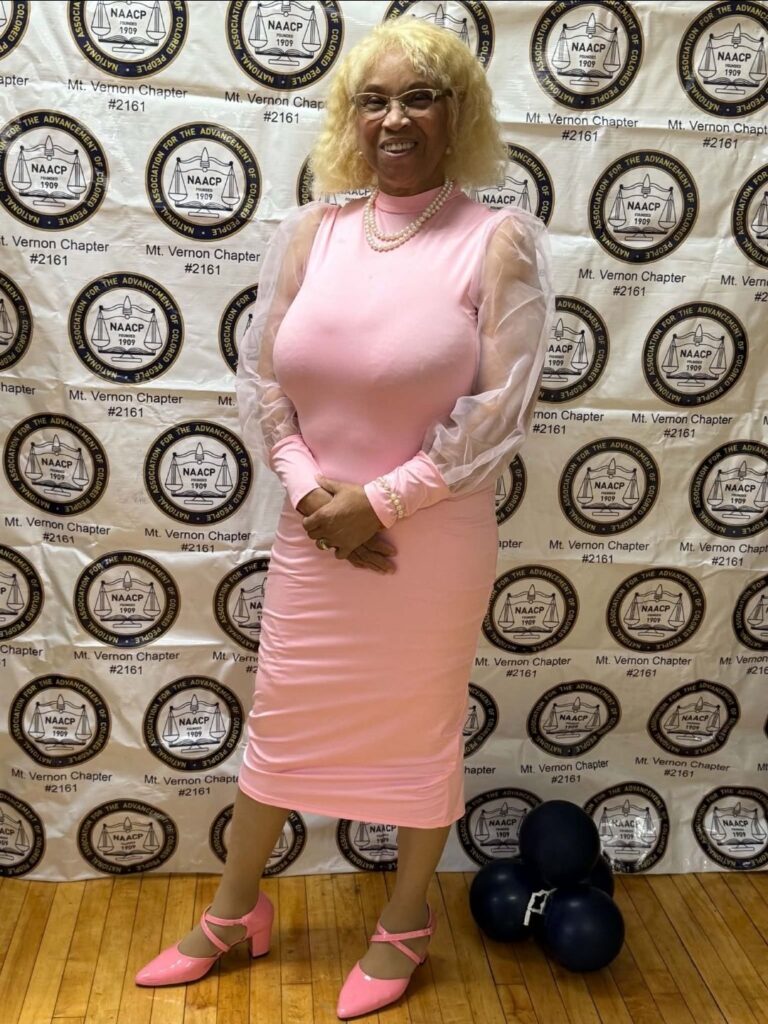
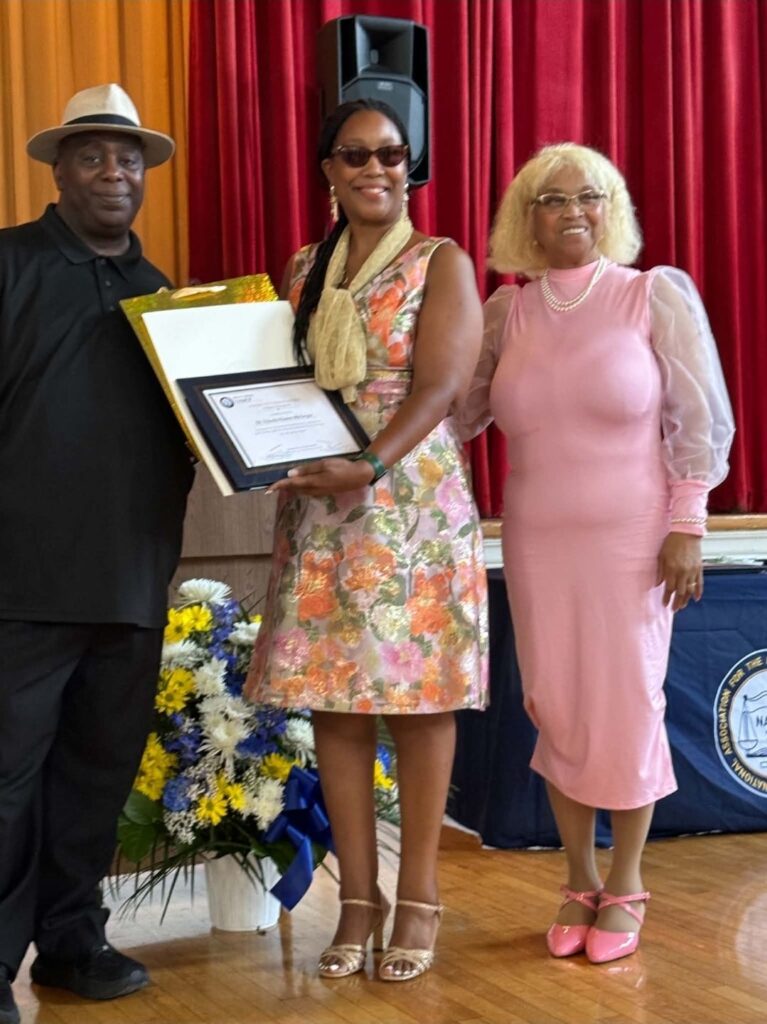
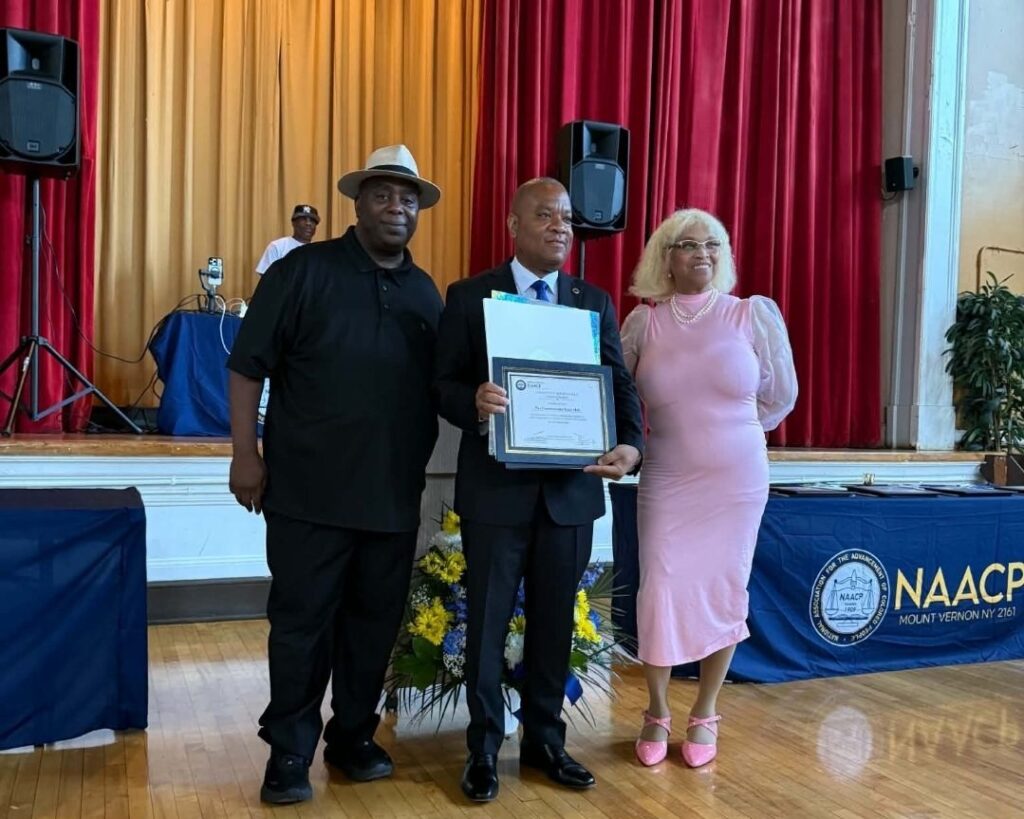
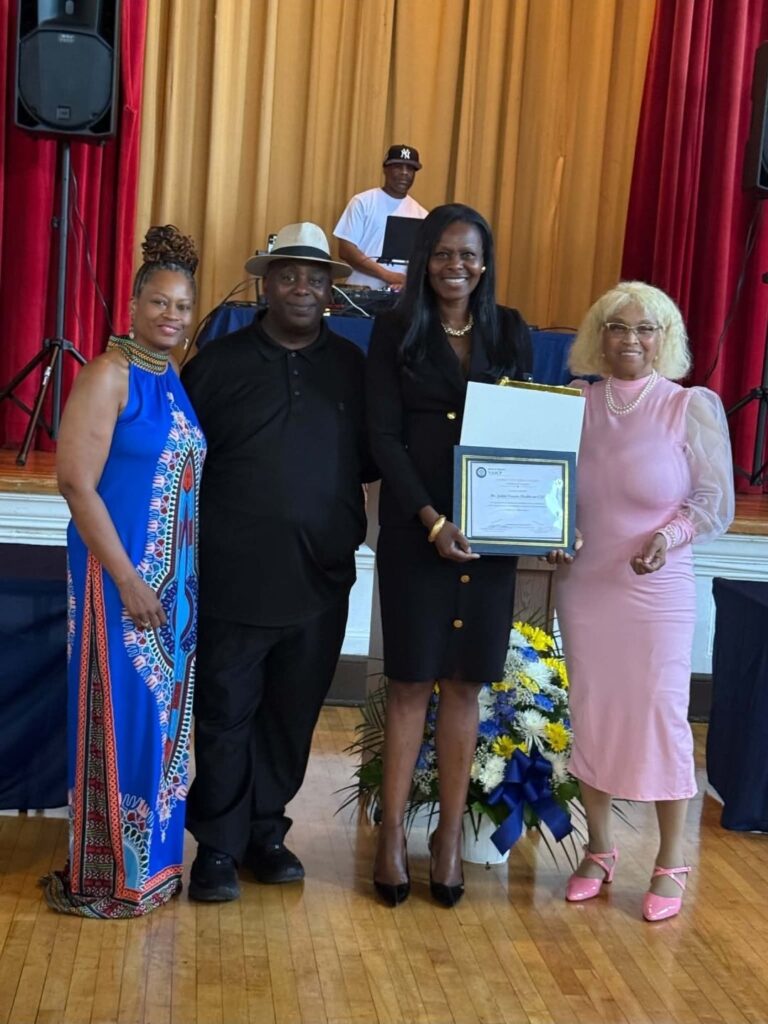
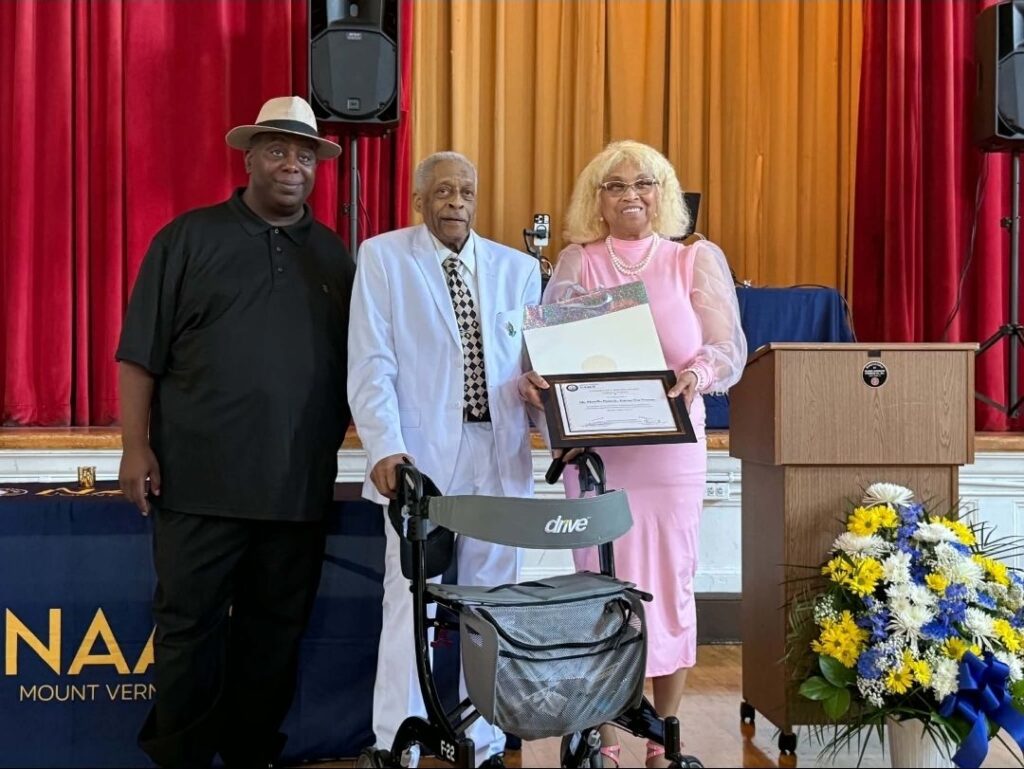
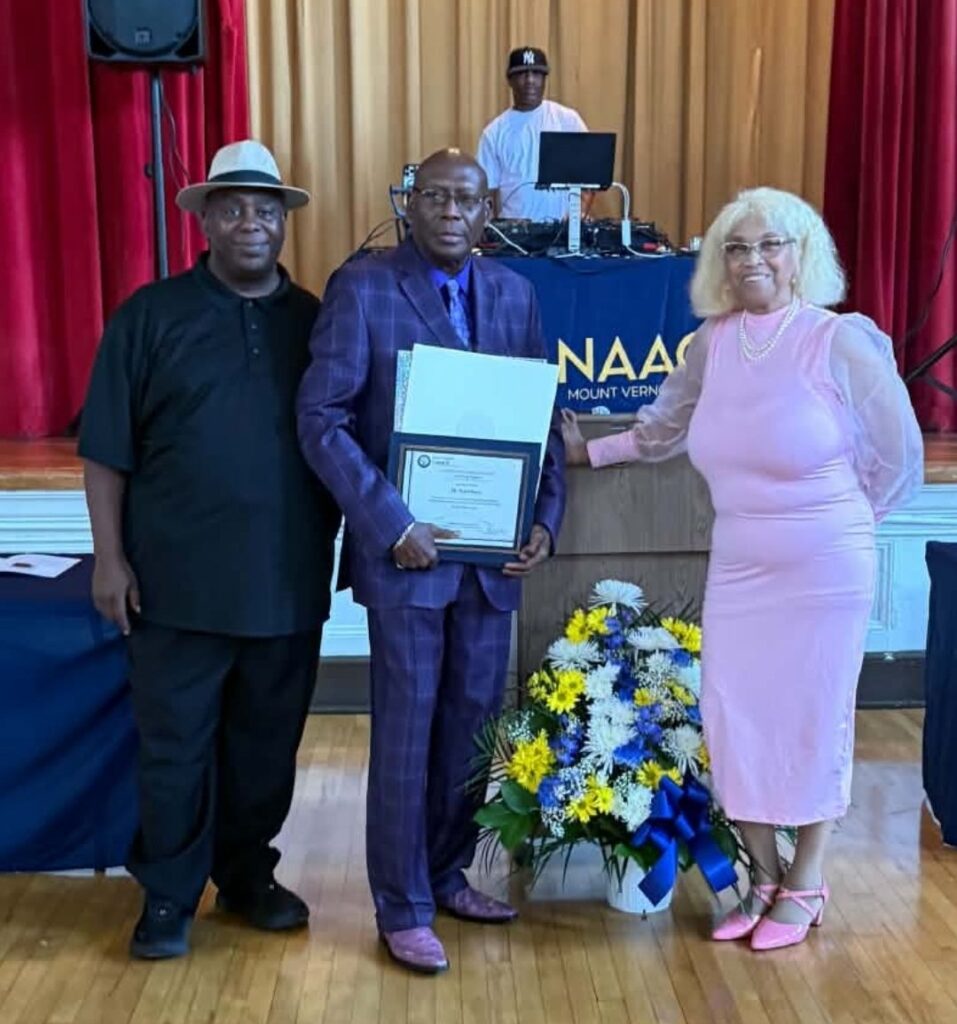
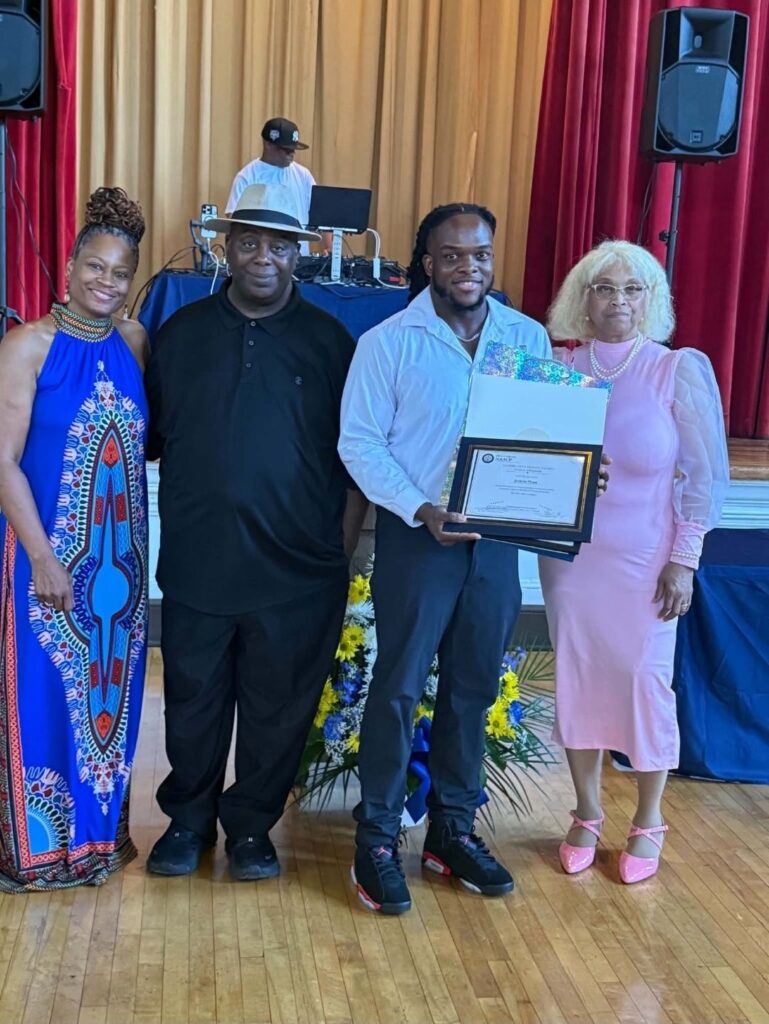
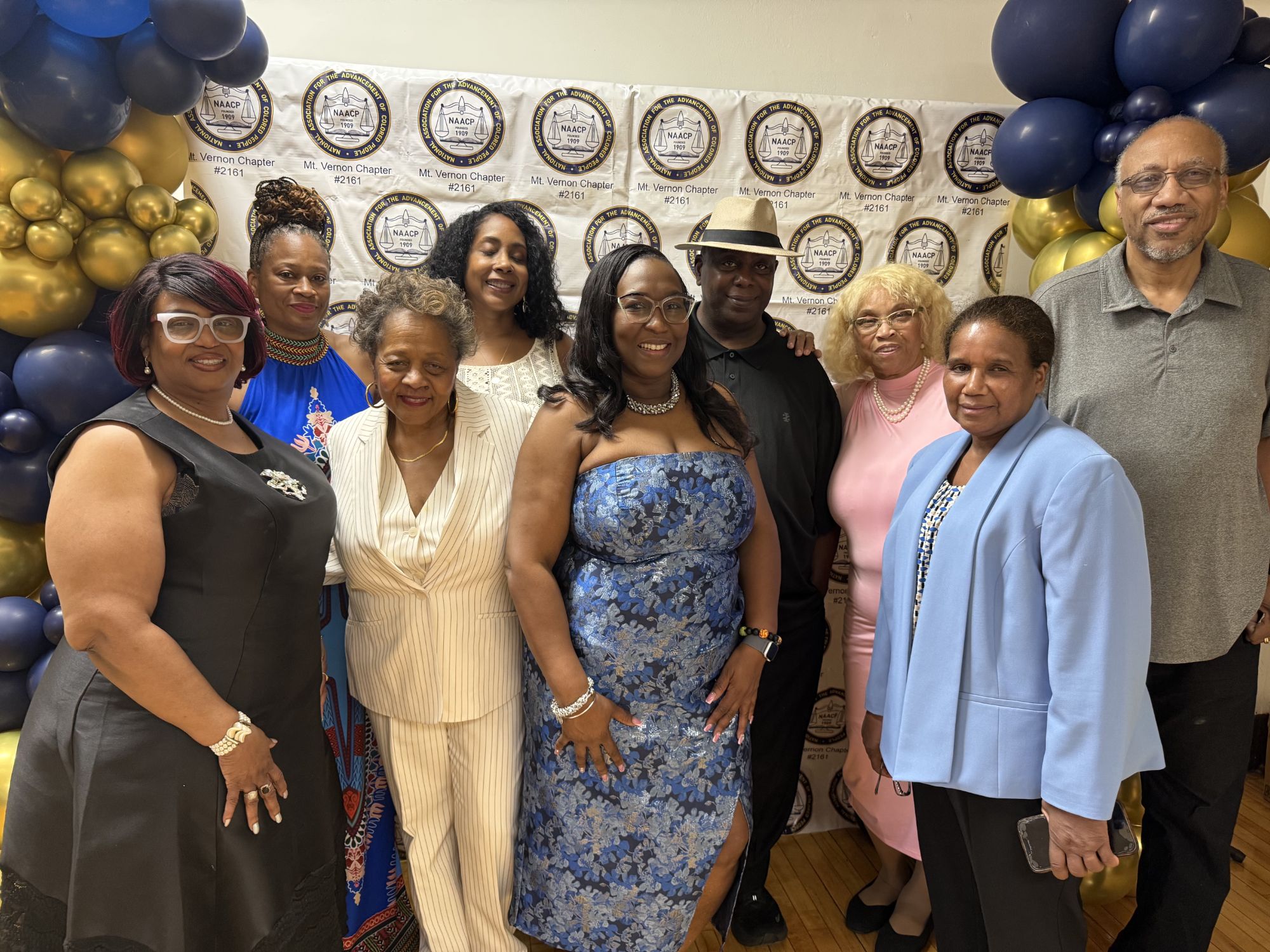
The Mount Vernon Branch of the NAACP brought together elected officials, community members, leaders, and residents, including NAACP Regional Director for the Mid-Hudson/Westchester region, Nicole Hines for an evening of reflection, faith, and civic engagement during its “Celebrating Black History Month” program on Thursday, February 19, 2026, held at Macedonia Baptist Church located at 141 South 9th Avenue.

The event celebrated Black History Month while hearing from an amazing guest speaker. The speaker was Westchester County Executive Kenneth W. Jenkins.

Kathie Brewington, President of the Mount Vernon NAACP, opened the evening by welcoming attendees and encouraging continued support for the organization, reminding guests of the importance of renewing their memberships. Her message underscored a key theme of the night: participation matters.

The program moved forward with remarks from community voices, including Judy Williams Davis who served as the Mistress of Ceremony, followed by Minister Andre Coleman, who grounded the room in faith. Drawing from Psalm 9:1–4, Minister Coleman reminded attendees that “God is in charge,” offering a message of reassurance and spiritual strength in uncertain times.

A moment of silence was held in honor of civil rights icon Rev. Jesse Jackson, recognizing his decades of leadership and advocacy for justice and equality.

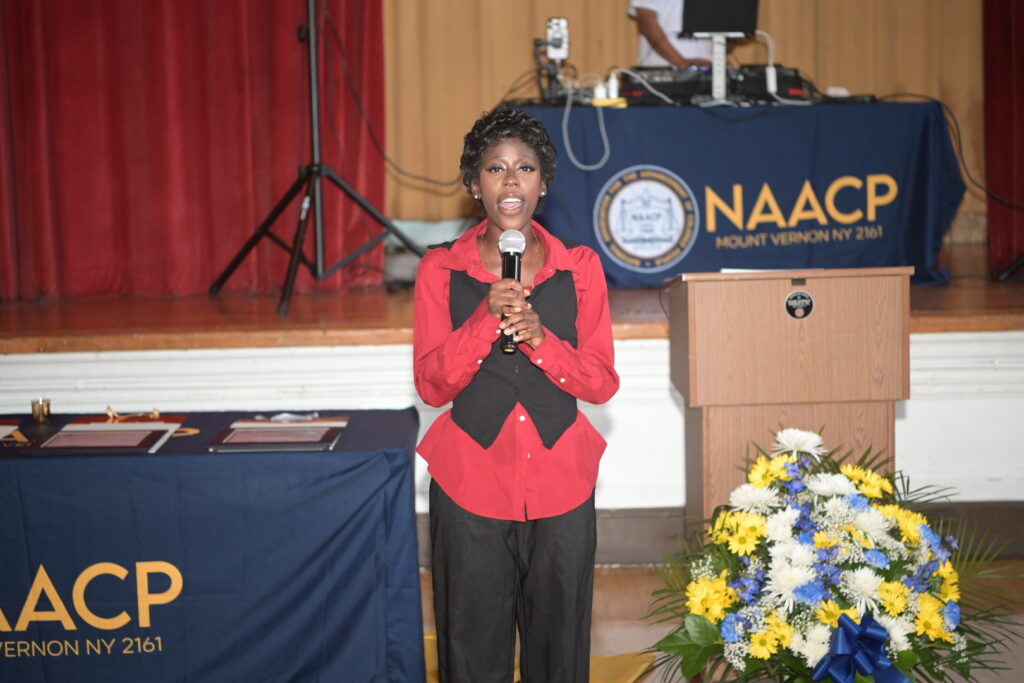
The evening also made space for youth expression. Mount Vernon Poet Laureate Kaitlyn Smith sang the first verse of the Black National Anthem ‘Lift Every Voice And Sing,’ before delivering a moving poetry selection, including lines such as “our hair is joy” and “I love you, Black boy,” highlighting themes of identity, pride, and affirmation. Her performance served as a reminder that Black history is not only something to reflect on, but something that continues to be written by the next generation.

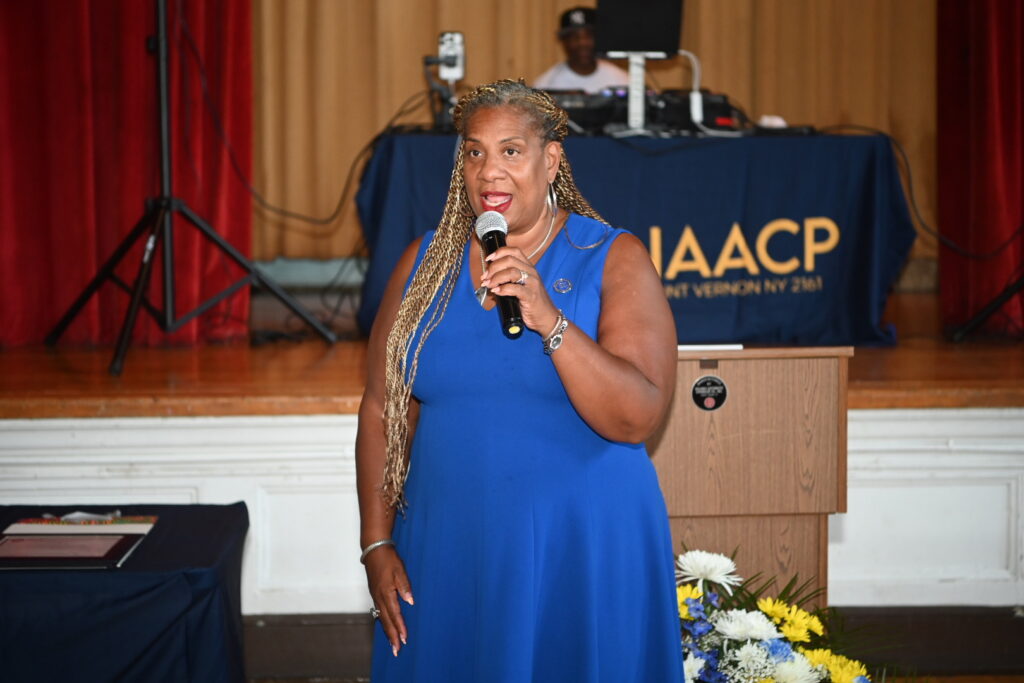
Mount Vernon Mayor Shawyn Patterson-Howard addressed the audience with personal reflections, sharing powerful stories about the legacy of slavery and her experiences traveling to Africa and Brazil. Her remarks connected the local community to the Black diaspora, emphasizing both shared history and ongoing resilience.

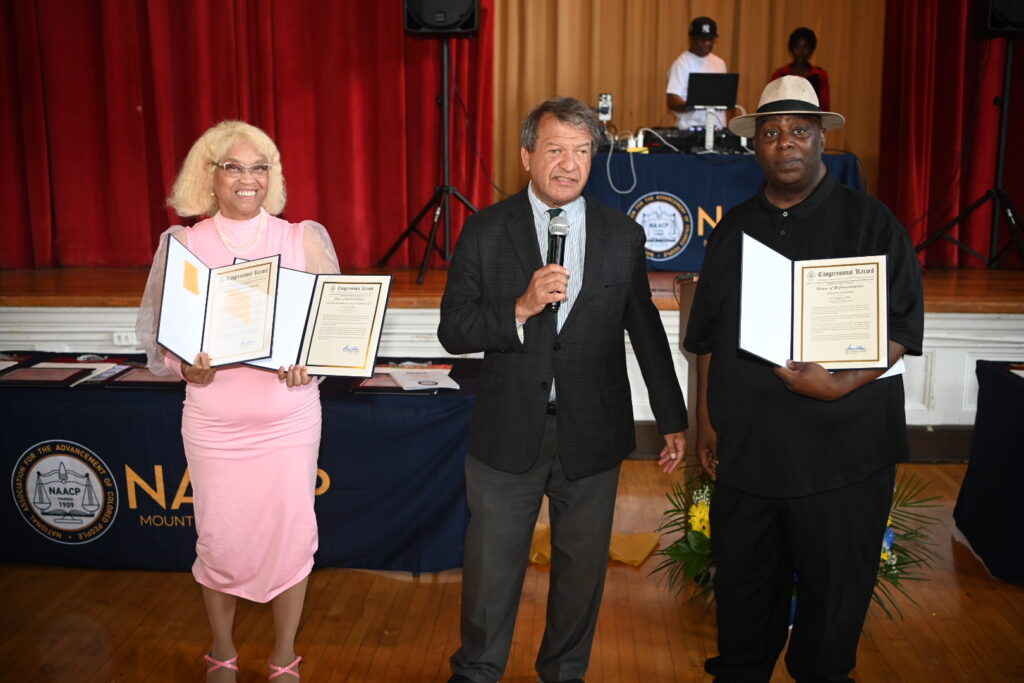
The program concluded with a keynote address from CE Ken Jenkins—the first Black County Executive in Westchester County history.

CE Jenkins delivered a direct and urgent message focused on civic responsibility. “History is trying to be erased,” he said, urging attendees to remain informed and engaged. He highlighted voter participation as a critical issue, noting that out of approximately 42,000 registered voters in Mount Vernon, only about 6,200 cast ballots in recent elections.

“You can’t agitate and legislate,” CE Jenkins stated, emphasizing the need to move beyond frustration and toward meaningful action. He said this line, referring to folks whom he met on his journey: Burt Wallace and Herman Keith, both former presidents of the Yonkers NAACP. He encouraged residents to not only raise concerns but also participate in the systems that create change.

In closing, CE Jenkins reminded attendees of the importance of identity and pride, stating, “Every once in a while, you have to remind people where you’re from.”

Throughout the evening, one message remained clear: Black history is not only about the past—it is about the present and the future. From faith and culture to civic engagement, the program served as both a celebration and a call to action for the Mount Vernon community.