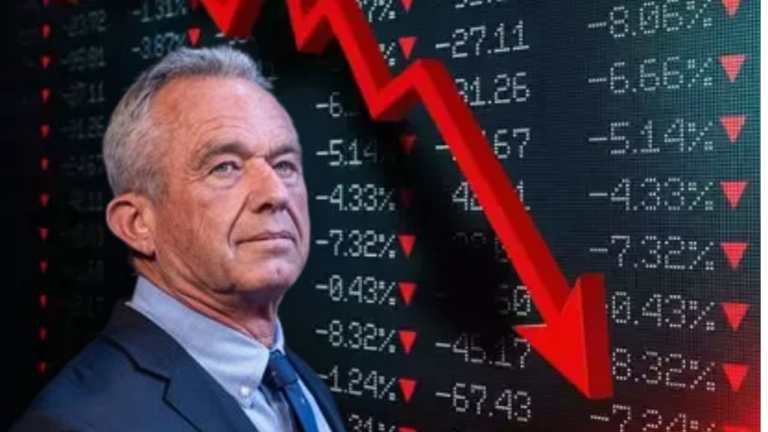
The recent appointment of Robert F. Kennedy Jr. as Secretary of Health and Human Services has sent ripples through the stock market, notably affecting the healthcare, fast food, and cereal industries. This reaction underscores the market’s sensitivity to potential shifts in health policy, especially given Kennedy’s advocacy for holistic health approaches.
A New Direction in Health Policy
Kennedy’s longstanding criticism of the pharmaceutical industry and his promotion of preventive health measures suggest a potential shift from a medication-centric model to one emphasizing lifestyle changes and environmental health. This approach challenges the traditional frameworks underpinning the U.S. healthcare system.
Market Reactions Across Sectors
Pharmaceutical Industry Declines
Major pharmaceutical companies have experienced stock declines in response to Kennedy’s appointment:
Moderna: Stock fell over 5%.
Pfizer: Declined by approximately 2.6%.
Novavax: Decreased by about 7%.
These declines reflect investor concerns over potential policy shifts under Kennedy’s leadership, given his known skepticism toward vaccines and advocacy for holistic health approaches.
Fast Food and Cereal Stocks Under Pressure
The fast food and cereal industries have also felt the impact:
McDonald’s Corporation: Experienced a 5% drop in stock prices amid concerns over public backlash and potential regulatory efforts targeting processed foods and fast-food advertising.
Yum! Brands: Parent company of KFC and Pizza Hut, reported a 4% decline in same-store sales for both KFC and Pizza Hut in the quarter ending September 30, 2024.
General Mills: Reported a 1.6% decrease in revenue for the quarter ending November 26, 2023, falling to $5.14 billion, which was below forecasts.
WK Kellogg Co: Following its separation from Kellogg Company on October 2, 2023, reported a 1.9% decline in third-quarter sales, amounting to $692 million.
These developments highlight the challenges faced by fast-food and cereal companies amid health concerns, economic pressures, and shifting consumer preferences.
U.S. Healthcare Spending and Life Expectancy
The United States spends significantly more on healthcare per capita than other developed countries. In 2022, U.S. healthcare spending reached $12,555 per person, substantially higher than the average of $6,850 among other wealthy OECD countries.
Despite this high expenditure, the U.S. lags in life expectancy. As of 2024, the average life expectancy in the U.S. is approximately 77 years, lower than many other developed nations. For instance, Japan boasts a life expectancy of 84.8 years, and Switzerland stands at 83.4 years.
Implications for Public Health and Industry
Kennedy’s holistic health agenda emphasizes preventive care, environmental health, and lifestyle modifications. If implemented, such policies could lead to a realignment of resources toward wellness and prevention, potentially improving health outcomes and addressing the current disparity between healthcare spending and life expectancy.
Industries reliant on traditional healthcare models and processed foods may need to adapt to this evolving landscape. Companies that align with a preventive and holistic health approach could find new opportunities, while those resistant to change may face challenges.
Kennedy’s appointment marks a potential turning point in U.S. health policy, with significant implications for public health and various industries. The market’s reaction reflects the uncertainty and anticipation surrounding this shift, highlighting the need for industries to adapt to a changing health paradigm.
For over three decades, I have fought for freedom, justice, and equality for Black people. This struggle has been deeply personal, grounded in the lessons passed down by those who came before me in the Civil Rights and Black Power movements. Leaders like Malcolm X, Muhammad Ali, Ella Baker, and Stokely Carmichael taught us to fight not only with our bodies but also our minds and to stay vigilant in a system designed to oppress us. Among the most enduring tools they gave us was the concept of being “woke.”
From the 50s, 60s, and 70s, ‘woke’ emerged as a rallying cry within Black communities, a call to remain conscious of the ever-present threats posed by systemic racism and anti-Black violence. It was a directive to prepare ourselves, educate each other, and resist injustice wherever we encountered it. This term carries the weight of our history of struggle and resilience that we must not forget.
Yet today, mainstream liberalism has co-opted and diluted ‘woke,’ turning it from a tool of Black empowerment into a hollow buzzword. This shift has stripped the term of its power and erased its roots in Black liberation. It’s not just time, it’s urgent that we reclaim ‘woke’ as our own and restore its original meaning. This is a responsibility we must all take on to empower our community.
The Black Roots of “Woke”
For generations, “woke” has been more than just a word in Black communities—it has been a survival strategy, a rallying cry, and a framework for liberation. It originated in African American Vernacular English (AAVE) as a warning to stay alert and recognize the dangers lurking in a society built on white supremacy. To be “woke” was not just about awareness; it was about action, ensuring that we were prepared to confront the racism shaping our lives—from segregation to police brutality to the subtler but no less insidious mechanisms of systemic inequality. “Woke” was, and must remain, a lifeline and a strategy for survival.
During the Civil Rights Movement, “woke” became inseparable from the fight for freedom. It embodied the vigilance required to resist the overt violence of white mobs and the covert violence of discriminatory laws. Leaders and activists knew that survival depended not just on physical resilience but on mental clarity—on staying “woke” to the realities of a system that sought to dehumanize and oppress us at every turn.
As the Black Power movement rose in the 1960s, “woke” evolved to reflect a deeper call for cultural pride, self-determination, and political consciousness. It urged us not only to resist but also to build. “Woke” meant understanding the system, educating ourselves, and fighting for collective liberation. But it also meant owning our future—having our own land, businesses, and economy, and breaking free from dependence on systems designed to marginalize us. To be truly “woke” was to be independent, to create spaces where Black communities could thrive without relying on the structures of those who oppressed us.
Today, the concept of “woke” has been co-opted and diluted. Instead of a call for Black self-determination and empowerment, it often reflects the very dependency we fought to overcome. Many of our communities are still bound by economic and institutional systems that perpetuate inequality. “Woke” must return to its roots, reminding us of the need for self-reliance, collective ownership, and an economic foundation that secures our freedom.
As the former North East Regional President of the National Black Police Association, I was mentored by Black law enforcement officers who came out of the Civil Rights and Black Power movements. For the National Black Police Association, “woke” was more than a concept; it was a guiding principle for survival in confronting racism within the justice system. We recognized the harsh reality that Black people, especially young Black men, were disproportionately targeted by racist policing practices. In response, we developed What to Do When Stopped by Police, or How to Survive a Police Encounter, a guide beyond practical advice. It was a lifeline, equipping our community with the tools to navigate encounters with law enforcement while staying informed, vigilant, and “woke” in the face of systemic oppression.
To be “woke” today must also mean reclaiming the spirit of self-determination that our ancestors fought for. It is about building a future where we own our economic, cultural, and political communities and no longer rely on systems designed to fail us. “Woke” is not just about recognizing the problem; it is about creating solutions that ensure Black survival, freedom, and prosperity on our terms.
The Co-Optation of “Woke”
I hate to disappoint anyone reading this, but “woke” did not represent abortion rights, it did not represent defunding the police, it did not represent the LGBTQ agenda, and it certainly did not represent men playing in women’s sports. “Woke” represented the survival and preservation of Black people in a racist society. It was born from the need to remain vigilant in the face of systemic oppression, a call to action deeply rooted in Black Americans’ lived realities and struggles. But in recent years, “woke” has been co-opted by mainstream liberalism and stripped of its original meaning. What was once a mighty rallying cry tied to Black liberation has been transformed into a vague and often performative symbol of progressive awareness. For instance, the term has been used to promote causes that, while important, do not directly address the specific struggles of the Black community, such as climate change and gender equality.
White liberals began using “woke” as a marker of their social consciousness, attaching it to a wide range of issues, from climate change to gender equality. While these are undoubtedly important causes, their application to “woke” erased the term’s specific connection to the Black struggle. The original purpose of “woke” was not to act as a catch-all for every progressive cause but to confront and resist the systemic racism that has plagued Black communities for centuries. As “woke” spread beyond its origins, it became increasingly performative. For some, being “woke” was no longer about taking meaningful action but about adopting an identity—a way to signal virtue without engaging in the uncomfortable, often grueling work of dismantling racism.
Corporations and institutions seized upon the term, transforming it into a marketing tool. Brands that had long ignored or even perpetuated inequality suddenly wanted to appear “woke,” slapping the term onto hollow campaigns for profit while doing little to address the structures that sustain systemic oppression. This commercialization diluted the power of “woke,” turning it into a shallow commodity that benefited everyone but the Black communities it was meant to protect and empower.
Woke” has been dragged into the shallow waters of Hollywood, where comedians and entertainers casually toss it around, stripping it of its gravity. During recent elections, instead of focusing on the core values of Black liberation, Democrats paraded entertainers like Cardi B and Megan Thee Stallion as symbols of being “woke,” using their platforms to pander rather than to uplift. The consequences of this co-optation have been deeply damaging. “Woke” has become a target of ridicule, particularly by conservatives who now weaponize it as a catch-all insult for progressive ideals, dismissing it as excessive or detached from reality. Ironically, their attacks focus on the performative “wokeness” of white liberals rather than the term’s roots in Black resistance, further obscuring its original purpose.
What was once a lifeline for Black survival has been hijacked and twisted into something unrecognizable, a reminder of how easily the tools of our liberation can be commodified and weaponized against us. This distortion has not only diluted the power of the term but also diverted critical attention and resources away from the specific struggles of the Black community. Instead of challenging systemic oppression, the co-optation of “woke” has allowed it to perpetuate, shifting the focus from genuine change to superficial gestures and empty symbolism.
Reclaiming “Woke”
As someone who has dedicated my life to this struggle, I know how essential it is to protect the integrity of our language. Words like “woke” carry the weight of our history and the promise of our future. They are more than slogans; they are tools for survival, empowerment, and liberation.
To reclaim “woke,” we must first honor its roots. This word was born from the Black experience and belongs to us. It is not a universal term for general progressivism but a specific call to action against anti-Black racism. White liberals need to recognize this history and respect the term’s origins. It is not theirs to redefine or repurpose.
We must also demand that “woke” return to its original purpose: action. Being “woke” means more than awareness; it requires a commitment to change. It means organizing, educating, and fighting back. It means applying the lessons of “What to Do When Stopped by Police ” to every aspect of our lives, ensuring that we remain prepared and vigilant in the face of systemic oppression.
Finally, we must resist the commodification of “woke.” Corporations and institutions wishing to support our communities must move beyond slogans. They must invest in Black leadership, fund grassroots movements, and challenge the structures perpetuating inequality. Anything less is not “woke”—it’s exploitation.
A Legacy Worth Defending
“Woke” was never just a word; it was—and is—a lifeline. It has carried us through decades of struggle, from the Civil Rights Movement to the fight against police brutality today. It reminds us to stay alert, informed, and ready. It is a testament to the resilience and ingenuity of Black people, who have always found ways to survive and resist.
If we are to honor the sacrifices of those who came before us, we must reclaim “woke” as our own. We must restore its meaning, protect its power, and ensure it continues serving as a beacon for future generations. To white liberals, I say this: you can be our allies, but you cannot take our language. Give “woke” back to Black liberation, where it belongs.
Notice is hereby given, pursuant to law, that the City Council of the City of Yonkers, New York will hold a Public Hearing on Tuesday, December 3rd, 2024 at 7:00 P.M. in the City Council Chambers, 40 South Broadway, Yonkers, New York on the following Appeal of the Self-Storage Moratorium contained in General Ordinance 9-2024, to wit:
PROPOSED APPEAL
A PROPOSED GENERAL ORDINANCE DECIDING MEHRANCO LLC’S APPEAL REQUESTING RELIEF FROM GENERAL ORDINANCE 9-2024 THAT INSTITUTED AN EIGHT-MONTH MORATORIUM ON SELF-STORAGE FACILITIES WITHIN THE CITY OF YONKERS.
Said hearing may be adjourned from time to time as necessary. Further information, including access to a copy of said Appeal, may be obtained at the Yonkers City Clerk’s Office located at City Hall — Room 102, 40 S. Broadway, Yonkers, NY 10701
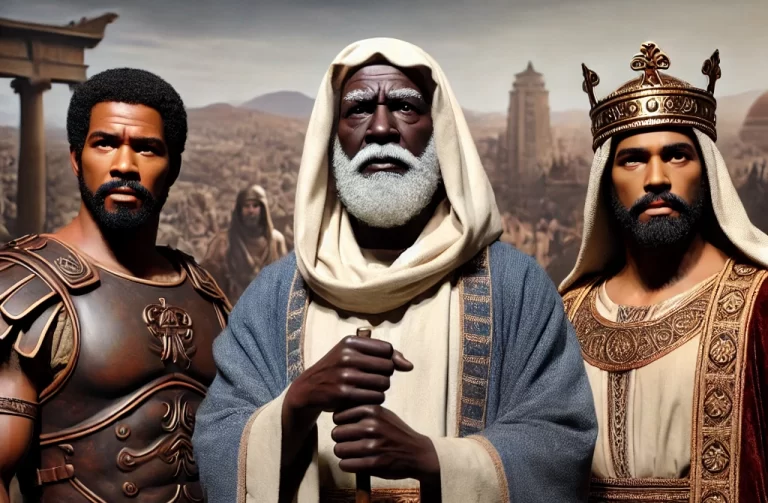
Many focus on Project 2025 and what it will do to us. We must remember that the scriptures have already given us a divine blueprint transcending worldly political agendas. Joshua didn’t need a political movement to lead his people to freedom.
Soloman didn’t need a government program to become king. And brothers, Project 2025 has no power to keep us from our divine purpose.
In the heart of every Black man lies a sacred calling – a divine purpose that echoes through generations. As we witness our communities facing unprecedented challenges, the words of Proverbs 27:17 resound with urgent clarity: “As iron sharpens iron, so one man sharpens another.” This ancient wisdom speaks directly to the pressing need for Black men to rise and claim their spiritual birthright as leaders, protectors, and legacy builders.
Our communities cry out for Joshua’s leadership, Abraham’s protective spirit, and Solomon’s wisdom in every neighborhood where young men wander without guidance, in every home where children long for a father’s presence, and in every church where pews that once held strong Black men now sit empty, the need for divine masculine leadership grows more urgent by the day.
Leading Like Joshua: The Warrior-Leader’s Path
Joshua’s leadership model speaks directly to Black men facing seemingly insurmountable obstacles. Joshua led the Israelites through hostile territory into their promised land, facing enemies that appeared unbeatable. His leadership teaches us three crucial elements:
First, Joshua led from the front lines. He wasn’t a distant commander but in the trenches with his people. For Black men today, this means being visibly present in our communities, whether coaching youth sports, mentoring young professionals, or serving in community organizations.
Second, Joshua combined spiritual guidance with strategic action. Before every major battle, he sought divine wisdom and implemented detailed battle plans. Modern Black leaders must similarly balance faith with practical strategy – whether launching businesses, organizing community initiatives, or guiding our families through challenges.
Third, Joshua built consensus and unity. He understood that a divided people couldn’t conquer their challenges. Today’s Black male leaders must similarly unite our communities, bridging generational gaps and healing historical wounds.
Protecting Like Abraham: The Guardian’s Role
Abraham’s protective leadership transcended mere physical defense. He demonstrated three essential aspects of protection that Black men must embody:
Financial protection came first – Abraham built substantial wealth to protect his family’s future. He understood that proper protection includes economic security. For Black men today, this means mastering financial literacy, investing wisely, and building multiple income streams to protect our families from economic uncertainty.
Second, Abraham protected his family’s spiritual heritage. He maintained his faith and values despite living among different cultures. Today’s Black men must similarly protect our families’ spiritual and cultural identity while navigating mainstream society.
Third, Abraham was protected through strategic relationships and diplomacy. He knew when to negotiate when to form alliances, and when to take a stand. Modern Black leaders must likewise build networks and coalitions while maintaining strong boundaries.
Building Like Solomon: The Wealth Creator’s Vision
Solomon’s model of building wealth and institutions offers crucial lessons for Black economic empowerment:
Solomon built systems, not just structures. His greatest achievement wasn’t just the temple but the economic and educational systems that sustained his kingdom. Black men today must focus on building sustainable business systems – not just individual enterprises but networks of interconnected Black-owned businesses that can support each other.
Solomon’s wealth creation strategy centered on diversification. He invested in multiple industries: international trade, real estate, and natural resources. Today’s Black entrepreneurs must similarly diversify their investment portfolios and business interests, spreading risk and maximizing opportunities.
Most importantly, Solomon built institutions that outlasted him. He created schools of wisdom and established trade networks that benefited generations. Black business leaders today must focus on creating institutions that can transfer wealth and knowledge to future generations – whether through family businesses, investment clubs, or educational foundations.
The crisis in our communities demands men who understand that divine masculinity isn’t about domination – it’s about elevation. In neighborhoods where young boys seek role models, we must be the men who demonstrate strength through service, power through protection, and success through sacrifice. Our communities need men who understand that authentic leadership begins on our knees in prayer and manifests in persistent action for the good of others.
The statistics paint a sobering picture – incarceration rates, educational disparities, and economic inequalities. Yet, these numbers don’t define our destiny. They illuminate the magnitude of our calling. Every Black man who steps into his divine purpose, who chooses to lead like Joshua, protect like Abraham, and build like Solomon, becomes a living testament to the transformative power of divine masculine leadership.
This calling requires more than individual action – it demands brotherhood. When iron sharpens iron, both pieces become stronger. We must create spaces where Black men can gather in strength, share wisdom, and support each other’s growth. In churches, community centers, and informal gatherings, we must forge bonds of brotherhood that strengthen our resolve and sharpen our effectiveness as leaders.
The path forward requires us to reclaim our spiritual heritage. The same God who guided Joshua, protected Abraham, and granted wisdom to Solomon stands ready to empower today’s Black men. We must reconnect with the divine source of our strength and purpose through prayer, scripture study, and spiritual mentorship.
Our families need men who can pray, provide, offer discipline and tenderness, and demonstrate strength and vulnerability. Our communities need men who understand leadership is a sacred trust, not a personal privilege. Our young people need men who can model excellence, perseverance, and integrity in a world that often expects far less from them.
Brothers, we cannot afford to be distracted by political theater or Project 2025. Our divine purpose transcends any presidency or political movement. The time for hesitation has passed. Each day we delay stepping into our God-given purpose, our communities bleed. Every moment we wait to assume our spiritual leadership, another young man strays from the path. Every opportunity we miss to build generational wealth becomes another chain our children must break.
Our Black women have cried out for Black men to step up to the plate. This election season has proven we can no longer afford division between Black men and women. Our freedom, justice, and equality can only be achieved together, never apart. The wisdom of our ancestors and scriptures shows us this truth.
The call thunders through our streets, echoes in our churches, and burns in our hearts: Rise, Black men of God. While others obsess over temporal power and political movements, we must focus on eternal purpose. Our families and communities need leadership rooted in divine wisdom, not fleeting political promises.
The same Spirit that enabled Joshua to shatter Jericho’s walls flows through your veins. The wisdom that guided Abraham through hostile territories lies within your mind. The divine insight that crowned Solomon with extraordinary understanding dwells in your heart with unstoppable force.
This isn’t about Project 2025 or any other political agenda. This is about answering the ancestral call to leadership that transcends any election cycle. Our women are crying out for protection. Our children are searching for guidance. Our communities are yearning for unity.
The blueprint was written centuries ago in the lives of Joshua, Abraham, and Solomon. The power has always been within us. The question isn’t what will happen in 2025 – it’s what will you do today with the divine wisdom already given to us?
Black love is our revolution. Black unity is our strength. Black wisdom is our inheritance. Rise up, warrior of God. Tomorrow is too late. Your time is now.
This is our moment to answer with courage that shakes nations and conviction that moves mountains. We must lead like Joshua – fearless in the face of giants. Protect like Abraham – building sanctuaries of prosperity in foreign lands. Build like Solomon – creating empires of wealth and wisdom that will outlast any administration or agenda.
Let us forge bonds of brotherhood stronger than steel, sharpening each other into weapons of mass elevation. The time for watching and waiting is over. Our calling is clear as a trumpet blast. Divine purpose doesn’t bow to political seasons – it transcends them.
When we step into our divine purpose as Black men, we don’t just transform our lives – we revolutionize generations. Our actions today create liberation stories our great-grandchildren will tell. We become living proof that divine masculine leadership can transform a people, a nation, and a world. The question isn’t whether you’re called – it’s whether you’ll answer.
Parenting is hard—especially when it comes to picking the right school for your kid. It’s not just about grades or test scores, it’s about making sure they’re in a space where they can grow, feel safe, and be their full, beautiful selves. So, when I had the chance to walk through the Yonkers Public School Expo with my 5th grader, a child who’s currently thriving at School 17, I knew it was time to get real about the next step for her.
If you’re a parent, especially in a community like ours, you know how crucial it is to pick the right environment for your kid—not just the safest, but one where they’re actually seen. One that nurtures their growth, their voice, and their individuality.
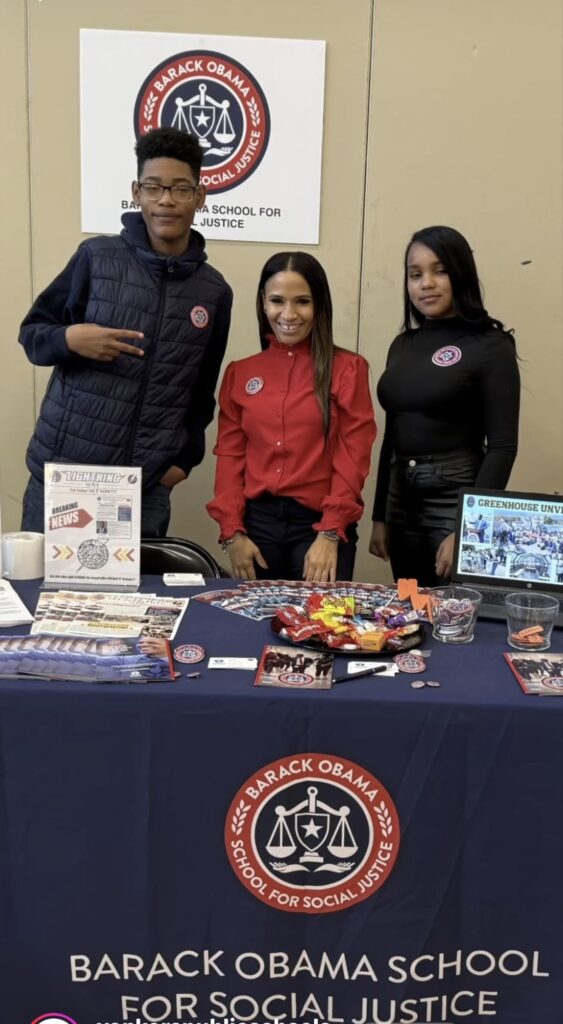
Now, let me tell you about the heartwarming gems I came across at this expo. First up, I met Ms. Lewis, the 10th-grade assistant principal from the Barack Obama School. Her passion for her students was so infectious, I couldn’t help but think, “That’s the kind of energy I want my daughter to be around.” Ms. Lewis wasn’t just talking; she was walking it, with a fierce commitment to her students’ success. That’s the kind of leadership that makes a difference, and it made me think, “Maybe this is the space where my daughter can continue to flourish.”
(Ms. Victoria M. Lewis 10th Grade Assistant Principal for Barack Obama School For Justice and Students)
Another standout moment for us was bumping into none other than Principal Mr. John Cartica of School 17. Let me tell you, this man is a gem. He’s been leading School 17 for several years now, and the decision to bring him in as principal was hands-down one of the best decisions the school made. Mr. Cartica isn’t just a leader—he’s a father figure to so many of these kids. His heart is fully invested in the success and well-being of every student who walks through those doors. His love for his kids is evident, and it’s contagious. That energy is why School 17 has flourished and why my daughter has thrived there for all these years.
Mr. Cartica walked us over to meet Mr. Mark Ametrano, principal of Robert Halmi Sr. Academy of Film and Television, and —I’m talking about a whole new world opened up for my daughter. The way Mr. Ametrano spoke about the opportunities at his school, especially for those interested in the arts, sparked a fire in my daughter.
(Anibal Soler Jr., Superintendent of Schools for Yonkers, teachers from Yonkers Middle School)
But it doesn’t stop there. I also had the honor of meeting Anibal Soler Jr., the Superintendent of Schools for Yonkers. This man gets it. He talked about how important it is for the school system to support each and every child, no matter their background. And you could see it in his eyes—he wasn’t just about the books and the tests, he was all about the holistic development of our kids. That’s what we need—leaders who understand the complexities of the communities they serve.
I also had the privilege of speaking to two more standout leaders: Nigel Shoulders from Yonkers Middle School and Ryan James, Principal of William Boyce Thompson School. Both of them exuded such a deep understanding of what it takes to guide and nurture our children. Mr. Shoulders was so engaged, talking about how he strives to make his school a space where every student feels like they belong, and Mr. James—let me just say, the vision he has for his students is exactly what we need. He’s invested in their futures in ways that go beyond education; he’s all about building character and giving them the tools they need to succeed in life.
The Yonkers Public School Expo was a revelation. It wasn’t just an event for gathering pamphlets and brochures, it was a chance to connect with people who truly care about our kids and their futures. It’s about finding the right environment—one where our children can be challenged, celebrated, and uplifted. I walked out of that expo feeling more confident than ever that there are incredible educational options out there for my daughter. And it’s not about just picking a school, it’s about finding a place where she’ll be seen, heard, and supported every step of the way.
So, to all the parents out there—if you want your child to be in an environment that pushes them to be the best version of themselves, events like this expo are key. These passionate educators are the backbone of our kids’ futures, and we need to keep supporting them. As we head toward the next chapter for my daughter, I’m feeling empowered and inspired. This journey doesn’t end here, and I’m grateful for the amazing people and organizations making sure our kids have the resources they need to thrive.
Keep fighting for your kids, keep supporting those educators who are doing the real work, and above all—keep trusting your gut. Our children’s future is in our hands.
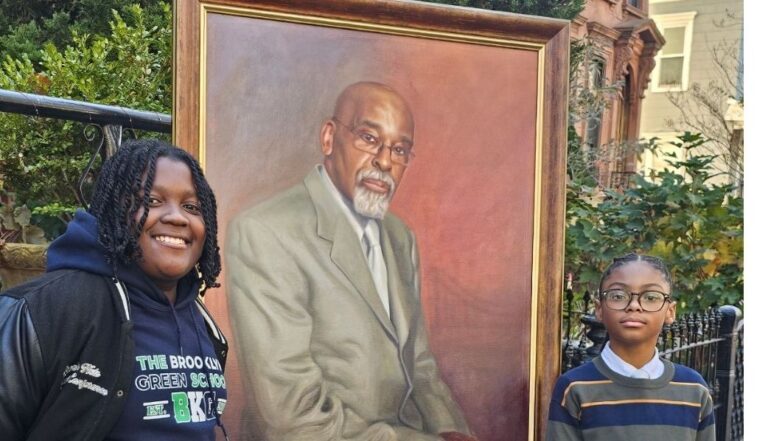
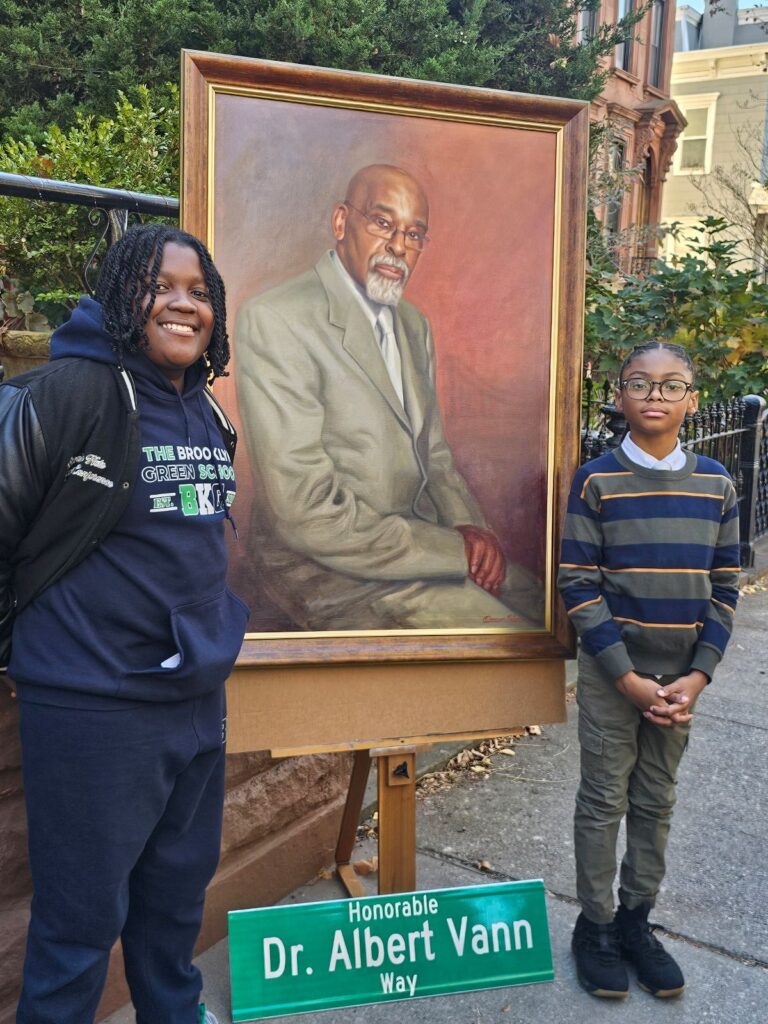
On November 17, 2024, a transformative event unfolded in Brooklyn with the renaming of McDonough Street and Stuyvesant Avenue to Dr. Albert Vann Way—a tribute to the life and work of Dr. Albert Vann, a trailblazing educator, activist, and public servant who left an indelible mark on his community. Dr. Vann was not just a figurehead; he was a catalyst for change in the lives of Black students and families, working tirelessly to ensure access to education, justice, and empowerment.
Dr. Vann, who founded Megan Evers College and served as a champion for those in need, embodied leadership that went beyond titles. He was a mentor, a guide, and a tireless advocate for social change, always focusing on uplifting others—particularly those from historically marginalized communities. His legacy continues to inspire and set the stage for new generations to take up the mantle of community leadership.
At the renaming ceremony, Dr. Vann’s memory was honored by several esteemed elected officials: Hakeem Jeffries, Minority Leader of the U.S. House of Representatives, Chi Ossé, Member of New York City Council, Jumaane Williams, New York City Public Advocate, and Letitia James, Attorney General of New York. Additionally, Assemblywoman Steffanie Zinnerman, NYS Senator Kevin Parker, District 16 Superintendent Brandon Mims, and Councilwoman Laurie Cumbo, each of whom expressed their admiration and commitment to carrying forward his vision. were also present, showing their support for this historic moment.
The event wasn’t merely a tribute to a past hero; it was a call to action to continue Dr. Vann’s work and to ensure that the fight for justice, equity, and opportunity remains at the forefront of community leadership. The presence of these political figures highlighted the significance of Dr. Vann’s impact, underscoring the commitment of local, state, and national leaders to continue his legacy of service.
(L to R Keyonn Sheppard Jr and Arius Gonzales)
The real power of the event came from the voice of Keyonn Sheppard Jr., a rising young leader, who stepped up and delivered a powerful poem, honoring Dr. Vann’s enduring legacy with words that resonated deeply with everyone present. Keyonn’s words weren’t just an homage—they were a rallying cry for the youth to take up the mantle of leadership and activism. His poem reminded everyone in the room that Dr. Vann’s work continues through us. In a heartfelt and powerful moment, Keyonn highlighted the importance of mentorship, community involvement, and resilience—urging the next generation to push for a better future, just as Dr. Vann did throughout his life.
For me, as a mom raising my children in this cultural state space of New York, the renaming of Dr. Albert Vann Way is more than just a new street sign—it’s a symbol of possibility and a reminder of the power of community leadership. This street stands for everything Dr. Vann fought for: access to education, empowerment, and most importantly, justice. As Keyonn so eloquently expressed, we are the future—and it’s up to us to continue Dr. Vann’s work.
Dr. Albert Vann’s name on this street is more than a tribute. It’s a challenge to every one of us, especially the youth of Brooklyn, to build on the foundation he laid and to keep fighting for the same principles he stood for. Education isn’t just about school—it’s about giving our community the tools to rise above, to break down barriers, and reach new heights.
The renaming of Dr. Albert Vann Way is a symbol of strength and a call to action for the next generation to step up and lead with purpose. Just as Dr. Vann empowered us, we must now empower those who come after us, ensuring that every young person in our community knows they have the power to create change, just as Dr. Vann did.
Let this renaming inspire us to continue the fight for justice, equality, and empowerment in every corner of our communities. The work isn’t done — this is just the beginning.
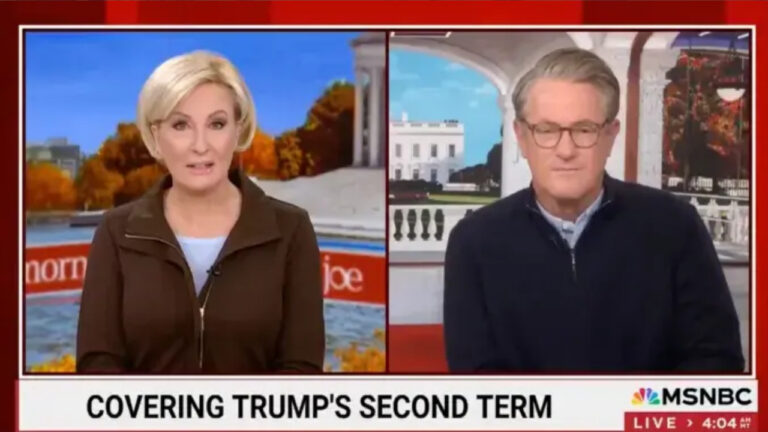
The recent meeting between MSNBC’s “Morning Joe” hosts, Joe Scarborough and Mika Brzezinski, and Donald Trump has sparked widespread commentary and criticism, especially given the hosts’ history of sharp criticism toward the former president and his supporters. For years, Scarborough and Brzezinski have been outspoken about their disdain for Trump’s rhetoric and policies, frequently accusing his base of racism, misogyny, and other societal ills. Yet now, they’ve met with Trump, even sharing a meal at Mar-a-Lago.
This meeting raises significant questions about messaging and consistency. What does it mean for Scarborough to previously label Trump’s voters as “misogynistic” and “racist,” yet engage in personal, face-to-face dialogue with the man they once so vehemently opposed? Critics have seized on the apparent contradiction, asking whether this undermines the moral high ground the hosts often claim on their show.
Mika’s Justification: “Why Wouldn’t We?”
Mika Brzezinski has defended the decision, telling The Hollywood Reporter: “Joe and I realized it’s time to do something different, and that starts with not only talking about Donald Trump, but also talking with him.” She continued, “For those asking why we would go speak to the president-elect during such fraught times, especially between us, I guess I would ask back, why wouldn’t we? Five years of political warfare has deeply divided Washington and the country.”
This statement reflects an effort to justify the meeting as a step toward bridging divides. However, it has done little to assuage those who feel it contradicts their past messaging about Trump and his presidency.
Trump’s reliance on social media and alternative outlets during his campaign and presidency reshaped the information ecosystem. He built an unfiltered, direct connection with supporters, which proved more potent than traditional media narratives. Conservative-leaning outlets, independent blogs, and social media influencers became the new arbiters of information for millions of Americans, challenging the mainstream media’s ability to set the national agenda.
For MSNBC and other legacy networks, this shift in power has demanded a reevaluation of strategies. The Scarborough-Brzezinski meeting is emblematic of this effort to remain relevant in a fragmented media environment.
The Scarborough-Brzezinski meeting with Trump at Mar-a-Lago highlights the challenges facing mainstream media in navigating an increasingly fragmented landscape and addressing the deep divisions within American politics. While Mika frames the meeting as a step toward reconciliation, it also invites scrutiny of how media figures maintain their credibility with audiences who once relied on them for unyielding opposition to Trump.
This encounter, however, may be as much about the shifting influence of traditional outlets as it is about political dialogue, particularly as alternative platforms continue to dominate large portions of the electorate. The corporate backdrop adds another layer of complexity: Comcast, the media powerhouse behind NBCUniversal, recently announced it is weighing a potential separation from major cable networks, including MSNBC, CNBC, Bravo, and Oprah Winfrey’s Oxygen. This revelation, shared by Comcast President Mike Cavanagh during a third-quarter earnings call, has sparked industry speculation about the future of these channels and their place in an evolving media ecosystem.
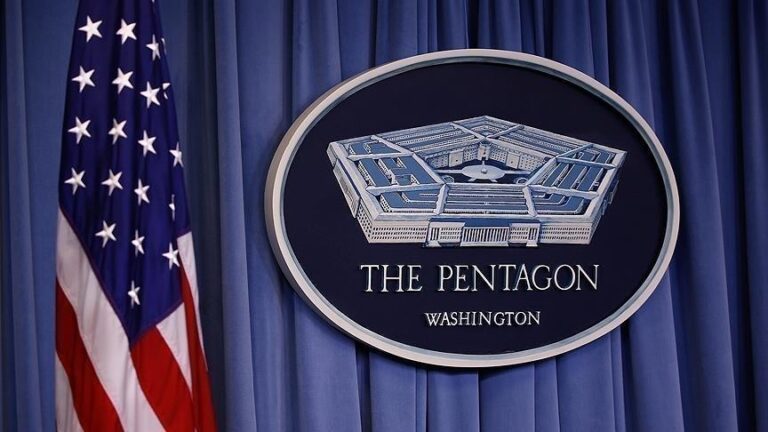
The U.S. Department of Defense (DoD) has failed its annual financial audit for the seventh consecutive year, highlighting persistent inefficiencies and mismanagement in one of the largest and most vital federal agencies. The audit, which examined $3.8 trillion in assets and $4 trillion in liabilities, revealed that the Pentagon could not account for its $824 billion budget, raising serious concerns about transparency and financial accountability within the department.
Despite these challenges, Under Secretary of Defense and Chief Financial Officer Michael McCord pointed to incremental progress, reiterating the Pentagon’s goal of achieving a clean audit by 2028, as mandated by the 2024 National Defense Authorization Act. However, this commitment comes amidst mounting pressure following the revelation of additional accounting errors earlier this year. The Pentagon identified $2 billion in discrepancies related to aid for Ukraine, bringing the total value of improperly tracked materials to $8.2 billion. These findings have intensified calls for reform and greater oversight.
The audit failures have not gone unnoticed by lawmakers. Bipartisan efforts are gaining traction to impose penalties on military branches that fail to achieve clean audits. Proposed measures include requiring underperforming departments to return portions of their budgets to the Treasury to address the national deficit. Proponents of these initiatives argue that holding the Pentagon accountable is essential for safeguarding taxpayer dollars and restoring public trust in government spending.
The Pentagon’s financial woes could take center stage in the next Trump administration, which has proposed bold measures to address inefficiencies across the federal government. President-elect Donald Trump has announced plans to establish a “Department of Government Efficiency,” with Elon Musk and Vivek Ramaswamy slated to lead the initiative. Their task would be to eliminate waste and modernize outdated systems in federal agencies, including the DoD.
If appointed, Musk and Ramaswamy could significantly impact the Pentagon’s approach to financial management. Musk, known for his success in pioneering innovative technologies, could push for the adoption of cutting-edge tools such as blockchain and artificial intelligence to improve the accuracy of financial tracking and auditing. Ramaswamy, with his experience in business and government policy, could introduce a more results-driven culture within the department, emphasizing accountability and streamlined processes.
The involvement of these high-profile figures may also signal a shift toward public-private collaboration. Musk’s influence, in particular, could pave the way for partnerships with private firms to modernize the Pentagon’s financial and operational systems. These efforts would aim to address inefficiencies while ensuring that resources are effectively allocated to critical defense operations rather than being lost in bureaucratic overhead.
However, the path to reform is unlikely to be smooth. The Pentagon’s vast and complex structure, coupled with resistance to change from within, presents significant challenges. Moreover, integrating private-sector technologies into a department tasked with safeguarding national security would require strict oversight to prevent vulnerabilities.
The Pentagon’s audit failures underscore a critical need for comprehensive reform, and the proposed appointments of Musk and Ramaswamy could serve as a turning point. While their potential contributions could help restore financial integrity and efficiency, success will depend on navigating institutional inertia and implementing sustainable changes. If these reforms are realized, they could mark a new era of accountability and innovation within the Department of Defense, setting a precedent for broader government reform.
Black Westchester Magazine proudly presents Episode 417 of People Before Politics Radio with powerhouse hosts Damon K. Jones and AJ Woodson.
People Before Politics Radio, Giving You Real Talk For The Community Since 2014!
Black Westchester presents the People Before Politics Radio Show every Sunday night, 6-8 PM, simulcasting live on Facebook, X (formerly Twitter), LinkedIn, Instagram, and YouTube and archived on BlackWestchester.com. Giving you that Real Talk For The Community since 2014.
To support the Black Westchester and the People Before Politics Radio Show, which provides the News With The Black Point Of view and gives you the real talk for the community for free, make a donation via PayPal at www.PayPal.me/BlackWestchesterMag. In the words of Ray Charles, “One of these days, and it [might not be] long, You’re gonna look for [us], and [we’ll] be gone.” Support independent, Black-free media!
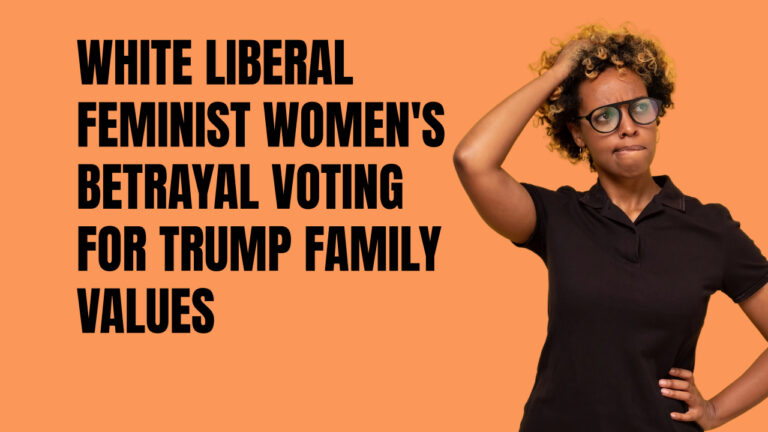
The feminist movement in the United States has always been a complex tapestry woven with competing priorities, intersecting identities, and shifting allegiances. White women, as the historical founders of feminism, were pivotal in securing rights for women, from suffrage to workplace equality. Yet, over time, a significant subset of white women has pivoted from the progressive ideals that defined early feminist waves to embrace a return to traditional family values. This ideological shift raises critical questions about the inclusivity of the feminist movement and its consequences for Black women, who remain entrenched in struggles exacerbated by systemic inequities.
Even more troubling, this retreat has fractured alliances and highlighted the underlying tensions in feminist solidarity. Many Black women, influenced by feminist narratives, have been led to see Black men as adversaries rather than allies in the fight against racial injustice. This has deepened divides within Black communities, undermining collective efforts for progress.
The growing disconnect was underscored when Joy Reid of MSNBC took to TikTok to warn white liberal women not to expect Black women to join them if they march on Donald Trump. It is unfortunate that it took our sister so long to realize that the narrative and rhetoric she often delivered on MSNBC contradicted the actual needs of Black people, especially Black men and women. However, it seems the lenses of her liberal feminist perspective have finally been cleared. Reid’s message on TikTok urged Black women to focus instead on saving themselves, prioritizing Black men, and supporting Black businesses and communities—an approach that Black men had been advocating all along, only to have their voices drowned out by the noise of left-wing media. This shift signals a long-overdue reckoning with the true priorities of the Black community.
This call for a shift in focus reveals a growing recognition that the feminist movement, as shaped by white women, no longer serves the needs or addresses the realities of Black women’s lives. It is a rallying cry to redirect energy toward building Black-centered solutions and alliances to confront systemic injustices and foster empowerment within the community.
The Feminist Movement’s White Foundations
The origins of feminism in the U.S. were overwhelmingly white. First-wave feminism, which centered on suffrage and property rights, largely excluded women of color. Second-wave feminism, with its focus on reproductive rights and workplace equality, began to incorporate more intersectional concerns but often fell short of fully addressing the unique oppressions faced by Black women. The mainstream feminist movement was built on a framework that assumed a shared womanhood while ignoring racial disparities, leaving Black women to forge their own paths within the fight for gender and racial equality.
White women’s leadership in feminism was instrumental in securing landmark victories, yet it often failed to extend solidarity to women of color. Black feminists like Bell Hooks and Kimberlé Crenshaw have long critiqued this exclusion, calling attention to how white feminist agendas often centered their own experiences and ignored the compounded challenges of racism and sexism faced by Black women.
The Return to Family Values
The 2024 U.S. presidential election highlighted a significant shift among white women voters. Despite Donald Trump’s controversial remarks about women and policies perceived as hostile to gender equality, 54% of white women cast their ballots for him, an increase from previous elections. Notably, among white women without college degrees, support for Trump surged to 61%, underscoring a continued embrace of traditional family values over feminist solidarity. This voting trend prioritized the nuclear family narrative and economic stability over collective progress.
This pattern echoes the cultural conservatism of the 1970s “family values” movement, which cast feminism as a threat to traditional roles of motherhood and homemaking. Trump’s campaign once again leveraged this legacy, framing his agenda as a defense of motherhood, family, and nation—values that resonated deeply with a significant portion of white women voters. This alignment demonstrates how race and privilege often outweigh gender solidarity, as white women’s votes reflected a commitment to preserving a social order that benefits them racially and economically, even when it conflicts with broader feminist ideals.
Black Women: Feminism’s Forgotten Pillar
While white women retreated to the comforts of traditionalism, Black women remained steadfast on the frontlines of progressive movements. Black women have long been a driving force behind social justice initiatives, from civil rights to reproductive rights, yet their contributions often go unrecognized within mainstream feminist narratives.
The retreat of white women from feminist solidarity has left Black women grappling with compounded challenges. Systemic issues such as mass incarceration, economic disenfranchisement, and healthcare disparities have devastated Black communities, contributing to low marriage rates and fractured family structures. Black women bear the brunt of these realities, often navigating single parenthood and systemic racism without the support structures that white feminism once promised to dismantle.
Even more divisive has been the effect of feminist rhetoric that positions Black men as obstacles rather than allies. Many Black women, persuaded by white feminist narratives, have viewed Black men as the root of their struggles, framing them as patriarchal oppressors rather than co-victims of systemic racism. This misdirection undermines unity within Black communities and diverts attention from the structural forces—mass incarceration, unemployment, and systemic racism—that have long disrupted Black families and relationships.
The Rent, Not Race
The crux of white women’s retreat from liberal feminism lies not in a rejection of racial equality but in an urgent response to economic instability. While Black women often preached independence and embraced the mantra of “I don’t need a man,” influenced by feminist narratives, white women were focused on ensuring their sons would someday become heads of households with wives and families to support. For many white women, the stability of their children’s futures—particularly their sons—has been a central concern. They view financial security as essential to fulfilling these traditional roles, reflecting the societal structures they grew up with and still value.
This divergence in priorities is deeply rooted in lived experiences. Many Black women grew up without a strong male presence in the household or a consistent father figure, leading to different perceptions of family dynamics and independence. Without witnessing traditional male roles in the home, Black women often did not share the same vision of male leadership that many white women sought to preserve for their sons. Instead, Black women were influenced by a combination of necessity and cultural narrative, prioritizing self-reliance and independence as tools for survival in a system that frequently failed their families.
The independence Black women thought they were building alongside white women, in solidarity against patriarchal structures, was, in reality, a divergence in both experiences and objectives. As Black women celebrated self-reliance, they were unaware that many white women were simultaneously reinforcing traditional gender roles within their own families, particularly for their sons. This misalignment has left Black women grappling with systemic inequities and fractured alliances, navigating a reality starkly different from the solidarity they once believed they shared.
A Manufactured Divide
The tension between Black men and women, exacerbated by certain feminist narratives, is not an organic consequence of their lived experiences but a manufactured divide that overlooks the unique racial dynamics shaping their relationships. Feminism, as conceptualized in many mainstream discourses, has often failed to account for the intersection of race and gender, leading to narratives that inadvertently pit Black men and women against one another.
By framing gender as a struggle against men broadly, rather than examining how systemic forces distinctly affect different racial groups, white-centric feminism has encouraged Black women to adopt adversarial stances toward Black men. This framing, however, neglects the historical and ongoing realities of shared oppression that both Black men and women face under systemic racism.
This division became glaring during the most recent election, where the unfortunate narrative that Black men were at odds with the Democratic platform or policies gained significant traction. Despite Black men’s historic and overwhelming support for the Democratic Party, any critique they voiced about Democratic strategies or policies was frequently dismissed as misogynistic or indicative of hatred toward Black women. Such characterizations have not only deepened mistrust between Black men and women but also given cover to a toxic strand of Black feminism that weaponizes gender conflicts to dismiss legitimate concerns raised by Black men.
This toxic form of Black feminism often amplifies the most damaging stereotypes about Black men, painting them as inherently antagonistic, oppressive, or politically regressive. It creates a harmful binary where Black women’s alignment with feminist ideologies that center whiteness is seen as progress, while Black men’s critiques are demonized as backward or even harmful. This binary has fueled divisions, distracting both groups from addressing the systemic forces that oppress them collectively.
For Black women, engaging in a feminism that marginalizes the nuances of Black lived experiences has sometimes meant prioritizing gender solidarity over racial solidarity. This approach ignores the ways in which Black men and women are both impacted by institutionalized racism, poverty, mass incarceration, and educational inequities. For Black men, the dismissal of their perspectives as inherently misogynistic fosters feelings of alienation and resentment. This cycle perpetuates mistrust, impeding unified efforts to tackle shared struggles and undermining collective advocacy for racial justice.
The historical roots of feminism often overlooked the unique challenges faced by Black women, who simultaneously navigate the dual oppressions of sexism and racism. By failing to center these intersections, feminism has at times fostered divisive ideologies that do not align with the lived realities of Black communities, where survival often depends on unity rather than division.
This polarization within Black male-female relationships has broader implications, creating fractures in personal partnerships, familial structures, and community organizing efforts. Instead of being allies in the fight against structural inequities, Black men and women are often drawn into cycles of blame and defensiveness. This dynamic reinforces toxic stereotypes and serves white supremacist ideologies by undermining the collective power of Black communities.
To address these challenges, there must be a deliberate effort to confront the toxic narratives embedded in certain strands of feminism and their divisive impact on Black relationships. A reimagined framework of feminism and political engagement is needed—one that genuinely centers intersectionality and acknowledges the shared struggles of Black men and women while addressing the unique challenges each faces. It must also reject the oversimplified and harmful portrayals of Black men as inherently adversarial or misogynistic and challenge toxic Black feminism that perpetuates these narratives.
By fostering empathy, understanding, and solidarity, Black men and women can reclaim their relationships and political unity as a source of mutual support and collective resistance against systemic oppression. Only through this recalibration can the cycle of division be disrupted, paving the way for stronger bonds and more effective advocacy for racial justice.
The Way Forward
The retreat of white women from progressive feminism to conservative family values is a cautionary tale about the fragility of solidarity when it is not rooted in intersectionality. The white woman’s abandonment of feminism as we know it underscores a shift in priorities: ensuring the survival of her sons as future husbands and heads of households. This pragmatic move, aimed at preserving the traditional family unit, highlights the critical role of economic and familial stability in shaping societal values. As white women increasingly align with Trump’s family values, it is clear their focus has shifted to securing the future of their families, leaving Black women to reevaluate their own path.
For Black women, this shift presents an urgent call to reconsider their role in the feminist movement and redirect their focus toward Black men, Black families, and Black communities. Black women can prioritize Black men because they are raising Black sons who will one day need to navigate the world as men and potential heads of households. They can prioritize Black men because they have Black husbands, whose strength and support are critical to thriving families. They can prioritize Black families because strong families are the foundation of healthy Black communities. The fight for freedom, justice, and economic empowerment cannot be waged in isolation; it must be pursued together, with Black men and women standing united.
Throughout history, Black men and women have been partners in resisting systemic oppression, from the abolition of slavery to the civil rights movement. This partnership must be revitalized and fortified. Rebuilding trust and unity within the Black community is not only a means to address internal challenges but also a vital strategy to combat systemic forces that continue to fracture Black families and undermine collective progress.
Solidarity between Black men and women is the cornerstone for strengthening the Black family and combating the inequities that disproportionately harm Black communities. Feminism in its current form, often centered on individualism and disconnected from the realities of race, cannot address these deeply entrenched issues. Black women must lead the charge in setting a new standard for Black family values alongside Black men, focused on building strong families and nurturing a sense of community that fosters resilience and economic freedom.
Now is the time for Black women to take the lead, working with Black men to reclaim the narrative, rebuild the community, and restore the family. Strong Black families are not just a necessity for Black communities—they are essential for ensuring justice, equity, and economic freedom for future generations. By setting the standard for Black family values, Black women and men can create a unified front that reclaims power, restores dignity, and redefines success in their own terms. Only together can the promise of liberation and progress for all be fulfilled.