President Trump has ordered a highly controversial reshaping of the US Smithsonian Institution, claiming he will eliminate what his administration regards as “improper, divisive, or anti-American ideology” from the world’s largest set of museums, educational and research entities grouped under one institutional umbrella.
On Thursday, March 27th, the president, who has sought to root out what he calls “wokeness” since returning to power in January, accused the Smithsonian of trying to rewrite history on issues of race and gender. In an executive order entitled “Restoring Truth and Sanity to American History”, he directed the removal of “improper, divisive or anti-American ideology” from its storied museums.
On Wednesday, April 9th, the Council of Presidents of the National Pan-Hellenic Council® (NPHC®), representing the nine historically Black Greek-lettered Organizations and more than 2.5 million members worldwide, issued a joint statement (see full statement below) strongly opposing any attempt to censor, distort, or dismantle the telling of America’s full and inclusive history. Efforts to withhold funding from the Smithsonian complex, especially the National Museum of African American History and Culture, threaten not only a vital educational resource but also the very integrity of our national narrative.
Here’s a more detailed look at the NPHC’s stance:
Defense of the Smithsonian and its mission: The NPHC strongly defends the Smithsonian’s mission to preserve and present historical knowledge, particularly the National Museum of African American History and Culture.
Opposition to censorship and defunding: The Council opposes any efforts to censor or defund the museum, viewing such actions as a threat to educational resources and the integrity of the national narrative.
Importance of the museum: The NPHC recognizes the museum’s role in uplifting communities, empowering individuals, and strengthening democracy by providing access to historical narratives.
Call for support: The NPHC calls on policymakers, educators, and citizens to reject narratives that seek to divide and instead support institutions that preserve history.
Advocacy for preservation and advancement: The NPHC will continue to advocate for the museum’s preservation and advancement, ensuring its continued ability to share the stories of African Americans.
The National Museum of African American History and Culture serves as a cornerstone in the preservation and celebration of African American history and culture. This history is American history. From slavery to civil rights to the cultural innovations that continue to shape the world, the museum ensures these stories are not forgotten, denied, or politicized. The National Museum of African American History and Culture is a place where all Americans can learn about the richness and diversity of the African American experience, what it means to their lives, and how it has helped us shape this nation.
NPHC® also commends the outstanding leadership of Secretary Lonnie G. Bunch III. As the founding director of the museum and the first African American Secretary of the Smithsonian Institution, Secretary Bunch has championed the power of historical truth to unite, educate, and heal. His dedication to scholarship, accessibility, and equity has elevated the Smithsonian’s mission and broadened its relevance to all Americans.
The NPHC® was founded on May 10, 1930, at Howard University in Washington, DC. The purpose of the NPHC® is to foster cooperative actions of its members in dealing with matters of mutual concern. Thus, NPHC® promotes the well-being of its affiliate fraternities and sororities, facilitates the establishment and development of local councils of the NPHC®, which collaboratively work together across the United States, and provides leadership training for its constituents. We believe that knowledge uplifts communities, empowers individuals, and strengthens democracy. Secretary Bunch continues in that tradition and reminds us that museums are not merely repositories of the past. They are tools for building a better future.
The NPHC® calls on policymakers, educators, and citizens across the country to reject false narratives that seek to divide us. We must support institutions that honor our collective past and protect our shared future. The National Museum of African American History and Culture plays a vital role in that mission, and we will continue to advocate for its preservation and advancement.
The National Pan-Hellenic Council, Incorporated® (NPHC®) is currently composed of the elected president of each member of the nine (9) International Greek letter Sororities and Fraternities: Alpha Kappa Alpha Sorority, Inc.®, Alpha Phi Alpha Fraternity, Inc.®, Delta Sigma Theta Sorority, Inc., Zeta Phi Beta Sorority, Inc., Iota Phi Theta® Fraternity, Inc., Kappa Alpha Psi® Fraternity, Inc., Sigma Gamma Rho Sorority, Inc., Phi Beta Sigma Fraternity, Inc., and Omega Psi Phi Fraternity, Inc. For more information, visit www.nphchq.com.
On April 10, 2025, the U.S. House of Representatives adopted a budget resolution aligned with President Trump’s economic policy agenda. This budget, which had already passed in the Senate, sets the stage for the use of the reconciliation process — a legislative mechanism that allows tax and spending legislation to advance with a simple majority in the Senate. While the resolution itself is not law, it is a powerful signal of where fiscal policy is headed under the current administration.
The resolution avoids the political landmine of cutting into Medicare, Medicaid, or Social Security, programs long considered untouchable by most Americans. In fact, Speaker of the House Mike Johnson and other Republican leaders made a point of promising that these entitlement programs would remain intact. For millions of Black Americans who disproportionately rely on these programs—particularly seniors and low-income families—this assurance is significant.
What stands out even more are the proposed tax cuts that aim to ease the burden on working-class Americans. The budget framework includes plans to eliminate federal income taxes on tipped wages, overtime pay, and Social Security benefits. If enacted, these provisions would increase take-home pay for millions of workers, including a substantial portion of Black Americans employed in hospitality, service, and hourly wage sectors.
The move to untax Social Security benefits would also provide relief to retirees living on fixed incomes, a demographic in which Black elders are overrepresented. For younger workers and those juggling multiple jobs, removing the tax burden on overtime could provide much-needed economic breathing room.
These proposals, however, do not come without tradeoffs. The $1.5 trillion in projected spending cuts over the next decade are expected to target non-defense discretionary spending. That includes reductions in federal agency budgets, which may affect programs related to education, housing, and workforce development. While the budget spares entitlement programs, the reduction in broader federal support could indirectly harm communities that rely on these services, including many Black communities across the country.
The budget also includes increased funding for border enforcement and defense. While these measures are politically popular with the Republican base, some observers argue they divert attention and resources from domestic priorities like public health, education, and small business support.
For Black America, this budget represents both opportunity and risk. On one hand, it signals a shift away from the traditional austerity politics that have often targeted safety net programs. On the other, it fails to provide targeted investments in Black communities, and it risks undercutting the institutions and services those communities depend on.
There is also a broader political implication at play. The Trump administration appears to be crafting an economic narrative aimed at working-class Americans of all backgrounds. By pledging not to touch Social Security, Medicaid, and Medicare, while offering tax relief for wage earners, the administration is positioning itself to appeal to voters historically outside the Republican base.
For Black political leaders and community advocates, the task ahead is to ensure these reforms lead to real and equitable gains. That includes pressing for reinvestment in education, job training, and affordable housing, and demanding oversight to ensure that spending cuts do not quietly erode civil rights enforcement, public health, or economic mobility.
President Trump’s 2025 budget blueprint is not the sweeping dismantling of social programs that many critics anticipated. But it also stops short of the structural investments needed to close racial wealth gaps or expand Black economic power. The challenge now is to turn working-class tax relief into long-term opportunity and to make sure that no community is left behind in the name of fiscal reform.
The quiet crisis unfolding in our communities isn’t hidden—it’s ignored. Black masculinity, particularly in our youth, is being chipped away by systems that weren’t designed for them to thrive in. Instead of nurturing and elevating our boys, we’re watching them disengage from school, disappear from college campuses, and drift into isolation or incarceration. The erosion isn’t sudden—it’s slow, systematic, and painfully obvious to those of us who’ve spent decades on the front lines. And still, we let it happen.
After 33 years working in the correctional system and now as the publisher of a local newspaper, I’ve had the unique and often painful vantage point of watching this tragedy unfold in real time. What concerns me most isn’t just that it’s happening—but that so many of our leaders are staying silent while it does.
Our education system was never built with Black boys in mind. It rewards stillness, compliance, and verbal fluency—traits that many young boys, especially Black boys with natural energy, curiosity, and strength, are punished for rather than guided through. We’ve replaced hands-on learning and vocational training with standardized tests and rigid discipline, and the results are clear: disengagement, frustration, and dropout rates that keep the cycle turning.
And the numbers don’t lie. The enrollment of Black male students in colleges has sharply declined. Between 2010 and 2022, Black male enrollment at colleges and universities nationwide dropped by approximately 22%. This trend is even more pronounced at Historically Black Colleges and Universities (HBCUs), where Black male enrollment declined by 25% during the same period. Today, Black men make up only 26% of HBCU students—down from 38% in 1976. This isn’t because Black boys are less intelligent. It’s because we are not training them correctly. We are not reaching them where they are, or equipping them in ways that affirm their identities and their value.
Black boys in America are disproportionately diagnosed with ADHD and other mental illnesses, often as a result of systemic bias rather than genuine clinical assessment. Behaviors rooted in trauma, cultural expression, or unmet developmental needs are frequently pathologized, leading to overdiagnosis of disorders like ADHD while underdiagnosing conditions such as anxiety, depression, or PTSD. This mislabeling has serious consequences: instead of receiving support, many Black boys are funneled into special education programs, subjected to punitive discipline, or criminalized at a young age. The lack of culturally competent mental health care, combined with stigma and inadequate access to resources, further isolates them from the help they need. To disrupt this cycle, it is critical to shift from a deficit-based approach to one centered on healing, support, and understanding the unique cultural and environmental realities Black boys face.
Meanwhile, corporate America has increasingly opened its doors to Black women, and that’s worth celebrating. But let’s not pretend that the same grace has been extended to Black men. Especially those who show up in their full, unapologetic masculinity. Too often, our young men are viewed as threats instead of assets, and too rarely are they mentored, invested in, or simply given space to grow.
What’s missing is visibility—real visibility. Our Black boys need to see Black men in front of classrooms, not just behind podiums or patrol cars. We need more Black male teachers, mentors, and community leaders who are not only present, but who are comfortable deploying their masculinity in a way that is confident, grounded, and unapologetic. These boys need to see fatherhood modeled. They need to see Black professionals who don’t shrink to fit into spaces that were never built for us—but who expand those spaces to fit the full spectrum of who we are.
I’ll never forget one young man who used to come through the jail often. One day, he told me, “You’re more of a father to me than anyone I’ve ever known in my community.” That broke something in me. It is a tragedy when a young Black man has to be incarcerated just to encounter a responsible, present Black male figure. We should not have to wear a badge or a uniform for our boys to feel seen.
To the Black women who continue to carry so much of this community on their backs—if you’re reading this, ask the question out loud: Where are the Black men in our school system? Because our children need them—not just the boys, but the girls, too. Positive Black male role models help shape the way our daughters learn to trust, relate, and see strength in protection and presence, not just performance.
And yet, as this crisis deepens, our local Black politicians and pastors—those who should be leading the charge—are more concerned with protecting their image in white spaces and political circles than telling the truth in Black ones. We continue to celebrate politicians presiding over systems that are failing our youth, as if visibility alone is victory. It’s not.
We don’t need more polished speeches. We need substance. We need our leaders to stop acting like this isn’t a problem. We need school board members to champion holistic education—not just college prep, but vocational training, emotional development, and culturally affirming support. We need public investments in mentorship, not just punitive programs dressed up as “reform.”
If you’re a Black man in this community, show up—at the school, at the rec center, in your neighborhood. Our boys and girls are watching, and they need to see what it looks like when we lead with presence, integrity, and love.
Black boys are not broken. But the systems around them are. And unless we find the courage to face that—and do something about it—we’ll keep losing generations of potential fathers, builders, thinkers, and leaders.
“Train up a child in the way he should go: and when he is old, he will not depart from it.” (Proverbs 22:6, KJV)
This scripture isn’t just poetic wisdom—it’s a call to action. When it comes to Black boys, we have too often confused punishment for training, survival for development, and fear for discipline. Training a child means knowing him, loving him, guiding him—not waiting for the world to harden him before we show up. If we get this part right, it changes everything.
The crisis is real—but we cannot allow this dysfunctional gender war to cloud the urgent need to save Black boys. Their future—and ours—depends on our ability to stay focused, unified, and unapologetically committed to their growth.
What the mainstream leaders won’t say: How global trade policy helped erase Black middle-class power!
For decades, Americans were told that globalization would lift all boats. That opening trade with China and playing by the World Trade Organization’s rules would benefit workers, increase access to cheap goods, and spur innovation. But for many working Americans—especially in Black communities—the results were far more destructive than advertised.
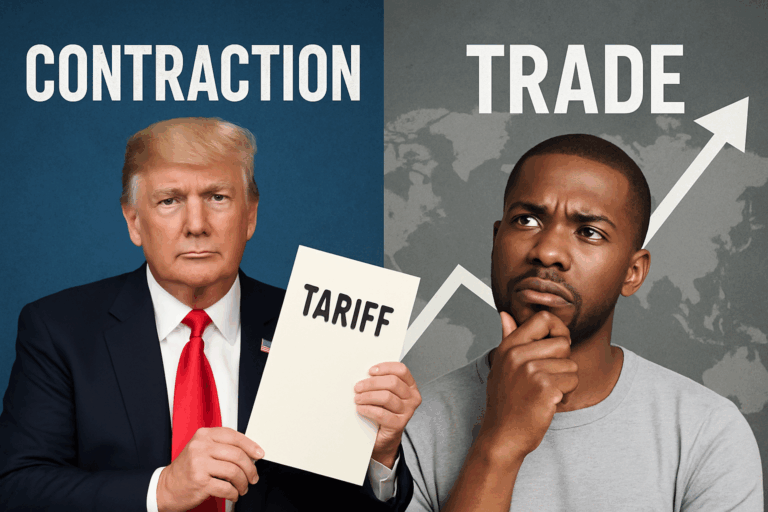
When Donald Trump imposed sweeping tariffs on Chinese imports and challenged the foundations of global trade, it sent shockwaves through Washington. Critics called it reckless. Supporters called it patriotic. But buried beneath the political noise lies a deeper question: Was he right?
China’s entry into the WTO in 2001 fundamentally reshaped the global economy. American corporations rushed to outsource jobs, lured by cheap labor and weak environmental standards. The result? U.S. manufacturing collapsed, and with it, the economic foundation of many Black working-class communities.
Cities like Detroit, Gary, Birmingham, and Baltimore—once powered by Black labor in union jobs—saw factories close, wages stagnate, and wealth vanish. The U.S. lost millions of jobs. China’s GDP soared. And the WTO, designed to promote fair trade, did little to stop the bleeding.
Trump’s tariff policy was based on a simple idea: if you tax our goods, we’ll tax yours. His administration called it “reciprocal trade.” Critics called it a trade war. But the data reveals something important: for the first time in decades, China faced economic consequences for its practices—from forced technology transfers to currency manipulation and illegal subsidies.
The tariffs didn’t just target China. They challenged a broken system that had long prioritized multinational profits over local industry. Wall Street hated them. But for many forgotten towns and cities, they signaled a long-overdue reckoning.
Here’s where the conversation gets quiet: while Trump framed his tariffs around “the American worker,” Black America was rarely mentioned—by him or by our own Black leaders. And yet, Black communities were hit hardest by the very trade policies Trump was attacking.
While the media obsesses over Wall Street and market volatility, what they fail to say is this: the stock market isn’t the economy — and it damn sure isn’t the Black economy. Less than 35% of Black Americans own stocks, compared to nearly 60% of white Americans. So when trade tensions rattle the markets, the pain felt in Black communities isn’t measured in falling portfolios — it’s measured in job losses, rent hikes, grocery bills, and small Black businesses closing their doors. Wall Street may dip, but Black Main Street takes the fall. And while billionaires worry about quarterly earnings, Black families are still waiting for the return of an economy that includes them all.
I live in Westchester County, New York, and according to the 1992 African American Advisory Board Report, the Black middle class was once anchored by the General Motors plant in Tarrytown. That factory didn’t just provide jobs—it built lives. It allowed Black families to buy homes, raise families, and send their children to college. It was a cornerstone of generational wealth in the region, one of the few footholds into the American Dream for Black working-class families.
But when that plant closed—the precursor of the broader outsourcing wave that followed China’s entry into the WTO—the consequences were devastating. Not just for those who lost jobs, but for entire communities. Today, young Black couples can no longer afford to buy homes in Westchester County. The same neighborhoods their parents helped build are now financially out of reach.
And yet, despite this economic trauma, Black political leaders have been largely absent from the national conversation about trade. Instead of addressing the root causes of Black economic decline, the focus remains on symbolic representation—not structural repair. While some Black leaders host wine-and-cheese panels about how much they despise Trump, they remain silent about the trade policies that gutted the Black working class. Some in the Black elite have enough presence for the media and social spaces—but not enough courage to speak for the millions of Black men who can’t find jobs, the many Black cities economically void of Black businesses, or the food lines and homeless shelters overflowing with our people. Meanwhile, young Black children are barely graduating, trapped in cycles of poverty, crime, and violence, with no vision for a future in a global economy that has long since written them off. And after all this, Black Leaders have the Unmitigated gall to act like Black people are winning!
The number of Black men enrolling in college has declined steadily since 2010, dropping by over 30% in just 14 years. This trend reflects deepening socioeconomic barriers, lack of targeted support, and a growing disillusionment with higher education as a path to upward mobility. At many HBCUs, enrollment rates for Black men are at their lowest levels since the 1970s. Without urgent investment in culturally relevant education and economic pathways, an entire generation risks being locked out of both opportunity and influence.
Factory and manual labor jobs were the backbone of the Black middle class. These jobs didn’t require degrees, but they paid well, offered union protection, and gave Black men the dignity of providing for their families. According to U.S. Bureau of Labor Statistics data, the average factory job today pays over $72,000 a year. The average Black man in America earns just $45,000. That gap is not just economic—it’s generational. It’s the difference between owning a home and renting forever. Between sending your kids to college or burying them before they graduate high school. When those jobs disappeared and nothing replaced them, Black communities were set adrift.
Without meaningful work, there can be no economic independence, no strong families, and no stable future. No jobs means no power—and no future. We are witnessing the long-term effects right now: broken homes, abandoned neighborhoods, rising violence, and a generation of young people with nowhere to go but the streets or a prison cell. If we don’t rebuild economic infrastructure that includes Black labor and Black ownership, the future will continue to collapse beneath our feet.
Trade policy has never been race-neutral. It has created winners and losers—and Black America has too often been among the latter.
Trump’s rhetoric may have been brash, but his challenge to the WTO and China’s economic grip was about something deeper: sovereignty. Who controls our economy? Who benefits from our trade deals? Who gets left behind?
If the global economic system is being rewritten—and it is—then Black America must do more than show up. We must be positioned to lead. Our so-called leaders with platforms need to move beyond emotional soundbites and stop fixating on how much they hate Trump. That kind of rhetoric may be cathartic, but it doesn’t build power or produce results. Trump is the president now—and likely will be for the next four years. Meanwhile, young Black people can’t afford to wait, hope, or vote their way into an economic miracle that hasn’t existed for the last 25 years, especially not from a Democratic Party that played a central role in shipping factories—and generational wealth—out of our communities. We can no longer settle for symbolic gestures or performative equity. We must demand real, material inclusion in the new economy—regardless of who occupies the White House. That means investment in clean tech manufacturing, vocational training, trade infrastructure, export policy, and an industrial strategy that puts Black labor and Black ownership at the center.
Trump may not have had Black communities in mind when he launched his trade war—but that doesn’t mean Black communities didn’t have a stake in the outcome. We do. We always have. And if we don’t start speaking with authority on trade, tariffs, and industrial strategy, we’ll continue to bear the consequences of decisions made without us.
Trade justice isn’t just a white working-class issue. It’s a Black survival issue. And it’s time we start treating it like one.
Albums from Miles Davis, Mary J. Blige, Elton John, and Minecraft enter the National Recording Registry
Mary J. Blige‘s 1994 album, My Life, is one of the 25 sounds selected by the National Recording Registry for preservation, coming in the top 10 of public nominations.
“My favorite lyric from the ‘My Life’ album is ‘Life can be only what you make of it,’” Mary told the Library of Congress. The line is from the soul-stirring title track, which samples Roy Ayers’ classic “Everybody Loves the Sunshine.”
On April 9, 2025, the Library of Congress announced that albums from Mary J. Blige, Miles Davis, Tracy Chapman, Elton John, and the cast of “Hamilton” are entering America’s audio canon, along with singles from Helen Reddy and Celine Dion and the music of Minecraft.
Blige’s deeply introspective 1994 album, “My Life,” will be inducted alongside the groundbreaking 1970 merger of jazz and rock “Bitches Brew,” John’s loaded-with-hits “Goodbye Yellow Brick Road” from 1973, Chapman’s self-titled 1988 album that included “Fast Car,” “I’ve Got the Music in Me” by Thelma Houston & Pressure Cooker, and the 2015 original Broadway cast album of “Hamilton.”
The National Recording Registry, administered by the Library of Congress, recognizes and preserves sound recordings that are of “cultural, historical, or aesthetic importance in the nation’s recorded sound heritage.” The National Recording Registry helps ensure that these important sounds are preserved for future generations.
“These are the sounds of America – our wide-ranging history and culture. The National Recording Registry is our evolving nation’s playlist,” Librarian of Congress Carla Hayden said in a statement. “The Library of Congress is proud and honored to select these audio treasures worthy of preservation, including iconic music across a variety of genres, field recordings, sports history and even the sounds of our daily lives with technology.”
Robbin Ahrold, chair of the National Recording Preservation Board, added, “This year’s National Recording Registry list is an honor roll of superb American popular music from the wide-ranging repertoire of our great nation, from Hawaii to Nashville, from iconic jazz tracks to smash Broadway musicals, from Latin superstars to global pop sensations – a parade of indelible recordings spanning more than a century.”
Full list of 2025 recordings selection for National Recording Registry
“Happy Trails” – Roy Rogers and Dale Evans (1952) (single)
Radio Broadcast of Game 7 of the 1960 World Series – Chuck Thompson (1960)
Harry Urata Field Recordings (1960-1980)
“Hello Dummy!”– Don Rickles (1968) (album)
“Chicago Transit Authority” – Chicago (1969) (album)
“Bitches Brew” – Miles Davis (1970) (album)
“Kiss An Angel Good Mornin’” – Charley Pride (1971) (single)
“I Am Woman” – Helen Reddy (1972) (single)
“El Rey” – Vicente Fernandez (1973) (single)
“Goodbye Yellow Brick Road” – Elton John (1973) (album)
“Before the Next Teardrop Falls” – Freddy Fender (1975) (single)
“I’ve Got the Music in Me” – Thelma Houston & Pressure Cooker (1975) (album)
“The Kӧln Concert” – Keith Jarrett (1975) (album)
“Fly Like an Eagle” – Steve Miller Band (1976) (album)
Nimrod Workman Collection (1973-1994)
“Tracy Chapman” – Tracy Chapman (1988) (album)
“My Life” – Mary J. Blige (1994) (album)
Microsoft Windows Reboot Chime – Brian Eno (1995)
“My Heart Will Go On” – Celine Dion (1997) (single)
“Our American Journey” – Chanticleer (2002) (album)
“Back to Black” – Amy Winehouse (2006) (album)
“Minecraft: Volume Alpha” – Daniel Rosenfeld (2011) (album)
“Hamilton” – Original Broadway Cast Album (2015) (album)
This latest achievement for MJB comes on the heels of the nine-time Grammy-winner being inducted into the Rock & Roll Hall Of Fame in the Class of 2024, last October.
Calling the Yonkers-born singer, songwriter, rapper, Oscar-nominated actor, producer, and nine-time Grammy winner, Mary J. Blige, the voice of a generation means acknowledging a rarely recognized fact. Often called the “Queen of Hip-Hop Soul” and “Queen of R&B”, she’s sold more than 50 million albums worldwide. Blige’s 1992 debut album, What’s the 411?, went multi-platinum and helped establish the Hip-Hop Soul genre. She’s won nine Grammys and been nominated 37 times.
Beatboxing, a vocal percussion art rooted in hip-hop culture, emerges as an innovative therapeutic tool for speech impediments like stuttering and articulation disorders. This editorial explores its potential, blending historical context, neuroscience, and global initiatives to highlight its promise. Research shows beatboxing enhances articulation, fluency, and literacy by engaging brain regions like Broca’s area, while its playful nature boosts confidence and reduces isolation. Compared to traditional music therapies, its accessibility—requiring only the voice—stands out. Practical guidance for educators and future research directions are offered, underscoring beatboxing’s role as a culturally responsive, empowering intervention that redefines speech rehabilitation.
Context and Relevance
Speech impediments, such as stuttering or articulation disorders, impact millions worldwide, often carrying social, emotional, and academic consequences. Traditional speech therapy, though effective, can sometimes feel clinical or uninspiring, particularly for younger individuals or those from diverse cultural backgrounds. Beatboxing—a vocal percussion art form born from hip-hop culture that mimics drumbeats, rhythms, and sound effects—offers an innovative alternative. What started as a street performance practice has begun to reveal its potential as a therapeutic tool, blending creativity with rehabilitation. This topic merits attention from educators, clinicians, researchers, and music enthusiasts alike because it introduces a culturally responsive, engaging method to tackle speech challenges. By leveraging the universal appeal of rhythm and music, beatboxing could broaden access to intervention while empowering individuals through artistic expression. This editorial delves into the evidence supporting beatboxing’s promise, its neurological and educational foundations, global efforts already underway, and practical guidance for implementation, while also addressing limitations and future research directions.
Historical and Cultural Evolution of Beatboxing
Beatboxing’s journey from street corners to therapeutic settings is rooted in a rich cultural lineage that underscores its potential as a tool for speech rehabilitation. Emerging in the 1980s Bronx hip-hop scene, it built on African American oral traditions like scat singing and vocal mimicry, with pioneers like Doug E. Fresh and Biz Markie shaping its early form (Chang, 2005). This improvisational art—born from resourcefulness amid economic hardship—spread globally, adapting to local contexts from London to Tokyo. Its communal, expressive nature echoes healing practices in oral cultures, where rhythm and voice have long fostered connection and resilience (Hill, 2007). As a therapeutic intervention, beatboxing carries this legacy forward, offering a culturally grounded alternative to clinical methods. Its evolution from a survival skill to a global phenomenon highlights its adaptability, making it a natural fit for addressing speech impediments in diverse populations. This historical depth reveals beatboxing as more than a novelty—it’s a vocal tradition primed for therapeutic innovation.
Research Evidence: Studies and Findings
A growing body of research underscores beatboxing’s potential to enhance speech production and fluency, drawing insights from speech pathology, neuroscience, music education, and hip-hop studies. Early clinical observations and case studies provide compelling initial evidence. For instance, programs like BEAT Global’s BEAT Rockers initiative have documented improved vocal expressiveness among students with speech impediments, with speech-language pathologists at the Lavelle School for the Blind noting increased articulation and confidence in participants (Kim, 2019). Similarly, beatboxer Kaila Mullady (2021) reported a case of a non-verbal child with autism progressing to full sentences after incorporating beatboxing into therapy, suggesting that its rhythmic structure aids phoneme production.
Experimental studies further bolster these claims. A 2021 pilot study by Duquesne University and Ariel University, supported by the JANX Foundation, explored beatboxing’s effects on adolescents with Down syndrome. After a 12-week program, participants demonstrated significant improvements in voice modulation and speech clarity, with articulation scores rising by 20% (BEAT Global, 2021). These results echo earlier findings on rhythmic auditory stimulation, which enhances motor planning for speech (Thaut, 2013). From a neuroscience perspective, beatboxing engages key brain regions like the motor cortex, Broca’s area (crucial for speech production), and the cerebellum (responsible for timing). Research by Patel (2011) on music and language processing indicates that rhythmic vocalization activates overlapping neural pathways, potentially reinforcing them in individuals with speech difficulties. fMRI studies of beatboxers reveal heightened basal ganglia activity—a region linked to fluency disorders like stuttering—hinting at neuroplasticity benefits (Loucks et al., 2017).
Music education and hip-hop scholarship also contribute valuable perspectives. Kruse (2016) argues that hip-hop pedagogies, including beatboxing, create culturally relevant learning environments that boost engagement, while Söderman and Folkestad (2004) found that hip-hop practices enhance oral skills among youth—a benefit extensible to therapy. The deliberate practice of vocal phonemes in beatboxing may also improve word comprehension and literacy, as manipulating sounds strengthens phonological awareness, a foundational skill for reading (Juslin & Laukka, 2003). Beatboxing’s focus on breath control, timing, and phonemic variation mirrors traditional speech therapy techniques, but its playful, creative nature heightens motivation, a consistent gain across studies. Together, this interdisciplinary evidence suggests beatboxing improves articulation, fluency, and vocal confidence, amplified by its accessibility and neurological reinforcement.
Psychological and Emotional Benefits
Beyond its mechanical benefits for speech, beatboxing offers profound psychological and emotional advantages that amplify its therapeutic impact. For individuals with speech impediments, the frustration of communication struggles often breeds anxiety and low self-esteem—barriers that traditional therapy may not fully address. Beatboxing, with its rhythmic playfulness, can alleviate these burdens. Research on music and emotion shows that rhythmic activities trigger dopamine release, reducing stress and enhancing mood (Koelsch, 2014). Participants in programs like BEAT Global frequently report feeling empowered, with one teen noting, “I didn’t just talk better—I felt cooler doing it” (BEAT Global, 2021). For those grappling with isolation or shyness, beatboxing can break through these obstacles by providing a bold, expressive outlet that transforms silence into sound, as it has for practitioners who found their voice through its practice. This boost in confidence can ease the social isolation tied to conditions like stuttering, while the group dynamic of beatboxing fosters connection, a key factor in emotional resilience. By engaging both mind and voice, beatboxing transforms speech practice into an act of self-expression, addressing the whole person rather than just their impairment.
Comparative Analysis with Other Music-Based Interventions
Beatboxing’s therapeutic promise gains clarity when viewed alongside established music-based interventions, revealing both its shared strengths and unique advantages. Within the broad music therapy spectrum—here referring to the diverse array of techniques that harness music’s elements like rhythm, melody, and harmony to support health and rehabilitation—methods like melodic intonation therapy (MIT) and rhythmic auditory stimulation (RAS) stand out. MIT, often used for aphasia, employs structured singing to rebuild speech pathways, while RAS, applied to motor speech disorders, uses rhythmic cues to enhance timing and coordination (Schlaug et al., 2010; Thaut, 2013). Beatboxing shares common ground with these approaches: like MIT, it leverages rhythm to bypass damaged speech circuits, and like RAS, it sharpens vocal precision through temporal patterns. Yet, beatboxing distinguishes itself with its sole reliance on the human voice—no instruments required—making it more accessible than therapies needing melodic tools or trained facilitators. Its roots in hip-hop also lend it a cultural vibrancy, particularly appealing to youth, in contrast to MIT’s more clinical framework. While MIT boasts robust evidence for stroke recovery, beatboxing’s flexibility and immediacy suggest untapped potential, though it lacks the same depth of controlled studies. This comparison positions beatboxing as a complementary, innovative option within the varied landscape of music-based therapeutic practices.
Global Programs and Influential Voices
Around the world, pioneering efforts are integrating beatboxing into speech intervention, often within hip-hop frameworks. BEAT Global, founded in 2009 in New York, exemplifies this trend through its BEAT Rockers program, which embeds beatboxing in education and therapy for youth with disabilities. Director Stephen Kim highlights its spontaneous appeal, noting that “kids can start doing it immediately—no modifications needed” (Kim, 2019). The initiative has expanded to libraries, hospitals, and refugee camps, showcasing its versatility. Similarly, in the UK, BREATHE Academy, supported by the Youth Music Trailblazer Fund, empowers young people aged 12-25 to explore identity through beatboxing, co-created with artist SK Shlomo to foster creativity and youth voice across 20 cities (Youth Music, n.d.). In the UK, practitioners like Kaila Mullady collaborate with speech therapists in London to support children with autism and stuttering, with therapists reporting accelerated progress when beatboxing complements articulation drills (Mullady, 2021). In South Africa, the Heal the Hood Project employs beatboxing within hip-hop workshops to empower youth, including those with speech challenges, aligning with research on culturally rooted interventions (Haupt, 2012).
Influential voices lend credibility to these efforts. Speech pathologist Dr. Myra McPherson advocates for beatboxing’s therapeutic inclusion, citing its alignment with motor speech principles (McPherson, 2020). Hip-hop scholar Dr. Tricia Rose, in her foundational work Black Noise (1994), frames the genre as a vehicle for transformative expression, a lens that supports beatboxing’s role in therapy. Beatboxing champion Kaila Mullady bridges practice and advocacy, asserting, “It’s a fun way to unlock the voice” (Mullady, 2021), uniting artistic and scientific dimensions.
Student and Community Voices
The true measure of beatboxing’s impact lies in the voices of those it touches—students, families, and communities who experience its effects firsthand. A 14-year-old participant in BEAT Global’s program shared, “I used to hate talking, but now I can’t wait to show off my beats” (BEAT Global, 2021). Parents echo this sentiment, with one noting, “My daughter’s stutter faded when she started beatboxing—it’s like she found her rhythm” (Mullady, 2021). Community leaders in South Africa’s Heal the Hood Project praise its cultural fit, with facilitator Thandiwe Mkhize calling it “a language our kids already speak” (Haupt, 2012). These perspectives reveal beatboxing as more than a technique—it’s a source of pride and belonging. Through the amplification of these stories, we see how it transforms not just speech, but lives, grounding the research in human experience.
Economic and Accessibility Considerations
Beatboxing’s simplicity—requiring only the human voice—makes it a cost-effective, scalable option for speech intervention, particularly in resource-scarce settings. Traditional therapy often demands certified clinicians, specialized equipment, and consistent sessions, costs that exclude many, especially in underserved communities where speech-language services reach only 20% of those in need (ASHA, 2020). Beatboxing sidesteps these barriers: a teacher or peer can lead sessions with minimal training, and no materials are needed beyond a willingness to try. Programs like South Africa’s Heal the Hood Project demonstrate its viability in low-income areas, empowering local facilitators to adapt it freely (Haupt, 2012). Yet challenges remain—training quality varies, and cultural resistance to hip-hop may limit uptake in conservative regions. Still, its potential to bridge access gaps positions beatboxing as a democratizing force, offering an equitable alternative where conventional therapy falls short.
Helping Educators and Interventionists Get Started
Launching a beatboxing initiative is both feasible and rewarding for educators and therapists willing to embrace its potential. A practical framework can guide this process: start with foundational training in core techniques, progress to tailored speech exercises, and conclude with performance-based evaluation, all while embedding hip-hop’s cultural context to maximize engagement. Begin with basic training in beatboxing techniques, such as the kick drum ([b]), hi-hat ([t]), and snare ([k]), accessible through online tutorials or workshops from groups like BEAT Global. Integrate these skills into existing speech goals—for example, practicing bilabial sounds ([b], [p]) through rhythmic patterns, starting with simple sequences like “b-t-k” before progressing to freestyle. Framing the program within hip-hop culture, as Kruse (2016) suggests, can enhance engagement, especially for participants from marginalized communities. Collaborating with local beatboxers or music educators ensures authenticity and expertise, while pre- and post-intervention metrics—like articulation tests or fluency counts—allow for progress tracking and adaptation. This approach combines clinical rigor with creative appeal, making it a practical starting point.
Technological Integration and Innovation
Technology could propel beatboxing’s therapeutic reach into new frontiers, blending tradition with innovation. Apps like Beatbox Academy already offer tutorials, while wearable devices tracking vocal pitch and rhythm—similar to those used in music therapy—could provide real-time feedback (Magee, 2014). Imagine an AI tool analyzing a child’s beatboxing to pinpoint articulation gains, or teletherapy platforms bringing sessions to remote areas. Pilot studies pairing beatboxing with virtual reality could immerse participants in rhythmic challenges, enhancing engagement. These tools, while nascent, align with trends in music therapy’s digital evolution, promising precision and scalability. As technology advances, it could amplify beatboxing’s accessibility, making it a cutting-edge option for speech intervention worldwide.
Limitations and Future Research
Despite its promise, beatboxing’s therapeutic use has limitations that warrant caution. Current research, while encouraging, lacks large-scale, randomized controlled trials, limiting its generalizability. Outcomes may vary depending on instructor skill and participant engagement, and not all speech impediments—such as severe apraxia—may respond equally. Cultural perceptions of hip-hop as “anti-educational” could also impede adoption in some contexts (Söderman & Folkestad, 2004). Future research should pursue longitudinal studies to assess sustained effects, compare beatboxing to traditional therapy, and explore its efficacy across diverse populations, including different ages and impairment types. Neuroscience could further illuminate its impact by mapping specific speech-related neural circuits, deepening our understanding of its mechanisms.
Conclusion
Beatboxing emerges as a powerful convergence of art, science, and education, offering a dynamic tool to address speech impediments. Supported by mounting evidence and global initiatives, it bridges clinical needs with creative expression, resonating across cultures. Rooted in a legacy of vocal resilience, beatboxing not only heals voices but reclaims a cultural tradition for modern therapy. Educators and interventionists stand poised to pioneer this approach, though its success hinges on rigorous research and cultural sensitivity. As hip-hop evolves, beatboxing may well redefine how we heal voices—one rhythm at a time.
About The Authors:
Dr. José Valentino Ruiz is an internationally acclaimed performing artist, composer, scholar, and entrepreneur, recognized as the 2024 Global Genius® Grand Prize Winner, a ten-time Global Genius® Award Winner, four-time Latin GRAMMY® Award Winner, four-time Latin GRAMMY® Nominee, EMMY® Award Winner, 55-time DownBeat® Music Award Winner (record holder), and 33-time Global Music® Award Winner (record holder). His career spans over 1,400 performances on six continents, including two headlining concerts at Carnegie Hall. Valentino has produced more than 150 albums, composed music for ten documentaries, authored over 120 peer-reviewed scholarly publications, and provided over 110 keynote addresses and workshops globally. José Valentino is also recognized for raising millions of dollars to support nonprofit arts entrepreneurship education initiatives and has founded multiple influential professional development conferences, including the Music Business & Entrepreneurship Summit, International Jazz & Entrepreneurship Camp, and Global Music Entrepreneurship & Production Summit.
Andrew Wang received his undergraduate degree at the University of Miami in Coral Gables, Florida. He also has his master’s in music education from Kent State University. Andrew works as the Music Education expert for Hip Hop In The 914. Andrew has presented around the country from University of Miami to Howard University in Washington, DC, and internationally through virtual presentations in Dublin and Germany. Andrew believes good teaching happens when the student feels successful.
Chang, J. (2005). Can’t stop won’t stop: A history of the hip-hop generation. St. Martin’s Press.
Haupt, A. (2012). Stealing empire: P2P, intellectual property and hip-hop in South Africa. HSRC Press.
Hill, M. L. (2007). Beats, rhymes, and classroom life: Hip-hop pedagogy and the politics of identity. Teachers College Press.
Juslin, P. N., & Laukka, P. (2003). Communication of emotions in vocal expression and music performance: Different channels, same code? Psychological Bulletin, 129(5), 770-814.
Koelsch, S. (2014). Brain correlates of music-evoked emotions. Nature Reviews Neuroscience, 15(3), 170-180. https://doi.org/10.1038/nrn3666
Kruse, A. J. (2016). Toward hip-hop pedagogies for music education. International Journal of Music Education, 34(2), 247-260. https://doi.org/10.1177/0255761414550535
Loucks, T. M., Poletto, C. J., & Simonyan, K. (2017). Brain activation during beatboxing: An fMRI study. Journal of Neuroscience, 37(12), 3215-3223. https://doi.org/10.1523/JNEUROSCI.2856-16.2017
Magee, W. L. (2014). Music technology in therapeutic and health settings. Jessica Kingsley Publishers.
McPherson, M. (2020). Rhythmic interventions in speech therapy: Emerging trends. American Journal of Speech-Language Pathology, 29(3), 1456-1463. https://doi.org/10.1044/2020_AJSLP-19-00123
Mullady, K. (2021). How beatboxing can help young people with speech problems. BEAT Global Blog. https://beatglobal.org/blog
Patel, A. D. (2011). Why would musical training benefit the neural encoding of speech? The OPERA hypothesis. Frontiers in Psychology, 2, 142. https://doi.org/10.3389/fpsyg.2011.00142
Rose, T. (1994). Black noise: Rap music and Black culture in contemporary America. Wesleyan University Press.
Schlaug, G., Norton, A., & Marchina, S. (2010). From singing to speaking: Why singing may lead to recovery of expressive language function in patients with aphasia. Music Perception, 27(4), 301-306. https://doi.org/10.1525/mp.2010.27.4.301
Söderman, J., & Folkestad, G. (2004). How hip-hop musicians learn: Strategies in informal creative music making. British Journal of Music Education, 21(3), 313-326. https://doi.org/10.1017/S0265051704005876
Thaut, M. H. (2013). Rhythm, music, and the brain: Scientific foundations and clinical applications. Routledge.
To support the Black Westchester, which provides the News With The Black Point Of view and gives you the real talk for the community for free, make a donation via PayPal. In the words of Ray Charles, “One of these days, and it [might not be] long, You’re gonna look for [us], and [we’ll] be gone.” Support independent, Black-owned, Free Media! At Black Westchester, we always put People Before Politics!
In a decisive move highlighting federal concerns over urban transit safety, the Trump administration has issued an ultimatum to New York City’s Metropolitan Transportation Authority (MTA): enhance the subway system’s safety or risk losing essential federal funding.
U.S. Transportation Secretary Sean Duffy, in a letter dated March 18, 2025, demanded that the MTA provide a comprehensive plan by the end of the month to address escalating issues related to crime, fare evasion, and general disorder within the transit system. This directive underscores a renewed federal focus on public safety in major urban centers, with New York City at the forefront.
Safety in the Spotlight
The letter highlights a surge in violent incidents affecting both passengers and transit workers, coupled with a growing public perception that the subways are unsafe and unregulated. While MTA officials have countered by citing a reported 40% drop in major subway crimes since 2020, the federal government remains unconvinced that the agency has taken sufficient measures to maintain public trust and ensure fiscal responsibility.
“New Yorkers deserve a transit system that is not only efficient but safe,” Secretary Duffy stated. “The MTA’s failure to implement effective security measures puts riders and workers at risk and undermines federal investments.”
Scrutiny Over Crime Statistics
The debate over subway safety has also reignited concerns about the accuracy of crime reporting by the New York Police Department (NYPD). In March 2025, Captain Steven Hyland of Transit District 20 in Jamaica, Queens, was demoted following allegations of falsifying subway crime reports. Hyland and his team allegedly altered police reports to underreport assaults and grand larcenies, even forging signatures to downplay crime statistics. An internal audit revealed multiple instances of report manipulation, leading to immediate disciplinary action. Police Commissioner Jessica Tisch emphasized the importance of accurate crime reporting, stating that intentional misclassification of crime reports is taken very seriously.
The Human Element: Addressing Homelessness
Compounding the safety concerns is the visible and growing presence of homelessness within the subway system.Commuters frequently encounter individuals seeking refuge in stations and train cars, highlighting broader societal challenges. In response, Mayor Eric Adams announced an additional $650 million investment over five years to address street homelessness and mental illness. This initiative includes the creation of 900 new “safe haven” beds and 100 new beds for homeless children and teens, as well as expanded subway outreach and the establishment of a new psychiatric center. Despite these efforts, the effectiveness of such measures remains under scrutiny.
Financial Implications
The MTA relies heavily on federal support to fund capital projects, maintenance, and modernization. Withholding even a fraction of that funding could delay upgrades, derail future expansion plans, and further strain an already overburdened system. The agency asserts that it is making meaningful progress, citing partnerships with the NYPD, investment in surveillance systems, and expansion of mental health outreach teams. However, critics argue these measures are insufficient and fail to address the broader breakdown in social infrastructure.
Political Dynamics
Some observers suggest that the Trump administration’s stance is part of a broader political strategy aimed at confronting urban governance and emphasizing law-and-order priorities. New York City, with its significant influence and visibility, has become a focal point in this national discourse.
The dispute also intersects with ongoing debates over congestion pricing—a New York plan to toll vehicles entering Manhattan’s central business district—which has faced opposition from both suburban commuters and Republican lawmakers.
The Bigger Picture
The MTA’s challenges reflect a deeper crisis in urban America: the erosion of public confidence in essential services.Subway riders are not only concerned about safety but also demand cleaner trains, reliable service, and a dignified commuting experience. The confluence of crime, homelessness, and perceived governmental inaction has transformed the subway system into a symbol of broader institutional challenges.
If the MTA fails to meet the March 31 deadline with a convincing plan, the Trump administration may follow through on its threat. Such action would not only alter the dynamics of transit funding but also send a significant message to other cities grappling with similar issues.
New York’s subway system now stands at the intersection of political, economic, and social debates with far-reaching national implications.
The viral video of a chaotic street fight in Mount Vernon, New York — where teenagers and even adults were caught on camera violently brawling in broad daylight — is not just a local embarrassment. It’s a symptom of a deeper, widespread crisis that far too many in Black America refuse to name.
The footage is disturbing, but sadly, not surprising. It shows young people — not lacking in sneakers or smartphones, but in structure and moral direction — throwing punches, yelling, and being cheered on rather than stopped. This comes barely a year after a teenage girl in the same city lost her life following a similar incident. That tragedy, it seems, taught us nothing.
The real question is not why this keeps happening — but why we keep excusing it.
There’s a growing tendency among political figures, media voices, and even Black community leaders to reach for the same talking points: systemic racism, economic inequality, underfunded schools. These factors are real. But they cannot be the default defense when Black children are publicly assaulting other Black children — and when some of the adults around them are not only failing to intervene, but actively encouraging the behavior.
This is not just misbehavior. It’s a breakdown of values. A subculture has taken root — one that glorifies violence, disrespects authority, mocks discipline, and rewards emotional chaos over personal responsibility. And it’s being amplified by social media platforms that monetize dysfunction, turning our pain into viral entertainment.
This isn’t new. In 1965, Daniel Patrick Moynihan warned in The Negro Family: The Case for National Action that the erosion of the Black nuclear family would lead to social instability. He was mocked, but today, with over 65% of Black children growing up in single-parent households, the outcomes he predicted are unfolding in real time.
The U.S. Census Bureau and the CDC have shown that children raised without fathers are significantly more likely to struggle in school, develop behavioral issues, and face criminal justice involvement. Sociologist William Julius Wilson added that the collapse of urban job markets, combined with cultural disintegration, created a form of concentrated poverty defined not just by low income — but by broken norms.
The deeper truth? Family structure, peer culture, and discipline can shape life outcomes more than race itself. But despite this wealth of research, the response from many Black leaders has been near silence.
Why? Because the cost of telling the truth has become too high.
Leaders who speak honestly about cultural decay risk being labeled as “respectability politicians” or accused of “airing dirty laundry.” But silence does not protect our children. It only emboldens the chaos.
What we’re seeing in Mount Vernon — and in cities across the country — is not just about poverty. It’s about permissiveness. Not a lack of resources, but a lack of restraint. As Jason Riley wrote in Please Stop Helping Us, the refusal to address internal responsibility has paralyzed the Black community’s ability to rise from within.
This is not a call to ignore systemic injustice. But we cannot build strong communities on a foundation of dysfunction. How do you expect the kids to act when every pocket of adult leadership is dysfunctional? If we want different outcomes, we must raise a different kind of child. That means restoring family structure, re-establishing discipline, and rejecting cultural norms that glamorize destruction.
We also need to restore Black male leadership in our communities. Where are the mentors? The fathers? The men who once commanded respect on the block — not with fear, but with wisdom? No government program can replace that presence.
Black leadership must also become more present in the lives of our children — not just for social media photo-ops, campaign events, or to get reelected. We need leaders who are unafraid to speak directly to the subculture that’s driving this crisis, and to do so from a code of conduct perspective. You can’t talk “Black Excellence” without first giving the memo — the standard. That means defining what is and isn’t acceptable, and holding the line. Culture is not self-correcting. It must be led, shaped, and reinforced by those we look to for guidance.
And we must also counter the influence of social media that incentivizes dysfunction for clicks and clout. There must be consequences — at home, at school, and in the streets — when the line of decency is crossed.
The unraveling of our social fabric is not just a local problem. It is national. It is generational. And it is urgent.
We can no longer outsource the solution to politicians, nonprofits, or school boards. The real work starts inside the home, inside the culture, and inside the hearts of those who care enough to demand better.
If we want to protect our future, we must first reclaim our values. And that starts by telling the truth — especially when it’s about us.
Despite advances in medical technology and healthcare, Black women continue to experience disproportionately high rates of pregnancy-related complications and mortality. These disparities reflect deeply entrenched systemic inequities that persist regardless of education, income, or socioeconomic status.
This article examines the critical need for improved maternal and infant care for Black mothers, exploring causes and solutions.
The Maternal Mortality Crisis
According to the NIH, Black women experience a maternal mortality rate 2.9 times higher than White women. This disparity persists despite medical advancements, highlighting systemic failures.
For years, Black women’s concerns have been dismissed or ignored by medical providers. This negligence leads to preventable complications, as documented in various studies. Even affluent Black women, like Serena Williams and Beyoncé, have shared stories of severe pregnancy complications. Their experiences demonstrate that wealth does not shield them from this crisis.
Factors such as limited prenatal care, increased chronic health conditions, and the physical stress of racism contribute to this crisis. The tendency for medical professionals to disregard Black women’s pain leads to dangerous delays in treatment.
Therefore, systemic changes within the healthcare system are critical to ensure equitable and respectful care for every mother.
Barriers to Quality Care
Access to quality healthcare remains a significant challenge for many Black mothers. Geographic disparities often mean that predominantly Black neighborhoods lack sufficient healthcare facilities, creating “maternity care deserts.” These gaps force women to travel long distances for prenatal care, increasing the risk of inconsistent monitoring during pregnancy.
Financial obstacles further compound the issue. These women are more likely to be uninsured or underinsured, and even with coverage, out-of-pocket costs can be burdensome. Cultural disconnects between providers and patients also play a role. A lack of diversity among healthcare professionals often leads to poor communication, mistrust, and overlooked concerns.
According to KFF, pregnancy-related disparities persist across age, income, and education levels. Black women with college degrees face higher mortality rates than White women with less than a high school diploma.
Studies also show these women are at significantly higher risk for severe maternal morbidity, including conditions like preeclampsia and ICU admissions during delivery.
The Impact on Infant Health
The impact of inadequate maternal care reaches beyond mothers and significantly affects infant health. Black infants are nearly twice as likely to die before their first birthday compared to white infants. Preterm birth, low birth weight, and birth defects occur more frequently among Black babies, often leading to long-term health issues and developmental delays.
According to the March of Dimes, Black babies are about 1.5 times more likely to be born prematurely than white babies. In its latest annual maternal health report, the organization gave the U.S. a D+ grade due to the high number of babies born before term. This data, released during Prematurity Awareness Month, reinforces the connection between maternal care and infant well-being.
These challenges are further intensified by the nutritional risks facing newborns. Ongoing legal battles against baby formula manufacturers underscore the gravity of the issue. According to TorHoerman Law, NEC baby formula lawsuits are being filed across the country. Notable verdicts, such as the $495 million awarded against Abbott Laboratories and $60 million against Mead Johnson, signal increased accountability within the industry.
These lawsuits address the connection between certain baby formulas and necrotizing enterocolitis (NEC), a serious condition affecting premature infants. The individual NEC lawsuit payout may range from $50,000 to over $500,000, reflecting the growing accountability being demanded from manufacturers.
Community-Based Solutions
Promising community-based approaches have emerged to address maternal health disparities. Doulas, particularly those trained to support Black mothers, have demonstrated a powerful ability to enhance birth outcomes. They offer comprehensive emotional, physical, and informational support throughout the pregnancy and postpartum journey.
Community health centers focusing on maternal and infant care have also made significant impacts in underserved areas. These centers often provide comprehensive services, including prenatal care, childbirth education, lactation support, and pediatric care, creating a continuum of support for families.
Peer support networks connect new and expectant mothers with others who share similar experiences, providing practical advice and emotional encouragement. These networks help women build confidence in their parenting skills and make informed healthcare decisions for themselves and their children.
Policy Reforms for Equity
Addressing the maternal health crisis among Black women demands a multifaceted policy response aimed at promoting equity in healthcare. One critical reform is expanding Medicaid coverage, especially in states that have not yet adopted expansion. According to Johns Hopkins Bloomberg School of Public Health, nearly half of maternal deaths occur within the first year postpartum.
Advocates have long urged extending postpartum Medicaid from 60 days to a full year to ensure ongoing care during the critical postpartum period. Fortunately, many states have implemented this change, encouraged by federal policy expansions during the COVID-19 pandemic. These states report lower maternal mortality rates compared to those with limited benefits and higher uninsured rates.
In addition to coverage expansion, improving cultural competency through workforce diversity is key. Supporting programs that train Black students in fields like obstetrics, midwifery, and pediatrics can promote a more inclusive healthcare environment. Furthermore, implementing standardized care protocols for managing pregnancy complications can enhance care quality and reduce disparities.
Frequently Asked Questions
What specific health conditions are Black women more likely to experience during pregnancy?
Black women face a heightened risk of pregnancy-related complications like preeclampsia, gestational diabetes, hypertension, and severe maternal morbidity. These conditions, often exacerbated by healthcare disparities and socioeconomic inequities, significantly increase the likelihood of difficult pregnancies and childbirth.
What can healthcare providers do to better support Black mothers?
Healthcare providers can implement culturally competent care practices, including diversity training focused on recognizing and addressing implicit bias. Listening attentively to a woman’s concerns and taking their symptoms seriously is crucial. Providers should also advocate for standardized approaches to common pregnancy complications and participate in quality improvement initiatives.
What resources exist for Black mothers seeking support during pregnancy and postpartum?
Several organizations provide specialized support for these mothers, including Black Mamas Matter Alliance and National Black Doulas Association. Many communities have doula programs specifically designed to serve these women, often with sliding-scale fees or grant funding. Additionally, some hospitals have developed programs specifically addressing Black maternal health, though availability varies by location.
The maternal and infant health crisis facing Black women in America represents one of our most urgent public health challenges. It reflects broader societal inequities and requires a multifaceted approach involving healthcare providers, community organizations, policymakers, and advocates.
The path forward requires acknowledging the historical and ongoing impact of racism in healthcare while committing to concrete actions that create meaningful change.
In 2006, long before hashtags and Hollywood headlines, activist Tarana Burke coined the phrase “Me Too.” It was a movement rooted in healing, designed to support Black and brown girls and women who survived sexual violence—especially those in poor and marginalized communities where justice was rare and empathy rarer.
Burke’s MeToo wasn’t about punishment. It was about power—restoring it to survivors and building communities grounded in support, accountability, and transformation.
But in 2017, when white actress Alyssa Milano tweeted #MeToo in response to the Harvey Weinstein revelations, the movement exploded into a global media sensation. Overnight, the focus shifted from the vulnerable to the visible—from survivors in forgotten neighborhoods to celebrities on red carpets. And in that shift, something crucial was lost.
Burke’s vision was erased, and MeToo became unrecognizable—co-opted, commercialized, and ultimately weaponized.
Instead of serving all survivors, the movement began to function as a media-led purge, one that often ignored due process, erased nuance, and leaned heavily into a racial double standard that has haunted this country since its founding.
High-profile accusations against Black men—such as Bill Cosby, R. Kelly, Russell Simmons, Tavis Smiley, and Nate Parker—quickly dominated headlines. To be clear, wrongdoing must be addressed and accountability is essential. But history reveals a troubling pattern: Black men are often vilified more swiftly and more severely than their white counterparts. Their reputations were destroyed before trials even began—sometimes before any evidence was presented. Meanwhile, white men like Harvey Weinstein, Louis C.K., Charlie Rose, Matt Lauer, Kevin Spacey, James Franco, Ben Affleck, Dustin Hoffman, Brett Ratner, Mario Batali, and even the late President George H.W. Bush faced similar or worse allegations, yet received comparatively softer media coverage. Many of them quietly returned to public life or resumed their careers with minimal lasting consequences.
This is not speculation—it’s pattern.
A 2020 analysis in the Journal of Black Studies found that Black men accused during the MeToo era received over 30% more negative media coverage than their white counterparts, often with more sensational headlines and fewer mentions of legal outcomes or acquittals.
It’s a reminder of a painful truth: in America, Black men are rarely granted complexity, especially when accused. The myth of the “Black predator” has been recycled for generations—through lynchings, through mass incarceration, and now, through selective outrage.
What’s worse is that this racial bias didn’t just target Black men—it silenced Black women, too.
While white actresses appeared on magazine covers and awards stages, Black women survivors were largely ignored, even as they spoke out against abuse in the music industry, the church, and politics. The very people Burke created MeToo for—young Black girls and women—were pushed out of a movement they had birthed.
Take the case of TIME Magazine, which named “The Silence Breakers” as its 2017 Person of the Year—those it credited with launching the viral #MeToo movement. But among the women featured on the now-iconic cover—actress Ashley Judd, singer Taylor Swift, corporate lobbyist Adama Iwu, farmworker Isabel Pascual, and former Uber engineer Susan Fowler—Tarana Burke, the Black woman who actually founded the movement, was noticeably absent. Though TIME included Burke’s story within the issue, her exclusion from the cover sparked widespread outrage. Many saw it as yet another example of how Black women’s labor and leadership are recognized only behind the scenes—never at the center, never with the spotlight.
Black women built it. White women branded it. And Black men bore the brunt.
Tarana Burke herself has warned against this weaponization. She has consistently criticized the carceral turn of MeToo, arguing for restorative justice, not cancellation. But in a media climate addicted to outrage and retribution, her message has too often been drowned out.
It begs the question: Who benefits when justice is distorted by race?
Movements lose their soul when they become mirrors of the very systems they claim to fight. MeToo was meant to dismantle cycles of abuse—not reinforce racial hierarchies under the banner of progress.
This is not a defense of abusers. Sexual violence is real. Survivors must be believed. But justice must be principled, not racialized. We must hold space for truth, due process, and context. Otherwise, we are not correcting injustice—we are just rebranding it.
If MeToo is to reclaim its power, it must return to its roots: community healing, survivor-led leadership, media accountability, and racial equity. And above all, it must listen to those it was created to protect.
Tarana Burke planted seeds of healing—but what grew was a weapon.
It’s time we stop mistaking headlines for justice—and start listening to the truth, even when it’s uncomfortable.