Allow me to begin by acknowledging Black Westchester Magazine’s ongoing commitment to empowering others through the cogency of journalism.
New York Education Law § 260-a Section 5 specifies:
“The boards of trustees of public…libraries shall hold regular meetings at least quarterly and such boards shall fix the day and hour for holding such meetings.”
The Mount Vernon Public Library is mandated to meet every three (3) months or on four (4) occasions within a span of twelve (12) months.
Resolution 053-25, (which passed unanimously), at a legally called-for, regularly scheduled meeting on Wednesday, September 24, 2025, complies with the aforementioned Statute.
The Board will assemble on the fourth Wednesdays in June, October, and September. December meetings will commence on the second Wednesday.
The Board will assemble for Work Session Meetings on the fourth Wednesdays in March, April, and May. January Work Session Meetings will commence on the second Wednesday.
With the exception of Committee Meetings and Special Meetings, the Board will not meet in February, July, August, and November.
The Finance Committee will continue to meet monthly.
The new meeting schedule will be formally drafted into the Library’s Bylaws by on or about the month of December, along with all other Amendments passed via majority vote of the Trustees.
Clerical errors in regard to Resolution 053-25 will be corrected as soon as practicable.
As for Resolution 058-25, which passed during a legally called-for public meeting on Monday, September 22, 2025, the suspension of Public Expression is temporary while the Library Board is reviewing its Policies and Bylaws; attendees maintain the right to attend, listen, and observe.
The Mount Vernon Public Library is now fully registered; the Board’s prior litigation with the NYSED is far behind us, and the NYS Librarian has graciously applauded us for our diligence and myriad of successful outcome(s).
March 2026, our Library looks forward to celebrating 130 years of continuous service to the Community of Mount Vernon, New York, and the County of Westchester.
The existing panel is grateful to the Regents, Division of Library Development, Westchester Library System, former Trustees, and dedicated Staff for his and her unwavering support.
The Board of Trustees will meet on Tuesday, October 22, 2025, at 6:30 pm in the J. Gary Pretlow Community Room. As always, the public is welcome and encouraged to attend.
“Thank you for supporting Mount Vernon Public Library”.
Sincerely, Trustee Hope Marable, Board President Mount Vernon Public Library
You weren’t taught much about sleep disorders in school. Your doctor doesn’t have time to ask. And you’ve been conditioned to just push through. Here’s the menu of help most people don’t learn about–until they need it.
How many of you even knew there was a menu?
That’s what I ask my patients when we first talk about sleep disorders. Most look at me, confused. “A menu of what?” A menu of actual medical conditions. With names, diagnostic criteria, and treatments. Conditions that explain why you’ve been exhausted for years. Why can’t you stay awake in meetings? Why won’t your legs let you rest? Why eight hours in bed leaves you feeling like you got hit by a truck.
We don’t learn much about sleep disorders in health class. Most primary care doctors don’t have time to screen for them in a seven-minute appointment. And we’ve all been so thoroughly conditioned to “tough it out” that we genuinely believe chronic exhaustion is just life.
It’s not.
There’s a whole field of medicine dedicated to why you can’t sleep, or can’t stay awake, or can’t get the restorative sleep that is supposed to provide. Knowing that this menu exists should feel like relief, not fear.
Why We Don’t Know What We Don’t Know
You weren’t taught much about sleep disorders in school. And honestly? Many doctors weren’t either.
Sleep medicine wasn’t formally recognized as a specialty until 1991. Many practicing doctors today completed their training before sleep disorders were considered core medical education. Even now, medical schools dedicate just a few hours across four years to sleep health. Less time than they spend on rare tropical diseases, you’ll probably never encounter.
This isn’t about bad doctors. None of us got the education we needed on this. Your doctor probably cares deeply about your well-being; they just might not have been equipped by their training to recognize what your exhaustion is really telling them.
Which is exactly why you need to know this menu exists. Because if neither you nor your doctor learned about sleep disorders in school, and your appointment is only seven minutes long, something crucial could easily get missed.
Add to that the cultural conditioning to ‘tough it out’-especially in Black communities, where strength through suffering has been normalized. We inherit messages about not showing weakness or asking for help, and when we do speak up, our concerns are more likely to be dismissed. The result? Millions of Americans, particularly Black Americans, suffer in silence with conditions they don’t know have names.
Treatable conditions. Conditions that, once you know about them, can explain years of wondering ‘what’s wrong with me?’ So let’s fix that gap right now.
The Sleep Disorders Menu
When You Stop Breathing in Your Sleep Marcus thought his snoring was just annoying his wife. What he didn’t know: his airway was collapsing 32 times every hour. Each collapse dropped his oxygen levels, triggering a micro-arousal in his brain, not enough to fully wake him, but enough to prevent deep, restorative sleep.
He’d wake up every morning with headaches, dry mouth, exhausted despite “sleeping” eight hours– feeling like he’d been in a fight. By the time Marcus came to see me, his primary care doctor had already run bloodwork. Everything was normal. His wife suggested he might be depressed. Marcus thought maybe this is just what 54 feels like.
It wasn’t age. It was obstructive sleep apnea.
Ironically, snoring sometimes gets treated as comedy material especially when recorded, but by the time it’s loud enough to be funny, it’s often loud enough to be dangerous. Untreated sleep apnea increases the risk of heart disease, stroke, and cognitive decline. CPAP therapy, oral appliances, positional therapy, and lifestyle changes can all help. Once Marcus started on CPAP, the change was dramatic. Three weeks later: “I didn’t know people could actually wake up feeling this good doc.” He’d been living that way for eight years.
When Your Brain Won’t Let You Sleep Sarah lies in bed for two hours every night. Mind racing, body exhausted but wired. She’s tried everything: meditation apps, chamomile tea, blackout curtains, white noise machines. Nothing works consistently.
When Sarah came to see me, she’d already been on two different medications. They helped briefly, then stopped. The second made her groggy but didn’t improve her sleep. What Sarah had wasn’t general anxiety disorder. It was chronic insomnia disorder– a specific dysregulation of the sleep-wake system that requires different treatment.
Cognitive Behavioral Therapy for Insomnia (CBT-I) is the gold standard that even doctors aren’t always familiar with. More effective long-term than medication, with no side effects. Within six weeks of CBT-I, Sarah was falling asleep in under 20 minutes most nights.
“I can just… sleep now,” she told me. “I forgot that was even possible.”
When Your Legs Won’t Let You Rest James first noticed it in his 30s. At night, his legs felt wrong–uncomfortable, an overwhelming urge to move. Only walking helped. Restless legs syndrome is a neurological condition linked to low ferritin (iron storage) or dopamine imbalance. Treatment can be remarkably effective. When I checked James’s iron levels, they were significantly low. After iron supplementation, his symptoms diminished significantly.
When Sleep Attacks Without Warning If you experience overwhelming sleepiness that feels uncontrollable, even falling asleep during conversations or while driving, that’s not normal tiredness. That’s narcolepsy, a neurological condition where the brain can’t regulate sleep-wake cycles. Thousands live with it undiagnosed.
Next month, we’ll share a national sleep health advocate based in Westchester’s journey through 14 years of misdiagnosis before learning she had narcolepsy with cataplexy.
When Your Internal Clock Is Wrong Teresa can’t fall asleep before 2 am. When she forces herself to bed at 10 pm, she lies there awake. Then her alarm goes off at 6 am. She doesn’t lack discipline, as one of her providers told her—she was suffering from Delayed Sleep Phase Disorder, a circadian rhythm condition. Light therapy, timed melatonin, and schedule adjustments can help. Over three months, Teresa’s natural sleep time shifted to midnight, manageable with her work schedule.
How to Know If You Should Dig Deeper
Ask yourself: Do I feel exhausted even after 7–8 hours in bed? Does my partner mention snoring or pauses in breathing? Do I fall asleep unintentionally during the day? Do my legs feel restless at night? Have I been tired for months or years?
If you answered yes to any of these, especially if it’s lasted more than three months, it’s time to talk to your doctor because you might have something easily fixable. Something that, if caught early, won’t lead to bigger medical issues. Sleep problems are a signal that we should never ignore.
How to Start the Conversation
Look, your doctor probably won’t ask about your sleep in detail; they’ve got seven minutes. Which means you have to bring it up.
What to say: “I’d like to talk about my sleep. I’ve been feeling exhausted despite getting enough hours, and it’s affecting my work, my relationships, and my safety. I’m wondering if there could be an underlying sleep disorder– and would like to get it checked out.”
If your doctor says, “everyone’s tired—just try turning off the TV,” push back: “I’ve already tried sleep hygiene basics, and my symptoms still persist. I’m concerned something medical is happening. Can we do a sleep assessment, or can you refer me to a sleep specialist?’
What Getting Help Actually Looks Like
If you’ve never been evaluated for a sleep disorder, here’s what happens: Your doctor asks about your sleep patterns, symptoms, and history. You might track your sleep for one to two weeks. If your symptoms suggest apnea or narcolepsy, a sleep study provides the diagnosis. Good news: these tests are often done at home now.
Once diagnosed, treatment is highly effective. CPAP for sleep apnea, CBT-I for insomnia, light therapy, and iron supplementation. These conditions respond well. One patient excitedly told me, “I forgot what energy felt like. Three years of my suffering solved in just a couple of weeks–wow!
If you’ve been exhausted for months or years, you’re not weak or lazy. You might have a medical condition no one taught you to recognize.
The menu of sleep disorders exists. Treatments exist. Specialists exist. Help exists.
The hard part isn’t the diagnosis–it’s knowing to ask for one. Now you know. And knowing is where relief begins.
Next in the Series: “14 Years Misdiagnosed: Lauren Thomas’s Journey from Patient to National Advocate”
Derek H. Suite, M.D., is a board-certified and high-performance psychiatrist, a Columbia University faculty member, and the founder of Full Circle Health, a comprehensive mental health practice serving the tri-state area since 1999. He is the host of the daily inspirational SuiteSpot podcast. For questions about this monthly column, please email info@fullcirclehealthny.com
Medical Disclaimer: This article is for educational purposes only and does not replace medical consultation. Always consult your healthcare provider if you have concerns about sleep disorders or persistent sleep disruption.
What in the world is going on at the Mount Vernon Public Library? At the September 24th meeting, the board passed Resolution #053-25, which changed the board’s regular meeting schedule. Instead of meeting on the third Wednesday of every month (except for August), which had been the schedule for decades, the board reduced the number of its regular meetings from eleven to eight. Going forward, the January, March, April, May, June, and Octoberregular meetings will be held on the fourth Wednesday of the month, with the September and Decemberregular meetings taking place on the first Wednesday of the month. February, July, and November meetings were eliminated in addition to August.
As if this new schedule wasn’t confusing enough, an undated notice on the library’s website outlines a completely different meeting schedule, which contradicts the resolution schedule and the library’s bylaws. According to the notice schedule, the board will only hold four regular meetings a year in June, September, October, and December. The board may also conduct four work sessions in January, March, April, and May. According to the notice, the June, September, and October regular meetings will occur on the fourth Wednesday of the month, but the December regular meeting will occur on the second Wednesday of the month. The March, April, and May work sessions will be on the fourth Wednesday, but the January work session will take place on the second Wednesday. There will still be no meetings or work sessions held in February, July, August, or November. (Board Meeting Notice)
If the library’s meeting schedule is a test, we’re all likely to fail. Neither of these schedules is easy to follow, and neither one should be implemented. Will the library stop receiving bills in February, July, and November? If not, when will the board vote to approve payment for them? According to the bylaws, the board’s July meeting marks the time when new trustees are sworn in, board officers are elected, and the Treasurer is appointed. Both of the proposed schedules eliminate the July reorganization meeting when these important position changes take place. Will the reorganization meeting take place in September going forward? Will no bills get approved for payment in the first half of the year? How’s that going to work? If the board doesn’t need to meet for half the year, why does the library still need a board?
No other Westchester public library has only four regular meetings per year. Other library boards understand the importance of their fiduciary duty to be responsible stewards of taxpayer dollars all year round, and not just when it’s convenient for them to do so on a haphazard schedule.
On September 22nd, the library’s board voted to suspend public expression until further notice. Now they’re making their meeting schedule so confusing that the public won’t even know when to go and silently watch the proceedings. If you believe that this board’s decisions are hurting our library, please attend the Mount Vernon Public Library’s regular board meeting on Wednesday, October 22nd, at 6:30 pm in the Community Room. Come out and tell this board to rescind Resolutions #053-25 and #058-25, which suspended public expression. It’s our library, and it is our responsibility to hold the people in charge of it accountable for its care.
The world of music is in shock after losing two legends from completely different genres within the same week. On October 14, 2025, neo-soul pioneer D’Angelo passed away after a private battle with cancer. Just two days later, on October 16, Ace Frehley, the original lead guitarist and co-founder of KISS, died following complications from a fall. Their deaths mark the end of two eras—one defined by soul, groove, and introspection, and the other by electric energy, rebellion, and rock theatrics.
D’Angelo: The Soul of a Generation
Born Michael Eugene Archer, D’Angelo redefined R&B in the 1990s by infusing it with the spiritual and emotional weight of classic soul. His debut album, Brown Sugar, was more than a hit record—it was a statement that real musicianship and feeling still mattered in a changing industry. With Voodoo in 2000, D’Angelo reached new heights of creativity. The album’s raw instrumentation and layered production, shaped alongside Questlove and The Soulquarians, turned it into a timeless masterpiece.
After years away from the public eye, his 2014 release Black Messiah proved he hadn’t lost his touch. The project was political, deeply emotional, and musically bold—a reflection of both personal evolution and the turbulent state of America. D’Angelo’s voice carried pain and passion in equal measure, and his honesty resonated across generations. His passing at 51 leaves behind a legacy of authenticity and artistry that forever changed R&B.
Ace Frehley: The Spaceman of Rock ’n’ Roll
Paul Daniel “Ace” Frehley helped launch KISS into the stratosphere in the early 1970s. With his cosmic stage persona, explosive solos, and smoke-shooting guitars, he brought flair and edge to a band that redefined live performance. KISS wasn’t just a rock band—it was a spectacle, and Ace’s sound was at its center.
Beyond his makeup and theatrics, Frehley was a gifted guitarist with an ear for melody and tone. His solos on classics like “Shock Me” and “Detroit Rock City” inspired generations of players. After leaving KISS in 1982, he formed Frehley’s Comet and continued to record solo albums that reflected his raw, unapologetic style. His final studio album, 10,000 Volts(2024), proved that even in his seventies, he could still ignite a stage.
Frehley’s death at 74, following a fall that caused a fatal brain injury, marks the end of one of rock’s most iconic journeys. Gene Simmons and Paul Stanley both paid tribute, calling him an “irreplaceable force” whose creativity helped build the KISS empire.
Two Different Sounds, One Common Spirit
Though D’Angelo and Frehley came from opposite ends of the musical spectrum, they shared a similar devotion to artistic integrity. D’Angelo shunned fame to protect his creative purity, while Frehley walked away from one of the biggest bands in the world rather than compromise his individuality. Both were rebels in their own right—one through soulful introspection, the other through electrifying defiance.
Another young Black child is dead — and social media is silent. None of the so-called influencers who flood timelines with outrage when it’s politically convenient has said a word. None of the talking heads on CNN, MSNBC, FOX News, or even the big-name YouTubers who claim to “speak truth to power.” Not one of them. No hashtags. No trending topic. Just a 15-year-old’s blood spilled on school grounds, and a nation scrolling past like it never happened.
Fifteen-year-old Kaiden Tremont Phillips, of New Haven, Connecticut, departed this life and entered into eternal rest on Saturday, September 27, 2025. Kaiden was born in New Haven on June 18, 2010, to Noele B. Evans and the late Tyrese T. Phillips Jr. He was a sophomore at Hill Regional Career High School, a young man full of promise and light.
Kaiden had a deep love for basketball, playing AAU with the New Haven Heat and eagerly anticipating his upcoming varsity season with the Career Panthers. Known for his sharp sense of style and playful spirit, he loved telling jokes, getting fly, and “spending other people’s money.”
Recently employed through Youth@Work and placed at Upon This Rock Church, Kaiden proved himself to be a hardworking and dedicated young man. He enjoyed simple joys — playing his PlayStation 5, especially NBA 2K, spending time with family and close friends, and traveling with loved ones. He also played the drums at Holy Ghost Deliverance Church #2, where he was a member. Kaiden had a love for God and even preached his first “unofficial” sermon at just two years old.
He loved Trolli gummy worms, seafood, and bacon — which he adored with a passion — and he could often be seen riding his scooter, smiling, surrounded by those who meant the most to him.
Kaiden leaves to cherish his memory his devoted mother, Noele B. Evans; his brother, Titan Franklin; his sister, Kiary Bella Phillips; and his special sister, Toran Gamble. He is remembered with love by his grandparents, aunts, uncles, godparents, and a long list of family and friends who saw in him the joy, energy, and brilliance of youth. His two best friends, Mighty Joyner and Carmello Moore, will forever carry his memory in their hearts.
He was predeceased by his father, Tyrese T. Phillips Jr., and other beloved relatives who now welcome him into eternal rest.
Kaiden was not just a victim — he was a light. And his light was taken far too soon.
But here’s what makes his story even harder to bear: the silence.
A 13-year-old has been charged with his murder. Let that sink in. Thirteen. Two children’s lives were destroyed — one in the grave, the other facing a lifetime behind bars. Two families are broken. Two futures gone. And still, the world barely blinked.
We live in a country that can turn a celebrity scandal into a national debate, but a 13-year-old killing a 15-year-old in a Black neighborhood doesn’t earn a segment. No roundtable discussion. No expert analysis. No “special report.” Why? Because it doesn’t fit the political template. There’s no headline value in confronting our own collapse.
And where are the same protesters who march by the thousands for illegal migrants crossing the border? Where are the bullhorns, the hashtags, the media caravans, and the moral grandstanding when it’s our children bleeding in the street? Where is Black Lives Matter? Are we to believe that these Black lives — the 15-year-old murdered and the 13-year-old who has technically lost his life to prison — do not matter?
That’s the crisis no one wants to talk about — the moral freefall happening inside our own house.
We’ve built an entire economy around performative pain. Some people’ve made careers off our grief — cable commentators, nonprofit executives, and social-media activists who only show up when tragedy comes with political leverage. They have no interest in stopping the cycle — only in monetizing it.
The truth is ugly but undeniable: we’ve been pimped by protest profiteers.
They sold us slogans instead of solutions, symbolism instead of structure. While they took selfies at protests, our schools failed, our boys got lost, and our streets turned into graveyards.
Let’s be real — the outrage industry is selective by design. When tragedy exposes systemic racism, it becomes a national movement. When it exposes internal decay, it becomes a whisper. That’s why the cameras never came to New Haven. It’s why Kaiden’s name isn’t trending. Because holding ourselves accountable doesn’t fit the script.
But this is where the conversation must begin — in truth, not politics.
How does a 13-year-old even get a gun? Where was the mentorship, the father, the structure, the community intervention before that trigger was pulled? Those questions won’t make you famous or get you funded, but they might actually save lives.
Our youth aren’t dying because the system hates them — they’re dying because the village stopped working. Our politicians stopped protecting them, trading principles for soundbites. Our organizations found it more profitable to push racism and fascism than to build safe spaces for our children to grow. We’ve stopped protecting them, stopped correcting them, and stopped expecting anything from them. And every politician, influencer, and activist who refuses to speak that truth is complicit in this silent genocide.
This isn’t a call for despair — it’s a call for restoration.
If we can organize marches for the latest trending injustice, we can organize mentorship programs. If we can raise millions for political campaigns, we can fund trade schools, mental-health programs, and youth centers.
The Black community doesn’t need another press conference — we need principles, protection, and purpose. The world doesn’t respect victims; it respects builders.
The question now is: do we still have the courage to rebuild?
Thirty years ago, I stood on the National Mall in Washington, D.C. I was 27 years old, surrounded by a sea of Black men—nearly two million strong—who had come from every corner of the country. I remember brothers greeting each other like long-lost family, hugging, smiling, sharing prayers and stories. For the first time in my life, I truly saw what freedom could look like. Not the kind the government grants, but the kind that comes from our unity, love, and accountability among our own. We were not just a crowd, but a brotherhood, a community united in purpose and spirit.
It was a day of unity, not just for men, but for our entire community. The media said one million, but those of us who stood shoulder to shoulder know better—it was closer to two million strong individuals. The air that day was thick with purpose, not protest. We didn’t come to beg for handouts or chant for change. We came to stand before God, before our families, and before one another to take responsibility for our lives, our homes, and our communities. That was the true meaning of the Million Man March—atonement and reconciliation.
A Day That Changed the Image of the Black Man
That day, the world witnessed something powerful and unprecedented: millions of disciplined, peaceful, prayerful Black men united under one mission. There were no fights, no arrests, no chaos—just dignity. It shattered every stereotype that America had built around us. For one day, the world saw our strength, not our struggle. They saw organization rather than outrage, leadership rather than lawlessness, and love rather than fear.
The numbers may still be debated, but the impact cannot be. It wasn’t just a march—it was a spiritual movement. Every man who was there left differently. We walked in with burdens and walked out with a renewed sense of purpose, a rekindled spirit of brotherhood, and a commitment to personal and collective growth. The Million Man March was not just a moment in history, but a catalyst for change, a beacon of hope for our future.
What the March Really Meant
The Million Man March wasn’t about politics—it was about personal transformation. Minister Louis Farrakhan and Dr. Benjamin Chavis called for a day of spiritual renewal: to reconcile with our families, to restore our faith, and to rebuild our communities. Every man was challenged to make a personal pledge—to be a better father, a better husband, a better brother, and a better man.
It was a call to repair what had been broken: our self-image, our leadership, and our unity. That message is timeless, and today, it’s needed more than ever.
Atonement and Reconciliation: Then and Now
Thirty years later, our communities still cry out for that same healing. Too many of our young men are lost to violence, too many homes are fatherless, and too many leaders chase fame instead of faith. The spirit of accountability that filled the Mall that day has been replaced by finger-pointing and division. But we cannot lose hope. We must remember the unity and purpose of that day and continue to work towards healing and reconciliation.
Atonement means more than saying we’re sorry—it means changing direction. Reconciliation means healing what’s been divided. We have to atone for how we’ve allowed distractions, politics, and systems to pull us apart. And we must reconcile the gap between who we say we are and how we actually live.
The Family Is Still the Foundation
The strength of any nation begins at home. The Million Man March was a call to rebuild the Black family—to remind men to be present, protective, and principled, guarding the women and children who carry our future. Thirty years later, that message is more urgent than ever. No government program can fix what only love, faith, and discipline can restore. But we must ask ourselves—what happened? We left that Mall with a mission, but today nearly 80 percent of Black children are born outside of marriage. That wasn’t the promise we made. Somewhere between that moment of unity and this generation, the meaning of our oath was lost. It’s time to restore it, to remind our sons and daughters what we stood for, and to rebuild the family as the foundation of our freedom.
Why We Must Remember
Commemorating the Million Man March isn’t about nostalgia—it’s about revival. The same unity that filled Washington, D.C., that day can fill our communities again if we choose to stand on the same principles: faith, discipline, and love for our people. That day proved what’s possible when we come together with purpose.
The question now is—do we still believe in that purpose?
A Call to Action
This anniversary should not pass quietly. Every Black man should pause and reflect: Have I kept the promise I made that day? Have I mentored a young brother, reconciled with my family, or poured back into my community? The Million Man March was never just about one day—it was about the life we built afterward.
We don’t need another march on Washington; we need a march through our neighborhoods, our schools, our homes, and our hearts.
Closing Thought
I was 27 years old when I stood in that crowd and felt the power of brotherhood, love, and unity. I saw a glimpse of the freedom our ancestors dreamed of—and I still believe in it. We can reclaim that spirit if we remember the vow we made: to be men of God, men of vision, men of accountability.
As we honor this 30th anniversary, let’s recommit to that promise. Because the Million Man March wasn’t the end of a journey—it was the beginning of one. And that journey must continue—until our families are whole, our communities are strong, and our people are truly free. The message of the Million Man March is not a relic of the past, but a guiding light for our present and future. It’s up to us to carry that torch forward.
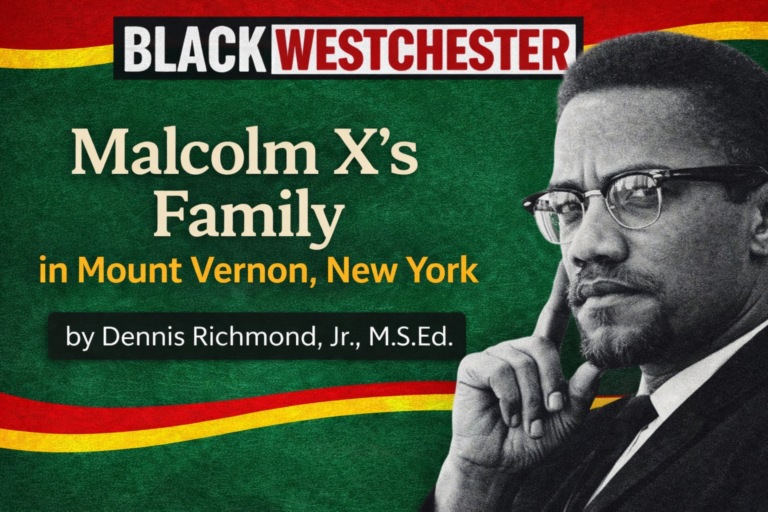
When Malcolm X wrote Zionist Logic in 1964, he wasn’t just describing a foreign agenda—he was identifying a political formula. He showed how governments use morality to mask control, and how emotions can be redirected to serve the interests of power. Six decades later, that same formula defines America’s spending priorities and the quiet compliance of its political class.
Every year, Congress approves $3.8 billion in guaranteed military aid to Israel, with emergency packages pushing the total above $8.3 billion. This staggering amount is not debated; it’s treated as automatic—a “special relationship” written into law. Meanwhile, Black communities at home are told that funding for housing, healthcare, or education must fit “within the budget.” The stark contrast in these figures is a clear manifestation of the injustice: complete generosity abroad, conditional charity at home.
In 2024, the Biden administration announced $1.3 billion in funding for Historically Black Colleges and Universities. While meaningful, that figure equals barely one-sixth of what Israel receives annually from American taxpayers. Washington can find unlimited resources for foreign defense, but must negotiate every dollar aimed at domestic equity.
The results of those trade-offs are visible everywhere. The impact on Black communities is profound and urgent. Median Black household wealth remains one-tenth that of white households. Black homeownership has not increased since 1968. Public schools in majority-Black districts receive $23 billion less each year than those in white districts. Health outcomes, business ownership, and infrastructure all follow the same trend: permanent shortage, predictable neglect.
The imbalance is not just economic—it’s political, and it should concern us all. The Congressional Black Caucus, once the moral conscience of Capitol Hill, now operates within the same donor framework as the rest of Washington. The American Israel Public Affairs Committee (AIPAC) proudly advertises its partnerships with CBC members, boasting that 26 of its endorsed Black lawmakers advanced to general elections in 2024. The symbolism is powerful: the organization that defends Israel’s interests abroad now claims influence over the very caucus created to protect Black interests at home.
Federal Election Commission data tell the rest of the story. According to OpenSecrets.org, several leading Black lawmakers have received significant contributions from pro-Israel donors during the 2023–2024 election cycle:
Hakeem Jeffries (NY-08), House Democratic Leader — roughly $866,550 from pro-Israel sources, including AIPAC PAC funds.
Gregory Meeks (NY-05), ranking member on the House Foreign Affairs Committee, has received about $510,000 in pro-Israel industry donations.
Shontel Brown (OH-11) — more than $120,000, her top funding source.
Wesley Bell (MO) — over $8.5 million in outside support from AIPAC-affiliated groups during his successful primary challenge against Cori Bush.
None of this violates campaign laws, but it raises a critical question: how can representatives fight for reparations, urban renewal, or wealth-building in their districts if their campaign survival depends on donors with foreign-policy priorities?
Allegations About AIPAC Oversight
Representative Marjorie Taylor Greene claimed during a live broadcast that lawmakers who accept contributions from AIPAC “have an AIPAC handler” who must be consulted before voting on key issues or legislation. AIPAC publicly denied her statement, calling it false and inflammatory. However, the intensity of that exchange shows how deep public skepticism about money and influence in Washington has become—and how easily perceptions of control can erode trust in representation.
The silence surrounding H.R. 40—the long-standing reparations study bill—is the clearest indicator of how donor incentives shape domestic policy. Some members support it symbolically, but few fight for it substantively. When Congress can move $8 billion for Israel in weeks but cannot move a single reparations proposal in decades, the message is unmistakable.
Israel’s citizens enjoy universal healthcare, low-cost college, and robust family benefits. American taxpayers, including those in Black neighborhoods, help sustain that system through foreign aid. Meanwhile, millions of Americans—many of them the descendants of enslaved people—still lack healthcare, affordable education, and safe housing. This is not about envy or ideology. It’s about priority.
Historical Context: The Missed Moment for Domestic Repair
When Barack Obama took office in 2009, Democrats controlled both chambers of Congress for the first two years of his presidency. During that time, there was no vote on H.R. 40—the House bill to establish a commission to study proposals for reparations for African Americans—despite the bill having been introduced repeatedly since 1989.
In 2016, near the end of Obama’s second term, his administration signed a 10-year memorandum of understanding with Israel, committing the United States to providing $3.8 billion in annual military assistance from 2019 through 2028. That agreement, confirmed by the State Department and the Congressional Research Service, represents roughly $38 billion over the decade, later supplemented by additional emergency aid that has raised the annual total toward $8 billion in some years.
The point is not about personality but about policy. Even with unified party control and unprecedented political capital, Washington again chose to institutionalize foreign commitments while domestic repair for Black America remained a discussion, not a decision.
Economic Comparison: What $8.3 Billion a Year Really Means
At $8.3 billion a year, the U.S. will send roughly $83 billion to Israel over the next decade. To put this in perspective, that amount equals the federal budget for higher-education grants and aid in a single year. It could fund a ten-year national home-repair and wealth-restoration initiative for Black families in historically red-lined neighborhoods—1.5 million homes at $50,000 each. It could underwrite tuition-free education at every HBCU for 10 years or provide $25,000 business start-up grants to more than 3 million Black entrepreneurs.
Economists who model a comprehensive federal reparations program estimate long-term costs between $10 trillion and $14 trillion, spread over decades. Eighty-three billion would not complete that task, but it would represent a meaningful down payment—proof that the resources exist when the political will does.
Policy follows incentives, not promises. Donors reward global alignment, not local accountability. As a result, Black America receives moral recognition for its struggles and the need for justice, but it experiences material neglect in the form of underfunded schools, lack of affordable housing, and limited access to healthcare. The Congressional Black Caucus, formed initially to challenge power, now mirrors the structure it was created to confront. Its members hold press conferences on justice but vote in silence on the budgets that deny it.
The logic is economic before it is moral. Money defines commitment. The billions that leave this country every year prove that the United States has the capacity to repair what it broke—but not the political will. Every dollar spent abroad without accountability is a dollar taken from the communities that built this nation’s wealth and still wait for repair.
Until elected officials prioritize outcomes over access, and until policy is measured by the progress it delivers—not the donors it satisfies—Black Americans will continue to get pennies while billions go overseas. The evidence isn’t hidden; it’s printed in every federal budget.
Malcolm X recognized the illusion of partnership between the oppressed and the powerful. Today, that illusion is maintained by money, not by words. The next chapter of Black political maturity will require not only consciousness but courage—the courage to break financial dependence and legislate for results.
Sixty years after Malcolm X delivered The Ballot or the Bullet and wrote Zionist Logic, America is living through the very system of deception he warned about. He said the new form of imperialism would not come with chains or guns, but with money, religion, and “friendly” alliances. Today, that same system rules Washington. The manipulation he described has moved from foreign nations into America’s own political bloodstream — where both parties serve the same masters and the people pay the price.
In Zionist Logic, Malcolm warned that religion would become a cover for power. He wrote that imperialists would disguise their control behind moral language — “divine missions,” “humanitarian aid,” and “special alliances.” He called it camouflage colonialism, and what he meant was simple: when the powerful want to dominate others, they hide it behind good intentions. That is precisely what we see in 2025. Politicians use scripture and patriotism to justify billions in foreign aid while Americans at home live in poverty.
At the center of this political machinery is AIPAC — the American Israel Public Affairs Committee. AIPAC is one of the most powerful lobbying groups in Washington, and its reach is bipartisan. Democrats and Republicans alike depend on AIPAC’s donations to fund their campaigns. It doesn’t matter who controls Congress — AIPAC funds both sides. They use their influence to ensure that every administration continues to send billions of dollars in aid to Israel, regardless of how that money affects America’s economy or international stability.
This isn’t about religion or the Jewish faith — it’s about political control through financial leverage. Malcolm X called it “dollarism” — control not by guns, but by gold. And the result is visible: neighborhoods in Harlem, Detroit, and Appalachia crumble while Congress writes blank checks to foreign governments. Schools are underfunded, hospitals are closing, and working-class families are buried under inflation and debt. Meanwhile, lobbyists, corporations, and foreign interests profit from policies that ordinary citizens never voted for.
This bipartisan loyalty to AIPAC shows that America’s political divide is a performance — the absolute unity is in protecting donors, not citizens. The left talks about justice, the right discusses faith, but both bow to the same financial influence. As Malcolm warned, “They cripple the bird’s wing and then condemn it for not flying.” The government cripples its own people economically, then blames them for their condition.
In The Ballot or the Bullet, Malcolm said a ballot is like a bullet — you don’t waste it unless you know what target you’re hitting. His warning wasn’t just for Black voters; it was for every American, including you. Voting without a strategy is surrender. Loyalty to a party that serves money instead of people is submission. He challenged us, including you, to see through emotional politics and demand tangible results. Today, both parties use fear, religion, and identity to keep citizens, including you, loyal to a system that exploits them.
Malcolm’s clarity has aged better than the politicians who ignored him. He told us that freedom would never come from those who profit off dependency. He warned that the oppressor’s greatest weapon is the illusion of inclusion. AIPAC’s bipartisan grip on Congress is proof of that illusion. The same lawmakers who can’t find funds for affordable housing or healthcare always find billions for wars and weapons. They tell us it’s for security, but Malcolm would have called it what it is — economic slavery dressed up as moral duty.
This is why younger voters — Black, white, Latino, conservative, and progressive — are starting to question everything. They’re not anti-Israel; they’re pro-accountability. They’re not against faith; they’re against manipulation. They see that both parties are financed by the same donors, influenced by the same lobbyists, and insulated from the same suffering that millions of Americans face.
Malcolm’s words echo through time: “It’s liberty or it’s death. It’s freedom for everybody or freedom for nobody.” The choice he spoke of is not violence versus peace — it’s truth versus deception. Either America wakes up and reclaims its political sovereignty, or it continues to serve foreign and corporate interests at the expense of its people.
The system Malcolm exposed still thrives, but the awakening has begun. When citizens, including you, start seeing that Democrats and Republicans serve the same financiers, when they understand that “aid” abroad means neglect at home, and when they stop voting out of fear or guilt — that’s when the system begins to break. Your voice, your vote, and your demand for accountability can be the catalyst for this change.
Malcolm X wasn’t against faith or against alliances. He was opposed to hypocrisy, manipulation, and exploitation masquerading as righteousness. His message wasn’t about hate — it was about truth. And in 2025, truth has never been more dangerous or more necessary. His words, his warnings, and his call for accountability are as relevant today as they were when he first spoke them.
As the nation enters Day 10 of the federal government shutdown, more than 750,000 federal workers remain furloughed, countless services are suspended, and the effects are rippling through every level of American life. Airports are facing delays, national parks are closed, and small businesses that depend on federal contracts are bracing for another financial hit.
This isn’t a crisis of policy—it’s a crisis of logic and leadership.
What a “Clean CR” Really Means
The fight in Washington wasn’t about whether to fund the government—it was about who could score political points doing it. The House of Representatives, led by Republicans, passed a clean Continuing Resolution (CR) to keep the government funded at existing levels. A clean CR means no new spending, and it also means no policy riders like increased military spending or hidden political demands like a provision to defund a particular program—just a short-term measure to keep the lights on while both sides negotiate a long-term budget.
That’s the responsible thing to do. It prevents economic disruption while allowing debate over future priorities. But when the bill reached the Senate, Democrats refused to pass it, insisting that it include additional provisions such as extensions of Affordable Care Act subsidies and other social-spending items.
In other words, the House sent a bill to avoid a shutdown, and the Senate turned it into a political bargaining chip.
The Economics of Political Theater
Every time Washington shuts down, the same question dominates the headlines—“Who’s to blame?” But the better question is, “At what cost?”
This shutdown will cost taxpayers an estimated $2 to $3 billion per week in lost productivity, delayed services, and interest on federal obligations. Federal workers will still receive back pay, but contractors, small businesses, and hourly workers who depend on government activity will not.
The public sees politicians arguing on TV, but they don’t know the ripple effect—the restaurant near a federal building losing customers, the daycare owner whose clients can’t afford childcare this week, or the landlord waiting on rent from a furloughed employee. These are the real consequences of political gamesmanship, and they are felt by real people in our communities.
Ideology Over Outcomes
Both parties are guilty of turning the budget process into a battlefield, but this time, the facts speak clearly. The House acted to keep the government open. The Senate chose not to, opting for policy victories over stability.
This isn’t governing; it’s grandstanding. It’s a reminder that in Washington, performance often matters more than results. Politicians care more about appearing principled than producing outcomes that work for the American people.
The Logic of Dependency
Shutdowns also reveal how dependent the nation has become on federal intervention. Entire industries now rely on Washington’s approval, funding, or oversight to function. A temporary funding lapse freezes research projects, delays medical reimbursements, and stalls housing assistance.
When a single political disagreement can halt an entire country’s operations, it exposes a deeper problem. Dependency has replaced self-reliance—not only among citizens but among institutions that no longer know how to operate without government lifelines.
The Outcomes That Matter
The truth is simple. Government debt keeps climbing, no matter who is in charge. Federal spending grows faster than both inflation and population. Black communities remain the last hired and first fired when the economy slows. Public trust in government has collapsed.
Shutdowns dramatize these failures, but they don’t cause them. They expose the reality that Washington no longer measures success by outcomes but by optics.
A Lesson for Black America
This moment is a reminder that when we put our faith in government to solve problems that require cultural, educational, and economic renewal, we set ourselves up for disappointment. We can’t afford to wait for politicians who shut down every time leadership gets hard.
Our communities must learn to function beyond the federal budget—by proactively building local institutions, credit unions, cooperative businesses, and independent schools that can survive without Washington’s permission or dysfunction. Absolute freedom comes from ownership, not dependency. This is the path to our empowerment and self-reliance.
In one of the most dramatic diplomatic developments since the October 7, 2023 attacks, Hamas has released the final 20 living Israeli hostages held in Gaza, while Israel freed more than 1,900 Palestinian prisoners and detainees in return. The exchange — brokered under a U.S.-backed truce — represents both a humanitarian milestone and a reminder of the deep political rifts that still divide the Middle East.
A Painful Exchange of Lives and Loss
According to The Financial Times and The Guardian, Hamas also returned the remains of four deceased hostages, though Israeli families had expected all 28 to be repatriated. For many, the joy of reunion is mixed with the grief of those still waiting for closure.
Palestinians celebrated the return of prisoners — some held for decades — as a symbol of resistance and resilience. In Gaza and the West Bank, families flooded the streets waving flags and chanting freedom songs, even as the physical scars of war still define their communities.
The Truce and Its Fragile Future
The ceasefire that enabled the exchange is expected to hold for at least 90 days, allowing humanitarian aid to enter Gaza and the rebuilding of critical infrastructure. But experts warn the calm may be temporary. The question of who will govern Gaza after the truce remains unresolved, as both Israel and Hamas seek to redefine control of the region.
Regional analysts note that this exchange is less a final peace deal and more a pause — a window for world leaders to reposition themselves in the next phase of negotiations.
Trump’s “Peace Through Strength” Doctrine
President Donald Trump has hailed the agreement as a victory for his foreign policy agenda, crediting his administration’s “firm diplomacy” for securing the truce. Critics, however, argue that his team’s deal prioritizes optics over long-term stability, echoing the political showmanship seen during the Abraham Accords era.
Trump is expected to meet Chinese President Xi Jinping later this month at the APEC Summit in South Korea — a meeting that could shape the next chapter of global alliances amid rising U.S.–China tensions.
Why This Matters to Black America
For many in the United States — particularly in Black and Brown communities — these international events can feel distant. But history reminds us that global conflicts often reshape domestic realities. Wars drive up oil prices, influence foreign aid spending, and alter the flow of immigration and trade that affect everyday life in American cities.
As Washington commits more resources abroad, many local leaders are questioning whether those same billions could be better used at home — rebuilding urban communities, supporting small Black-owned businesses, and investing in neglected neighborhoods still struggling from decades of disinvestment.
The Bigger Picture
While families on both sides of this conflict finally see some measure of relief, peace in the Middle East remains uncertain. True justice will require more than hostage swaps or press conferences — it will demand moral courage from the global powers that helped create this crisis and from those who continue to profit from it.
For now, the world watches and waits. And for communities like ours, this moment is another reminder that freedom is always negotiated — but justice must always be demanded.