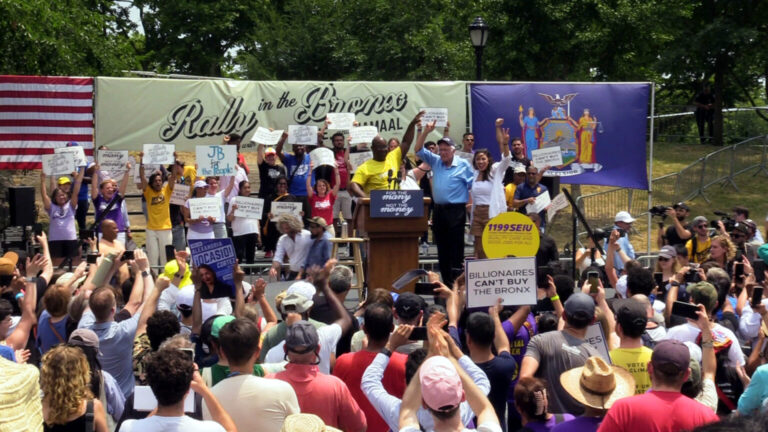
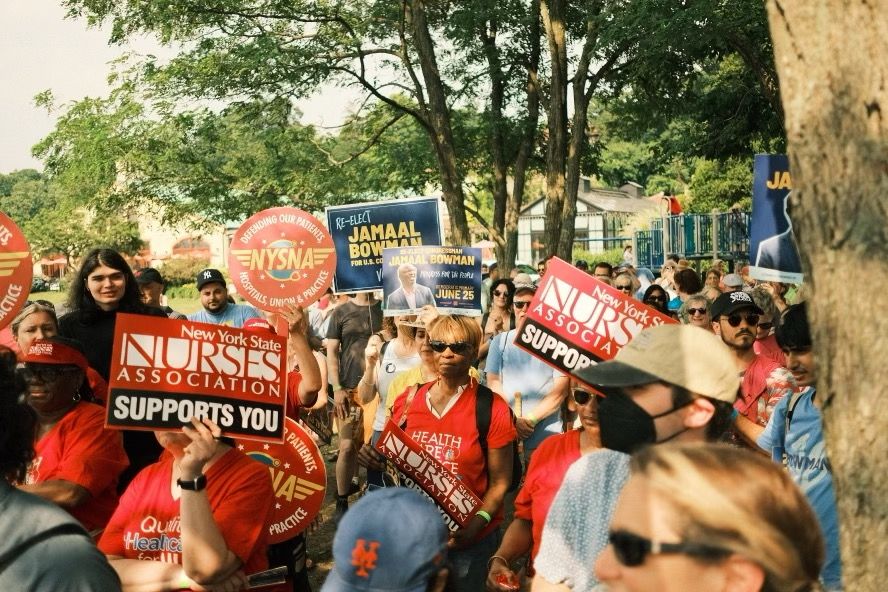
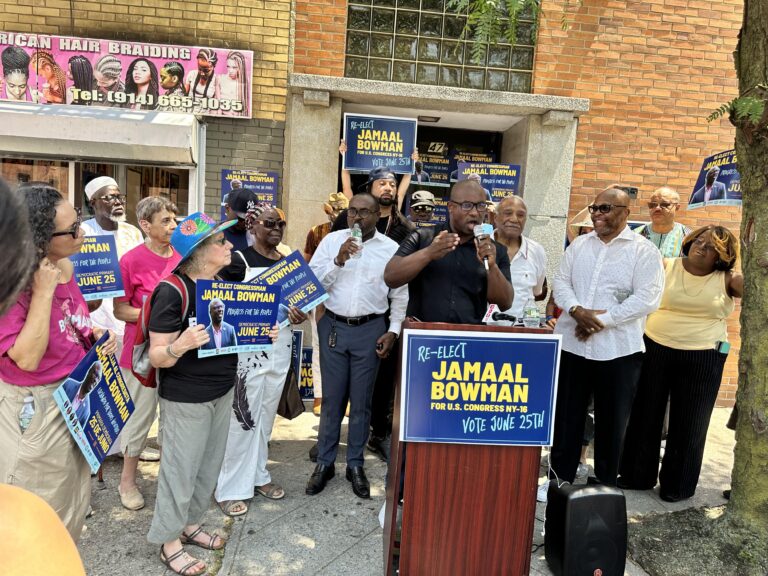
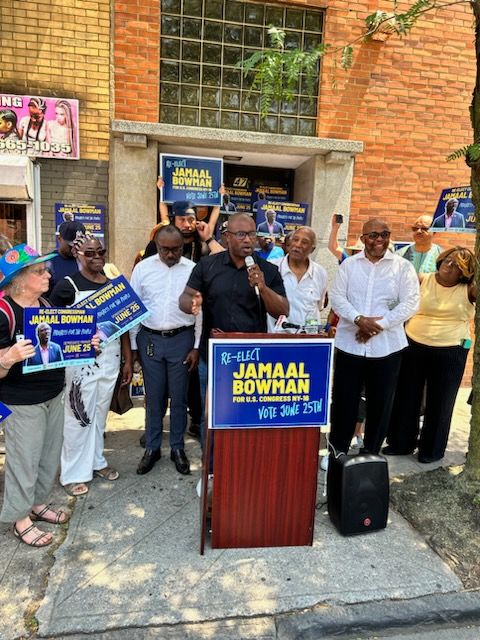
About 300 people braved the intense heat and humidity to support Representative Jamaal Bowman for a final push to get out the vote before Tuesday’s Democratic primary election.
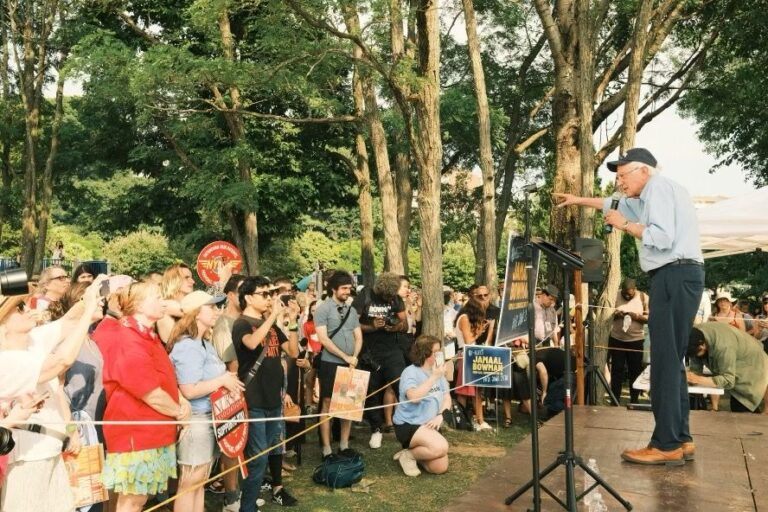
Independent U.S. Senator of Vermont and twice former Democratic presidential primary candidate, Bernie Sanders, joined Bronx Democrats, Rep. Alexandria Ocasio-Cortez (NY-14), and Rep. Nydia Velázquez (NY-7), who represents parts of Brooklyn, stump for Congressman Bowman at the last-minute campaign rally organized by AOC’s campaign team in St. Mary’s Park in the Mott Haven section of The Bronx on Saturday, June 22nd. Although Bowman’s district lies well north of Mott Haven and Hunts Point, AOC, his fellow progressive in Congress used her bully pulpit to stump for her colleague in the South Bronx’s biggest park.
“Our brother Jamaal Bowman is under attack,” said Ocasio-Cortez, to loud applause. “He’s being primaried by racism. He is being primaried by greed. He is being primaried by corruption of our politics, and we cannot let them win.”
Westchester Executive George Latimer is running against the progressive who has backed the Palestinian cause throughout Israel’s incursions into Gaza, for his 16th district congressional seat, the North East Bronx and Westchester County. Bowman wasn’t the first Congressman to demand a cease-fire in Gaza, but was one of the most outspoken opponents of Israel’s attack on the Palestinian people.
Rep. Bowman is now the primary focus of AIPAC (the American Israel Public Affairs Committee)’s continuous effort to silence Israel’s detractors. That choice was undoubtedly influenced by history: the Zionist lobby lost one of its most dependable votes in Congress when Bowman unexpectedly defeated nine-term incumbent Eliot Engel in 2020, following a brief national reckoning on race following George Floyd’s murder.
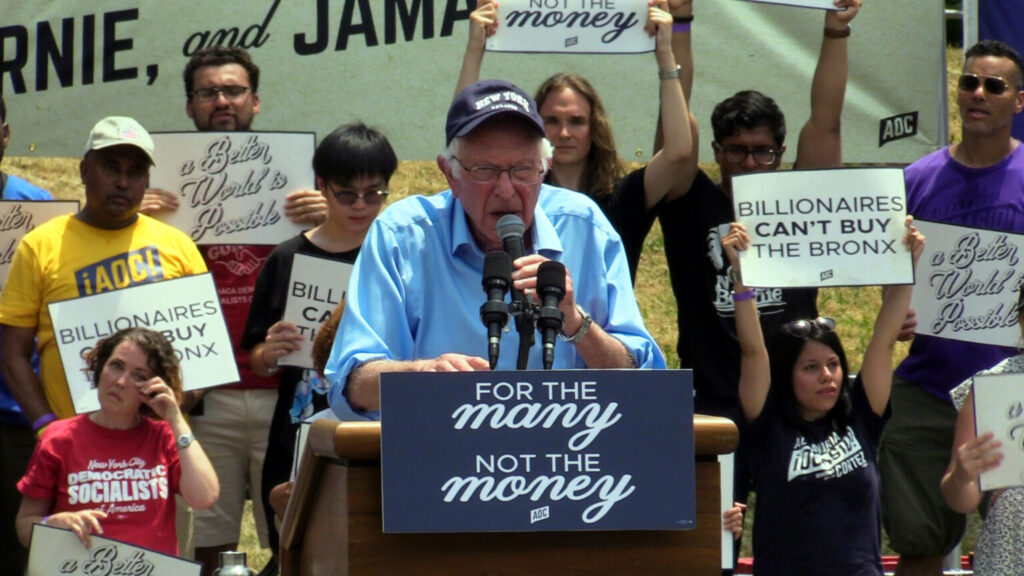
Vermont Senator Bernie Sanders speaking to the crowd at the Bowman Rally in the Bronx [Black Westchester]
John Lennon’s “Power to the People” was pumping through the sound system when Sanders, 82, entered the stage. “I’m here today because this election is one of the most important in the modern history of America,” the seasoned progressive senator told the assembly. “This election is about whether or not the billionaire class and the oligarchs will control the United States government, and our view is no they won’t.”
Sanders concluded, “What this campaign is about is telling the billionaires, and their greed and their super PACs, they are not going to destroy American democracy. On that issue, every person who votes for the Democratic Party has got to be united. We stand together.”
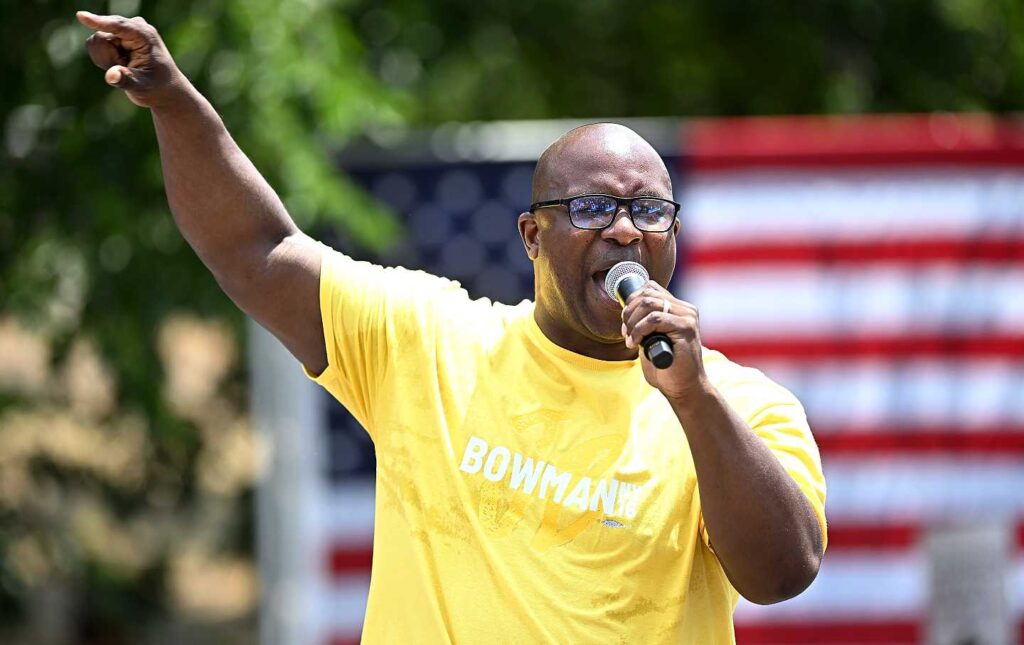
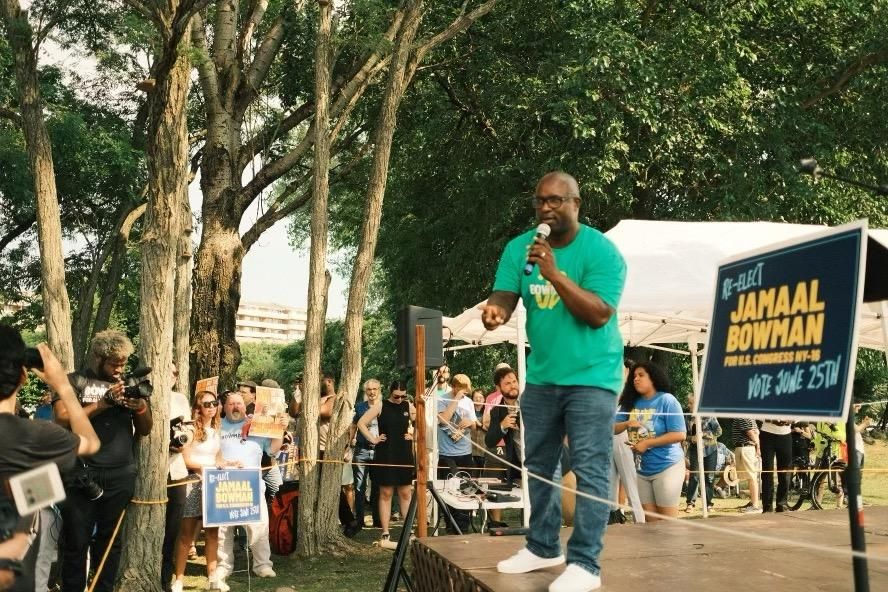
Congressman Jamaal Bowman addressing the crowd at a campaign rally at St Mary’s Park in the Bronx [Black Westchester]
The Wu-Tang Clan’s 1997 anthem “Triumph” was then blasted through the speakers as Bowman took the stage. Before beginning his stump speech with the assertion that “Our movement is more powerful than their money,” the self-described “hip-hop congressman” sang along for a few lines, “Battle-scarred Shogun, explosion, when my pen hits tremendous.”
A few dozen members of the NYPD blocked a gathering of about 200 pro-Palestinian protestors organized by the group “Within Our Lifetime” as the Bowman supporters left the park in the same direction that they had come.
Election Day is Tuesday, June 25, and polls are open from 6 a.m. to 9 p.m. Visit the New York City Board of Elections website at www.vote.nyc/elections to find your polling place and for more details about the election and candidates.
While the Latimer campaign touts the support of many of the Democratic Committees in the district it appears many of the District Leaders in those Democratic Committees, Elected Officials and community stakeholders are not supporting George Latimer but they are endorsing Congressman Jamaal Bowman for re-election (see letter below)
We, the undersigned elected officials and Democratic district leaders, write to urge our fellow Democrats of NY16 to cast their votes for our incumbent Congressman, Representative Jamaal Bowman, in the upcoming primary on June 25th. We have an incredible opportunity to make sure our Congressman stays in Washington to continue his important work for the people of our district. A former principal and father of three, Congressman Bowman shows up, leads with empathy, and is a voice for the people.
We have worked with Congressman Bowman in various capacities and appreciate and value the attention he has brought to urgent issues that government has failed to address in a meaningful way: stopping gun violence, building affordable housing, addressing the climate crisis, ensuring that women have access to quality reproductive healthcare, advocating for environmental justice and LGBTQ+ rights, providing job and career resources for youth and the un- and under-employed, and securing infrastructure improvements for all our communities.
In 3 ½ years, Congressman Bowman has worked to bring over a billion dollars to our district to build a brighter future for everyone, including:
$500,000 for WestHab, Inc. for Affordable Housing Preservation to Promote Housing Equity in Southern Yonkers (FY 2022)
$500,000 for the County of Westchester for Clean Bus Procurement (FY 2024)
$1,500,000 for the City of Mount Vernon for Sewage Cleanup Project to Promote Equity and Resilience in Mount Vernon (FY 2022)
$1,125,000 for Justice Innovation Inc. for a New Rochelle Community Youth Violence Intervention Initiative (FY 2023)
$959,752 for the Village of Rye Brook for a Rye Brook Sewer Rehabilitation Initiative (FY 2024)
$2,560,000 for Westchester County for a Study of the Lake Isle Dam to promote safety, flood mitigation, and environmental justice in Southern Westchester (FY 2023)
$750,000 for the Village of Hastings-on-Hudson for Geothermal Heat Pump System Installation (FY 2024)
$977,827 for the Village of Ardsley for Downtown Revitalization (FY 2024)
Representative Bowman shows up in our communities. He was one of the first federal elected officials on the ground asking how he could help after Hurricane Ida, and regularly hosts town halls on important topics like gun violence and youth mental health. He does this while critically examining federal legislation to ensure his vote aligns with what we sent him to Washington to do — make a difference for those that are far too often forgotten and left out of Washington’s political discourse.
Representative Bowman is a principled, independent voice in Congress, not a “go along to get along” politician. He votes with President Biden more than 90% of the time, but when he disagrees with the President, or with colleagues, on a matter of conscience or principle, he is not afraid to stand up for what he believes in. That’s what leaders do.
On the legislative front, Congressman Bowman works hard to bring issues to the forefront that have been ignored for too long and works with colleagues on both sides of the aisle to get things done.
Introduced over fifty bills, resolutions, and amendments related to education policy, and racial and economic justice, including the African-American History Act, the More Teaching Less Testing Act, the Green New Deal for Public Schools Act, the Fair College Admissions for Students Act, the Heating and Cooling Relief Act, the Emergency Price Stabilization Act, and the RAP Act.
Played a major role in writing the CHIPS and Science Act, one of President Biden’s signature accomplishments, as a subcommittee chair of the House Science committee and one of two freshmen members of the conference committee to negotiate with the Senate. The final CHIPS and Science Act included two of Rep. Bowman’s bills and several of his amendments.
Fought tirelessly to pass the American Rescue Plan, the bipartisan Safer Communities Act, and the Inflation Reduction Act (IRA), including by leading 89 Members of Congress in a letter pushing to restart IRA negotiations when the bill was stalled.
Introduced and passed a House resolution condemning the Great Replacement Theory, and has been one of the leading voices in Congress pushing back against growing white supremacist currents in the Republican Party.
Introduced and passed bipartisan amendments in the House to support veterans’ mental health, increase inflation bonus pay for service members, and publicly disclose the cost of our overseas military footprint.
Successfully pushed the Biden Administration to undertake groundbreaking executive actions to help families and students, including launching its Blueprint for a Renters Bill of Rights to protect tenants, and investigating racist book banning in public schools.
We are from different ethnicities, religious backgrounds, and cultures. We join in appreciation of Representative Bowman’s principled stance on the October 7 attack on Israel and the subsequent violence committed against Palestinians in Gaza and the West Bank.
While Congressman Bowman has been steadfast and clear on Israel’s right to exist and defend itself, voting to approve funding for the Iron Dome and condemning the actions of Hamas on October 7th, from the outset of the current war he has been a leading voice decrying the use of American tax dollars to fund death and destruction in Gaza, continually pressing for a nonviolent resolution. He has since been joined by a majority of Democratic voters and by many Democratic colleagues, including President Biden and Senator Schumer, in urging Israel to exercise restraint and to end the bombing of Palestinian people.
From the start Congressman Bowman has urged the President to work towards a ceasefire and a peaceful resolution that will end the killing and bring the hostages home. Representative Bowman encourages us to dare to navigate the perilous path towards peace, while others resign themselves to never-ending war.
Congressman Bowman’s transformational vision for our future is one in which all people are truly represented in Washington. We are proud to support our Congressman, and we urge you to join us in casting your vote for Jamaal Bowman on June 25th.
Sincerely,
Douglas Alligood, Trustee, Hastings-on-Hudson Nicola Armacost, Mayor, Hastings-on-Hudson Hanan Kamal Eldahry, Trustee – Village of Pelham Nicole Engelbert, Trustee, Tuckahoe Georgia Lopez, Trustee, Hastings on Hudson Hope Marable, Trustee, Mount Vernon Public Library Board/District Leader, Mount Vernon Democratic Committee Shane Osinloye, Councilmember, New Rochelle Emmanuel Rawlings, Village of Mamaroneck Trustee Leilani Yizar-Reid, Village of Mamaroneck Trustee Lou Young, Trustee, Village of Mamaroneck Nicola Coddington, Irvington District Leader, former Mayor of Irvington Elaine Trader, Chair, Dobbs Ferry Democratic Committee Rebecca Pitts, District Leader, Dobbs Ferry Democratic Committee Tasha Young, Town of Greenburgh District Leader, ED 51 Iris Hiskey Arno, District Leader, Hastings-on-Hudson Democratic Committee Lisa Genn, District Leader, Irvington Democratic Committee Eileen O’Connor, Ward Leader, Ward 4 District Leader, Yonkers Matthew Wilson, District Leader, 59th Electoral District, Hastings on Hudson Democratic Committee Eric Eyges, District Leader, Dobbs Ferry Robin Herbert, District Leader, Hastings Democratic Committee Patricia Truscelli, District Leader, Dobbs Ferry Christina lomolino, District Leader, Hastings On Hudson NY Kamran Saliani, Town of Greenburgh, District Leader – E.D. 31, Irvington Democratic Committee Monica Joy Taylor, District Leader, Dobbs Ferry Paul Presendieu, District Leader, New Rochelle Eugene Tozzi, District Leader New Rochelle ED 22, Vice Chair New Rochelle Democratic Committee Sue Tozzi, District Leader New Rochelle Martha Gutierrez, District Leader, New Rochelle Michael Cammer, District Leader, New Rochelle Dr. Alexandria Connally, DL, Yonkers Erica Alexander, District Leader, New Rochelle Lisa Copeland, District Leader, Mount Vernon Dems ED-68 Fran Snedeker, District Leader, Rye Reed Bonadonna, District Ldr, Town of Mamaroneck Melissa Eustace, District Leader, Pelham Manor Gregory Spock, Democratic District Leader, ED5, Pelham, NY Clinton Boxhill, District Leader, Mt Vernon Julie Weiner, District Leader, Yonkers Ward 3 Greg Magann, District Leader, Village of Tuckahoe District 11 Natalie Polvere, District Leader, Yonkers – Ward 11, District 20 Rosa Rivera-McCutchen, District Leader, New Rochelle Veronica Raphael, District Leader, Yonkers NY Dora Onwumere, District Leader , Dobbs Ferry Mae Williams, District Leader, Yonkers 3/17 District, Member WBWPC Linda Archie, District Leader, Yonkers, District 16 Ward 3 Charlene Raynor, District Leader, White Plains Democratic City Committee Marilyn Graham, District Leader, Eastchester, NY Nancy Hite-Norde, District Leader, Tuckahoe Alex Rizio, District Leader, Hastings on Hudson Evelyn Alicea-Santiago, District Leader, Second Vice Chair, White Plains Democratic City Committee & Hispanic Democrats of Westchester Executive Board Marie Houston, District Leader, White Plains Joseline Velez, District Leader, White Plains Kenyetta Thomas, District Leader, Mount Vernon NY Maria Karsou, District Leader, Village of Mamaroneck Joanne Robinson, District Leader, Yonkers Alicia Henriques, District Leader, Mt. Vernon NY Elizabeth de Bethune, District Leader, Yonkers, Ward 4, ED 5 Damaris Mone, District Leader, Mt Vernon Anthony Nicodemo, President – Hudson Valley Stonewall Democrats/Vice-Chair Yonkers Democratic Committee Roberta Robinson, District Leader, Yonkers Wilma Bryant, District Leader, Ward 12, District 1, Yonkers Nancy Ferrer, District Leader, Yonkers Democratic Committee Louis Romain, District Leader, Mount Vernon Benjamin Brown, District Leader, White Plains Democratic City Committee Abel Nofal, District Leader, Yonkers Cheryl Melton, District Leader, White Plains Selma Lewis-Belfor, District Leader, Mount Vernon Steven Rabinowitz, District Leader, White Plains Desirée Dismore, District Leader, Yonkers Jonathan Davis, District Leader, Mount Vernon Evelyn Cardona, District Leader, Ward 3, District 3, Yonkers Lucille Renwick, District Leader, New Rochelle, District 4 Niamh Hartnett Merluccio, District Leader, Chair of Bronxville Democratic Committee William Gaston, District Leader, Bronxville Democrats Philip von Mehren, District Leader, Bronxville Patricia O’Keefe, District Leader, New Rochelle Daphne Torres, District Leader, New Rochelle Delia M Farquharson, DL and Former Councilwoman, Mount Vernon <>
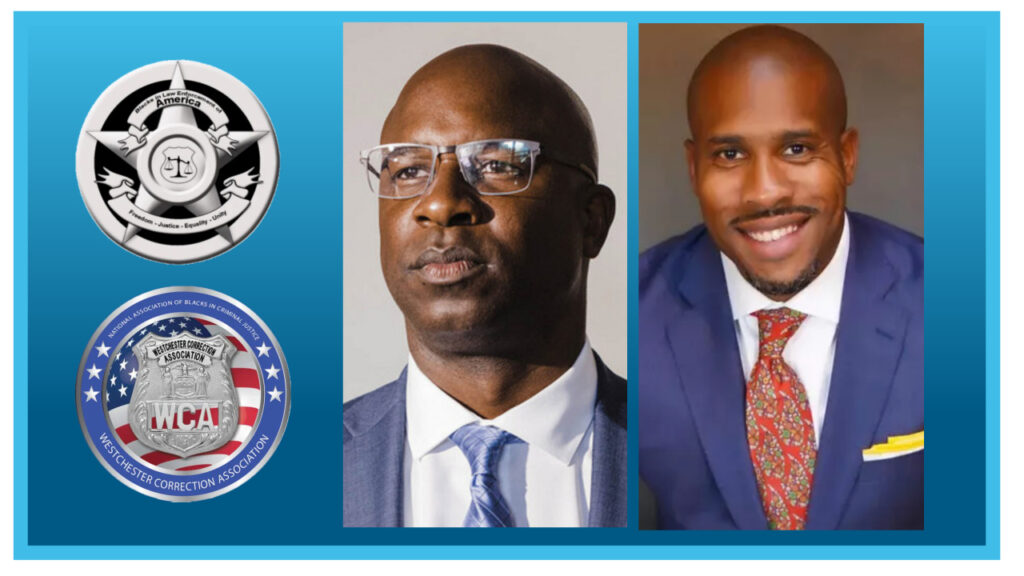
In addition to the signees of the above letter, Former Mount Vernon Mayor Ernie Davis, Blacks In Law Enforcement of America and the Westchester Correction’s Association held a press conference in Mount Vernon Friday, June 21st to announce their endorsement of Congressman Jamaal Bowman.
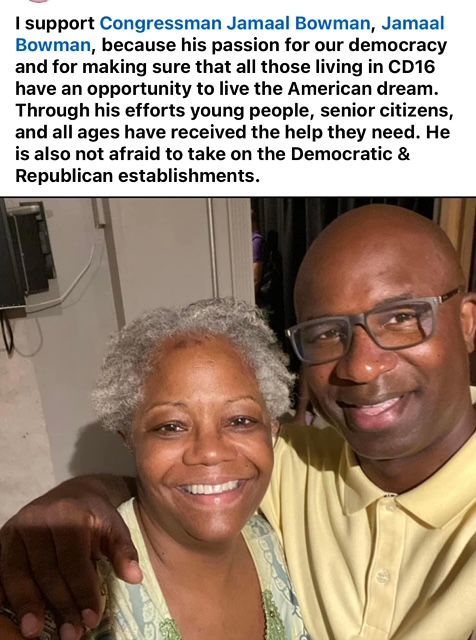
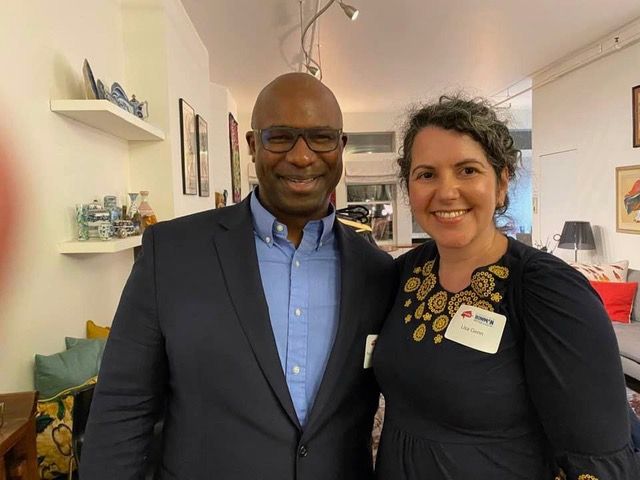
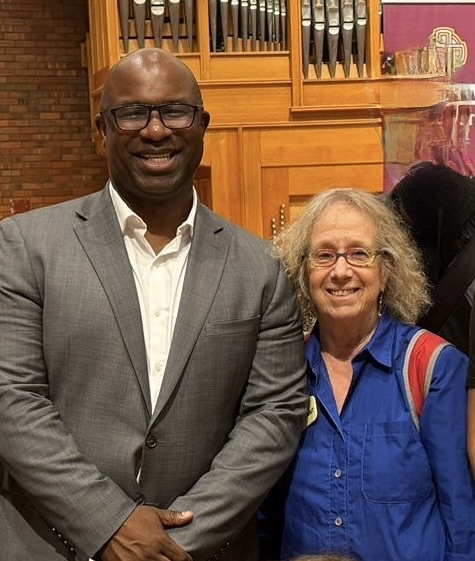
Others throughout the district wanted to share why they are supporting Congressman Bowman’s re-election.
I support Jamaal Bowman for a third term Congress because he is an advocate for peace and the wellbeing of ALL children. He governs for everyone — fighting for healthcare for all, a Green New Deal, environmental justice, and money for communities in need — not just the wealthy. We need bold, principled leadership in Washington to save our democracy and planet earth. Congressman Bowman has only been in office for 3 years and is one of a handful of elected representatives pushing for transformational change in Washington. He is the future of the Democratic Party. MAGA Republicans are so threatened by this they are now trying to buy off a Democrat, funding his opponent with record-breaking sums of money from special interest groups. It’s disheartening but #WeDecide on Election Day who represents us. – Rebecca Pitts, Dobbs Ferry Democratic District Leader
Congressman Bowman is an example of the kind of leaders we need in Washington. He is a true voice of the people and uncompromising in his beliefs, OUR beliefs – Education, climate, gun control, and how the economy truly affects marginalized communities. He is on the ground and I’m proud to stand with him.
– Trustee Georgia Lindahl Lopez, Hastings on Hudson Board of Trustees
We need someone who looks at policy from an equitable perspective in Congress, someone who believes that change is possible by being a change agent. We have that in Representative Jamaal Bowman.
I support progressives like Jamaal Bowman because we need system disruption. In Westchester County black youth make up 14% of the population yet are 62% of the youth detainees. Black maternal health intervention is seriously underfunded, affordable housing is grossly unaffordable for working class people. I pray that elder statesmen like our County Executive would embrace younger progressives and not attack and displace them. I also support the underdogs. $22mm against a sitting Congressman is not Democratic, it’s financial bullying and it’s racist.
– Tasha Young Town of Greenburgh District Leader, ED 51
36,000+ dead. 15K of them children. 2000 lb American-made bombs being dropped on babies. Forced starvation of millions.
This has to end. I support Congressman Bowman because he is calling for a negotiated cease fire, release of the hostages and an end to the bombing.
– Hanan Kamal Eldahry
Trustee, Village of Pelham
Nancy Hite-Norde, District Leader, Tuckahoe
I support Jamaal because he brings the vision and the passion we need to address our existential climate crisis, because we need the courage and commitment to invest in all of us so that all of us can thrive, and because we can’t do it all unless the ultra wealthy pay their fair share.- Lisa Genn, District Leader, Irvington Democratic Committee
I support Congressperson Bowman because he’s been highly effective in his first 2 terms, and because he has had the courage to stand up for issues that must be urgently addressed to protect the future of the earth and our fragile democracy:
• Climate change
• Economic inequality
• Equal rights
• Getting big money out of politics
• Improving our educational systems
On a local level, Congressperson Bowman has brought over $1 billion to our district for initiatives that address climate change and mitigation of its effects, gun violence prevention, mental health care, and health care in general. He’s focused on helping working families and the most economically marginalized groups in the district – not just the wealthy.
He’s both a visionary and a realist. He brings me hope for the future at a time when the world has become a scary place. We need leaders like him for both now, and for our future.
Robin Herbert, District Leader, Hastings-On-Hudson Democratic Committee
“I feel strongly that Congressman Bowman deserves our continued support. He is a progressive who represents the interests of all his constituents, not just the ones with money, and I appreciate his hard work for policies that would make for a more equitable society. While I previously supported George Latimer in all his prior races, I am incensed that he is wasting Democrats’ time and money (and taking AIPAC money) challenging a good progressive when there are so many other seats to protect and regain.”
– Nicola Coddington, Irvington District Leader, former Mayor of Irvington
I support my Congressman Jamaal Bowman because he has stood up for causes I care about like climate justice, Medicare for All, and good and affordable education and housing.
He has brought over $1 billion to our district for initiatives in communities from the wealthiest to the poorest. Jamaal’s message is peace and love. He’s a critical voice in DC.
– Iris Hiskey Arno District Leader, Hastings-on-Hudson Democratic Committee
Israel’s war against Palestinians is highly profitable to investors in the arms industry – as will be any war with Iran in which Israel succeeds in involving the U.S. Jamaal is a peacemaker; his opponent’s interest in international affairs is limited to supporting whatever the Israeli government does, right or wrong.). And because Jamaal is young and energetic, and has a future as an increasingly influential progressive Member of Congress he has already proved to be. His past-retirement-age opponent has already said he does not expect ever to lead any committees or draft any environmental bills. As County Executive, Latimer’s corruption has led to acceptance of donations from and renewal of a contract with a company profiting by feeding substandard food to incarcerated children. Jamaal seeks to enhance educational and job opportunities in black and brown and currently low-income communities and end gun violence, drug deaths and mass incarceration. Jamaal has a vision and is making it happen by collaborating with the president and his fellow legislators. Latimer has money from AIPAC’s GOP billionaire contributors; his campaign is nothing but lies and distortions of Jamaal’s record. He has articulated no vision but unseating our – the people’s – Congressional representative. – Julie Weiner, District Leader, Yonkers Ward
“Jamaal is not only the leader we need for our urgent concerns today, he is what our youth deserve in order to build a better tomorrow.”
– Matthew Wilson, District Leader, 59th Electoral District, Hastings on Hudson Democratic Committee
I support Jamaal for Congress because he speaks truth to power and doesn’t cater to special interests and big money corporate PACs. He is principled and is not afraid to work for bold transformative change for ALL people of NY16. – Elaine Trader, Chair, Dobbs Ferry Democratic Committee
I voted for Congressman Jamaal Bowman because of his commitment to stand on justice and truth, even when it makes things difficult or uncomfortable. Congressman Bowman has supported Biden’s agenda, while having the moral courage to simultaneously push for more progressive policies that will benefit all of us. –Rosa Rivera-McCutchen, District Leader, New Rochelle
I support Congressman Bowman! He represents all his constituents! Congressman Bowman has Not been bought by donors! – Maria Beatriz Karsou, District Leader, Village of Mamaroneck
We support Jamaal because he listens to us! He cares about and fights for the issues that matter to us, that lift up all of us. AND He can jump double dutch! – Elizabeth de Bethune, District Leader, Yonkers, Ward 4, ED 5 & Eileen O’Connor, Ward Leader, Ward 4 District Leader, Yonkers
I am proudly supporting Congressman Bowman as he isn’t afraid to stand alone in his fight for social justice. He is a leader who shows up for our community. His immediate and public stance for a ceasefire is exactly what we need to see from our elected officials. – Desirée Dismore, District Leader, Yonkers
“Besides President Obama, there has been only one other politician in my life who has activated such a specific sense of pride and hope … and it’s Jamaal Bowman.” -Kamran Saliani, Iranian-American District Leader for Greenburgh, E.D-31
(1) Until we are all free, no one is free (2) Supporting a genocide is not an option, Jamaal Bowman will stand up for peace! – Monica Joy Taylor, District Leader, Dobbs Ferry
Jamaal Bowman is the greatest advocate for public education in Washington and we need him to continue his advocacy for our kids. – Anthony Nicodemo, Vice-chair City of Yonkers Democratic Committee, President Hudson Valley Stonewall Dems, Lifelong educator and coach
I’m supporting Rep. Bowman because came to Congress already understanding and deeply committed to the urgent imperative of addressing the climate crisis. George Latimer has never, ever been progressive or proactive on environmental issues. — Natalie Polvere, District Leader, Yonkers – Ward 11, District 20
I support Bowman because of his outspoken, consistent, and unwavering support for social justice. – Michael Cammer, District Leader, New Rochelle
I have grave concerns about the role of big money, we don’t want millionaires and billionaires dictating who our Congressional Representatives are. – Steve Rabinowitz, District Leader, White Plains
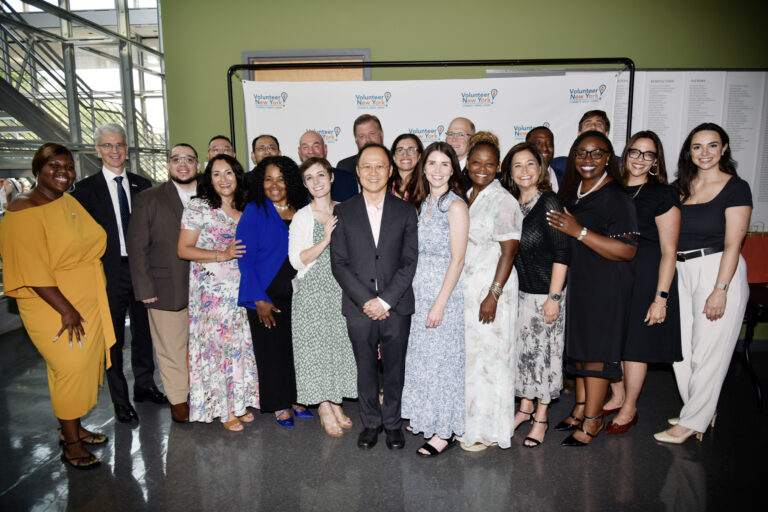
June 20, 2024 – Volunteer New York! celebrated the latest graduating class of Leadership Westchester, its signature professional development program. The nine-month program provides select individuals with the opportunity to sharpen effective leadership skills and gain clarity in defining and achieving their personal and professional goals. The event was held on Monday, June 17th, from 5:00 PM to 7:00 PM at the Westchester Community College Gateway Center in Valhalla, NY.
“We are thrilled to graduate another remarkable class of local leaders from Leadership Westchester,” said Jeanette Gisbert, Executive Director of Volunteer New York!. “Participants in our program not only gain deeper clarity and understanding of their personal vision and mission but also expand their professional networks and build the confidence to lead effectively. They also join the supportive and influential networks of Volunteer New York! and the Leadership Westchester alumni community.”
Every year, Volunteer New York! selects an alum to honor who has continued to demonstrate the mission of Leadership Westchester. Emily Saltzman, class of 2017, embodies leadership and community service. As Deputy Director of Operations for Westchester County, Emily has demonstrated exemplary leadership since 2018, overseeing numerous departments and guiding the county through the COVID-19 pandemic. Her initiatives included developing support systems for nonprofits, food pantries, and small businesses. Emily’s collaboration with organizations like Nonprofit Westchester and the Westchester Women’s Agenda reflects her deep commitment to community service and effective public administration. Her contributions to local governance and community well-being make her an outstanding example of the Leadership Westchester mission.
“I am deeply honored and humbled to have been selected as the 2024 Leadership Westchester Alumni of the Year,” says Emily Saltzman. “Every day in my work for Westchester County, I utilize the principles I learned in Leadership Westchester to assist County residents and make a positive difference in their lives. Being part of the Leadership Westchester family has been a meaningful and transformative professional and personal experience for me. I look forward to celebrating this fantastic program and the 2024 graduates.”
“These 20 graduates have spent the past nine months clarifying how they want to impact the world around them, and they’re leaving the program with powerful interpersonal skills, extraordinary relationships, and collective passion to truly move the needle in Westchester and beyond,” said David Severance, facilitator of Leadership Westchester and President of New Door Leadership.
For those interested in being a part of the 2024-25 Leadership Westchester class, visit the website to connect with an alum of the program if you have any questions or fill out an application for consideration. As part of this program, you are guaranteed to form a dynamic, exclusive, and connected community of caring people who are active in learning and demonstrating the practice of leadership, in creating communities that reflect their highest ideals and aspirations, and are considerate of how they choose to show up.
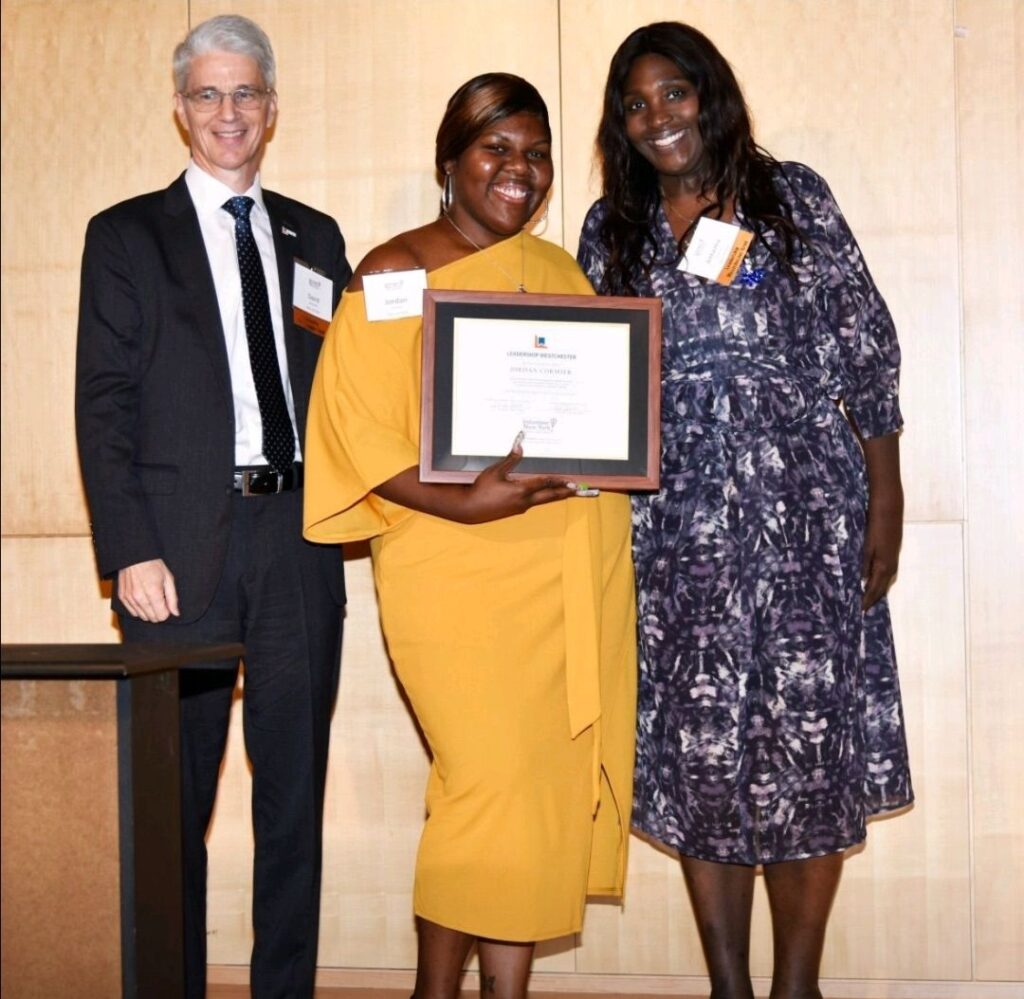
One of the graduates was Jordan Cormier, the Director of Programming at Youth Shelter Program of Westchester, who has been featured in Black Westchester.
“To say it was a journey is an understatement. I’m proud of the journey Leadership Westchester led me through. By the grace of God I’m officially a 2024 graduate of Leadership Westchester. Congratulations to the my amazing colleagues turned family on this remarkable achievement,” Jordan shared with Black Westchester.
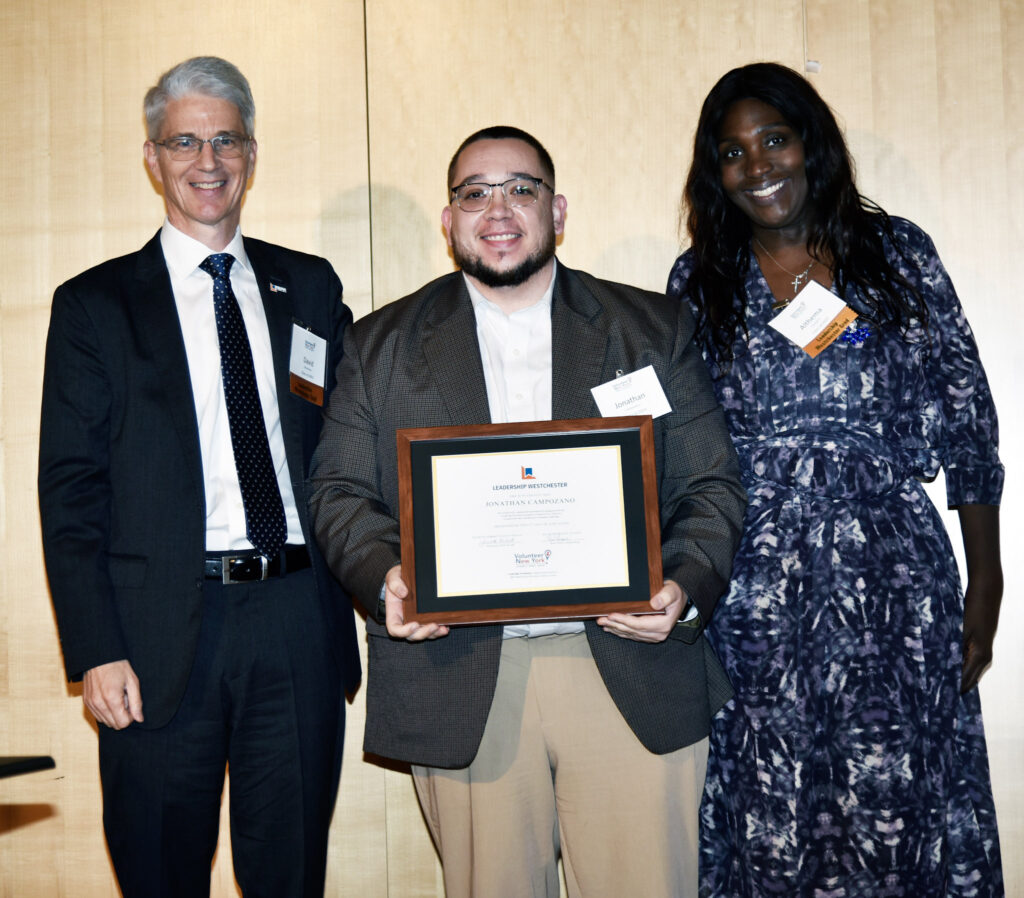
Another graduate who has also been featured in Black Westchester several times was Jonathan Campozano who began his career practicing immigration law as an Immigrant Justice Corps Fellow at the Empire Justice Center in Yonkers.
Graduates of the 2024 Leadership Westchester Class are: Marykate Acquisto, The Quinn Law Firm Veronica Bazan, Women’s Enterprise Development Center Dana Belin, Honey Beez Childcare Center Mary Benjamin, Westchester Parks Foundation Jonathan Campozano, Neighbors Link Yin Choy Chen, R2M Realty, Inc. Jordan Cormier, Youth Shelter Program of Westchester Juan Diaz, M&T Bank Jessica Friedlander, Volunteer New York! Bruce Jackson, Feeding Westchester Nikhil Jagga, CMIT Solutions Adam Kintish, M&T Bank Tuesday Paige McDonald, City of Peekskill Youth Bureau Travis Melby, SUNY Westchester Community College Kara Pacheco, Webster Bank Victor Parada Becky Silverstein Allashia (Allie) Smith-Harris, ACT Institute André Thompson Robin White, AT&T
Leadership Westchester is supported generously by M&T Bank and The Westchester Library System.
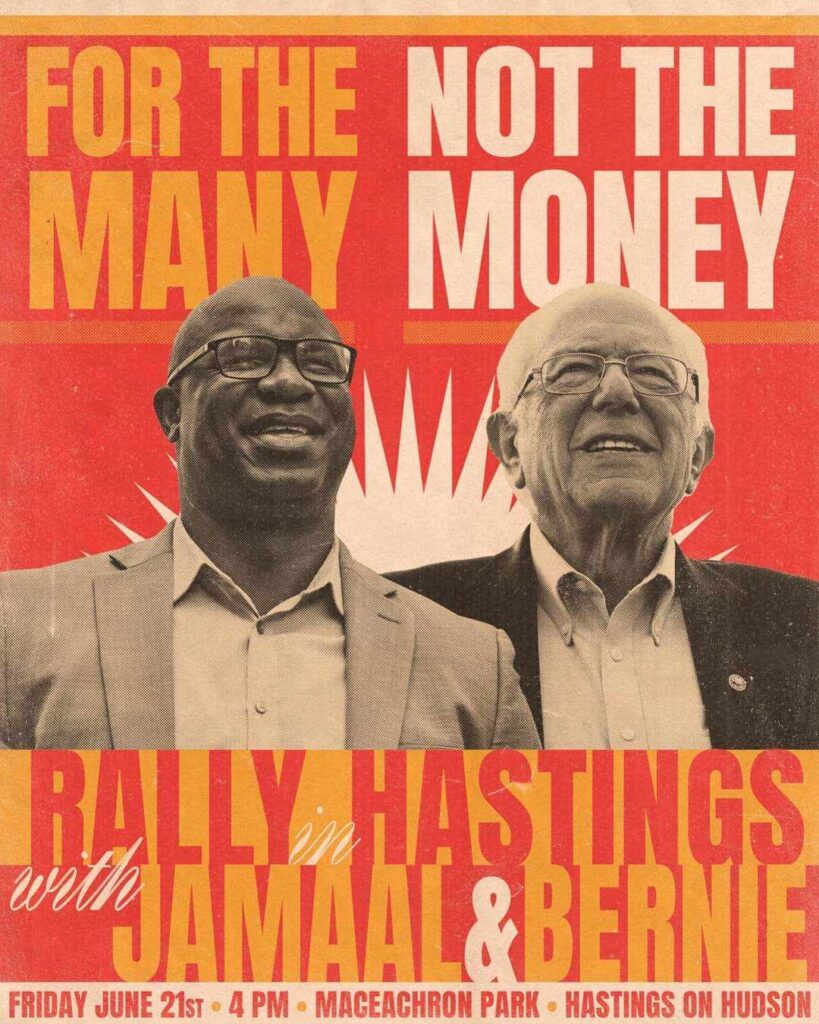
“I am proud to stand with my friend @JamaalBowmanNY. When people stand together against the billionaire class and their corporate interests, there is nothing we cannot accomplish,” Sen. Sanders tweeted after the rally.
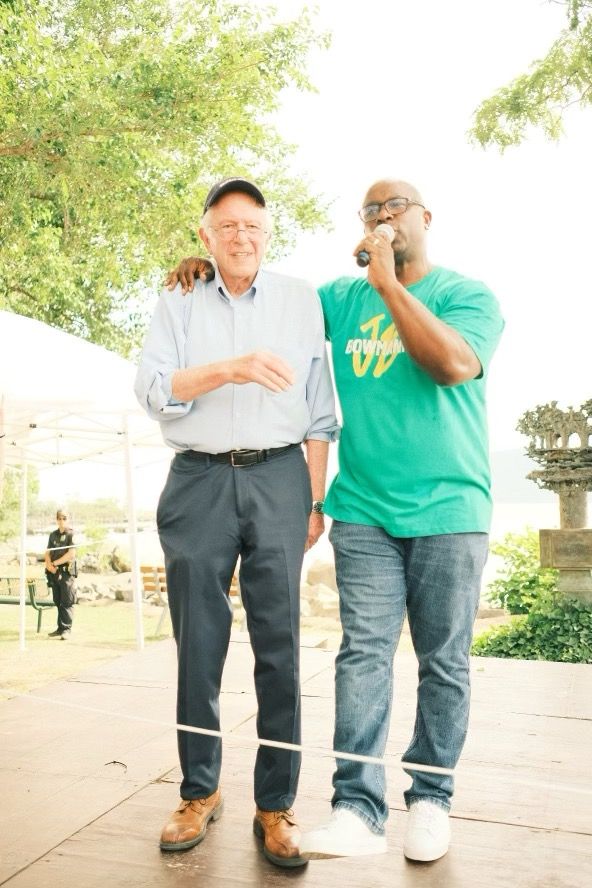
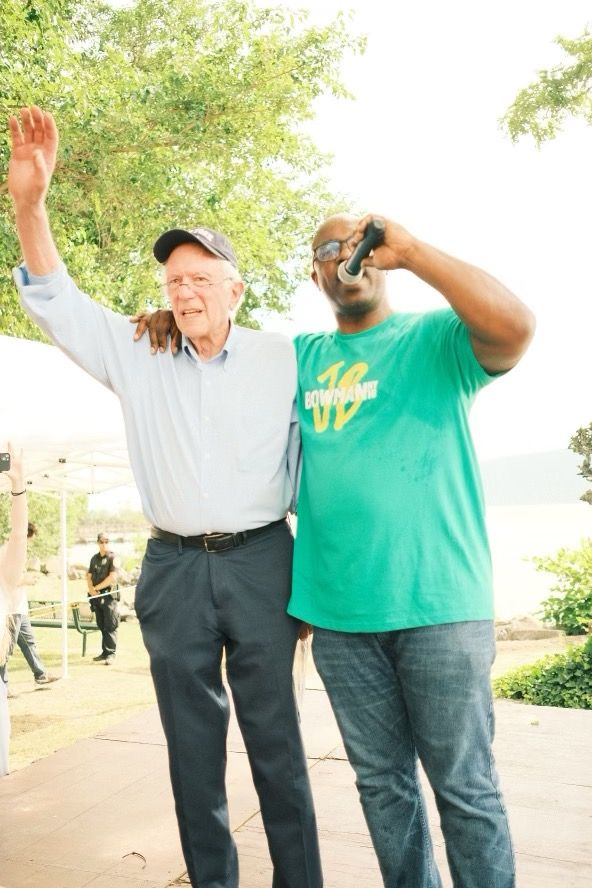
In a display of progressive unity and grassroots energy, U.S. Senator Bernie Sanders and Congressman Jamaal Bowman electrified a crowd of supporters at a campaign rally held at MacEachron Park in Hastings-on-Hudson, Friday. The event, which drew a diverse mix of community members, voters, and activists, served as a platform for the two leaders to champion their shared vision for a fairer and more equitable society at the park on the riverfront next to Harvest on Hudson restaurant.
However, the rally was not without its political contrasts. As Senator Sanders and Congressman Bowman emphasized their commitment to progressive values and policies, they also shed light on the contrasting approach of Bowman’s challenger, County Executive George Latimer. It was revealed that Latimer, who has previously presented himself as a progressive candidate, has veered away from progressive principles by accepting funding from right-wing MAGA Republicans and AIPAC.
Amidst the scenic setting of MacEachron Park, Senator Sanders and Congressman Bowman delivered impassioned speeches that resonated with themes of economic justice, healthcare reform, climate action, and racial equality. Their messages of empowerment and collective action reverberated through the crowd, inspiring attendees to continue working towards a better future for all.
Latimer’s shift in allegiance to accept support from these conservative factions, known for their opposition to many progressive policies, raised eyebrows among attendees at the rally. The decision to align himself with MAGA Republicans and AIPAC was seen as a departure from his previous stance as a progressive candidate, leading to questions about his commitment to advancing the values and priorities of the progressive movement.
In stark contrast to Latimer’s choice to align with right-wing interests, Senator Sanders and Congressman Bowman reiterated their unwavering dedication to progressive ideals and grassroots activism. Their commitment to fighting for the rights and well-being of working families, marginalized communities, and the environment was met with resounding support from the crowd, underscoring the importance of staying true to progressive values in the face of political pressures.
As the sun set on the rally at MacEachron Park, the resounding message of hope, unity, and progressive change championed by Senator Sanders and Congressman Bowman lingered in the air, leaving attendees inspired and motivated to continue the fight for a more just and equitable future.
“Billionaires are not only spending huge amounts of money to support Latimer’s campaign, they are also making donations to right-wing, extremist candidates. We will not allow the corporate interests of the billionaire class to take down strong progressives like @JamaalBowmanNY,” Sanders tweeted.
For further updates on the campaign efforts of Senator Bernie Sanders and Congressman Jamaal Bowman, and to get involved in their progressive movement, visit www.bowmanforcongress.com.
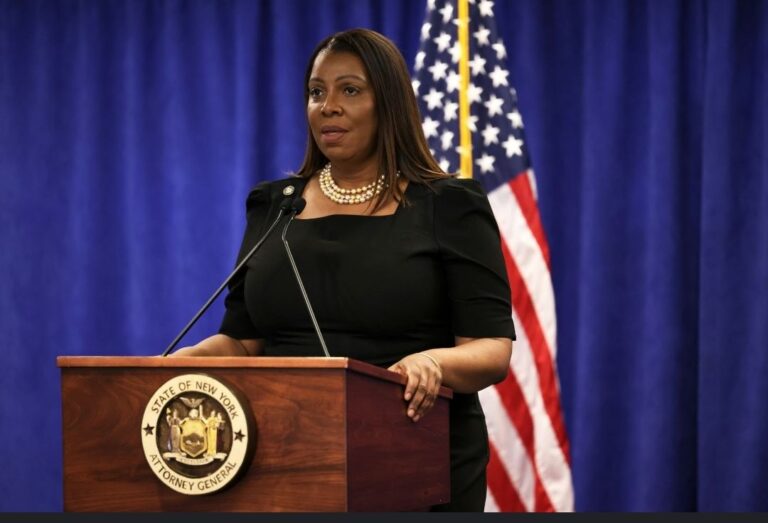
Letitia “Tish” James, the 67th Attorney General for the state of New York today issued a statement after the United States Supreme Court announced a decision in United States v. Rahimi, reversing the U.S. Court of Appeals for the Fifth Circuit’s decision that a federal law prohibiting persons under a domestic violence restraining order from accessing guns violates the Second Amendment. The case involved Zackey Rahimi, who was under a domestic violence restraining order for assaulting his girlfriend, and was therefore barred from possessing guns. Rahimi was subsequently involved in multiple shootings and then indicted for possession of a firearm while under a domestic violence restraining order. The Supreme Court’s decision in this case upholds the federal law and will ensure domestic abusers cannot legally access firearms:
“Gun safety laws save lives. I am pleased with the U.S. Supreme Court’s decision to uphold the federal law that stops domestic abusers from legally possessing firearms. This law, and the similar statutes that have been established in nearly every American state and territory, help protect vulnerable people, and keep guns out of dangerous hands. I am proud of the work my fellow attorneys general and I did to stand up for this federal law and to protect commonsense guardrails when it comes to gun safety. I will continue to use the great tools of my office to get guns off New York streets and protect our state’s residents from the scourge of gun violence.”
Attorney General James as part of a coalition of 25 attorneys general, submitted an amicus brief to the Supreme Court arguing that striking down the existing federal law would make it more difficult to protect survivors of domestic abuse. Attorney General James and the coalition noted that studies have shown an abuser is five times more likely to murder an intimate partner if a firearm is in the home. Attorney General James and the coalition also noted that in addition to the federal law, 46 states, the District of Columbia, and multiple territories have laws limiting the ability of those under a domestic violence restraining order to access firearms, and asserted that the lower court ruling could negatively impact these existing laws and make it harder to protect Americans’ lives and safety. Additionally, the coalition pointed out that 80 percent of these homicide victims are women, and pregnant women and women of color are disproportionately the targets of intimate partner violence.
Former Mount Vernon Mayor Ernie Davis (still known to many in Mt Vernon as the People’s Mayor), Black Law Enforcement, and dozens of local District Leaders came out to show their support and endorse Congressman Jamaal Bowman for re-election, early Friday afternoon.
“It reminds me of win I won my fourth term (Ernie defeated Mayor Clinton Young in 2011)… the more we talk to each other and give reasons not emotions, but facts, i think we will be victorious. I want to thank the congressman for taking time out his busy schedule to come through and I just wanted to meet him and thank him for the work he has done. As they say may the work that I’ve done speak for me. And the work that he [Bowman] has done speaks speaks more eloquently than I ever could,” Davis said at the presser to a crowd of community members, voters, and supporters.
“I’m proud to be endorsed by Mayor Ernie Davis. You have been a champion for communities here in Mt Vernon,” Bowman responded to Davis’ endorsement.
There are two more days of Early Voting this weekend and election day is Tuesday, June 25th, click here for times and locations.
Check out the two part Special Pre-Primary Edition of Black Westchester Newspaper on streets, churches, community center and stores near you. You can view the digital versions on BlackWestchester.com. Issue 1 and Issue 2.
The “Ice Cold: An Exhibition of Hip-Hop Jewelry” at the American Museum of Natural History isn’t just a showcase; it’s a profound testament to the rich, multifaceted journey of Hip-Hop culture. Opened on May 9, 2024 this exhibition intertwines the allure of bespoke jewelry worn by icons like Nicki Minaj, A$AP Rocky, Slick Rick, and Jay-Z, with pieces from beloved artists we’ve lost, such as Notorious B.I.G., Biz Markie, and Young Dolph.
Marking Hip-Hop’s 50th anniversary, the exhibit doesn’t just dazzle with watches, chains, and rings in the Melissa and Keith Meister Gallery; it’s a deep dive into the cultural influence of Hip-Hop, echoing across fashion and the global landscape. Ice Cold guest curator Vikki Tobak, alongside Kevin “Coach K” Lee of Quality Control Music and filmmaker Karam Gill, maps out the evolution of Hip-Hop jewelry from its inception—gold ropes to iced-out masterpieces.
During a preview, Roxanne Shante, shared insights into the misunderstood symbolism of these gems. She clarified that the investment in jewelry was not merely a display of wealth but a strategic choice after securing foundational assets like homes. This narrative challenges the misconceptions and highlights the strategic acumen within the Hip-Hop community.
The exhibit is a beautiful blend of collectible art, the depth of the coffee table book “Ice Cold: A Hip-Hop Jewelry History,” and the storytelling brilliance of the film. Speaking with Roxanne Shante, I was struck by the synergy and symbolism connecting these gems to Hip-Hop’s historical fabric. Her perspective was not just enlightening but truly uplifting.
In the spirit of KRS-One, this exhibition reminds us to “always walk with your gun—God, Universe, and Nature.” It helped me realize that we are indeed living in the Garden of Eden, and Mother Earth, seeing our sadness, unveils her beauty through these shimmering artifacts. “Ice Cold” is more than an exhibit; it’s an immersive, educational journey that uplifts and inspires, available to NYC residents on a “pay what you wish” basis until January 5, 2025.
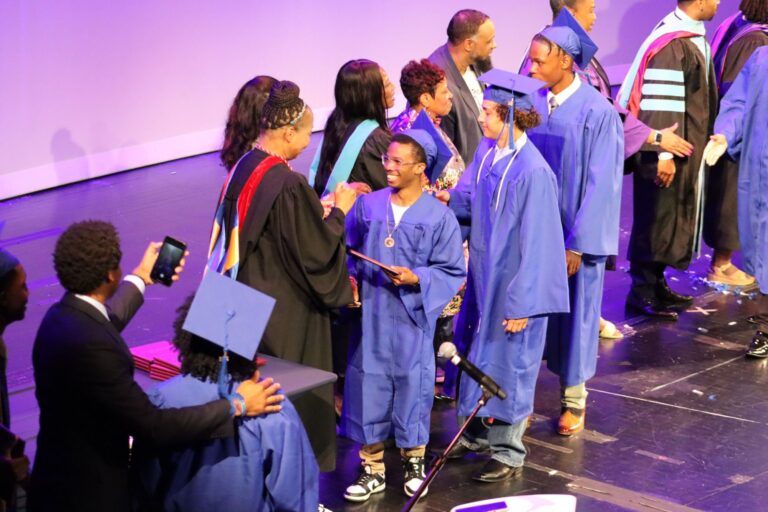
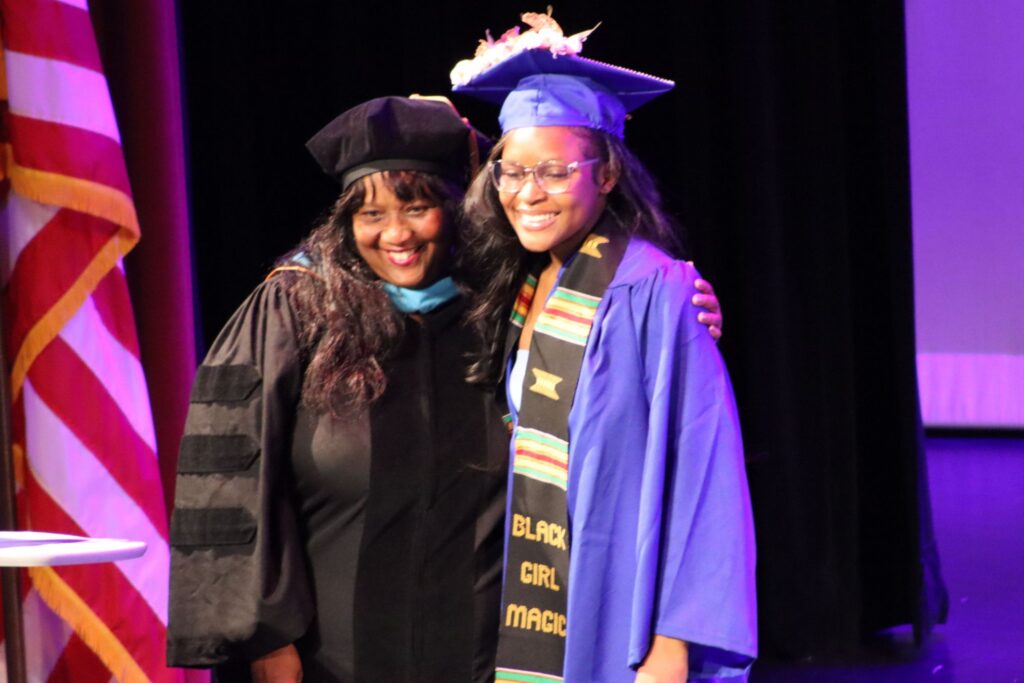
MOUNT VERNON, N.Y. (June 21, 2024) — Students turned their tassels, walked across the stage and officially became graduates of Denzel Washington School of the Arts on Friday, June 21, 2024. 59 students graduated from the Class of 2024. The commencement ceremony was held in the Phylicia Rashad Auditorium at DWSA.
The ceremony began with the “Pledge of Allegiance,” the “Star Spangled Banner” and “Lift Every Voice and Sing,” recited by Class of 2024 graduating seniors Rojae Denton, Simone Smith and Sheridan Hinds. Principal Andrea Thomas then greeted the graduates and families in attendance.
“You came to us with raw talent and a passion for the arts,” said Ms. Thomas. “Over the years, we have seen you grow, not just in your artistic abilities, but also in your understanding of the world around you, your academic prowess and your ability to persevere through adversity. You have learned to use your art to express your thoughts, your feelings, and your perspectives.”
Acting Superintendent Dr. K. Veronica Smith congratulated the graduates and remarked on their tenacity, overcoming everything that came their way. She recalled working on her dissertation, and the students in foster care who showed such resiliency and still graduated; she saw that same quality in the students in this graduating class.
“I hope as you leave here today and move into the next stage of your life that you stay true to yourself and always stand up for what you believe in,” said Dr. Smith. “Remember those moments and people who have helped shape your character as you appreciate all that you have become. Be proud of all that you have conquered to get to this monumental moment in your life.”
Board of Education President Lorna Kirwan congratulated the graduates and thanked parents, teachers and administration on behalf of the Board of Education for working together to guide these students toward graduation.
“The world beyond these walls is full of opportunities and rewarding challenges for all of you,” said President Kirwan. “It is a world that needs your talents, your passion, and your commitment to making a difference. You will be stepping into a world that is rapidly changing. Embrace the changes with open minds and courageous hearts.”
The Mayor of the City of Mount Vernon, Shawyn Patterson-Howard, spoke to the graduates about staying true to their characters as they enter this new and exciting phase of their life.
“You are transitioning from high school to the next phase of your life today,” she said. “I want you to know that it is more than a notion as your life expands. Whether it’s college, military, whether you’re taking a gap year to figure it all out, if you’re going to vocational school; be prepared for the next level.
Graduating senior Nigel Diggs read an original poem to the audience titled “Completion.” The Senior Band and Orchestra then performed “Good Days” by SZA. Salutatorian Brielle Henderson had a lighthearted message in her speech for her fellow graduates but also gave them meaningful advice throughout.
“Remember that words are magic, remember that your experience is valid, remember that you are loved, remember that you belong,” said Brielle. “Remember that you’re whole, remember that you’re extraordinarily ordinary, remember that you’re ordinarily extraordinary, remember that there’s another perspective, remember to stay focused, remember not to take things too seriously.”
Class President and Valedictorian Chanel Baxter thanked her teachers and classmates in student government for making the senior year so special. She discussed the trials they have faced thus far, and the trials and joys they will face in the future as they go into adulthood.
“As we plan to go off and start lives of our own, I implore you to plan for the unexpected,” said Chenel. “Plan for 10-page papers in MLA format forgotten about until an hour before their due date. Plan for finding joy and happiness in the shared anxiety and panic that arise with the coming of midterms with the friends you’ll go on to meet beyond the confines of the City of Mount Vernon.”
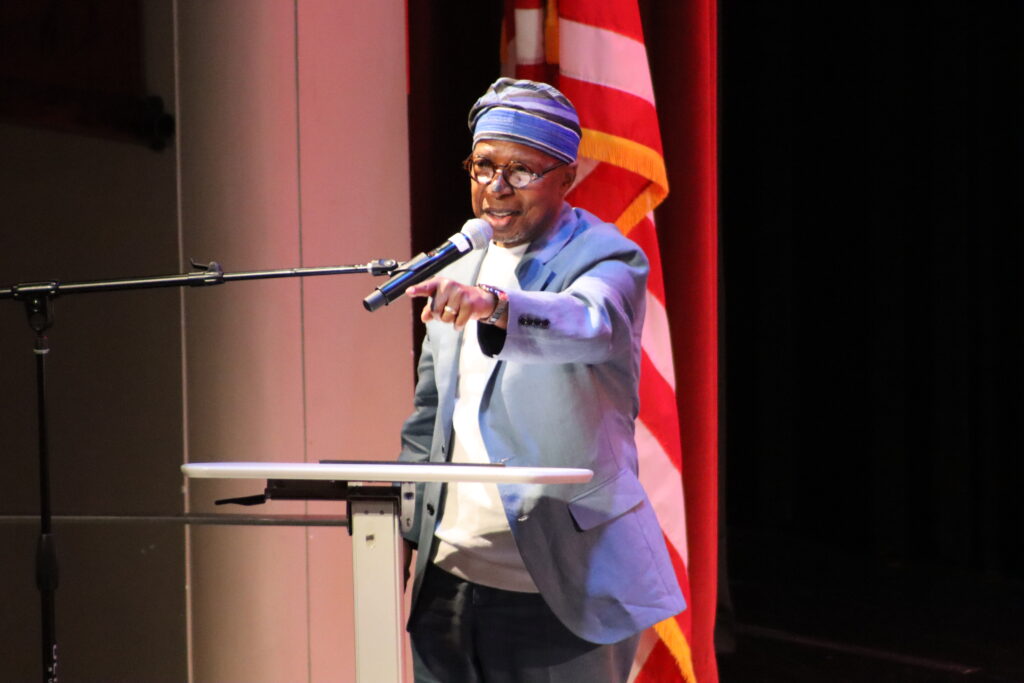
Billy “Mr. Apollo” Mitchell then took the stage for his keynote speech. Mr. Mitchell is the director of tours, in-house historian and ambassador at The World Famous Apollo Theater in Harlem.
“Let me tell you something, there’s something about us from Mount Vernon, that when we go out there into the world, we are better than everybody,” said Mr. Mitchell. “It’s just the truth. There’s something about us, because we’re only four square miles. I came to see a production that you guys did the other day when Denzel was here. I was so impressed with what I saw. There’s so much talent in Mount Vernon.”
A video congratulations from Denzel Washinton, congratulating the seniors, and a montage of the senior class played.
Dr. Smith and DWSA administration proclaimed the 59 students as graduates of the Class of 2024 to the Board of Education, and students cheered, received their diplomas and celebrated their achievement.
The Democratic Party primary in Westchester County between George Latimer and Jamaal Bowman may not be a race about race, but it is certainly a race about restorative justice. It’s about achieving comparable outcomes for all people, regardless of race, class, status, or privilege, by taking responsibility, caring for those victimized, working to heal harms, and rebuilding communities torn apart by violence and inequity, rather than simply punishing, so that all people can flourish.
I know both George and Jamaal — I’ve campaigned/canvassed for both, and have enjoyed multiple conversations and even shared meals with each of them over the last half dozen years, including having had a private hour-and-a-half breakfast with George in January of 2023.
George and I met that morning to have a conversation — one that we’d been trying to arrange ever since he was first elected — about restorative justice. It was a friendly encounter (I felt let into some secret, as he reflected on his intention of going into public service after his term ended.) And when I gave him some deeply disturbing data — according to the Vera Institute of Justice, over 90% (90.6%, to be precise) of the people convicted in Westchester County, serving time in NY State prisons, were people of color — he seemed like somebody we could count on, an ally in the corridors of power. He promised to appoint an office liaison, to which we could bring the names of three or four impacted people so he could start talking about this troubling legacy in the county of which he was the Chief Executive.
In the last year and a half, to my disappointment and dismay, there has only been a resounding silence.
Most pointedly, precisely a year ago, at the 2023 Memorial Day Parade in Hastings-on-Hudson, I had personal conversations with both George and Jamaal about the urgency of speaking out for restorative justice in Westchester, handing both of them an identical letter asking for their support. George told me he would read the letter that evening and get back to me. Instead, only silence. (He’s not talked to me since; within a few days, his office, even down to the lowest-level staffer, entirely ghosted me; I was even turned away when I went to the County Executive’s White Plains office, being told that I needed an appointment, the proverbial Catch-22 since nobody would even return calls to arrange that.) It was an entirely different story with Jamaal, who issued a statement about how restorative justice was vital for public safety, and the only way we could all flourish.
An unedited version of the original May 29, 2023 letter given to both George and Jamaal can be viewed below Read it, and tell me how it is even imaginable that the Chief Executive of the county in which this troubling legacy persisted would say nothing.
Upon reflection, it started to look — after years of encouragement from George to have these kinds of conversations — that we had been played. It became harder to ignore other silences. George had never spoken publicly on behalf of justice for Kenneth Chamberlain, Sr., the army veteran killed in 2013 by White Plains police who broke into his apartment after his emergency alert system went off by mistake. (Jamaal, for his part, even showed up at some of the annual vigils organized by his remarkable son, Kenneth Chamberlain, Jr.) And we are still waiting — in a process mandated, in response to the murder of George Floyd (four years ago when these words were first penned), by then governor Cuomo that all towns in the state set up Police Reform and Reinvention committees — for the establishment of a county-wide Office of Police Accountability. While George did support setting up Project Alliance, a mental-health response line, on this other similarly vital matter, four years later there still seems to be only an extended game of ping-pong back and forth with the Board of Legislators.
To use George’s own slogan, here the lack of results — the failure to make the substantive changes that would make us all safer, and let us all flourish — is due to the total absence of rhetoric. Instead of leadership, only a deafening silence.
So I ask you, my neighbors and fellow county residents, this: how could we in good conscience choose a man who could simply be silent about such an appalling reality over one who fearlessly speaks out for restorative justice, at possible political risk to himself, because he believes that such justice makes us all safer, and lets us all flourish?
I say this perhaps most explicitly to my Jewish friends who have long been in a profoundly — even the most — supportive alliance with communities of color on behalf of racial justice. I know that many of you wish that Jamaal had said some things differently (as do I, coming from a Christian tradition of total non-violence), but you know that he believes in Israel’s right to exist; he simply called, before others, for the position now espoused by President Biden and Senator Schumer, and other important Jewish voices, including Senator Bernie Sanders, to say nothing of thousands of young Jewish activists. A voice for all humanity, and for our children — always Jamaal’s emphasis — emphatically includes a commitment to Jewish flourishing, alongside that of Blacks, Whites, Hispanics, Asians, Indigenous Americans, all of the diverse communities of our world.
If you — Jewish, Muslim, Christian, or entirely unaffiliated — believe that restorative justice is essential to healing our world (yes, tikkun olam), as I believe most of us do, it’s urgent that we side with real justice by voting for Jamaal Bowman in the June 25th Democratic Primary. And — since our collective well-being depends on re-imaging our world, with justice-driven results — vote for William Wagstaff for Westchester County District Attorney. I’ve sometimes called both Jamaal and William “generational” candidates. But the truth is, they are more than that — I’ve not seen anybody like them in my lifetime. Everybody is better off, everybody is safer, all our children have a better future, in a more just world.
Check out a special edition of Black Westchester presents the People Before Politics Radio Show, Get Out The Vote Edition with your hosts Damon K. Jones and AJ Woodson. Our guests our Congressman Jamaal Bowman and Civil Rights Attorney William O. Wagstaff who is running to be elected the First African American District Attorney of Westchester County.
Early voting runs until Sunday, June 23rd you can vote as any voting location, see list of times and locations here and The Democratic Primary Day is Tuesday June 25th, you must vote at your regular voting place on Election Day!
To support the show, which provides real talk for the community for free, make a donation via PayPal at www.PayPal.me/BlackWestchesterMag. In the words of Ray Charles, “One of these days, and it [might not be] long, You’re gonna look for [us], and [we’ll] be gone.” Support independent, Black-free media!