Home Blog Page 122

Rep. Wiley Nickel Proposes Shadow Cabinet to Counter President Trump’s Administration

In the wake of Donald Trump’s decisive 2024 election victory, which included both the popular vote and a majority in the Electoral College, Democratic Congressman Wiley Nickel of North Carolina has proposed the formation of a “shadow cabinet” to serve as a structured opposition to Trump’s administration. In a recent interview with CNN’s Laura Coates, Nickel outlined the concept and addressed questions about its democratic implications and historical precedents.

The Concept of a Shadow Cabinet

The shadow cabinet, an idea drawn from parliamentary systems like those in the United Kingdom, involves opposition members mirroring official government roles. These members offer real-time critiques of policies and propose alternatives, aiming to hold the administration accountable.

Nickel explained that the shadow cabinet would function as a formalized Democratic effort to counter Trump’s cabinet, focusing on key issues such as climate change, healthcare, and civil rights. “This is about ensuring transparency and accountability in governance,” Nickel said. “It’s essential for the public to see there are clear alternatives.”

Is It Undemocratic?

Some critics have questioned whether forming a shadow cabinet undermines the democratic process, particularly since Trump secured both the popular vote and the Electoral College in his victory. Nickel addressed these concerns directly.

“Democracy thrives on debate and accountability,” he argued. “This isn’t about delegitimizing the administration; it’s about ensuring the public has a choice and that government actions are scrutinized.”

Historically, similar efforts have emerged in the U.S., though less formalized. Opposition parties have often organized coordinated critiques of presidential policies, particularly during contentious administrations. For example, during the Nixon administration, Democratic leaders formed informal coalitions to challenge policies on Vietnam and civil rights. However, a fully structured shadow cabinet would be a first in American politics.

Potential Challenges and Precedents

While the shadow cabinet idea aligns with democratic principles of free expression and debate, it raises practical and cultural questions. Could such a move be seen as overly partisan in a deeply divided political climate? And would it effectively inform voters or deepen polarization?

Nickel remains optimistic. “This is not about partisanship—it’s about strengthening democracy by providing a consistent, clear alternative,” he said.

A New Chapter in U.S. Opposition Politics

With Trump’s victory solidifying his mandate, Nickel’s proposal reflects the opposition’s broader effort to redefine its role in American politics. Whether the shadow cabinet materializes or not, it has already sparked a significant conversation about the boundaries and responsibilities of political dissent in a democracy.

The Mental Health Toll of Identity Politics: A Call for Healing and Resilience

With cries from the left proclaiming the end of democracy and accusations of racism, many Democrats have been consumed by stress and fear over the prospect of another four years of a Trump presidency. For years, mainstream media platforms amplified this sentiment, fueling apprehension and a sense of impending doom. Now, with Trump not only securing the presidency once again but also winning the popular vote, this cycle of alarm has reached a fever pitch, creating a climate of panic and unrest.

Adding to the turmoil were Harris supporters who directed their frustrations toward Arab and Muslim communities, accusing them of complicity in Trump’s victory. Some Harris backers targeted those who had voted for Trump or chosen not to vote at all, citing the U.S.’s role in the genocide in Gaza as a reason for their abstention. These groups faced vicious online harassment, including accusations of betrayal and complicity in the administration’s policies. Disturbingly, the disenfranchisement of voters with family members in Gaza, who expressed despair over their treatment, was summarily dismissed in these heated exchanges.

The reactions this election unleashed were profoundly unsettling. Men and women openly wept—some even live on news broadcasts—reacting to the results as though experiencing a personal tragedy. Social media became a battleground of virtual hate, with Trump supporters branded as “Nazis” and worse. Black women, enraged at those who voted for Trump, openly wished on social media for Black men to die at the hands of racist police. Meanwhile, MSNBC host Joy Reid attacked White women for their support of Trump, accusing them of betraying marginalized communities. These intense emotions created an online landscape of anger and division, suffocating any possibility of constructive dialogue or mutual understanding.

This wasn’t just disappointment; it was a complete mental breakdown for some. Ironically, this reaction came because democracy worked. The outcome, cemented through both the electoral system and the popular vote, revealed a seismic shift in the cultural and political fabric of the nation. This election wasn’t just a political event; it was a cultural reckoning, exposing deep fractures in how Americans view one another and how we process outcomes that defy our expectations.

The 2024 election brought significant stress and division within the Black community, revealing how identity politics and political expectations can impact Black mental health. Kamala Harris’s historic candidacy as the first Black woman on a presidential ticket created immense pressure to support her, framed as a moral obligation and a victory for representation. However, for many Black voters who felt disillusioned with the Democratic Party’s policies, this expectation created feelings of alienation and frustration. The tension between celebrating identity and demanding substantive policy change weighed heavily on the mental well-being of Black voters, particularly as the narrative of “making history” clashed with the diverse realities of Black communities.

The hostile discourse surrounding dissenting views further strained Black mental health, with accusations of betrayal, self-hate, and misogyny directed at those who questioned Harris’s candidacy or the party’s platform. Black men, in particular, faced targeted criticism, adding to existing societal pressures and stereotypes. The failure to acknowledge the diversity of Black experiences—across geography, socioeconomic status, and ideology—exacerbated feelings of isolation for many. This election highlighted the urgent need for spaces that foster understanding, empathy, and support within the Black community to address the emotional toll of political and cultural expectations, and to prioritize mental health alongside social and political progress.

As the dust settles, the fallout has left many questioning not just the strength of our democracy but also the stability of their mental well-being and the cohesion of their communities. The road to healing will require confronting these divisions with honesty, empathy, and a commitment to bridging the growing chasm in our collective identity.

Read: The Election Won’t Save Us: Why Black Prosperity Depends on Economic Unity, Not Political Heroes

The Emotional Impact of Political Outcomes

For those who feel that their core values are tied to political outcomes, losing isn’t just a disappointment—it’s personal devastation. Identity politics has turned elections into litmus tests for morality and worthiness. When “your side” loses, it can feel like the world is rejecting your values, your voice, and even your identity.

This reaction isn’t limited to any one political ideology. Across the spectrum, people are engaging with politics in ways that make every election a potential crisis. The result? A growing epidemic of stress, anxiety, and depression tied to political events. For some, this manifests as outright despair; for others, it takes the form of anger and resentment, lashing out at those they hold responsible.

The Role of Media in Heightening the Divide

The media landscape only worsens these emotional reactions. News outlets and social media platforms amplify outrage because it drives clicks, views, and ad revenue. Algorithms curate content that validates our beliefs while portraying those who disagree as enemies. This echo chamber effect deepens polarization and leaves us feeling more isolated than ever.

During this election, I saw friends and family members cut ties over political disagreements. Social media turned into a battleground, with unfollowing and blocking replacing civil discourse. For many, the weight of this division has been unbearable.

Read: How Mainstream Media Lost to Podcasts in the 2024 Election

Healing from the Election: A Wellness Perspective

As a health and wellness coach, I often remind my clients that while we can’t control external events, we can control how we respond to them. In the wake of this election, we must prioritize our mental and emotional health. Here are steps to begin the healing process:

  1. Step Away from the Noise: Limit exposure to news and social media, especially if it heightens your stress or anger. Engage with reliable sources, but avoid falling into the trap of constant consumption.
  2. Acknowledge Your Emotions: Whether you feel anger, sadness, or confusion, allow yourself to process these emotions without judgment. Write them down, talk to someone you trust, or seek professional support if needed.
  3. Focus on What You Can Control: The outcome of the election is settled, but you still have the power to make a difference. Volunteer for causes you care about, connect with your local community, and advocate for issues that matter to you.
  4. Rediscover Your Identity: You are more than your political beliefs. Spend time nurturing other aspects of yourself, like hobbies, relationships, or personal goals. Diversifying your identity can reduce the emotional stakes of political outcomes.
  5. Practice Empathy: Resist the urge to demonize those who voted differently. Seek to understand their perspectives—not to agree, but to bridge the divide and reduce the hostility that fuels division.
  6. Prioritize Self-Care: Exercise, eat well, sleep, and engage in mindfulness practices to strengthen your resilience. Your mental and physical health are crucial tools for navigating challenging times.

Read: Is Pharaoh letting Black People go? Embracing True Independence for the Black Community

Rebuilding a Healthier Political Engagement

The results of this election revealed how deeply identity politics has permeated our society. For many, politics is no longer about policies but about affirming their sense of self. While this can create passion, it can also create pain.

As we move forward, we must learn to separate our political beliefs from our personal worth. Let’s approach disagreements with curiosity rather than contempt, seeking common ground wherever possible. This is not just about healing ourselves—it’s about healing our nation.

Trump’s victory—popular vote and all—may not align with everyone’s hopes, but it’s a reminder of the resilience of our democratic process. Elections are won and lost, but the relationships we build and the empathy we foster can endure far beyond any political cycle.

It’s time to step back, breathe, and reclaim our sense of balance. Healing doesn’t mean forgetting; it means moving forward with strength and purpose. Let’s use this moment not to deepen divisions but to rebuild connections—starting with ourselves.

Trump Vows to ‘Stop’ Gender-Affirming Care for Minors and Focus on Family Values in His New Agenda

In a series of high-profile pledges, President Donald Trump has vowed to ban gender-affirming care for minors on his first day in office. He also emphasized a broader commitment to strengthening traditional family structures, promoting family education in schools, and reinstating home economics programs. Trump’s comments reflect a renewed focus on cultural issues, aiming to appeal to conservative voters and families who believe traditional values have been eroded in recent years.

A Focus on Family Structure and Education

In addition to promising to end gender-affirming care for minors, Trump articulated his vision of rebuilding the American family. He declared his support not just for single-family homes, but for fostering a stronger family unit, including promoting the roles of mothers and fathers.

Trump advocated for the return of family-oriented education in schools, such as home economics, which traditionally teaches practical life skills like budgeting, cooking, and child-rearing. He argued that such programs could help reinforce the value of family roles and instill traditional values in the younger generation.

Ban on Gender-Affirming Care for Minors

Trump reiterated his promise to outlaw gender-affirming care for minors, including puberty blockers and hormone therapy. He expanded his stance by pledging to hold medical professionals and pharmaceutical companies accountable for providing or promoting such treatments to children. Critics have accused these interventions of being experimental and harmful, and Trump echoed these sentiments, framing the issue as a moral and ethical imperative to protect children.

Conservative Pushback Against Progressives

Trump’s focus on family values and opposition to gender-affirming care comes amidst increasing criticism from conservative families who argue that children should not be making life-altering decisions about their gender until they are adults. Many of these families have opposed progressive policies that they perceive as undermining parental rights and traditional family dynamics.

Trump’s policies also extend into education, where his administration has vowed to increase “accountability” in schools by curbing discussions on race, gender, and sexuality. These measures have sparked resistance from educators and parent groups who argue they limit academic freedom and ignore the diversity of the student population.

Despite the opposition, Trump’s administration appears resolute, framing the pushback as evidence of its commitment to challenging entrenched liberal policie

Democrats have faced mounting pressure from these groups, which accuse them of promoting what they see as radical changes in family and gender norms. This opposition has been a central theme in the cultural debates that have dominated recent elections.

Unmarried Birth Statistics by Race

The discussion on family structures is further contextualized by statistics on births to unmarried women in the United States. According to the Centers for Disease Control and Prevention (CDC), in 2020, 40.5% of all births were to unmarried women. The breakdown by race and ethnicity is as follows:

  • Non-Hispanic White: 28.4%
  • Non-Hispanic Black: 70.4%
  • Hispanic (of any race): 52.8%

These figures highlight significant variations in family structures across different communities, which may influence perspectives on policies related to family and child-rearing.

Policy Implications and Challenges

  1. Gender-Affirming Care and Legal Risks: Trump’s proposed ban on gender-affirming care for minors would likely face constitutional challenges, particularly under equal protection laws. Additionally, targeting pharmaceutical companies and healthcare providers could lead to prolonged legal battles and opposition from medical associations.
  2. Reviving Home Economics and Family Education: Trump’s emphasis on home economics and family education reflects a broader push to instill practical skills and traditional values in public school curricula. This could spark debates about the role of public education in shaping cultural norms and whether these programs align with modern societal needs.
  3. Strengthening the Family Unit: While Trump’s vision for a renewed focus on mothers and fathers is likely to resonate with many conservatives, it may also draw criticism from those who advocate for diverse family structures, including single-parent households, LGBTQ+ families, and other nontraditional arrangements.
  4. Impact on Healthcare Providers and Pharmaceutical Companies: By vowing to pursue accountability measures against medical and pharmaceutical entities, Trump’s proposals could reshape the healthcare landscape, particularly for treatments related to transgender care and other contested areas.

Cultural and Social Implications

Trump’s pledges tie into a larger cultural conversation about the erosion of traditional family values and the rise of progressive policies. His rhetoric appeals to families who feel disillusioned by rapid societal changes and seek a return to what they perceive as foundational principles. However, critics argue that these policies risk alienating marginalized groups and stigmatizing families that do not conform to traditional norms.

For LGBTQ+ advocates, Trump’s remarks signal an alarming rollback of rights and access to healthcare for transgender individuals. These groups warn that his policies could exacerbate discrimination and mental health challenges for transgender youth.


Democratic lawmakers have pledged to fight Trump’s agenda through legislation and the courts. Senate Minority Leader Chuck Schumer described the policies as “a direct assault on fundamental rights,” vowing that the opposition would “fight tooth and nail to protect the freedoms of all Americans.”

We should expect Legal challenges from a coalition of LGBTQ+ advocacy groups and medical organizations to file lawsuits arguing that the federal ban on gender-affirming care violates the Equal Protection Clause and infringes on parental rights. Democratic-led states, including California and New York, are also preparing their legal challenges, setting the stage for high-profile court battles that could reach the Supreme Court.

Moving Forward

As Trump’s second term begins, the cultural and legal battles surrounding his policies are shaping the early days of his presidency. For his supporters, these measures are a reaffirmation of his commitment to conservative values. For opponents, they represent a stark regression in civil liberties and personal freedoms.

The outcomes of these policy battles will not only define Trump’s presidency but also influence the nation’s trajectory on issues of identity, governance, and individual rights. With the nation divided, the road ahead promises to be one of significant contention and transformative debate.

New York Cross-Partisan Phenomenon: Trump Voters Backing Ocasio-Cortez in 2024

The 2024 election has revealed intriguing and unexpected shifts in American voting behavior. A surprising number of Donald Trump supporters also cast their votes for Democratic Representative Alexandria Ocasio-Cortez (D-NY). This phenomenon occurred even as these voters rejected the Democratic presidential candidate, Vice President Kamala Harris.

In a discussion with Joy Reid, Ocasio-Cortez explored the dynamics behind this cross-partisan support and the implications for American politics.

Ocasio-Cortez’s Unique Appeal Across Party Lines

While Ocasio-Cortez’s progressive policies stand in stark contrast to Trump’s platform, her grassroots style of politics and focus on issues such as economic justice, healthcare, and climate change have resonated with a segment of Trump’s working-class supporters. Many appreciate her directness, authenticity, and willingness to challenge entrenched power structures—qualities often attributed to Trump himself.

A Divided Democratic Electorate

Vice President Kamala Harris’s campaign faced significant challenges in rallying a unified and energized base, with many Democratic voters expressing dissatisfaction or disconnection from the party’s leadership. In stark contrast, Alexandria Ocasio-Cortez has demonstrated a remarkable ability to connect with a wide range of voters across ideological lines. By focusing on localized, issue-centered politics, she has appealed not only to traditional Democrats but also to nontraditional allies, reflecting a growing desire for leaders who break away from conventional party norms. Notably, according to Newsweek, Ocasio-Cortez, who once apologized for omitting pronouns from her bio, recently made headlines by quietly removing them altogether—an action that has sparked its own wave of commentary and speculation.

Implications for New York and Beyond

This pattern raises critical questions about the future of voting behaviors, particularly in New York. Historically a Democratic stronghold, New York may see increasing shifts toward conservative voting patterns if Republican voter bases continue to grow while Democratic turnout declines. Such trends could potentially amplify cross-party voting and reshape the state’s political landscape.

READ: Could New York Go Red? The Warning Signs To Democrats Are Clear

As Republicans expand their influence and more conservative policies gain traction, New York could experience a gradual realignment. The state’s urban-rural divide, traditionally favoring Democrats, might narrow as suburban and rural areas show increased Republican engagement. This could lead to a rise in candidates like Ocasio-Cortez who bridge ideological gaps, reflecting the evolving priorities of the electorate.

The 2024 election may mark a turning point, signaling not only a rise in cross-party voting but also a potential for conservative growth in areas once considered staunchly Democratic. Whether this trend will continue and redefine New York’s political identity remains to be seen.

Is Pharaoh letting Black People go? Embracing True Independence for the Black Community

When Moses stood before Pharaoh demanding the freedom of his people, he wasn’t there to negotiate for better conditions or gain a place at Pharaoh’s table. God’s command was unmistakable: “Let my people go.” Today, as government support fades, many civil rights leaders continue organizing marches, pushing for inclusion in a system God calls us to leave behind.

Isaiah warned us in 30:1-3: “Woe to the rebellious children… who take counsel, but not of me… who walk to go down into Egypt, and have not asked at my mouth.” The ancient Israelites struggled to let go of Egypt’s familiar oppression, and today, some of our leaders still march back to the very institutions that have historically failed us.

Why do we seek solutions from a broken government of the Democrats and Republicans when God’s direction is clear? Jeremiah 17:5 warns, “Cursed is the man who trusteth in man… whose heart departeth from the Lord.” We must confront why we keep following worn-out paths of protest and petition, looking to the same institutions that have held us back.

The Trap of Dependency

For decades, the Black community’s relationship with government assistance has been a double-edged sword. Programs like welfare provided vital support during times of systemic exclusion, but they also ingrained a cycle of dependency that fractured families and weakened community bonds. It is well-documented that welfare policies often required the absence of the Black man in the home for a family to maintain eligibility for benefits, effectively forcing a separation between Black men and women. Have we forgotten how reliance on these programs disrupted the structure of the Black family and undermined its stability?

This dependency mirrors the Israelites’ reliance on the Egyptian system—a system that sustained them in captivity but was never designed to set them free. Our challenge today is not to preserve these systems but to seize this moment of transformation and pursue true empowerment. By shifting our focus from dependency to independence, we have the opportunity to create a legacy of self-sufficiency and resilience for generations to come.

This is why younger generations view economic empowerment as the ultimate equalizer. They are determined to break free from dependency, building their own ecosystems of services, and leveraging tax strategies historically reserved for the wealthy. These young innovators are laying the foundation for generational wealth with a focus on real estate, investing, entrepreneurship, and new technologies like cryptocurrency. Their energy, creativity, and determination are propelling this movement forward, and it is our responsibility to support, guide, and empower them as they redefine independence and build a brighter future for the Black community.

Black Excellence and Economic Power

The Black community has shown remarkable resilience, talent, and creativity in every field, even under systemic constraints. From the entrepreneurial spirit that built Black Wall Street in Tulsa to the establishment of Historically Black Colleges and Universities, our achievements are a testament to our strength. Yet, despite these successes, we still lack control over key institutions, underscoring the need for ownership at the highest levels.

We are the most educated group of Black people in the world, yet we don’t own a single national Black airline or even one national Black hotel chain. We have been tricked into codependency on institutions that don’t represent us, and we have been conditioned to accept this dependency without even questioning it. The time has come to reclaim our dignity and assert our economic independence. We genuinely need Moses to lead us because Pharaoh still rules over us.

Our collective economic power—now exceeding $1.4 trillion—demands that we shift from consumers within an existing system to architects of our own. True independence lies in claiming control through ownership, unity, and a steadfast commitment to self-sufficiency. Imagine the possibilities if we could harness this power to build our own institutions, create jobs, and foster economic growth within our communities.

Building a Foundation for Empowerment

To truly transform our community, we must build on three essential pillars: faith, cooperative economics, and community development.

Historically, our spiritual foundation, rooted deeply in our churches, has given us resilience in adversity. Today, these same institutions can become centers of financial education, business incubation, and community-driven initiatives. Proverbs 29:18 reminds us, “Where there is no vision, the people perish.” By uniting purposefully, our churches and communities can lead toward a renewed vision for economic empowerment and independence.

Cooperative economics, inspired by the principle of Ujamaa, has long shown the transformative power of pooling resources to uplift one another. Imagine if we could replicate the success of Black Wall Street by creating more community-owned businesses and cooperatives. Ecclesiastes 4:9-10 teaches, “Two are better than one because they have a good reward for their labor. For if they fall, one will lift his fellow.” This scripture speaks directly to the strength we gain when we support each other. By expanding models of cooperative economics, we can create a self-sustaining ecosystem that strengthens Black-owned businesses, connects local talent, and fosters growth and stability in our neighborhoods.

The resources for this transformation are already within our grasp. Black churches generate an estimated $11 billion annually, and Black consumers possess a collective spending power of $1.7 trillion—more significant than the GDP of some small nations. Yet, despite clear biblical guidance, a dependency mindset has hindered us from achieving independence. Deuteronomy 28:12 promises, “The Lord will open the heavens, the storehouse of his bounty… to bless all the work of your hands.” We are called to act and build, not rely on others.

By embracing our faith, practicing cooperative economics, and committing to community development, we can answer this call and build a legacy of economic independence and strength. It’s time to honor God’s vision for us: a community that prospers and stands together, creating opportunity and wealth for future generations.

A New Era of Leadership

The time for traditional marches and political petitions has passed. While we honor the sacrifices of past civil rights leaders, today’s challenges demand solutions rooted in economic empowerment and social transformation, not just political action. Just as Jehovah allowed the older generation of Israelites to wander in the wilderness until they passed on, clearing the way for a new generation of bold, young leaders to carry Israel into the promised land, we too face a pivotal transition.

This year at Invest Fest, with 20,000 attendees—most under 45 years old—the sentiment about the election was crystal clear. No one was waiting for any living president to represent them. Their focus was on how to get the “dead one” to work for them; in other words, how to make money. Real estate, investing, Bitcoin, and residual income dominated the conversation. The wisdom of clearing the path for a new generation resonates today: a generation unburdened by the fears and limitations of the past is ready to lead.

God’s command to the Israelites was not to negotiate with Pharaoh for better conditions but to leave Egypt entirely and build a new nation. This decisive break was necessary to achieve true independence. Similarly, our community must move beyond petitions and protests that seek minor adjustments in a system that was never designed to serve us fully. Instead, we must build something entirely our own.

Nehemiah understood this principle deeply. When it was time to rebuild the walls of Jerusalem, he didn’t waste energy appealing to the Persian government for assistance. Instead, he organized his people, mobilized resources, and led them in rebuilding with purpose and unity. True sovereignty, he realized, required action, commitment, and self-reliance, not dependency on external powers. This same spirit of determination and cooperation is what we must embrace as we strive for economic independence.

Our community now needs leaders with the same vision and courage—leaders who understand that true independence is built with our own hands, not granted through appeals. We need builders, entrepreneurs, educators, and organizers who are ready to shape a future of self-reliance and collective strength. The path forward is clear: not begging for better conditions but creating a new foundation for generations to come.

Recognizing the Divine Signal

Just as God sent signs to Pharaoh to release His people, the current dismantling of government support is a signal for us. Like the Israelites, who had to learn self-reliance in the wilderness, we, too, are being called to a season of independence. Isaiah 48:17 reminds us, “I am the Lord… which teacheth thee to profit.” God is guiding us toward prosperity, but we must be willing to release our old dependencies and trust in His provision.

God has never desired for His people to rely on earthly powers. Throughout scripture, we see a clear call to place our faith in Him, not in the institutions of this world. Even Jesus, when questioned about earthly authorities, pointed to God rather than Caesar, declaring, “Render to Caesar the things that are Caesar’s, and to God the things that are God’s” (Mark 12:17). If Jesus Himself did not place His trust in earthly rulers, why should we?

It is time to reject dependency on systems that do not serve our ultimate good. Instead, let us follow God’s lead, embracing self-sufficiency, unity, and faith in Him as our source.

The Power of Organization and Civic Engagement

What Black people must do now is organize with purpose and urgency. It’s time to channel the energy we pour into tracking football or basketball stats into something far more critical: our community’s political health. Instead of obsessing over game scores, we need to scrutinize the performance of our local representatives. We can rally passionately for parties or entertainment, yet too often, we refuse or fail to organize effectively for meaningful local political engagement. This neglect is a major reason why Black communities across the nation face dire conditions.

We must hold our leaders accountable. Take note of their actions—or inactions—and assess whether they have genuinely served the interests of our community. If they’ve failed us, we must use the power of our votes to replace them with leaders who will prioritize our values, address our needs, and advocate for our advancement.

Our influence is immense, and our communities deserve representatives who reflect our ambitions, stand firm for our rights, and invest in our future. The time to organize is now—not for entertainment or distractions, but for the political and social transformation our neighborhoods desperately need.

The Promise of True Independence

As we move forward, Black Americans must rethink our approach to politics and how it serves our interests. Relying on a single political party has yet to yield the desired results. Instead, our political strategy must be guided by independence, focusing on policies that align with our community’s vision for progress, not loyalty to any one party.

Like Joshua and Caleb, who saw the promise of the land rather than the giants, we must recognize our potential and seize this moment. The old guard may resist outdated methods, but we must embrace new paths and opportunities. As 2 Corinthians 6:17 reminds us, “Come out from among them and be separate.” This separation is not about turning away from the world but building the independence God has intended for us, standing on a foundation of self-reliance and community strength.

The path forward is not in the streets with familiar chants; it’s in shaping our future through ownership, unity, and purpose. Now is the time to trust in God’s call to genuine independence. The era of marching has passed; the era of building, organizing, and reevaluating our dependencies is here. Let us heed this call, stepping boldly into a future that reflects the power, resilience, and potential within us.

Ken Jenkins Attempts To Become The First Black Westchester County Executive

0

Deputy County Executive Ken Jenkins Officially Announces Candidacy for Westchester County Executive

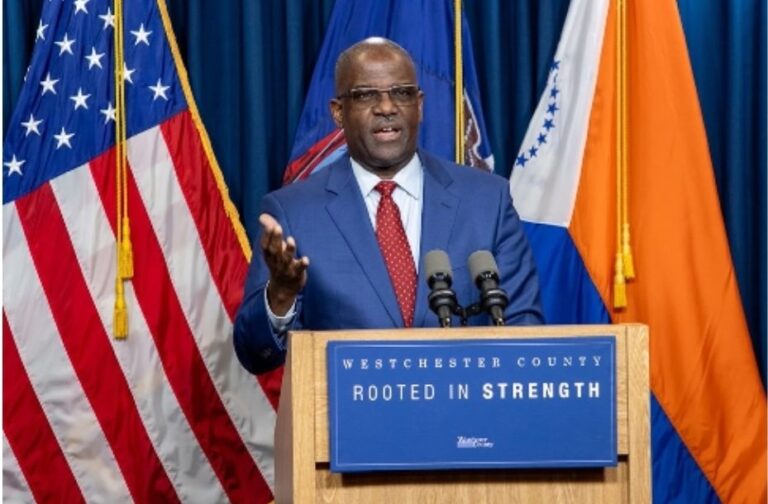
Westchester Deputy County Executive Ken Jenkins announced his intention to run for the county’s top elected office Tuesday, following the anticipated resignation of County Executive George Latimer, who was just elected to the U.S. Congress.

“Today, I am excited to officially announce my campaign for Westchester County Executive. This campaign is about keeping Westchester affordable, safe, and inclusive for all of our residents, especially after what we witnessed at the national level. As your Deputy County Executive, I’ve had the privilege of cutting property taxes and making Westchester a healthier, more equitable place for everyone. Now, I’m running for County Executive to ensure we continue to build on all of the progress we’ve made together with my friend, County Executive George Latimer, and continue to tackle the challenges we face ahead with steady, effective leadership. As a Democrat and a lifelong public servant, I believe we can keep Westchester thriving by focusing on affordability, public safety, stable leadership, and sustainability. Even as Washington grapples with division, we’re showing that effective government is possible here at home. My commitment to making government work for all of us has been my life’s work, and with your help, we’ll continue the progress we’ve made for this County we call home. If you believe in this vision for Westchester, please consider supporting my campaign. Every dollar helps me reach more people, and with your support, we’ll keep Westchester moving forward for all of us. I look forward to seeing all of you on the campaign trail.”

Yonkers Mayor Mike Spano who was rumored to intend to challenge Jenkins announced Tuesday that he will not run for Westchester County Executive in 2025. Spano said intends to sit down with Deputy County Executive Ken Jenkins, who is the only announced candidate for County Executive thus far, to hear how Jenkins believes he can deliver for Yonkers should he win the position. 

“Yonkers is the largest municipality in Westchester and is New York State’s third largest city, making the City’s support essential for any County Executive candidate to succeed,” noted Spano, adding, “Ken Jenkins is from Yonkers so he knows the City’s needs and challenges. I look forward to hearing his agenda to meet those needs and keep Yonkers moving in the right direction.” 

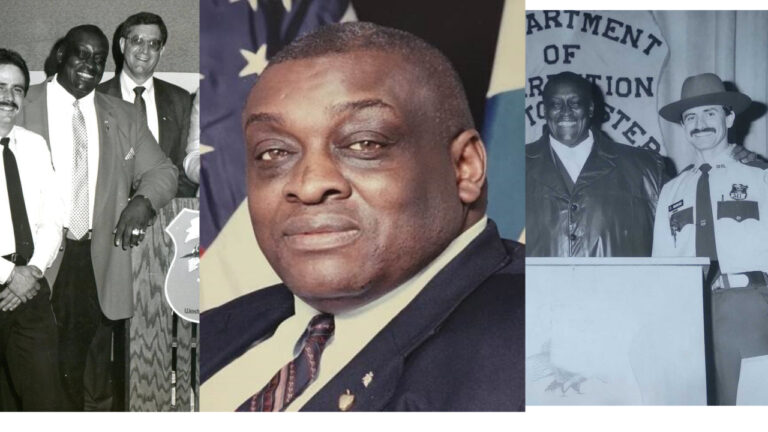
Jenkins declared that he had formally decided to run for the county’s top post now that George Latimer is moving to Washington to serve in Congress, putting all conjecture to rest. If Jenkins emerges victorious after the political dust settles, he will become Westchester’s first Black County Executive, a weighty responsibility for the former Yonkers NAACP president.

For more info visit Jenkins’ campaign website and follow Facebook, Instagram, and X (formerly Twitter)

Yonkers Mayor Mike Spano Declines to Run for Westchester County Executive 

0

After months of speculation, Yonkers Mayor Mike Spano said Tuesday that he will not run for Westchester County Executive in 2025, and looks forward to serving Yonkers during the remaining three years of his current term as Mayor. 

At the same time, said Spano, he intends to sit down with Deputy County Executive Ken Jenkins, who is the only announced candidate for County Executive thus far, to hear how Jenkins believes he can deliver for Yonkers should he win the position. 

“Yonkers is the largest municipality in Westchester and is New York State’s third largest city, making the City’s support essential for any County Executive candidate to succeed,” noted Spano, adding, “Ken Jenkins is from Yonkers so he knows the City’s needs and challenges. I look forward to hearing his agenda to meet those needs and keep Yonkers moving in the right direction.” 

Spano said that how the County spends its substantial housing, infrastructure, and social services budgets is critical to the people of Yonkers. 

“The next County Executive is going to have to win two elections in 2025, possibly three if there is a primary,” said Spano, adding, “Yonkers is ready to support those who support us.” 

Current County Executive George Latimer will be vacating the position to take a seat in the House of Representatives in January. The Westchester County Legislature will name an interim County Executive who will serve until a special election early in the year. The winner will have to run again in the general election taking place in November of 2025. In addition, there could be a party primary to determine the candidate for the general election. 

Thomas Meier, who Chairs the Yonkers Democratic City Committee, stated, “Yonkers has made tremendous progress under Mike Spano, and I am glad to hear he wants to continue that progress. I also agree that Yonkers needs to hear from Ken Jenkins and any other candidate seeking to become County Executive and how he or she will work with our City on behalf of its residents.” 

Spano concluded, “Thank you to all those who reached out to me and encouraged me to run for County Executive. I am committed to Yonkers for the remainder of my term.”   

Former Councilwoman Nadine Hunt Robinson Attempts To Make History As First Black Mayor of White Plains

1

Nadine Hunt-Robinson who made history on November 4, 2014, by becoming the first African-American woman elected to serve on the White Plains Common Council and again six years later on January 6, 2020, when the Common Council voted unanimously to appoint Hunt-Robinson as its president, making her the first African American Woman to serve as Council President is attempting to make history again, this time as the first African American and the first Woman elected as the Mayor of White Plains.

Black Westchester found out Hunt-Robinson was running in the September 27th Mayoral Listening Tour post on the Friends of Nadine Hunt-Robinson Facebook page but confirmed it officially when we spoke to her at the Westchester County Democrats Election Night Watch Party at the Coliseum Nightclub in White Plains, that she wants to help White Plains reach that “next level.”

“I have been an advocate for the city of White Plains for many years. Now after much prayer and deliberation, I am running to be the Advocate-In-Chief for the people of our city. People should feel that City Hall is their house and that City Hall works for them,” shared Hunt-Robinson who is running as The People’s Advocate.

The First Lady of First Community Baptist Church (142 Edgepark Rd), and corporate attorney served on the council from 2014 until 2023, when she did not seek reelection.

White Plains Councilman Justin Brasch, who is also an attorney, confirmed to Black Westchester at the Westchester Dems Watch Party, his intention to run for mayor as well. Insiders tell BW that Mayor Thomas Roach hasn’t decided whether he’ll run for another term.

For more information, you can visit her campaign website.

PBP Radio Episode 416 – Who’s The Real Loser In The 2024 Election? Mainstream Media!

Black Westchester Magazine proudly presents another episode of ‘People Before Politics’ with powerhouse hosts Damon K. Jones and AJ Woodson discussing How Mainstream Media Lost to Podcasts in the 2024 Election

People Before Politics Radio, Giving You Real Talk For The Community Since 2014!

Black Westchester presents the People Before Politics Radio Show every Sunday night, 6-8 PM, simulcasting live on Facebook, X (formerly Twitter), LinkedIn, Instagram, and YouTube and archived on BlackWestchester.com. Giving you that Real Talk For The Community since 2014.

To support the Black Westchester and the People Before Politics Radio Show, which provides the News With The Black Point Of view and gives you the real talk for the community for free, make a donation via PayPal at www.PayPal.me/BlackWestchesterMag. In the words of Ray Charles, “One of these days, and it [might not be] long, You’re gonna look for [us], and [we’ll] be gone.” Support independent, Black-free media!

As always, you can follow us on Facebook, InstagramLinkedIn, and YouTube

Contributions and Donations can be made via PayPal.

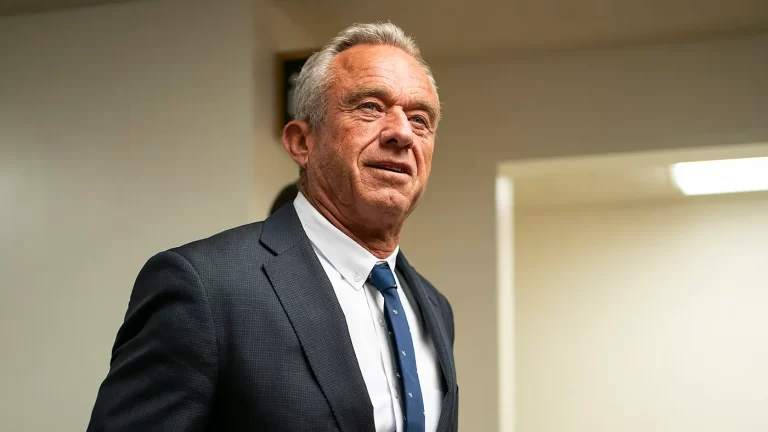
How Robert F. Kennedy Jr. Could Transform Health Outcomes for Black Communities

A Holistic Health Perspective: Robert F. Kennedy Jr.’s Opportunity to Heal Black Communities

As a health and wellness practitioner and author of numerous books on health, wellness, and mental clarity, I am acutely aware—as are others in the holistic health field—that the United States government has long played a role in the declining health of Black communities. Decades of policy failures, environmental neglect, and medical injustices have compounded into a crisis of chronic illness and stark health disparities. Today, Black Americans are disproportionately affected by conditions like asthma, heart disease, diabetes, and obesity, often exacerbated by environmental pollutants, lack of access to nutritious food, and a deeply entrenched mistrust in the healthcare system.

Robert F. Kennedy Jr.’s health proposals focus on the core elements of a healthier society: environmental health, transparency, preventive care, and public health infrastructure. His track record in championing environmental and social justice underscores his potential to address the root causes of these issues, presenting a real opportunity to reverse these long-standing health inequities. Kennedy’s approach could be the turning point that Black communities need for healthier, safer lives. Here’s how his administration could pave the way toward health equity for Black Americans.

A Proven Advocate for Environmental Justice

Kennedy’s commitment to environmental justice has deep roots. In 1991, he represented the NAACP in a landmark lawsuit fighting against the establishment of a garbage transfer station in an underserved neighborhood in New York, standing up for communities overburdened by environmental hazards. Just two years later, in 1993, Kennedy represented the Confederation of Indian Peoples in negotiations with oil giant Conoco, working to protect the Ecuadorian Amazon from devastating destruction. Throughout the 1990s, he stood alongside family farmers in North Carolina, Iowa, Kansas, Missouri, Illinois, Ohio, Oklahoma, and Maryland, fighting against factory farming giants whose practices threatened public health and local environments. Kennedy’s career reflects a relentless commitment to holding polluters accountable—a dedication he would bring to his health policies, promising real change for Black communities that often bear the brunt of environmental neglect.

Tackling Environmental Hazards Head-On

Environmental pollution disproportionately impacts Black communities, which are often situated near industrial areas, highways, and waste facilities. These pollutants contribute to respiratory issues and chronic illnesses like cardiovascular disease. Kennedy’s commitment to stringent environmental regulations could have a transformative effect. By reducing pollutants in the air and water and holding corporations accountable, Black families would experience fewer environmental triggers that worsen these diseases, leading to better long-term health outcomes. Kennedy’s proactive stance on environmental justice would mean healthier living conditions for Black communities, setting a strong foundation for combating chronic illnesses in underserved areas.

Reinventing Healthcare Transparency to Rebuild Trust

Big Pharma has made medication the default solution, often addressing only symptoms without tackling the root causes of illness. Shifting toward a holistic approach that emphasizes lifestyle changes, environmental adjustments, and nutritious eating could profoundly benefit the health of Black Americans. For many Black individuals, medical distrust runs deep, shaped by historical injustices like the Tuskegee Study and ongoing disparities in healthcare quality and access. Robert F. Kennedy Jr.’s focus on transparency within the pharmaceutical industry and his commitment to vaccine safety could play a critical role in restoring trust and empowering Black communities to reclaim their health.

Kennedy’s call for FDA reform is long overdue. Harmful chemicals and additives flood our food system, contributing to alarming rates of obesity and chronic disease. With 48 million people falling ill each year from the food they eat, it’s clear that current food safety standards are failing us. For too long, the FDA has operated under “business as usual,” permitting these dangerous substances in our food under a veneer of regulatory approval. Kennedy’s vision for FDA oversight offers hope for a food system reform focused on public health, confronting the very chemicals and additives that drive diet-related illnesses.

Transparent health policies would empower Black families to make well-informed health choices, building confidence in preventive care and encouraging early disease detection. Through Kennedy’s approach, Black Americans could see a future where wellness is centered on proactive, informed decisions rather than reactive, symptom-focused care.

A Preventive Approach to Chronic Disease

Black Americans face disproportionately high rates of chronic diseases, including diabetes, hypertension, heart disease, and obesity. These conditions are often fueled by limited access to nutritious foods, high levels of stress, and environmental factors. Many Black neighborhoods are “food deserts,” areas where access to fresh, affordable, and nutritious food is severely limited. This lack of healthy options forces families to rely on processed foods and fast foods, which are high in salt, sugar, and unhealthy fats—key contributors to chronic illness.

Robert F. Kennedy Jr.’s health proposals, with their emphasis on holistic and preventive care, represent a potentially transformative approach. By advocating for increased access to organic and unprocessed foods, Kennedy directly addresses the root of diet-related diseases that plague many Black communities. Making nutritious food accessible would help lower rates of conditions like hypertension and diabetes, which not only diminish quality of life but are often precursors to more severe health problems, such as kidney disease and heart failure.

Kennedy’s preventive care strategy also prioritizes routine health screenings and community-based health education. Early diagnosis is critical for managing chronic conditions effectively, but in Black communities, these illnesses often go undetected until they have progressed to more dangerous stages. Regular screenings and culturally relevant health education can help residents better understand their health risks and adopt healthier lifestyle practices. This holistic approach could empower Black communities to manage and even prevent chronic illnesses, breaking the cycle of poor health outcomes that has persisted for generations.

Strengthening Public Health Infrastructure for Greater Equity

The health industry has become a massive business, but instead of becoming healthier, people—especially in Black communities—are getting sicker, largely because of the food we eat. Fast food has replaced home-cooked meals, and even when meals are prepared at home, many of the ingredients are laced with chemicals that slowly undermine our health. Kennedy’s proposal to reform agencies like the CDC and FDA, reducing corporate influence and prioritizing public health, directly addresses these challenges.

Historically, public health initiatives have been underfunded, leaving Black Americans with higher rates of chronic diseases and limited access to critical healthcare resources. Kennedy’s vision of a health-focused public system could drive the development of targeted programs that address chronic illnesses, provide affordable medications, and deliver culturally sensitive health education. Strengthening our public health infrastructure would help close longstanding healthcare access gaps, making quality preventive and chronic care accessible in communities that have too often been overlooked.

Addressing Social Determinants of Health

Kennedy’s policies hint at addressing social determinants of health, which are key drivers of chronic disease. Environmental policies combined with healthcare reforms could improve housing conditions, increase access to green spaces, and reduce crime—all of which contribute to healthier lifestyles and better mental health. By targeting these broader social conditions, Kennedy’s administration could address the root causes of health disparities in Black communities.

The Path Forward

It’s clear that the health, wellness, and mental health of Black communities hang in the balance. While opinions on the Trump administration from Black leadership are not good, the urgent issues facing Black America’s health demand a focus on policies that address these pressing needs. Robert F. Kennedy Jr.’s health proposals promise more than superficial change; they provide a holistic approach to the deep-rooted health disparities impacting Black Americans. His commitment to clean environments, transparent healthcare, preventive care, and a strengthened public health system lays a solid foundation for a healthier, more equitable future.

The potential of Kennedy’s vision is undeniable, but the real impact will depend on dedicated execution and strong community partnerships to ensure Black communities receive the targeted support they need. If fully realized, Kennedy’s approach could transform the lives of millions, ushering in a healthier, more just America for all.

Now is the time to prioritize policies that truly address the unique health challenges Black communities face. A Kennedy-led administration could mark a crucial shift, finally putting health equity at the forefront and offering Black families a future where they can live longer, healthier lives in environments that genuinely support their well-being.