While headlines swirl around high-profile court cases in New York for the politically-connected and ultra-wealthy, a quieter crisis continues to unfold in plain sight—one that reveals just how far we still are from delivering justice to the communities that need it most.
In the wake of the George Floyd murder and subsequent national call to action, we saw glimmers of reform on the horizon. As a disabled Dad who was unjustly arrested by officers with records of extreme misconduct, I was cautiously optimistic about these travesties of injustice being vehicles for positive change.
That hope was especially bright for me, and countless others arrested by officers who skirt the law in December 2024, when New York State Attorney General Letitia James released the annual report from the Law Enforcement Misconduct Investigative Office (LEMIO), a powerful tool designed to uncover and curb patterns of police misconduct.
Among those listed in the report was my Westchester County arresting officer, Lane Schlesinger—a former member of the New Rochelle Police Department (NRPD) who had been disciplined for no fewer than 25 complaints of misconduct and minor infractions.
Twenty-five. And yet, when I walked into a police station in 2018 seeking to enforce a court-ordered supervised visit with my autistic son, he was still on the job. I was denied that visit. I never even stepped onto the property. Still, I was wrongfully arrested—and have been fighting ever since to clear my name.
I have cognitive and communicative impairments resulting from car accidents. Despite those disabilities, and with no criminal history, I was treated not as a father trying to see his child, but as a threat. My visitation status was falsely marked as “unknown” despite video evidence proving otherwise—evidence that was never admitted into discovery. Meanwhile, my children have waited over 1,559 days to see their father.
What happened to me is not an isolated error. It is a symptom of a system that routinely overlooks misconduct, especially when it’s committed against those who are disabled, marginalized, or without influence. Especially in cities like New Rochelle, which has seen police misconduct rates rise.
Unscrupulous officer Schlesinger was eventually reassigned to desk duty. But what does that do for the countless lives affected by his conduct? What does it do for my children, or for the integrity of the legal system? And he wasn’t the only one.
Officer Sean Kane, also involved in my arrest (and countless others) was suspended in 2024 after being caught on body camera allegedly planting drugs on a defendant—an incident that made national news. And yet, despite this public record of misconduct, no action has been taken to revisit my case.
That’s why we have an appeals process. That’s why LEMIO was created—to serve as an external mechanism for accountability. But what good is a watchdog if no one listens to it?
District Attorney Susan Cacace, elected to purportedly bring fresh oversight to Westchester County, has ignored multiple requests to review my case, even after it became clear that one of the arresting officers had engaged in a “pattern or practice of misconduct, excessive force, or acts of dishonesty,” as documented by the Attorney General. Meanwhile, she very publicly dismissed competing DA candidate William Wagstaff’s plan to expand a conviction review unit.
I’m fortunate enough to have the resources to fight, and the ability to write – but it brings to question: How many other cases involving officers flagged in the LEMIO go unchallenged by those arrested? How many others are being quietly ignored?
This is not fair prosecution. This is persecution. And I am not alone.
In 2022, I was honored with the New York State Senate Commendation Award for my disability rights advocacy, after successfully fighting for ADA accommodations in family court. But I shouldn’t have had to fight that hard just to be seen and heard. I’m fortunate to have the ability to advocate for myself, but there are so many others—especially disabled individuals—who are denied that same opportunity.
We must stop pretending that publishing a report is the same as achieving reform. The LEMIO report offers a roadmap. It offers evidence. But it also demands action—by district attorneys, by judges, by state leaders who promised to root out injustice and restore public trust in law enforcement.
When those in power ignore the tools meant to protect the vulnerable, they send a chilling message: that misconduct will be tolerated, and that the lives it destroys are acceptable collateral damage.
Justice delayed is justice denied. But justice ignored? That’s a failure of conscience. New York has the data. It has the mandate. It just needs the will.
A conversation with Derek H. Suite, MD, MS, a leading African American sports psychiatrist who works with elite athletes and leaders across the Big Three leagues. By Percy Takyi, DO, MBA
As seen on a Sussex Directories Inc site
From the hardwood to the gridiron to the ice, the demands of pro sports are intense—but the psychological terrain can differ vastly. Last month was Mental Health Awareness Month, but the conversation must continue all year long. So Behind the White Coat Podcast sat with Dr. Derek Suite, a distinguished, board-certified sports psychiatrist and professor at Columbia University, who has quietly worked behind the scenes in all three major leagues: the NBA, NFL, and NHL. As founder of Full Circle Confidential and a consulting sports psychiatrist who has worked with organizations with iconic franchises across all three leagues, Dr. Suite brings over two decades of uniquely qualified expertise and experience to our conversation. We asked him to unpack the common threads—and the crucial differences—when it comes to treating elite athletes at the top of their game.
Q: What are the most common mental health concerns you see across professional athletes, regardless of sport?
“Athletes across all sports face some universal challenges,” Dr. Suite explains. “Performance anxiety is probably the most common issue I encounter, regardless of the league. The pressure to perform at an elite level night after night, with millions watching and criticizing, creates immense psychological strain.” Sleep disruption is another widespread concern. “Professional athletes travel constantly, crossing time zones and playing night games that throw off their circadian rhythms,” he notes. “This affects not just performance but overall mental health—your brain simply can’t regulate emotions properly without adequate rest.” Dr. Suite also highlights identity challenges, particularly after injuries or when players are benched. “When your entire self-concept is built around athletic performance, what happens when that’s suddenly taken away? This identity crisis can trigger depression and anxiety, whether you’re a point guard, linebacker, or goaltender.” Transition stress—whether as a rookie entering the league, being traded to a new team, or facing retirement—creates another vulnerable period for athletes. “These transitions demand psychological adaptation that many players aren’t prepared for,” he says. Though awareness has grown, Dr. Suite emphasizes that stigma remains a significant barrier to care, especially for men of color. “There’s still this perceived weakness in seeking help. This is slowly changing, but the stigma is real and prevents many athletes from getting support when they need it most.”
Q: How do players in the NBA, NFL, and NHL differ in how they present or talk about mental health issues?
“The culture of each league significantly influences how players express—or don’t express—their mental health challenges,” Dr. Suite observes. “The NBA has made tremendous strides in normalizing these conversations, with players like DeMar DeRozan and Kevin Love speaking openly about depression and anxiety. NBA players tend to be more verbally expressive about their emotional experiences.” In contrast, the NFL’s culture presents different challenges. “The NFL still operates within a ‘warrior’ mentality where toughness and stoicism are prized above all,” Dr. Suite notes. “Players often underreport symptoms out of fear it will affect their playing time or contract status. Mental health concerns typically emerge through somatic complaints—sleep problems, irritability, or unexplained fatigue—rather than direct acknowledgment of emotional struggles.” The NHL presents its own unique dynamic. “Hockey players bring a deeply ingrained stoicism to the table,” Dr. Suite explains. “There’s this culture of playing through pain without complaint that extends to psychological suffering as well. Cultural and geographic factors—many players come from Canadian or Eastern European backgrounds where emotional reserve is valued—add additional layers of reticence.” Dr. Suite emphasizes that these patterns aren’t absolute. “Individual personalities always transcend league cultures. I’ve met NFL players who are incredibly emotionally articulate and NBA players who struggle to name a single feeling.”
Q: Do the personality profiles or cognitive tendencies differ between these athletes? “While I’m cautious about overgeneralizing, there are some patterns worth noting,”
Dr. Suite says. “NBA players often demonstrate more analytical thinking patterns and tend to respond well to cognitive-behavioral approaches. They’re typically more image-conscious and socially engaged, which can be both a strength and a vulnerability in their mental health journey.” NFL players, by comparison, “tend to compartmentalize more effectively, which helps them manage the physical toll of the sport but can make psychological integration more challenging. They often respond better to structured mental conditioning techniques like visualization and focus drills rather than traditional talk therapy.” NHL players bring their distinct profiles. “Hockey players typically show remarkable pain tolerance and delayed self-advocacy—they’ll play through anything. In therapy, trust-building is essential. They respond best to relational approaches where the therapeutic alliance is strong.” Dr. Suite notes that these patterns align with research on psychological adaptations to different sporting environments but stresses that individual differences always take precedence.
Q: What does “buy-in” look like in each league when introducing mental health tools or therapy?
“Each league requires a different approach to get players engaged with mental health resources,” Dr. Suite observes. “In the NBA, there’s high interest in performance-based psychology and mindfulness—especially among younger players. Framing mental skills as performance enhancement tools works well, and players are often early adopters of techniques like meditation and visualization.” For NFL teams, Dr. Suite notes a different pathway to engagement. “Buy-in often comes through coach endorsement. If the head coach or a respected position coach validates mental skills training, players follow. The language matters tremendously—’mental conditioning’ resonates better than ‘therapy’ in this environment.” With NHL players, Dr. Suite emphasizes the importance of relationships. “Trust and confidentiality are everything with hockey players. Building rapport takes time, but once established, there’s strong loyalty to the process. I find that NHL players appreciate straightforward, pragmatic approaches without excessive psychological jargon.”
Across all leagues, Dr. Suite has found that integrated care models work best. “When mental health services are normalized as part of overall performance training—alongside strength conditioning, nutrition, and physical therapy—the stigma diminishes significantly.”
Q: How do injury, role changes, or contract issues affect mental health differently in each sport?
“The structure of leagues and contracts creates different psychological pressure points,” Dr. Suite explains. “In the NFL, where most contracts aren’t fully guaranteed, injury brings an immediate existential threat. Players face not just physical recovery but intense financial anxiety—one injury can end a career and financial security.”
NBA players, by comparison, “often struggle more with the loss of identity when moved to the bench or traded. The 82-game schedule also creates a unique mental fatigue that accumulates over the season. Teams are getting better at monitoring this, but the grind is real.” For NHL players, Dr. Suite highlights the particular impact of concussions and chronic pain. “Hockey players face significant neurological injury risk, which directly affects mood and cognition. The isolation that comes with road trips—particularly in smaller market cities during harsh winter months—can trigger depressive episodes that require special attention.” Advice for Mental Health Professionals
Q: What advice would you give mental health professionals working with pro athletes?
“First, know the culture of the sport intimately,” Dr. Suite advises. “Watch games, understand the language, learn the unwritten rules. Your credibility depends on it.”
He emphasizes the importance of flexibility. “Be ready to have a session in a weight room, during a car ride, or via text at midnight before a big game. Traditional office-based therapy often doesn’t work in this population.” Trust, Dr. Suite stresses, trumps technique. “Athletes have been coached their entire lives and can spot inauthentic approaches immediately. Prioritize building genuine rapport over implementing the latest therapeutic methodology.” He also suggests reframing mental health as a performance edge. “Help them understand that mental skills training isn’t about fixing what’s broken—it’s about optimizing what’s already working.” Perhaps most importantly, Dr. Suite reminds his colleagues: “Never forget that behind the brand, behind the jersey, is a human being with the same fundamental needs for connection, meaning, and emotional safety as anyone else. The stakes and spotlights may be different, but the core needs remain the same.”
Looking Forward
“We’re getting better,” Dr. Suite concludes. “More players are asking the right questions. More teams are making space for this work. The next frontier isn’t just mental health—it’s mental wealth. Helping athletes build minds as strong as their bodies, with skills that serve them not just during their playing careers but throughout their lives.” As professional sports continue to evolve in their approach to mental health, Dr. Suite’s cross-league perspective offers a valuable lens for understanding both the universal challenges athletes face and the unique psychological terrain of each sporting culture.
About The Author: Percy Takyi, DO, MBA, is a physician with a passion for psychiatry, wellness, and medical education. He is the host of the podcast “Behind the White Coat: Failure and Percyverance,” where he explores the journeys and insights of healthcare professionals. Dr. Takyi is dedicated to promoting mental health, resilience, and holistic care in medicine.
For more information about Derek H. Suite, MD, MS, visit his website
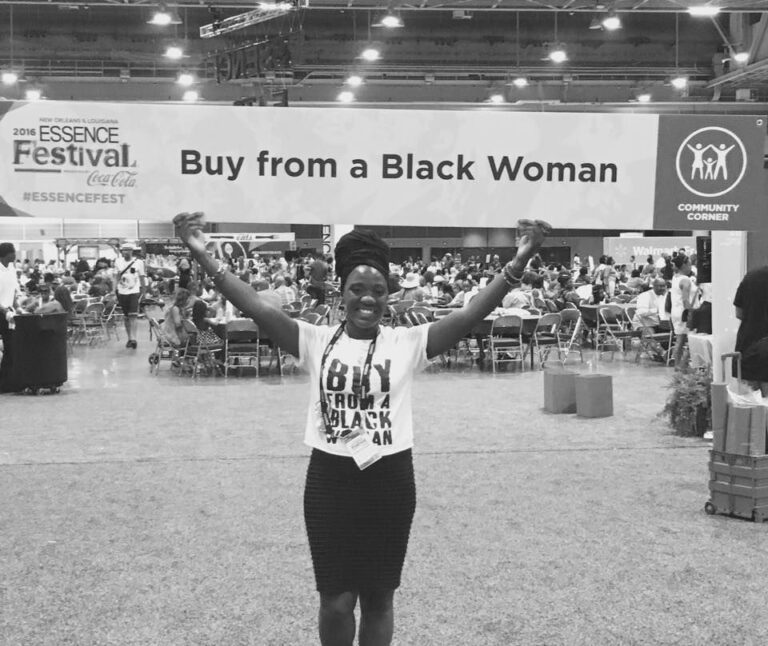
Essence Fest has always been more than a festival. It’s a cultural homecoming for Black Women, a place to see each other, celebrate each other, and remember our power. I’ve been part of Essence Fest as a vendor, a speaker, a customer, and a business leader. I know firsthand what it feels like when Black Women pour into each other in one space.
This week, an e-blast from Essence went out with the subject line: “Our sponsors are bringing the vibes to Essence Fest.” And one of those major sponsors? Target.
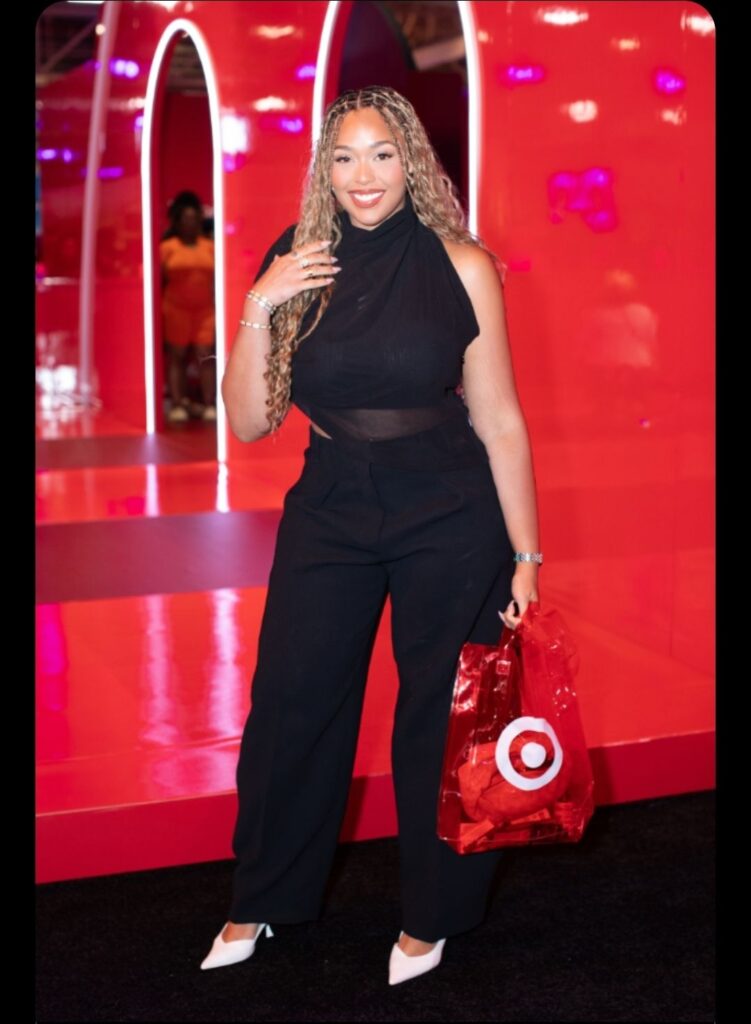
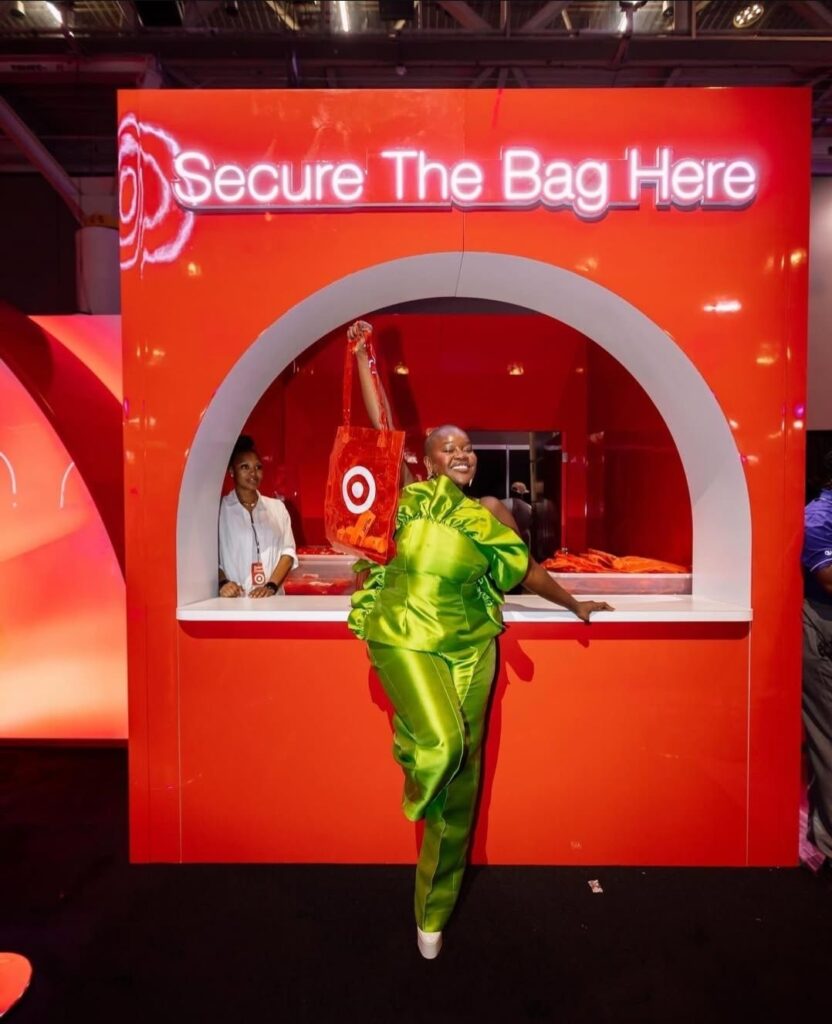
Target has been a staple at Essence Fest for years. Every time I’ve attended, their booth has been one of the biggest and busiest. People stood in lines for hours, leaving with tote bags, beauty products, and whatever was free that day. But that was before this summer, before the active boycott.
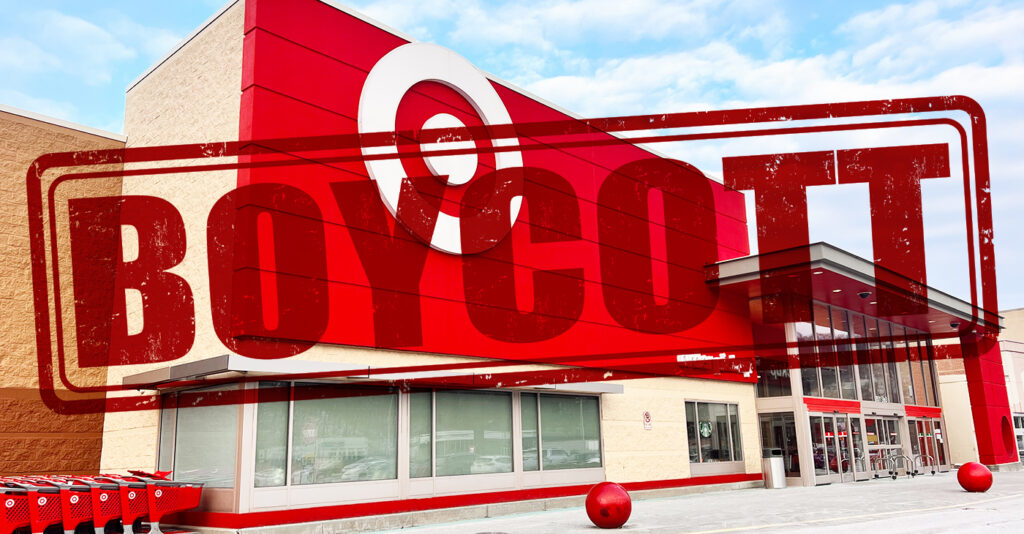
Target is facing a boycott for quietly rolling back its DEI commitments. They dissolved their REACH committee, cut support for Black and LGBTQ+ products, and stepped away from the promises they made to us in 2020. Their own CEO admitted they pulled Black- and LGBTQ-themed products in response to backlash, not to protect us, but to protect the comfort of others.
So, is showing up in our cultural spaces really an act of “community support,” or just another marketing strategy?
Essence Fest is powerful because it centers Black Women
But at what point do we remind these brands and ourselves that our trust, our presence, and our dollars are worth more than free tote bags and flashy activations? At what point do we decide that we matter more than a contract?
These are questions I’ve had to face myself. I’ve turned down major partnerships and walked away from checks that looked good on paper but didn’t honor my values. Saying no is hard but necessary when your integrity is on the line.
If you’re going to go this year, make sure you move with purpose:
Do not go to the Target activation.
Leave the free bags and samples behind.
Spend your money with Black-owned vendors and amplify their names.
Show Essence Fest and every brand that our presence and our dollars come with power and expectations.
Target is watching
They are waiting to see how we show up. If you stand in that line, if you take those free bags and samples, you are sending a message. You are confirming that we don’t care if they roll back their commitments. You are telling them we’re still here, still supporting, no matter what they do.
We are losing too many Black businesses and cultural spaces because we keep letting these lines blur. We forget that economic protest isn’t just about saying “no” to a brand, it’s about saying “yes” to us. Real support requires more than showing up, it demands alignment, intention, and accountability.
This moment isn’t just about Target. It’s about all the brands that show up loudly when it’s convenient and retreat when it gets hard. It’s about whether we will keep letting them center themselves in our spaces without questioning what that costs us.
Also, we need to stop comparing the Target boycott to the Montgomery Bus Boycott. That boycott worked because the community was consolidated in one city, moving together every single day. They held hands, walked together, and achieved clear, measurable results. Today, we’re navigating a different landscape, trying to move as a collective across states, screens, and algorithms. It’s new ground for many of us, and it feels complicated and blurry. We’re learning in real time what it means to act nationally while still holding local commitments.
And we haven’t seen real results from our boycott of Target.
We say we want liberation, we say we want to keep Black businesses alive, and we say we want equity.
Those words mean nothing if we leave our standards at the door when it’s time to dance and celebrate.
About Nikki Porcher: Nikki Porcher is a 2x Thought Leader of The Year, founder of the award-winning organization Buy From A Black Woman, and host of the top-rated podcast The Nikki Porcher Show. Over the last decade, she’s supported over 700 Black women business owners and built a community of 266.8K supporters, and during the pandemic, she helped Black women generate over $6.12 Million in revenue. Through her recently launched platform Buy From A Black Business, she’s expanding her impact to support all Black-owned businesses across the Black community.
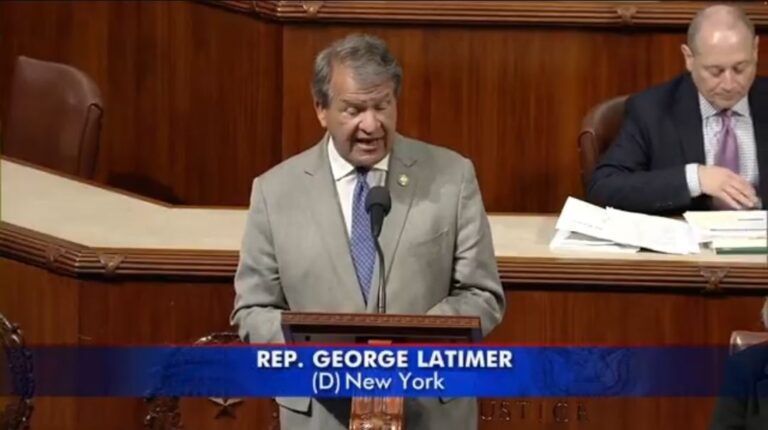
From the floor of the House of Representatives, Congressman George Latimer recognized local NAACP leaders in the 16th Congressional District which consist of a small portion of the northern Bronx (specifically the neighborhood of Co-op City, Bronx) and the southern half of Westchester County, including the mixed suburban/urban cities of White Plains, Mount Vernon, Yonkers, New Rochelle, and Rye, Thursdsay afternoon.
“The vibrant African American community in the Bronx and Westchester County have had a tireless advocate on their side for decades, the NAACP. fighting for reform and social progress, the rights and residence who want a fair shot in life and a better today and tomorrow for their children. We are all familiar with the effective advocacy of the NAACP, including the lifetime achievement of Dr. Hazel Dukes, who recently passed away, but there are local heroes who do exceptional work in our hometown neighborhood. Let me recognize some of these key branch leaders. In Co-Op City, Leslie Peterson and Brenda Brown, in New Rochelle, Aisha Cook and Jareca Lee, in Yonkers Kisha Skipper and Karen Edmonson, in Williamsbridge Laura Rhodan and Shirley Fearon, in Mount Vernon, Kathie Brewington and AJ Woodson, in White Plains/Greenburgh Janice Griffith, in Port Chester Rye James J. Henderson III and other leaders such as Mnister Mark McLean, the Rev, Frank Coleman and the Rev Margaret Fountain-Coleman. Their hard work and principled advocacy for equal rights, economic justice, and education warrants recognition on the floor of the House of Representatives,” Rep Latimer shared.
The mission of the National Association for the Advancement of Colored People is to ensure the political, educational, social, and economic equality of rights of all persons and to eliminate race-based discrimination.
In related news, the Mount Vernon City School District is inducting U.S. Rep. George Latimer (16th District), former NY State Senator Ruth Hassell-Thompson, and longtime CBS New York meteorologist Elise Finch Henriques (posthumously) into the Mount Vernon High School Hall of Fame on Saturday, June 28, 2025.
U.S. Rep. George Latimer (16th District) was born and grew up in Mount Vernon, graduating from Mount Vernon High School in 1970, and graduating with a B.A. from Fordham University in 1974, as well as a Master’s Degree in Public Administration from New York University’s Wagner School in 1976.
Latimer took office as Westchester County Executive in January 2018 and was re-elected to a second term in November 2021. He won the 16th District race in November 2024 and took office in January 2025.
During his tenure as County Executive, Latimer upheld an impressive record of achievements including three consecutive County property tax cuts and credit rating stabilization. He is also responsible for bringing several long-standing infrastructure projects to fruition, including the historic Elijah J. Miller House, Sprain Ridge Pool, New Rochelle Family Court, and the North and South County Trailways. Latimer broke ground on Memorial Field in Mount Vernon and unveiled the County’s 9/11 First Responders Memorial on the 20th Anniversary of the September 11 attacks, dedicated to the heroes who passed away from 9/11 related illnesses. Over the years, Latimer has received public recognition and awards from numerous Westchester and Hudson Valley organizations for his work, including by the Sarah Neuman Center, the Washingtonville Housing Alliance, Congregation Anshe Sholom in New Rochelle, the Port Chester/Rye Brook Chamber of Commerce, the Mamaroneck Chamber of Commerce, LMC-TV, Council of Community Services in Port Chester-Rye Town, Helping Hands and the NY State Association of School Psychologists.
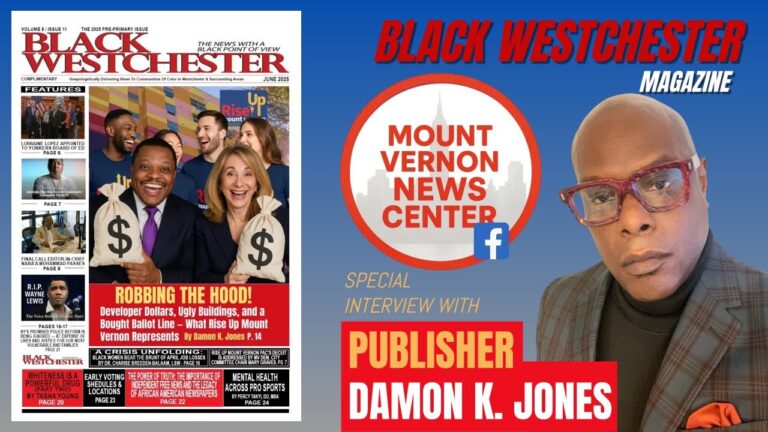
In this special edition of Mount Vernon News Center, Black Westchester Publisher Damon K. Jones sits down with Atif Coleman for an exclusive, no-holds-barred interview about the future of Mount Vernon. From local leadership and accountability to development, justice, and the power of community media — nothing is off the table.
Mount Vernon NewsCenter is a comprehensive source of local and national news, sports, and entertainment information, owned and operated by AK COLE & Co. Follow MVNC on Facebook
“It always seems impossible until it is done.” That’s how Zohran Mamdani opened his victory speech after winning the Democratic primary for mayor of New York City. He cast his win as a moral triumph — a new dawn for working families, the immigrant poor, and the forgotten boroughs of New York.
But here’s the truth: elections are not outcomes, and rhetoric is not governance.
Mamdani’s platform — built on promises of free public transit, rent freezes, guaranteed childcare, and universal dignity — might stir the heart. But New York doesn’t run on sentiment. It runs on budgets, infrastructure, and hard economic realities. And that’s where the cracks begin to show, especially for Black New Yorkers.
Let’s be clear: Mamdani didn’t just beat Andrew Cuomo. He beat a culture of political realism with the seductive promise of ideological purity. But if his ideas fail — and history gives us reason to worry they might — it’s Black communities that will feel the fallout first.
Free Transit Isn’t Free New York’s MTA faces a $1.5 billion deficit. Fares account for 35 percent of its operating revenue. Eliminating them sounds progressive, but the economics don’t hold. Kansas City tried this. Within three years, service cuts hit working neighborhoods hardest — longer wait times, fewer routes, and more frustration. Who suffers most when transit fails? The home health aide in the Bronx. The fast food worker in Flatbush. The night shift nurse in Harlem. That’s the cost of feel-good policy without a funding plan.
Rent Control Without Housing Black New Yorkers are already squeezed by rising rents and stagnant wages. The city’s rent-stabilized vacancy rate is under 1 percent — a symptom of tight supply, not just landlord greed. The 2019 Housing Stability and Tenant Protection Act was supposed to protect tenants, but it discouraged new development and building upkeep. Now Mamdani wants to go even further.
But here’s the fundamental problem: How does he expect developers to build new units if they can’t raise rents to match the rising costs of materials, labor, maintenance, and insurance? That’s a lose-lose situation — for builders, for investors, and ultimately for the families who need housing. It punishes the very activity the city needs: construction.
You can’t freeze your way into affordability if there’s nothing new being built. Without incentives, you get decay, not development. And when properties aren’t maintained or expanded, it’s Black and brown communities — already living in aging buildings with limited mobility — who suffer the most.
Tax the Rich — But Then What? New York’s top 1 percent of earners pay nearly half the city’s income tax. Since 2020, more than 250,000 high-income residents have left, taking $18 billion in taxable income with them. If they keep leaving, guess who picks up the slack? Not the corporations — but the middle class. That means higher taxes on Black-owned small businesses already struggling under city regulations. It means fewer city contracts, slower services, and more cuts to the very programs Black families rely on.
Progressive Chaos Hurts the People It Claims to Help Mamdani’s vision mirrors the same experiment cities like San Francisco and Portland already tried — and failed. Services were slashed, public safety declined, and business districts collapsed. Meanwhile, families of color were pushed further to the margins. We’ve seen what happens when ideology overrides outcomes. It’s not theoretical. It’s lived.
Despite spending over $38,000 per public school student — the highest in the nation — New York City schools continue to underperform in math and reading, especially in Black and Latino neighborhoods. Throwing more money at broken systems isn’t bold reform. It’s institutional malpractice.
Sanctuary City Promises Come with a Price Tag Mamdani has promised to defy federal immigration enforcement. But that already costs the city over $200 million annually in lost federal aid. While the symbolism plays well on social media, the consequences are real. Budget holes will be filled with cuts to services and programs. History tells us where those cuts usually land: education, transit, housing — and in communities of color.
What Does This Mean for Black New Yorkers? It means beware of political poetry that comes with no economic plan. Beware of promises of free everything when there’s no clear path to pay for it. And beware of leadership that confuses moral declarations with measurable results. We don’t need another movement that sounds good but produces nothing. We need policy that works — that creates jobs, lowers costs, strengthens families, and protects the dignity of labor.
Because here’s what politicians rarely say: Dignity is not government handouts. Dignity is access to a quality education. Dignity is learning a trade or skill. Dignity is starting a business and hiring others. Dignity is ownership — not dependency.
Between 2010 and 2020, New York City lost over 110,000 Black residents — many relocating to the South or suburbs in search of better schools, safer neighborhoods, and lower costs of living. If Mamdani’s ideas chase away more working- and middle-class families with higher taxes and fewer services, that number will only grow.
We’ve seen symbolic victories before. David Dinkins was New York’s first Black mayor, but even he couldn’t escape the weight of fiscal mismanagement and rising crime. Symbolism is not a substitute for results.
And to the young voters who powered Mamdani’s rise: be careful. Passion is powerful — but policy is permanent. If you want a future in this city, you should demand ideas that build, not just inspire. Good intentions don’t pay rent. They don’t create jobs. They don’t educate children.
Mamdani’s win may energize a new generation of activists. But if his administration leads to fewer services, higher costs, and greater instability, the impact will fall hardest on the people progressives claim to protect. That includes Black New Yorkers — the essential workers, the caretakers, the small business owners, the families still trying to recover from the last crisis.
Leadership isn’t about slogans. It’s about consequences. And this time, we better pay attention to the price tag.
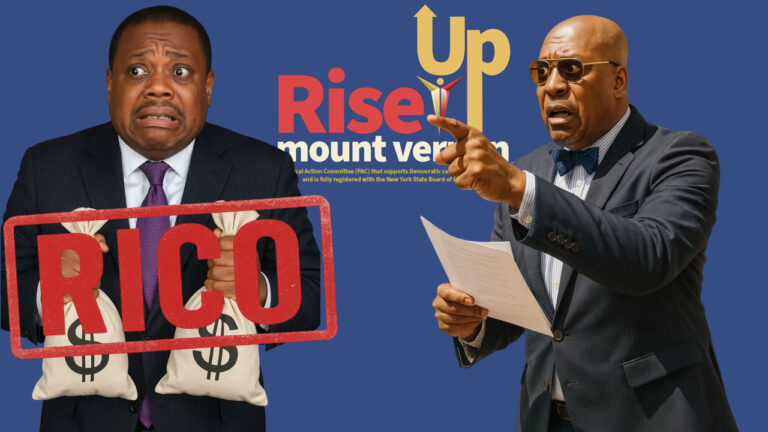
Mount Vernon is being bled from the inside out—not by its struggling economy, not by crime in the streets—but by deeply embedded corruption orchestrated by political operatives hiding behind nonprofits and campaign flyers. At the center of this cancer is Kenneth Plummer, a shadowy figure with a long and sordid history of illegal dealings, political manipulation, and self-enrichment at the public’s expense.
Plummer is not merely a participant in the city’s corruption—he is its architect. Through Rise Up Mount Vernon, a fake grassroots organization he controls, Plummer has created a political machine powered by intimidation, bribery, pay-to-play schemes, and the laundering of developer and contractor money in exchange for city contracts, tax breaks, and zoning favors.
Rise Up Mount Vernon isn’t a civic group—it’s a criminal enterprise, operating under the cloak of civic engagement. Under any fair reading of the law, its actions fall squarely under the federal Racketeer Influenced and Corrupt Organizations Act (RICO), 18 U.S.C. §§ 1961–1968. The statute was written to break the back of organizations just like this—corrupt enterprises engaged in a pattern of racketeering activity, including wire fraud, mail fraud, extortion, money laundering, and bribery.
In United States v. Turkette, 452 U.S. 576 (1981), the Supreme Court ruled that RICO targets both legitimate and illegitimate enterprises involved in organized criminal conduct. The activities of Kenneth Plummer and Rise Up Mount Vernon are precisely what Congress envisioned when enacting RICO.
Plummer, whose known financial misdeeds include owing upwards of $80,000 to the IRS, has somehow transformed himself into a powerbroker—funded by shady developers, fueled by lies, and protected by politicians who benefit from his dirty work.
He is the bagman of Mount Vernon’s political underworld, moving money and manipulating elections from the shadows.
Through Rise Up, Plummer has orchestrated:
Citywide mailers disguised as official government notices, filled with false endorsements and propaganda.
Online smear campaigns and defamatory websites targeting opposition candidates, funded and launched just days before elections.
Political events staged under the guise of public service, with taxpayer-funded police details acting as campaign security.
Direct coordination with Mayor Shawyn Patterson-Howard’s office to influence school board, city council, and judicial elections—all while enriching himself and his allies.
This is not governance—it’s racketeering.
Kenneth Plummer is not merely an unethical actor. He is a malignant force in Mount Vernon’s civic life—a political cancer that continues to metastasize unchecked. Every day that he remains embedded in our political infrastructure is another day Mount Vernon hemorrhages trust, tax dollars, and its democratic integrity.
The verified complaint in Gabriel Thompson v. Shawyn Patterson-Howard (Westchester Index No. 65615/2025) lays out in damning detail the illegal and unconstitutional use of public resources by the mayor, all tied back to Plummer’s influence network. Rise Up Mount Vernon is not an independent group—it is a weaponized extension of the Plummer machine
Enough is enough. I call on the U.S. Attorney for the Southern District of New York to launch a formal RICO investigation into Kenneth Plummer, Rise Up Mount Vernon, and all contractors, developers, and public officials profiting from this criminal enterprise.
If Mount Vernon is to survive, we must excise the rot. Kenneth Plummer is a threat to every honest resident, taxpayer, and voter in this city. He is the disease. RICO is the cure.
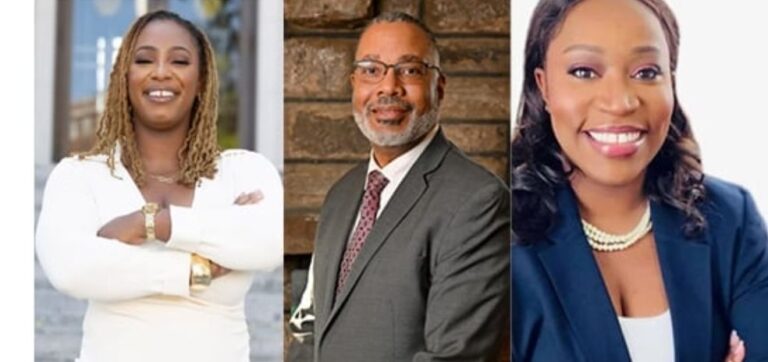
Here are the unofficial results of some of Westchester County’s most closely watched races. Yonkers Council President Lakisha Collins-Bellamy holds off all challengers, Danielle Browne becomes Mount Vernon’s Youngest City Court Judge, MV Comptroller Darren Morton wins re-election, and Councilman Justin Brasch wins primary for White Plains mayor.
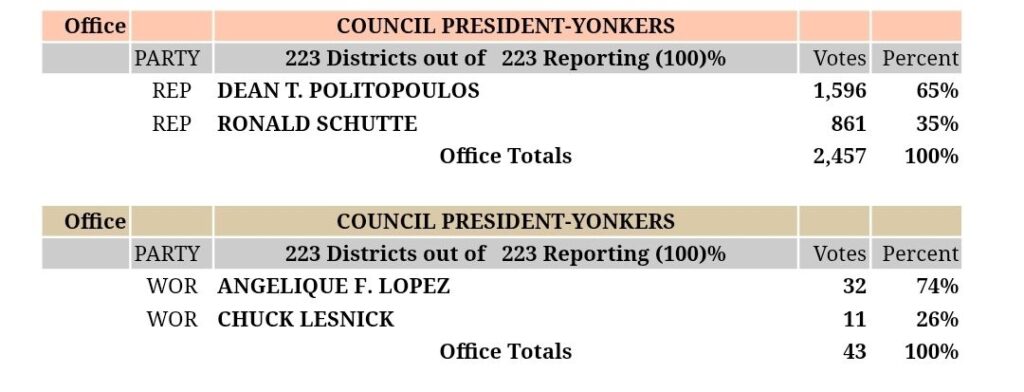
Yonkers Council President Lakisha Collins-Bellamy emerges victorious in a hotly contested race. She defeats four opponents, Chuck Lesnick (1,406 votes), Mike Khader (1,965 votes), Peter Spano (708 votes), and Councilwoman Tasha Diaz (722 votes), to become the Democratic candidate for Yonkers City Council president in her bid for re-election in November with 38% of the vote (2,976 votes). Dean T. Politopoulos emerged victorious over Ronald Schutte (605 votes), vying to be the Republican candidate with 65% of the vote (1,596 votes). Collins and Politopoulos will face off with Angelique F. Lopez, who defeated Chuck Lesnick to appear on the Working Families Party line in November with 74% of the vote.
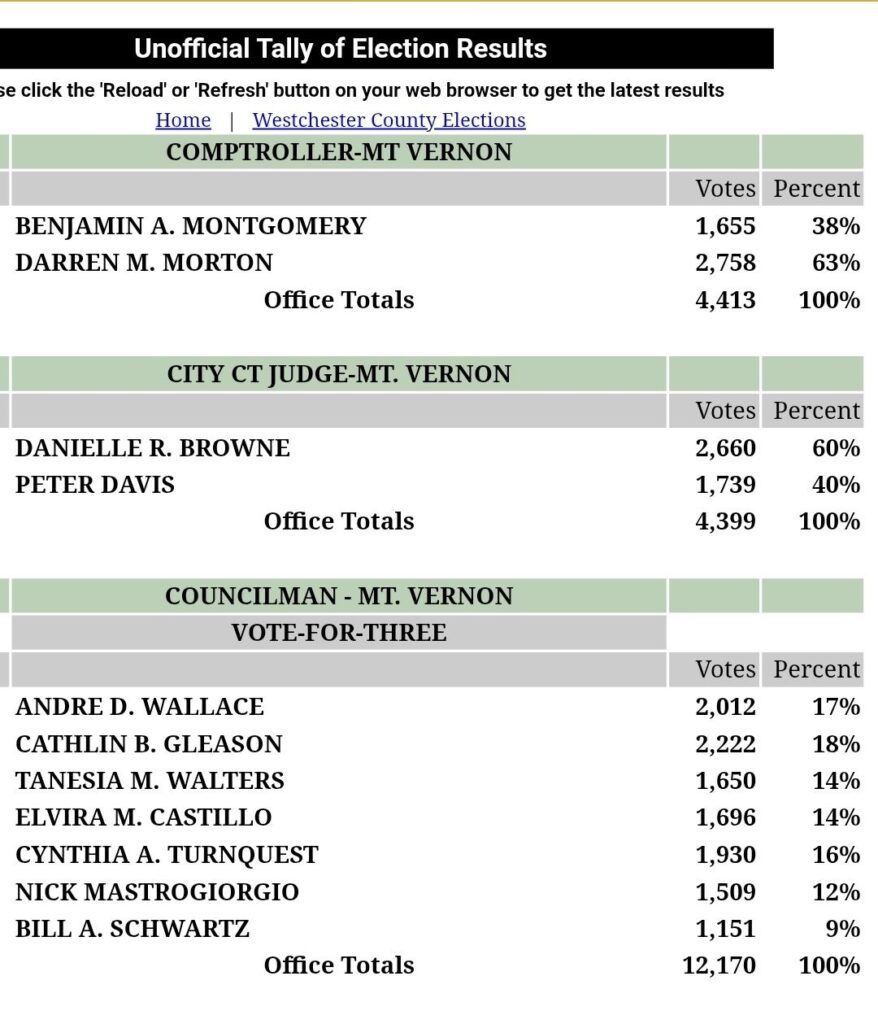
Danielle R. Browne, who made history as the youngest City Councilmember in Mount Vernon and, in 2023, became the youngest Council President and the fourth Black woman to hold the role, defeated Judge Peter Davis and will make history again as the Youngest Mount Vernon City Court Judge, with 60% of the vote (2,660 votes).
“There are many things that I could say about this election… but the most important thing is… Thank you, Mount Vernon! I love you and am grateful for your love and support,” Councilwoman Browne shared on Facebook.
Mount Vernon Comptroller Darren M. Morton won re-election, defeating challenger Benjamin A. Montgomery, receiving 63% of the vote (2,758 votes)
“Thank you to the voters of Mount Vernon for your overwhelming support in the Democratic Primary. I am honored to have the opportunity to be on the November ballot for a second term as comptroller. Together, we have made significant strides towards transparency, accountability, and fiscal stability in our city. I am committed to continuing this important work and ensuring that every dollar spent is a dollar well invested in our community,” Comptroller shared.
In the hotly contested Mount Vernon City Council race (3 seats open), Cathlin B. Gleason (2,222 votes), André D. Wallace (2,012 votes), and Cynthia Turnquest-Jones (1,930 votes) emerged victorious.
“Thank you, Mount Vernon Democrats, for continuing to believe in the work we’ve done together. As you already know, I firmly believe that only through partnership, commitment, and mutual understanding can Mount Vernon truly move forward in a way that benefits all of the people, all of the time. It is an honor to be considered your partner and a voice for the everyday citizen. Let’s keep working together to build the city we all deserve,” Gleason shared.
“I am deeply honored and incredibly grateful to have earned your confidence once again in this primary election. Winning this race is not just a personal milestone. It is a shared victory for all of us who believe in progress, equity, and community,” Wallace shared with Black Westchester. “To the residents who cast their votes, engaged in the process, and voiced their hopes for Mount Vernon’s future, thank you. Your belief in my leadership, not just this year but throughout every opportunity of my public service, has been the driving force behind our efforts. I take your trust seriously and carry it with humility and purpose.”
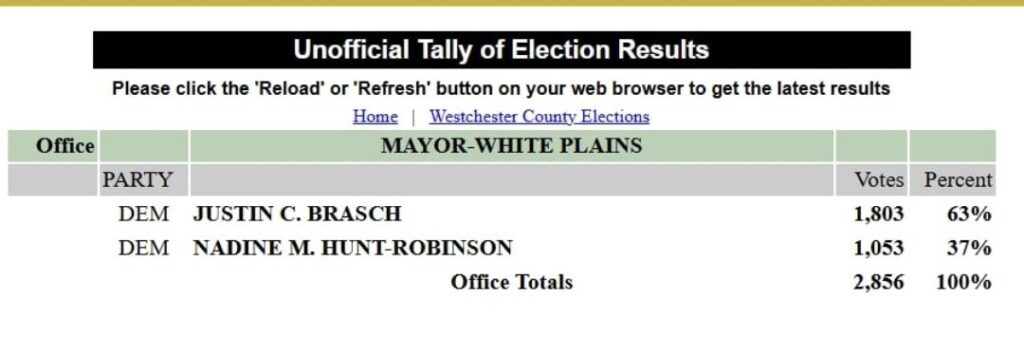
Councilman Justin C. Brasch defeats former Council President Nadine Hunt-Robinson in the Democratic primary for White Plains Mayor with 63% of the vote (1,803 votes). White Plains will have a new mayor for the first time since 2011, as Mayor Tom Roach is running for county clerk. Brasch will face Republican candidate Lenny Lolis in November.
“I’m feeling terrific. You work really hard in these campaigns, around the clock, and it’s great when you’re victorious and you can pursue your dreams to make the world a better place,” says Brasch.
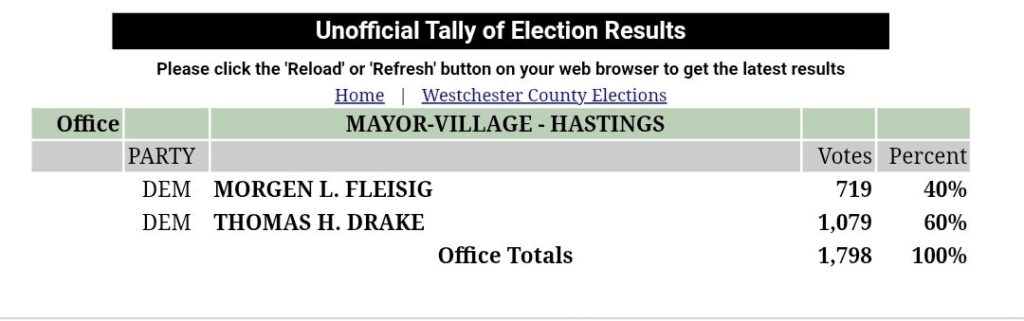
Thomas H. Drake defeated Morgen L. Fleisig in the Hastings Village Mayor race, receiving 60% of the vote (1,079 votes). Councilwoman Corazon Pinada-Issac defeated challenger Alberto Velazquez in her bid for re-election in Yonkers District 2, with 69% of the vote (699 votes).
The election results are from the Westchester County Board of Elections website and are only the unofficial tally of election results prepared in accordance with Section 9-126 of the New York State Election Law. Due to multiple transcriptions of voting machine numbers involved in preparing the unofficial tally, all results are subject to error. Furthermore, in accordance with Section 8-142 of the New York State Election Law, some of the absentee votes may not be available for inclusion in the unofficial tally.
Note: These are the unofficial results as of today. However, please be advised that these are subject to change, and there will be no final certifications until sometime in July.
Stay Tuned To Black Westchester and refresh this page as we will be updating as the results come in. To see all Westchester County Election results, go to the Board of Elections website.
In a swift and coordinated operation that underscores the Biden-Trump administration’s aggressive border enforcement policies, U.S. Immigration and Customs Enforcement (ICE) confirmed the arrest of 11 Iranian nationals over the past 48 hours.
The individuals, whose names have not been released pending legal processing, were apprehended during targeted raids in Arizona, California, and Texas—states where federal officials say foreign nationals are increasingly attempting to cross undetected. The arrests come just days after President Donald Trump announced a controversial ceasefire deal between Israel and Iran, adding fuel to geopolitical tensions already spilling into domestic enforcement policy.
According to ICE spokesperson Nicole Mendoza, “These arrests were part of an ongoing national security effort to ensure that individuals from countries of interest are properly vetted before entering the United States. The risk posed by unchecked migration from adversarial nations remains a serious concern.”
Homeland Security officials report that over 1,200 individuals are being detained daily this month alone, with internal goals to ramp up detentions to 3,000 per day by the end of the summer. While critics argue that this represents a return to Trump-era immigration tactics, supporters within the administration maintain it is a necessary response to what they call a “deliberate sabotage of America’s borders” under the previous administration.
Notably, the detentions of the Iranian nationals come at a time when fears of foreign infiltration and sleeper cells have resurfaced. “This is not just about immigration—it’s about intelligence,” said former CIA analyst Mark Penn. “We’ve known for years that the southern border has become a vulnerability point not just for economic migrants, but for state-sponsored actors.”
Civil rights advocates are already raising concerns about racial profiling and due process. “This has all the markings of a political show of force,” said Farah Ghaznavi, a human rights attorney based in Los Angeles. “We need transparency on how these individuals were identified, what legal protections they’re being afforded, and whether these actions are grounded in actual evidence.”
The Department of Justice has not yet stated whether any of the 11 face terrorism-related charges, but sources indicate the FBI is conducting parallel investigations.
Larger Political Implications
This incident is expected to be used as a rallying cry among Trump’s base, many of whom have demanded stronger enforcement in the wake of Middle Eastern tensions. But it also places pressure on Democrats—particularly those from border states—who now find themselves navigating between civil liberties and national security optics in an election year.
With rising global instability and a resurgent focus on “America First” policies, these arrests mark a sharp escalation in immigration enforcement and an early sign of how foreign policy may directly shape domestic politics heading into 2026.
Black Westchester will continue to monitor developments.
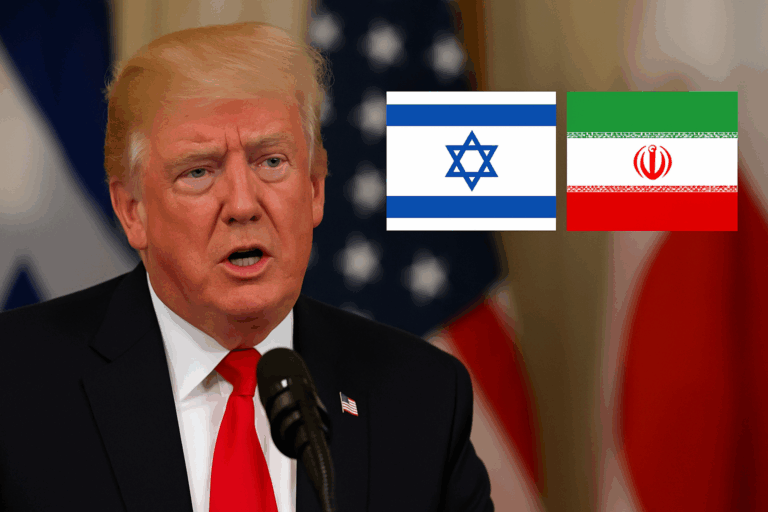
In a fiery and unfiltered press exchange, former President Donald Trump expressed strong disapproval of Israel’s military retaliation in the hours following a fragile ceasefire agreement, calling their response “unnecessary” and “excessive,” despite a single rocket allegedly fired by Iran after the deal took effect.
“I didn’t like the fact that Israel unloaded right after we made the deal,” Trump told reporters. “They didn’t have to unload. I’m not happy with Israel either.”
Trump said the ceasefire agreement was a major breakthrough in Middle East diplomacy, one he expected would usher in a “new dawn” for the region. But he criticized both Israel and Iran for failing to deescalate. “We both violated it,” he said. “I don’t think they [Iran] did it intentionally… but Israel went out this morning, and I’m going to try and stop it.”
He suggested Israel’s decision to launch a major offensive in response to a lone rocket—reportedly fired after the agreed-upon ceasefire deadline—was unwarranted and risked unraveling diplomatic progress. “You don’t go out in the first hour and just drop everything you have on them,” he said, adding that “one rocket that didn’t land” shouldn’t have justified such a large military response.
When pressed on Iran’s intentions, Trump said he still believes the country is committed to peace, even acknowledging they violated the deal. “I’m not happy with Iran either, but I’m really unhappy if Israel is going out this morning because of one rocket… that was perhaps a mistake.”
Trump then delivered one of his most blunt and revealing statements of the press conference:
“You know what we have? We basically have two countries that have been fighting so long and so hard that they don’t know what the f— they’re doing. Do you understand that?”
He also defended the U.S. military operation against Iran’s nuclear facilities, praising B2 bomber pilots for a “precision job” that he claimed completely demolished the site. He blasted CNN and MSNBC—referred to as “MSDNC”—for allegedly downplaying the effectiveness of the strikes. “CNN is scum. MSDNC, same thing. Gutless losers,” he said, accusing the networks of trying to undermine the military’s success.
Despite the outburst, Trump emphasized the broader shift in the Middle East, particularly pointing to improvements for women in the region and economic reforms in Saudi Arabia. He reaffirmed his desire for long-term stability and reiterated that he would be addressing the situation further after his upcoming NATO meeting.
As tensions remain high between Israel and Iran, Trump’s comments highlight the growing fractures within U.S. policy toward its Middle East allies. His critique of Israel’s actions is rare for an American political leader—especially one who has previously enjoyed strong support from the Israeli government.