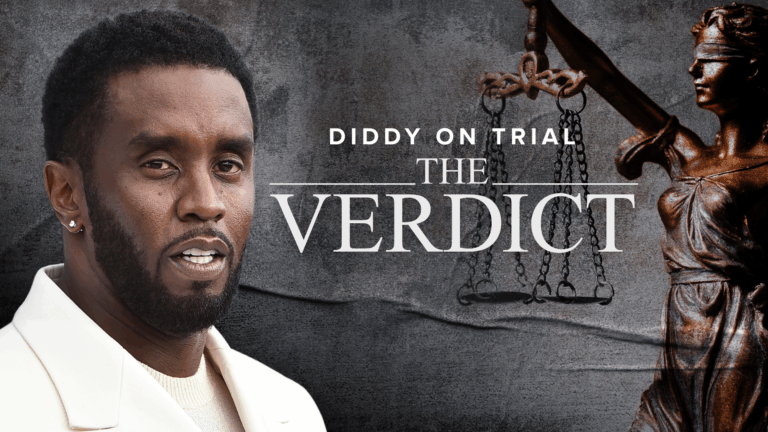
Sean “Diddy” Combs was found guilty this morning of two counts of transportation to engage in prostitution — the counts that carry the least severe penalty.
After being found guilty of prostitution-related offenses, Sean “Diddy” Combs was cleared on Wednesday of sex trafficking and racketeering counts that would have permanently imprisoned the Hip-Hop rapper, record producer, and executive.
Sean Combs to remain in custody as he awaits sentencing
The defense requested that Combs be released today on a $1 million secured bond while he awaits sentencing, subject to the conditions that he surrender his passport and limit his travel to specific jurisdictions in California, Florida, New York, and New Jersey. But the federal judge denied Diddy’s request to be released on bond, and he will remain at the Metropolitan Detention Center in Brooklyn until his sentencing.
On the third day of the deliberations, the outcome was mixed. Combs is facing up to 20 years in prison, since the maximum sentence for each of the transportation counts is 10 years. Moments after the verdict was read, Combs fell to his knees and prayed in court, leaning on his chair.
When they declared that first not guilty, Diddy pumped his fist. He pounded his fist when the jury foreperson, or juror number five, read the verdict instead. His family erupted in raucous celebration when the verdict was pronounced and the judge and jury had all left the courtroom.
In the courtroom on Wednesday were Combs’ mother, his three children, his sons, as well as other family members, friends, and supporters. All they were doing was applauding. He was giving a clap. Additionally, the fact that he is once more by the defense table makes for an intriguing image. He can’t just go up and hug them. He does not have freedom. Two of the five counts resulted in his conviction. Outside the court, Combs’ mother expressed her approval.
Diddy’s family reacts outside the courthouse following the verdict
The jury’s acquittal of Combs on the more serious charges, according to former Assistant District Attorney Julie Grant, may have been since the jury did not find sufficient evidence to convict Combs of those crimes.
“For whatever reasons, the men and women on the jury did not find there was enough evidence to prove these crimes in that federal court of law,” Grant told CNN.
That being said, Grant added, “It doesn’t mean it didn’t happen.”
Some are speculating that his career as a successful music executive, fashion designer, brand ambassador, and reality TV personality is probably coming to an end.
Before Combs was arrested and charged, his major business ventures had collapsed: He stepped down and later fully divested from Revolt TV, which was founded in 2013. The network offered a mix of programming focused on hip-hop culture, R&B music, social justice, and documentaries.
He also reportedly lost a Hulu reality series deal and saw his once-iconic fashion brand Sean John vanish from Macy’s shelves.
After surveillance footage surfaced last year showing Combs physically assaulting singer Cassie, his then-girlfriend, in 2016, consequences mounted: Peloton pulled his music, Howard University rescinded his honorary degree, and his charter school in Harlem cut ties.
Last year, Combs settled a legal dispute with Diageo, relinquishing control of his lucrative spirits brands, Ciroc and DeLeón. While many of his ventures have unraveled, his music catalog — for now — remains intact.
Numerous individuals who allege to have experienced physical or sexual abuse have filed lawsuits against Combs. He has previously settled with one complainant, Cassie, his ex-girlfriend, for $20 million. However, the majority of those cases remain unresolved. The number of winning cases, if any, and the expense of Combs’ legal defense are unknown. Combs and his attorneys have refuted all of the accusations of misbehavior and written off his accusers as greedy.
Federal prosecutors had informed the court that if Combs is convicted, they would seek to have him forfeit any assets, including property, “used to commit or facilitate” his crimes. It was not immediately clear following the verdict how prosecutors would proceed or whether asset forfeiture would be part of a sentence imposed by the judge.
Combs is facing numerous lawsuits, including allegations of sexual assault and rape, regardless of the criminal case’s verdict. Combs has accused several plaintiffs of seeking short-term “paydays,” but he has refuted these claims.
Stay tuned to Black Westchester for more on this developing story.
Days that don’t just shift your calendar, but shift your consciousness.
Days that enter you quietly, but leave you changed.
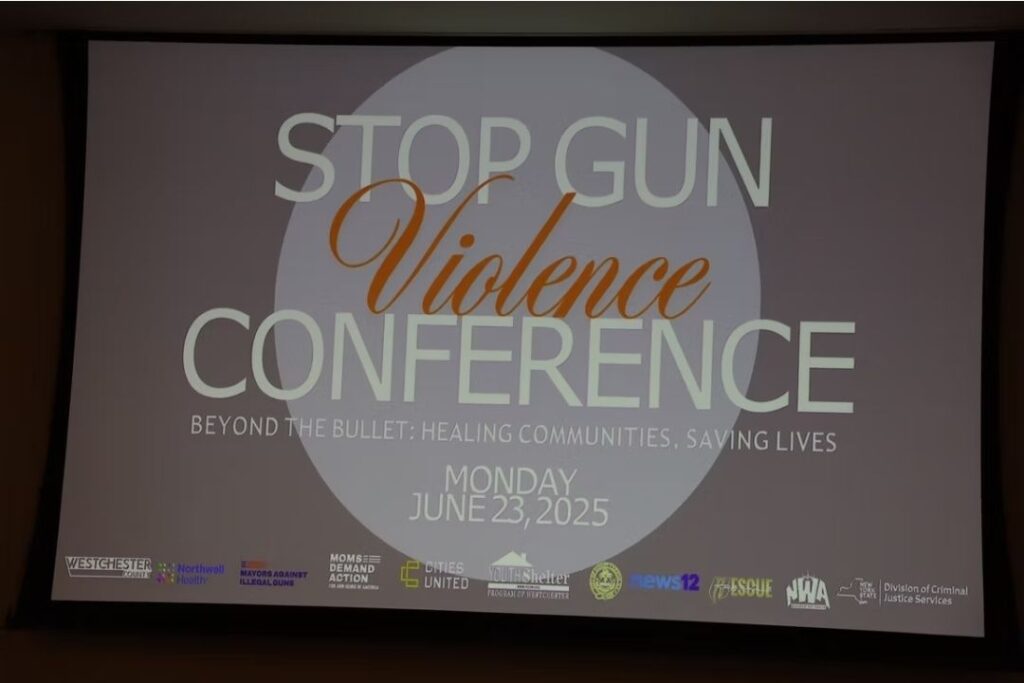
Monday, June 23rd, 2025, was one of those days.
Not just for the attendees. Not just for the organizers.
But for the soul of Westchester County itself, etched like a prayer whispered between generations.
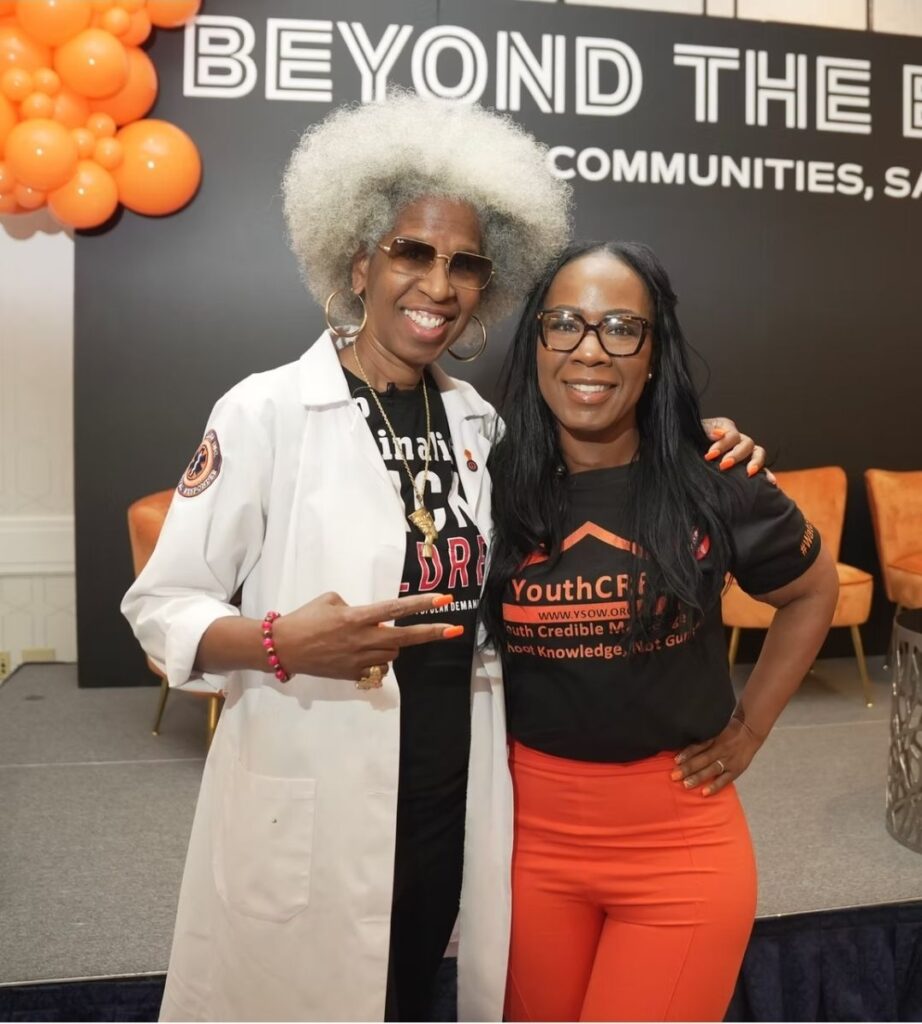
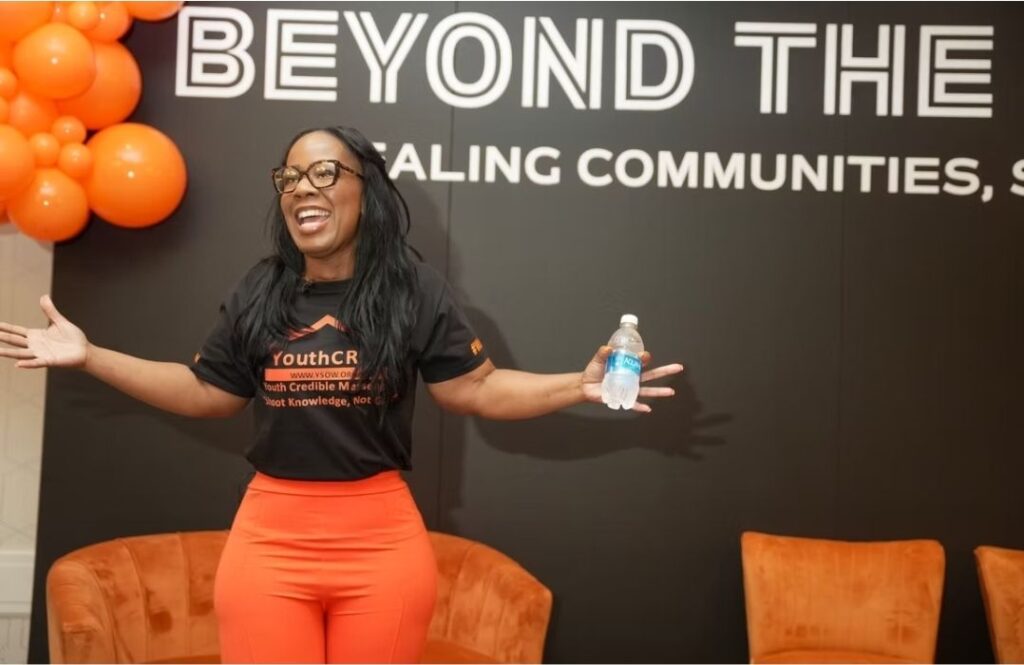
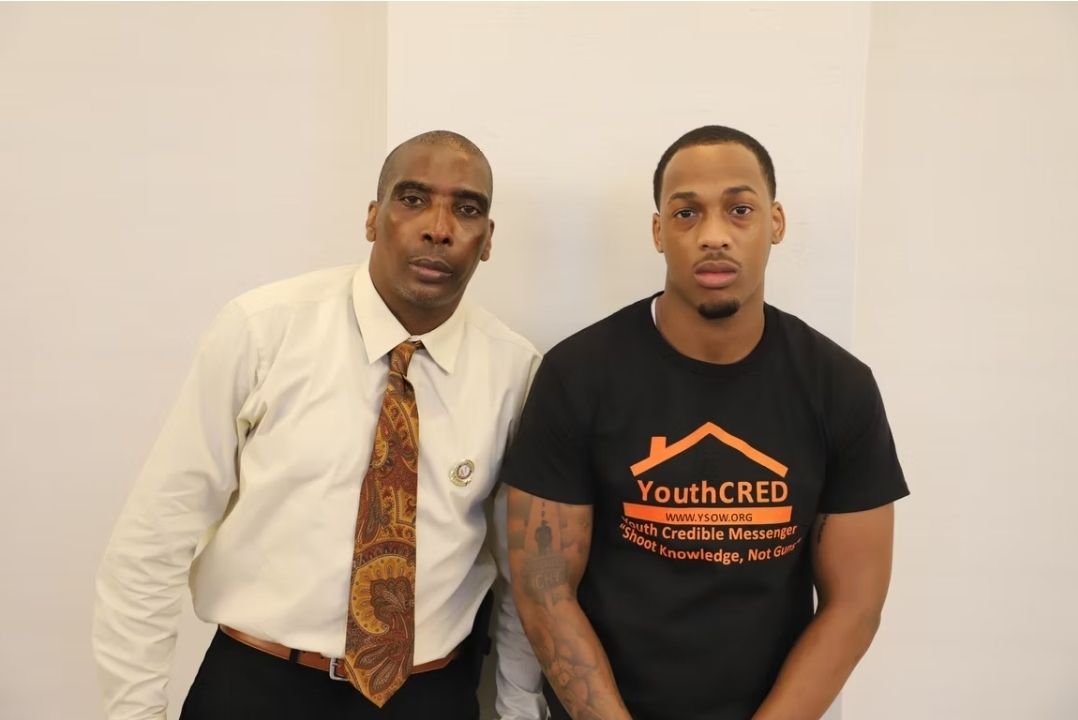
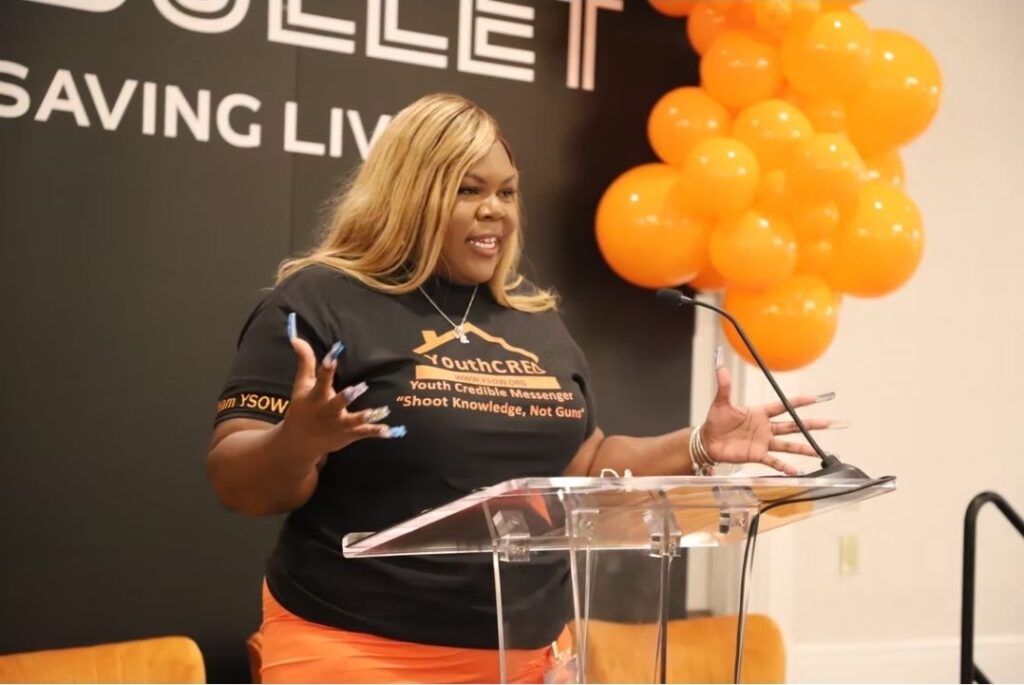
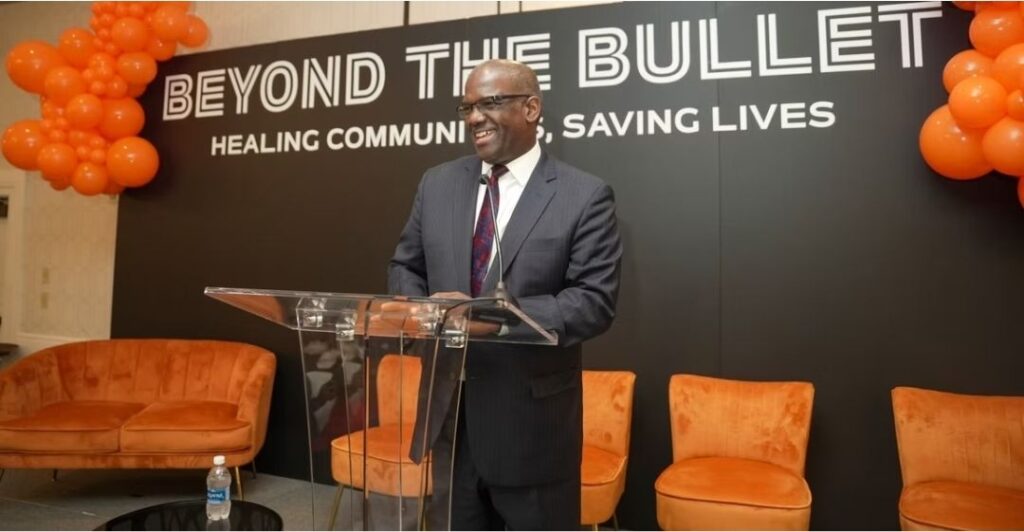
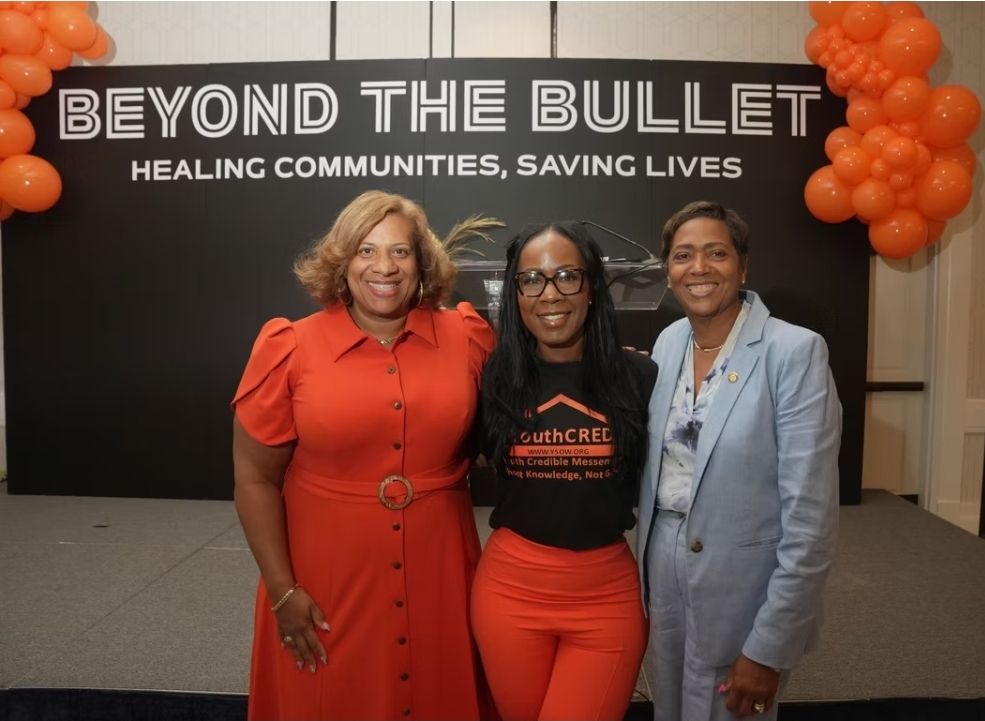
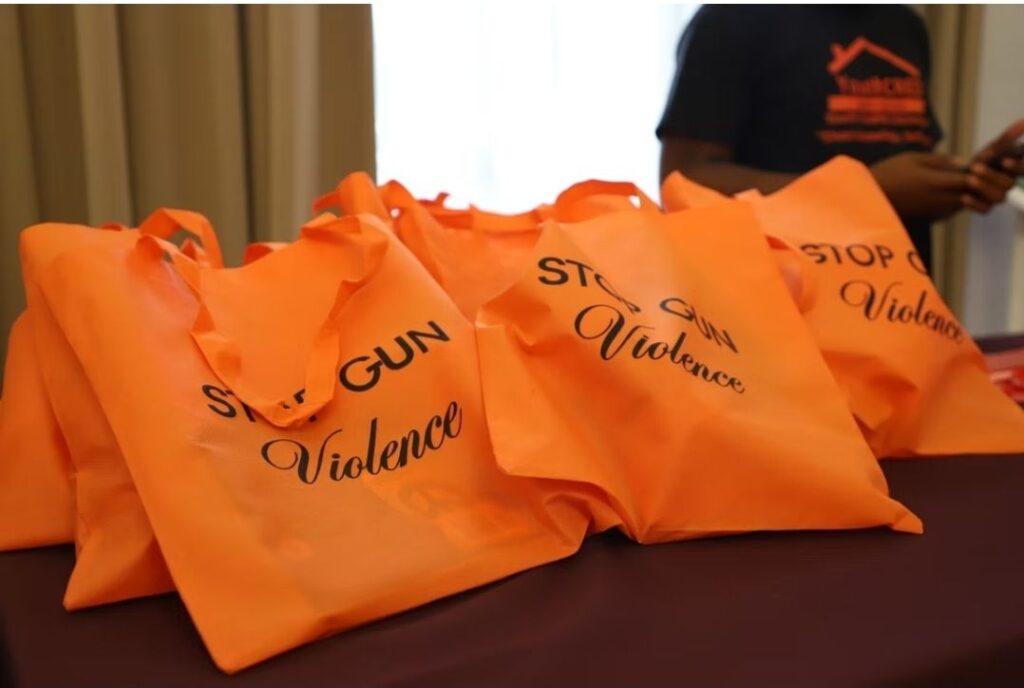
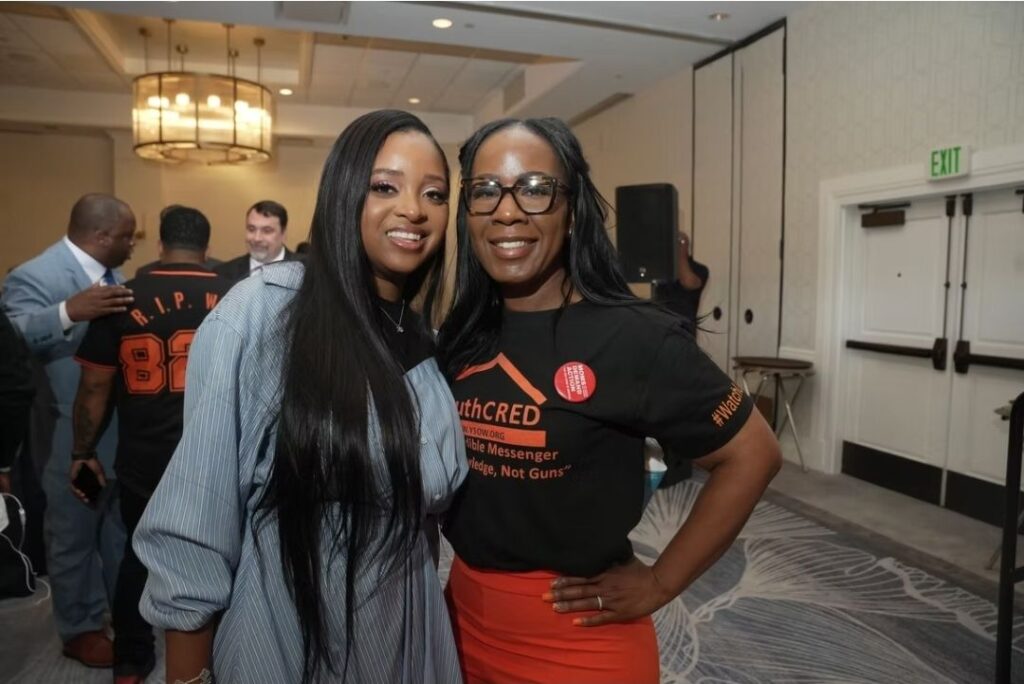
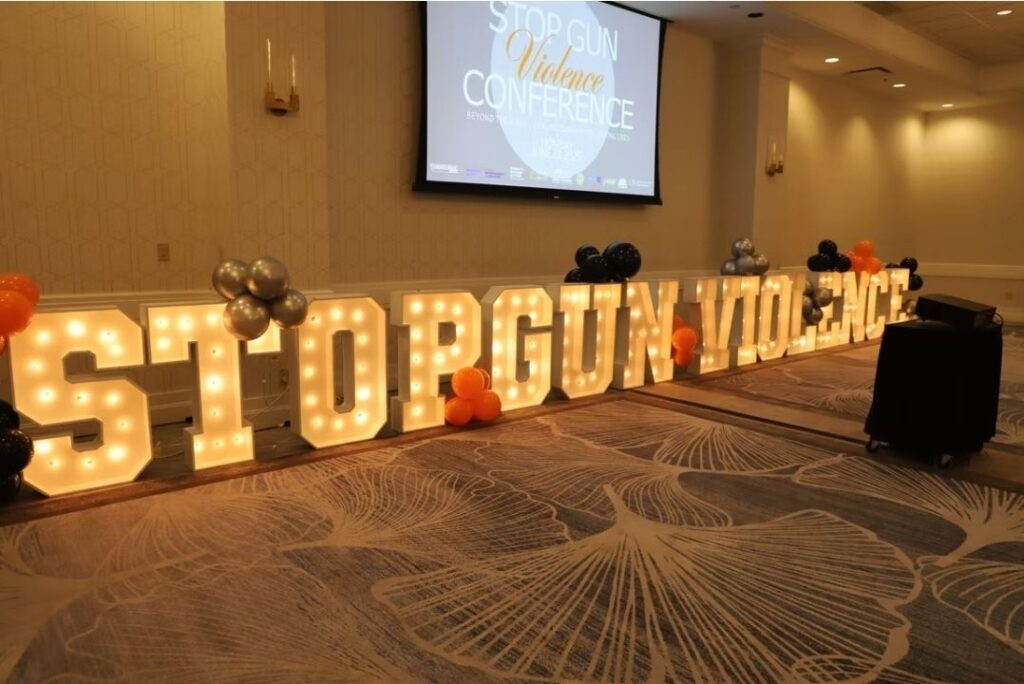
At the Sonesta Hotel in White Plains, the Youth Shelter Program of Westchester (YSOW) did more than host a conference.
They conjured a portal.
A space that didn’t just ask us to listen, it demanded that we feel.
A space that held our rage without shame, our tears without rush, and our dreams without apology.
They built a room where grief was honored, healing was possible, and justice wasn’t abstract, it was embodied.
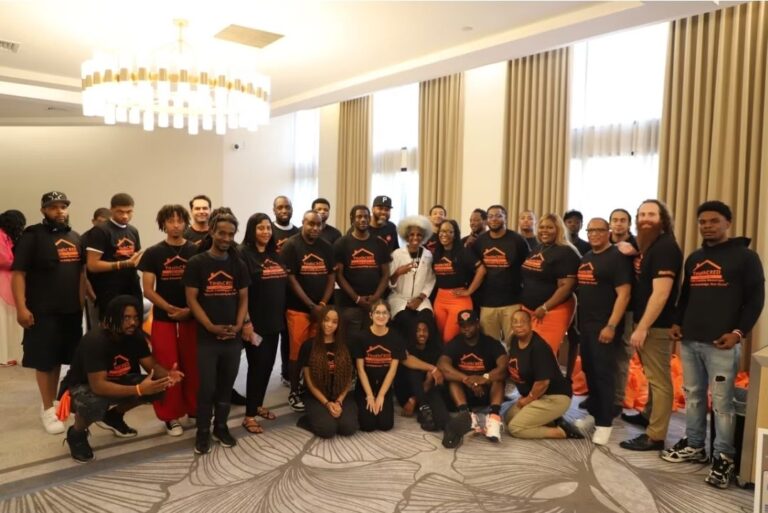
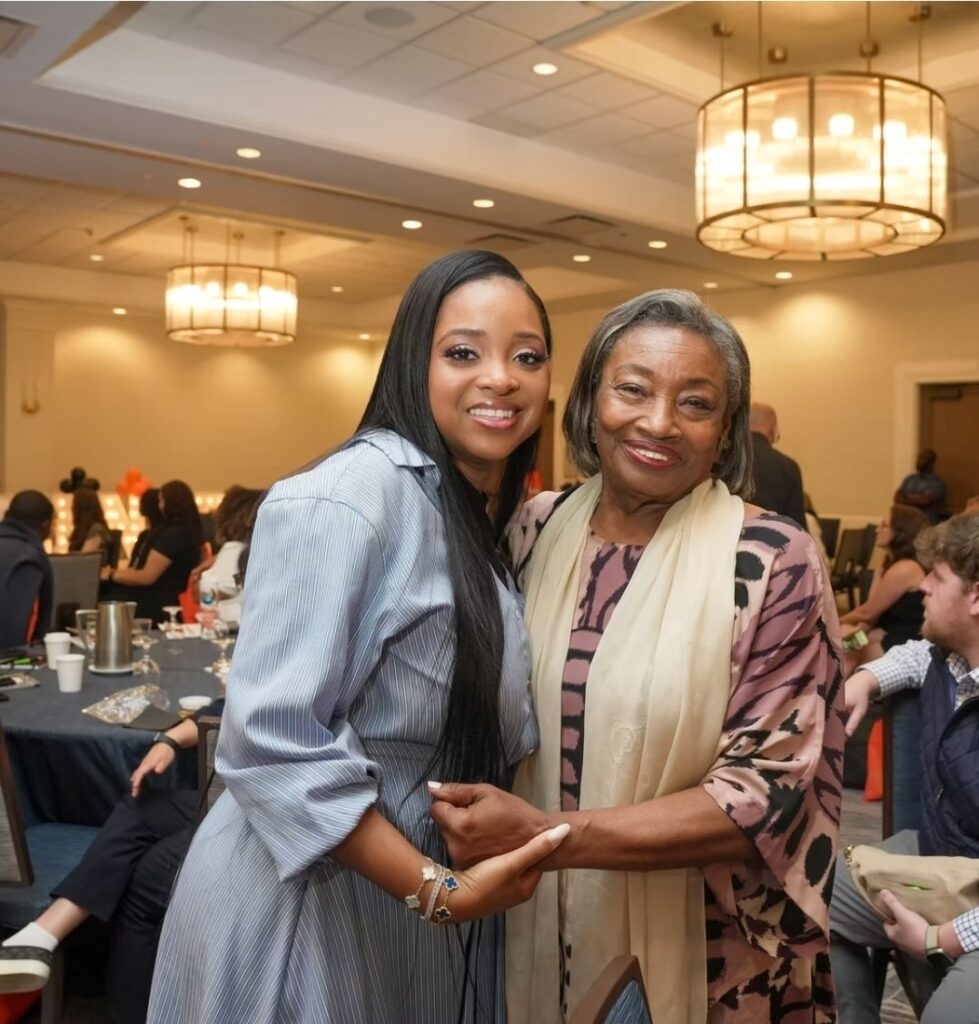
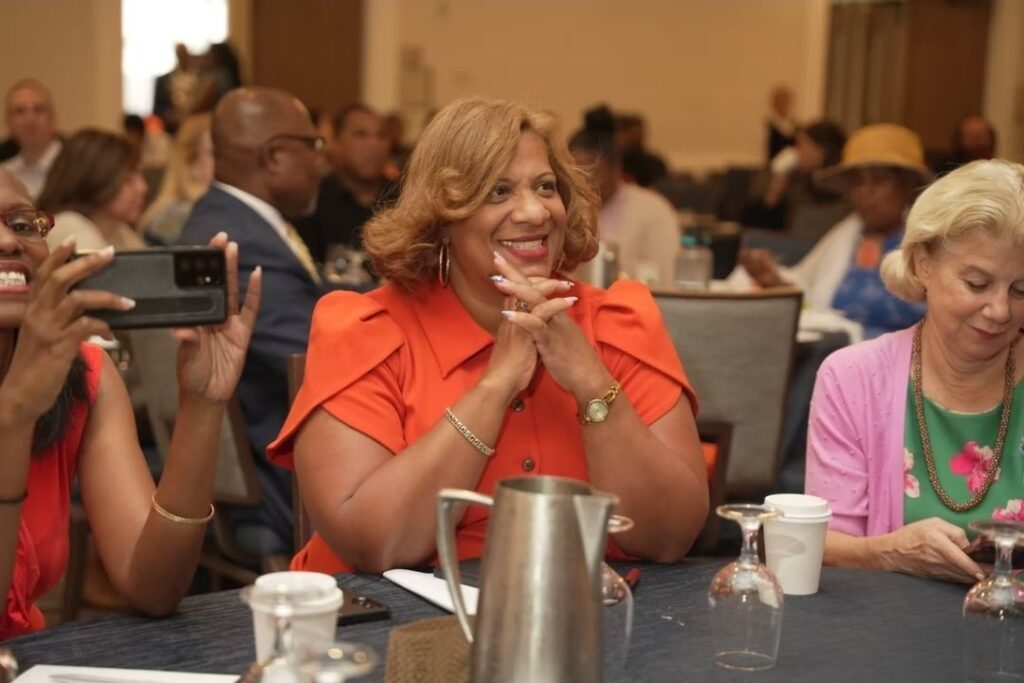
More than 300 people filled the space that morning.
Activists. Educators. Youth. Elders. Survivors. Systems workers. Spiritual workers.
But what we walked into wasn’t just a ballroom.
It was a living altar.
A consecrated space.
A sonic, spiritual, and emotional container big enough to hold the weight of what we’ve lost and the magnitude of what we’re still here to create.
It was an offering.
To the names we’ve chanted and the ones we’ve whispered.
To the mothers who keep showing up with broken hearts and brave faces.
To the young people who have learned to mourn before they’ve even learned to vote.
To the neighborhoods that deserve more than sirens and shutdowns.
To the future that keeps calling us back to the work.
What YSOW built that day wasn’t a moment, it was a blueprint.
For how we gather.
For how we grieve.
For how we organize.
For how we heal.
And Westchester didn’t just show up.
We answered the call.
A Sacred Shift in the Narrative
We’ve gotten too used to counting bodies.
Too used to rewriting birthday plans into funeral arrangements.
Too used to living in neighborhoods where the sirens are more consistent than the solutions.
Where trauma becomes routine, and grief wears no expiration date.
But that day, we paused.
Not out of obligation, but out of sacred urgency.
We grieved out loud. We named names that still echo in our marrow.
We made room for both tears and testimony.
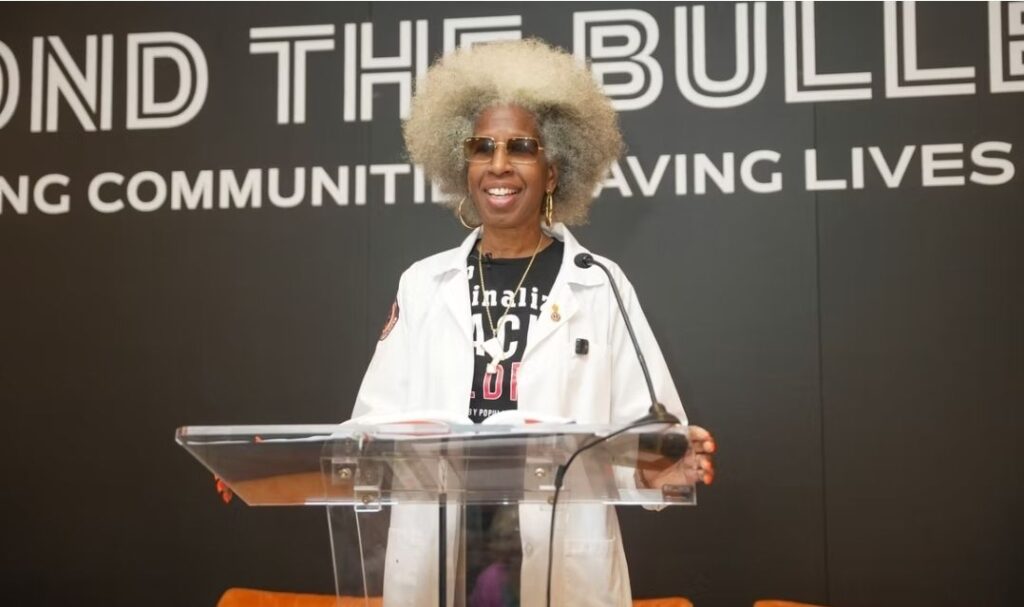
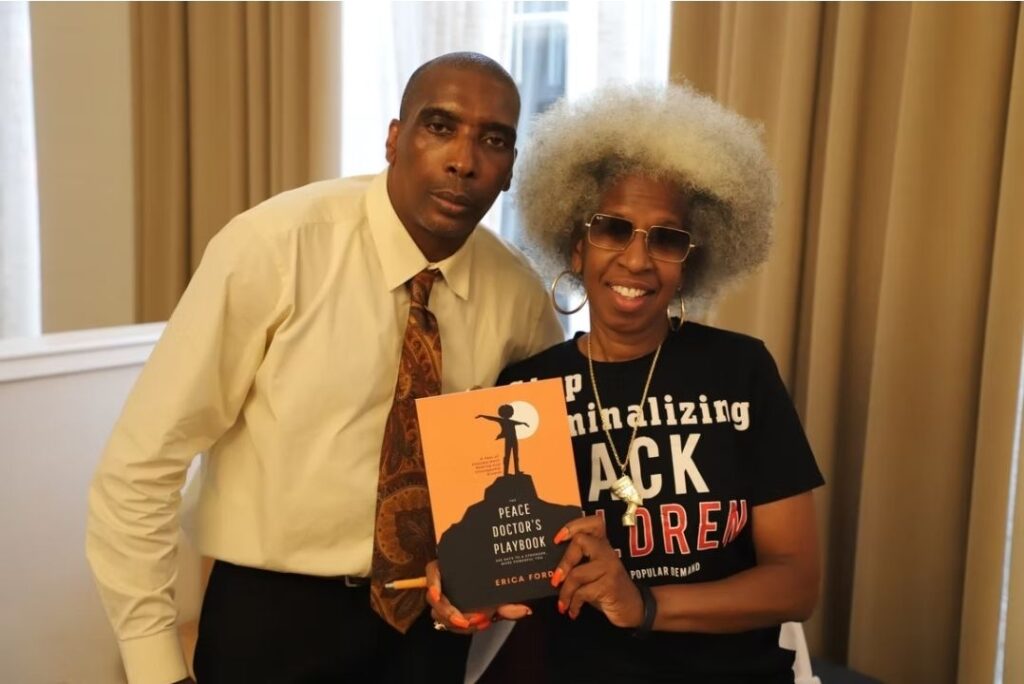
Dr. Erica Ford, with the grounded fire of a healer and the clarity of a revolutionary, took the mic and cracked something wide open in us.
Not just with facts. Not just with vision.
But with remembrance.
“You are not broken,” she said.
“You are burdened. And you deserve to be unburdened.”
The room didn’t just hear it, we exhaled it.
Some for the first time in years.
Her voice became a balm, smoothing over rough edges carved by systems that never saw us fully.
It was part gospel, part grounding, part grandmother-tongue.
a call to return to ourselves.
And it wasn’t a keynote.
It was a calling back to our sacred worth.
To our right to joy. To our right to feel safe in our bodies, in our blocks, in our homes.
Dr. Ford reminded us that healing isn’t a luxury.
It’s an act of resistance.
And it belongs to us.
More Than Panels, We Had Prophets
Tara Rosenblum, a familiar face from the evening news, stepped out of the role of reporter and into something far more intimate truth-teller. She didn’t just moderate. She offered herself.
Her voice wavered, not from nerves, but from knowing.
Knowing the weight of stories that never make the air. Knowing that journalism, at its highest form, is a ministry of memory.
That day, Tara reminded us: storytelling is sacred work.
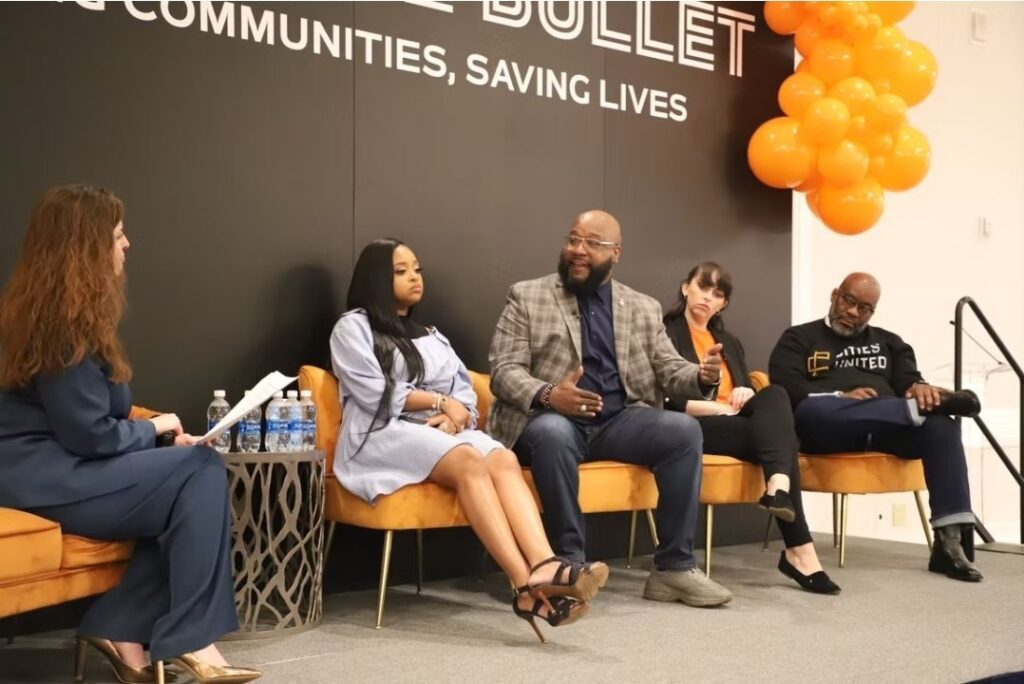
Then came the panel.
But don’t get it twisted, this wasn’t your typical lineup of “thought leaders.”
This was soul fire.
This was testimony.
This was the kind of gathering that shifts frequencies in a room. You could feel it. A stillness. A grounding. A collective lean-in.
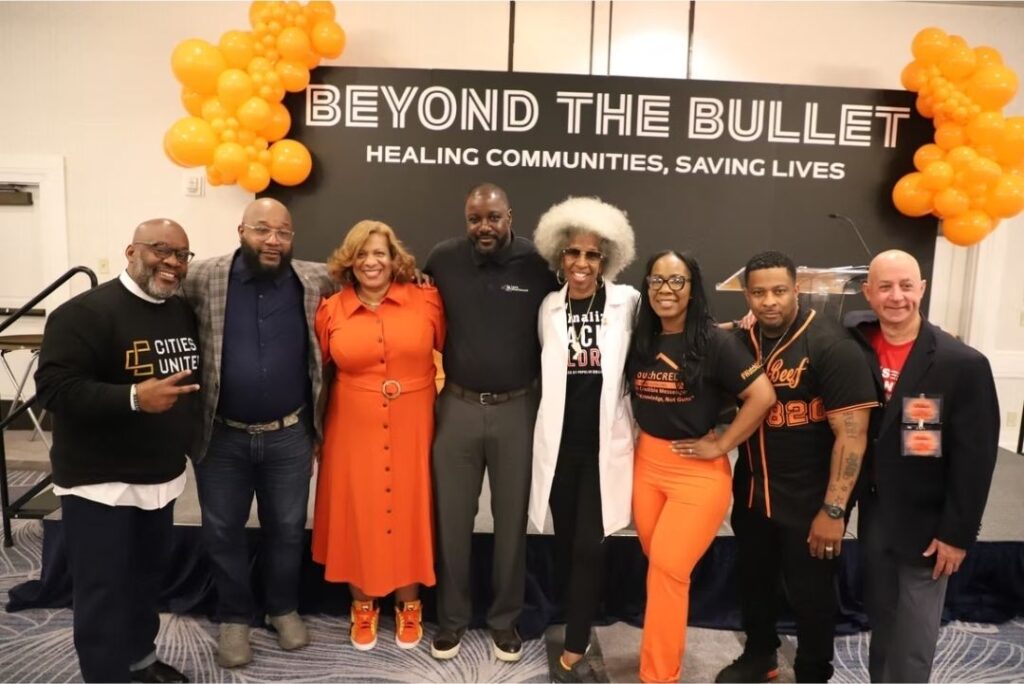
Anthony Smith, representing Cities United, offered strategy with a backbone. Not theory, lived insight.
Emma Cornell, rooted in White Plains, brought the complexity of local policy and how it lands on real bodies.
Dr. Chico Tillmon, fresh from the streets of Chicago, delivered the kind of raw, unfiltered truth only someone who’s survived the very violence we’re fighting against could offer.
Dr. Tamika D. Mallory, prophetic as ever, broke it all the way down. With fire and clarity, she named what so many have carried in silence.
“Violence don’t just start with the bullet,” she said.
“It starts with disinvestment. It starts with silence.”
And when she said it, the room breathed differently.
Because we knew.
We’ve seen school budgets slashed while police budgets soar.
We’ve watched playgrounds rot while prisons expand.
We’ve watched entire communities be called “dangerous” while their needs are ignored.
This wasn’t panel talk.
It was, we’ve buried too many talk.
It was, i’m tired of writing eulogies and press releases talk.
It was, we are not waiting on legislation to save us talk.
What happened on that stage wasn’t just informative, it was transformative.
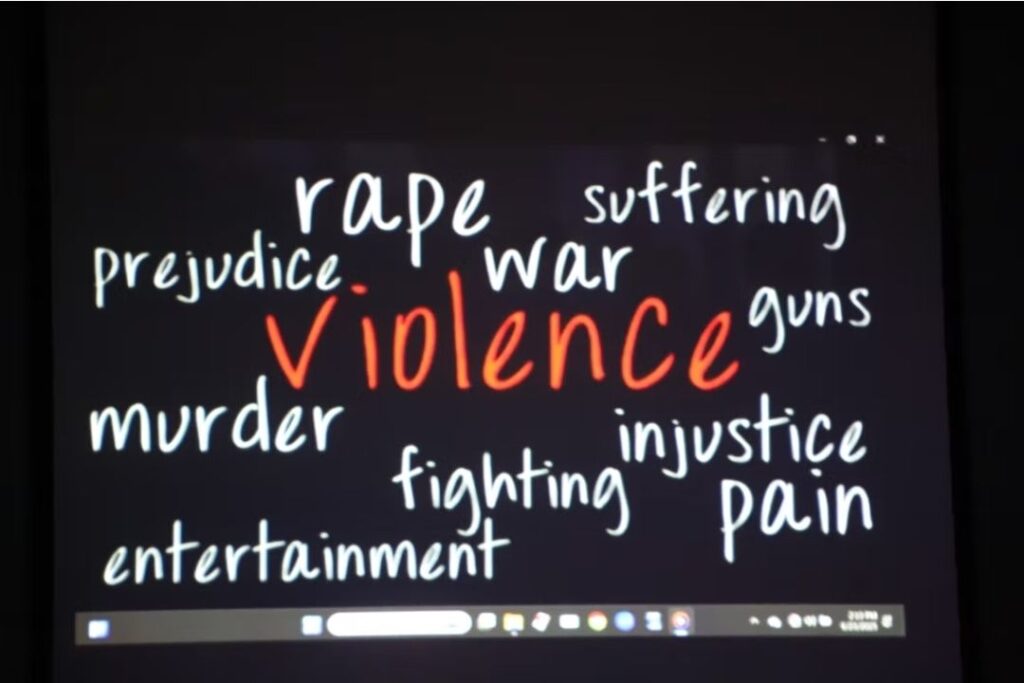
It gave the room a new vocabulary for violence and a new vision for justice.
Not performative justice.
Not charity justice.
But power-rooted-in-people justice.
We Danced. We Ate. We Held Each Other.
At lunchtime, something sacred happened. The Main Ballroom didn’t just serve food; it became a sanctuary.
The DJ knew exactly what the spirit needed, spinning tracks that felt like warm memories, Mary, Frankie, a little Lauryn.
A mother danced with her son in slow rhythm, his little arms wrapped tight around her waist. An elder stood alone, eyes closed, shoulders rocking gently to the beat, like she was swaying with the ancestors themselves.
Laughter moved freely between tables. Strangers became play cousins. It was a pause from survival and a taste of freedom.
But upstairs was only half the story.
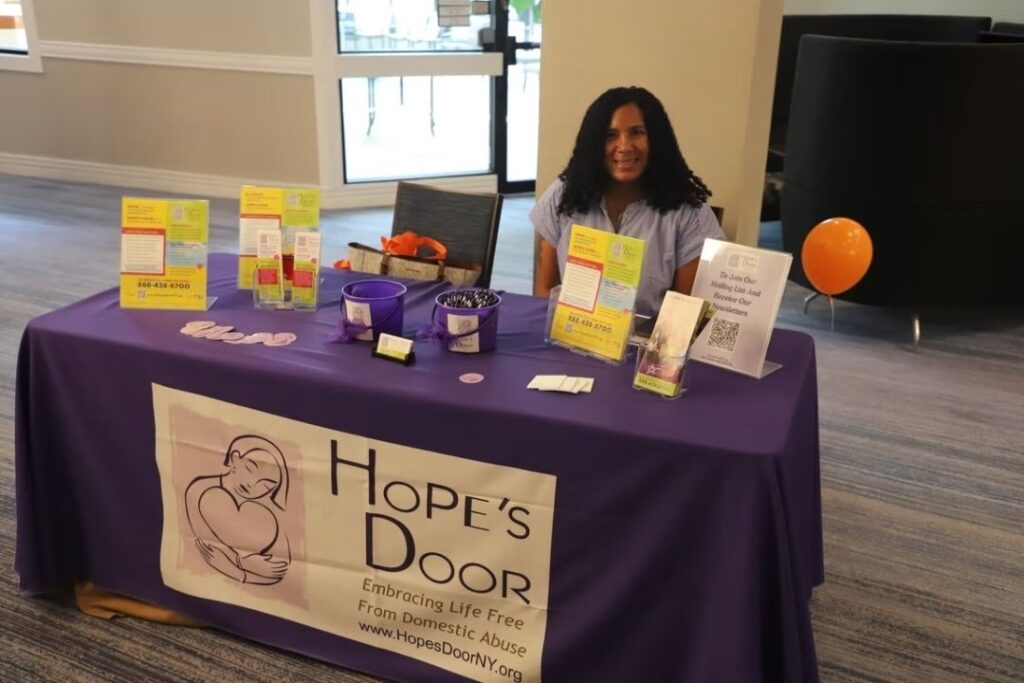
Downstairs, the vendors transformed the lower lobby into a living tapestry of Black and brown wellness, each table a portal, each practitioner a vessel.
They weren’t just selling products.
They were sharing practices. Rituals. Remedies. Language. Love.
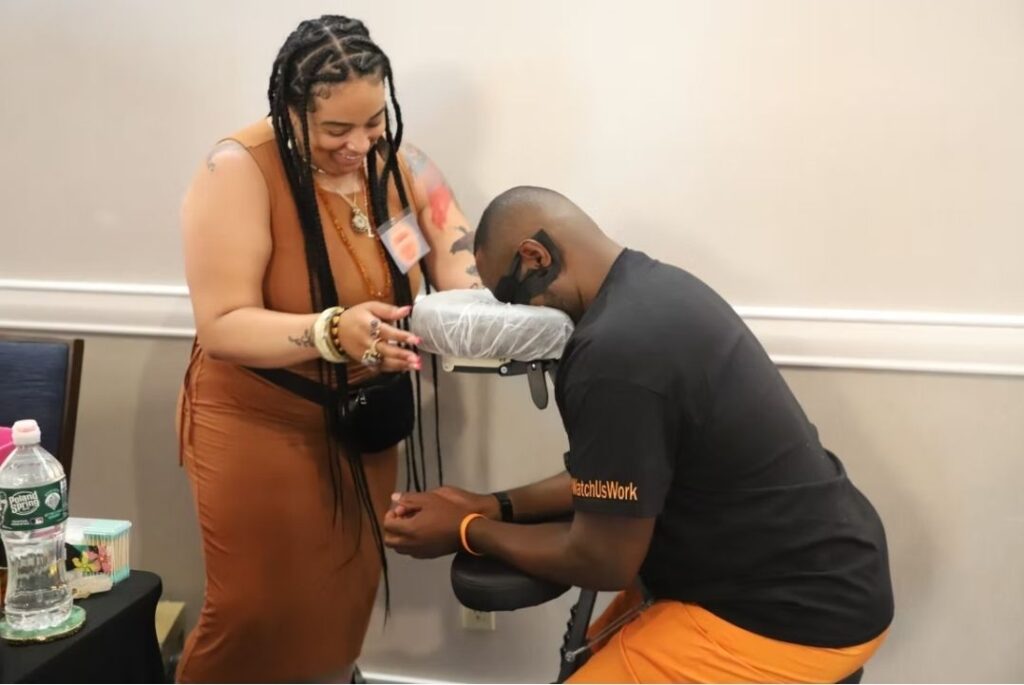
Massage chairs offered nervous system resets, where people melted into the moment and remembered how it felt to be still.
Reiki practitioners and herbalists guided people back to their breath, back to their body, with oils, and touch that honored ancestral knowing.
Artists and therapists held space for people to rewrite the stories that trauma tried to narrate for them.
This wasn’t self-care as a trend. This was community care as a return.
Return to the body. Return to connection. Return to self.
People didn’t leave these tables with just flyers and samples; they left with frameworks.
New words to name what they were feeling.
New techniques to soothe what they were carrying.
And perhaps most importantly, new permission to claim healing in a way that felt true to them.
Whether it was lavender sachets tucked into bags or affirmations whispered between sisters, healing became tangible, not theoretical.
It didn’t require a diagnosis. It didn’t wait for a prescription.
It simply required presence and the courage to say: I’m worth this.
That hour wasn’t a break from the work. It was the work.
It reminded us that healing is not a luxury.
It’s a birthright.
And when rooted in culture, connection, and care, it becomes contagious.
A Collective Closing: Honoring the Grief, Holding the Vision
As the final hours approached, the energy in the room softened, not from fatigue, but from fullness. We had listened, learned, unlearned, and remembered. And now, we were being asked to return to ourselves, and each other.
There was no formal altar. No candlelit ritual.
But there was a sacredness in the air.
Some of us stood quietly near the exits, hands holding bags and brochures, hearts holding so much more. Others stayed seated, still processing what was stirred.
A few hugged strangers who didn’t feel like strangers anymore.
The day didn’t close with a spectacle. It closed with presence.
And in that quiet, something was released.
Some released a word they’d been carrying.
Some released tension they didn’t know was there.
Some released the myth that healing is only for those who haven’t been harmed.
We had arrived as individuals with pain.
We left as a community with purpose.
And while there may have been no glass wall or spoken testimonies in that final hour, the truth still stood:
We are not just surviving gun violence, we are outliving it.
With joy. With clarity. With each other.
This Is What Westchester Needs More Of
Let’s be honest: Westchester wears a mask.
It’s the county of mansions and mortgages, Ivy League pipelines and country clubs.
But peel back the postcard, and you’ll find something else:
Wounds that whisper through Mount Vernon, Yonkers, Peekskill, Port Chester.
You’ll find public housing one exit away from private golf clubs.
You’ll find school districts divided not by ability but by zip code and zoning.
Beyond the Bullet stripped that mask away, not with shame, but with truth.
It didn’t ask for perfection.
It demanded presence.
This wasn’t about politics.
It was about people, their stories, their healing, their brilliance that has too often been buried under bureaucracy.
It wasn’t about checking boxes on a grant report.
It was about burning the box down and building something that fits our lives, our rhythms, our healing journeys.
This conference didn’t pretend Westchester doesn’t have the resources.
It asked why they’re not always reaching the people who need them most.
And it wasn’t performative.
It was prophetic.
Because healing isn’t just soft work, it’s strategic work.
And the people who showed up that day, they came to do both.
Mayor Shawyn Patterson-Howard said it best:
“This isn’t a moment. This is a movement. And it’s rooted in healing.”
And that’s what Westchester needs more of:
Not more meetings, more mosaics of movement.
Not more speeches, more spaces to be seen.
Not more policing, more presence.
Because when we center healing over harm,
When we remember that safety is a birthright, not a budget line,
We don’t just change narratives, we change futures.
A Love Letter to Our Future
YSOW didn’t just organize an event.
They opened a portal.
They reminded Westchester and the world that when we lead with truth, tenderness, and transformation, we create more than programs.
We create possibility.
They gave us a glimpse of what happens when the work is not just reactive, but rooted.
Not just grant-funded, but spirit-fueled.
Not just community-based in name, but community-born in every breath.
This wasn’t a day to check in.
It was a day to check ourselves and see that everything we need is already here.
We saw youth not just speaking at the mic, but leading the room.
We saw survivors not just surviving, but teaching us how to live again.
We saw wellness not as an afterthought, but as the framework.
We saw policy meet poetry, and data meet drumbeat.
And now?
We owe it to ourselves and to each other, to keep building what we saw that day:
Youth-centered, not just youth-involved
Healing-driven, not harm-managed
Community-rooted, not system-reliant
Because we’re not just beyond the bullet.
We’re beyond the fear that told us we couldn’t gather like this.
We’re beyond the silence that choked out our grief.
We’re beyond waiting for someone else to fix it.
We are not broken.
We are building.
We are not lost.
We are locating ourselves in each other.
We are not alone.
We are the answer.
This wasn’t just a conference.
It was a love letter to our future.
And if we’re brave enough to re-read it, to re-live it, to re-commit to it.
Westchester will never be the same again.
For every life lost. For every dream deferred. For every community ready to rise, this is for you.
The recent letter from Kenny Plummer’s resignation as District Leader of the Mount Vernon Democratic City Committee comes at a time when serious questions are being raised—not just about his public statements, but about the behind-the-scenes political influence he wielded and the developer dollars that helped drive it. While Plummer attempts to frame his exit as a gesture of unity, the truth is much deeper: it follows an ethics complaint, growing scrutiny of the Rise Up Mount Vernon PAC, and public outrage over the role of developer-backed politics in shaping a city that continues to suffer.
Even more troubling is the question of whether Kenny Plummer was ever legally eligible to serve as District Leader in the first place. Under New York Election Law § 6-122, candidates for party positions—such as District Leader—must be bona fide residents of the Assembly district they seek to represent. This requirement is not symbolic—it’s a legal mandate to ensure local leadership reflects the will of the people actually living in the district.
By his own admission, Plummer splits his time between White Plains and Mount Vernon. And while he may have held a lease or utility bill in Mount Vernon, that alone does not establish legal residency or domicile. In New York, domicile is defined by where a person actually lives with the intent to remain. Simply put, it doesn’t matter if your name is on a lease or if the lights are on in an apartment—if it’s not your true, permanent home, it doesn’t meet the standard.
This apparent violation of the residency requirement not only undermines the integrity of his position, but it also suggests Plummer misled both the party and the public. Ultimately, the legal and ethical pressure surrounding this issue forced him to resign, casting a shadow over the political judgment of those who allowed it to happen in the first place
Plummer’s political activity, especially through the Rise Up Mount Vernon PAC, has coincided with a troubling trend: developer-funded candidates rising to power, community voices being silenced, and everyday residents paying the price. Massive developments like the Rella project have become a clear sign of the influence of developer money in Mount Vernon. While these projects are sold as progress, they have placed a strain on city services—increasing traffic, worsening sanitation, and overwhelming infrastructure—while failing to deliver long-term economic opportunity. Meanwhile, taxes keep rising, crime remains high, and Mount Vernon’s public schools continue to decline.
The Power Behind the Curtain. Plummer positioned himself as a political gatekeeper in Mount Vernon, using the Rise Up PAC to elevate candidates, consolidate endorsements, and control the flow of outside funding—especially from developers with financial interests in city contracts and zoning decisions. That influence has not only shaped campaigns but also helped silence dissent within the party. According to a recent formal complaint filed with the New York State Joint Commission on Public Ethics (JCOPE), Plummer is alleged to have acted as an unregistered lobbyist for developers, brokering political contributions while bypassing the registration and disclosure rules required by state law. That complaint also alleges he continued these activities through the Rise Up Mount Vernon PAC, replicating the same unethical lobbying behavior that previously resulted in penalties.
Deception as Strategy: The Rise Up Playbook. Kenny Plummer and Rise Up PAC knowingly misrepresented City Comptroller Darren Morton—a man who not only holds public office but also serves as pastor of one of Mount Vernon’s most historic churches—by falsely implying Morton’s affiliation with the Rise Up Mount Vernon PAC in campaign materials. Morton has since publicly disavowed any connection to the group.
This was no clerical error. It was a deliberate attempt to borrow the credibility of a respected figure to legitimize a political operation rooted in self-interest. Even after Morton publicly denounced his affiliation, they continued with new materials, websites, and mailers with his name and likeness. Such tactics speak volumes—not just about Plummer’s judgment, but about the ethical bankruptcy of the entire Rise Up movement.
When people in power resort to deception as a political tool, the question isn’t whether they’ll lie again—it’s what else they’re willing to do. Anyone aligned with this effort has effectively endorsed the notion that misleading the public is a justifiable means to a political end. And once that line is crossed, integrity becomes negotiable, and public trust becomes expendable
While City Comptroller Darren Morton stood alone in publicly distancing himself from the Rise Up Mount Vernon PAC, the silence of the other candidates speaks volumes. Even after Kenny Plummer’s questionable dealings and the PAC’s tactics came to light, not one of them chose to denounce the behavior. The primary may be over, but the public is still left asking: what did they know, and when did they know it? Their silence raises serious doubts—not just about their judgment, but about whether this is truly the ethical leadership Mount Vernon needs at such a critical time.
Kingmaker Turned Victim? Now, as scrutiny intensifies, Plummer has attempted to reframe himself as a victim—someone stepping aside for unity. But you can’t claim victimhood after years of acting as a kingmaker—cutting backroom deals, deciding who gets nominated at the city committee, and controlling access to political power. You can’t consolidate influence, coordinate PAC money, shape election outcomes, and promote false affiliations, then expect to quietly exit without facing the consequences. Those who believe politics should be rooted in character, transparency, and ethics won’t allow that narrative to go unchallenged.
The Silence That Protects Power. More troubling than Plummer’s resignation is the silence surrounding it. Except for Comptroller Morton, no elected official or party leader in Mount Vernon has spoken out. No internal reviews. No public calls for campaign finance transparency. No acknowledgement of the ethics complaint. Other district leaders walking around like they had blinders on while the political process in Mount Vernon was hijacked by some who don’t even live there. This silence is not neutrality—it’s complicity. It signals to residents that political power in Mount Vernon can be bought, sold, and protected as long as the right people benefit.
And this is why it matters who funds our politics. In politics, the people who fund your campaign are the ones you’re beholden to—not the seniors, not the working parents, not the struggling taxpayers. If that weren’t the case, Mount Vernon wouldn’t be where it is today: with failing schools, rising crime, and a total lack of sustained economic development. Developer-backed PACs don’t fund candidates to represent the people. They fund candidates to represent their interests. And until the public demands transparency and breaks that cycle, the city will continue to suffer while a select few prosper.
Mount Vernon Deserves Better This is not about personal attacks. It’s about structural integrity and community self-respect. Mount Vernon is the only predominantly Black city in Westchester—a place of deep cultural roots, civic pride, and historic resilience. Like the fictional Wakanda in Black Panther, it should value its land and its people above all else, and refuse to fall victim to the manipulations of outside forces and private interests. Mount Vernon holds some of the most strategically located land in the county, yet through weak leadership and political compromise, that land is being given away. The residents of Mount Vernon deserve a government that works for them—not one steered by undisclosed money, political manipulation, or silence. Kenny Plummer’s resignation may close one chapter, but it opens a new one: a chapter in which the people of Mount Vernon must demand answers, investigate influence, and hold every political figure to the same standard.
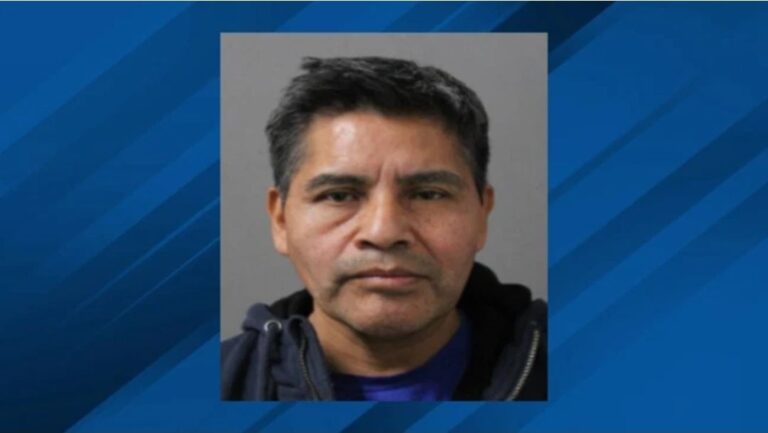
POUGHKEEPSIE – A Fishkill man was arrested Tuesday in connection with a child abuse investigation by City of Poughkeepsie police and the Dutchess County Child Advocacy Center. According to the City of Poughkeepsie Police Department, a 50-year-old man is accused of inappropriately touching a female child during a physical therapy appointment.
The suspect, identified through public court records as Artemio Talampas, is facing two misdemeanor charges: sexual abuse and acting in a manner injurious to a child under 17. Police say Talampas was employed as a physical therapist at Hudson Point Physical Therapy, located at 57 Cannon Street in Poughkeepsie. The Hudson Point Physical Therapy Office confirms Talampas is a physiotherapist at the practice.
According to Detective Lt. Sean McCarthy, the charges stem from allegations that Talampas inappropriately touched a child during the course of his work. He was arraigned in City Court and remanded to Dutchess County Jail on $5,000 cash bail or $10,000 bond. According to the court, he posted bail shortly after being remanded.
His next court appearance is scheduled for July 22.
Police initially withheld the suspect’s name due to the level of charges, but noted that the information was accessible through public court records.
The investigation is ongoing, and authorities are asking anyone with information—or who believes they may have been a victim—to contact the City of Poughkeepsie Police Department at 845-451-4000. Anonymous tips can be submitted by calling 845-451-7577.
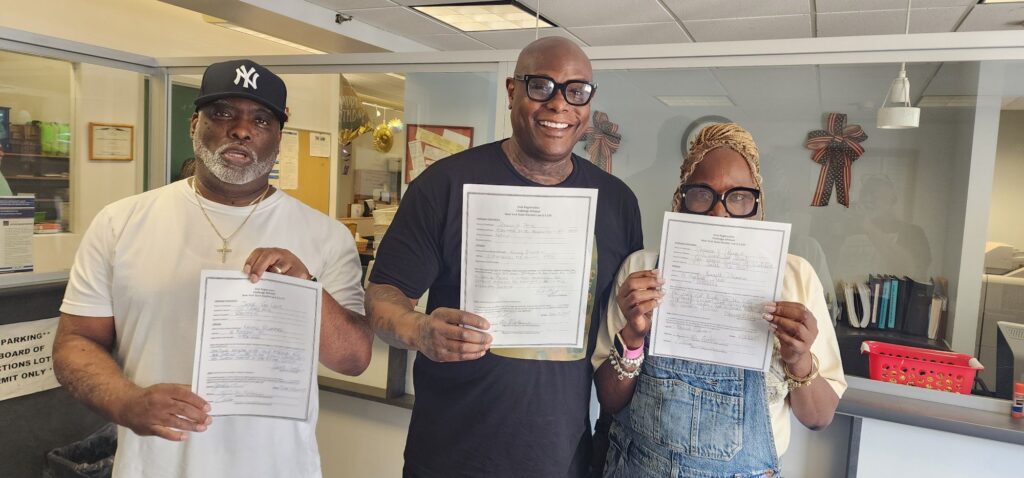
Kenneth Plummer sends his District Leader Resignation, Effective Immediately, in an email dated Tuesday, July 1st, addressed to Mount Vernon Democratic City Committee (MVDCC) Chair Mary Graves (see full letter below). This comes after a few concerned citizens, including BW Publisher Damon K. Jones, Jesse Van Lew of Save Mount Vernon, and others, visited the Westchester County Board Of Elections office in White Plains to submit their formal complaints about Plummer serving as an MV District Leader but residing in the City of White Plains on Monday, June 23rd.
Plummer also sent out an email to the MVDCC district leaders titled a “Personal Note from Kenneth Plummer – With Gratitude and Hope,” where he expresses even though the MVDCC Chair would probably share the letter, “I felt it was important—necessary, even—to reach out to you personally, in my own words and voice.”
“My decision to step down as District Leader wasn’t made lightly. It followed long hours of soul-searching, countless memories replayed, and one central belief that kept rising to the surface: Mount Vernon deserves unity. It deserves cooperation over conflict, bridge-building over boundary-drawing, and a politics rooted in respect,” Plummer wrote in his email to the district leaders.
He followed up his email to the district leaders with his formal resignation to MVDCC Chair Mary Graves. Plummer shares that his stepping down as district leader will not deter him from continuing to be involved in Mount Vernon politics, and calls for the community to work together. He doubles down that, “Though I recently purchased property in White Plains, I remain a legal resident of Mount Vernon. I maintain an active lease, pay utility and cable bills, and receive the majority of my mail here,” and states that his family plans to “continue searching for the right house to purchase within Mount Vernon, where we plan to settle permanently.” You can read Plummers’ full formal resignation, unedited, below…
To the Members of the Mount Vernon Democratic City Committee,
I respectfully submit this letter as my formal resignation, effective immediately, from my position as District Leader for the Mount Vernon Democratic City Committee. I kindly request that this letter be read in full into the official record at the next District Leaders’ Meeting during which a quorum is present, and be emailed to all current District Leaders.
Mount Vernon has been home to me on and off since the early 1980s, when my mother, brother, and I moved here from the Bronx. This city helped shape me educationally, spiritually, and civically. I attended Traphagen Elementary, Davis Middle School, and Mount Vernon High School. Though I recently purchased property in White Plains, I remain a legal resident of Mount Vernon. I maintain an active lease, pay utility and cable bills, and receive the majority of my mail here. Depending on my work schedule and professional commitments, I alternate between sleeping in Mount Vernon and White Plains. My family and I continue searching for the right house to purchase within Mount Vernon, where we plan to settle permanently.
From a young age, I was drawn to public service, organizing baked goods sales as president of the youth group at First Presbyterian Church, volunteering at Shalom Nursing Home, and serving seniors in our community. Activism is in my blood.
Motivated by a legacy of civic leadership in Mount Vernon, I sought to give back. Though I was not active during the celebrated tenure of David Ford, I learned from those who were. I also watched the rise of Chairman Reginald Lafayette with admiration, knowing firsthand the kind of political excellence he represented. I have spoken up for Mr. Lafayette during moments when others questioned his leadership, and I stand by those facts.
Throughout my tenure, I’ve proudly led initiatives such as voter registration drives, presidential debate watch parties, and community engagement events. Under Chairman Deveraux Cannick, I helped lead what many still describe as one of the most successful fundraisers in the Committee’s history—raising more than $80,000 at the Greentree Country Club with nearly 600 attendees. The financial filings should reflect this. During President Obama’s first campaign, I, along with others, personally designed, printed, and distributed posters for Mount Vernon and surrounding communities. My firm also organized and fully funded an Obama rally in front of City Hall—providing sound equipment, musicians, and speakers.
There were also the phone banking efforts for Hillary Clinton’s presidential campaign. I reached out directly to the Hillary for America campaign committee and coordinated these operations from my office. We had approximately 50 volunteers making calls to voters in Pennsylvania on behalf of the Pennsylvania Democratic Committee. I supplied all materials and refreshments and listed the Mount Vernon Democratic City Committee as the host—once again, covering all expenses and organizing personally (ironically, I saw the flyers and pictures on Facebook recently).
None of these efforts would have been as impactful without the support of fellow District Leaders and community members who stepped up to assist—whether by helping spread the word, showing up to events, or lending a hand on the ground. While I initiated and carried many of these responsibilities, I am deeply grateful for those who contributed their time and energy alongside me. Their help, in big and small ways, played a role in our collective success.
Together with my late co-District Leader Willie Johnson, I co-hosted multiple candidates meet-and-greets at The Plazas inside the Saratoga Building. With management’s support, we held at least three public forums. We provided food, designed flyers, brought in a PA system, and knocked on every door—three times—to ensure community engagement. Over the years, I’ve registered hundreds of residents. I share this not for personal credit, but to ensure the record is accurate and complete.
Despite internal challenges, I never wavered in my commitment to Mount Vernon. I take great pride in supporting the election of Westchester County’s first African American female mayor, only the second in New York State. My professional career directly reflects that commitment. Alongside my partners, I am currently helping to build Mount Vernon’s first youth facility in more than seven decades—an 11,400-square-foot center that will house the Youth Bureau and provide vital programming for children and families across our city. This project is not theoretical; it is under construction and moving forward. It stands as a testament to our shared investment in Mount Vernon’s future.
This city helped raise me, and I will always give back to it, regardless of how my intentions may be portrayed. I remain proud of the work being done and deeply grateful for the dozens of phone calls, text messages, emails, and kind words I’ve received from so many of you in response to recent public coverage. I truly feel that a weight has been lifted. Now, I have the space to pursue the work I’ve always wanted to do, freely and without distraction. In many ways, you haven’t seen anything yet. And every step forward will be for the love of our city. I had already begun expanding my focus to broader community-building efforts, including co-developing the new state-of-the-art Remington Boys & Girls Club in New Rochelle. Still, my heart remained with Mount Vernon.
I’ve fought for those who felt ignored. When my mother’s home was subject to foreclosure under questionable legal circumstances in the 90’s, I learned deeply how important it is to speak for those without power. At times, it felt like District Leaders were asked to collect petitions and sell tickets, while key decisions were made without our input. I don’t say this to assign blame, but to acknowledge a reality many of us have experienced. I believe District Leaders deserve meaningful participation in the decisions that affect our communities.
I love this city. I’ve walked nearly every block, supported our small businesses, knocked on doors, and stood firmly behind causes I believed in. But now, I feel called in a different direction. To the many District Leaders who have shared similar feelings in private—you are not alone. I will continue to speak with respect, humility, and honesty. This is not about division; it is about solidarity and the pursuit of something better for all of us.
Let me be clear: this letter is not an attack; it is an olive branch. It is a message of unity and a call for reflection and collaboration. We all want what’s best for Mount Vernon. I truly look forward to working alongside each of you in new and meaningful ways. As a Black man, I will always advocate for justice, equity, and opportunity, especially for those most often overlooked. While I have concerns, I remain hopeful. Mount Vernon is filled with love, talent, and untapped potential.
To Chairwoman Mary Graves and the current leadership, I extend my sincere best wishes. With courage and cooperation, we can build something extraordinary. Though I step down today, I am not stepping away. I will remain engaged, supportive, and always committed to serving the people of Mount Vernon.
With humility and hope,
Kenneth Plummer Former District Leader Mount Vernon Democratic City Committee
As Black Westchester and others have criticized Plummer’s influence in local politics through his lobbying efforts on behalf of developers and his Political Action Committee, RISEUP Mount Vernon, is his stepping down as district leader, and calls for unity, too little too late, an action or effort is not enough and happens after the optimal time, making it ineffective or insufficient and just another example symbolism with substance, I guess time will tell.
Stay tuned to Black Westchester for more on this developing story.
In a dramatic 51–50 vote, the U.S. Senatepassed Donald Trump’s sweeping legislative package known as the One Big Beautiful Bill, with Vice President J.D. Vance casting the tie-breaking vote. Its scope is massive, touching everything from tax policy and energy to welfare reform and immigration enforcement. Naturally, it has sparked outrage among liberal pundits and progressive politicians who claim it will hurt the poor, punish immigrants, and gut public programs. But when viewed through the logic and thinking of economist Thomas Sowell, the bill is not an attack—it’s a release. It marks a clear moment where the government is stepping back and saying, “We will no longer hold your hand.” And for Black America, that means one thing: Pharaoh has legally let us go.
The legislation is not yet law. Having passed the Senate by a single tie-breaking vote, it must now return to the House of Representatives for final approval. But its message is already loud and clear.
For too long, dependency has been sold to Black communities as compassion. Government benefits were designed to help in times of need, but over time, they became a substitute for family, discipline, and personal responsibility. One of our great economists, Thomas Sowell,often warned that well-intentioned policies can have destructive long-term effects. Welfare replaced fathers. Medicaid replaced accountability. Public housing replaced ownership. And when these programs produced worse outcomes, we were told the solution was more of the same. Now this bill introduces something different—standards. It requires verification for benefits. It imposes work requirements for Medicaid and SNAP. It insists that citizenship be verified before receiving federal aid. This isn’t oppression. It’s structure. And structure, when applied fairly, leads to dignity.
Opponents of the bill argue that it doesn’t create jobs. But they miss a fundamental economic principle: government doesn’t create prosperity, it only redistributes it. Jobs come from businesses. And this bill offers relief to small businesses and removes barriers that stifle private growth. By trimming bureaucracy and reducing the regulatory burden, it clears a path for entrepreneurs, especially those in underserved communities, to finally build without being smothered by red tape. The responsibility to prepare our people for those opportunities now falls on local leaders—Black churches, trades programs, educators, and mentors—not Washington bureaucrats. If we want skilled, working, business-minded men and women, we must cultivate them ourselves.
The bill gives Black Americans more than policy—it gives us permission to shift our identity. It creates the conditions for our families to move from consumers to producers. By extending the Qualified Business Income deduction, expanding opportunity zones, and allowing immediate expensing for business equipment, the bill gives Black entrepreneurs room to grow. With fewer taxes and less red tape, we now have the chance to build businesses that serve our neighborhoods, hire our neighbors, and circulate dollars within our own communities. That is real empowerment—not slogans or protests, but the freedom to produce, own, and build. The government won’t do it for us. But it is stepping aside so we can do it ourselves.
The bill also enforces tighter immigration controls, ensuring that public benefits go to citizens and legal residents only. Some will see this as harsh. But in cities like New York, Black Americans are being pushed out of neighborhoods and overrun in shelters by unsustainable immigration policies. Prioritizing citizens isn’t hatred. It’s common sense. We don’t need more people competing for fewer jobs, schools, and hospital beds. We need fairness. And fairness starts with enforcing the rules.
What this bill cannot fix is the cultural decay that has taken root in many Black communities. No government program can undo decades of fatherlessness, miseducation, or consumer addiction. Too many of our children admire celebrities instead of entrepreneurs. Too many adults vote for slogans instead of results. Too many churches have traded righteousness for relevance. If we want to reverse the damage, we must take ownership of our values, our families, and our future. As Thomas Sowell wisely said, “There are no solutions. There are only trade-offs.” The trade-off here is clear: less government, more self-reliance.
This legislation doesn’t give us equality of outcome—it gives us the opportunity to rise. It removes the excuse that we are being held back. The training wheels are off. The question is, are we ready to ride? Or are we still looking back at Egypt, romanticizing dependency because freedom feels too risky? Pharaoh has legally let us go. Now, as free people, we must decide whether we are prepared to walk toward ownership, excellence, and economic independence—or whether we’ll settle for being free in name only.
Because anyone who tells you otherwise—anyone who says this bill is an attack instead of a release—is not fighting for your liberation. They are fighting to keep you comfortable in chains.
Why sleep is your most powerful medicine – and what happens when you don’t get it
Linda from White Plains used to think her constant exhaustion and anxious mood were just part of being a working mother. At 46, she juggled a demanding job in healthcare administration, two teenagers, and caring for her aging mother. “I’ll sleep when I’m dead,” she’d chuckle, surviving on just 4 -5 hours of sleep most nights and “catching up” on weekends.
What Linda didn’t realize was that her sleep deficit wasn’t just making her tired – it was systematically damaging her body in ways that could contribute not only to medical mental illness but literally shorten her life span.
During a routine physical, Linda’s doctor noted her blood pressure had crept up to 146/95. Her blood sugar was trending toward prediabetes. “Must be stress,” they both agreed. “Try to exercise more and watch your diet.”
Neither connected these changes to Linda’s sleep patterns. But medical research is increasingly revealing an emerging truth: chronic sleep deprivation isn’t just an inconvenience – it’s a medical emergency hiding in plain sight.
The Sleep-Health Connection Your Doctor May Not Explain
As a psychiatrist and Columbia University faculty member who has spent 25 years working with various individuals through my holistic mental health practice, Full Circle Health, I have seen devastating effects of sleep deprivation daily. But here’s what surprises most people: sleep isn’t just power down-recovery time. It’s when your body performs critical maintenance that determines whether you’ll develop chronic diseases.
Recent research published in the Journal of the American Medical Association reveals that adults who consistently sleep less than 6 hours per night have:
48% higher risk of developing heart disease compared to those sleeping 7-8 hours
Doubled risk of stroke within 15 years
30% increased likelihood of developing diabetes, even controlling for weight and exercise
55% increased risk of obesity due to disrupted hunger hormones
Tripled risk of depression and anxiety disorders
50% higher chance of dying from any cause during the study period
These aren’t just statistics – they represent millions of Americans whose sleep patterns are quietly undermining their health and setting up major medical consequences they (and sometimes their doctors) rarely trace back to poor sleep.
What Happens When We Don’t Sleep: The Medical Reality
During quality sleep, your body orchestrates a complex series of healing processes that medical science has only recently begun to understand:
Your Heart Gets Maintenance: During deep sleep, your blood pressure naturally drops by 10-20%, giving your cardiovascular system crucial recovery time. Without this nightly “reset,” your heart works overtime, leading to hypertension and eventual heart disease.
Your Brain Clears Toxic Waste: Research from the University of Rochester discovered that during sleep, your brain activates a “glymphatic system” – essentially a waste removal service that clears out toxic proteins linked to Alzheimer’s disease and dementia. Miss sleep, and these toxins accumulate.
Your Immune System Recharges: Sleep deprivation reduces your body’s production of infection-fighting cells by up to 70%. This is why people who sleep less than 6 hours are three times more likely to catch a cold when exposed to viruses.
Your Metabolism Resets: Poor sleep disrupts hormones that control hunger and blood sugar. After just one week of sleeping 5 hours per night, healthy adults show insulin resistance patterns similar to prediabetes. Additionally, sleep loss increases production of ghrelin (the “hunger hormone”) while decreasing leptin (which signals fullness), leading to weight gain and obesity risk.
Your Mental Health Stabilizes: During REM sleep, your brain processes emotions and consolidates memories. Chronic sleep deprivation dramatically increases risk of depression, anxiety, and cognitive decline, with some studies showing sleep disorders often precede mental health conditions by months or years.
Why This Matters Especially for Communities of Color
Medical research consistently documents that African Americans experience higher rates of sleep disorders and shorter sleep duration compared to other populations. The National Sleep Foundation reports that Black adults average 6.8 hours of sleep per night – well below the recommended 7-9 hours.
This isn’t a coincidence, and it’s not about personal choices. Environmental factors, work schedules, caregiving responsibilities, and community and social stressors all contribute to what researchers call “social determinants of sleep health.”
Dr. Chandra Jackson, a researcher at the National Institute of Environmental Health Sciences, has documented how neighborhood factors – including noise levels, safety concerns, and housing quality – directly impact sleep architecture. Her research shows that even when controlling for income and education, certain communities face systematic barriers to quality sleep.
The result? Higher rates of:
Hypertension affecting 59% of Black adults vs. 47% of white adults
Type 2 diabetes at nearly twice the rate of white adults (13.2% vs. 7.6%)
Stroke occurring 50% more frequently than in white adults
Alzheimer’s disease developing at twice the rate of white adults
While multiple factors contribute to these health disparities, sleep quality emerges as a critical – and modifiable – piece of the puzzle.
Traditional Wisdom Meets Modern Science
“Early to bed, early to rise, makes a man healthy, wealthy, and wise.” Our grandparents understood something that modern medicine is now proving: sleep isn’t laziness – it’s essential medicine.
In many African and African American traditions, rest and restoration have deep spiritual significance. The ancient wisdom around of Sabbath rest, the importance of seasonal rhythms, and the understanding that healing happens during quiet times all reflect wisdom that medical science now validates.
Recent research on “chronotherapy” – using sleep timing to treat medical conditions – mirrors traditional practices of aligning daily rhythms with natural cycles. Studies show that people who maintain consistent sleep schedules have better blood pressure control and more stable mood regulation.
The Economics of Sleep: What Poor Rest Really Costs
Beyond personal health, sleep deprivation carries enormous economic costs. The RAND Corporation estimates that insufficient sleep costs the U.S. economy $411 billion annually in lost productivity.
For individuals, poor sleep leads to:
Increased healthcare costs averaging $2,000 more per year
Higher absenteeism – 2.4 more missed work days annually
Reduced earning potential due to decreased cognitive performance
Shortened career longevity from accelerated aging and chronic disease
These economic impacts are particularly challenging for families with limited insurance coverage or financial resources, where medical costs and lost work days can create significant hardship. For communities already facing health disparities, the hidden costs of poor sleep can compound existing economic pressures.
Red Flags: When to Take Your Sleep Seriously
See your healthcare provider if you experience:
Loud snoring with pauses in breathing (possible sleep apnea)
Difficulty falling asleep or staying asleep more than 3 nights per week
Excessive daytime sleepiness despite adequate time in bed
Morning headaches or feeling unrefreshed after sleep
Leg sensations that disrupt sleep
Any sleep problem lasting more than one month
Important: Don’t let healthcare providers dismiss sleep concerns with “just lose weight” or “it’s just stress.”Sleep disorders are medical conditions requiring proper evaluation and treatment. If your concerns aren’t taken seriously, ask for a referral to a sleep medicine specialist or seek a second opinion.
Questions to Ask Your Healthcare Provider
During your next appointment, consider asking:
“Could my sleep patterns be contributing to my blood pressure/diabetes/weight concerns?”
“Should I be evaluated for sleep apnea given my symptoms?”
“How might my medications be affecting my sleep quality?”
“What sleep duration and quality should I target for optimal health?”
“Are there local sleep medicine specialists you recommend?”
Taking Action: Your First Steps This Week
Start with these evidence-based approaches:
Track Your Sleep Reality: For one week, note your actual bedtime, wake time, and how you feel each morning. Many people underestimate their sleep deficit. Consider using a sleep tracker like an Oura Ring, Whoop strap, or free smartphone apps like Sleep Cycle or Apple Health to get objective data about your sleep patterns.
Prioritize Consistency: Go to bed and wake up at the same time every day – yes, including weekends. This strengthens your circadian rhythm more than any other single intervention.
Create a Wind-Down Routine: Begin preparing for sleep 30-60 minutes before bedtime. This signals your body to start producing melatonin naturally.
Examine Your Environment: Your bedroom should be cool (65-68°F), dark, and quiet. Small changes here can yield significant improvements.
Free Sleep Resources to Get Started
Sleep Education and Assessment:
National Sleep Foundation (sleepfoundation.org): Free sleep diary templates and educational materials
CDC Sleep Resources (cdc.gov/sleep): Evidence-based sleep hygiene information
Pittsburgh Sleep Quality Index: Free online assessment to evaluate your sleep quality
Sleep Tracking Options:
Free smartphone apps: Sleep Cycle, Pillow, or built-in health apps on iPhone/Android
Wearable devices: Oura Ring, Whoop, Fitbit, or Apple Watch for more detailed tracking
Simple sleep diary: Paper tracking can be just as effective for raising awareness
The Bigger Picture: Community Health Starts with Individual Health
Improving sleep health isn’t just personal – it’s a community investment. When families get quality rest, children perform better in school, adults are more productive at work, and healthcare costs decrease for everyone.
Research from the American Journal of Public Health shows that community-wide sleep health improvements lead to measurable reductions in emergency room visits, car accidents, and workplace injuries.
What’s Next in This Series
Over the coming months, we’ll explore:
Understanding Sleep Stages: What quality sleep actually looks like and how to achieve it
Sleep Disruptors: From technology to community stressors that steal your rest
When Sleep Goes Wrong: Recognizing and treating common sleep disorders
Sleep and Medications: Navigating sleep aids safely and effectively
Cultural Sleep Wisdom: How traditional African American beliefs about rest and restoration can complement modern sleep science
Building Your Sleep Sanctuary: Practical solutions that work with real budgets and schedules
A Special Note on Cultural Attitudes: Recent research from the University of Chicago reveals that many African Americans hold unique beliefs about sleep that can impact health decisions. Studies show that Black participants were “less likely to report motivation to make time for sleep” and more likely to view “sleepiness as due to laziness and bad habits.”
This series on sleep will explore how cultural expectations about strength, productivity, and rest intersect with sleep health – and how to honor both cultural heritage of resilience and the need for restoration.
Your Community, Your Health
Linda’s story has a positive ending. After learning about the sleep-health connection at Full Circle, she worked with her doctor to address her sleep patterns alongside her blood pressure. Six months later, her blood pressure normalized, her energy improved, and her prediabetes markers reversed.
“I never realized that taking care of my sleep was taking care of my family,” Linda reflects. “When I’m rested– and taking care of myself– I’m a better mother, more focused at work, and honestly, a better person.”
Linda had to learn that sleep isn’t selfish – it’s essential.
In communities where people are often expected to be strong for everyone else, prioritizing sleep can feel like a luxury. But medical science is now clear: quality sleep isn’t optional for good health.
The question isn’t whether you can afford to prioritize sleep. The question is whether you can afford not to.
Derek H. Suite, M.D. is a board-certified psychiatrist, Columbia University faculty member for over 10 years, and founder of Full Circle Health, an award-winning holistic health practice established in 1999 with offices in the Bronx and Westchester. For questions about this monthly series, email info@fullcirclehealthny.com
Next Month: “Decoding Sleep: The Four Stages Your Body Needs” – Understanding what quality sleep actually means and how to recognize it.
Medical Disclaimer: This article is for educational purposes only and does not replace individual medical consultation. Always consult your healthcare provider before making changes to your sleep routine or if you have concerns about sleep disorders.
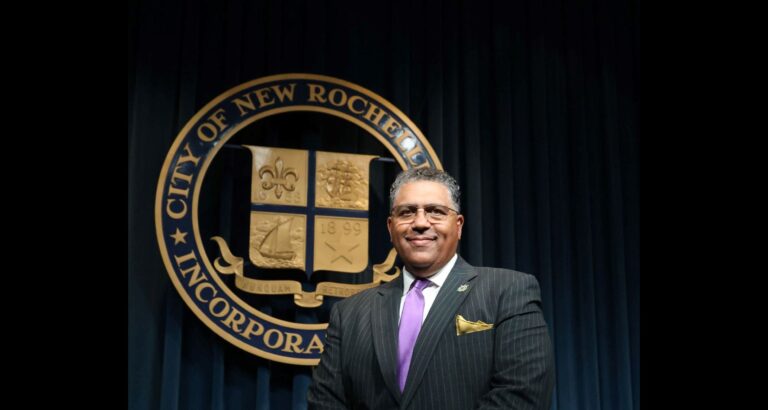
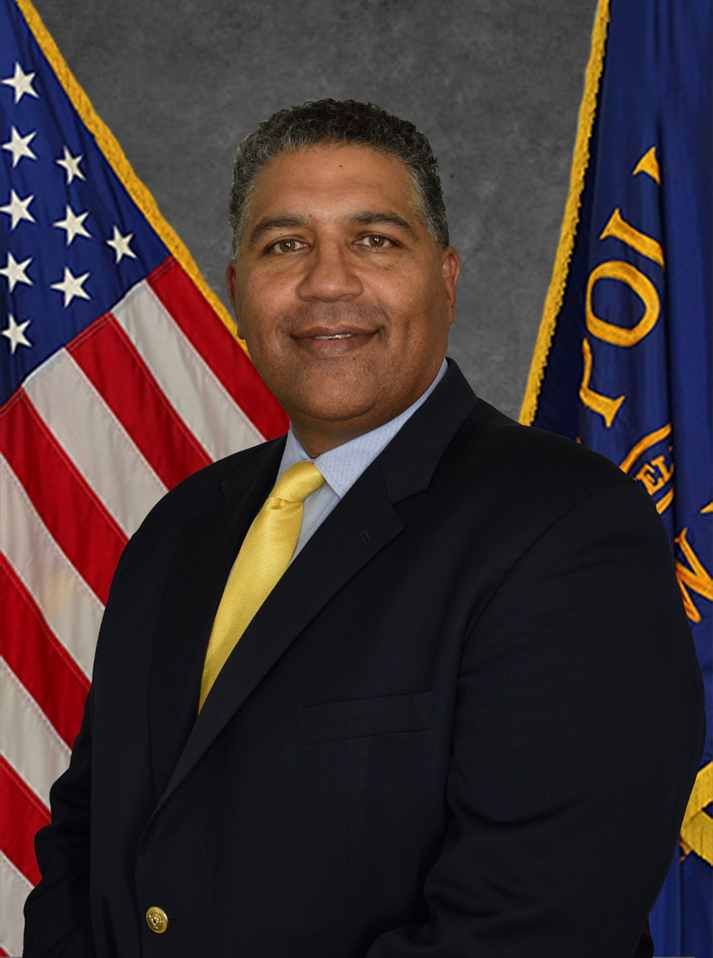
Neil K. Reynolds, a veteran of the New Rochelle Police Department (NRPD) and the City’s Deputy Police Commissioner since 2023, was sworn in as New Rochelle’s new Police Commissioner in a ceremony at City Hall on Monday, June 30.
Reynolds makes history as the first Black Police Commissioner for the city of New Rochelle. “Black people don’t want a Black police commissioner because they’re gonna get more trust, Black people want like anybody else wants—-a good police commissioner,” Reynolds said.
Commissioner Reynolds joined the NRPD in 1994 as a Patrol Officer. He then became a P.A.C.T officer, where he taught D.A.R.E. and was a bicycle officer. His professionalism, accountability, and commitment to public service led to his rise over three decades. He served as a Detective in the Property Theft Unit, Sergeant and Lieutenant in the Patrol Division, Detective Lieutenant in Internal Affairs, and as a Captain, before his promotion to Deputy Commissioner in 2023.
Reynolds’ appointment follows the retirement announcement of Commissioner Robert Gazzola, who concludes a nearly 40-year career with the department. Gazzola says after serving as deputy, Reynolds is ready to lead the department.
“There is no one more prepared or ready to lead this department than Deputy Commissioner Reynolds,” said Gazzola last week. “He has earned the respect of officers at every rank, built trust within the community, and shown time and again that he leads with integrity, professionalism, and purpose. I leave this role with total confidence, knowing the department is in the hands of someone who understands both where we’ve been and where we need to go.”
As Commissioner, Reynolds says he will continue to advance the City’s strategic policing priorities while furthering a department culture rooted in service, equity, and excellence.
“It’s the greatest honor of my career to lead the department I’ve served in for so long,” said Commissioner Reynolds, “New Rochelle is my home, and I’ve dedicated myself to protecting and improving it for more than 30 years. We’ve made significant progress- strengthening trust, building partnerships, and embracing new approaches to public safety. Now, it’s about deepening those efforts and ensuring every resident feels safe, respected, and heard. I’m ready to lead us into the next chapter with purpose, transparency, and a deep commitment to all the people of this city and its police officers.”
Reynolds is actively involved in several law enforcement and civic organizations, including the Westchester/Rockland Guardians Association, The Police Executive Research Forum, the International Association of Chiefs of Police, the National Organization of Black Law Enforcement Executives, NACOLE, the Omega Psi Phi Fraternity, Inc., and NAACP–New Rochelle Branch. As Commissioner, he plans to expand on several key priorities, including bolstering community engagement initiatives and trust through neighborhood-based policing models, enhancing officer wellness and training, advancing public safety technology, and supporting the City’s Quality of Life Initiative.
Reynolds holds a Bachelor’s degree from Iona College and Juris Doctor from Pace University School of Law. He is licensed to practice law in New York State and federally in the Southern District of New York. His decorated career has earned him the Police Commissioner’s Award, three Class “C” citations, seven commendations, two “Life Saving Awards”, and the “Problem Solver of the Year Award.” He has been recognized with public service awards from the NAACP, NABLEO, the Westchester/Rockland Guardians Association, the F. Willa Davis Women’s Club, and the Omicron Iota Chapter of the Omega Psi Phi Fraternity, Inc.
“Commissioner Reynolds has proven himself as a steady, forward-thinking leader,” said City Manager Wilfredo Melendez. “He not only brings decades of experience, but a deep, earned understanding of New Rochelle – its people, its neighborhoods, and the evolving role of public safety in our community. Residents, officers, and community leaders alike know who he is, how he leads, and what he stands for. We are committed to building on that momentum to ensure the progress we’ve made continues to accelerate.”
In this explosive episode of Black Westchester presents The People Before Politics Radio Show with Damon K. Jones & AJ Woodson, forensic fraud expert Sam Antar — the man who took down Crazy Eddie — walks us through how New York Attorney General Letitia James may have just handed the Department of Justice everything they need to prosecute her under RICO laws and much more…
People Before Politics Radio, Giving You Real Talk For The Community Since 2014!
Black Westchester presents the People Before Politics Radio Show every Sunday night, 6-8 PM, simulcasting live on Facebook, X (formerly Twitter), LinkedIn, Instagram, and YouTube, and archived on BlackWestchester.com. Giving you that Real Talk For The Community since 2014.
To support the Black Westchester and the People Before Politics Radio Show, which provides the News With The Black Point Of view and gives you the real talk for the community for free, make a donation via PayPal. In the words of Ray Charles, “One of these days, and it [might not be] long, You’re gonna look for [us], and [we’ll] be gone.” Support independent, Black-owned, Free Media!
Subscribe, hit the notification bell, and join the conversation this Sunday. At Black Westchester, we always put People Before Politics!
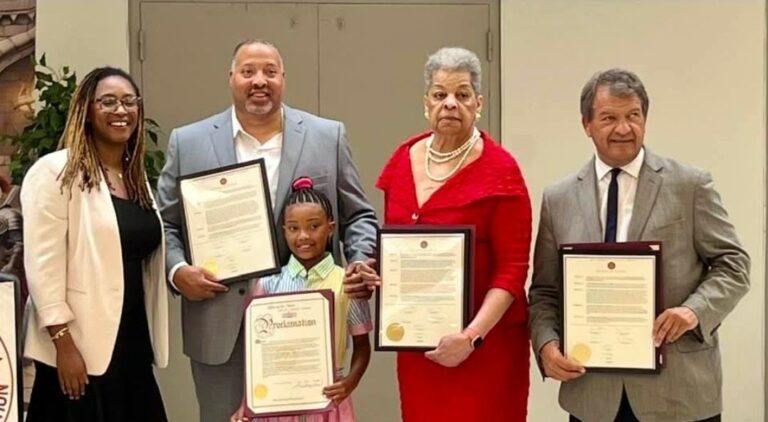
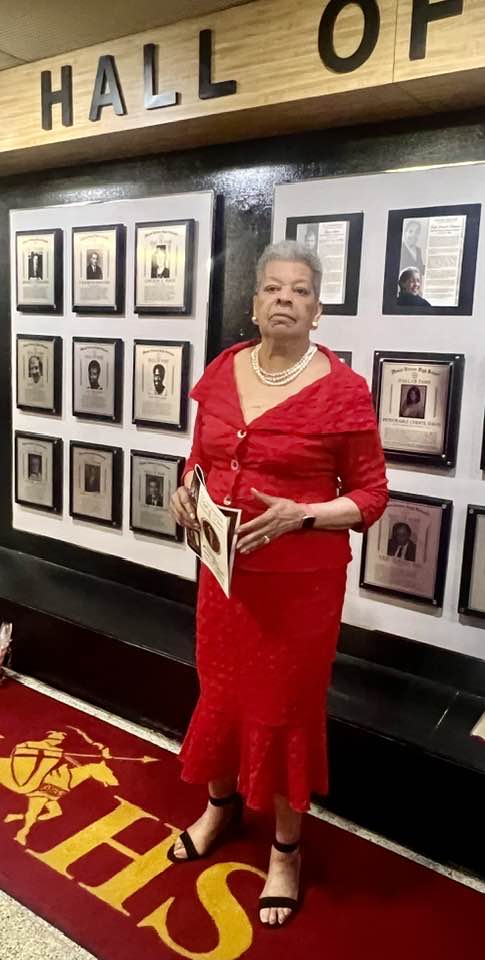
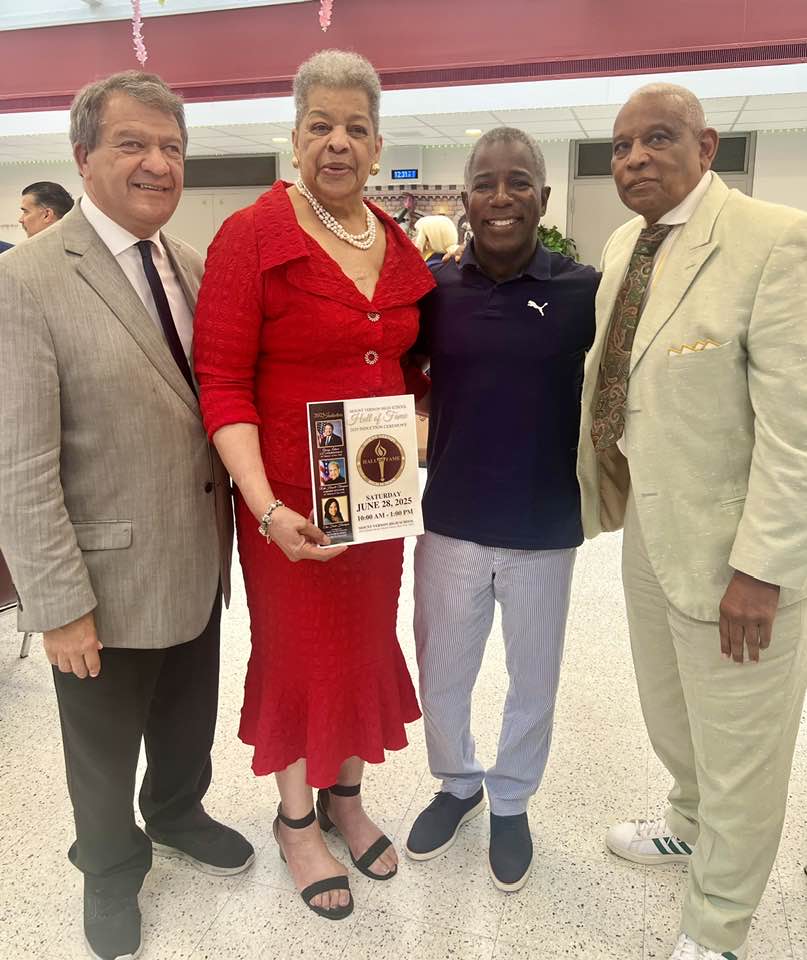
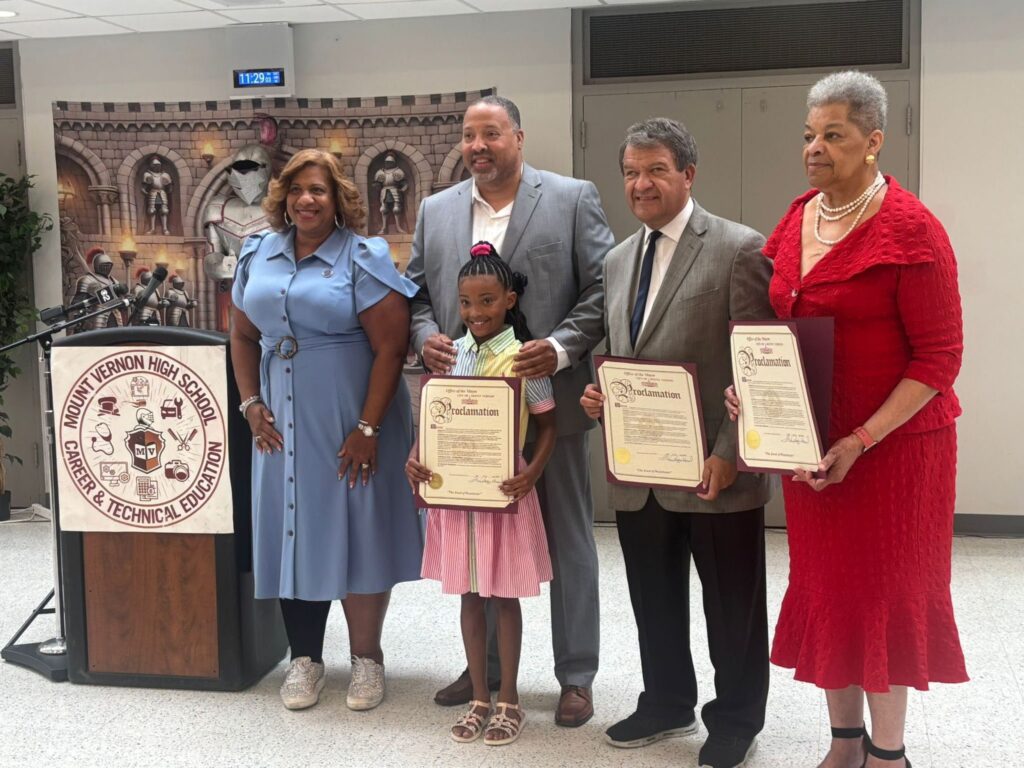
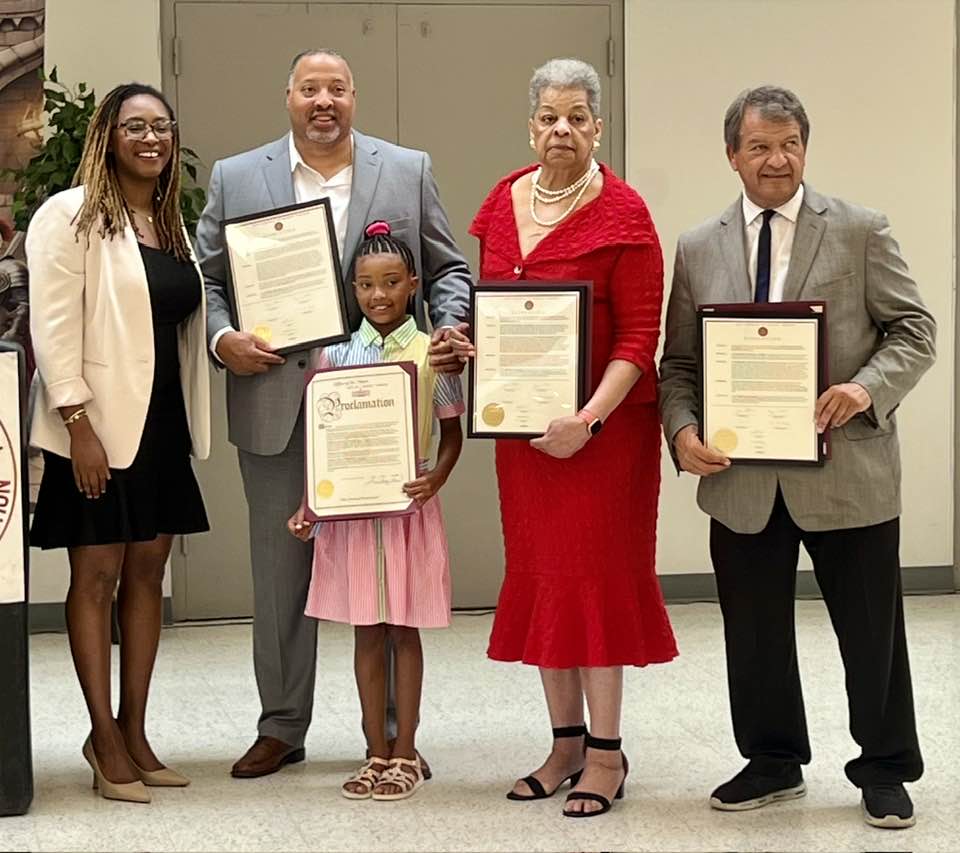
Congressman George Latimer, NY State Senator Ruth Hassell-Thompson & longtime CBS New York Meteorologist Elise Finch Henriques (posthumously) inducted into the Mount Vernon High School Hall of Fame
The Mount Vernon City School District (MVCSD) inducted U.S. Representative George Latimer (16th Congressional District), former New York State Senator Ruth Hassell-Thompson (NYS 36th District), and Emmy Award-winning CBS New York Meteorologist Elise Finch Henriques (posthumously) into the Mount Vernon High School (MVHS) Hall of Fame on Saturday, June 28, 2025.
Families, loved ones, administrators, educators, colleagues, and community members gathered at Mount Vernon High School (100 California Rd.) to celebrate this prestigious induction.
“I feel so gratified that people have acknowledged me and that I’m on the wall with people who have really given so much to this community,” said Ms. Hassell-Thompson. “To be recognized in this company is awesome.”
Ms. Finch-Henrique’s husband thanked the District for honoring his wife, allowing her legacy to live on in Mount Vernon.
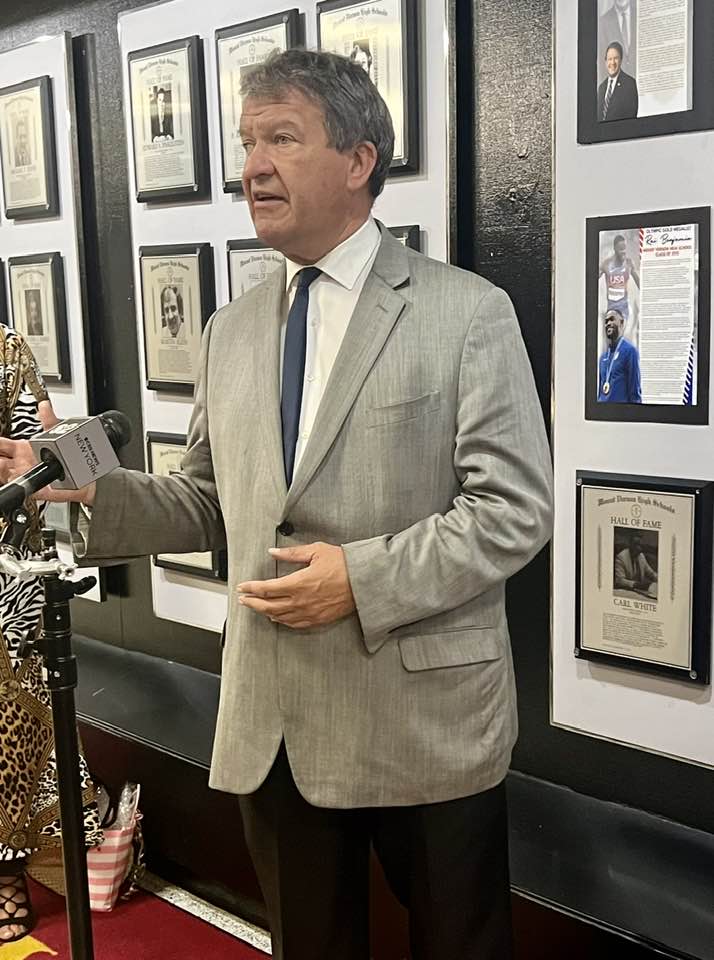
Mr. Latimer deferred to his fellow honorees. “I hope that any of the young girls that come down this hallway look up and they see these two powerful black women,” he said. “I hope they read the stories of their lives and draw strength from them.”
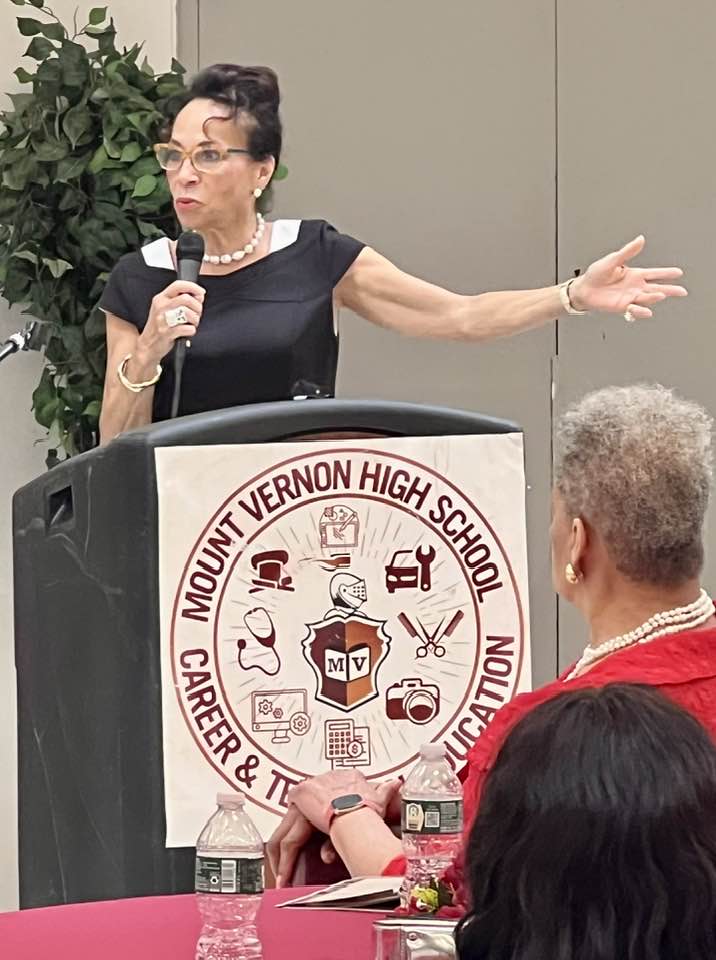
There was a visual presentation for the inductees by Jennifer Cardillo-Rojas. Reflections and Memories for Elise Finch Henriques were made by Amira Finch-Johnson, and Mount Vernon City Council President Danielle Browne presented the award to Grace Henriques and Elise’s husband, Graig. Reflections and memories for Rep. Latimer were made by the Honorable Clinton Young and Auggie DiSeio. Judge Kathie Davison and Tracy Smith gave reflections and memories for the Honorable Ruth Hassell-Thompson.
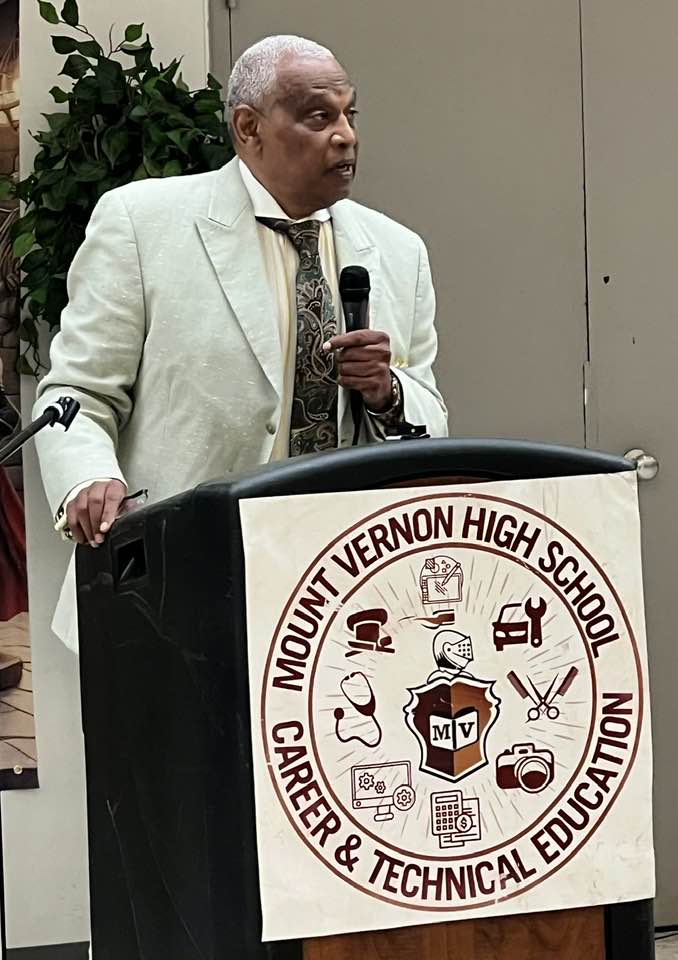
Mount Vernon High School Principal Pauline Pearce, Acting Superintendent Dr. K. Veronica Smith, and the Mayor of the City of Mount Vernon, Shawyn Patterson-Howard, took to the podium to speak about the lasting impact these honorees will have on students to come and the difference they have made on the Mount Vernon community.
“These three honorees have long track records of accomplishments that I have only scratched the surface of,” said Dr. Smith. “These people have not only had outstanding accomplishments, but they have always shown love and support to Mount Vernon, for which we are eternally grateful. Thank you for putting a shining light on our city, and I hope these Hall of Fame plaques show just how much you mean to us.”
Board of Education trustee Lorna Kirwan spoke about the significance of the Wall of Fame before Denzel Washington School of the Arts student Michael Middleton performed a dance routine for the audience.
“This is more than just a title, it is a legacy,” she said. “To be inducted into the Hall of Fame in Mount Vernon, a city that has raised leaders, legends, change-makers, and champions like yourself — it is not a small thing. It means you have done something extraordinary. It means you have not only achieved success in your own right, but you have done so in a way that uplifts the school district, your city, the community, and the whole country.”
Acting Superintendent of Curriculum, Instruction & Administration Dr. Jamal Doggett and Mr. Mark Raimondi, the Interim Assistant Superintendent of Business, read the biographies of the Class of 2025 Inductees.
U.S. Rep. George Latimer (16th District) was born and grew up in Mount Vernon, graduating from Mount Vernon High School in 1970, and graduating with a B.A. from Fordham University in 1974, as well as a Master’s Degree in Public Administration from New York University’s Wagner School in 1976.
Latimer took office as Westchester County Executive in January 2018 and was re-elected to a second term in November 2021. He won the 16th District race in November 2024 and took office in January 2025.
During his tenure as County Executive, Latimer upheld an impressive record of achievements, including three consecutive County property tax cuts and credit rating stabilization. He is also responsible for bringing several long-standing infrastructure projects to fruition, including the historic Elijah J. Miller House, Sprain Ridge Pool, New Rochelle Family Court, and the North and South County Trailways. Latimer broke ground on Memorial Field in Mount Vernon and unveiled the County’s 9/11 First Responders Memorial on the 20th Anniversary of the September 11 attacks, dedicated to the heroes who passed away from 9/11 related illnesses. Over the years, Latimer has received public recognition and awards from numerous Westchester and Hudson Valley organizations for his work, including by the Sarah Neuman Center, the Washingtonville Housing Alliance, Congregation Anshe Sholom in New Rochelle, the Port Chester/Rye Brook Chamber of Commerce, the Mamaroneck Chamber of Commerce, LMC-TV, Council of Community Services in Port Chester-Rye Town, Helping Hands and the NY State Association of School Psychologists.
Ruth Hassell-Thompson graduated from Mount Vernon High School in 1963 before she started working as a pediatric nurse and substance abuse counselor for Mount Vernon Hospital from 1963 to 1998. From January 1980 to June 1987, she was executive director of the Westchester Minority Contractors’ Association (WMCA). Before leading the WMCA, she worked for the Westchester Community Opportunity Program for 10 years in a number of management positions. In 1993, Ms. Hassell-Thompson was elected to the Mount Vernon City Council, serving as Council President and Acting Mayor. In this position, she was Vice chairperson of the Urban Renewal Board; a voting member of the Board of Estimate; Vice chairperson of the Real Estate Board, and Chairperson of the Capital Projects Board.
Appointed in 2016 as Special Advisor for Policy and Community Affairs for New York State Homes and Community Renewal, was first elected to the New York State Senate in 2000, where she brought years of public service and community involvement to her post as the Senator of the 36th Senatorial District, representing parts of the Bronx and Westchester Counties during her more than 15-year tenure. During her tenure in the Senate, Ms. Hassell-Thompson served on the following standing committees: Judiciary (Ranking); Crime, Crime Victims, and Corrections (Chair and Ranking); Commerce, Economic Development & Small Business; Alcohol and Substance Abuse; Health; Finance; Rules; Chairwoman, Conference of Black Senators; Chairwoman, Taskforce on Domestic Violence; Taskforce on MWBE. Ms. Hassell-Thompson also chaired the Black, Puerto Rican, Hispanic, and Asian Caucus.
Elise Finch Henriques was raised in Mount Vernon. She attended the Grimes Center for Creative Education, A.B. Davis Middle School, and graduated as a member of the National Honor Society from Mount Vernon High School in 1989. She had deep roots in the community, her father as a city councilman and public works commissioner, and her mother as a librarian and teacher.
“I’ve worked in this building as a librarian and have done community service programs here with kids, and very often we stop by that wall and look at everybody,” Ms. Finch-Henrique’s mom, Charlette Finch said. “So now to look and Elise will be there, is something truly special.”
The multiple award-winner was also so proud to say she was born in Mount Vernon and that she graduated from Mount Vernon High School. She earned a Bachelor of Science degree from Georgetown University, where she received the prestigious President’s Award. She went on to earn a Master of Science degree in broadcast journalism from Syracuse University.
Finch was an Emmy award-winning meteorologist who joined CBS New York in 2007 and for years mentored children through Jack and Jill Association of America and other programs. She was a proud member of Alpha Kappa Alpha Sorority Inc., the first intercollegiate historically African American sorority. A sister, mother, and friend to many, Ms. Finch Henriques always shone as a role model and leader from a very young age. Her kindness to those around her was inspired by the kindness of other women in her life, like her mother and grandmothers.
Earlier this month, relatives, friends, and fans gathered at Stuyvesant Plaza on Friday, June 6, for a tree-planting ceremony in her memory.
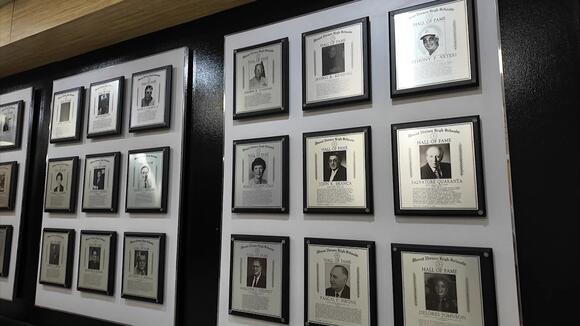
The Mount Vernon High School Hall of Fame recognizes and honors the positive accomplishments and contributions of Mount Vernon High School alumni who bring pride and inspiration to the Mount Vernon City School District, the community, and society.
Loved ones and colleagues then went up to the podium to reflect on each individual and share memories about their time in Mount Vernon before the recipients unveiled their plaques on the Wall of Fame. The ceremony concluded with Ms. Hassell-Thompson, Mr. Latimer, and Elise’s husband, Graig, each sharing their thoughts and feelings about being recognized by the school district in such a wonderful way.