Home Blog Page 86

Two Time Heavyweight Champ George Forman Dies Friday at Age of 76

Boxing Legend & Grill Magnate George Foreman died Friday surrounded by loved ones, his family said

The family of “Big” George Foreman, one of the most influential and recognizable boxers of all time, announced his passing on his social media account on Friday.

“Our hearts are broken. With profound sorrow, we announce the passing of our beloved George Edward Foreman Sr. who peacefully departed on March 21, 2025, surrounded by loved ones. A devout preacher, a devoted husband, a loving father, and a proud grand and great grandfather, he lived a life marked by unwavering faith, humility, and purpose,” the IG post read.

A product of a poor family, Foreman was in constant trouble with the law. He credits the Job Corps with turning his life around. Started boxing as an amateur and, in less than three years, captured a gold medal in the 1968 Olympic Games. Lost only 2 out of 24 amateur fights. Turned pro under the guidance of veteran trainer Dick Saddler. Foreman was a stablemate of former heavyweight king Charles “Sonny” Liston and Charlie Snips. Foreman idolized Liston and copied his ring style and mannerisms. Foreman used a piercing stare to intimidate his opponents ala Liston.

In 1973, he won his first of two heavyweight champions when he knocked out Joe Frazier, in 1964 during a bout in Jamaica. Destroyed undefeated Joe Frazier in two brutal rounds to capture the world title in 1973; Frazier was knocked down six times.

Foreman lost the title one year later in the famous “Rumble in the Jungle” against Muhammed Ali in Zaire (now the Democratic Republic of the Congo). That was perhaps his most well-known battle, the classic Rumble in the Jungle matchup with Muhammad Ali in Zaire in 1974, which Foreman lost by knockout in the eighth round. Arguably the most well-known fight in history, the documentary “When We Were Kings” received an Oscar for Best Documentary Feature.

He stepped away from boxing for a decade and returned to Texas. His life took a complete 180-degree turn as he became an ordained minister, and, in 1984, founded the George Foreman Youth and Community Center.

Foreman came out of retirement in 1987 to raise money for the youth center he founded. He won 24 matches before losing to Evander Holyfield after 12 rounds in 1991. On November 5, 1994, 45-year-old George Foreman, shocked the world by knocking out Michael Moorer 19 years his junior – with one perfect combination to claim Moorer’s two heavyweight belts. He became the oldest heavyweight champion ever, 20 years after that stunning loss to Ali. Foreman is also the second-oldest in any weight class. 

He retired for good in 1997 at the age of 48, with a final record of 76 wins, 68 coming by way of knockout, and just 5 losses.

Alongside Jim Lampley –  best known as a blow-by-blow announcer on HBO World Championship Boxing for 30 years – Foreman had a prosperous career as an HBO boxing pundit. He held his role with HBO as a ringside analyst for 12 years, ending in 2004.

His biggest achievement after his stint in the ring, however, was still to come. Foreman introduced his own grill the same year he defeated Moorer. Over 100 million grills were sold by him globally, thanks in part to his memorable catchphrase, the “Lean Mean Grilling Machine.” He made $138 million in 1999 when he sold the George Foreman grill’s commercial rights.

In 2002, The Ring ranked Foreman among the top 25 fighters of the previous 80 years and ranked him as the ninth-greatest puncher of all time. According to a release from Top Rank, Foreman is “one of the biggest punchers and personalities the sport has ever seen.”

Born in Marshall, Texas in 1949, Foreman, who admittedly was a bully in his youth, joined the Job Corps at 16 years old before turning to boxing at 17. Foreman was married five times. He has a dozen children. Five of his sons are named George. He explained on his website that he named them after himself so they “they would always have something in common.”

“I say to them, ‘If one of us goes up, then we all go up together,” he explained. “And if one goes down, we all go down together!'”

His daughter, Freeda George, is a professional on the US women’s boxing circuit. Middleweight Freeda George Foreman, born on October 16, 1976, in Houston, Texas, boxed in 2001 and 2002. She joined forces shortly after other Daughters of Boxing Legends joined the sport. George Foreman was not really happy about her deciding on boxing. 

Big George was inducted into the U.S. Olympic Hall of Fame, in 1990 and into the International Boxing Hall of Fame, in 2003. He was never knocked down during his” second career” (31-3 1987-1997). Amazingly, in each fight. he remained standing between rounds.

Women’s Month Spotlight: Joanne Dunn Makes History As First Female Executive Director of Youth Shelter of Westchester

Located in Mount Vernon, NY, Joanne Dunn is the first woman to lead the Youth Shelter Program of Westchester (YSOW) since its incorporation in 1975. Conceived by a Westchester judge and schoolteacher who recognized the need for early intervention in the lives of young offenders, this organization has been providing a home-like alternative to jail for young men, for over 40 years, with great results.

Few people in the state are as committed to creating life-changing opportunities for young people as Joanne Dunn. For more than 15 years, the Mount Vernon nonprofit leader has been managing employment programs for the county’s most vulnerable residents. Dunn helped launch the READI program in Peekskill to help young people get prepared for the workplace, and she received the NAACP Peekskill chapter’s award for outstanding service to youth and families. In the spring of 2022, she moderated a panel on nonprofits and colleges collaborating to fulfill their missions.

Ms. Dunn’s commitment to youth is more of a calling than a job. She has served as a troop leader for the Westchester Putnam Girl Scouts, a member of the Peekskill City School Districts Parental/Community Involvement Committee, a Parent Coordinator for the Peekskill Pop Warner Football League, and as an Executive Board Member for the Peekskill NAACP, which awarded her for her outstanding service to youth and families. She previously served on the Advisory Board for the SUNY Westchester Educational Opportunity Center, Westchester County’s Fatherhood Committee, and the Arts10566 Advisory Board. She is a proud member of Delta Sigma Theta Sorority, Inc., and was awarded a Forty under Forty by The Business Council of Westchester. Joanne is a proud graduate of Leadership Westchester.

A lifelong Peekskill resident, Dunn was 4 years old when her father went to prison for just shy of three decades.

Joanne Dunn holding her copy of Black Westchester Celebrates Black Women In Westchester [Black Westchester]

In January 2020, just as the coronavirus was picking up speed, Dunn stepped into her groundbreaking role at The Youth Shelter Program of Westchester, with a mission to not only provide a home for the 18- to 21-year-old offenders who were sent there instead of jail or prison but also to address their emotional and educational needs and guide them on the road to better lives.

A woman of faith and a firm believer in “the power of restoration and second chances,” Dunn reminds the young men in her care that “it doesn’t matter what’s behind you; it’s what’s in front of you and what you want your story to be,” impressing on them that “they have the power to change their narratives,” and she is living proof of that.

Dunn’s education, work history, and personal passions almost seem like they were created for her to be at the helm of YSOW. She has a degree in child-and-family development from Benedict College; she was assistant vice president of youth and employment services at Westhab, where she spent 12 years; and she worked with the City of Peekskill Youth Bureau to provide overall leadership and direction to the Workforce Investment Act Out-of-School Youth program. Yet, it was less about her career and more about her personal experience that brought her to where she is today.

In 2022. Dunn was named on the City & State’s Westchester Power 100 list, which highlights many of the prominent power players of Westchester County. Also in 2022 Joanne Dunn received a Community Service Award from the Westchester Multicultural Chamber and was named as one of 914INC. 2022 Top CEOs and Business Leaders. In 2023 Ms. Dunn was honored with the Westfair Business Journal Women Innovator Award which honors superwomen who take initiative, drive positive change, and redefine the workplace experience across all industries. in 2024 she was awarded 914inc’s Women In Business Award!

Black Westchester celebrates Joanne Dunn for her advocacy of bettering the lives of the youth!

Celebrating Black Women Of Westchester [Black Westchester]

Excerpt from the book, “Black Westchester Celebrates Black Women Of Westchester,” available on Amazon or email BlackWestchesterMag@gmail.com to purchase your autographed copies.

Empowerment and Advocacy: Strategies For African Americans In Response to Policy and Rhetoric During The Trump Administration

During President Trump’s administration, African-Americans faced a variety of compound challenges, including policies and rhetoric that often denied civil rights progress. To combat these effects and defend their rights, Black people can employ a multitude of strategies focused on base organization, coalition construction, and leveraging digital platforms for awareness and defense.

An effective strategy is to improve the basic organization in local communities. This approach mobilizes individuals around shared experiences and goals, reinforcing the sense of solidarity that is critical in times of political turmoil. This is particularly pertinent, given the documented impact of Trump’s policies on African Americans, which highlights health, education, and employment disparities (Clayton et al., 2019). By creating grassroots initiatives, communities can address these pressing issues in front, promoting a spirit of collective action that aims to mitigate the damage caused by regressive policies.

The construction of the coalition is another vital strategy that Black people can employ. The formation of alliances with other marginalized groups allows a unified front against systemic injustices. The tactic of forging coalitions can amplify the voice of Black people, making their defense efforts more powerful. Research indicates that collaborative efforts can generate a politically engaged environment that enables individuals to mobilize resources effectively (Towler and Parker, 2018). Given the intersectional nature of injustice, these coalitions can unite various defense groups to challenge discrimination and defend policy reforms at local, state, and national levels.

In addition, the strategic use of digital platforms is fundamental in the modern scenario of law. Social media serves not only as a tool for increasing awareness but also as a means of organizing protests, sharing information, and documenting cases of injustice. This was exemplified during President Trump’s first term when social media became a powerful tool for movements such as Black Lives Matter, which has capitalized on digital engagement to broaden its reach and quickly mobilize supporters (McManus et al., 2020). By using these platforms, activists can retreat against rhetoric and harmful policies, actively shaping public discourse and drawing national attention to issues that disproportionately affect African -Americans.

Political involvement through electoral participation is another – chave strategy. Historically, voter suppression techniques disproportionately affected African-American communities. Thus, the organization of efforts around voter registration units, early voting, and community education about their rights may significantly increase electoral involvement. This approach also requires surveillance against policies that can create barriers to the vote. Ensuring wide participation can change the political scenario, attracting politicians to meet the needs and concerns of African-Americans (HOSTON, 2025).

Finally, education and awareness initiatives must complement these defense efforts. In informing communities on the implications of policies and rhetoric under the Trump government, African-American can better articulate their complaints and defend their rights. Workshops, City Hall meetings, and educational campaigns can enable individuals to understand their rights and political processes that affect their lives, thus raising their ability to actually respond to injustices.

In conclusion, African-Americans have a historical legacy of resilience and law that provides a basis for strategies to respond to the challenges placed during President Trump’s government. Base organization, coalition construction, use of digital platforms, electoral engagement, and education represent comprehensive and actionable means by which African-Americans can defend their rights and effectively organize themselves amid adversity. Enhanced mobilization and collective action in these areas can stimulate significant changes, ensuring that Afro -Americans remain a powerful force in the struggle ongoing for equity and justice.

Citations:

Clayton, D.M., Moore, S.E. and Jones-Eversley, S.D., 2019. The impact of Donald Trump’s presidency on the well-being of African Americans. Journal of Black Studies, 50(8), pp.707-730.

Towler, C.C. and Parker, C.S., 2018. Between anger and engagement: Donald Trump and Black America. Journal of Race, Ethnicity, and Politics, 3(1), pp.219-253.

McManus, H.D., Cullen, F.T., Jonson, C.L., Burton, A.L. and Burton, V.S., 2020. Will Black lives matter to the police? African Americans’ concerns about Trump’s presidency. In Crime and Justice in the Trump Era (pp. 127-149). Routledge.

Brands, H., 2023. The unexceptional superpower: American grand strategy in the age of Trump. In Survival 59.6 (pp. 7-39). Routledge.

Hoston, W.T., 2025. The Fight for Black Liberation: Breaking the Political Strings in the Trump Era.

Trump Is Dismantling the Department of Education: What Trump’s Education Move Means for Black America

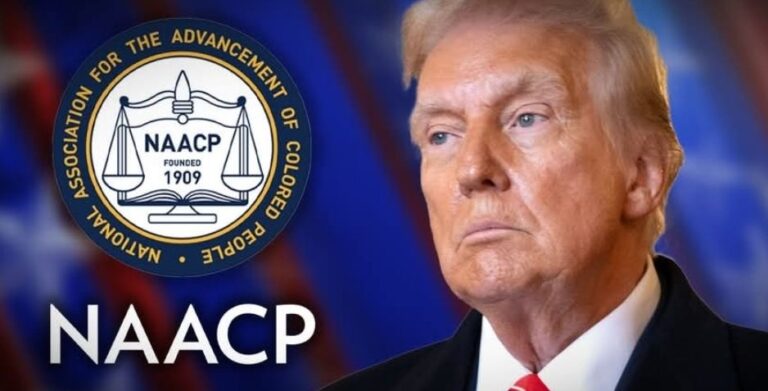
On March 20, 2025, former President Donald Trump signed an executive order to begin dismantling the U.S. Department of Education. To some, this may sound like just another policy move. But for Black America, it is a clear signal that we are entering a new era — one that demands vigilance, unity, and self-determination.

I’ve said from the beginning of Trump’s reelection campaign: Pharaoh is going to let Black people go. What we are seeing is not just a shift in politics, but a spiritual shift. The government is pulling back, and whether we’re ready or not, we are being pushed to stop looking outward for rescue and start looking inward for leadership. These next four years are not about waiting for Washington to save us. They are about us taking full ownership of our future — especially when it comes to the education of our children.

Trump claims he will preserve key federal programs like Pell Grants, Title I funding, and resources for children with disabilities and special needs. These are not minor line items in a federal budget — they are lifelines for millions of students, especially in Black communities. But under Trump’s plan, these programs won’t be overseen by the Department of Education anymore. They’ll be redistributed to other agencies, without clear accountability or guarantees of enforcement.

What Trump did not mention is just as important as what he did. Nowhere in his remarks did he address the Department’s Office for Civil Rights — the office responsible for investigating racial discrimination in schools. Without that oversight, there is no one to protect Black students from unequal discipline, biased testing, or being tracked away from opportunity. The elimination of this department doesn’t just reduce bureaucracy. It removes protections that took generations to put in place.

Trump argues that removing the federal role in education will empower states and local communities to make decisions more suited to their specific needs. For those who support the move, this decentralization is seen as a benefit — a way to remove layers of bureaucracy and give more control back to parents, local leaders, and school boards. Some believe that trimming federal oversight could streamline education systems and allow states to innovate more freely. Others see potential financial savings from eliminating a large federal agency, freeing up funds to be used elsewhere. There are even those who argue that this is a return to constitutional principles — that education was never meant to be controlled by Washington in the first place.

But even with those points acknowledged, the question remains: who will this newfound freedom benefit — and who will it leave behind?

Even more concerning is Trump’s call to return all educational control to the states. In practice, that means your child’s future will now be decided by local politicians, school boards, superintendents, and curriculum committees. And if we’re not involved in those decisions, we’ll have no one to blame but ourselves when our children are left behind.

We can no longer afford to be spectators. We must get involved — actively and consistently. That means showing up for local, county, and state elections. It means knowing who sits on our school boards, who we hire as superintendents, who we allow in our classrooms as teachers, and what values they bring with them. It means demanding a curriculum that doesn’t just check boxes, but one that empowers our young men and women — a curriculum that teaches them who they are, where they come from, and what they are capable of.

Education cannot just be about passing standardized tests. It has to be about liberation, identity, and strength. Our schools should be launching pads for greatness, not pipelines to nowhere or our prisons. And if the federal government is stepping back, we must step forward — boldly, unapologetically, and together.

This is a moment for deep reflection and decisive action. Trump may be proud of signing away federal control, but what matters now is what we sign our names to: petitions, ballots, community plans, and collective strategies to take control of our children’s future.

Pharaoh is letting us go — but where we go from here is up to us.

Let us not miss this moment

Celebrating The Life & Legacy of Barbara Perry

Today Black Westchester celebrates Barbara Perry, the first African American and first female Commissioner in the Town of Greenburgh. She was a lifelong Greenburgh resident and a fourth-generation resident of the town. Barbara Perry was the 2nd executive director of the Theodore D. Young Community Center and the first Commissioner of the Department of Community Resources. She was the 2nd Executive Director of the Theodore Young Community Center (TDYCC) and the first female Commissioner of the Department of Community Resources.

The Town of Greenburgh will honor the life of the late Barbara Perry on Thursday, March 27, 2025, at 6 PM at the TDYCC located at 32 Manhattan Ave by dedicating the 2nd-floor extension of the Center in her memory. Barbara was born on June 19th, 1938, and passed away on Saturday, July 15th, 2023 at the age of 85. On Wednesday evening July 26, 2023, the Greenburgh Town Board started their meeting with a tribute to Barbara Perry.

“Barbara led the department when construction of a 2nd floor at the TDYCC was built. She lobbied NYS to appropriate funds for this important addition -enabling the Theodore Young Community Center to provide patrons and children with additional programming a dance studio, classrooms, and social programs.  Barbara also was responsible for enriching cultural activities, starting a jazz concert series that continues today. Before her being appointed Commissioner Barbara served as Assistant to the Commissioner of the Greenburgh Parks Department. She was a longtime advocate for providing quality social and recreational programs in Greenburgh. It is fitting that Barbara’s contributions to the center and her tireless efforts that resulted in a second floor being built be remembered by future generations,” Greenburgh Town Supervisor Paul Feiner shared.

Barbara was a staunch advocate for education and was a founding member of the Thomas A. Higgs Memorial Scholarship comprised of ten of her high school schoolmates. Through that effort, dozens of students from African-American communities received financial assistance for college. Also a published author, Barbara contributed to the book Our Roots Run Deep: A Pictorial Study of African-American Life in the Town of Greenburgh, New York from the 1800s Into the 21st Century. She was also featured in the docuseries, The African Diaspora Experience.

Barbara’s love of reading facilitated her work as a storyteller and griot. She was a Greenburgh Housing Authority Board member, a member of the Group of Black Women (GBW), and an avid member of her beloved Uno Group! Other passions and hobbies include traveling with her family to South Africa, Hawaii, Mexico, and The Bahamas, the arts, theatre, jazz, teaching and playing golf, bowling, tennis, dancing, sewing, reading, memorable time with family and friends, and attending many of the programs offered at the Center.

With everything in her life, Barbara put God first and was a faithful servant. She grew up in Union Baptist Church and later became an active member of Ridgeview Congregational Church serving as a Deacon, Trustee, scholarship committee member, and choir member. Barbara will always be remembered as a philanthropist, mentor, invaluable resource, “The Commish,” Shero, Herstory maker, and the unofficial “Mayor of Greenburgh,” but most of all she was our family matriarch–a beautiful, brilliant, and phenomenal mother and grandmother who blessed us daily.

She planted powerful seeds and proclaimed, “We bring our young children along on action trips. We feel they are becoming special children because of it.” Barbara’s motherly spirit was shared abundantly throughout her family and community. She adored being a mother to Jason and Jennifer, considered his wife Kyra a daughter, and was a doting grandmother to Sydni, Sloane, Saige, and Logan; she cherished quality time with all of them. Her infectious laugh and wonderful sense of humor are what we will hold onto. The force of an exceedingly generous, passionate, woman of conviction with an indomitable Spirit, enormous andgiving heart.

On July 15, 2023, she was called Home. Barbara was predeceased by her husband James; parents Harold and Pauline; sisters Katherine Kirton, Carol Watson, Sharon Watson; brother Ronny Watson; sister-in-law Lucy Evans; brothers-in-law Grady Stewart, Walter Kirton, and Carlton Evans. Left to cherish her precious memory are her children, Jason Christopher and Jennifer Ann Safara, daughter-in-law Kyra; brothers: James Watson (Jean), Rick Watson (Vielka) sisters: Evelyn Stewart, Janet Washington (Melvin), Linda Watson-Brown (Aaron); brother-in-lawHenry; sister-in-law Inez; a host of nieces, nephews, cousins, very dear friends, and her caregiver Stacey Hubbard who became a special part of our family.

She will be missed immensely, the community loved her forever, treasured her memory, and honored her lasting legacy. Barbara was a true Black Westchester Legend!

BW March 2025 – Women’s History Month Issue

0

Welcome to the March 2025 Women’s History Month digital edition of Black Westchester Newspaper

Trump’s Political Chess Move: How One Tweet Gaslit the Democratic Party

In American politics, perception is often more potent than policy. No one understands this better than Donald J. Trump. The former—and now current—president has long mastered the art of political gamesmanship, and his latest maneuver, a simple “thank you” tweet to Senate Majority Leader Chuck Schumer, was a masterstroke in political deception. In that one tweet, Trump ignited a firestorm within the Democratic Party, exposing their internal divisions and forcing them into a political civil war while he sat back and watched.

I am a student of strategies and the art of negotiation. Whether business, personal, or political, there is always an offer and a negotiation. As the song says, we must mature and recognize when to fold, hold, and walk away.

This is not about supporting Trump. This is about recognizing the tactical political move of a politician who learned from his past mistakes and executed a move that blindsided his opposition. To understand the brilliance of this maneuver, we must look back at Trump’s last major shutdown battle and its consequences

2018-2019: The Shutdown That Cost Republicans Everything

During Trump’s first term, he never shied away from the spotlight. His presidency was marked by a hands-on, in-your-face approach, mainly regarding battles with Democrats. Nowhere was this more evident than during the 2018-2019 government shutdown, the longest in U.S. history at 35 days.

The shutdown stemmed from a bitter dispute over Trump’s demand for $5.7 billion to fund his U.S.-Mexico border wall. Democrats, fresh off a victory in the 2018 midterms where they reclaimed control of the House, refused to budge. The government stopped, and 800,000 federal workers went unpaid—TSA agents, IRS workers, and even Coast Guard members struggled to make ends meet. National parks became trash heaps, food safety inspections stopped, and airline security risks grew.

Most damaging of all? Trump took the blame.

Instead of allowing the shutdown to unfold naturally and pinning the blame on Congress, Trump proudly declared in a public meeting with Chuck Schumer and Nanci Pelosi that he would take responsibility for it. The media relentlessly replayed that clip. Polls showed that most Americans held Trump responsible for the shutdown, not Democrats.

This mistake had massive political consequences. Republicans lost the House in 2018, the Senate in 2020, and Trump lost the White House. His public involvement in the shutdown played a direct role in that downfall. He learned a hard lesson: taking the spotlight in a government shutdown is a losing strategy.

2024: Trump’s Tactical Retreat

Fast-forward to today. Another government shutdown loomed. But this time, Trump stayed silent. There were no public threats, no “proud” declarations, and no dominating the media cycle. Instead, he allowed the legislative process to unfold naturally. Republicans in Congress handled the negotiations; House Speaker Mike Johnson was the frontman, while Trump remained a shadow figure, avoiding blame entirely.

Then came the moment no one saw coming. Chuck Schumer and other Democrats, in a surprising move, voted for a Republican-led spending bill to avert the shutdown. That’s when Trump struck. He didn’t attack Schumer. He didn’t gloat. Instead, he thanked him. Progressive Democrats were furious. Some even called for Rep. Alexandria Ocasio-Cortez to primary Schumer.

The reaction was immediate. Progressive Democrats turned on Schumer, accusing him of caving to Republicans. The left fractured before the public’s eyes. Trump had manipulated the narrative masterfully—without even making a demand. His one tweet gaslit the Democrats into eating themselves alive.

Schumer and other Democrats were now forced to defend why they voted for a Republican bill instead of attacking the GOP. Progressive activists were enraged. The left was fighting itself instead of Trump. And he had done it all without stepping into the political battlefield.

A Political Masterstroke That Democrats Never Saw Coming

This was not about the policy behind the shutdown or whether the spending bill was good or bad. It was about the game of politics, and Trump played it to perfection. He learned from his mistakes, executed a patient strategy, and let Democrats implode without lifting a finger.

The Democratic Party has long underestimated Trump’s ability to control the narrative. In 2018, they had him on the ropes because he was too loud. In 2025, he let them punch themselves out, then delivered the finishing blow with a simple tweet.

Another lesson here is the danger of prejudgment. When we assume someone will act the same way as before, we miss subtle changes. It’s like a fighter training for a bout against a southpaw, only to realize in the ring that his opponent is orthodox. His entire strategy is now useless. The Democrats expected Trump to fight the same battle he lost before, but this time, he switched stances—and they never saw it coming.

If Democrats don’t recognize what happened, they are in serious trouble heading to 2028. Politics is war, and Trump won this battle without appearing on the battlefield. That’s how the game is played.

Avocados: A Nutritional Ally for Black Americans Combating Chronic Disease

Black Americans face disproportionately high rates of chronic diseases, including heart disease, diabetes, and hypertension. This disparity stems from systemic health inequities, limited access to nutritious foods, and cultural dietary patterns influenced by historical injustices. However, incorporating nutrient-dense foods like avocados into daily diets can be a simple yet effective strategy to improve health outcomes.

Statistics reveal concerning trends. Heart disease remains the leading cause of death among Black Americans. Hypertension affects nearly 56 percent of Black adults, surpassing the 48 percent observed in White adults. Diabetes prevalence is approximately 60 percent higher in Black Americans compared to their White counterparts. Obesity rates are notably higher within the Black community, further exacerbating these chronic conditions. While factors such as healthcare access and genetics contribute to these disparities, diet plays a pivotal role. Traditional soul food, though culturally significant, often contains high levels of saturated fats, sodium, and processed ingredients. Embracing nutrient-rich foods like avocados can help mitigate these health risks.

Avocados are more than just a trendy food item; they are rich in monounsaturated fats, fiber, vitamins, and minerals, offering numerous health benefits. Their heart-healthy fats help lower low-density lipoprotein (LDL) cholesterol while maintaining high-density lipoprotein (HDL) cholesterol levels, thereby reducing the risk of heart disease. Additionally, avocados contain high amounts of potassium, which plays a crucial role in regulating blood pressure—an issue that disproportionately affects the Black community.

For individuals at risk of or managing diabetes, avocados serve as an excellent dietary choice due to their low glycemic index. Unlike processed carbohydrates, avocados do not cause rapid blood sugar spikes. The combination of fiber and healthy fats aids in stabilizing blood sugar levels, making them beneficial for those dealing with insulin resistance or type 2 diabetes.

Weight management remains a pressing concern in the Black community, where high-calorie, low-nutrient foods often dominate dietary choices. Avocados, packed with fiber and healthy fats, promote satiety and help curb cravings. Research indicates that individuals who consume avocados frequently tend to have lower body mass indexes and healthier metabolic functions. Including avocados in meals, such as replacing processed snacks with guacamole or avocado toast on whole-grain bread, can support weight loss and overall well-being.

Mental health is another area where avocados offer significant benefits. Anxiety, depression, and cognitive decline are often overlooked in discussions about Black health. Avocados contain essential B vitamins and omega-3 fatty acids, which play a role in brain function and emotional well-being. Consuming nutrient-dense foods that support mental clarity and reduce stress can be an essential aspect of holistic health. Since chronic stress is known to worsen conditions like hypertension and heart disease, incorporating foods that help balance mood and cognitive function is a small yet impactful way to improve health outcomes.

Despite these benefits, fresh and nutritious foods like avocados remain inaccessible to many Black Americans due to the prevalence of food deserts—neighborhoods where grocery stores with fresh produce are scarce, while fast-food chains and convenience stores are abundant. Addressing this issue requires a multi-faceted approach. Community initiatives such as urban farming and local gardens can provide access to fresh produce. Nutrition education, particularly in schools, churches, and community organizations, can raise awareness about the importance of avocados and other nutrient-rich foods in preventing chronic diseases. Affordability is another concern, but avocados can be more accessible when purchased in bulk or from discount retailers. Investing in healthier food choices can ultimately reduce long-term healthcare costs by preventing diet-related illnesses.

Integrating avocados into culturally significant dishes is one way to make them more appealing and sustainable within the Black community. Avocado can be incorporated into traditional salads, added to jerk-spiced grilled chicken dishes, or blended into smoothies for a nutritious breakfast option. Small changes like these allow for the preservation of cultural heritage while enhancing the nutritional value of meals.

The health challenges facing Black Americans are complex and multifaceted, but incorporating nutrient-dense foods like avocados into daily diets is a practical step toward improving health outcomes. By embracing dietary changes alongside traditional cultural practices, the Black community can work toward reducing the prevalence of chronic diseases and enhancing overall well-being.

Disclaimer:

This article is for informational purposes only and does not substitute professional medical advice. Consult with a healthcare provider before making significant dietary changes.

Sources:

Medical News Today: “12 Health Benefits of Avocado” (medicalnewstoday.com)

Harvard T.H. Chan School of Public Health: “Avocados – The Nutrition Source” (nutritionsource.hsph.harvard.edu)

National Library of Medicine: “Avocado Consumption and Risk of Cardiovascular Disease in US Adults” (pmc.ncbi.nlm.nih.gov)

Food Revolution Network: “Holy Guacamole! The Surprising Health Benefits of Avocados” (foodrevolution.org)

The Times are Not “Uncertain”

It’s time for us to stop calling these “uncertain times.”

In truth, we can all be “certain” we know exactly what we are up against. From economic inequality to the erosion of trust in our institutions, the challenges we face as a society are not abstract fears or distant possibilities. These are real, tangible issues that demand our attention.

When we continue to describe our times as “uncertain,” we unintentionally give away our power, as if we are waiting for a storm to pass before we can act. But, in truth, the clarity we need is already here, staring us in the face. We see it in the growing divides between rich and poor, in the struggles of marginalized communities, and in the increasing polarization of our politics.

The times are “certain” because the problems are clear, we can no longer afford to wait for ideal conditions to address them. Our task is to recognize that certainty brings responsibility to act, to collaborate, and to create the change our society desperately needs.

When we frame our times as uncertain, we risk paralyzing ourselves into inaction. We know the shape of the challenges ahead: the growing inequality, the lack of access to quality education and healthcare, and the fracturing of social trust. What is uncertain is not the nature of our challenges, but whether we will choose to confront them with the courage, urgency, and unity they require.

Look around. We have the resources, creativity, and collective strength to create real, transformative change. History has shown us that when we come together across differences, ideologies, and boundaries, we can overcome even the greatest of obstacles. When we unite for the common good, no problem is too big, and no challenge is too insurmountable.

No single person, organization, or level of government can tackle these issues alone but we all have to do our part. Our power lies in collaboration, solidarity, and shared commitment to a brighter future. We need to listen to one another, work together, and lead with empathy. Only then can we build a society that values equity, justice, and opportunity for all.

Let’s embrace the “certainty” of the path before us. The work is hard and may take time, but the alternative is a future where division and distrust continue to deepen. We CAN restore trust in our institutions. We CAN ensure that future generations inherit a society that offers opportunity and dignity for all. We CAN be the change we need to see in the world.

We have no more excuses for inaction.
Emmanuel D Rawlings

Simone Biles: Balancing Bravery and Breaking Barriers in Mental Health by Dr. Derek Suite

Like Black History Month, Women’s History Month offers the opportunity to reflect on the invaluable
role women play in shaping the course of humanity and world history. Starting with basic genetics and
biology, all human beings are incubated by and birthed through the female reproductive system, and
every human being must inherit an X chromosome from their mother to exist. Let that sink in for a second. Women not only contribute to our very existence but to our continuance as a species as well.

From politics (i.e., Cleopatra), to writers (i.e., Harriett Beecher Stowe), to scientists (i.e., Madame Curie),
to activists (i.e., Rosa Parks), women have had to be resilient and resourceful, often excelling and
achieving despite the hurdles they encounter. Navigating work-life balance, gender pay gaps, lack of
equal opportunity, pregnancy discrimination, sexual harassment, institutional barriers, and unconscious
bias are just a few of the everyday hurdles women navigate. Despite these obstacles, women have a
demonstrated history of bravely breaking through barriers to spearhead issues that affect society at large. Simone Biles is a modern-day example of how this legacy of courage is forged.

A remarkable young woman, widely regarded as the greatest gymnast of her era, Simone Biles shocked
the world by choosing to withdraw from competition during the 2020 Tokyo Olympics. Compounding the
shock, Simone shared that her decision was based on a mental health concern, which made headlines
around the world. Simone was also transparent about the factors that affected her emotionally, including
processing the Covid 19 pandemic, being away from the support of family, and the years of traumatic
sexual abuse she suffered during her time with USA Gymnastics.

As a sports psychiatrist who works with elite athletes across multiple sports, I understand the immense
fortitude it took for Simone, considered the greatest gymnast of all time; with multiple Olympic and
world championship medals; who had sacrificed and trained for 5 years to prepare to compete in the
Olympics; to make the courageous decision to step down based on a “mental health” issue–and then to share it publicly. For Simone to also share her journey as a survivor of sexual abuse required additional mettle. Simone admitted that she felt trepidation and expected a backlash after deciding to admit her mental health issues on the world stage.

And she had good reason to worry.

Though the mental health landscape in professional sports is evolving, many athletes and organizations
still grapple with the stigma associated with mental illness. In traditional, alpha-dominant sports settings
that privilege self-sufficiency, invulnerability, and mental toughness, mental health issues are not
typically discussed or endorsed. Accordingly, many athletes are reluctant to admit when they need mental or emotional support. The last thing they want is to be thought of as “crazy,” be perceived as weak, or be considered as a liability to the team. The result? Many athletes suffer in silence, with some relying on unhealthy habits, or substance use to get them through grueling training, performance, and travel demands.

By publicly stating that she was prioritizing her mental health, Simone broke through the traditional
barriers within sports culture that preclude public discussions about athletes’ mental health. Her
transparency opened a worldwide dialogue on the subject. Her status and success combined with her candor around her struggles helped destigmatize mental illness for many and signaled that asking for help was a sign of strength—not weakness. In so doing, she paved the way for other athletes and sports
organizations to openly discuss the importance of mental health in sports culture.

Simone’s decision to take some time off after the 2020 Olympics to prioritize her mental health, despite
her own fears and the public scrutiny, was based on her steadfast commitment to her self-care and
emotional well-being. Though quickly labeled a mental health advocate in the press, Simone readily
admitted that she initially did not see herself as an advocate, in the traditional sense, because she was “not an expert” in mental health matters. Rather, she wanted to share her journey with the hope that it might empower other athletes who struggle with mental health conditions. To this end, Simone has openly shared her self-care strategies, which included seeking professional counseling, using mental health apps, taking strategic breaks from social media, spending time with her emotional support networks, and becoming actively involved in community service.

Simone’s journey offers a living roadmap to a unique resilience strategy that hinges on maintaining
a fierce competitive spirit while embracing vulnerability. In 2023, the world saw her resilience in action.
Returning to the professional arena at the World Artistic Gymnastics Championships in Belgium, Simone not only excelled in competition but won multiple gold medals. Her steadfast determination and extraordinary courage continue to inspire the world and honor the trailblazing legacy of remarkable women in the history of sports.

We look forward to seeing Simone display her indomitable spirit and legendary talents once more at the
53rd FIG Artistic Gymnastics World Championships in Jakarta, Indonesia, scheduled for October 2025.


About The Author: Derek H. Suite, M.D., M.S. is a leading sports psychiatrist, board-certified through the American Board of Psychiatry and Neurology, and an Assistant Professor at Columbia University. He is the founder and executive chairman of Full Circle Confidential which provides expert consultation to multiple iconic sports franchises. He is the host of the motivational Suite Spot Podcast.