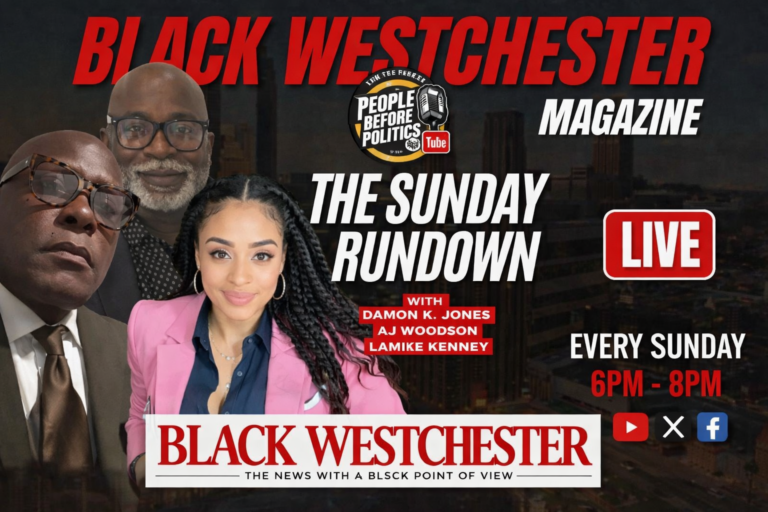
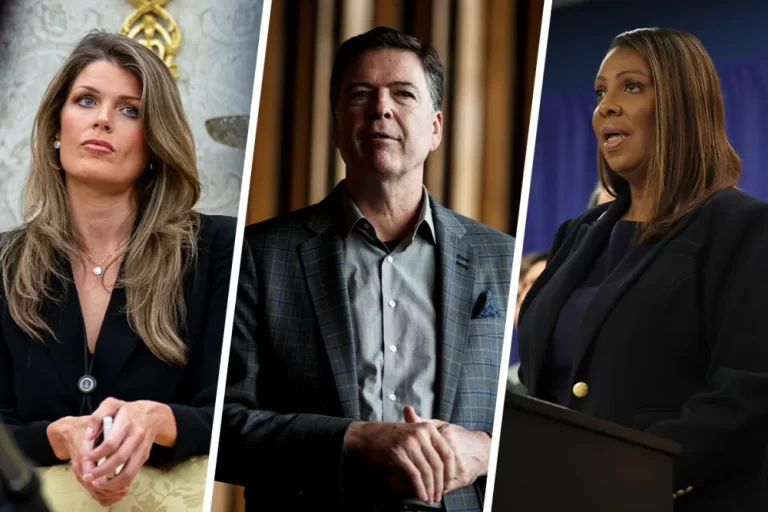
This Sunday at 6 PM, People Before Politics is back — and we’re hitting every major story they don’t want you talking about. Damon K. Jones, AJ Woodson, and Larne Kensey are breaking down the growing backlash to America’s foreign policy with Israel, and why Nicki Minaj standing up for persecuted Christians in Nigeria is shaking the entertainment world. We’re digging into Mayor Mike Spano’s bold pitch to New York City businesses, Letitia James’ fraud case getting tossed on a technicality, and the shocking alleged assassination plot against Candace Owens — the world’s number one podcaster. Plus, we’ll have an important update on the Mount Vernon fire victims and how the community can help. Tune in live this Sunday at 6 PM on YouTube, Rumble, Facebook, and X. This is the conversation the mainstream won’t have — but we will.
This conversation is about justice, reform, healing, and truth — and the work that still remains. Join Damon K. Jones, AJ Woodson, and Larnez Kinsey tonight as we bring you not just news, but context, accountability, and community-centered analysis you can’t get anywhere else.
LIVE from 6 PM to 8 PM on YouTube, Facebook, LinkedIn, and X, powered by Black Westchester Magazine.
A lot of us are carrying a kind of tired that sleep hasn’t touched in years. The kind of tired you feel behind your eyes, in your bones, deep in your spirit. So when I tell patients — young, old, parents, grandparents — that gratitude can help their sleep, I get the same look.
That polite smile that says, “Doc, I came here for real help, not a hug.”
I get it. Gratitude sounds soft. Sounds like wellness fluff. Like something your aunty posts on Facebook, not something a doctor prescribes.
But here’s the part most people never get told Gratitude isn’t a Hallmark sentiment. It’s not positive thinking. It’s not pretending.
It’s a clinical intervention with peer-reviewed research showing it improves sleep quality, reduces the time it takes to fall asleep, lowers cortisol, and strengthens your ability to bounce back from stress.
And Black communities have intuitively practiced for generations what western medicine is now “discovering” about the benefits of gratitude through brain scans and clinical trials—the same gratitude our grandparents practiced at dinner tables, in prayer circles, at revivals, and in those quiet moments before bed.
Whether your family roots trace back to the South, West Africa, the Caribbean, or you’re raising the next generation right here in the US, we’ve always had rituals that protected our spirit when the world refused to. That wisdom did more than just make us polite—it kept us alive.
As a community carrying the weight of systemic stress, financial pressures, and caregiving responsibilities, and getting less restorative sleep than any other demographic in America, gratitude has become a lot more than saying “thank you” at the dinner table. It is survival medicine.
The Sneaky Stress-Sleep Cycle Sabotaging Your Rest
When you’re chronically stressed, your nervous system gets stuck in threat mode. Your brain stays on high alert, scanning for danger. Cortisol levels that should drop at night stay elevated. And that endless mental replay of problems and worries becomes what your brain does automatically the second you try to rest.
And let’s be honest: a lot of Black adults are tired in a way that simple rest hasn’t fixed in years. Not because of personal failure, but the collision of biology and chronic stress.
You can’t “just relax.” Your nervous system doesn’t believe it’s safe to.
This is where gratitude does something most people don’t expect. It acts as a circuit breaker.
Research shows that gratitude practices shift your brain from threat-focused thinking to safety-focused thinking. When you actively notice what’s good, even small things, your parasympathetic nervous system kicks in. That’s your rest-and-digest mode. Your body gets the signal: it’s okay to stand down. It’s safe to rest.
The science backs this up. Studies show gratitude predicts better sleep quality, longer sleep duration, and less time lying awake trying to fall asleep.
And here’s how gratitude works: it changes what you’re thinking about in those critical moments before sleep. Instead of ruminating on problems, grateful people think about one or two things that they can still be thankful for in the middle of the challenge.
That subtle mental shift is what lets sleep actually come.
Because you’re giving your nervous system a break from fighting it 24/7 so it can actually recover. And that recovery, that actual restorative sleep, is what makes you more effective at handling your stress the next day.
What Our Grandmothers Knew, And Why Black Americans Need This Most
Black families have always understood this. Before brain scans and sleep studies, our elders lived through seasons heavier than many of us can imagine, yet they used gratitude as a way to steady the mind and soften the edges of the day.
Your grandmother said grace before every meal, even when there wasn’t much on the table. Your grandfather thanked God on days when bills were late and life was tight. Your mother whispered gratitude prayers before work, before school, before bed.
It turns out that these religious habits came with hidden biological and psychological benefits. Science now calls them “protective rhythms,” or “micro-moments of nervous-system repair.”
In Zulu tradition, there’s a saying: “We give thanks with both hands.” Not just receiving but actively practicing gratitude as a way of moving through the world. African spiritual traditions have long understood that maintaining gratitude, even in the face of suffering, was essential for survival. For protecting your spirit when the world was trying to break it.
A way of finding joy when the world said you had no right to it— the historical practice of gratitude was by no means soft but an act of steely defiance.
And now science is catching up. Western medicine is “discovering” through studies what Black communities have practiced for centuries. The difference now is that we can explain why it works.
We can point to the cortisol reduction, the nervous system shift, and the change in how your brain processes stress. And having science back it up matters for getting doctors to take it seriously, not just write it off as folk wisdom.
But here’s the troubling part: despite overwhelming data showing that Black Americans experience the worst sleep outcomes in the U.S., there is almost no research examining gratitude-based sleep interventions in Black communities. That’s a massive, unacceptable gap.
We’re sitting on centuries of cultural wisdom, modern neuroscience that validates it, and a population in crisis that needs it most. And the very tool our ancestors used to survive—gratitude—is barely being studied in Black culture.
We are the most stressed. We sleep the least. We carry the heaviest loads.
Until the research catches up, we work with what we have.
And what we have is this: Black Americans are dealing with disproportionate sleep problems. Higher rates of sleep apnea and insomnia. Less deep, restorative sleep. Shorter sleep duration. More daytime exhaustion—not because of genetic differences.
They’re the result of historical socioeconomic pressures, shift work, financial strain, and caregiving burdens that fall disproportionately on Black families.
Poor sleep then feeds into the exact health problems that hit Black communities hardest. Hypertension. Diabetes. Obesity. Cardiovascular disease. Cognitive decline.
The system asks Black Americans to be resilient against more stressors while getting less of the restorative sleep that builds resilience. It’s an impossible equation.
This is where gratitude becomes not just helpful, but essential.
When you’re carrying disproportionate stress and getting insufficient sleep, you need tools that work at both ends of the cycle. Gratitude is one of the few interventions that simultaneously reduces stress and improves sleep quality. For free. Starting tonight.
This Isn’t Toxic Positivity
Let’s be clear about what gratitude is not.
It’s not ignoring your problems. It’s not pretending everything is fine when it’s not, or dismissing legitimate grievances. It’s not “just be positive” or “good vibes only” or any of that nonsense that asks you to paste a smile over real pain.
That’s toxic positivity. And it’s actually harmful.
Gratitude is something different. It’s a clinical intervention with measurable biological effects. It’s a way to shift your nervous system state so your brain can think clearly about your problems instead of spinning in anxiety loops about them.
It’s acknowledging small goods alongside real challenges. A practice that makes you more effective at handling adversity, not less.
Think of it this way: gratitude doesn’t make your problems disappear. It gives your body permission to shift out of constant crisis mode long enough to rest and recover.
Gratitude doesn’t erase the hard. It just refuses to let the hard be the only story your brain rehearses at night.
And that rest is what lets you approach those same problems tomorrow with a clearer mind, steadier emotions, and more energy.
That’s how gratitude becomes a survival skill.
How to Start: Three Practices That Actually Work
If you use a gratitude journal, excellent. Using it in the morning or just before bed can be extremely helpful. Truth is most people abandon it after three days. Here are practices that fit into a busy life and honor the rhythms many of our families already understand.
The 60-Second Pre-Sleep Reset
As you’re lying in bed, mentally list three specific things from today. Make them small and concrete. Not “I’m grateful for my family” (too vague). Instead: “The way my daughter smiled at dinner.” “Getting through that tough conversation.” “The sun on my face this morning.” “Simply making it through another day.”
Your mind will try to wander back to worries. That’s normal.
When it does, gently redirect: “Yes, I’m worried about that. And I also noticed this good thing today.”
You’re not trying to erase the worry. You’re noticing something, however small, that still works—that’s gratitude actively refusing to let worry be the only channel your brain plays as you fall asleep.
The Morning Stress Bank
Every morning, write down or mentally note one thing you’re grateful for. Takes 30 seconds. Think of it as depositing resilience currency into a stress bank account. When challenges hit during the day, you’ve got reserves to draw from.
The research on this is fascinating. People who practice morning gratitude report feeling more equipped to handle stress later. The stress is the same size. But they’ve got something to draw on when it hits.
The Gratitude-Prayer Hybrid
If you have a spiritual practice, combine it with specific gratitude. Instead of focusing only on requests (“Please help me with…”), lead with thanks. “Thank you for…” before “Please help me with…”
This ties naturally into African church and spiritual traditions. The good part is that this is about being more intentional about your already existing prayer or spiritual practice instead of inventing something new.
The key with all of these: start small. Pick one practice. Try it for two weeks. Don’t force it.
If you’re not feeling particularly grateful one day, that’s fine. Just observe what’s present without judgment. These practices don’t require emotional strength—they simply ask for a moment of awareness. And those moments build on themselves.
The main idea is to train your brain to notice what it normally overlooks when you’re stressed.
What It Actually Looks Like
Walter, a single father, came to see me about insomnia. He was 47, working two jobs, taking care of his two kids, and barely sleeping three to four hours a night. When I suggested gratitude practice, he gave me that look.
“Doc, I don’t have time for the journals. I’m trying to survive here.”
Fair. We started simple. Just the 60-second mental list before bed. Three things from the day. That’s it.
First week, he felt silly doing it. But he noticed something: on the nights he did it, he fell asleep faster. Not every night. But enough to keep trying.
By week three, he added the morning practice. Started noticing more small moments during the day that he’d normally miss. His kids’ smile. A coworker’s unexpected help. The fact that he did not yell at anyone for 24 hours.
Two months in, Walter was sleeping five to six solid hours most nights. His energy improved. His blood pressure and resting pulse came down. His patience with his kids got better.
Here’s what he told me: “It didn’t fix my problems, doc. My life is still rough. Jobs are still hard, and I need to make more money to take care of my kids. But I’m not up at night anymore. And I am waking up with more energy and in a better mood.”
That’s all practicing gratitude does. Your nervous system gets what it needs to recover so you can keep going.
What Happens When You Start Tonight
Good news! You don’t need to become a gratitude expert, own a fancy journal, or implement a perfect routine. And you don’t need to “ be grateful” for your struggles or pretend real-world problems don’t exist.
All you need is 60 seconds before bed to interrupt the rumination cycle. To shift your brain from threat mode to something safer and give your body permission to rest instead of staying on high alert all night.
Your grandmother understood this. She practiced it at her table, in her church, in quiet moments you probably never saw. Not because she didn’t have problems. Because she knew that protecting her ability to find rest and joy was essential for surviving those problems.
That wisdom didn’t happen by accident. It was how families held on to their focus, their faith, and their peace.
We’ve survived too much and come too far to let stress steal our rest. And our children—watching how we cope, how we break, how we heal—deserve to inherit something better than exhaustion.
That wisdom is still here. Science is finally explaining why gratitude works. And your sleep might be the first place you notice the difference.
So tonight, before your head hits the pillow, try it. Start changing the way your brain processes at bedtime. Name three things. Just three. Small ones. Specific ones.
Things that happened that you were grateful for today. Repeat it as often as you need, especially during the wee hours.
Just three things. Sixty seconds. A ritual our ancestors lived, and our kids deserve to learn.
When you’re raising a daughter in New York’s education system, especially if you’re Black, Brown, immigrant, working-class, or anything other than “textbook privileged”, you see things differently.
You feel the shifts before the headlines hit.
You notice the cracks before the policies change.
You catch the tone, the tension, the “something’s off” long before the data confirms it.
Because when you’re parenting inside the culture-state-space of New York, you’re not just raising a child, you’re navigating an ecosystem. A system shaped by race, class, ZIP code, opportunity, history, and politics whether you signed up for it or not.
And right now, that ecosystem is moving under our feet.
Quietly.
Let’s Talk About the Quiet Dismantling Because It’s Real
Donald Trump said he wanted to dismantle the U.S. Department of Education and return power to the states.
A lot of people laughed it off.
Called it impossible.
Said “That’s not how government works.”
Well…
It’s happening.
Not loudly.
Not dramatically.
But piece by piece, like someone slowly moving furniture out of a house you still live in.
The Guardian reports the administration is breaking up the Department of Education by reassigning major responsibilities.
The quiet dismantling doesn’t announce itself in your child’s backpack.
It shows up as:
longer waits for evaluations
bigger class sizes
fewer counselors
more pressure on teachers
funding gaps widening
curriculum shifts with no explanation
accountability dropping
resources disappearing
This is how inequity grows without a headline.
This is how futures shift slowly and silently.
HOW WESTCHESTER PARENTS CAN ADVOCATE UNDER THE NEW SYSTEM
This is where our power lives now, at the state level, not federal.
1. Know who shapes New York’s education rules
Board of Regents
NYSED Commissioner
Governor
State Senate & Assembly Education Committees
2. Attend your local school board meetings
This is where you’ll SEE the quiet changes first.
3. Build cross-district coalitions
Mount Vernon parents linking with Yonkers, New Rochelle, and Peekskill parents?
That’s power.
4. Track the state budget every year
Education is the largest line item.
Cuts hide in the details.
5. Watch charter expansion proposals
These decisions come from Albany, not D.C.
6. Document everything
Evaluations.
Service delays.
Denied support.
Shifts in staffing.
Data matters.
7. Bring local media into the conversation
Black Westchester is a watchdog.
Use it.
Because the system only changes when people shine a light on it.
Final Word:
I’m raising my daughter in this system.
I’m watching these changes not as a headline-reader, but as a parent who checks homework, emails teachers, attends meetings, asks questions, and understands what it means to fight for your child’s education in a state where inequity can hide behind a short commute.
The dismantling is quiet, but the impact is loud.
And if we don’t pay attention now,
we’ll feel the consequences for years.
This isn’t about panic.
This is about preparedness.
This is about awareness.
This is about protecting our children.
And the parents who understand the shift are the parents who will stay in front of it.
There is always a price for political ignorance, and innocent people almost always pay it. We see it in domestic policy and in foreign policy. Today, nowhere is this more painfully clear than in Gaza, where thousands of Palestinians—many of them children—have died. At the same time, the United States continues sending billions of dollars in military aid with almost no accountability. The tragedy is not only what Israel has done. The more profound tragedy is what America has enabled, and the shame is that many of our own Black leaders have marched in lockstep with it.
Israel’s parliament has been publicly battling over who is responsible for the failures that led to October 7. Lawmakers accuse Prime Minister Benjamin Netanyahu of ignoring intelligence, relying on misguided political deals, and creating conditions that allowed Hamas to grow stronger. These arguments are loud and bitter, but they expose a truth far larger than Israel’s internal politics: the United States helped build and subsidize the very system that made this tragedy possible. Washington has spent decades sending Israel unmatched levels of financial support, diplomatic protection, and political cover. That support is not charity. It is policy. And policy always serves an interest. The question Black America must ask is why our tax dollars are being used to fund misdirection, militarism, and human suffering when our own communities remain under-resourced and politically neglected.
It is hypocritical for a nation that survived the horrors of Hitler to claim perpetual victimhood while inflicting the same conditions on other people under the banner of “self-defense.” Israel built its global identity on overcoming oppression. Yet, the world watches as Palestinians in Gaza endure the immense suffering Israel once condemned: blockade, displacement, mass civilian death, and the destruction of entire neighborhoods. History does not excuse this contradiction. Morality does not explain it. And no political alliance can hide injustice from the eyes of God. The suffering is real whether the bombs fall in Warsaw or in Gaza. The world is watching, and so is Heaven. No nation escapes accountability when it abandons the principles it once claimed as its moral foundation.
The reality is simple: American money has enabled oppression, not peace. Israel receives more U.S. military aid than any country in the world. With that support, it has enforced a system of occupation and control that human rights groups, the United Nations, and even former Israeli officials have condemned. Gaza was an open-air prison long before the world saw images of bombed-out neighborhoods and dead children. U.S. veto power at the United Nations shields Israel from accountability. Each veto sends the same message: there will be no consequences, no matter what happens. That kind of protection creates incentives, and those incentives produce predictable outcomes.
Whether someone supports Israel, Palestine, or neither is irrelevant. What matters is that our tax dollars are being used to sustain violence, not prevent it. Thousands of Palestinians have died not because America is a bystander, but because America is a participant. The weapons, funding, and political shield that make this war possible come directly from Washington, financed by people who never approved it and never benefit from it—especially Black Americans.
The harsh truth is that U.S. foreign policy is not driven by morality. It is driven by leverage, power, and strategic interest. And the tragedy is that Black political leadership has been unwilling to question it. Some of our own elected officials, pastors, and civil rights groups have repeated the White House position word-for-word. They offer statements about Israel’s right to defend itself. They call the situation “complicated.” They avoid criticizing American policy even when the facts are impossible to ignore. Even the Congressional Black Caucus—an institution born from the Black struggle—has accepted millions in political support from pro-Israel lobbying groups such as AIPAC. This financial alignment makes their silence unsurprising, but still disgraceful. It is as if they have forgotten our history of opposing oppression, forgotten the lessons of Selma and Soweto, forgotten that our moral authority came from standing with the oppressed, not with the powerful.
Here’s the hardest pill to swallow: if we claim to be Christians, then we have failed the teachings of Christ by remaining silent while the descendants of Jesus’s own bloodline are being slaughtered. We cannot say we follow Him and ignore the suffering of a people who share His homeland, His lineage, His language, and His geography. Our silence is not neutral — it is a moral failure. And there is a spiritual reckoning for it. Scripture makes it clear that Heaven does not overlook cowardice in the face of injustice. When we turn away from the cries of the oppressed, we stand in direct contradiction to the Savior we claim to follow. There is a cost for that contradiction, a damning of our cowardice that the scriptures warn will surely come.
Yet as a people who know the history of state violence, surveillance, segregation, and injustice, we should be the first to see the moral contradiction. If a foreign government were treating people in Haiti, Jamaica, or Nigeria the way Palestinians are treated, Black leaders would not hesitate to condemn it. But because the oppressor is one of America’s closest allies, many have chosen silence.
That silence has a cost. It makes Black America appear politically obedient rather than politically informed. It fuels the perception that our leadership cares more about party loyalty than moral clarity. And it leaves our community complicit in policies we claim to oppose. There is an uncomfortable reality we must confront: if U.S. tax dollars fund the bombs, then American citizens—Black, white, and otherwise—are not innocent observers. We are involuntary participants. America spends billions on a foreign military while our schools crumble. It funds occupation abroad while families in Detroit, the Bronx, Atlanta, and New Orleans struggle with food insecurity and homelessness. It approves weapons shipments while ignoring mental health crises, addiction, and poverty here at home. This is not moral leadership. It is political dependency disguised as foreign policy.
If Black America wants to be taken seriously as a political force, we must break free from this unquestioning loyalty. We cannot continue voting for leaders who refuse to question how our money is being used. We cannot defend politicians who speak boldly about justice in America but refuse to speak the truth about injustice abroad. If we never challenge our own leaders, then we are not a political bloc—we are a political accessory.
America’s role in Gaza is not just a foreign policy issue. It is a moral, economic, and political identity issue. It forces us to decide whether we value symbolic gestures over real accountability. If we claim to stand for justice, then that standard must apply universally. When we subsidize violence, we empower violence. When we excuse oppression, we legitimize oppression. And when we remain silent, we participate.
The blood of Gaza is not only on the hands of the government that drops the bombs. It is in the hands of the governments that fund it. And that means the moral responsibility extends to a nation that refuses to question how its money is being used. Black America can no longer afford to be silent or selective. The cost of misdirection is too high, and the price is being paid in lives.
If we want justice at home, we must confront injustice abroad. If we want leaders with courage, we must stop rewarding cowardice. And if we wish to have political power, we must stop acting like people who are afraid to use it.
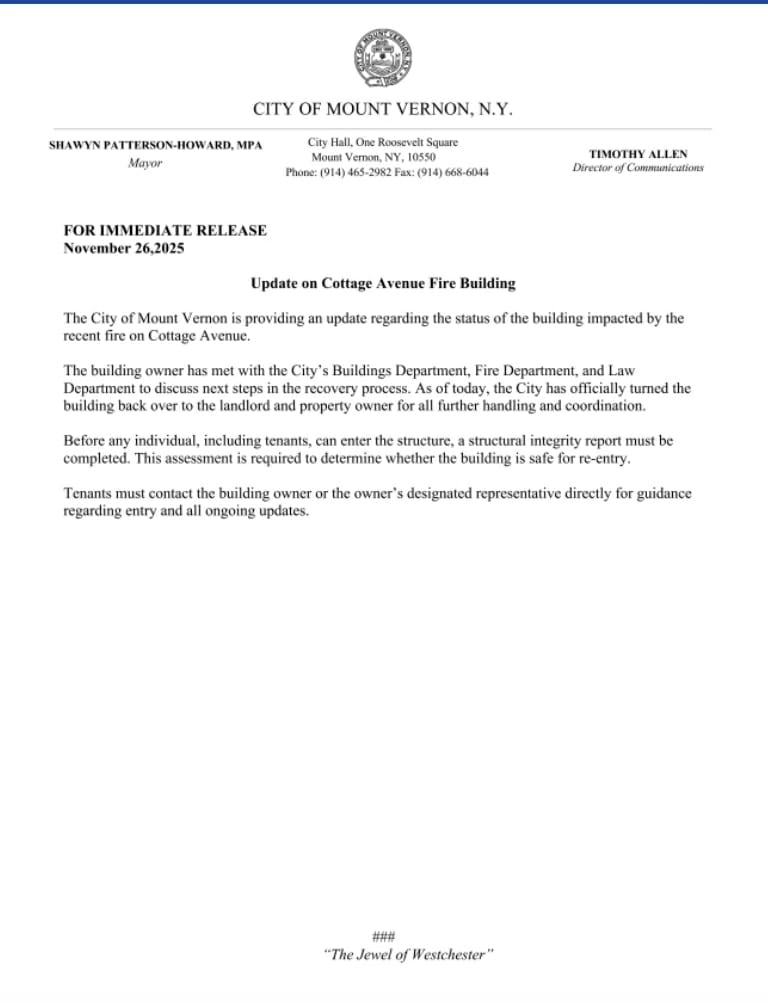
“The building owner has met with the City’s Buildings Department, Fire Department, and Law Department to discuss next steps in the recovery process. As of today, the City has officially turned the building back over to the landlord and property owner for all further handling and coordination. Before any individual, including tenants, can enter the structure, a structural integrity report must be completed. This assessment is required to determine whether the building is safe for re-entry. Tenants must contact the building owner or the owner’s designated representative directly for guidance regarding entry and all ongoing updates,” the city announced in a statement.
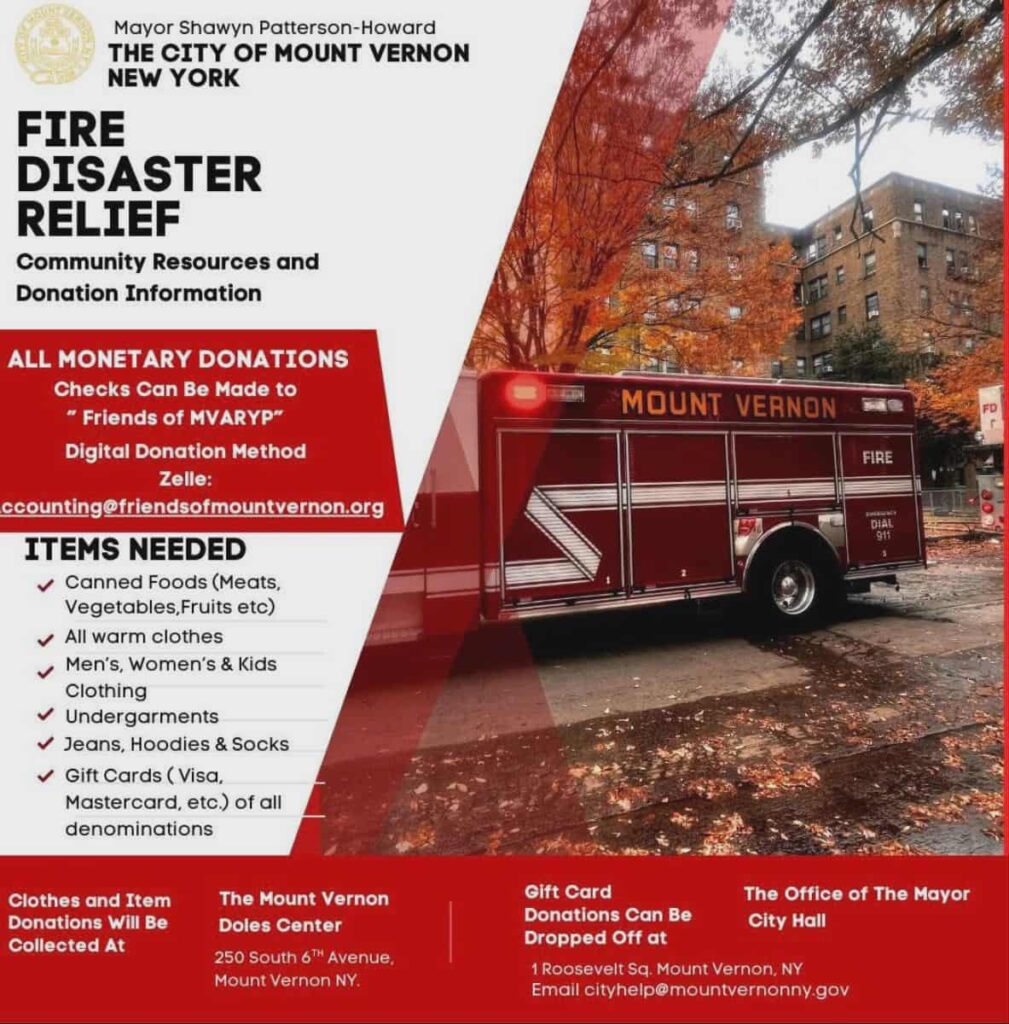
Many residents, organizations, and community stakeholders have stepped up, dropping off carloads and boxloads of clothing, shoes, and personal items and volunteering and offering their time and resources to help those who have been displaced get back on their feet. But more help is still needed (see flyer below).
VOLUNTEERS NEEDED!
The City of Mount Vernon is calling on our community to help sort and organize clothing donations at the Doles Center. Your support makes all the difference. Please feel free to share!
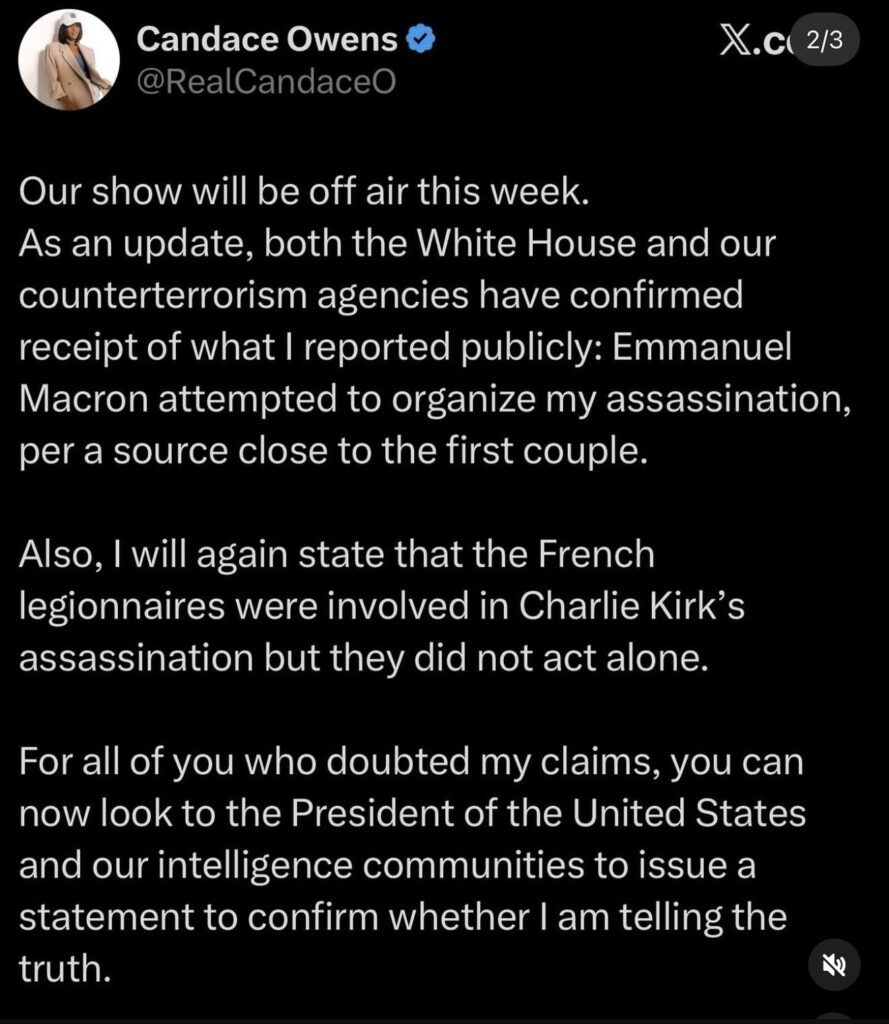
Candace Owens, the most-downloaded podcaster in the world, recently claimed that a foreign-backed assassination plot was orchestrated against her. It is an explosive allegation — one that any functioning democracy should treat with gravity, not ridicule. But instead of investigation or inquiry, the response from the political establishment and major media was immediate dismissal. That instinct to mock rather than examine threatens our collective right to free speech, a core value we must all defend.
Screenshot
Owens’ claim comes at a moment when she has been publicly challenging some of the most powerful people and institutions on the planet. She has been one of the loudest voices questioning the circumstances surrounding the assassination of Charlie Kirk, demanding transparency and pointing to inconsistencies that mainstream outlets have largely avoided. She has also been aggressively exposing what she describes as a global network of political elites, intelligence actors, and high-level figures connected to Jeffrey Epstein’s network — a network she argues includes individuals in the United States, Israel, and France, including President Emmanuel Macron. These are her claims, and she has been presenting them as part of a broader pattern of corruption and protection among global power brokers.
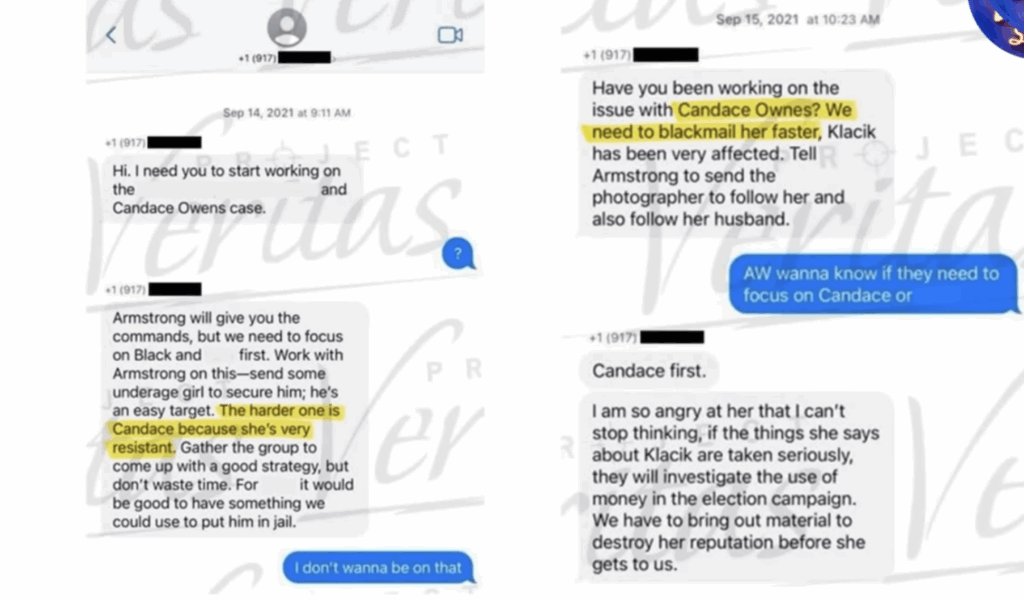
According to the investigative platform Veratace, the site posted what it claims are leaked text messages allegedly involving Mary Barr Daly, the former senior DOJ official and daughter of former Attorney General Bill Barr. In these purported messages, Daly is said to have written that “we need to blackmail Candace faster,” implying an effort to apply pressure or intimidation tactics against Owens. None of these texts have been independently authenticated, and no government agency has publicly confirmed their legitimacy. However, the allegation itself — that a former high-ranking Department of Justice official could be involved in discussions about coercing or targeting a private citizen — is serious enough that it raises profound concerns about the weaponization of institutional power and the broader implications for free speech.
Candace Owens’ fear is not manufactured — it is documented in her own words. In a recent show, she revealed that she assembled what she called a “life-insurance package” containing text messages, emails, videos, and private legal documents, and distributed it to eight trusted individuals ranging from investigative journalist Max Blumenthal to Andrew Tate. She said plainly that if anything happens to her, those documents will be released. What triggered this? Owens is one of the only figures on the right, besides Tucker Carlson, seriously investigating the assassination of Charlie Kirk.
She has obtained inside information from the accused shooter’s family, contradicting the official narrative that the suspect confessed. She uncovered messages showing Kirk had privately distanced himself from Israel and expressed frustration with specific donors. And she revealed that 24 hours before his death, Kirk told three separate people that he believed he was going to be killed. Owens says the people attacking her have been trying to bankrupt her and destroy her family, and she now openly admits she fears for her life. Her willingness to activate a “dead man’s switch” underscores how dangerous she believes the truth has become — and how far powerful actors will go to silence the voices they cannot control.
You don’t have to accept every element of her argument to understand the danger it poses to powerful interests. When a media figure with a massive audience begins pulling on threads that connect governments, intelligence agencies, international scandals, and political elites, it is not surprising that she becomes a target. History shows repeatedly that those who challenge entrenched systems of power — especially systems involving sexual exploitation, blackmail, or intelligence leverage — face forms of retaliation that are designed to silence them permanently.
Owens alleges that high-ranking foreign sources informed her of an operation designed to eliminate her. She says she has documentation, communication trails, and details she intends to release. Whether these claims ultimately prove true or not is a separate question. The immediate concern is that these types of allegations were dismissed reflexively by the same institutions that claim to defend truth and transparency.
A free society does not laugh off accusations of political retaliation. A free society demands answers. And I know from personal experience that retaliation is not hypothetical. When I exposed corruption in Mount Vernon, former Mayor Richard Thomas didn’t challenge me politically — he attacked every part of my life. My wife, a detective for the Mount Vernon Police Department, was unjustly suspended for ten months. My family business was harassed. City departments were weaponized against us. People were pressured to lie and say I threatened them so police could arrest me. The mayor’s own brother falsely accused me of pointing a gun at him. These were orchestrated, intentional acts meant to silence me, and I share this to remind us all that standing up for truth can come at a personal cost.
Suppose a small city government can mobilize its entire infrastructure to try to destroy one journalist. In that case, it is naïve to assume that global actors would not do worse to someone with millions of followers who publicly challenges their influence, secrets, and legitimacy.
The deeper issue is not whether every detail of Owens’ story is verifiable today. The deeper problem is why so many Americans instinctively believe that silencing a dissident is impossible. The truth is that Americans have been conditioned to trust power even when power has repeatedly shown itself to be corrupt. We say we believe in free speech, but in America, it has become performative. It applies only to speech that stays within acceptable limits — speech that does not threaten the legitimacy of governments, global alliances, or institutions with the ability to retaliate.
When Owens began discussing Charlie Kirk’s assassination, she crossed one line. When she started naming people connected to Epstein’s network, she crossed another. When she began alleging ties between U.S., Israeli, and French actors in the protection of global elites, she crossed a third line — the line where speech becomes dangerous not because it is false but because it challenges power.
The reaction to her claims highlights how media outlets often prioritize protecting powerful interests over free speech, revealing a lack of accountability that threatens media integrity and public trust. Whether Owens’ allegations are proven or not, the refusal of the establishment to investigate underscores the urgent need for citizens to critically examine how institutions respond to dissent and challenge the erosion of free speech protections.
The question now is not just what happened to Candace Owens.
The question is what has happened to us. Our society’s willingness to accept censorship and dismiss dissent threatens the very foundation of our civil liberties. We must recognize that defending free speech is a shared responsibility that requires vigilance and courage from all of us.
America is on the edge of a significant tax transformation, and Black America cannot afford to misunderstand it. The FairTax Act of 2025 eliminates federal income taxes, payroll taxes, self-employment taxes, and the IRS itself. In its place comes a national sales tax, a monthly rebate for every household, and a new method for funding Social Security that carries significant long-term consequences. As usual, the public conversation around this bill has become louder than it is accurate. But outcomes — not emotions and not party loyalty — are what matter.
One of the most apparent immediate advantages is the increase in take-home pay. When federal income and payroll taxes disappear, every worker sees more money in their paycheck. That is not symbolic; it is substantial, especially for Black workers who often live in income brackets where every deduction has a real impact. Gig workers, contractors, barbers, beauticians, delivery drivers, and small business owners stand to benefit from finally taking home what they actually earn. In communities where liquidity can determine whether families stay afloat or fall into crisis, this change shifts the day-to-day financial reality.
Another overlooked advantage is the monthly rebate included in the bill. This rebate is not welfare. It is a structural mechanism that refunds the tax paid on essential goods up to the poverty level. For many Black families, particularly those raising children, the rebate provides a financial buffer that covers much of their basic monthly spending. It ensures that the first portion of every family’s consumption is effectively tax-free, neutralizing the argument that the sales tax automatically punishes low-income households.
One of the most significant hidden opportunities in the FairTax system is that used goods are not taxed. People who understand wealth already know that buying used assets — from cars to equipment to appliances — avoids the steep depreciation that drains wealth. Under the new system, it also avoids the federal tax entirely. This is an opening for Black families and Black entrepreneurs to reduce costs, prevent debt traps, and build businesses with dramatically lower startup expenses. Buying used is no longer a sign of struggle, but a financially intelligent strategy.
While the bill offers real advantages, it also poses a vulnerability that Black America cannot ignore. The FairTax Act eliminates payroll taxes but does not eliminate Social Security. Instead, it moves Social Security into the general federal budget, breaking the direct link between what workers contribute and what they receive. Once that happens, Social Security no longer has a protected funding stream. It becomes dependent on political bargaining, annual budget negotiations, and the strength of the economy. During recessions, when sales tax revenue drops, Social Security could face funding gaps. During partisan battles, Congress could underfund it or delay payments. The risk is not hypothetical; it is grounded in the way Washington has historically treated programs without dedicated protection.
This matters profoundly for Black America. Black retirees rely more heavily on Social Security than any other group in the United States. Many Black workers do not have pensions, retirement accounts, brokerage portfolios, or inherited wealth to supplement their income. Social Security is the backbone of retirement for millions of Black elders. If that system becomes unstable, those elders become unstable. Their housing becomes unstable. Their healthcare becomes unstable. Their ability to remain independent becomes unstable. The risk is not guaranteed, but it is real — and it deserves serious attention.
This is precisely where Democrats have an opportunity to shift from performative outrage to productive negotiation. Rather than rejecting the FairTax Act entirely, they could demand structural protections for Social Security before any version becomes law. The most powerful reform would be the creation of a Social Security investment deduction — not a tax, but a direct contribution into the program. Every American would contribute as an investor, and every American would benefit as an investor. Unlike the current payroll system, where the money disappears into general Treasury spending, a Social Security investment deduction would go directly and exclusively into the Social Security program. It would be transparent, trackable, and protected. Workers would see their own contribution grow and know that their money is being used for its intended purpose rather than diluted across unrelated federal obligations.
Such a reform would permanently stabilize Social Security, insulating it from political manipulation and economic downturns. It would also allow Black workers — who often lack access to wealth-building tools — to participate in a system grounded in ownership rather than political promises. Democrats could further strengthen retirement security by pairing the investment deduction with optional supplemental accounts that allow workers to accumulate tangible, inheritable assets. If Democratic leaders claim to be the guardians of vulnerable communities, this is the area where they should plant their flag. This is the place to negotiate. This is where meaningful reform is possible.
State enforcement is another area that deserves attention. With the IRS eliminated, states become responsible for collecting and enforcing the new national sales tax. This shift is both a relief and a risk. It ends the problem of disproportionate federal audits on low-income Black taxpayers, but it does not guarantee fairness from state governments. Some states have long histories of uneven enforcement, discriminatory oversight, and political hostility toward urban communities. Moving power from Washington to state capitals does not automatically produce justice. It simply changes who holds the authority. What ultimately determines whether this bill helps or harms Black America is how we respond to it. If the extra take-home pay becomes an opportunity to save, invest, build businesses, and strengthen household stability, then the bill becomes a tool for economic mobility. If families use the rebate to shore up essential spending and avoid predatory financing, the impact will be positive. If we embrace the tax-free used market and avoid high-depreciation purchases, we keep more of our income and gain more financial control. But if we continue prioritizing consumption over accumulation, ignore the warning signs around Social Security, or fail to hold state governments accountable for fair enforcement, then the risks will outweigh the advantages.
The FairTax Act is not automatically good or bad for Black America. It is a structural shift that creates new incentives and new responsibilities. It removes certain burdens that have historically drained wealth from our communities, but it also exposes areas where discipline, awareness, and political vigilance are necessary. The tax landscape in America is changing. The only question now is whether we prepare for that shift or react to it after the consequences arrive.
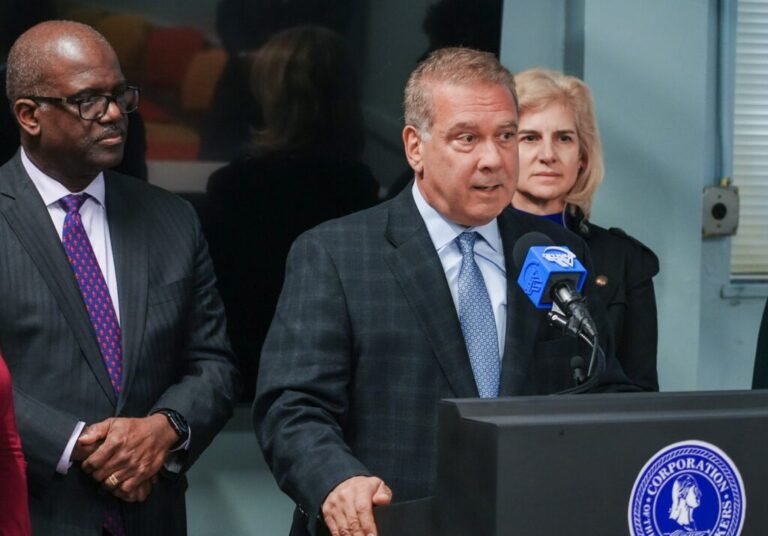
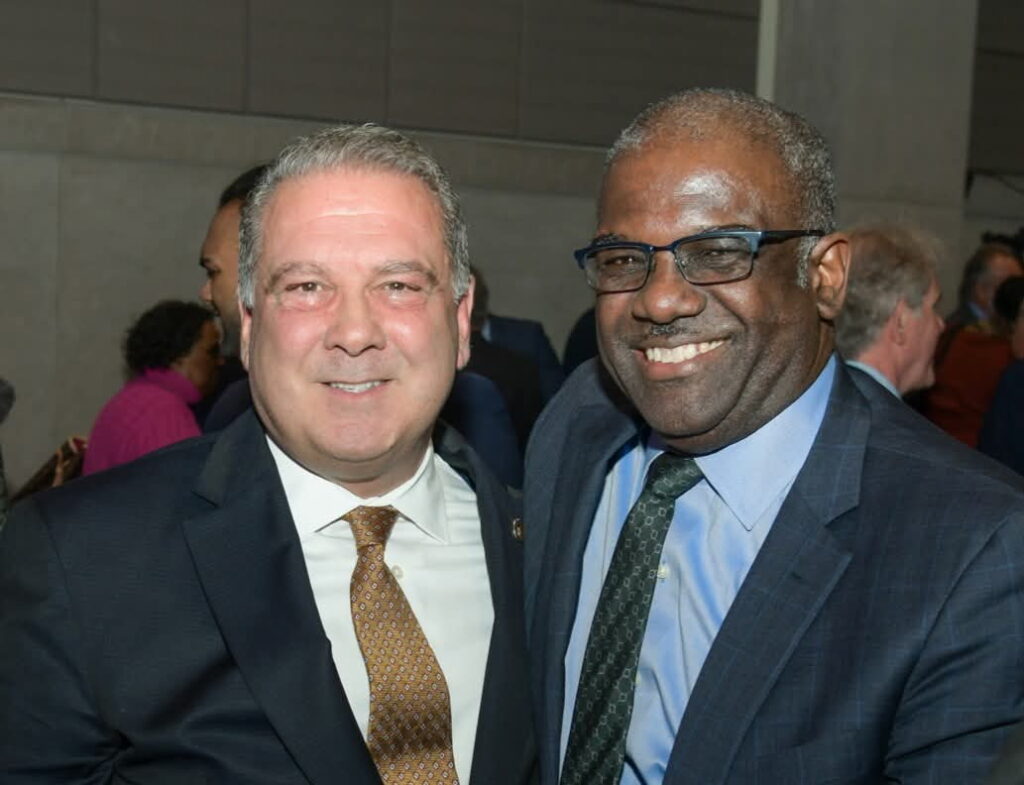
Yonkers is the third-largest city in New York State, and its mayor, Mike Spano, just sent a signal that should make New York City pay attention to regional economic strategies. When he publicly invited NYC businesses to relocate or expand in Yonkers, he wasn’t looking for a headline. He was stating a truth that cities with strong economies understand and ideological administrations often ignore: businesses respond to incentives, not speeches. Entrepreneurs respond to cost, not political branding. Markets react to stability, not theatrics. And at the very moment New York City prepares to swear in a mayor who proudly calls himself a democratic socialist, the logic behind Spano’s message becomes even sharper.
Business leaders across the five boroughs have already expressed concerns about the incoming administration’s direction. Small business owners are uneasy about proposals such as city-run grocery stores. Real estate leaders warn that regulatory uncertainty is already slowing down investment conversations. Retail groups point out that rising costs could destroy thin-margin businesses. Whether one agrees with these anxieties is irrelevant. They exist. They are real. And they represent feedback from the very people who create jobs, sign paychecks, lease space, and sustain New York City’s tax base.
Spano is responding to that feedback with clarity. While New York City leans harder into ideological messaging, Yonkers is leaning into predictability. While New York City talks about taxing and constraining its producers, Yonkers is offering itself as a place where businesses can operate with confidence. While activists celebrate policy experiments, Spano is positioning his city as a location where rules remain consistent and growth is encouraged rather than punished. None of this is partisan. It is practical governance based on cause and effect. Cities that focus on economic outcomes will grow. Cities that prioritize rhetoric over results will decline.
We recently came to the same conclusion about Westchester County Executive Ken Jenkins. His leadership style—steady, pragmatic, and in constant communication with the business community—is fundamentally different from the confrontational tone emerging from Mamdani’s political circle. Jenkins understands that development requires stability. Investors do not build in regions where leadership treats them as adversaries. His approach is a significant reason Westchester continues to attract new projects, while New York City risks becoming inhospitable to future growth. The difference between Jenkins and Mamdani is not ideological preference. It is measurable in outcomes.
Spano’s message also aligns with a more profound truth that New York City continues to overlook: most Fortune 500 CEOs who work in Manhattan already live in Westchester. Their families, schools, social circles, and tax footprints are already north of the city line. This means the psychological barrier to shifting operations—or opening a second headquarters—in Westchester is significantly lower than political pundits want to admit. Executives are far more likely to invest and expand where they already reside than where they feel politically targeted. When the people making billion-dollar decisions already reside in your county, you don’t have to convince them to leave New York City—you only have to give them an economic reason to stay and expand.
And this is precisely what Mamdani’s rhetoric risks becoming: the excuse.
Spano’s message fits into a broader trend forming across Westchester. While New York City experiments with sweeping ideological shifts, the suburban region is positioning itself as the calm alternative. Companies do not wait for laws to change before making decisions. They respond to anticipation, to tone, to signals about the cost of doing business. Economic decisions always happen before political ones. When companies begin exploring relocation or expansion in places like Yonkers, White Plains, or New Rochelle, the long-term effects immediately begin shaping employment, commercial property values, municipal budgets, and neighborhood futures.
This dynamic matters deeply for Black New Yorkers. Economic turbulence hits our community first and hardest. When companies relocate or slow hiring, Black workers are the ones who lose opportunities. When commercial corridors decline, it is Black neighborhoods that see vacancies. When tax revenue shrinks, it is programs serving marginalized communities that sustain the deepest cuts. This is why governance cannot be judged by how it sounds, what ideology it affirms, or what political tribe it impresses. It must be judged by what it produces. Outcomes—not intention—determine who benefits and who pays the price.
Spano’s invitation to businesses is not an attack on New York City. It is a warning rooted in economic logic. If a government increases the cost of doing business, fewer businesses will stay. If it creates regulatory uncertainty, investment will slow. If it elevates ideology above pragmatism, the results will expose that mistake. New York City can deny this reality or confront it. Yonkers and Westchester already have.
The combination of Ken Jenkins and Mike Spano—one overseeing the county’s economic environment, the other running its largest city—forms a powerful alternative for companies uneasy about Mamdani’s rhetoric. White Plains already functions as the business hub of Westchester and the largest corporate center outside Manhattan. Yonkers brings population density, workforce access, transit connectivity, and expansive redevelopment opportunities. Add the fact that the region’s highest-earning executives are already Westchester residents, and the competitive threat to New York City becomes undeniable.
If Mamdani continues signaling policies that appear hostile to producers and investors, he will accelerate a migration that is already quietly forming. Companies will not announce dramatic exits. They will simply expand elsewhere. They will hire elsewhere. They will invest elsewhere. They will pay taxes elsewhere. In time, that shift weakens the very foundation of what New York City claims it wants to protect.
If New York City refuses to adjust its posture, it risks being outpaced not by Florida or Texas, but by its own neighbor just twenty minutes north. Jenkins and Spano understand a truth NYC leadership has forgotten: outcomes determine prosperity. Rhetoric does not. If New York City ignores that truth, it will face declining investment, shrinking jobs, and increasing instability, losing its economic edge to regions that prioritize results over words.
There is no emotion in that conclusion. Only math. Only logic. Only outcomes.
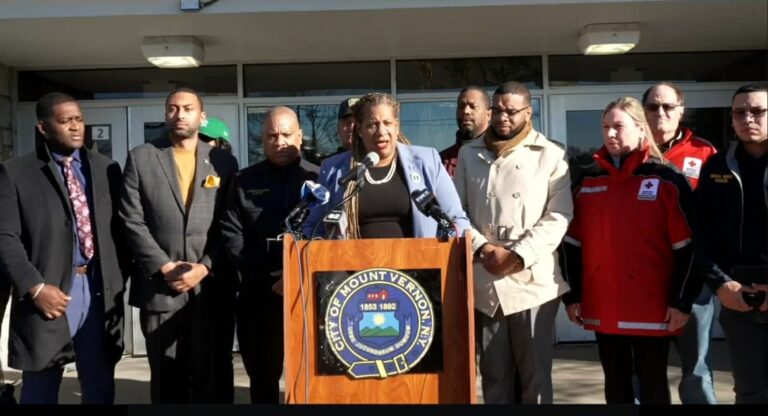
Mayor Shawyn Patterson-Howard, the Mount Vernon City School District, and the Westchester County Department of Social Services held a press conference on Monday at 1:00 PM at Mount Vernon Honor Academy, formerly named Holmes Elementary School (195 North Columbus), to discuss their collaborative disaster relief efforts.
City, school district, and county partners provided updates on the coordinated response to support residents severely impacted by the recent fire and outlined how we can continue to come together as a community during this challenging time.
Judge dismisses cases against ex-FBI Director James Comey and NYS Attorney General Letitia “Tish” James, without prejudice, meaning they can be refiled at a later date
The criminal cases against former FBI Director James Comey and New York Attorney General Letitia James Monday, were dismissed by a federal judge on the grounds that interim US Attorney Lindsey Halligan was wrongfully appointed to her position and “had no lawful authority” to present the indictments of either of President Trump’s longtime adversaries.
Attorneys for Comey and James argued that Halligan needed Senate confirmation after Attorney General Pam Bondi used up her 120-day interim appointment on Erik Siebert. Siebert resigned after President Trump publicly criticized him for not bringing charges against the former FBI director.
“I agree with Mr. Comey that the Attorney General’s attempt to install Ms. Halligan as Interim U.S. Attorney for the Eastern District of Virginia was invalid. And because Ms. Halligan had no lawful authority to present the indictment, I will grant Mr. Comey’s motion and dismiss the indictment,” U.S. District Judge Cameron Currie wrote in her ruling, finding the indictment should be tossed because the appointment of former Donald Trump personal lawyer Lindsey Halligan was invalid and she’d lacked the authority to present a case to a grand jury.
Both indictments were dismissed without prejudice, which typically means that the cases can be brought again. However, the ruling by senior US District Judge Cameron Currie comes after the expiration of the five-year statute of limitations against Comey, meaning the case against him cannot be reopened.
Comey pleaded not guilty in October to one count of false statements and one count of obstruction of a congressional proceeding related to his testimony before the Senate Judiciary Committee in 2020, amid what critics call Trump’s campaign of retribution against his perceived political foes.
James, who successfully brought a civil fraud case against Trump last year and leads multiple lawsuits challenging his administration’s policies, pleaded not guilty in October to charges that she committed mortgage fraud related to a home she purchased in 2020.
Prosecutors said she falsely described a property she purchased in Norfolk, Virginia, as a second home instead of an investment property to obtain a lower mortgage rate. James said she purchased the property for her great-niece and allowed her and her children to live in the house rent-free.
“I am heartened by today’s victory and grateful for the prayers and support I have received from around the country,” James said in a statement following the ruling. “I remain fearless in the face of these baseless charges as I continue fighting for New Yorkers every single day.”
Abbe David Lowell, the lawyer for New York Attorney General Letitia James, said the court’s order “acknowledges what’s been clear about this case from the beginning. The President went to extreme measures to substitute one of his allies to bring these baseless charges after career prosecutors refused”.
This case was not about justice or the law; it was about targeting Attorney General James for what she stood for and who she challenged. We will continue to challenge any further politically motivated charges through every lawful means available.”
Unlike the case against Comey, the allegations against James appear to be well within the statute of limitations should the Department of Justice try to pursue the case again.
The orders make Lindsey Halligan the latest Trump administration prosecutor to be disqualified because of the manner in which they were appointed. Monday’s order will likely prompt an appeal process that could lead to three other prominent acting US attorneys — New Jersey’s Alina Habba, Sigal Chattah of Nevada, and Bill Essayli of Los Angeles — leaving their posts.
After both Comey and James were indicted, Bondi attempted to ratify Haligan’s appointment, but Judge Currie rejected that attempt to fix the issue after the fact. She concluded Halligan’s appointment violated laws that limit the ability of the DOJ to install top prosecutors without Senate confirmation.
“The implications of a contrary conclusion are extraordinary. It would mean the Government could send any private citizen off the street — attorney or not — into the grand jury room to secure an indictment so long as the Attorney General gives her approval after the fact. That cannot be the law,” she wrote.
The NAACP, particularly its New York State Conference, condemned the indictment and has rallied in support of James, with leaders calling the charges politically motivated and baseless. They believe the charges are a result of a personal vendetta and are an attempt to silence and punish her for speaking out against injustice. The Slogan: “Hands off Tish” is the central message of this support. The NAACP uses the slogan to call for the charges to be dropped and for federal interference in New York’s state attorney general’s office to cease, as detailed on Instagram and YouTube.
Rev. Al Sharpton, Founder and President of National Action Network (NAN), issued the following statement after a federal judge dismissed charges by the Justice Department against New York State Attorney General Letitia James and former FBI Director James Comey, ruling the prosecutor in both cases was unlawfully appointed.
“The court’s decision today sends a clear message to Donald Trump and his administration that the Justice Department cannot become a weapon to exact political revenge. Whatever the technicality used to toss out these cases, it’s clear that these charges were based on one thing: retribution. Attacking a Black woman who holds elected office by questioning her ability to earn money or own property has become a tired tactic by the right — one the court clearly saw through. While we should never have been in a place where the sitting President can seek to rise above the law to scrutinize those who chose the country over loyalty, this ruling is proof that safeguards still exist in our system.”