Home Blog Page 164

William Wagstaff Announces Run For Westchester County District Attorney

0

WILLIAM WAGSTAFF, RENOWNED CIVIL RIGHTS ATTORNEY AND ADVOCATE, ANNOUNCES RUN FOR WESTCHESTER COUNTY DISTRICT ATTORNEY

On Monday, November 20, recognized attorney, civil rights leader, social justice champion, and lifetime Democrat William O. Wagstaff III declared his campaign for Westchester County District Attorney almost one month after current Westchester DA Mimi Rocah announced she would not be running for re-election.

“Westchester needs a District Attorney who will prioritize protecting our communities and standing up for victims, while at the same time recognizing that our system does not always lead to just outcomes. I bring a unique background and perspective that I believe would make me the kind of District Attorney that Westchester needs at this moment,” says William Wagstaff, who if he wins would make history as Westchester County’s first Black District Attorney.

William’s life experiences and journey to this point are unlike any candidate in the history of the Westchester District Attorney’s office.

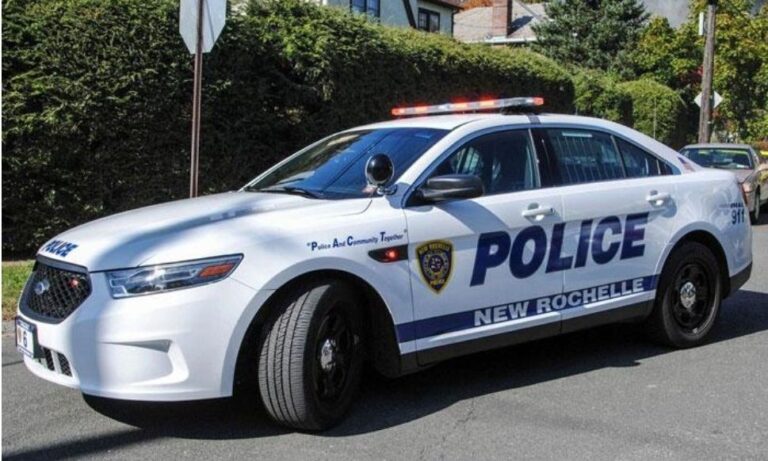
Wagstaff has handled some of the area’s highest-profile civil rights cases; among his cases are lawsuits against the City of Poughkeepsie Police for using excessive force on teenage sisters, representation of a Hudson Valley Chapter of Black Lives Matter and its members who were victims of illegal police surveillance, a suit on behalf of the family of an unarmed man shot by New Rochelle police, and a recently settled suit against the City of New York for $2.25 Million for the death of a Riker’s Island detainee held in solitary confinement.

“As District Attorney, I will make Westchester County safer with integrity through the implementation of data-driven solutions for addressing gun violence, hate crimes, domestic violence, and property crime.”

Wagstaff has rolled out a robust Policy Plan with initiatives for:

  • Utilizing Data to Reduce Crime & Improve Quality of Life
  • Eradicating Hate Crimes & Protecting Targeted Communities
  • Encouraging Treatment of Mental Health Issues & Substance Use Disorder
  • Combating Elder Fraud and Abuse
  • Providing Support & Resources to Law Enforcement
  • Accounting for Consequences to Immigrants
  • Making Diversion the Rule
  • Addressing Racial Disparities
  • Charging with Restraint & Plea Bargaining Fairly
  • Promoting Restorative Justice

A Mount Vernon native, Wagstaff has served as the City of Mount Vernon’s Special Prosecutor for Police Discipline. In that role, he has held bad actors accountable but also supported law enforcement, recognizing that ensuring police are treated fairly is equally essential.

In addition to serving as Special Prosecutor, William serves as Special Counsel to Mount Vernon Mayor Shawyn Patterson-Howard and as Chairman of her Judicial Appointment Committee.

“My steadfast commitment to social justice and proven ability to deliver real results instead of rhetoric will make the District Attorney’s office a vehicle for the impactful change we need,” Wagstaff says.

William’s commitment to the community is equal to his commitment to justice; he co-sponsors an annual coat drive with Collective for a Cause in Yonkers, serves as Chair of the African American Men of Westchester Mentoring Committee, and is on the Board of Directors for the Legal Aid Society of Westchester.

William is a Pace Law School graduate and has his MBA from Fordham Business School. He is raising two great kids with his wife, Christina.

Wagstaff’s civil rights advocacy, legal experience, and ability to effect change have earned him broad support across Westchester County as he begins his campaign for District Attorney; the campaign is well on its way to a healthy six-figure war chest by the January campaign finance filing. For more information, visit www.wagstaffforda.com

Wagstaff will face former Westchester prosecutor Adeel Mirza and Sheralyn Pulver Goodman, a longtime public defender who now runs the county Independent Office of Assigned Counsel, in the Democratic primary next year in what will be one of the most watched races and one of the most important races in the election. While Wagstaff, Mirza and Pulver are the only Democrats to announce so far, local election officials share with Black Westchester that Judge Susan Cacace, Acting Justice of the Westchester County Supreme Court in the Ninth Judicial District of New York may be eyeing this race as well, although she has yet to throw her hat in the ring.

For those fighting for criminal justice reform, the office of your local district attorney is the most important election in your area!

Stay tuned to Black Westchester for all updates and coverage of this very important election!

12 Supplements All Women Should Consider Taking for Good Health

The human body relies on specific vitamins and minerals for optimal function. While a well-balanced diet should ideally meet these needs, supplements can be a valuable addition to support overall health. Women, in particular, have unique nutritional requirements, and understanding the recommended daily allowances (RDAs) tailored to women is crucial.

It’s crucial to emphasize that maintaining a proper regimen of vitamin and mineral intake is especially important for Black women, given the existing health disparities within Black communities. These disparities underscore the need for targeted efforts to support the well-being of Black individuals. Black women, in particular, face unique health challenges and may benefit significantly from nutritional supplements to address specific health concerns.

The inequities in healthcare access and outcomes in Black communities make it essential for Black women to prioritize their health and nutrition. Ensuring adequate intake of vitamins and minerals can help mitigate some of these disparities by promoting overall health, strengthening the immune system, and addressing specific health issues that may disproportionately affect Black individuals.

Consider incorporating these herbs into your health regimen:

  1. Ginseng: Known as a uterine tonic and fertility herb, ginseng’s adaptogenic properties and adrenal support can reduce stress, making it beneficial for couples trying to conceive.
  2. Ashwagandha: This herb helps the body adapt to stress, offers gentle hormone balancing, and supports reproductive health. It also enhances mood and cognitive function.
  3. Maca Root: Maca may alleviate menopausal symptoms like hot flashes, vaginal dryness, mood swings, sleep disturbances, and irritability.

For supplements to optimize your health:

  1. Vitamin D: Many women are deficient in this critical vitamin essential for calcium absorption and immune system support.
  2. Multivitamin: Ensures daily vitamin and mineral requirements are met, significantly when dietary intake may fall short.
  3. Calcium: Vital for bone health, with recommended daily intake varying by age.
  4. Fiber: Supports gut health and helps lower cholesterol, complementing a balanced diet.
  5. Fish Oil: Provides essential fatty acids necessary for overall health.
  6. Probiotics: A healthy gut is linked to a healthy body and mind.
  7. Vitamin B-12 is essential for various bodily functions, especially for vegetarians and vegans.
  8. Iron: Vital for menstruating women to replace lost blood.
  9. Melatonin: Can aid sleep for those with sleep difficulties.
  10. Folate: Necessary for pregnant women to prevent congenital disabilities.

Additionally, magnesium is a crucial mineral with numerous positive effects on women’s health. It supports bone health, regulates hormones, aids cardiovascular health, reduces stress, and promotes muscle relaxation, making it essential for overall well-being.

In addition to the general recommendations for supplements and dietary choices, Black women should consider discussing their specific health needs with healthcare professionals who can provide personalized guidance and support. By taking proactive steps to prioritize their health through proper nutrition and supplementation, Black women can improve their well-being and contribute to the broader effort to address health disparities within their communities.

Navigating Generational Perspectives: Wellness and Wealth in the American Black Community

In today’s rapidly evolving society, two distinct mindsets have emerged among younger generations: Generation Wellness and Generation Wealth. These contrasting perspectives reflect varying values and priorities that shape individuals’ life goals and aspirations. Within the American Black community, these generational views are profoundly influenced by unique historical, cultural, and socioeconomic factors.

Generation Wellness

Generation Wellness places a strong emphasis on personal well-being over material possessions. This cohort values a balanced lifestyle, personal growth, and physical and mental health. Black people’s quest for inner peace, mindfulness, and self-care is central to their identity. For Generation Wellness, contentment is often found in meaningful experiences, genuine connections, and a clear sense of purpose.

The Black community’s emphasis on wellness is a response to historical disparities in healthcare access and health outcomes. This generation recognizes that achieving and maintaining good health is not just a personal endeavor but also essential for a better quality of life and the ability to pass on a legacy to future generations. Their strategies include:

  • Adopting healthier lifestyles.
  • Advocating for improved healthcare access.
  • Promoting wellness within their communities.

Generation Wealth

In contrast, Generation Wealth is motivated by pursuing financial success, material possessions, and external validation. They tend to measure their worth by their economic status, social standing, and accumulation of material wealth. For Generation Wealth, happiness and fulfillment are often equated with monetary achievements.

Within the Black community, the focus on generational wealth is shaped by historical economic disparities. The economic inequalities stemming from slavery, segregation, and systemic racism have driven a strong emphasis on wealth-building as a means to address historical wealth gaps. Strategies for achieving generational wealth often include pursuing homeownership, entrepreneurship, and education to secure a more financially stable future for the next generation.

Intersectionality and Diverse Perspectives

Acknowledging that perspectives within the Black community are not uniform is crucial. Like other communities, Black communities may have diverse viewpoints and priorities influenced by gender, socioeconomic status, and geographical location. Some may embrace a balanced approach that values well-being and wealth-building, while others may prioritize one.

Achieving Balance

Despite these differing perspectives, there is a shared recognition of the importance of addressing generational wellness and wealth within the Black community. Many individuals within our community believe that balancing these priorities is the key to improving their quality of life and creating opportunities for themselves and future generations.

Strategies for achieving this balance include:

  • Financial literacy initiatives.
  • Wealth-building programs.
  • Improved access to quality healthcare.
  • A focus on healthy living.
  • The reinforcement of community support systems.

This proactive approach reflects a commitment to addressing historical and contemporary challenges while fostering a sense of empowerment and resilience.

The contrast between Generation Wellness and Generation Wealth mirrors the diverse priorities and perspectives of younger generations in today’s evolving society. Within the Black community, these perspectives are profoundly shaped by historical and contemporary challenges, resulting in a unique emphasis on generational wellness and wealth-building. Recognizing and addressing these priorities can pave the way for a more sustainable and fulfilling future for Black people in America.

The 12-Year Commemoration Of The Life Of Kenneth Chamberlain Sr.

0

Dozens of friends, advocates and community stakeholders gathered to unite in solidarity with the family of Kenneth Chamberlain Sr., at the White Plains Public Safety Building, 77 South Lexington Avenue in White Plains, honoring his memory and advocating for accountability in the face of police violence on Sunday, November 19, 2023.

“I’ve been on a 12-year journey marked by the absence of accountability. A 12-year journey marked by no real mechanisms put in place to fight police misconduct, brutality, and criminality, and because of that, We are still demanding accountability, just as we have for the past 12 years, not just for Kenneth Chamberlain Sr. but for all families impacted by police violence'” Kenneth Chamberlain Jr., shared with Black Westchester.

Blacks In Law Enforcement (BLEA) NY Representative and Black Westchester Publisher Damon K. Jones hosted the 12-year commemoration of the life of Kenneth Chamberlain Sr., who was killed at the hands of the White Plains Police Department. The Westchester Coalition for Police Reform (WCPR) sponsored the event.

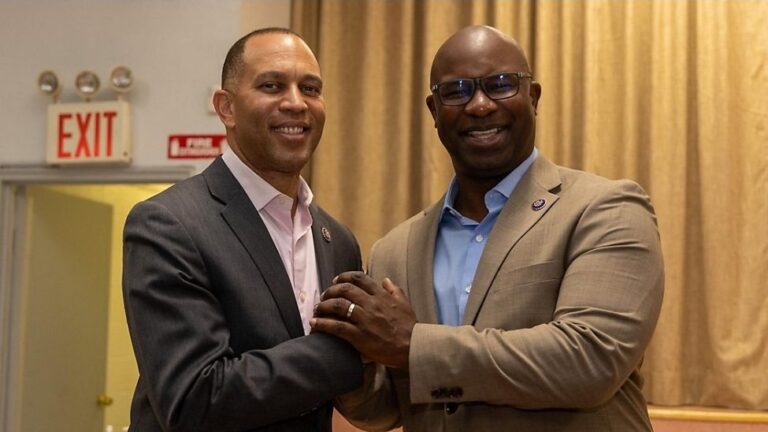
“12 years ago, Kenneth Chamberlain Sr. was killed by police in his own home, and over a decade later, we are still fighting against police brutality,” said Congressman Jamaal Bowman Ed.D. (NY-16) shared with Black Westchester. “Police brutality has been sickening our country and taking the lives of our loved ones for decades. We must protect the Black bodies that are the most vulnerable and root out the police brutality that has spread to every corner of our country. It’s time to enact and pass federal, state, and local legislation that holds law enforcement accountable and takes a public health approach to public safety. Police cannot be the only officials involved when it comes to public safety – we need social workers, community members, doctors, and more to ensure safety for everyone. We cannot lose any more precious lives in our community and across the country to senseless police killings.”

Those in attendance included Author, Activist, Exonerated “Central Park 5” member, NYC Councilman-Elect Yusef Abdus Salaam (District 9—Harlem), U.S. Congressman Jamaal Bowman (New York’s 16th congressional district), Greenburgh Human Rights Committee Chair Rev. Lane Cobb, Civil Rights Attorneys representing the Chamberlain family, Mayo Bartlett and Haub Law Professors Randolph McLaughlin and Debra Cohen, Sandi Bernebei of the Anti-Racist Alliance, Executive Director of WESPAC Foundation Nada Khader, The Delta Sigma Theta Westchester Alumnae Chapter, Westchester Legislator Damon Maher, Community Activist Cynthia Turnquest-Jones and several others to ensure that 12 years after his violent and untimely death, the fight for full accountability continues!

“There is no justice, no accountability, and no respect. The educational system wants our children to continue in the crisis that they are in by intentionally not including history in our current books. The present-day U.S. History books are not counting Black Lives Matter as a topic. You will not find Kenneth Chamberlain Sr. or the Central Park 5 mentioned in any book. Kenneth Chamberlain Sr. was murdered 12 years ago and the Central Park 5 were wrongfully convicted 34 years ago. Textbooks are renewed or revised after every president is sworn in. Neither case has made it into any textbooks. That’s what I call no justice, no accountability, and no respect.” Cynthia Turnquest-Jones shared

“I extend my heartfelt gratitude to everyone who joined us on Sunday afternoon as we honored the memory of Kenneth Chamberlain Sr. The poignant message of accountability for families affected by police violence resonates deeply, and I am committed to playing my part in ensuring it becomes a reality,” Chamberlain Jr. shared.

Together, they stood as a catalyst for change for justice and echoed the call for accountability for all families affected by these painful circumstances.

Bowman versus Latimer; Westchester’s Referendum on Israel by Charles Stern

3

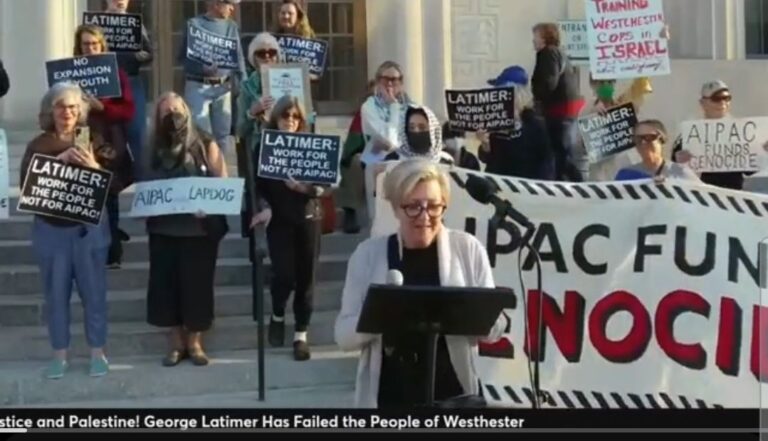
We’re one press conference away from a big announcement by County Executive George Latimer. Will he challenge the U.S. Representative, Jamaal Bowman, in a 2024 Democratic Primary election?  If he moves forward, this race will be, in essence, an opinion poll about the Israel-Hamas War.

I’ve interviewed each of these individuals on WVOX-AM radio and on my vlog more than once. They are both affable and very capable people; however, their election positioning will pivot upon the Israel-Palestinian conflict. Neither one has much experience in geopolitics or international diplomacy.  Nevertheless, if Latimer decides to run for Congress against Bowman, then Westchester is in for a cathartic analysis of just how far left it really wants to be.

Different Paths

The political career of George Latimer is a steady flow of incremental but meaningful motions.  He has a way of fixing things that have broken down, like swimming pools, construction projects and labor contracts. He stair-stepped his way from the Rye City Council to the County Board of Legislators to the New York State Legislature. Any politician would want Latimer’s political resume. He has not lost an election, ever. He is 69.

Jamaal Bowman was a New York City middle school principal, and his entry point in politics is his current role as a Member of the United States House of Representatives, representing parts of the northern Bronx and southern Westchester County. His ascent aligned with public outrage over the police murder of George Floyd and a political leftward tilt within the Democratic Party that accelerated when Trump beat Clinton in 2016. Bowman hit the right notes at the right time. Ultra-progressives and traditional liberals found their guy, and he plowed through two election cycles with comfortable margins of victory. Bowman is 47.

Battlefront #1: Redistricting

Before we get to Primary Election Day, the gateway battle may be redrawing the district lines. It’s still under review by the Court of Appeals, and a new set of lines, perhaps less favorable to Bowman, are possible. The Chair of the Independent Redistricting Committee is none other than Latimer’s Deputy County Executive, Ken Jenkins. Jenkins was appointed to this role by Latimer’s former distinguished colleague, Andrea Stewart-Cousins, the Majority Leader of the New York State Senate. If the state level Democratic Party wants Bowman out, choosing the right voters could be their most powerful weapon.

Rage Against (and within) the Machine

In the normal course of an election cycle, the Westchester County Democratic Committee, and the Bronx County Democratic Committee turn District Leaders loose to work on behalf of the incumbent office holder, in this case Bowman. That apparatus brings brains, brawn, and money to the campaign. It’s not clear what will happen if Latimer is in the race, but party bifurcation is inevitable. Regardless, we can expect to see Latimer smiling in pictures along with the boldface names of New York’s haute politique, including the Black and Latino Mayors and legislators he’s supported through the years. Latimer may also run on an independent ballot line, as an outreach to a wider variety of voters. Bowman will lean on a Working Families Party endorsement and his now severed alliance with Democratic Socialists of America, to pack in every last vote.

Election Day Daze

If a redistricting court brawl drags on, then Primary Election may be held on a different day from the rest of the primaries in 2024. Stanley Schein, the famous Bronx political fixer, predicted this on my podcast in October. This twist could help either candidate, depending on their respective strategy. It’s super hard and expensive to get out the vote for primary elections, and moving the date buries the bounty even deeper.  Plus, if the district lines change, Bowman could find himself standing on front porches in northern Westchester where he has not campaigned ever before, but where Latimer has. 

Justice Democrats

Bowman will get support from Justice Democrats PAC.  This is the fundraising arm of the coalition that created The Squad.  Do not underestimate Justice Democrats.  These people know how to run primaries.  In fact, it’s their big move.  Rather than compete against Republicans, they tend to feed on white, aging male Democrats, incumbent and non-incumbent alike.  In 2020, Eliot Engel’s team slept right through it.  Justice Democrats don’t win every time, but their playbook is fairly easy to follow if you are attuned to it.  They tap into populist zeitgeist, and they have the best web and digital marketing of any campaigns on the Internet.  Bolt on a fundraising infrastructure, a crisp wedge issue, and you have a recipe for primary election success.  It only works in deep blue districts.  Their stage is set for 2024.

Do not underestimate Justice Democrats. 

Who Are These People?

Bowman opposed the extreme left policy of BDS (Boycott, Divestment and Sanction against Israel) and earlier this year he caught ire for hopping on a pro-Israel J Street-funded trip to visit Israel and the Palestinian territories.  Then, there he was in front of Yonkers City Hall on October 27, 2023, hollering into a megaphone at a pro-Palestine rally, “I am ashamed to be in Congress with our President not valuing every single life.”  Jamaal Bowman is Black, a populist, and he is comfortable taking a shot at the institutions he represents.  When he sees injustice, he calls it out.  Michelle Goldberg of The New York Times writes of Bowman, “…he is, for better or worse, very sincere.”

George Latimer is white, Catholic, and firmly pro-Israel.  His multicultural competence is evident in his narrative and his years of work on behalf of all people, all over the county.  The racial and ethnic diversity within his County Executive staff is notable.  He has roots in numerous Westchester communities, including Mount Vernon, which is rich in Black Democratic primary voters.  We will have to see whether all that is enough to win a primary in which every single spoken word can be redeployed as a destructive object, on Instagram.

Latimer affirmed his stance at the Westchester Stands with Israel Rally in White Plains on October 10. “Democracies are imperfect—ours is imperfect, Israel’s is imperfect. But if we do not back democracy here, we will see democracy fail in every corner of the world.” His words caught the attention of 26 rabbis in Congressional District 16 seeking a “course correction” from Bowman’s time in Congress.

Other pressing national issues will be sidelined.  Who represents Westchester in Congress will hinge on one single, intractable geo-political problem.  It will be Zionists versus non-Zionists, BDS’ers versus two-state advocates, secular versus religious people, anti-semites versus Jews, and AIPAC dollars versus Justice Democrats’ dollars. Westchester’s Democratic primary voters will pick a U.S. Representative. What happens next?

The Role of Faith-Based Worship Attendance and Marital Status in Upward Mobility for Black Men

Pursuing upward mobility is a universal aspiration in a world characterized by socioeconomic disparities and challenges. However, for Black men in the United States, this journey is often fraught with obstacles that require multifaceted strategies and support systems. Research sheds light on the significance of two key factors that play a crucial role in the upward mobility of Black men: regular house of worship attendance and marital status. This article delves into the findings of these studies, highlighting the positive impact of attending house of worship services and maintaining a stable marital status on the economic prospects of black men.

The Path to Upward Mobility

Upward mobility, defined as improving one’s economic and social standing over time, is a complex and challenging journey for many individuals, particularly those from marginalized communities. For Black men, historical and structural barriers have often impeded their progress, making the pursuit of economic success a daunting task. However, recent research has unveiled two significant factors that can contribute to breaking down these barriers and facilitating upward mobility: church attendance and marital status.

Regular House of Worship Attendance and Upward Mobility

Regular attendance of houses of worship has long been a cornerstone of Black communities, serving as a place of spiritual nourishment, social support, and empowerment. Recent studies have shown that this tradition holds a powerful key to upward mobility for black men. The data reveals a strong correlation between church attendance at a young age and reaching the middle class or higher in their fifties.

According to research, 53% of black men who attended church services as young men successfully achieved middle-class status or higher in their fifties. In contrast, only 43% of those who did not attend church services reached a similar level of economic stability. These findings underscore the importance of faith-based communities and their role in nurturing values, resilience, and social networks that can aid in overcoming economic challenges.

One potential explanation for this phenomenon is the social and moral values instilled within faith-based communities. Regular attendees of houses of worship often develop a strong sense of personal agency and resilience, traits that are instrumental in navigating the complexities of upward mobility. Additionally, the supportive networks formed within church congregations can provide valuable resources, mentorship, and opportunities for career advancement.

Marital Status and Economic Status

Another crucial aspect of upward mobility for Black men is their marital status. Research demonstrates a strong association between marital status and economic outcomes at midlife. Marital stability plays a significant role in determining the economic prospects of black men, with profound implications for their ability to reach the middle class.

Approximately 70% of married Black men are middle class by midlife. This is a stark contrast to only 20% of never-married Black men and 44% of divorced Black men who achieve a similar economic status. These statistics underscore marriage’s critical role in providing economic stability and support for Black men on their path to upward mobility.

The reasons behind these disparities are multifaceted. Marriage often brings financial benefits through shared expenses, dual incomes, and the potential for wealth accumulation over time. Furthermore, stable marriages can provide emotional support, enhancing an individual’s ability to pursue career opportunities, invest in education, and make long-term financial decisions.

The Intersection of Church Attendance and Marital Status

Interestingly, the impact of church attendance and marital status on upward mobility is even more pronounced when these two factors intersect. Black men who attend church regularly and are married have a higher likelihood of achieving middle-class status or higher in their fifties compared to those who do not attend church and are not married.

This intersection highlights the synergy between faith-based communities and family structures. Church communities often prioritize strong family bonds and provide a supportive environment for married couples. These dual sources of support can create a robust foundation for black men striving to improve their economic status.

The Black Faith Experience Promotes Black Love with Black Women

An analysis of census data conducted by Toldson and Marks reveals that a significant majority of economically successful Black men maintain relationships with Black women, which is often attributed to their regular attendance at houses of faith.

In fact, the data shows that 83% of married Black men who earn an annual income of at least $100,000 choose to marry Black women. This pattern extends beyond income levels and holds true for educated Black men from all income backgrounds. An impressive 85% of Black male college graduates opt for Black women as their life partners regardless of their income. In general, a striking 88% of married Black men, irrespective of their income or educational history, have Black wives.

These statistics challenge the notion that interracial marriage is solely responsible for the perception of Black women being left without suitable partners. The data underscores that, for the vast majority of successful Black men, commitment to Black women remains solid and consistent, countering the stereotype of abandonment. Regularly attending houses of faith is often cited as a contributing factor in preserving these connections within the Black community.

Policy Implications

The findings regarding the importance of church attendance and marital status in black men’s upward mobility carry significant policy implications. It is crucial for policymakers and community leaders to recognize the potential of faith-based organizations and marriage support programs in promoting economic empowerment for black men.

  1. Promoting Houses of Faith Attendance: Encouraging young Black men to attend church services can be a valuable strategy for fostering personal agency, social support, and resilience. Government initiatives, community partnerships, and youth programs can help facilitate access to faith-based communities.
  2. Strengthening Marriage Support: Programs that offer marital counseling, relationship education, and support for Black couples can contribute to more stable marriages. Promoting healthy relationships within the Black community can profoundly impact economic outcomes.
  3. Intersectional Approaches: Recognizing the synergy between church attendance and marital status, it is essential to develop intersectional strategies that target both factors simultaneously. Combining faith-based community engagement with marriage support programs can maximize their effectiveness.
  4. Education and Skill Development: While church attendance and marriage are essential, education and skill development remain crucial for black men’s upward mobility. Initiatives that provide access to quality education, vocational training, and job opportunities should complement efforts to strengthen faith and family ties.

Achieving upward mobility for Black men in the United States is a complex and multifaceted challenge. Yet, recent research underscores the crucial influence of two key factors, regular church attendance and marital status, shedding light on the pathways to economic success. For Black men seeking success, attending Sunday service may be more beneficial than indulging in Sunday brunch.

The research shows that Black men who regularly attend houses of worship services and maintain stable marriages are significantly more likely to attain middle-class status or higher when they reach their fifties. This shift in economic outcomes represents a promising step toward dismantling historical barriers that have long impeded their progress.

Recognizing the importance of these factors, policymakers and community leaders have a unique opportunity to implement targeted programs designed to enhance the appeal of attending houses of worship for Black men. These initiatives aim to establish a supportive environment that fosters the holistic development of Black men and promotes healthy marriages within the Black community. By pursuing these actions, they can play an active role in shaping a more promising and prosperous future for Black men and their families, ultimately advancing the cause of more significant equity and social justice within society as a whole.

Exploring the True Significance of a Free Press in the Age of Content Removal on Social Media Platforms

0

Recently, a seemingly innocuous TikTok post by a user named “_monix2” triggered a discussion about the concept of a free press and the dissemination of information in the digital era. “_monix2” shared excerpts from Osama bin Laden’s “Letter to America,” a document in which the late terrorist leader justified the September 11, 2001, attacks on the United States based on its support for Israel’s actions in the Palestinian territories. Despite “_monix2” having just 371 followers, her video set off a chain reaction that exposed the complex dynamics of today’s information landscape.

On TikTok, the video gained moderate attention, with the hashtag #lettertoamerica reaching around 2 million views, which, while substantial, was relatively low for a platform boasting 150 million accounts in the United States alone. However, the situation took an unexpected turn when journalist Yashar Ali compiled these TikTok videos and shared them on Twitter. His post quickly garnered over 28 million views, and TikTok’s announcement of the ban on the hashtag and related variations only fueled the fire, with more than 15 million views on TikTok videos bearing the same tag.

This unfolding situation highlights the challenges and complexities of the modern social media landscape. Young users, many born after the 9/11 attacks, utilize fast-paced platforms designed for virality, sometimes regardless of the content’s nature.

However, attempts to suppress such information can backfire, as the removal of the bin Laden letter from The Guardian led some TikTok users to view it as proof of its importance, thus further amplifying its reach.

The videos sparked discussions among TikTok users, with some expressing surprise at the content of the bin Laden letter and questioning their previous understanding of American involvement worldwide. However, the focus was primarily on bin Laden’s criticism of American foreign policy regarding the Palestinian issue, with fewer mentions of the letter’s more extreme views on Western “immorality and debauchery.”

It’s not surprising that many people of color questioned the historical involvement of the United States, and some young individuals said that the letter clarified why the U.S. has appeared passive in recent times, allowing numerous casualties to occur in Gaza.

Other critics pointed out bin Laden’s history of promoting antisemitism, sexism, and violence, reminding viewers of the atrocities associated with his ideology. Still, some TikTok creators who shared the letter claimed they did so for educational purposes, emphasizing that they did not endorse terrorism or violence.

The situation also raised broader concerns about content moderation on TikTok, with some accusing the platform of bias in favor of pro-Palestinian content. In response, TikTok faced pressure to crack down on antisemitic content.

However, it’s worth noting that the discussion about the “Letter to America” did not originate solely on TikTok. Google search data revealed that interest in the “bin Laden letter” began to grow days before it became a TikTok topic. Moreover, discussions about the letter extended to other social media platforms, including Instagram and X.

The Guardian, which initially published an English translation of the letter in 2002, removed it from its website, sparking criticism from some TikTok users who accused the newspaper of censorship. The Guardian stated that the removal was due to the letter being widely shared on social media without sufficient context.

In retrospect, this situation underscores the challenges media outlets face in the digital age. The Guardian found itself in a “no-win scenario” once interest in the bin Laden letter surged. On the one hand, not removing the content risks its dissemination outside the intended context, as they claim. On the other hand, removal prompted accusations of censorship because many younger people have seen the letter and compared it to what is going on right now, in their time, and what the news plays 24 hours of a war in Gaza.

In conclusion, the saga of the “Letter to America” on TikTok and other social media platforms highlights the intricate interplay between free expression, content moderation, and the power of viral content in today’s digital landscape.

Zbigniew Brzezinski once said, “In early times, it was easier to control a million people than to kill a million. Today, it is infinitely easier to kill a million people than to control a million.”

It serves as a reminder that the dissemination of information in the age of social media is a complex and evolving challenge, where the boundaries between free speech have a global effect.

AKA’s Host Sold Out Fundraiser And Raise Over $32K In Donations

0

Zeta Nu Omega Chapter, the oldest Westchester County chapter of Alpha Kappa Alpha Sorority, Incorporated, and the ZNO Community Service Fund, Inc. hosted their annual fundraiser on Saturday, November 4th, at Greentree Country Club, where they raised over $32,000 in donations.

Themed “Casino Royale Sneaker Ball,” the event was focused on raising funds towards scholarships for local high school and college students and helping to support the various community service efforts the chapter completes in the Westchester County area, which include enhancing our environment, fighting food insecurity and childhood hunger, mental health awareness, voter education, financial wellness and more. Bronx Borough President Vanessa Gibson also attended the event which had nearly 400 attendees.

Zeta Nu Omega Chapter President Dr. Karen A. Williams poses with Bronx Borough President Vanessa Gibson [Black Westchester]

Dr. Karen A. Williams is the president of the Zeta Nu Omega Chapter, Joanne Askew is the president of the ZNO Community Service Fund, Inc.; and the event co-chairs were Jamie Ralliford and Stephanie DeVane.

Over the years, the Zeta Nu Omega Chapter and the ZNO Community Service Fund, Inc. have donated over $800,000 in college scholarships to local students.

Common Justice Hosts Victim Compensation Press Conference With Time Running Out for Hochul’s Signature

0

Broad coalition of City Council members and crime survivors show support for bi-partisan FAVC Act

New York, NY (Wednesday, November 15th) – Tomorrow, Common Justice will host a press conference with leaders of the New York City Council and coalition supporters at Foley Square to call for Governor Hochul’s signature on the Fair Access to Victim Compensation bill. The legislation has broad support from elected officials, families impacted by violence, and victim services providers and advocates, and has been awaiting Governor Hochul’s signature for six months after it passed unanimously in the NYS Senate and with wide bi-partisan support in the NYS Assembly.

Calls for the legislation’s passage are rising after the closeout of a 12-week-long campaign from the Governor’s office to raise awareness of the current victim compensation system, which provides state funding for crime victims to reimburse the costs of recovery. The campaign neglected to address the ongoing obstacles faced by survivors of violence, such as short application windows and mandatory police reporting requirements that make it more difficult for them to prove they were harmed and access life-changing funding to help heal from their trauma and rebuild their lives.

Black and Brown New Yorkers are more likely to become survivors of violence or have loved ones affected by it but they are less likely to receive compensation. 31.6% of all claims come from Black victims, but they represent half of the denials. From 2010 to 2015, only 10% of eligible survivors accessed services. 

With the deadline to sign FAVC coming at the end of the year, activists, electeds, and survivors are calling on Governor Hochul to show up for survivors and swiftly pass this legislation.

Who:

  • Danielle Sered, Founder and Executive Director, Common Justice
  • NYC Councilmember Tiffany Cabaìn
  • NYC Councilmember Mercedes Narcisse
  • Oresa Napper-Williams, Founder and Executive Director of Not Another Child Inc.
  • Michael Polenberg, Vice President, Government Affairs, Safe Horizons
  • Crime survivors and victims’ families, local elected officials, members of the statewide FAVC coalition

Where: 

Foley Square

Lafayette Street Worth Street, Centre St, New York, NY 10013

When:

Thursday, November 16th, 2023

Press arrival: 12:15pm

Press Conference: 12:30pm

About Common Justice

Common Justice develops and advances solutions to violence that transform the lives of those harmed and foster racial equity without relying on incarceration. In New York City, the organization operates one of the first alternative-to-incarceration and victim service program in the United States that focuses on violent felonies in the adult courts.

Common Justice’s policy and organizing work seeks to build power in Black and brown communities that have been disproportionately impacted by violence. Our work uplifts and centers the needs of survivors of violence, as well as those who have been adversely impacted by violence, including interpersonal, community and state violence.


To learn more, visit commonjustice.org..

Gwen Carr Joins Coalition Urging Sen. Schumer to Halt Biden’s Menthol Ban

0

Ban Expected to Have Far-reaching Consequences; Westchester County Executive Voices Concerns

New York, NY – November 14, 2023 – In a powerful demonstration of unity, Gwen Carr, the mother of Eric Garner and founder of the E.R.I.C. Initiative Foundation, will stand alongside law enforcement veterans, labor unions, business leaders, and other prominent figures, demanding that Senate Majority Leader Chuck Schumer intervene to stop the Biden Administration’s impending menthol cigarette ban. The ban, expected to be finalized by the FDA within weeks, is set to become the most extensive prohibition of a legal adult product in modern history, with ramifications that extend well beyond the scope of its intended goal.

Ms. Carr penned a letter to Senator Schumer on November 9, imploring him to reconsider his stance on the menthol ban. The group argues that the ban, while well-intentioned, will lead to unintended consequences, including negative impacts on businesses, harm to communities of color, and the potential for the menthol cigarette market, valued at $30 billion, to fall into the hands of organized crime. This, in turn, is predicted to result in financial hardships for legitimate businesses and layoffs as their revenues plummet. Additionally, enforcing this prohibition will burden the nation’s already stretched law enforcement agencies.

One alarming concern raised by the coalition is that the menthol ban may have the same racial profiling implications as the controversial “stop-and-frisk” policy, potentially leading to more negative interactions between police and communities of color. In a state like New York, already home to the nation’s largest illicit tobacco market, the prohibition is expected to cause hundreds of millions in lost tax revenue and an increase in violent crime, as reported in a recent POLITICO story. Despite these concerns, Senator Schumer has remained notably silent on this issue, despite its imminent finalization.

In December 2022, Westchester County Executive George Latimer vetoed a proposed menthol ban by the county’s legislators. His decision came as a response to concerns regarding the possible unintended ramifications of the policy. Latimer emphasized that the rates of smoking had decreased overall and expressed apprehensions regarding the potential economic and law enforcement consequences that could arise from implementing such a ban.

It is noteworthy that Westchester County is situated within Senator Chuck Schumer’s district. As a result, the question remains whether Senator Schumer will align his stance with the expressed wishes and concerns of the people within his district regarding the menthol ban issue.

.

Participants include:

  • Rev. Malcolm Byrd, Senior Pastor Mother of A.M.E Zion in Harlem
  • Gwen Carr, mother of Eric Garner, member of Mothers of the Movement, Founder of E.R.I.C. Initiative Foundation
  • Edgar Domenech, 117th Sheriff of New York City, COO of the ATF (Ret.)
  • Rev. Johnnie Green, Senior Pastor of Mount Neboh Baptist Church in Harlem, NY, President/CEO of MPAC-NY
  • Damon Jones, activist and publisher, representative of Blacks in Law Enforcement of America
  • Deputy Inspector Corey Pegues, NYPD (Ret.), author, motivational speaker, community leader, and national policing expert
  • David Schwartz, New York Association of Wholesalers and Distributors
  • Mike Smith, President of Local 810, International Brotherhood of Teamsters
  • Kent Sopris, President of the New York Association of Convenience Stores

The coalition aims to shed light on the potential consequences of the menthol ban and urge Senator Schumer to take action to protect the interests of businesses, communities, and law enforcement agencies nationwide. The concerns Westchester County Executive George Latimer voiced with his veto of the county bill further highlight the need to carefully reconsider the ban’s implications.