Home Blog Page 140

Beyond Symbolic Change: Why the George Floyd Act Falls Short in Transforming Community Policing

The Urgent Need for Police Reform

In the wake of George Floyd’s tragic death in May 2020, the nation erupted in calls for justice and comprehensive police reform. His death became a symbol of the systemic issues in policing, particularly the disproportionate use of violence against Black Americans. However, since George Floyd’s death, many other Black men across the country have been killed by police, reigniting outrage and reinforcing the urgent need for meaningful reform. These tragic incidents have only added to the collective demand for real solutions—solutions that hold law enforcement accountable and protect communities from excessive force and extrajudicial killings of Black Americans.

The introduction of the George Floyd Justice in Policing Act was a response to this national outcry. The bill seeks to increase police accountability, enhance transparency, and reform policing policies on a national scale. But as someone who has spent 33 years in law enforcement, I can tell you that we need to be honest about what legislation like this can—and cannot—accomplish. Legislation alone is not enough, and the families of those who have suffered from police violence do not need political rhetoric; they need real, actionable change.

The George Floyd Justice in Policing Act is an essential legislation that proposes significant reforms. It calls for measures like banning chokeholds, restricting the use of no-knock warrants, and increasing the transparency of police misconduct through a national database. It also seeks to address the issue of qualified immunity, which has long shielded officers from civil lawsuits in cases of excessive force.

The reality is that all politics is local, and for the George Floyd Act to bring about widespread, meaningful change, local governments—at the city, county, and state levels—must take the lead in implementing critical policy reforms, establishing civilian oversight mechanisms, and incorporating accountability measures in police contracts. Without strong local action, the bill’s impact will be fragmented, and true reform may remain elusive.

These are all necessary reforms that could meaningfully impact policing nationwide. However, activists and supporters of this bill must be transparent about its limitations. The constitutional structure of the United States, particularly the 10th Amendment, places strict limits on the federal government’s ability to enforce reforms at the local, county, and state levels. Local and state laws govern most policing, and the federal government cannot simply mandate changes for all law enforcement agencies nationwide.

The 10th Amendment: A Barrier to Nationwide Reform

The 10th Amendment of the U.S. Constitution plays a pivotal role in limiting the federal government’s ability to impose reforms on local police departments directly. The amendment reserves all powers not explicitly granted to the federal government to the states or the people, including the authority over public safety and policing. This division of power makes it constitutionally impossible for federal legislation like the George Floyd Act to directly enforce reforms in the over 18,000 local, county, and state police departments across the country.

As a result, the George Floyd Act applies only to federal law enforcement agencies such as the FBI or DEA and cannot mandate changes at the local level. This leaves the Act toothless for most city, county, and state law enforcement personnel. While the federal government can incentivize reform through conditional funding, the ultimate decision to adopt these reforms rests with state and local governments.

Advocates of the bill need to emphasize this limitation more clearly. While the Act sets important federal standards, the actual enforcement of reforms in local police departments will depend on state and municipal leaders choosing to adopt these standards through their own legislative processes.

Federal Influence: Incentives, Not Mandates

Since the federal government cannot directly impose reforms on state and local police departments, the George Floyd Act relies on conditional spending to encourage the adoption of its provisions. This strategy leverages federal funding—such as COPS grants and Byrne Justice Assistance Grants—to incentivize police departments to implement reforms, including:

  • Banning chokeholds and carotid artery restraints.
  • Implementing body cameras for officers.
  • Restricting no-knock warrants in drug cases.

While this method gives the federal government some influence over local policing practices, it does not guarantee change. Local governments and police departments can only accept federal funding if they comply with the conditions, effectively bypassing the reforms. Departments may opt out of these grants in wealthier areas or states with solid political opposition to federal oversight, leaving significant gaps in the Act’s intended coverage.

This voluntary nature of compliance underscores the need for local governments to take proactive steps in implementing reforms. Federal funding can serve as a useful tool to encourage change. Still, without local action, the George Floyd Act’s impact will be uneven, and many of its provisions may not be adopted in jurisdictions that need them most.

Local Action is Critical: “All Politics is Local

The principle that “all politics is local” is especially true regarding police reform. While national legislation can set the stage for change, real progress must happen on the ground within the cities, counties, and states where police departments operate. The federal government’s inability to mandate reforms at the local level makes it even more vital that local and state governments embrace the responsibility of implementing policies that increase accountability, transparency, and community trust.

1. Policy Reforms at the Local and State Level:

Local governments must take the initiative to legislate reforms, such as banning chokeholds, implementing de-escalation training, and ensuring the use of body cameras. City councils and state legislatures play a pivotal role in setting these standards, which can be tailored to meet the specific needs of their communities. The federal government cannot effectively impose these policies but must be driven by local leaders who are closer to the concerns and realities of their residents.

2. Civilian Review Boards:

One of the most effective tools for increasing police accountability at the local level is the establishment of civilian complaint review boards (CCRBs). These independent bodies, comprised of community members, provide oversight of police misconduct investigations and can help restore public trust by ensuring that complaints are thoroughly and fairly investigated.

The George Floyd Act encourages the creation of CCRBs but cannot require them across the board. Local governments must pass ordinances establishing these boards and granting them the necessary powers, such as subpoena authority and investigative independence. Civilian oversight is critical to ensuring that police departments remain accountable to their communities, and local action is essential to making this a reality.

3. Accountability in Collective Bargaining Agreements:

Police unions play a significant role in shaping police departments’ internal policies, mainly through collective bargaining agreements (CBAs). These agreements often include provisions that can hinder accountability, such as lengthy appeals processes for disciplinary actions or restrictions on releasing officer misconduct records.

Local governments must renegotiate CBAs to include accountability measures that align with the goals of the George Floyd Act. These measures may include provisions that make it easier to discipline officers for misconduct, require transparency in disciplinary proceedings, and limit the protections that shield officers from facing consequences for excessive use of force or other misconduct. Reforming these agreements is a local issue, and city and county officials must work with unions to prioritize community safety and accountability over institutional protections.

Importance of Local Leadership

Local leadership is paramount for the George Floyd Act to bring about meaningful and lasting change. Federal legislation can only go so far; the real impact will be determined by how willing local governments are to adopt, implement, and enforce the reforms proposed in the bill. In many cases, the success of these reforms will hinge on local elected officials, from mayors and city councils to county commissioners and state legislators, taking bold steps to prioritize **police accountability and public safety**.

If local politicians genuinely support oversight and accountability, they will legislate Civilian Complaint Review Boards (CCRBs) and include accountability measures in collective bargaining agreements with Police Benevolent Associations (PBAs). However, legislative action alone is insufficient. 

Community involvement is crucial for meaningful reform. Grassroots organizations, civic leaders, and local advocacy groups must actively hold their governments accountable, ensuring that reforms are passed and effectively enforced. This multifaceted approach includes pushing for greater transparency in police department operations and advocating for the establishment of independent oversight bodies like CCRBs. It also involves demanding reforms to collective bargaining agreements prioritizing public trust over protecting officers accused of misconduct.

Engaged citizens should organize community forums to discuss policing issues and proposed reforms, monitor the implementation of new policies and procedures, and encourage diverse community representation in police hiring and training processes. Furthermore, fostering ongoing dialogue between law enforcement agencies and the communities they serve is essential. This can help build mutual understanding, address concerns proactively, and develop collaborative solutions to public safety challenges.

Ultimately, creating a more accountable and transparent policing system requires a sustained effort from elected officials and engaged citizens. By working together, communities can help shape law enforcement practices that uphold justice, respect civil rights, and maintain public safety for all residents. This collaborative approach ensures that reforms are not just words on paper but tangible changes that improve the relationship between law enforcement and the communities they are sworn to protect and serve.

The Silent Crisis: Deprived Masculinity is a Mental Condition Among Black Men

In American society, the role of the father is often taken for granted. Yet for many Black men growing up in single-mother households, the absence of a strong, positive male figure is a silent crisis that shapes their mental health, identity, and the future of their families. This “deprived masculine mental illness” has ripple effects, not only affecting individual men but also their relationships, children, and communities.

For many Black men raised without fathers, the journey to manhood is fraught with emotional confusion. These men often absorb emotional traits from their mothers, learning to navigate the world in ways that may clash with societal expectations of masculinity. Emotions such as heightened sensitivity, passivity, or emotional dependency—traits that can be adaptive in a maternal context—may leave these men ill-prepared for challenges requiring assertiveness, emotional control, and leadership. This emotional dysregulation often spirals into frustration, anger, or retreat, creating barriers to personal and professional success.

In today’s society, there’s a noticeable lack of examples of strong, positive Black male leadership, especially in politics, business, schools, our public sector, and mainstream entertainment. Unlike men from other ethnic groups who can proudly embrace their cultural identity, Black men often feel pressured to prioritize universal appeal over their own community’s interests. This expectation has become a diminishing factor in our sense of masculinity, yet it’s frequently normalized.

Where is the everyday Black man celebrated in American society, or better yet, in Black society? Today’s fractured Black culture often elevates unrealistic representations of Black men. The most visible Black employee is often the athlete, but even then, they are typically employed and owned by white-dominated companies.

While undoubtedly successful Black men are in leadership positions, they are rarely portrayed or celebrated in mainstream culture as ideal role models. For a young Black man growing up without a father figure at home, this lack of representation further limits his exposure to examples of healthy, successful masculinity in action. The scarcity of these figures, both in the immediate family environment and in broader society, makes it even more challenging for him to develop a clear, positive understanding of manhood.

Without a strong male role model, young Black men lack a blueprint for healthy masculinity. They are left to find their own path, often seeking out unhealthy sources to define what it means to be a man. Media, peer groups, and street culture can fill the void, but these influences tend to glorify toxic masculinity—emphasizing dominance, emotional detachment, and aggression. The result? Men who overcompensate by adopting hyper-masculine traits to hide their insecurities, or those who withdraw from relationships and responsibilities altogether.

The effects of this deprived masculinity are stark. Many of these men develop distorted views of women, rooted in unresolved childhood conflicts with their mothers. They may idealize or resent women, contributing to relational dysfunction, misogyny, and trust issues. Narcissism, a common coping mechanism, manifests as an inflated sense of self, entitlement, and emotional detachment, making it difficult for these men to form healthy, respectful relationships.

Perhaps most alarming is how this crisis perpetuates itself. Men who have never seen fatherhood modeled effectively are more likely to become absentee fathers themselves, continuing the cycle of emotional neglect and instability. The resulting intergenerational trauma spreads through entire communities, weakening family structures and perpetuating cycles of dysfunction, all while society watches silently.

But this is not a crisis without solutions. Addressing deprived masculine mental illness in Black men requires a holistic approach, starting with providing rites of passage workshops for both young and older Black men. These workshops could serve as formal transitions into manhood, offering education on emotional regulation, responsibility, fatherhood, and leadership. For older men, they would provide the opportunity to unlearn unhealthy behaviors and re-engage with positive masculinity, ultimately allowing them to mentor younger generations.

The role of the church in this healing process is critical, but it must go beyond traditional messages of faith and redemption. The Black church has long been a source of strength for African American communities, and it holds the power to reshape how Black men see themselves. The church must prominently promote a Black Jesus Christ, putting forth an image that Black men can identify with. By seeing themselves in the divine, Black men can begin to understand their worth, their strength, and their capacity for leadership. A Black Jesus serves as the ultimate model of compassionate, assertive masculinity—one who exemplifies strength through vulnerability and leadership through service. The church has a unique opportunity to inspire Black men to reclaim their roles as leaders in their families and communities by reinforcing their divine potential.

In addition to rites of passage and spiritual mentoring, community mentorship programs remain one of the most effective ways to step in where fathers are absent. By pairing young boys with positive male mentors, we can provide the emotional support, guidance, and modeling of healthy masculinity that so many are missing.

Fatherhood education is another vital tool. We must teach men about the importance of emotional regulation, responsibility, and leadership within the family. Programs that focus on the development of fatherly responsibilities can break the cycle of absenteeism, showing men how to embrace their role as leaders in their homes and communities.

Finally, we must address the stigma surrounding mental health in Black communities. Many men, particularly those from marginalized backgrounds, are reluctant to seek help. Culturally sensitive mental health interventions that address the unique pressures and struggles of Black men are critical. Mental health services must be reframed as a strength, not a weakness, providing men the tools they need to navigate their internal struggles while embracing healthy masculinity.

The silent crisis of deprived masculinity among Black men is a deep-rooted issue that cannot be ignored. With rites of passage workshops, church mentorship with a Black Jesus as a model, fatherhood education, and mental health support, we can break the cycles of dysfunction and build a stronger foundation for future generations of Black men. The time to act is now.

4o

Leading Civil Rights Group Stands With Lawler

0

Rep. Mike Lawler (R-N.Y.) has been facing backlash for an alleged blackface incident and for allegedly sidestepping opportunities to condemn racist language in public settings, POLITICO has learned on the heels of a New York Times report that he wore blackface in college. The NAACP sent Black Westchester a statement condemning Lawler, Friday evening. On Saturday The Committee for Justice (CFJ), a Black Civil Rights Group sent Black Westchester their statement Saturday morning standing with the Republican Congressman.

As a leading voice and activist group against racism in Westchester County, The Committee for Justice (CFJ) became aware of a news story making the rounds regarding a photo of Mike Lawler, Representative for the 17th Congressional District, that alleges he is at a party back in his college days, 2006, in blackface, portraying the late entertainer Michael Jackson.

Several leaders of the CFJ looked at the photo in question and have drawn the following conclusions:

First, as an all-Black organization, not one group member was offended by the photo. Apparently, the definition of blackface has been grossly distorted to manipulate Black people into being angry for no other reason than to support a political agenda. While a very young Mike Lawler appeared darker than normal, it was a far cry from blackface. 

It is unfortunate that a black candidate for Congress, Mondaire Jones, and a leading civil rights organization, The NAACP, would attempt to manipulate black people’s past and ongoing pain for political ends. Those ends are to vote Mondaire Jones into Mike Lawler’s congressional seat. 

We are very disappointed that the NAACP decided to be a part of this Disingenuous campaign against Representative Lawler. Many people pay dues to the NAACP to be a voice for people of color. Members of the Committee for Justice met with the NAACP earlier this year seeking an ally to help save a public housing building, Bohlmann Towers and community center from possible displacement and to protect tenant’s rights.  A few of those tenants attended that meeting and spoke. Mr. Wilbur Aldridge, the Regional Director of The NAACP was a part of that meeting. The NAACP refused to help. 

Meanwhile, Congressman Mike Lawler, when asked to help, assigned staff to assist the residents, mostly Black and brown people. Congressman Lawler himself wrote several letters to The Department of Housing and Urban Development (HUD) and the US Attorney Southern District in support of the tenant’s rights. Those letters resulted in top-ranking HUD officials coming to Peekskill to meet with CFJ leaders. And we are happy to say that not only are Bohlmann Towers and our Community Center safe from elimination, the residents are now having a direct say in the policies that affect their lives. An amazing democratic gain. 

With regards to the actual photo. The members of the Committee for Justice never met twenty-year-old Michael Jackson super fan, Mike Lawler, who used a very youthful and flawed lens to honor his idol. We know a Mike Lawler who has apologized and made it clear that he is not proud of that past behavior. And has indeed gone on to fight for all of his constituents. That is not the behavior of a racist.

The Committee for Justice stands with Mike Lawler. Because he has stood with the African American community. And in truth, we reached out to Mondaire Jones when he was our congressman. He wouldn’t even meet with Black leaders. 

For more information on the Committee for Justice contact Teyana Cowan, Committee for Justice Spokesperson at 914-221-2381 or Darrell Davis, the Committee for Justice Chairman at 914-471-1094

Black People Know White Supremacy and Oppression: The Black Power Movement and Palestine

As I stated in my letter to the Westchester Black Pasters, we must stand on the tenets of our faith and historical struggle and recognize the striking parallels between the oppression faced by Palestinians under Israeli occupation and the historical injustices endured by Black Americans. 

Historically, the Black struggle in America and the Palestinian struggle have been deeply interconnected. The 1967 Arab-Israeli War brought the Israel-Palestine conflict to the forefront of American consciousness. Black Power and Civil Rights activists identified with Palestinians as fellow people of color fighting for freedom and justice. This sentiment resonated throughout the civil rights movement, with key figures like Malcolm X, Martin Luther King Jr., and Muhammad Ali expressing support for the Palestinian cause. 

Malcolm X visited Palestinian refugee camps in the Gaza Strip in 1964. During his visit, he witnessed firsthand the plight of Palestinians who had been displaced from their homes following the establishment of the state of Israel in 1948. Malcolm X expressed solidarity with the Palestinian people and criticized Israel’s treatment of them.

In the above image, Malcolm X is depicted alongside leaders of the Palestine Liberation Organization (PLO) in 1964. This photo graces the cover of Alex Lubin’s book “Geographies of Liberation: The Making of an Afro Arab Political Imaginary,” which delves into the connections and impacts of both Black and Palestinian liberation movements. Lubin emphasizes that the bond between these struggles transcends national and racial boundaries.

Similarly, Dr. Martin Luther King Jr., expressed concern about the ongoing conflicts in Jerusalem. In a 1967 speech, King lamented the human suffering and tragedies that resulted from the deep-seated hatred and division in the city, which has long been a focal point of religious and political tensions between Israelis and Palestinians. He emphasized the need for understanding, compassion, and a peaceful resolution to the conflict.

In this photograph, we see Dr. Martin Luther King Jr. alongside Rabbi Abraham Joshua Heschel. Rabbi Heschel’s poignant words during the Vietnam War resonate: “The blood of the innocent cries forever.” Today, as we witness the tragic loss of innocent lives, be it Israeli or Palestinian children, it calls for our attention, tears, and an unwavering refusal to justify their deaths.

Both Malcolm X and Dr. King recognized the parallels between the struggles of African Americans in the United States and those of Palestinians in the Middle East. They saw the fight against oppression and injustice as a universal human rights issue that transcended national and ethnic boundaries.

1968 when Stokely Carmichael, a prominent leader of the Black Power movement, spoke at the annual convention of the Organization of Arab Students (OAS). The OAS, founded in 1952, was a national group that represented the interests of Arab students studying in the United States and advocated for Arab causes, including Palestinian rights.

In his address, Carmichael drew parallels between the struggles of African Americans and Palestinians, arguing that both groups were fighting against oppression, racism, and colonialism. He called on African Americans to support the Palestinian revolution and to recognize their shared interests in combating injustice.

Carmichael’s speech reflected a growing sense of solidarity between Arab-Americans and Black activists in the late 1960s. Both groups saw their struggles as interconnected and believed that they could strengthen their respective movements by working together. This alliance was part of a broader trend of Third World solidarity and anti-imperialist activism that characterized the era.

One of Muhammad Ali’s lesser-known activist stances was his vocal support for the Palestinian cause. In 1974, three years after the Supreme Court overturned his conviction for refusing to be drafted into the U.S. military, Ali embarked on a tour of the Middle East. During a stop in Beirut, Lebanon, he made a controversial statement, asserting that the “United States is the stronghold of Zionism and imperialism.”

In this photo from 1974, Ali is seen visiting a Palestinian refugee camp in southern Lebanon. The renowned boxer, who embraced Islam in 1964, openly opposed US imperialism and strongly supported the Palestinian cause for liberation.

An incredible image of Muhammad Ali attending a Palestinian protest march in Chicago, 29 January 1988. A reminder that this fight is not new.

The 1979 resignation of Andrew Young, a former civil rights leader and U.N. Ambassador, after a clandestine meeting with a PLO representative highlighted declining Black-Jewish relations and brought a more pro-Palestinian perspective into national discourse. Reverend Jesse Jackson subsequently led a delegation to the Middle East, meeting with Israeli officials and PLO representatives, including Yasser Arafat. Jackson emphasized the parallels between the Palestinian and African-American struggles.

In July 1980, the Black Panther Newsletter featured a striking cover photo depicting a meeting between Huey P. Newton, co-founder of the Black Panther Party (BPP), and Yasser Arafat, the chairman of the Palestine Liberation Organization (PLO). The meeting took place in Lebanon earlier that year, highlighting the long-standing solidarity and connection between the two revolutionary organizations.

The Black Panther Party had established contact with the PLO as early as 1969. The PLO, formed in 1964, was the main Palestinian political and militant organization fighting for the liberation of Palestine from Israeli occupation.

Despite their geographical and cultural differences, the BPP and PLO found common ground in their struggles against oppression, racism, and imperialism. They saw their respective fights as part of a larger global movement for liberation and self-determination.

Both Palestinians and Black Americans have endured parallel forms of oppression, ranging from systemic discrimination and oppression to police brutality. Legalized discrimination has penetrated every facet of life, perpetuated by practices such as segregation, political suppression, and economic inequality. These injustices are fueled by negative stereotypes and dehumanization, serving to perpetuate and reinforce systems of white supremacy and oppression.

It is a gross injustice that billions of U.S. tax dollars, a significant portion coming from Black Americans, are funneled each year to support Israel’s oppression of Palestinians – a system built on white supremacy and racial discrimination. This misuse of funds is made all the more egregious by our own government’s steadfast refusal to provide long-overdue reparations for the immense harms inflicted on Black communities by centuries of slavery, Jim Crow segregation, and systematic racist policies. While our tax money enables Israel’s oppression abroad, here at home, Black neighborhoods across the nation remain plagued by underfunded schools, crumbling infrastructure, and rampant homelessness – urgent issues our government claims it lacks the resources to address. 

This glaring hypocrisy lays bare the warped priorities of those in power. It highlights the necessity of Black Americans standing in solidarity with Palestinians in the shared struggle against state-sanctioned racism, discrimination, and injustice. It is a moral imperative that we demand an end to the use of our tax dollars to fund oppression overseas and instead insist those resources be invested in repairing and uplifting long-neglected Black communities at home.

As Black American Christians, we must recognize and acknowledge that Jesus himself was a Palestinian Jew. This fact alone should compel us to seriously question the morality and integrity of any elected officials who actively support or enable Israel’s oppression of the Palestinian people. If we truly believe in Christ’s teachings, our faith demands that we take a bold stand against these policies and actions that blatantly violate our religious convictions’ core tenets. 

To remain silent or passive in the face of such injustice is complicit in it. We must find the courage to actively push back against the oppression of Palestinians, making it clear that our faith will not allow us to tolerate or support such blatant violations of human rights and dignity. If we fail to do so, we risk becoming hypocrites who profess one set of values but fail to live by them when it matters most. 

Our integrity as Christians necessitates that we speak out and take action to oppose Israel’s oppression, as remaining quiet is a betrayal of the very principles Jesus stood for. It is not enough to believe; we must have the conviction to fight for justice, even when it is difficult or unpopular. That is the actual test and calling of our faith.

It is time for us to stand in solidarity with Palestinians, recognizing that our struggles for liberation are intertwined. We must challenge a system that perpetuates oppression at home and abroad, working towards justice, equality, and self-determination for all oppressed peoples.

As descendants of the Black struggle in America, we are called to stand against injustice wherever it occurs. It is time for us to take concrete action to challenge Israel’s oppression of Palestinians and demand change from our elected officials.

Here are steps we can take to make our voices heard:

1. Write letters to your representatives in Congress, expressing your concern about Israel’s human rights abuses and the use of U.S. tax dollars to support them. Demand that they take a stand against Israel’s oppressive policies and push for conditioning aid on respecting Palestinian rights. 

2. Make phone calls to your senators and representatives, insisting that they speak out publicly against Israel’s discriminatory practices and vote against unconditional military aid to Israel. Let them know that as constituents and people of faith, you expect them to uphold principles of equality and justice.

3. Have open, honest conversations with your family, friends, and fellow church members about the realities of Israel’s white supremacy and the oppression of Palestinians. Share facts, testimonies, and resources to educate others and build understanding about why this issue matters to our community.  

4. Utilize social media to amplify Palestinian voices, share messages of solidarity, and call attention to Israel’s human rights violations. Use hashtags, participate in Twitter storms, and post articles and videos that raise awareness about the Palestinian struggle for freedom and dignity.

5. Join or support organizations working for Palestinian rights and fighting anti-Black racism, recognizing that our liberations are bound together. Attend events, webinars, and protests to show up for Palestinians the way we want others to show up for us.

As we take these actions, remember our ancestors’ courage and conviction, who fought tirelessly for civil rights, even in the face of brutal opposition. Let us channel their spirit of resistance and resilience as we work to dismantle systems of oppression from the U.S. to Palestine/Israel.

By questioning our government’s support for Israel’s oppression, demanding reparations for historical and ongoing anti-Black racism, and standing in solidarity with Palestinians, we honor our sacred calling to create a world where every human being is treated with the dignity, respect, and love exemplified by Jesus. This is the path to true justice and collective liberation.

In conclusion, as Black Americans who are descendants of the long struggle for justice and equality, we have a moral obligation to stand against oppression in all its forms, including Israel’s systematic white supremacist discrimination against Palestinians. Our own experiences with white supremacy, racism, segregation, and violence demand that we speak out against the subjugation of others.

It is time for us to move beyond mere words and take concrete action. We must flood our elected officials with letters and calls demanding an end to unconditional U.S. support for Israel’s oppressive policies. We must have difficult but necessary conversations with our loved ones and communities about the parallels between Israel’s treatment of Palestinians and white supremacy. We must amplify Palestinian voices and stories on social media and support organizations working tirelessly for justice and equality from the U.S. to Palestine/Israel. 

As we engage in this work, let us draw strength and inspiration from our ancestors who fought tirelessly for civil rights in the face of adversity. Let us honor their legacy by channeling their spirit of resistance and resilience in our efforts to dismantle all systems of oppression.

By advocating for Palestinians, demanding reparations for the harms inflicted on Black communities, and working towards a world where every human being is treated with dignity and respect, we live out the very principles Jesus embodied. This is the path to true justice, healing, and collective liberation. As Rev. Dr. Martin Luther King Jr. once said, “Injustice anywhere is a threat to justice everywhere.”

 Let us heed this call and commit ourselves to the hard but necessary work of building a world where all people, from the streets of Ferguson to the villages of Palestine, can live freely and thrive. This is our sacred duty as Black Americans, people of faith, and human beings. The time to act is now.

NAACP Statement Regarding Republican Senator Mike Lawler

3

Rep. Mike Lawler (R-N.Y.) has at least twice in the past month been accused of missing or sidestepping opportunities to condemn racist language in public settings, POLITICO has learned on the heels of a New York Times report that he wore blackface in college.

Three weeks ago, at a forum on combating antisemitism held north of New York City, Lawler spoke almost immediately after a participant used a racial slur for Black people, but he did not address the man’s use of the epithet, according to audio reviewed by POLITICO.

NAACP Regional Director – Mid-Hudson/Westchester Wilbur Aldridge, sent the following statement to Black Westchester condemning Congressman Lawler’s actions.

Lawmakers must uphold the highest standards of fairness, tolerance, and unimpeachable conduct because they have the power to impact each one of our lives. On CNN, Congressman Lawler recently suggested that he was not wearing blackface in a photo taken in 2006 that has been recently released to the media, and he was sorry “if” he offended anyone.

As a century-old organization dedicated to the protection of the interests of a community that has been historically discriminated against, the Nyack and Spring Valley Branches of the NAACP, along with the Regional Director of the mid-Hudson/Westchester Branches, would like to inform the Congressman that he in fact was wearing blackface and we and the community are OFFENDED.

Further, as we condemn Mr. Lawler for his decision to wear blackface at a Halloween Party – regardless of when this party occurred – it was not a once-off, but it represents a pattern of racial insensitivity. We are particularly concerned with any evidence of racial intolerance or prejudice from any of our elected representatives. Congressman Lawler’s conduct raises serious questions about his ability to represent the people of color who live in his district, especially when coupled with his recent failure to distance
himself from stereotypical and intolerant content in his own reelection material. Here is Congressman Lawler’s disturbing pattern of racial insensitivity:

 In 2022, Lawler refused to denounce one of his racist campaign mailers, which included the images of four Black males who the campaign claimed were released without bail, despite them not being convicted of any crimes. On Oct. 15, 2022, NAACP Regional Director Wilbur Aldridge, along with Rockland County Legislator Toney Earl and Peekskill Mayor Vivienne McKenzie issued a statement, calling it a “disgusting racist mailer.”

 During this current election cycle, Lawler’s campaign released a political ad with a Black child throwing a water balloon at a white child.

 When attending a roundtable in Chappaqua on September 13, Congressman Lawler did not correct or denounce the use of the N-word and mentions of lynching by another individual in the meeting.

 Most recently, Mr. Lawler ignored a comment made by a far-right radio host that insisted that white supremacy does not exist, but Black supremacy does.

“His failure to distance himself from stereotypical and intolerant content in his own reelection materials during each of his campaigns, coupled with this black face incident from his past, represents a Disturbing pattern,” said Regional Director Aldridge. “At a time in our nation, when instances of bias and hate are on the rise. We need elected officials who repudiate such conduct, not engage in it,” he Continued. “Lawler’s conduct raises Serious questions about his ability to represent the people of color who live in
his district,” said Spring Valley NAACP President Willie Trotman.

We must reject office seekers who use racial intolerance to mobilize their base. Mr. Lawler has more than an apology to offer. To demonstrate that his behavior is limited to a decade-old transgression, he
must disavow his current biased campaign materials and while he’s at it the disturbing anti-Haitian immigrant comments of his Party’s presidential nominee.

Wilbur Aldridge, NAACP Regional Director – Mid-Hudson/Westchester
Nicole Hines, President – Nyack Branch NAACP
Willie Trotman, President – Spring Valley Branch NAACP

Lawler initially issued an apology on Thursday, describing himself as a lifelong Jackson superfan who was attempting to pay homage to the pop star. “When attempting to imitate Michael’s legendary dance moves at a college Halloween party eighteen years ago, the ugly practice of blackface was the furthest thing from my mind. Let me be clear, this is not that,” he said, adding that the costume was intended as “a genuine homage to one of my childhood idols.”

“I am a student of history and for anyone who takes offense to the photo, I am sorry,” Lawler said Thursday. “All you can do is live and learn, and I appreciate everyone’s grace along the way.”

On Friday, Lawler expanded upon his apology, telling NBC New York “Obviously, in hindsight I certainly recognize how people would portray that and be offended by it, so certainly I apologize.”

The congressman did not deny that he darkened his face for a costume in which he dressed as the singer for a 2006 Halloween party, when he was 20 years old.

“Mike Lawler knew exactly what he was doing,” said Mondaire Jones, a former U.S. Representative locked in a tight race in the state’s 17th district in the Hudson Valley against Lawler, a Republican.

Finding Purpose in the Everyday: My Journey with Daily Intentions

0

In the whirlwind of modern life, I found myself constantly chasing the next deadline, the next achievement, the next big thing. Days blurred together, weeks flew by, and before I knew it, months had passed in a haze of busyness without real purpose. It was then that I stumbled upon the concept of setting daily intentions, a practice that has since transformed my approach to each day and, in turn, my entire life.

At first, I was skeptical. How could simply “setting an intention” make any real difference? Wasn’t this just another self-help gimmick? But as I delved deeper, I realized that this practice was less about grand gestures and more about small, consistent shifts in mindset and behavior.

I started small. Each morning, before reaching for my phone or diving into emails, I took a moment to reflect on what I wanted to achieve that day. Not just in terms of tasks or productivity, but in how I wanted to show up in the world. Some days, my intention was as simple as “I will approach challenges with patience and curiosity.” On others, it was more specific: “I will have that difficult conversation with my colleague, leading with empathy and openness.”

The change wasn’t immediate, but it was profound. I found myself more present in meetings, more attentive in conversations with loved ones. When faced with unexpected obstacles, I was better equipped to respond rather than react, often remembering my morning intention to stay calm or approach problems creatively.

One particularly powerful aspect of this practice has been using positive language to frame my intentions. Instead of focusing on what I wanted to avoid (“I won’t lose my temper”), I started emphasizing what I wanted to cultivate (“I will respond with patience and understanding”). This subtle shift made my intentions feel more achievable and inspiring.

Of course, not every day goes according to plan. There are still mornings when I oversleep, days when deadlines loom, and evenings when I fall into bed wondering where the time went. But even on these days, the practice of setting intentions serves as a gentle reminder of my deeper values and aspirations. It’s not about perfection; it’s about progress and self-awareness.

Perhaps the most unexpected benefit has been the way this practice has enhanced my relationships. By setting intentions around active listening, expressing gratitude, or showing compassion, I’ve found my connections with others deepening. A simple intention to “reach out to someone I care about” has rekindled old friendships and strengthened family bonds.

As I reflect on my journey with daily intentions, I’m struck by how such a simple practice can have such far-reaching effects. It’s not always easy, and there are days when my intentions feel more like wishful thinking than achievable goals. But over time, I’ve witnessed a gradual but unmistakable shift in how I approach my life.

This isn’t to say that setting daily intentions is a magic solution to life’s challenges. It doesn’t erase deadlines, eliminate stress, or solve complex problems. What it does do, however, is provide a framework for approaching each day with greater purpose and mindfulness. It’s a tool for aligning our actions with our values, for bringing a sense of intention to even the most mundane tasks.

As I reflect on this journey of intentional living, I’m reminded of the wisdom found in Proverbs 16:3: “Commit to the Lord whatever you do, and he will establish your plans.” In a world that often feels chaotic and out of our control, setting daily intentions is more than just a self-improvement technique—it’s a way of aligning our will with a higher purpose. It’s about approaching each day with humility, recognizing that while we may set our course, ultimate guidance comes from above.

Today is “to share my experience honestly, hoping it might inspire others to find their path to more intentional living.” Whether you’re a skeptic, as I once was, or someone already familiar with the concept of daily intentions, I encourage you to try this practice. Start small, be patient with yourself, and stay open to the possibilities.

In a world that often feels chaotic and out of our control, setting daily intentions is a simple yet powerful way to reclaim a sense of purpose and direction. It’s not about controlling every aspect of our lives, but about approaching each day with clarity, mindfulness, and a commitment to growth. And in my experience, that makes all the difference.

FEMA Spends Billions on Migrants While Hurricane Victims Struggle Without Aid

Washington, D.C. – As the Atlantic hurricane season rages on, FEMA is facing mounting criticism for allocating significant funds to the migrant crisis while warning of insufficient resources to assist hurricane victims. Homeland Security Secretary Alejandro Mayorkas recently revealed that the Federal Emergency Management Agency (FEMA) lacks the necessary funds to support disaster relief efforts for the remainder of the season, sparking controversy and a political showdown.

Funding Crisis and Migrant Spending

The announcement has raised alarms, especially in the wake of Hurricane Helene, which claimed over 200 lives in the Southeast. FEMA’s financial predicament has drawn scrutiny due to its allocation of over $1.4 billion towards the migrant crisis since 2022. In 2023 alone, $640.9 million was funneled to aid state and local governments dealing with the surge of asylum seekers.

Critics, particularly from the Republican Party, argue that these funds should have been reserved for disaster relief, especially as hurricane victims struggle to recover. The debate underscores tensions over federal spending priorities, with questions being raised about whether resources should focus on domestic needs, such as natural disaster recovery, or humanitarian efforts like managing the migrant crisis.

FEMA’s Financial Breakdown

FEMA has directed funds to two major programs: the Emergency Food and Shelter Program and the Shelter and Services Program, the latter of which was authorized in late 2022 to provide additional support to communities hosting asylum seekers. The Department of Homeland Security (DHS), which oversees FEMA, has defended these expenditures, emphasizing that the money for migrant care comes from distinct, Congressionally-approved sources and cannot legally be reallocated for disaster relief.

The revelation has ignited a fierce political backlash, particularly among Republicans. Texas Governor Greg Abbott has demanded the immediate redirection of migrant funds to support hurricane recovery efforts. Congressman Jim Jordan (R-Ohio) has gone further, accusing the Biden administration of neglecting hurricane victims in favor of migrant care. Several other Republican lawmakers have labeled the administration’s spending decisions as “treasonous” and an “America Last” policy.

Biden Administration’s Response

President Biden has acknowledged the severity of the hurricane crisis, calling on Congress to provide additional resources. FEMA has also initiated efforts to help victims by distributing $750 grants for groceries, with $4 million already provided in direct assistance. However, these actions have not quieted critics who argue that more substantial aid is urgently needed.

A National Debate

The controversy spotlights a broader national debate over federal spending priorities. With the hurricane season still in full swing and FEMA warning of a funding shortfall, many are questioning whether humanitarian obligations, like addressing the migrant crisis, should take a back seat to domestic disaster relief.

As the administration faces increasing pressure to reconsider its budget allocation, the challenge remains how to address both the ongoing migrant crisis and the ever-growing demand for disaster response resources.

The situation presents a stark dilemma for policymakers as they grapple with how best to balance competing priorities within limited financial constraints. With lives at stake on both fronts—domestic and humanitarian—this debate is far from over.

Judge Denies Reargument, Upholds Dismissal in Jonathan Davis Harassment Case

Process Matters: Court Refuses to Revive Dismissed Case

Mount Vernon, NY — In a decisive ruling dated Tuesday, October 1, 2024, Mount Vernon City Court Judge Lyndon D. Williams denied the prosecution’s motion to reargue in the case of People of the State of New York vs. Jonathan Davis, affirming the court’s earlier dismissal of the charges

The defendant had been charged with one count of Harassment in the Second Degree. The case was originally dismissed in a Decision and Order dated Thursday, May 23, 2024, after the court determined that the prosecution failed to meet its legal obligations under New York’s discovery and speedy trial laws.

Mount Vernon Judge Denies Reargument, Upholds Dismissal in Harassment Case by Black Westchester Magazine

Specifically, the court found that the People’s Certificate of Compliance—required to confirm all evidence has been properly shared with the defense—was “illusory,” and that the Statement of Readiness was invalid. As a result, the case was dismissed pursuant to CPL § 30.30, which requires prosecutors to be trial-ready within a strict statutory timeframe.

In seeking reargument, prosecutors contended they had exercised due diligence in obtaining and disclosing evidence and argued that less severe remedies than dismissal could have been applied. But the court rejected those claims, finding no basis to overturn its original decision. The ruling emphasized that prosecutors failed to demonstrate they had met the required standard of diligence in securing and providing discoverable materials, including information related to witnesses.

Judge Williams further reinforced that under CPL § 30.30, the burden is on the prosecution to be trial-ready within the statutory timeframe, and failure to do so mandates dismissal—regardless of whether the defense can show prejudice.

With the motion denied, the dismissal stands, sending a clear message about the importance of compliance with discovery laws and procedural timelines in Mount Vernon’s courts.

Mr. Davis has always categorically denied the allegations, stating that it was a plot to kick him off the board because he was the only one calling out the board’s illegal activities.

Mary J. Blige announces 2025 ‘The For My Fans Tour’ Dates

Grammy and Emmy award-winning and Oscar-nominated, “Queen of Hip-Hop Soul,” Mary J. Blige announced her 2025 “The For My Fans Tour” on Monday, September 30th, with special guests NE-YO and Mario. The tour comes on the heels of her new album “Gratitude,” released on Friday, November 15th. Blige will release her new studio album, “Gratitude,” through her own Beautiful Life Productions and in partnership with 300 Entertainment. In August, she dropped the first single off the album, “Breathing” featuring Fabolous.

The tour and album are a celebration of the love and gratitude that Mary has towards her life, family, friends, and her beloved fans. Produced by Live Nation, the 27-city tour kicks off on January 30th at Greensboro Coliseum in Greensboro, NC making stops across North America in Atlanta, Los Angeles, New York, and more before wrapping up in Boston, MA at TD Garden on April 14th.

The tour included three dates in the Tri-State Area, Sunday, April 6th in Newark, NJ at the Prudential Center, Thursday, April 10th in New York City at Madison Square Garden, and Friday, April 11th in Elmont, Long Island, NY at the UBS Arena. See the full list of tour dates in the photo below.

“I am so excited to kick off this tour. I have amazing fans and am so grateful for all of the love and support they have given me throughout the years,” said the Yonkers native. “This tour is for them, and I cannot wait to be able to travel to all these cities and see everyone. I am in such a place of immense gratitude and peace at this moment, so also having the chance to release my new album “Gratitude” on November 15th ahead of this tour is really special to me.”

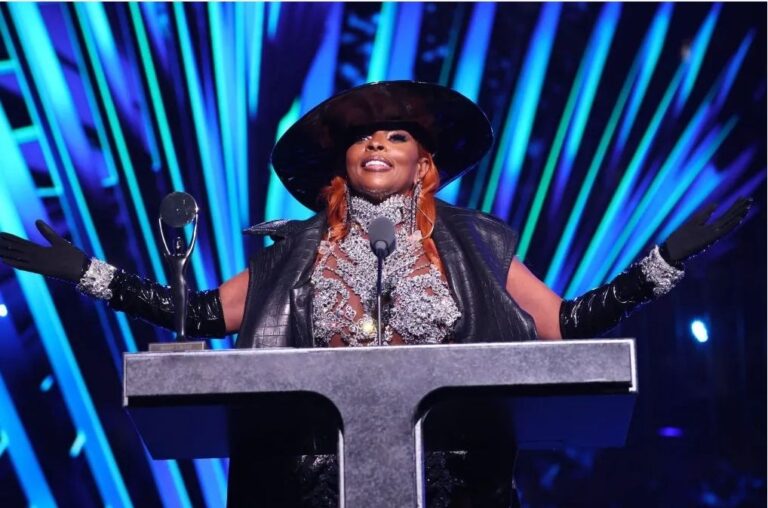
Mary’s tour announcement comes ahead of her October 19th Class of 2024 induction into the Rock & Roll Hall of Fame — the latest honor for the Queen of Hip-Hop Soul.

Tickets will be available starting with the artist presale beginning Tuesday, October 1st. Additional presales will run throughout the week ahead of the general on-sale beginning Friday, October 4th at 10 AM local time at LiveNation.com.

Sister To Sister International 30th Anniversary Gala

1

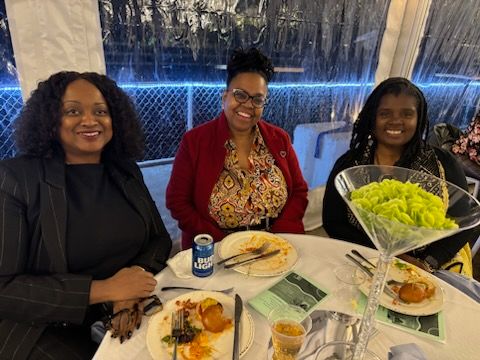
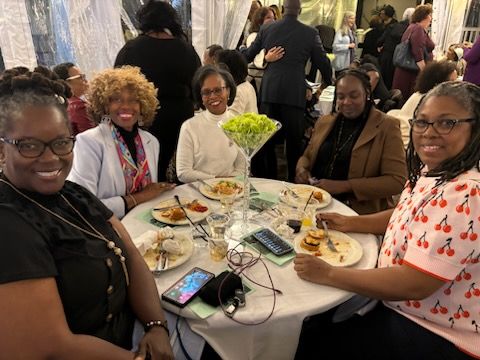
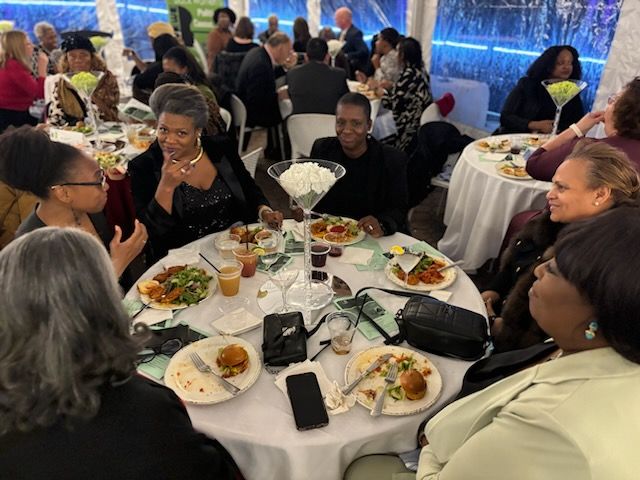
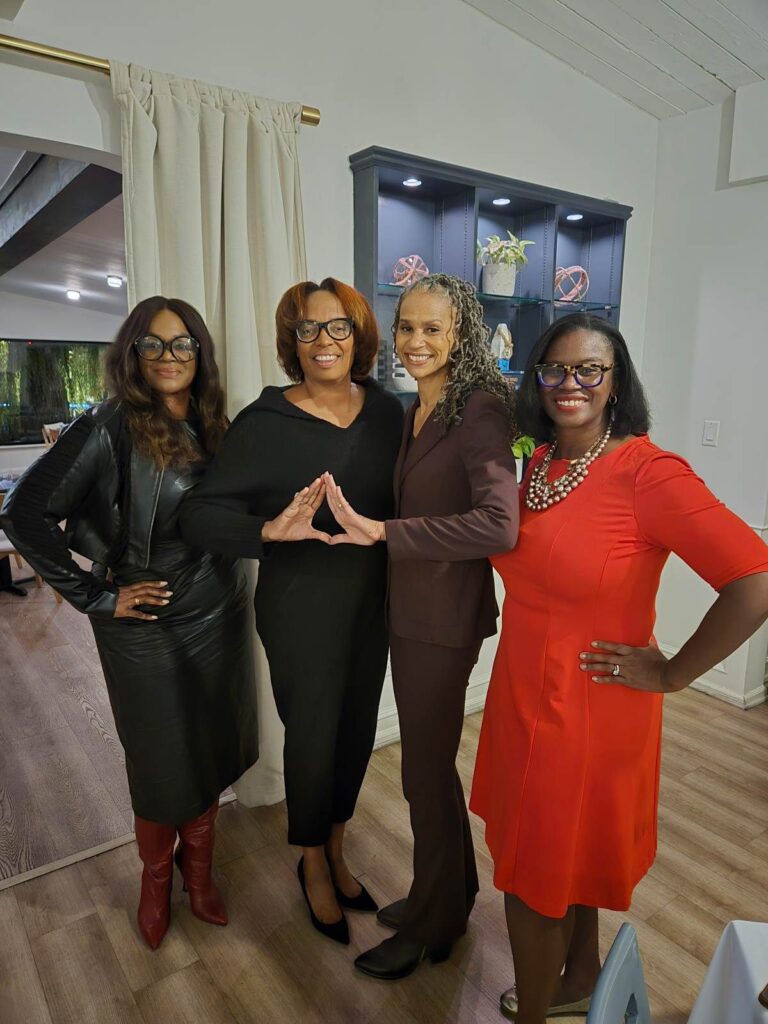
Over 400 people gathered at the Glen Island Harbor Club in New Rochelle to celebrate the 30th Anniversary of Sister To Sister International (STSI) Thursday night. STSI Founder & CEO Dr. Cheryl Lynn Brannan and her team set the bar with this elegant gala. The night was both a celebration and a call to action. STSI has been a beacon of hope and a catalyst for change for over 30 years.

“As the founder of Sister to Sister International (STSI), I am thrilled to share that our recent 30th Anniversary Gala was a tremendous success,” Dr. Brannan shared. “During the Gala, we posthumously recognized beloved past leaders and celebrated our STEAM Sistah alumni who have excelled in various STEM and STEAM careers. We fondly refer to these current and future leaders as “our receipts” exemplifying our investment in the next generation and legacy.”

Photos by Black Westchester

Honorees included Co-host of The View and NY Times Best Selling Author Sunny Hoston, New Rochelle Mayor Yadira Ramos-Herbert, STSI International Ambassador To Africa Yedidah T. Yehudah, Nonprofit Westchester Executive Director Jan Fisher, Grantmakers For Girls Of Color (G4GC) Vice President Maheen Kaleem, Esq., St. Johns Riverside Hospital President & CEO Ron Corti, and CNBC Senior Personal Finance Correspondent Sharon Epperson. STSI Inaugural Board Member the Honorable Pearl C. Quarles and Co-founders Jeanette L. Ray and Rose Taylor were honored posthumously.

News 12 Westchester Reporter Ms. Carol Wilkinson served as the spectacular gala’s Mistress Of Ceremonies and NYS Senate Majority Leader Andrea Stewart-Cousins greeted everyone. Brother Arthur Muhammad (DJ I-Slam) entertained the audience on the ones and twos.

Photos by Joy Malone Photography

Dr. Brannan’s dedication and visionary leadership have transformed lives and communities. Attendees included County Executive George Latimer, Deputy CE Ken Jenkins, NYS Senator Shelley Mayer, Westchester County Democratic Committee Chair Suzanne Berger, Westchester County Board Of Elections Democratic Commissioner Tajian Nelson, County Legislator Terry Clements (District 11 – New Rochelle, Pelham, Pelham Manor), Yonkers Mayor Mike Spano, Peekskill Mayor Vivian C. McKenzie, Westchester Black Women’s Political Caucus President Angela Davis Farrish, Westchester Community Health Center CEO Judith Watson, Greenburg Councilwomen Gina Jackson, Former Mount Vernon Councilman J. Yuhanna Edwards, Westchester Children’s Association (WCA) Executive Director Allison Lake, and too many others to name, who came out to celebrate Dr. Brannan and STSI who’s singular focus is to educate and advocate for the advancement of Black Women, women of color, girls, and their families locally and globally. STSI Is On The Move!!!

Sister to Sister International, Inc. (STSI) is a non-profit and non-governmental organization that aims to connect, advance, and strengthen women, girls, and families of African descent worldwide by linking them to available resources.

The organization achieves this goal through education, advocacy, and by promoting African culture. One of our primary objectives is to develop healthy lifestyles among our members. They focus on Health and Wellness, Education, and Global Affairs to achieve this. To support their objectives, we organize health symposia and campaigns, personal and professional development workshops, and seminars, fundraisers to enable charitable contributions and student scholarships, global briefings, communications & academic enrichment programs for youth, and publish periodic newsletters and a news flash to promote advocacy and information sharing.​

STSI also engages in dialogue with legislators on key issues affecting women and families, supports UN conferences, networks with women from all over the world, and collaborates with partners to advance their causes.

For more information about the incredible organization, visit their website, and follow them on Facebook, Instagram, Twitter (X), and YouTube.