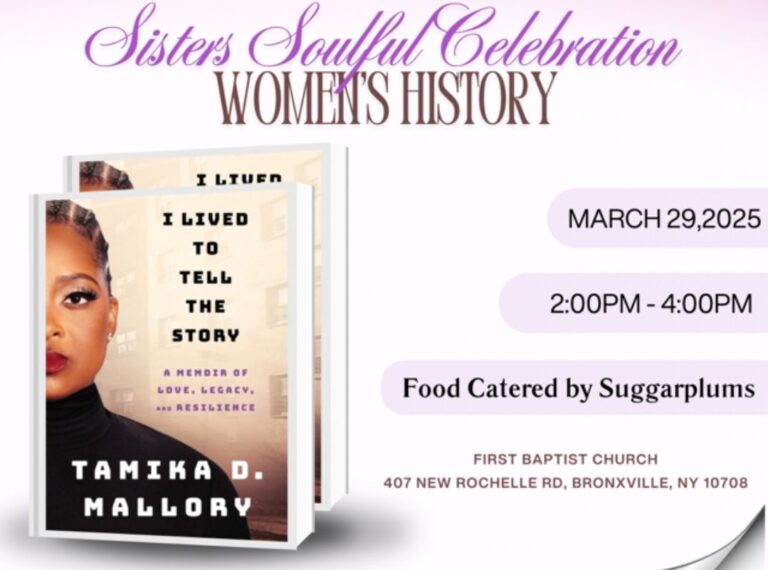
A special Sisters Soulful Celebration of Women’s History will feature Dr. Tamika D. Mallory in conversation with Senator Ruth Hassell-Thompson, on Saturday, March 29 · 2 – 4 pm at First Baptist Church, located at 407 New Rochelle Road in Bronxville.
You can purchase tickets by clicking on this link. If you cannot make it in person, you can still purchase this powerful book here. #SupportBlackAuthors
I Lived to Tell the Story: Love, Legacy, and Resilience
“I Lived to Tell the Story: Love, Legacy, and Resilience by Dr. Mallory is a raw, heartfelt memoir of perseverance, redemption, and triumph from Tamika D. Mallory, a trailblazing social justice leader, activist, and co-founder of the Women’s March. It takes readers beyond the headlines and podiums, offering an unfiltered look at the moments that shaped her—not just as an activist but as a woman navigating love, loss, and self-discovery. From her early days as the daughter of civil rights organizers in Harlem to her battles with the personal pain that many never imagined—the trauma of sexual assault, the pressures of motherhood, the fallout of public scrutiny, and the fight to reclaim her peace—this is Tamika as the world has never seen her before. A follow-up to her “masterful” (Marc Lamont Hill) debut, State of Emergency, which features a foreword by Angela Davis, confronted the murders of Breonna Taylor and George Floyd; this memoir ventures deeper into her journey. Tamika shares untold stories of resilience, courage, and internal struggles while waging war against injustice in America. At its core, I Lived to Tell the Story is not just about activism; it’s about what happens after the smoke clears. It’s about healing, survival, and the power of truth to bring us closer to ourselves and one another. This isn’t the story you think you know—it’s the one you’ve been waiting for.
Ruth Hassell-Thompson
Ruth Hassell-Thompson, appointed in 2016 as Special Advisor for Policy and Community Affairs for New York State Homes and Community Renewal, was first elected to the New York State Senate in 2000, where she brought years of public service and community involvement to her post as the Senator of the 36th Senatorial District, representing parts of the Bronx and Westchester Counties during her more than 15-year tenure. Ms. Hassell-Thompson has served on the New York State Cannabis Advisory Board and is currently the Chair of the Diversity Board for the School Construction Authority for the City of New York. During her tenure in the Senate, Ms. Hassell-Thompson served on the following standing committees: Judiciary (Ranking); Crime, Crime Victims, and Corrections (Chair and Ranking); Commerce, Economic Development & Small Business; Alcohol and Substance Abuse; Health; Finance; Rules; Chairwoman, Conference of Black Senators; Chairwoman, Taskforce on Domestic Violence; Taskforce on MWBE. Ms. Hassell-Thompson also chaired the Black, Puerto Rican, Hispanic, and Asian Caucus.
Ms. Hassell-Thompson is the recipient of three Honorary Doctorate degrees: College of New Rochelle, Doctor of Humane Letters; Mercy College, Doctor of Humane Letters; and Eastern Theological Consortium, Faculty of Arts and Sciences, Christ Theological Seminary, Doctor of Humanities. She is an alumna of Bronx Community College. In May 2023, Ms. Hassell-Thompson founded Third Act Development Consultants LLC, a consulting firm specializing in strategic planning, resource optimization, and policy formulation, that provides tailored solutions to meet the client’s unique needs. In December 2023, Ms. Hassell-Thompson retired as Special Advisor for Policy and Community Affairs at the Governor’s office and NYS Homes and Community Renewal. Ms. Hassell-Thompson is the proud mother of two daughters, the doting grandmother of two grandchildren, and a devoted great-grandmother of one great-grandson.
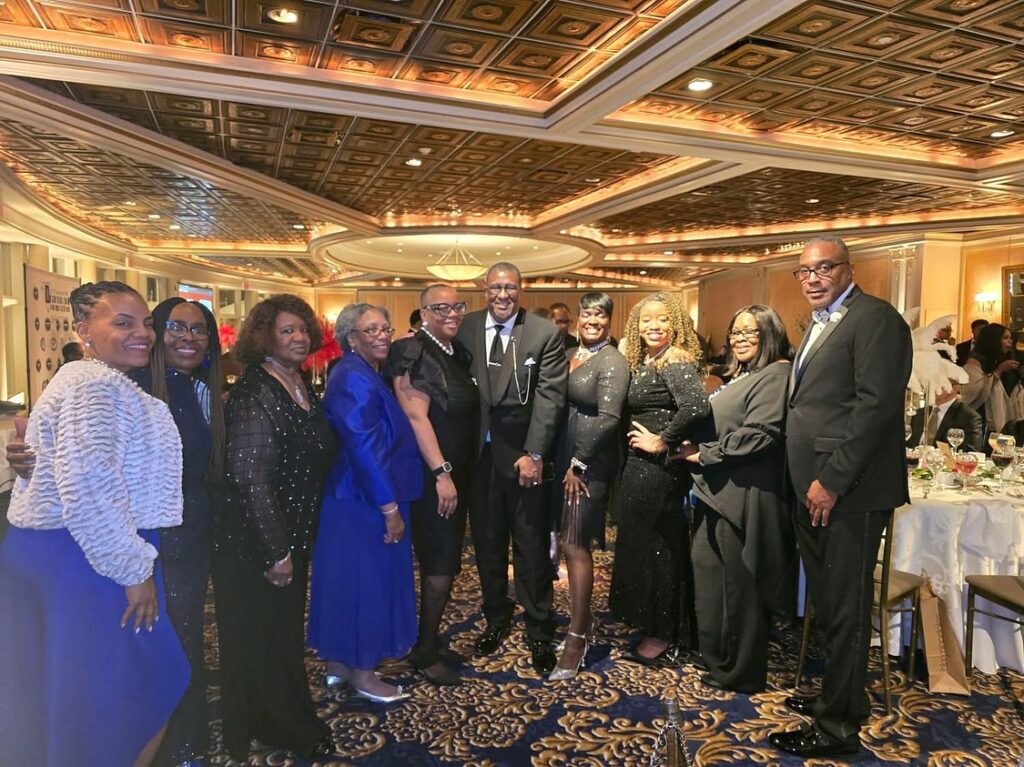
The Collaborators of Sisters Soulful Converstation, Celebration, Book-Talk- Experience, in formation: Greater Hudson Valley (NY) Chapter The Links, Incorporated and Westchester County (NY) Chapter The Links, Incorporated & Friends: Felita Granby, Honorable Nichelle A. Johnson, Dawn Hankin, Pamela Wheeler, Esq., NAACP, New Rochelle. Food for the soul will be catered by SuggarPlums Restaurant of New Rochelle.
Celebrates Three Exemplary Youth Advocates in Observance of Women’s History Month
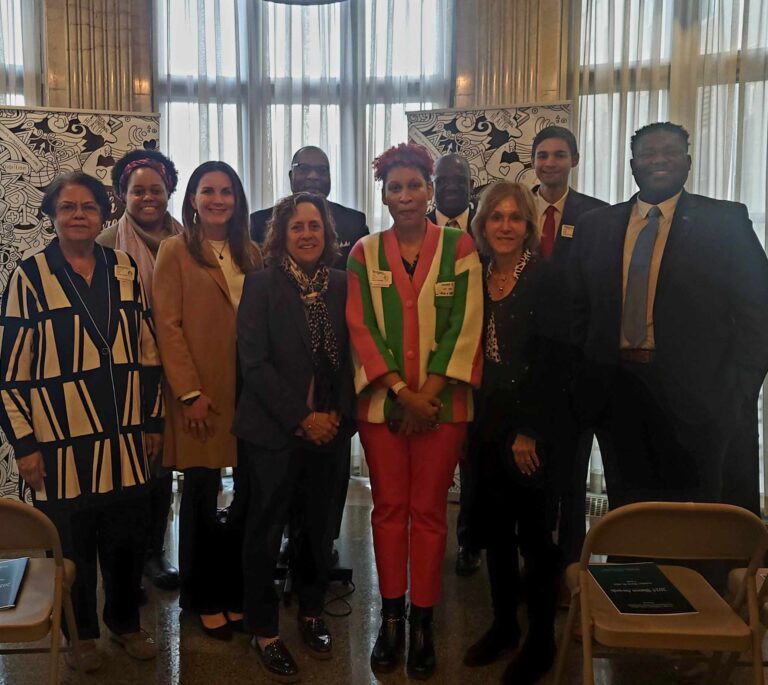
(White Plains, NY) – In observance of Women’s History Month, the Youth Bureau and the Westchester County Youth Board hosted their annual Sheros Awards ceremony, recognizing three outstanding community leaders who are positively impacting the lives of children, youth, and families in Westchester County. This year’s award recipients were Rikki Dee Childs, Big Brothers Big Sisters Vice President of Programs; Caitlin Leon, Westchester Jewish Community Services Director for Training and Digital Equity; and Eileen Torres, Lifting Up Westchester Director of Youth Services. The March 25 event was held in the Rotunda of the Michaelian Office Building and was well attended by family, friends, and colleagues of the honorees.
“The Youth Bureau’s annual Shero Awards is a powerful tribute to those making a lasting impact in their communities. This event not only recognizes the dedication and leadership of women who champion the well-being of young people but also serves as an inspiration for future generations. By highlighting their efforts, we raise awareness about the critical issues affecting youth and families while reinforcing the importance of strong, compassionate advocacy. We also foster connections among leaders, organizations, and the community, creating opportunities for collaboration and continued progress,” Westchester County Executive Ken Jenkins said.
Youth Bureau Executive Director Ernest McFadden said: “As we gather to celebrate these remarkable women who have shaped, inspired, and empowered the lives of so many young people through their work and communities, so we are inspired ourselves. The Sheros Awards is not just about recognition—it’s about honoring those who lead with courage, passion, and purpose, reminding us that when women rise, we all rise.”
Youth Board Chair Dr. Alexandria Connally said: “Eleanor Roosevelt said, ‘A woman is like a tea bag – you can’t tell how strong she is until you put her in hot water.’ These women are a beacon of light that brighten our community. They are the strength of our community. It is gratifying to have the opportunity to recognize and commend their efforts in making the world a better place to live.”
The county lauds these remarkable women for their profound impact on the lives of countless local families and youth, recognizing their dedication, leadership, and compassion.
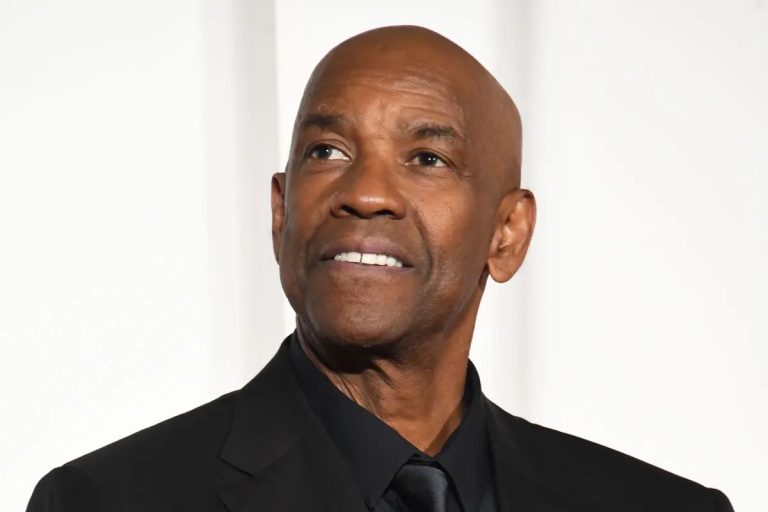
Don’t get it twisted and call Denzel Washington a Hollywood Actor
In an exclusive, on CSB Sunday Morning, on Sunday, March 23rd Jake Gyllenhaal and Denzel Washington, starring as Iago and Othello in a new Broadway production of Shakespeare’s tragedy, talk with “60 Minutes” correspondent Bill Whitaker about performing a story in which life and death are “ever-present in every moment of the show.” They also discuss becoming familiar with Shakespeare’s language, aging into the character, and the challenge of playing a villain.
Denzel Washington is doing more than breaking box office records with his blockbuster Broadway outing with Jake Gyllenhaal — he’s setting the record straight on how he feels about being labeled a “Hollywood actor” who occasionally graces the New York stage.
“I’m a stage actor who does film, it’s not the other way around. I did stage first. I learned how to act on stage, not on film,” Washington declared to “CBS News Sunday Morning” host Bill Whitaker after the journalist pointed out the number of “Hollywood actors” who have roles on Broadway this season.
Watch a clip from the interview below:
Denzel Washington, known for his Oscar-winning roles in “Glory” and “Training Day,” rejects being labeled a “Hollywood actor.”
“What’s the definition of a Hollywood actor? Myself, I’m from Mt. Vernon, so I’m a ‘Mt. Vernon actor,’” Denzel said, stopping CBS’s Bill Whitaker midway through his question about the “star-studded season on Broadway” featuring “lots of Hollywood actors and producers.” “I don’t know what ‘Hollywood’ means. I know it’s a place?” the Oscar winner continued at 1:48 into the video.
Denzel Hayes Washington Jr. was born in Mount Vernon, New York, on December 28, 1954, and spent his childhood at the Boys & Girls Club of Mount Vernon, which he credits with being a positive influence and shaping his life.
“Everything you’ve seen or heard about me began with lessons I learned to live by at the Club,” the Mount Vernon native has often said.
Denzel Washington is a national spokesperson for the Boys & Girls Clubs of America, and his support is rooted in his personal experience. Washington even wrote a personal essay for Essence Magazine, on December 6, 2020, highlighting the importance of the Boys & Girls Club and his own experience.
He attended Pennington-Grimes Elementary School in Mount Vernon until 1968. When he was 14, his parents divorced, and his mother sent him to the private preparatory school, Oakland Military Academy in New Windsor, New York.
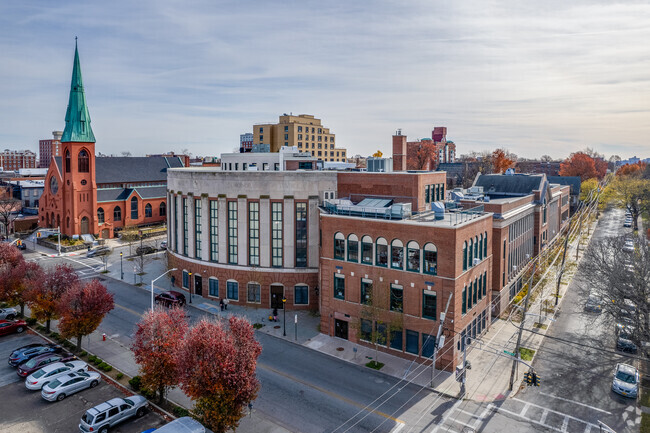
The Academy Award-winning actor now has a school named after him, the Denzel Washington School of the Arts on the Nellie A. Thornton Campus, located at 121 S 6th Avenue in his hometown of Mount Vernon serving students in grades 6-12, focusing on arts and preparing them for college and careers in the arts industry. Wednesday, September 7, 2022, was the first day of school at Denzel Washington School of the Arts, and students excitedly filled the halls.
Actor, director, and producer Denzel Washington has received numerous accolades, including two Academy Awards, two Golden Globe Awards, a Screen Actors Guild Award, and a Tony Award, as well as nominations for a Grammy Award and two Primetime Emmy Awards. He received ten Academy Award nominations and is one of eight actors who has been nominated for an acting Academy Award in five different decades (1980s, ’90s. 2000s, ’10s and ’20s), joining Laurence Olivier, Katharine Hepburn, Paul Newman, Jack Nicholson, Michael Caine, Meryl Streep and Frances McDormand.
Over his career, he has received numerous honorary awards, including the BAFTA Los Angeles Britannia Award in 2007, the Golden Globe Cecil B. DeMille Award in 2016, and the AFI Life Achievement Award in 2019. He was supposed to be awarded the Presidential Medal of Freedom by Joe Biden in 2022, but didn’t receive it until Saturday, January 4, 2025, at a White House ceremony. Denzel received the Presidential Medal of Freedom from President Joe Biden, the nation’s highest civilian honor.
No matter how many awards and accolades Denzel Washington has received he always represents the 914 and never lets the world forget he is from Mount Vernon, New York including the time he worked for Mount Vernon DPW as a garbage man before he made it big. ‘that was hard, there is nothing we do making movies that hard compared to that,” he remembers, Denzel is a true Black Westchester Legend!
For generations, our understanding of mental illness has focused primarily on chemistry, neurobiology, and trauma, diagnosed through clinical measures and often treated with pharmaceuticals. While these methods have saved countless lives, an urgent question remains: Is there a way to broaden our therapeutic repertoire to address the mind, body, and spirit as an interconnected whole?
In the search for holistic approaches, an ancient Japanese healing art, Reiki, is capturing the attention of modern medical centers. Once viewed with skepticism, Reiki—developed by Mikao Usui—has begun to permeate psychiatric clinics, hospitals, and even research institutions. This shift isn’t mere happenstance; patient reports and emerging evidence suggest that Reiki can help ease conditions like anxiety, depression, PTSD, and issues related to neurodivergence.
The deeper implication is transformative: The mind is more than a biochemical puzzle—it’s also an energetic network, and Reiki may help harmonize those subtle fields. This perspective not only expands our understanding of mental health but also challenges healthcare systems to integrate innovative, patient-centered modalities.
A Crisis in Mental Health, A Call for Innovation
According to the World Health Organization, one in four individuals will experience a mental or neurological disorder at some point in their lives. While conventional treatments have been indispensable, they don’t always resolve the full spectrum of patient needs. Side effects, limited accessibility, and partial relief are all too common.
This very struggle has prompted institutions like Hartford Hospital, Jamaica Hospital Medical Center, and the Miami VA Medical Center to include Reiki in their care programs (Hartford Hospital, n.d.; Jamaica Hospital Medical Center, n.d.; Catlin & Taylor-Ford, 2011). Despite initially seeming unconventional, the alignment of clinical medicine with an energy-based practice reflects a bold, necessary response to the mental health crisis. Reiki isn’t poised to replace existing therapies; rather, it could significantly enhance them, offering safe, non-pharmaceutical benefits to diverse patient populations.
The Science of Reiki: Beyond Placebo, Into the Nervous System
Reiki practitioners channel what is described as “universal life force energy” through their hands, either touching or hovering above the patient. Although once dismissed as purely placebo, emerging research points to tangible effects on the parasympathetic nervous system, including:
Reduced cortisol (stress hormone)
Lowered heart rate and blood pressure
Improved vagal tone, crucial for emotional and physiological equilibrium
A study published in Pain Management Nursing found that Reiki significantly reduced anxiety and stress among adults undergoing medical procedures (Thrane & Cohen, 2014). In another study published in Holistic Nursing Practice, Reiki sessions alleviated depressive symptoms in hospitalized patients (Vitale & O’Connor, 2006). These findings aren’t just suggestive; they invite healthcare professionals to consider how an energetic modality might fortify—and sometimes extend—the capabilities of conventional treatments.
Reiki for PTSD: A Sanctuary for Trauma Survivors
For individuals with post-traumatic stress disorder (PTSD), existing interventions like cognitive-behavioral therapy and medication are valuable cornerstones. However, trauma frequently lodges itself within the nervous system, leading to ongoing hypervigilance, panic attacks, and emotional detachment.
A pilot study at the Miami VA Medical Center demonstrated that veterans receiving Reiki treatments experienced reduced stress, improved sleep, and a sense of inner calm (Catlin & Taylor-Ford, 2011). These results underscore the potential for a two-pronged approach: combining psychological and energetic healing strategies to address not only the mind but also the subtle imprints trauma leaves on the body.
Neurodivergence and Reiki: A Path to Self-Regulation
Neurodivergence encompasses conditions like autism spectrum disorder (ASD) and attention-deficit/hyperactivity disorder (ADHD). While these differences in neurological wiring aren’t inherently pathologies, many individuals benefit from interventions that mitigate challenges such as sensory overload and difficulty with attention.
Reiki for Autism Spectrum Disorder (ASD)
Overstimulation, social anxiety, and emotional dysregulation are common hurdles for autistic individuals. Although rigorous data are still emerging, anecdotal reports indicate that Reiki may:
Calm overactive nervous systems
Foster emotional self-regulation
Improve sleep quality
Autism-focused wellness centers have begun weaving Reiki into their services, suggesting that a gentle, low-sensory modality could complement traditional therapies that some find overstimulating.
Reiki for ADHD: From Hyperactivity to Focus
While stimulant medications often prove effective for ADHD, they don’t always meet everyone’s needs. Early case studies hint that Reiki may:
Reduce restlessness and hyperactivity
Promote sustained concentration
Help regulate sleep cycles
These observations pose a compelling question for healthcare providers: Could the non-pharmaceutical benefits of Reiki, when integrated thoughtfully, improve patient outcomes and quality of life?
Hospitals and Medical Institutions Embracing Reiki
Despite long-standing skepticism, Reiki is making steady inroads into integrative healthcare:
Hartford Hospital (Connecticut): Integrates Reiki into care plans for anxiety, chronic pain, and cancer therapy side effects (Hartford Hospital, n.d.).
Jamaica Hospital Medical Center (New York): Includes Reiki in its Holistic Care Program, highlighting its usefulness in stress reduction (Jamaica Hospital Medical Center, n.d.).
Northern Westchester Hospital: Offers Reiki alongside acupuncture and aromatherapy, reflecting a modern mind-body approach (NWH.northwell.edu).
These forward-thinking institutions are exemplars, demonstrating a willingness to adopt evidence-informed holistic care. As patient satisfaction and positive outcomes grow, it becomes clear that this isn’t a fringe experiment but rather a viable enhancement to conventional healthcare models.
The Road Ahead: A Call to Medical Professionals and Administrators
With ongoing research unveiling Reiki’s physiological and psychological benefits, the time is ripe for hospitals, clinics, and mental health facilities to seriously evaluate its integration. Here’s why:
Patient-Centered Care: Many patients are actively seeking non-pharmaceutical or complementary therapies to reduce stress, manage side effects, and improve overall well-being. Reiki’s gentle, non-invasive nature aligns with patient-centric models that respect individual preferences.
Minimal Risk, Significant Potential: Reiki has few, if any, known adverse side effects. Even if part of the benefit is attributed to relaxation or the placebo effect, the potential for enhanced patient comfort and emotional support cannot be dismissed.
Holistic Continuum of Care: Incorporating Reiki can position healthcare institutions at the forefront of integrative approaches, bridging the gap between medical science and holistic wellness.
Evolving Research Base: As more peer-reviewed studies support Reiki’s efficacy, hospitals offering these services can leverage emerging data to refine practices, measure outcomes, and lead collaborative research efforts.
Reiki shouldn’t replace your facility’s standard treatments. Rather, it can expand your treatment toolkit, potentially elevating patient satisfaction and complementing the therapeutic options currently available to those dealing with mental health challenges and neurodivergence.
A Personal Invitation:
As co-authors—Larnez Kinsey and Harold Hakeem Stone-Mayfield—we urge healthcare leaders, clinicians, and policymakers to explore Reiki’s potential within their institutions. We challenge you to observe firsthand how this centuries-old modality might synergize with established protocols and enhance patient outcomes. The gap between evidence-based medicine and holistic healing is narrowing, and your institution could be at the forefront of this transformative shift.
For more information on how to bring Reiki to your facility or organization, reach out to Hearth and Harmony at heartandharmonyny@gmail.com
References
Bowden, D., Goddard, L., & Gruzelier, J. (2010). A randomized controlled single-blind trial of the efficacy of Reiki in benefiting mood and well-being. Evidence-Based Complementary and Alternative Medicine, 7(2), 189-195. https://doi.org/10.1093/ecam/nem123
Catlin, A., & Taylor-Ford, R. (2011). Reiki as a clinical intervention in health care: A systematic literature review. Holistic Nursing Practice, 25(5), 238-248. https://doi.org/10.1097/HNP.0b013e31822eaac3
Thrane, S., & Cohen, S. M. (2014). Effect of Reiki therapy on pain and anxiety in adults: An in-depth literature review of randomized trials with effect size calculations. Pain Management Nursing, 15(4), 897-908. https://doi.org/10.1016/j.pmn.2013.07.008
Vitale, A. T., & O’Connor, P. C. (2006). The effect of Reiki on pain and anxiety in women with abdominal hysterectomies: A quasi-experimental pilot study. Holistic Nursing Practice, 20(6), 263-272. https://doi.org/10.1097/00004650-200611000-00008
Reiki’s journey from obscurity to clinical practice signals a profound evolution in the mental health sphere. Once considered merely an alternative, it’s now emerging as a strategic necessity in comprehensive care. The true question isn’t whether Reiki has a place in modern healthcare, but how rapidly our institutions can adapt, innovate, and harness its healing potential for those who need it most.
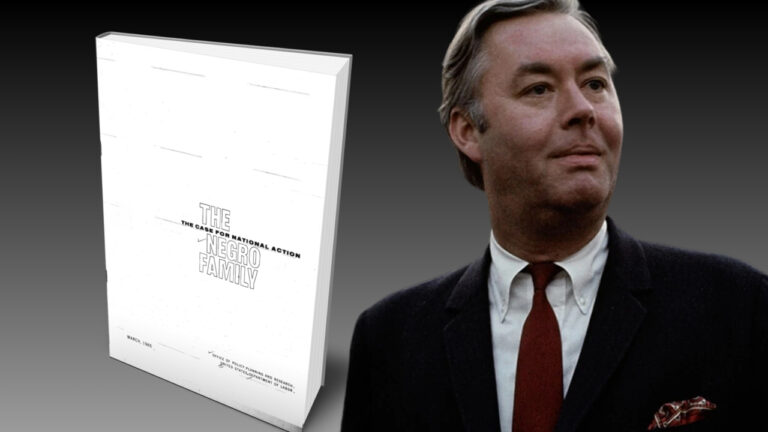
In 1965, Daniel Patrick Moynihan, a Democrat and top official in Lyndon B. Johnson’s Department of Labor, authored a report that ignited a national debate. The Negro Family: The Case for National Action warned that the disintegration of the Black nuclear family—particularly the absence of fathers—posed a significant threat to the progress of Black America.
At the time, many dismissed the report as racist, classist, and paternalistic. However, Moynihan, a liberal Democrat working at the highest levels of government, highlighted a critical issue: the internal collapse of the Black family and its potential generational consequences if left unaddressed.
Here’s the part too many skip over: the Democratic Party saw the warning and chose not to fix it. They had the data, the insight, and the platform. They could have developed a plan to stabilize the Black household, support fatherhood, and build pathways to self-sufficiency. Instead, they conceded. They chose to make the welfare state the answer—accepting the absence of fathers as permanent and substituting the state in their place.
But the failure doesn’t stop at policy. Many prominent Black leaders of the time—those with access, influence, and platforms—also ignored the core message. Some were too focused on respectability politics or civil rights optics to confront the uncomfortable truth about family breakdown. Others, fearing accusations of “blaming the victim,” avoided the conversation altogether. In doing so, they helped bury a report that could’ve saved generations. What should have sparked national action was met with political silence and cultural denial.
Sixty years later, the results are staggering. In 1965, Moynihan noted that nearly 25 percent of Black families were headed by women. Today, that number has more than doubled, with over 70 percent of Black children born to single mothers. This shift has transitioned family breakdown from an exception to a normalized cultural pattern.
We can’t keep pretending this is all about racism. Racism is real—it has corrupted housing, education, and the criminal justice system. But racism isn’t what stops a man from being a father to his children. That comes down to character, morals, and the choices we make. Yes, generational trauma is real—but trauma that goes unhealed becomes a cycle we choose to repeat. We were warned. The Moynihan Report laid it out in plain sight. But instead of confronting the truth, we kept our eyes wide shut and used racism as a shield to excuse our own failures.
Over the decades, numerous studies have echoed Moynihan’s findings. A 2015 report from the Harvard Kennedy School highlighted that, 50 years after the Moynihan Report, more than one-quarter of young Black males were neither employed nor enrolled in school or vocational training. This disengagement underscores the enduring challenges within the Black community.
Furthermore, research has consistently shown a relationship between family structure and socioeconomic outcomes. For instance, a study published in the Journal of Social Service Research found that children from single-parent households often face higher risks of poverty, lower educational attainment, and increased behavioral issues compared to those from two-parent families.
Even Black scholars who disagreed with Moynihan’s politics echoed his core warning. Economist and author Thomas Sowell argued that welfare programs—especially Aid to Families with Dependent Children (AFDC)—created financial incentives for women to raise children without a man in the home. These benefits were often reduced or denied if an able-bodied man was present, effectively penalizing marriage or cohabitation with the child’s father. In that void, the state stepped in as a kind of surrogate husband, providing material support that once came from a male provider. Over time, this eroded the economic and social role of men in the Black household and helped normalize a structure where the father became optional—undermining both stability and accountability.
We’ve had six decades to prove Moynihan wrong. Instead, the numbers have only proven him more right than we ever wanted to admit.
And now here we are. In 2025, Black men make up about 12% of vocational and trade labor across the country, showing strong representation in construction, trucking, plumbing, and electrical work. Black entrepreneurship has also grown, with over 161,000 Black-owned employer businesses and millions more non-employer ventures nationwide. Yet despite those strides, we’re still losing the war at home. Black men make up just 6% of the U.S. population, but nearly 33% of the prison population. Those aren’t just numbers—they’re proof. Proof that while opportunity is available, far too many are choosing the streets over structure. It’s easy to blame racist police or an unjust justice system—and yes, those issues are real—but the bigger truth is this: we had the warning. It was clear. And we ignored it.
We failed by turning fatherlessness into a lifestyle, like it’s just part of the culture now. We didn’t heal the trauma—we made it a badge of honor. We failed Black women by abandoning them, then stood by while the culture pushed a toxic lie: “I don’t need a man.” What they needed were men who would stay, lead, and build. Instead, in 2025, we celebrate baby showers like milestones while weddings have become rare events. We failed our boys by letting music, media, and the streets define manhood—no structure, no discipline, no standard. Just chaos dressed as freedom.
Yes, the system is rigged—but we are still making choices. And choices have consequences. Choosing not to raise your children isn’t trauma—it’s abandonment. Choosing to keep repeating broken patterns isn’t oppression—it’s neglect. And choosing silence over accountability is not love—it’s cowardice.
We need more than inspiration—we need integrity. We need men who don’t disappear after childbirth, and communities that don’t excuse them. We need Black leadership that tells the truth, even when it’s uncomfortable. The next generation doesn’t need another march or panel—they need models of manhood, structure, and family.
Moynihan called for a national effort to rebuild the Black family. He understood, even then, that the family is not just a private matter—it’s a political one. Today, the problem is not that no one sees it. The problem is that too many have gotten comfortable living in its collapse.
The state of the Black family in 2025 is not a surprise. It’s a mirror. And if we’re still quoting the Moynihan Report in 2065, then we have truly failed—not because we were oppressed, but because we refused to turn the page.
The legacy of our people cannot be fatherlessness, generational dysfunction, and cultural confusion. It must be responsibility, leadership, and love expressed through structure. That’s how we break the cycle. That’s how we reclaim our future.
No more reports. No more denial. It’s time to rebuild.
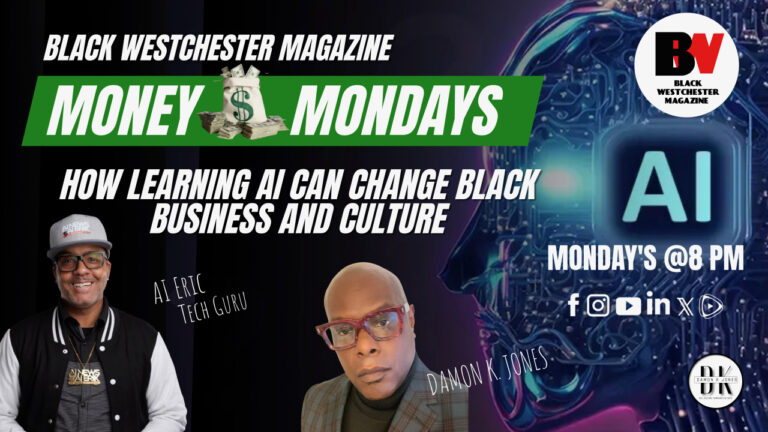
Join host Damon K. Jones for another insightful episode of Money Mondays as we welcome tech guru AI Eric for an eye-opening discussion on artificial intelligence and its potential to transform Black-owned businesses. In this powerful conversation, Eric breaks down the fundamentals of AI technology and explores how Black entrepreneurs can leverage these tools to compete in an increasingly digital marketplace.
Discover why understanding AI isn’t just optional but essential for business growth and sustainability in today’s economy. Our discussion also tackles the importance of introducing AI education to our children early, preparing the next generation of Black innovators and business leaders with the technological literacy they’ll need to thrive.
Eric shares practical strategies for parents and educators to foster AI skills in young learners. Don’t miss this essential episode that bridges technology, business, and community empowerment. Whether you’re a seasoned entrepreneur or just beginning to explore the world of AI, this conversation offers valuable insights for navigating the future of Black business success.
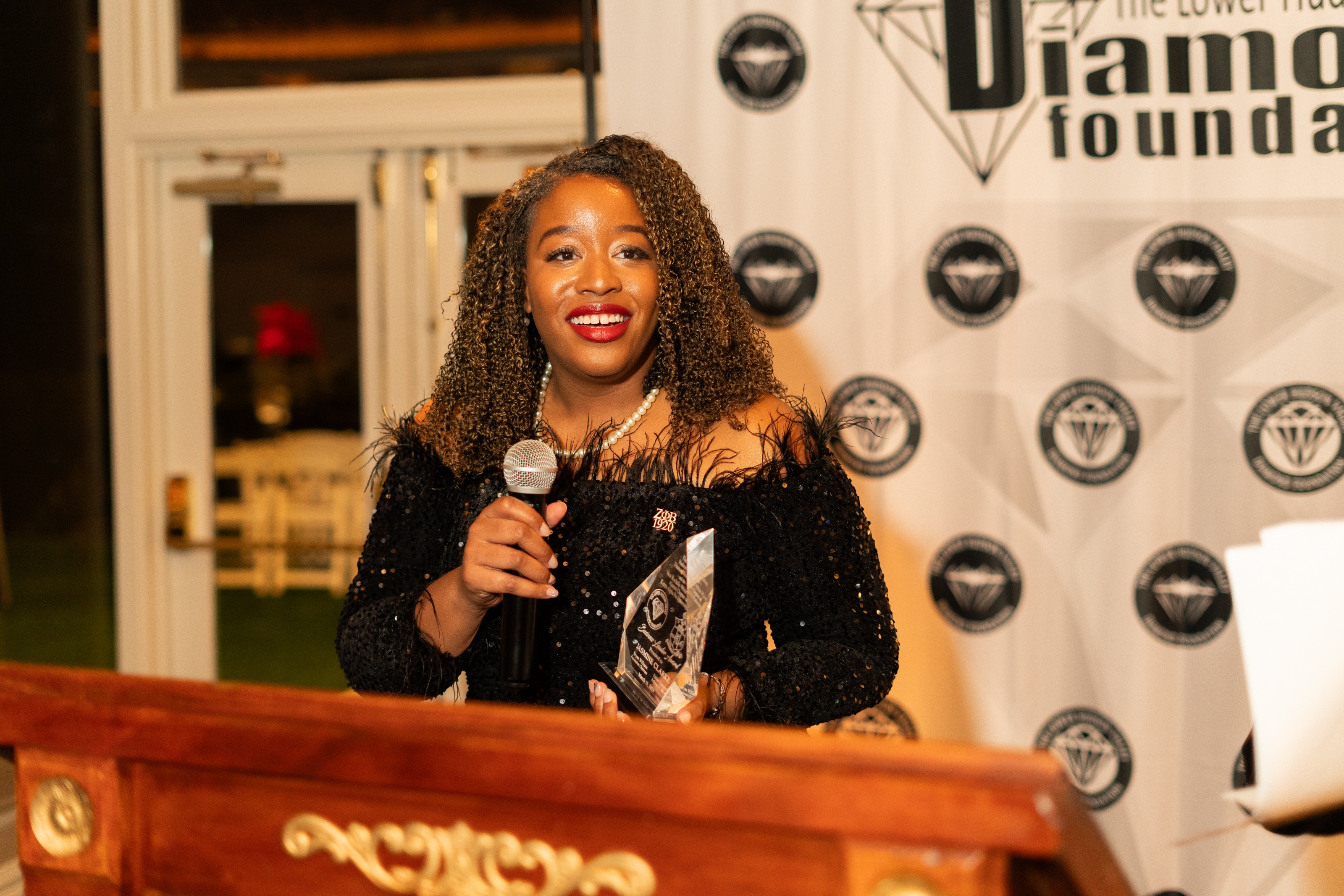
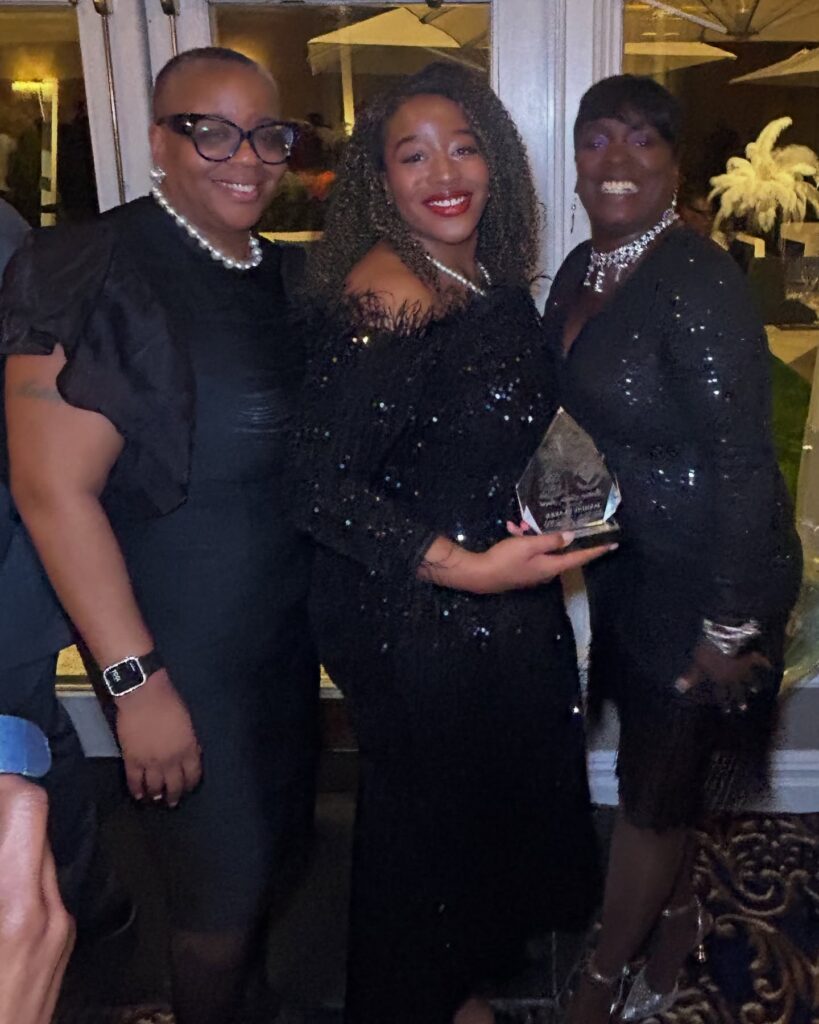
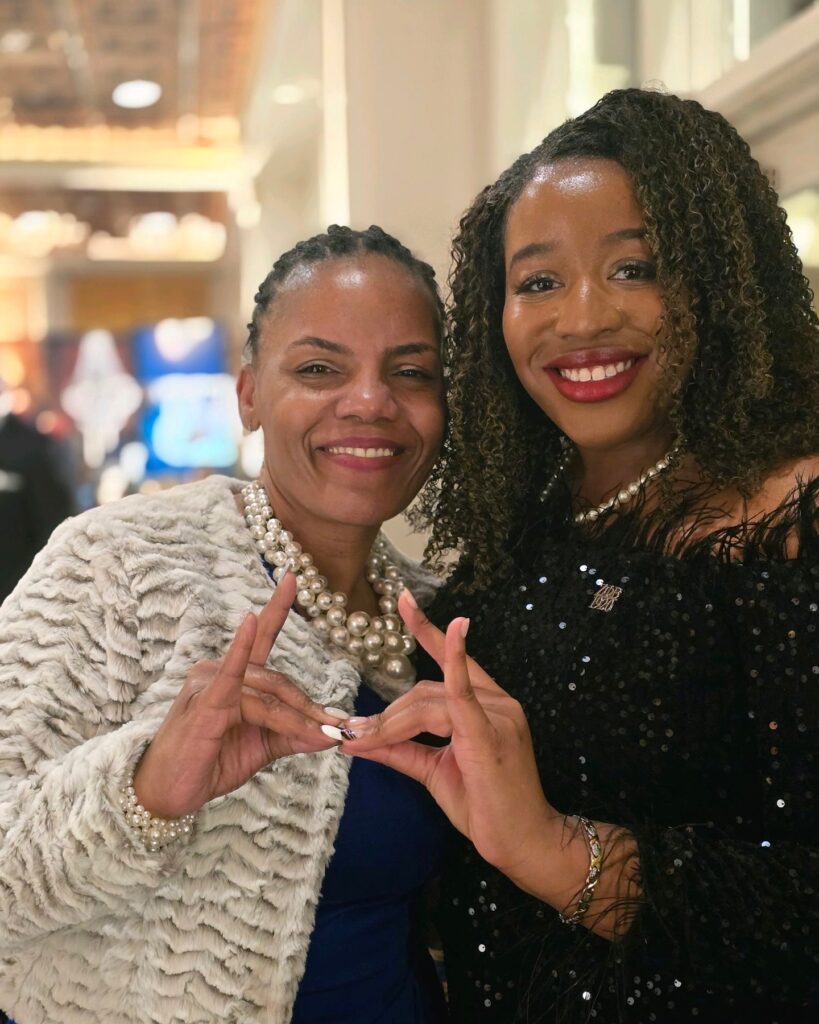
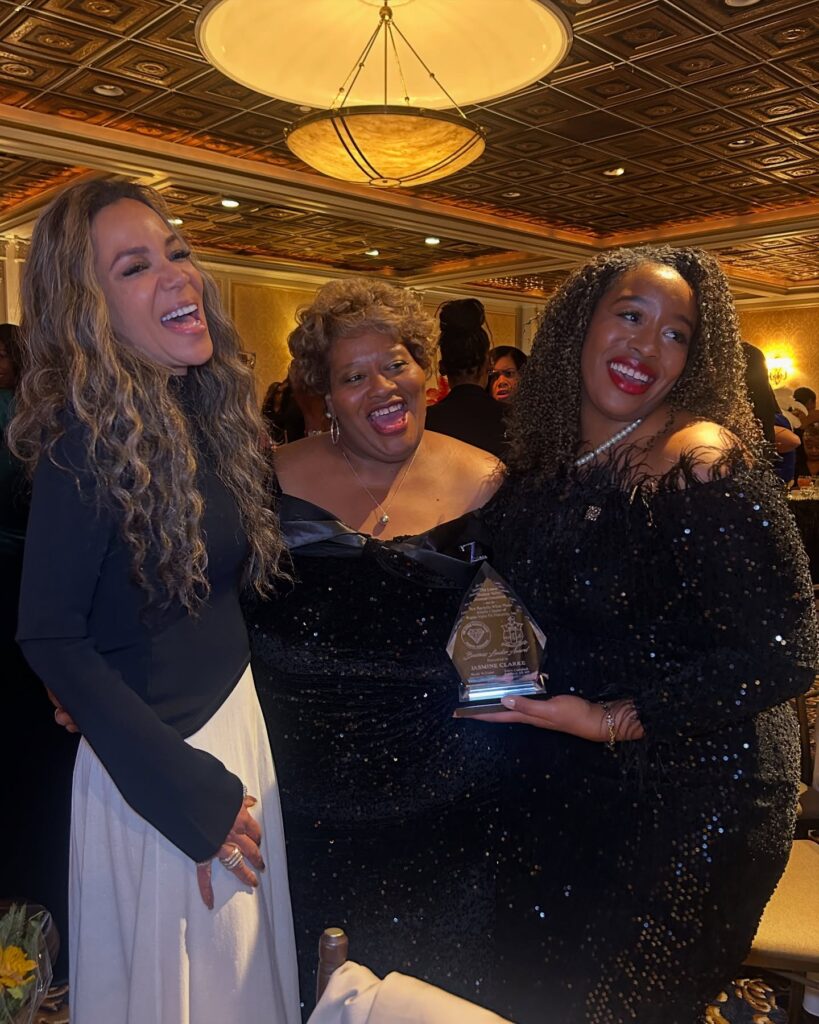
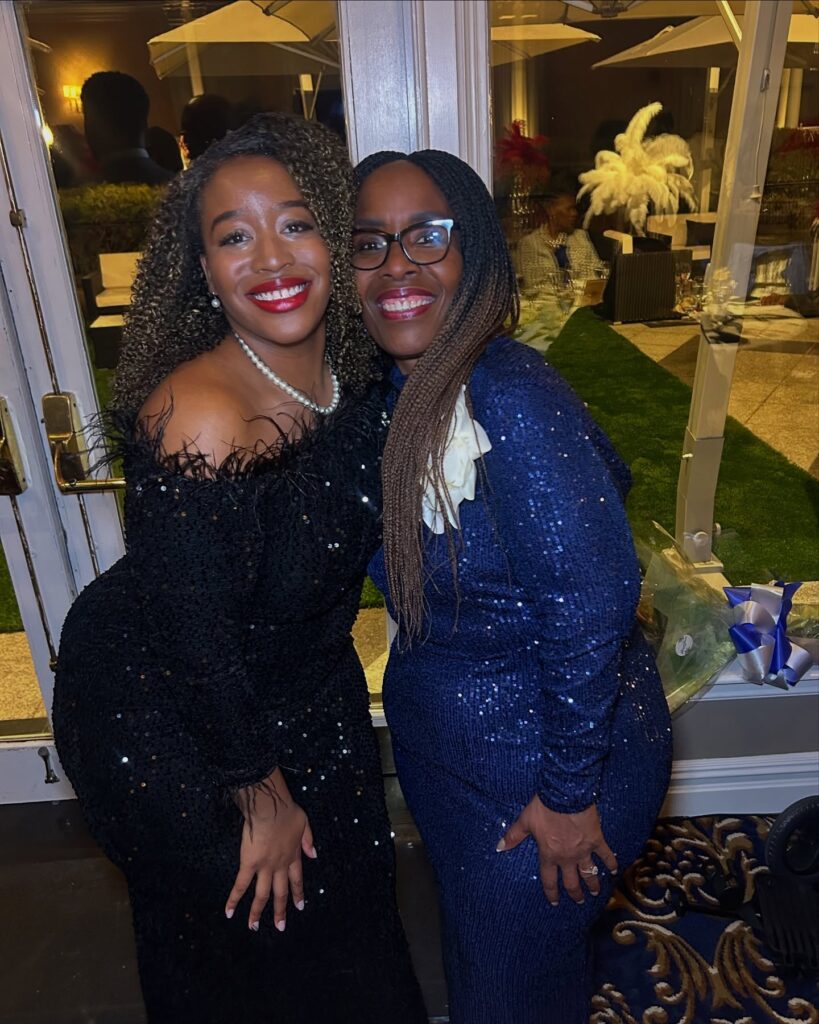
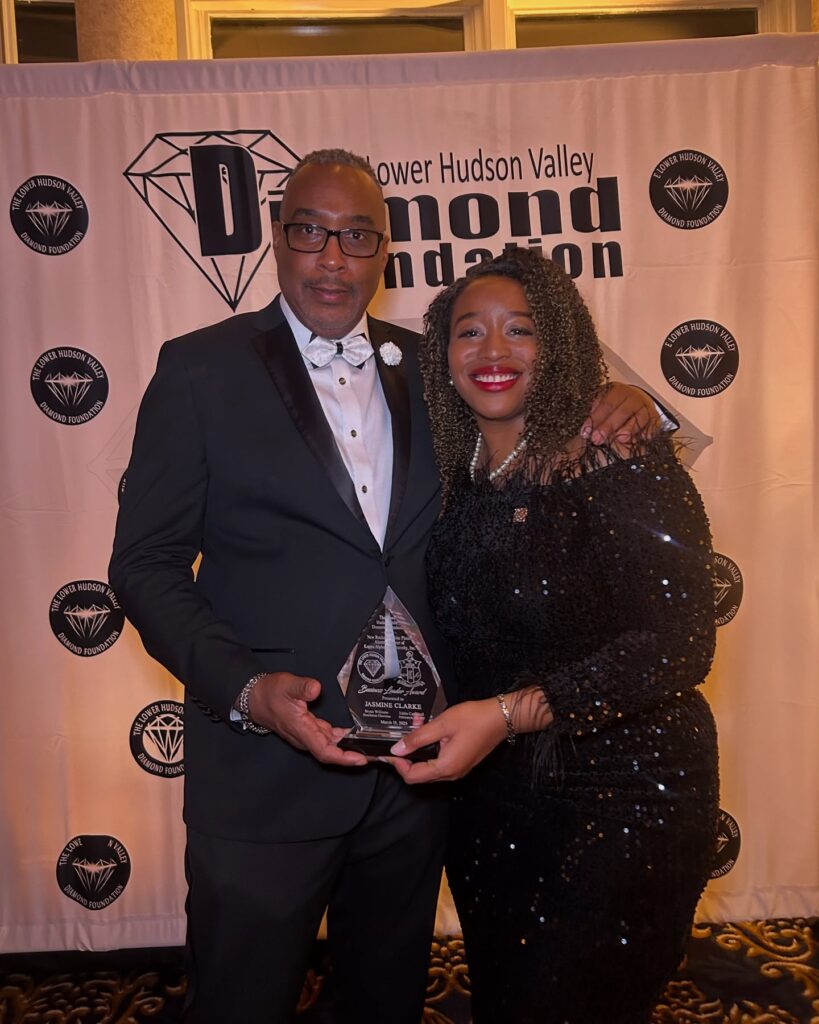
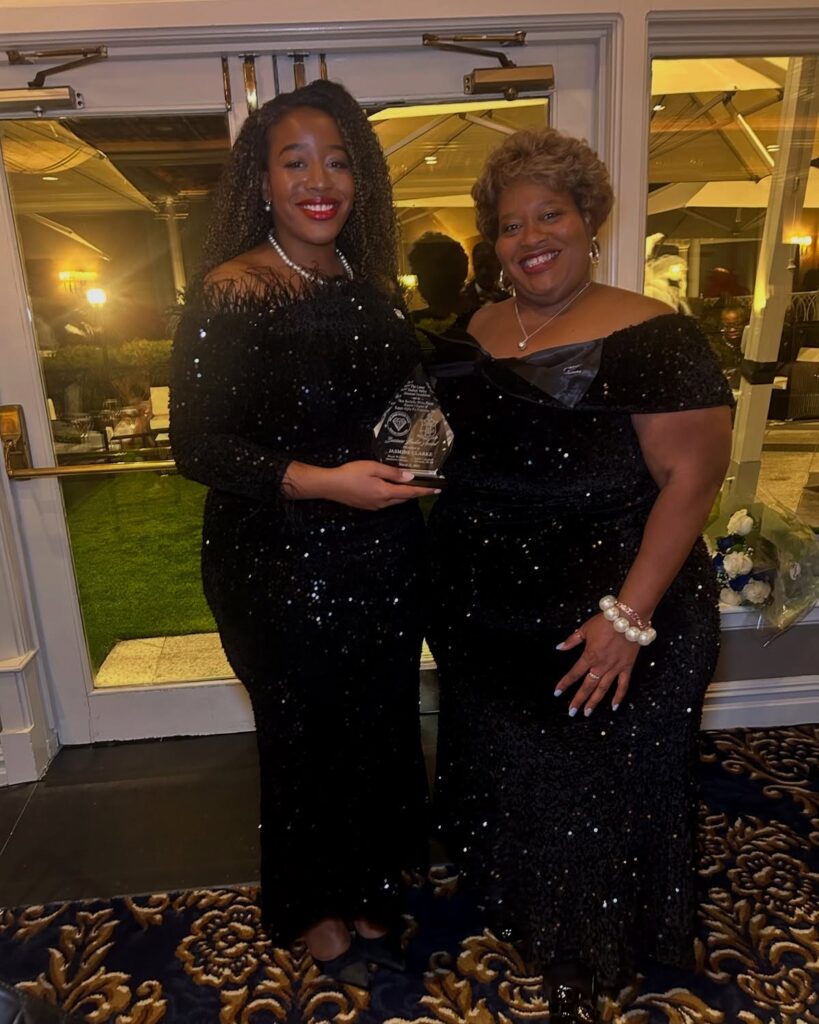
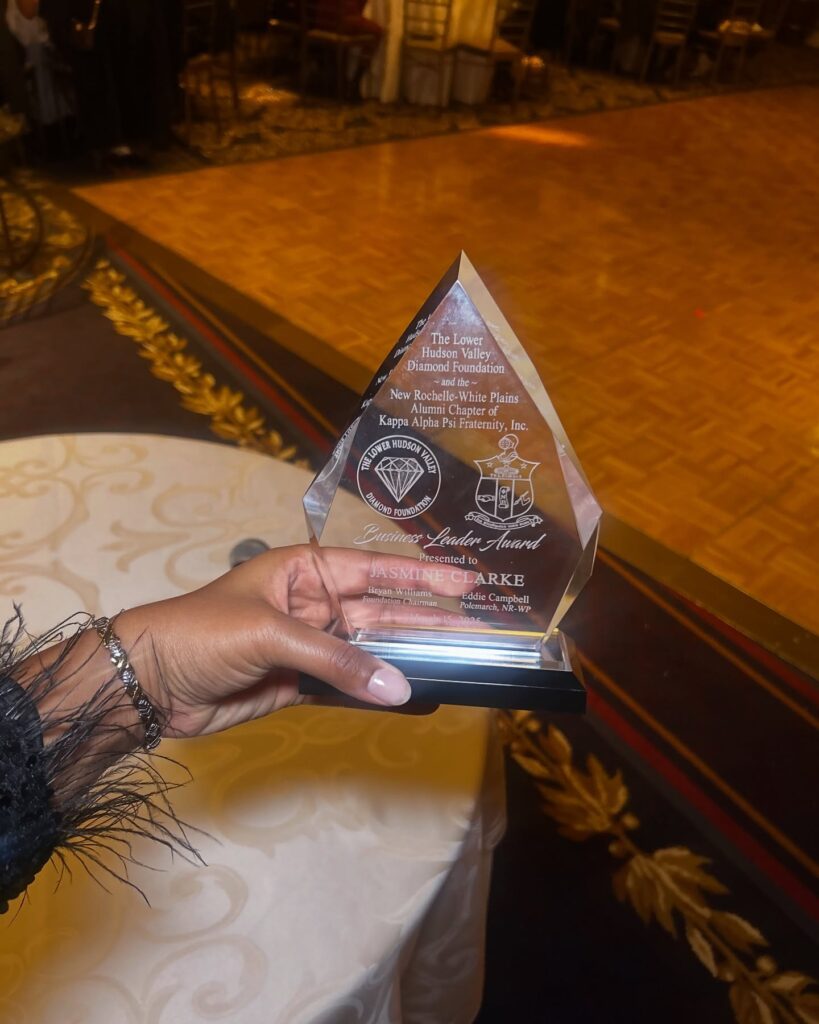
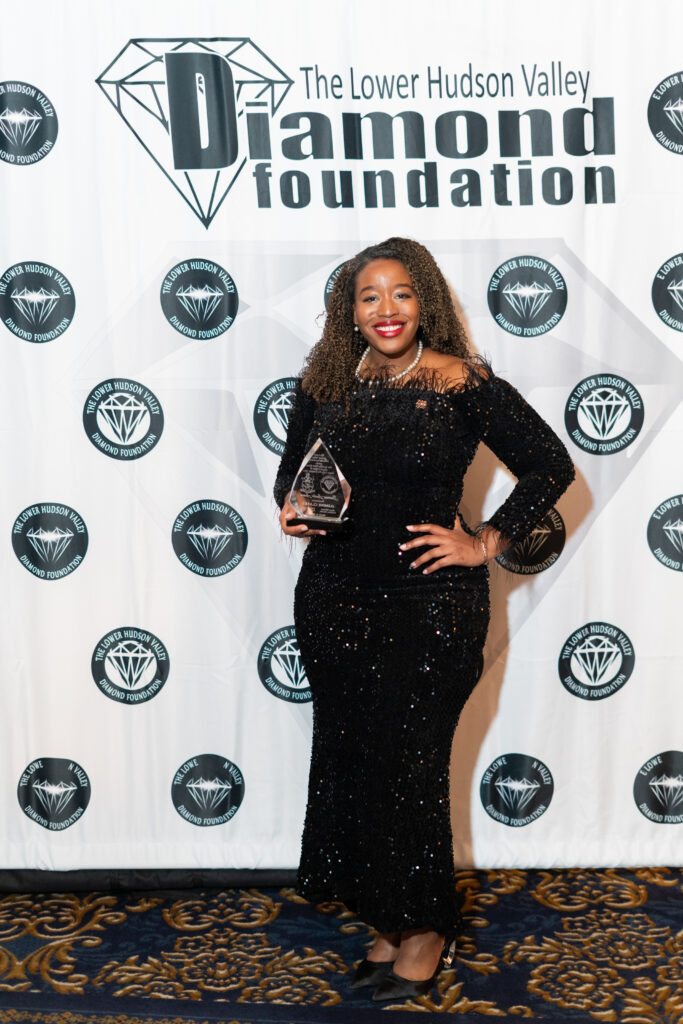
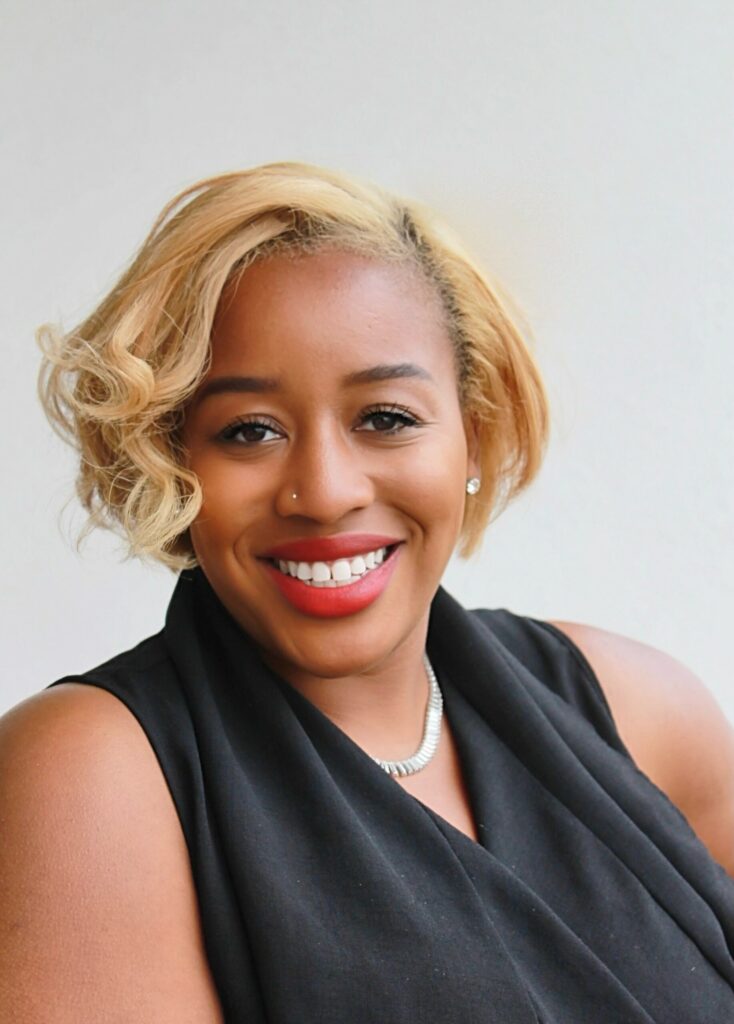
Black Westchester has always been an advocate for supporting Black-Owned Businesses and recycling our Black Dollars. This month we celebrate 2025 Business Leader Award Winner Jasmine Clarke, founder of So Jazzed Esthetics in our Black 2 Business Section.
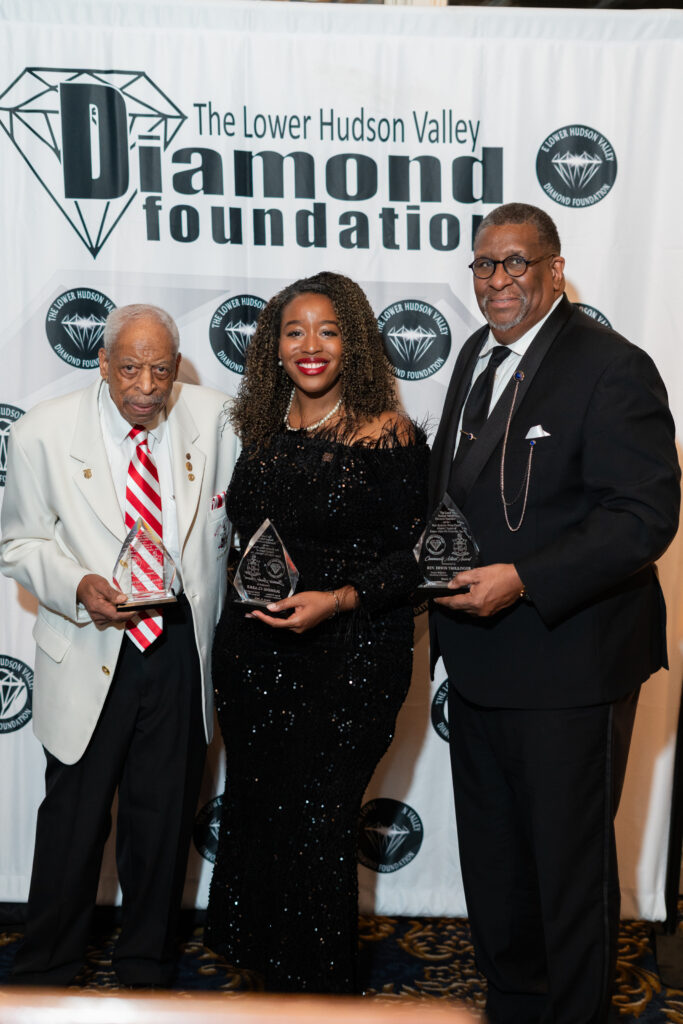
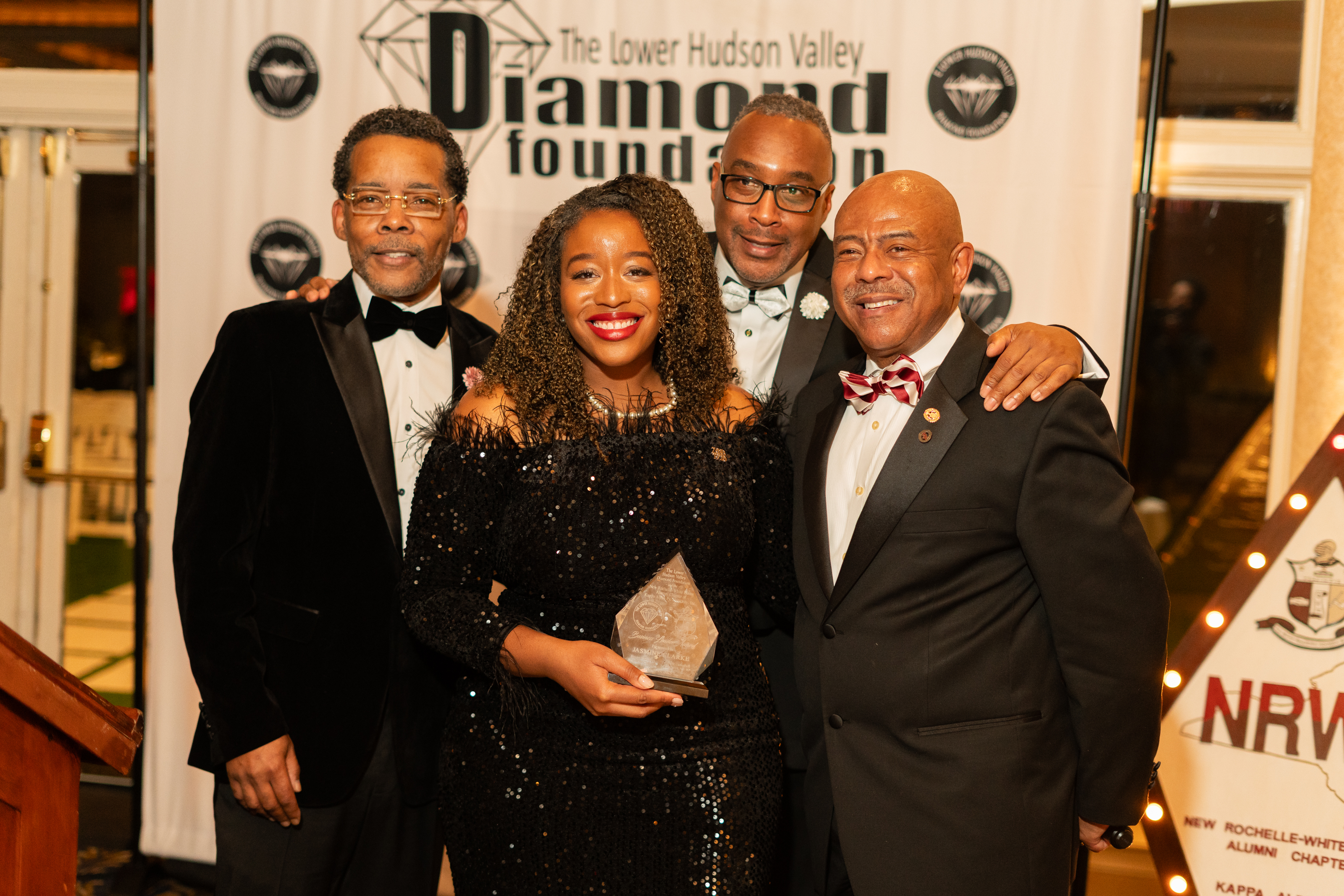
Jasmine Clarke received the 2025 Business Leader Award at Kappa Kabaret Scholarship Fundraiser Gala, on Saturday, March 15th at the VIP Club located at 600 Davenport Avenue in New Rochelle. The event was sponsored by The Lower Hudson Valley Diamond Foundation (LHVDF) in collaboration with The New Rochelle-White Plains (NY) Alumni Chapter of Kappa Alpha Psi Fraternity, Incorporated. Other honorees included Rev. Erwin Trollinger for his work as a Community Activist and Bro. Erwin R. Graves who received the Lifetime Achievement Award.
“I am honored and I’m grateful for the growth and impact I’ve made throughout the years serving my community with So Jazzed Esthetics. I truly enjoyed the gala and scholarship fundraiser!” Jasmine shared on IG. “Thank you to my mother, Teresa Clarke, Chaplain and Finer Friend of Zeta Amicae of Westchester County, NY, and the Bush- Clarke family for continuing to support me. I am grateful for the support of my sisterhood and deeply thank Zeta Phi Beta Sorority, Incorporated, and Gamma Xi Zeta chapter for supporting my business. This award would not be possible without the recognition by Paul Bratcher, President of the National Pan-Hellenic Council of Westchester County, NY, The Lower Hudson Valley Diamond Foundation, and the NR-WP Alumni Chapter of Kappa Alpha Psi Fraternity, Incorporated. Thank you for this 2025 Business Leader Award!!”
Jasmine went from covering stories and writing beauty reviews in college to becoming a skincare educator and formulator changing how people perceive beauty through product ingredients.
In 2017, the idea for So Jazzed Esthetics was birthed when Jasmine became a distributor for a plant-based beauty, health, and wellness company and recognized a lack of representation and skin education resources for people who looked like her.
She soon began offering skincare and makeup services in the kitchen of her mother’s home. Although she provides services for all skin types, it became her mission to educate both clients and beauty professionals on how to properly treat, protect, and preserve melanin skin types with plant-based and toxin-free products. Through retail, hosting educational training, and services, Jasmine has helped over 200+ people switch to plant-based products.
In 2022, she began formulating and retailing her own natural skincare products targeting common skin conditions of melanin skin types. Like, as hyperpigmentation, dark marks, acne, dry and sensitive skin.
A So Jazzed Esthetics best-seller Goodie Glow Turmeric soap was formulated after she struggled with severe post-inflammatory hyperpigmentation and acne scars and needed a quick turnaround for even skin.
Recognized in 2023 as Top 100 Women in Business, Jasmine continues to host self-care and educational workshops for teens and adults. She also offers career exploration training for spa and beauty professionals. So Jazzed Esthetics has provided skincare donations to seniors, teens, and domestic violence residents.
Jasmine is a member of Zeta Phi Beta Sorority, Incorporated, Forbes Blk, and a Communications Journalism Alumna of Albright College.
She has worked with clients like Daphne Maxwell Reid of Fresh Prince of Bel-Air, Kelly Brown of Law and Order, and former tennis Pro athlete Katrina Adams with her work featured in New York Fashion Week.
Jasmine has been featured in 914 Women in Business Inc., the Vegan Wedding Tree Kisser’s Magazine, on the cover of Brown CEO Mag, Swag Her Magazine, and News 12 for her self-care workshops benefiting seniors and domestic violence residents. Her company partnerships include: American Express, Shop Small, Clean Skin Club, Forbes, Barnes and Noble, Joseph G. Caputo Recreational Center, The Thomas H. Slater Center, AmeriCorps, JP Morgan and Chas,e and Zeta Phi Beta Sorority, Incorporated.
In “My Melanin Skin Glows,” Cherise, a spirited young woman of color, discovers the magic of self-care and skincare from her grandmother and mother. When Cherise faces a skincare concern, she courageously seeks guidance from a skin expert, learning valuable lessons about the importance of caring for her skin. Through this experience, Cherise not only discovers the power of self-love and confidence but also inspires other children to embark on their own skincare journeys.
Welcome to another powerful episode of Black Westchester presents The People Before Politics Radio Show, where we bring you important news from a Black perspective that mainstream media won’t cover and give you that Real Talk For The Community.
People Before Politics Radio, Giving You Real Talk For The Community Since 2014!
Black Westchester presents the People Before Politics Radio Show every Sunday night, 6-8 PM, simulcasting live on Facebook, X (formerly Twitter), LinkedIn, Instagram, and YouTube and archived on BlackWestchester.com. Giving you that Real Talk For The Community since 2014.
To support the Black Westchester and the People Before Politics Radio Show, which provides the News With The Black Point Of view and gives you the real talk for the community for free, make a donation via PayPal at www.PayPal.me/BlackWestchesterMag. In the words of Ray Charles, “One of these days, and it [might not be] long, You’re gonna look for [us], and [we’ll] be gone.” Support independent, Black-free media!
Subscribe, hit the notification bell, and join the conversation this Sunday. At Black Westchester, we always put People Before Politics!
In 2025, Black America is more visible than ever—and yet, no closer to power. We’re in the commercials, in the movies, on the ballots, and at the table. But behind the scenes, the realities remain unchanged: broken families, failing schools, rising economic instability, and performative politics masking a deeper decay. For all our visibility, we’ve lost clarity. For all our “representation,” we’ve lost direction.
Maybe it’s time we admit that the mainstream political playbook we’ve been running is broken. And maybe, just maybe, it’s time to revisit the work of a man who saw this coming decades ago—Thomas Sowell. Dismissed by many, misunderstood by more, and embraced only by those willing to challenge orthodoxy, Sowell is one of the sharpest and most dangerous minds Black America has ever produced. A Marine Corps veteran raised in Harlem, a scholar trained under Milton Friedman, a one-time Marxist turned ruthless critic of the welfare state—Sowell didn’t just study the game, he dismantled it.
His ideas were never about popularity. They were about reality. And the reality is this: much of what we face today—dependence on government, the erosion of the Black family, economic illiteracy, and the weaponization of identity—he predicted. But we were too loyal to political parties, too invested in symbolism, and too easily offended by uncomfortable truths to listen.
I didn’t find Thomas Sowell through a textbook or political debate—I came across a YouTube interview late one night. I was struck by his clarity, logic, and fearless pursuit of truth. But what truly stopped me was one moment: when the interviewer asked Sowell why he left Marxism, he replied with two words—“the facts.” That answer hit me hard. Because the same facts have led me to realize that we, too, must move away from the political norms that have defined Black America for the last fifty years. We need more than tradition. We need truth. We need results.
From that moment, I was hooked. I went out and purchased every book I could find. I wasn’t looking for validation. I was searching for understanding—and Sowell gave me a language for the questions I had already been asking.
Now, with a Black electorate exhausted by party politics and a new generation searching for direction, Sowell’s platform deserves a fresh look. Sowell warned that the politics of image would replace the politics of outcomes. And here we are—celebrating representation in high places while our communities crumble at street level. Having a Black face in a high office means nothing if the material conditions of Black people remain the same. We cheered when Juneteenth became a federal holiday, but Sowell would’ve asked: Where’s the land? Where’s the Black capital? Where’s the control of resources? He didn’t care how something sounded—he cared whether it delivered.
We’ve also fallen into the trap of identity politics—believing that shared skin color automatically means shared struggle or shared values. Sowell warned us about this decades ago. He argued that elevating people based on identity rather than ideology or outcomes leads to shallow victories and deeper betrayals. We’ve mistaken symbolism for substance, presence for power, and identity for loyalty. Identity politics has made it easy for the system to co-opt our pain while giving us nothing in return. We cheer for firsts—first Black this, first Black that—without asking: what do they actually do for Black people?
Sowell called this out for what it is: a distraction from real issues like education, economics, and family. He warned that when identity replaces logic, the loudest, most performative voices win—not the most competent or committed. Sovereignty-minded politics shares that concern. We are not against identity—we are against it being weaponized to keep us emotionally invested in systems that don’t serve us. If identity doesn’t translate into policy, protection, and power, it’s just costume.
In Black Rednecks and White Liberals, Sowell argued that destructive behaviors in the Black underclass didn’t come from Africa or slavery, but from a Southern “cracker culture” inherited from White rednecks. Whether you agree or not, the man forced us to stop romanticizing dysfunction. He dared to say what many won’t: culture shapes destiny. This wasn’t respectability politics—it was strategic truth. How can we demand liberation while ignoring the collapse of our own internal structure? How long can we point fingers without fixing our foundation?
The greatest damage of the welfare state, Sowell argued, wasn’t just economic—it was psychological. It replaced the Black father, rewarded broken homes, and trained generations to believe that survival came from the state, not self. In a time when government assistance is preached as justice, his words hit harder than ever: “The welfare state is not really about the welfare of the masses. It is about the egos of the elites.” Dependency was never the goal of the Civil Rights Movement. Autonomy was.
Revisiting Sowell is not about becoming conservative. It’s about becoming clear. It’s about crafting a new Black political agenda that centers self-determination over symbolic inclusion, economic literacy over emotional appeals, family and cultural integrity over shallow representation, and critique of Black elites who profit off our stagnation. What Sowell started as critique, we must now build into strategy. Sovereignty-minded politics is how we do that.
Many reject Sowell for what they see as victim-blaming or political betrayal. And some of that criticism is fair. He downplays systemic racism, overlooks historical trauma, and sometimes blames where he should build. But rejecting the man entirely is like tossing the medicine because it tastes bitter. We don’t have to agree with every word to recognize the value of his lens. We don’t have to adopt his ideology wholesale to extract tools for the future. His work demands critical engagement—not blind acceptance, not emotional rejection.
In a moment where Black America is being politically gaslit, culturally diluted, and economically sidelined, Sowell offers something radical: intellectual rebellion. Not rebellion for rebellion’s sake, but the kind rooted in facts, discipline, and clarity. He dared to challenge the sacred cows. He warned us that elites—Black and white—would sell us dreams and deliver decline. And he called on us to build power the hard way: through self-education, cultural repair, and economic control.
Sowell gave us the blueprint. We just refused to read it. Now, as we stare down another election cycle full of empty promises and emotional manipulation, the question isn’t whether we should revisit his work. The question is: can we afford not to?
We ignored Sowell when he was warning us. Let’s not ignore him now that we’re living it.
If you would like to read more Sowells books, CLICK HERE
There’s a recurring moment I’ve witnessed — in progressive spaces, policy discussions, even among those who call themselves allies. It’s this quiet, confused heartbreak in the eyes of well-meaning white folks when they confront the idea that whiteness itself — not individual acts of racism, not Trump, not the South — but *whiteness* is the root of the problem.
Frankly, their shock baffles me.
How, in 2025, is it still so hard to grasp that whiteness — the identity, the construct, the system — is not a side effect, not an accident, not a byproduct, but the *problem*?
This isn’t just ignorance. It’s a deliberate, almost reflexive denial. A fog that clouds reason, empathy, and basic logic. A mental block so deep and persistent that it operates like an addiction. Whiteness is a drug — one that has seeped into the American consciousness and rewired it.
Let’s be clear: whiteness isn’t about skin color or melanin. It’s about the systems whiteness built and continues to control. It’s about power — who gets safety during a traffic stop, whose name gets a callback on a resume, who gets the benefit of the doubt, and who gets the boot on their neck.
Whiteness is the lens through which institutions define “normal.” It rewrites history, erases harm, flattens cultures, and perpetuates the myth that we’re all starting from the same line in the race. It’s the cozy assumption that the world is fair and that inequities faced by people of color are just unfortunate outliers.
And when whiteness is called out, it defends itself viciously. The allergic reaction of “Not all white people.” The “I don’t see color” deflection. The guilt-laden tears that still, somehow, center whiteness.
This is why I say: whiteness is a powerful drug.
It numbs empathy. It distorts reality. It convinces people they are neutral while they’re swimming in unearned advantages. It reframes equity as a loss for white people instead of a long-overdue gain for everyone else. It teaches white Americans that whiteness isn’t a system — it’s just “how things are.”
If you’re white and reading this, I’m asking you to sit with this discomfort. Don’t explain it away. Don’t rush to say, “But I’m one of the good ones.” That’s the drug talking. That’s the indoctrination.
This isn’t about you being “evil.” It’s about you participating — knowingly or unknowingly — in a structure that is. A structure built for you. A structure that persists because even progressive white people can’t, or won’t, fully see it.
The work isn’t just about being kind or reading books or posting black squares. It’s about reckoning with whiteness. Naming it. Divesting from it.
Because until white people do that — until you understand that whiteness is the problem — nothing changes. Not really.