Home Blog Page 100

Yonkers Mayor Mike Spano Endorses CE Ken Jenkins in Upcoming Special Election

0

On Thursday, January 30th, Yonkers Mayor Mike Spano announced his endorsement of County Executive Ken Jenkins in the special election scheduled for February 11, 2025. Jenkins, who has been serving as County Executive since January 6, 2025, following the resignation of George Latimer, is seeking to continue his leadership for the remainder of the term.

“I have had the privilege of knowing and working alongside Ken Jenkins for nearly 30 years,” said Mayor Spano who announced he will not run for Westchester County Executive in 2025 on Tuesday, November 12th. “His dedication to public service and his commitment to the residents of Westchester County and the City of Yonkers are unparalleled. Ken has consistently demonstrated strong leadership and a deep understanding of the issues that matter most to our communities. I am proud to endorse him for County Executive.”

Ken Jenkins has a long history of public service in Westchester County, including serving as Deputy County Executive from 2018 to 2025 and as Chair of the Westchester County Board of Legislators from 2010 to 2013. He has been instrumental in various initiatives aimed at improving the quality of life for residents across the county.

“I am honored to receive Mayor Spano’s endorsement,” said Jenkins. “Our collaborative efforts have led to significant advancements in Yonkers and throughout Westchester County. Together, we have worked on projects that enhance economic development, public safety, and environmental sustainability. I look forward to continuing this partnership and serving the residents of Westchester County.”

The special election on February 11 will determine who will serve as County Executive for the remainder of George Latimer’s unexpired term, ending December 31, 2025. Early voting is available from February 1 through February 9 at designated locations throughout the county.

County Executive Ken Jenkins Westchester will face off with Republican challenger Christine Sculti in the special election.

For more information on early voting locations and hours, please visit the Westchester County Board of Elections website.

The Failure of DEI: It Did Not Equate to Black Progress, So Why Keep Fighting for It?

For decades, Black leaders have championed Diversity, Equity, and Inclusion (DEI) as a means to correct systemic inequalities. Yet, after more than 50 years, DEI has failed Black communities while reinforcing White power structures. If DEI was truly about dismantling systemic oppression, why have White women been its greatest beneficiaries while Black families and generational wealth continue to fall further behind?

The Trump administration recently moved to dismantle federal DEI programs, prompting strong opposition from Black leaders who have rushed to defend these initiatives. But the harsh truth is that DEI has never served Black people the way it has benefited White women. Rather than dismantling systemic barriers, DEI has acted as a Trojan horse for preserving White supremacy, giving White women disproportionate access to economic, career, and leadership advantages—while Black Americans remain locked out of true progress. For Black women, this realization is particularly disheartening, as their emotional labor and advocacy have long been manipulated to push agendas that have done nothing to build Black wealth or strengthen Black families.

DEI Has Strengthened White Wealth, Not Black Progress

A 2020 report from Catalyst exposes the unequal benefits of DEI—White women, due to their proximity to White men in corporate and social spaces, have leveraged DEI policies for their own advancement. Meanwhile, Black communities, the very people DEI was supposedly designed to uplift, have seen little to no systemic change.

A 2022 McKinsey & Company study found that 63% of DEI leadership roles are held by White women—not Black women, not Latina or Indigenous women. This reveals a stark reality: DEI has become an extension of White feminism, solidifying White women’s place in corporate America while using Black women as the face of the movement. Meanwhile, Black professionals are left tokenized, sidelined, and without real decision-making power, proving that DEI has been more about optics than actual systemic change.

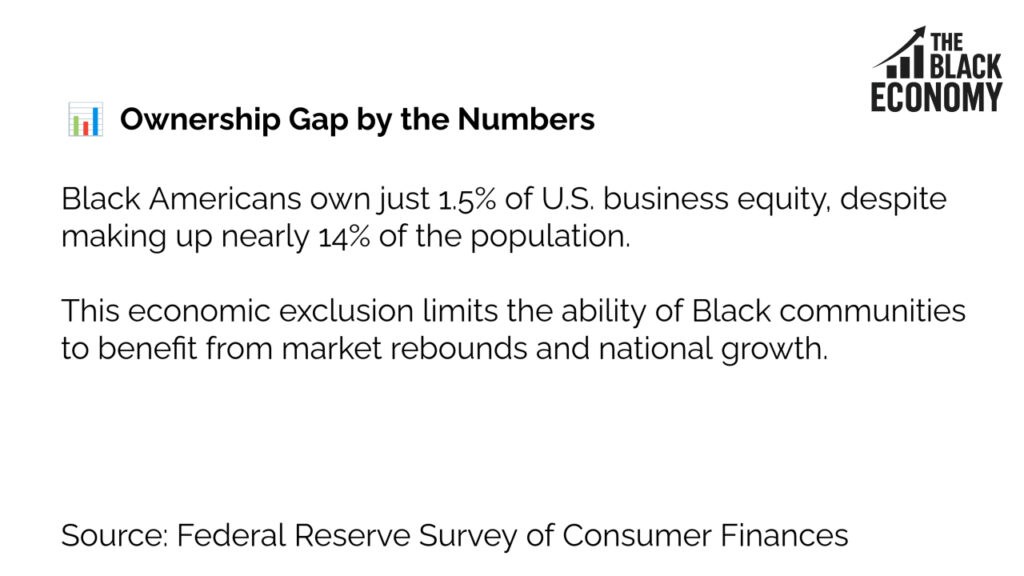
For over 50 years, affirmative action and DEI programs have overwhelmingly benefited White women—gaining them the highest increases in income, executive positions, and economic mobility. Meanwhile, the racial wealth gap for Black Americans has barely moved and, in many cases, widened.

If DEI Worked, Black Wealth Would Have Grown

A recent Federal Reserve report highlights a persistent issue: while the average White family’s wealth continues to grow exponentially, Black families remain systematically locked out of homeownership, high-paying jobs, and financial security. If DEI initiatives had truly been successful, Black economic empowerment would be a reality, not a topic still up for debate. Instead, the enduring wealth gap indicates that DEI has done little more than uphold existing power structures, offering only the illusion of progress.

Reflecting on the period since the Obama administration, the economic disparities have become even more pronounced. According to inequality.org, over Obama’s presidency, median Black wealth never returned to even its modest $10,700 from before the Great Recession. By 2013, it had dropped to just $1,700 — virtually nothing — even as white wealth rebounded.

Imagine if, over the last 50 years, Black communities had concentrated on building generational wealth through business ownership, land acquisition, and economic self-sufficiency, rather than investing hope in the unfulfilled promises of DEI. Where would we be today? How much stronger would our families, communities, and financial institutions be if we had prioritized ownership over optics? The time spent on ineffective initiatives could have been directed toward creating genuine power, not just symbolic inclusion.

Why Are Black Leaders Still Defending DEI?

With DEI under attack, Black leaders have rushed to defend it—but why? If the past 50 years have shown us anything, it’s that DEI has not delivered real economic or structural power to Black communities.

  1. DEI Was Never Designed for Black Liberation – If DEI was meant to create equity, why are Black families still experiencing rising economic insecurity while White women have climbed the corporate ladder? Fighting for DEI today is like demanding a seat at a table that was never meant for us.
  2. White Women’s Gains = White Family Wealth – Over the last 50 years, the largest recipients of affirmative action policies have been White women. And what does that mean? White families and White generational wealth have continued to accumulate—while Black generational wealth remains stagnant or declined.
  3. Performative Inclusion, No Real Power – Even in DEI leadership roles, Black professionals lack true decision-making authority. Many are trapped in symbolic positions, used to signal “diversity” while corporations maintain the same White-dominated hierarchies.
  4. DEI is a Distraction from Real Solutions – If DEI truly worked, Black people wouldn’t still be demanding economic justice, land ownership opportunities, and reparations. Instead, the focus remains on corporate diversity statistics rather than shifting wealth and power into Black hands.

The End of DEI Should Be a Wake-Up Call, Not a Cause for Mourning

Trump’s decision to gut DEI programs should not be seen as the death of Black opportunity—because DEI was never the solution in the first place. If DEI had worked, Black wealth wouldn’t still be a fraction of White wealth. If DEI had worked, Black professionals wouldn’t still be fighting for equal pay and fair treatment in the workplace while White women continue to reap the majority of the benefits.

Black leaders must stop defending a system that has failed us and instead refocus on strategies that build real economic power. It’s time to pool our $1.5 trillion in spending power to support Black-owned businesses, banks, and institutions, ensuring that our dollars circulate within our communities before benefiting outsiders. We must move beyond symbolic “diversity” initiatives that primarily serve White women and White families and start demanding direct economic investment in Black communities, reparations, and land ownership opportunities—the true keys to closing the racial wealth gap.

Beyond economics, Black leadership must also prioritize education and workforce development. Instead of pushing our children into an outdated system that leaves them in debt with useless degrees, we should be guiding them toward skilled trades like plumbing, electrical work, engineering, technology, AI, and cybersecurity—fields that create long-term stability and generational wealth.

The end of DEI isn’t the end of Black progress—it’s an opportunity to fight for something better. The real question is: Will we finally demand real power by building our own institutions, or will we keep begging for a seat at a table that was never meant for us?

Mount Vernon’s Clarence “Divine” Maclin Is A 2025 Oscar Nominee For Best Adapted Screenplay For Sing Sing The Movie

Mount Vernon native Clarence “Divine” Maclin is a 2025 Academy Award nominee for Best Adapted Screenplay of Sing Sing, a prison drama film based on the real-life Rehabilitation Through the Arts program at Sing Sing Maximum Security Prison, that centers on a group of incarcerated men involved in the creation of theatrical stage shows through the program. (see trailer below).

Sing Sing received three nominations. Abraham Alexander and Adrian Quesada were nominated for Best Achievement in Music Written for Motion Pictures (Original Song), Colman Domingo was nominated for Best Performance by an Actor in a Leading Role and Clint Bentley, Greg Kwedar, Clarence Maclin, John Divine G Whitfield nominated for Best Adapted Screenplay.

When he was 29, Maclin was sentenced to 17 years at the Sing Sing Correctional Facility for robbery. During his incarceration, Maclin participated in the Rehabilitation Through the Arts program. Since his release, Maclin has worked as a youth counselor, creative arts specialist, and gang intervention specialist at Lincoln Hall Boys Haven in Somers, New York. He made his feature film debut in Sing Sing, portraying a younger version of himself. Maclin’s performance has received critical acclaim. For the role, Maclin earned nominations for Best Supporting Actor at the 30th Critics’ Choice Awards, 34th Gotham Awards, 40th Independent Spirit Awards, 29th Satellite Awards, and 78th British Academy Film Awards; he won the Gotham. He later was nominated for an Academy Award for Best Adapted Screenplay for the film, alongside co-writers Clint Bentley, Greg Kwedar, and John “Divine G” Whitfield, an Academy Award nomination for Best Adapted Screenplay for his writing contributions to the film.

Ricardo ‘Kasheem” Gunn and Clarence “Divine” Maclin appeared on Black Westchester presents The People Before Politics Radio Show Episode 310 on Sunday, August 1, 2021 (see video below) to discuss the Art of Escape – Two of Mt. Vernon’s OGs Talk About the Role of Art in Going from Soldiers to Survivors.

Plot of the movie:

Divine G, incarcerated at Sing Sing Correctional Facility for a crime he did not commit, discovers a sense of purpose through participation in a small theater group made up of fellow inmates. These inmates are part of the Rehabilitation Through the Arts (RTA) program, which aims to use theater as a form of rehabilitation. Under the guidance of theater director Brent Buell, Divine G emerges as the star playwright and performer, highly respected for his emotional depth and acting talent. While pursuing his passion for theater, Divine G is also determined to prove his innocence and regain his freedom.

As the group prepares for their new production, Divine G takes part in recruiting new members, including a gruff and aggressive inmate named Divine Eye played by Maclin, with a difficult personality. Initially, Divine Eye is dismissive of acting and performance, considering it a pointless and disingenuous pursuit. In contrast, Divine G views theater as a transformative and therapeutic process that helps individuals connect with their inner selves. The two men clash further when they disagree on the genre of their next play. Divine G advocates for another drama to challenge his acting abilities, while Divine Eye pushes for a lighthearted comedy, a choice supported by the majority of the inmates. Their rivalry intensifies when Divine Eye auditions for the only dramatic role in the comedy, frustrating Divine G, who sees it as hypocritical and is puzzled by this decision from Divine Eye.

Over the following weeks, the inmates engage in acting exercises led by Buell, designed to help them tap into their emotions. Divine G excels effortlessly at all the acting exercises, demonstrating vulnerability and inspiring his peers, while Divine Eye struggles, unable to connect with his emotions or the art of acting. However, after a heart-to-heart conversation where the two open up about their personal lives, Divine Eye begins to open up and take the program more seriously. His acting skills gradually improve, earning the respect of the group, including Divine G and Buell.

The RTA group eventually performs a sample of the play for the prison’s board of executives to gain approval for their production. Despite a chaotic and mixed performance, the board approves the play, surprising the RTA group.

Divine G’s world is shaken with grief and sadness when a fellow inmate, Mike Mike, with whom he had bonded, passes away due to a brain aneurysm. At a clemency hearing, Divine G delivers a passionate speech about how acting has changed him for the better, only to be blindsided when the interviewer questions whether he is simply acting at the present moment that he is delivering this parole hearing. Divine G’s parole is denied, while Divine Eye’s hearing is approved and he is granted release.

During a dress rehearsal, tensions rise as Divine G suffers a breakdown, having lost hope that the RTA program will make any difference in helping them. Frustrated and disillusioned, he attempts to fight Divine Eye and walks out of the performance, effectively exiling himself from the group.

In the following days, Divine G isolates himself. Divine Eye eventually reaches out and the two reconcile. Divine G apologizes for his outburst and Divine Eye reassures him that he is always welcome back in the group. The play is a success and Divine Eye is soon released from the facility, becoming a free man.

Divine G successfully passes his parole hearing and is released a year later. Divine Eye waits outside to greet him and the two share an emotional reunion before driving away together, hopeful for the future. The film closes with real-life footage from the RTA program at Sing Sing, featuring the real actors who portrayed themselves in the film, performing in past productions when they were still inmates at the facility.

Maclin’s story and transformation prove that your worst mistakes does not have to dictate your future. He is an inspiration for younger generations!

Political Theater vs Public Health: What the Kennedy Hearing Reveals About America’s Broken System

The Senate confirmation hearing for Robert F. Kennedy Jr. as HHS Secretary exposed an uncomfortable truth: many of our elected officials appear more committed to protecting the status quo than addressing America’s deepening health crisis, particularly in Black communities.

Throughout the hearing, senators repeatedly attacked Kennedy for citing government studies that challenged conventional narratives. When Kennedy pointed out that 66% of American children now suffer from chronic conditions – up from just 2% during his uncle’s presidency – the response wasn’t concern about this alarming increase but criticism of his proposed solutions.

During his Senate confirmation hearing for HHS Secretary, Robert F. Kennedy Jr. exposed a troubling reality about America’s dependence on pharmaceutical drugs. Despite representing only 4.2% of the world’s population, the United States consumes half of all pharmaceutical drugs globally and generates 70% of pharmaceutical industry profits. This stark disparity emerged during a discussion about youth medication, triggered by Senator Blackburn’s revelation that Tennessee alone spent $90 million on ADHD medications for 417,000 children in a single year. Kennedy highlighted how 15% of American youth are prescribed Aderall or other ADHD medications, with even higher percentages on SSRIs and benzos. Most alarming was his citation of research showing pharmaceutical drugs as the third leading cause of death in America, after heart attacks and cancers.

This over-medication trend, affecting both children and adults, exemplifies a healthcare system that prioritizes drug-based interventions over addressing root causes of health issues. The fact that Americans consume such a disproportionate share of global pharmaceuticals while experiencing worse health outcomes than other developed nations raises serious questions about our approach to healthcare. This testimony challenged the prevailing narrative that more medication equals better health, suggesting instead that America’s pharmaceutical dependency might be contributing to, rather than solving, our national health crisis.

Most telling was Senator Warren’s aggressive defense of pharmaceutical companies during the hearing. While claiming to be tough on Big Pharma, she demanded Kennedy commit to never taking compensation from lawsuits against drug companies for four years after leaving office, even though such litigation could address corporate wrongdoing. The exchange revealed a startling priority: protecting pharmaceutical companies from legal accountability rather than addressing how these companies profit from chronic illness rather than prevention.

When Kennedy refused to rule out holding pharmaceutical companies accountable through litigation, stating, “I’m not going to agree to not sue drug companies,” Warren suggested he was positioning himself to “kill off access to vaccines and make millions of dollars.” This remarkable moment showed how deeply pharmaceutical industry protection runs in Congress, even among those who claim to be industry critics. This dynamic is particularly devastating for Black Americans, who face disproportionate rates of chronic disease and often become trapped in cycles of expensive pharmaceutical dependence, with little recourse when medications cause harm. The fact that a leading progressive senator worked to shield drug companies from legal accountability rather than ensure they face the consequences for potential wrongdoing speaks volumes about why our healthcare system remains broken, especially for the most vulnerable communities.

Robert F. Kennedy Jr.’s comparison of American and European food standards—highlighting that U.S. foods contain 10,000 chemical additives compared to Europe’s 400—was met with dismissal rather than alarm despite its disproportionate impact on Black communities. Due to food apartheid, many Black families rely on ultra-processed foods filled with artificial dyes, preservatives, and endocrine-disrupting chemicals—many of which are banned in Europe—leading to alarming health disparities. Black children face higher rates of obesity (24% vs. 16% in White children), type 2 diabetes (twice as likely), and asthma (15%, the highest of any racial group), while food dyes like Red 40 and Yellow 5 have been linked to hyperactivity and attention disorders. Yet, the U.S. continues to allow these harmful additives, prioritizing corporate profit over public health. With studies also linking chemical-laden diets to early puberty, metabolic disorders, and cognitive impairments, addressing this crisis requires systemic change—stricter regulations, equitable food policies, and access to clean, nutritious food for all communities, not just the privileged few.

The hearing’s most revealing moments came when Kennedy emphasized the need for prevention through better nutrition and environmental protection. Rather than engaging with these critical issues, senators repeatedly redirected the discussion to defending pharmaceutical interventions and the current healthcare system—a system that continues to fail Americans. The U.S. spends more on healthcare than any other nation yet achieves some of the worst health outcomes, particularly for marginalized communities.

Kennedy presented a stark critique of America’s healthcare system, particularly how it fails low-income populations. He pointed out that while Medicaid costs have increased by 60% over four years, access and quality of care for the poorest Americans—the program’s original focus—have actually declined. Many Medicaid recipients struggle with high premiums, high deductibles, and narrow provider networks, where top doctors and hospitals refuse to accept them. Kennedy likened the ongoing cost-shifting between the government, corporations, insurers, and families to “rearranging deck chairs on the Titanic,” as healthcare spending reaches 20% of GDP. He stressed that 90% of healthcare spending is directed toward managing chronic diseases, which disproportionately affect lower-income Americans, particularly Black communities. Without addressing the root causes—such as poor nutrition, environmental toxins, and lack of preventive care—the system remains unsustainable, leaving the most vulnerable populations trapped in a cycle of declining health despite skyrocketing spending. In his view, the expansion of Medicaid, while well-intentioned, has paradoxically resulted in poorer Americans being “robbed” of quality healthcare despite massive increases in spending.

Perhaps most disturbing was the resistance to Kennedy’s calls for “gold standard science” and transparency in health research. When he cited documented cases of research fraud and conflicts of interest within health agencies, senators seemed more concerned about maintaining institutional authority than addressing these legitimate concerns.

The exchange between Senator Raphael Warnock of Georgia and Kennedy revealed a telling moment about institutional resistance to reform. When questioned about his criticism of the CDC, Kennedy cited a 2003 Congressional oversight investigation that found the agency’s immunization safety office had “put institutional self-interests and pharmaceutical profits ahead of the welfare and health of American children.” Rather than addressing this documented finding, Senator Warnock dismissed it and continued pressing Kennedy about his rhetoric, sidestepping clear evidence of systemic issues within the agency he was defending. This moment exemplified how elected officials often prioritize protecting institutions over acknowledging their documented failures. That Warnock, who represents Georgia—the very state where the CDC is headquartered—ignored a Congressional report exposing serious flaws within the agency highlights how deeply entrenched resistance to reform has become, even when presented with official government findings.

This reluctance to confront systemic issues is especially troubling given the severe health disparities in Georgia, where Black residents face disproportionately high rates of chronic illness and poor health outcomes. In Georgia, hypertension affects 42% of Black adults, compared to 31% of White adults, and Black Georgians are twice as likely to die from diabetes-related complications. The state also has one of the highest maternal mortality rates in the nation, with Black women nearly three times more likely to die from pregnancy-related causes than White women. Additionally, heart disease and stroke account for nearly 40% of deaths among Black adults in Georgia, exacerbated by limited access to quality healthcare and preventive services. Rather than addressing these urgent issues, the exchange between Warnock and Kennedy reflected a broader pattern in American politics—where defending institutional authority takes precedence over holding agencies accountable for failures that disproportionately harm marginalized communities. This refusal to confront reality helps explain why America’s healthcare system remains broken despite overwhelming evidence of its flaws.

For Black Americans, who have historically suffered the most under the U.S. healthcare system, the senators’ defensive posturing was particularly troubling. Black communities face disproportionately high rates of diabetes (13% vs. 8% in White Americans), heart disease (more than 60% higher mortality rate than White Americans), obesity (49% vs. 42% in White Americans), and hypertension (56% vs. 48% in White Americans)—largely due to systemic factors such as food apartheid, limited healthcare access, and environmental racism. Yet, rather than address these root causes, the hearing focused on preserving the systems that perpetuate these disparities. Instead of implementing policies that promote equitable healthcare, nutrition access, and preventive care, lawmakers prioritized industry interests over the health of Black Americans, further entrenching the cycles of poor health outcomes and medical neglect.

The message was clear: challenging the profitable status quo – even with documented evidence of its failures – is considered more problematic than the devastating health outcomes it produces. This political theater plays out while Black Americans continue to face shorter lifespans, higher chronic disease rates, and poorer health outcomes.

Kennedy’s emphasis on prevention, environmental health, and holding pharmaceutical companies accountable represents a direct challenge to a system that profits from illness rather than wellness. The hostile reception to these ideas suggests many of our elected officials prefer managing disease to preventing it – a preference that continues to have deadly consequences, particularly in Black communities.

As chronic disease rates continue to soar and Black Americans continue to bear the heaviest burden of our failed health policies, the hearing demonstrated why real change seems so elusive: those in power appear more interested in protecting industry interests than pursuing genuine health solutions.

As a holistic practitioner, I’ve seen how addressing root causes—what we eat, lack of exercise, environmental toxins, and food quality—can transform health outcomes. Kennedy’s approach suggests he would bring this broader perspective to national health policy, potentially transforming a system that has particularly failed Black Americans and other marginalized communities.

The Senate’s decision isn’t just about a single nominee, despite how politics and the media may frame it. It isn’t about Trump, Democrats or Republicans. It’s about whether we are willing to take a broader, more comprehensive approach to America’s health crisis—one that considers all factors affecting human well-being, from nutrition and environmental exposure to healthcare access and systemic inequalities. This moment could be a crucial turning point toward meaningful, systemic change for communities that have long suffered under the current system.

Whether Kennedy wins confirmation or not, his hearing has elevated a crucial dialogue about the need for a more holistic approach to public health. For those of us who understand health through this broader lens, particularly in communities most impacted by our current system’s failures, this represents a significant moment in the fight for true health equity.

The Power of Onions: A Simple, Affordable Superfood for Black Americans

When it comes to improving our health, many of us imagine strict diets, costly supplements, or exotic foods that feel far removed from our everyday lives. Yet, some of the most powerful tools for better health are already in our kitchens, embedded in our traditions, and accessible to all. The onion, a humble and unassuming ingredient, is one such tool. For Black Americans, who face disproportionately higher rates of chronic illness, the onion offers more than just flavor — it provides an opportunity to take control of our health through simple, intentional choices.

Black Americans are disproportionately affected by chronic conditions like heart disease, diabetes, and certain cancers. These disparities stem from systemic inequities, limited access to affordable, nutritious foods, and underlying genetic predispositions. While there is no single solution to these challenges, the onion is a nutrient-dense, affordable food that can make a real difference when incorporated into a balanced diet.

One of the most pressing health concerns in the Black community is heart disease, the leading cause of death among Black Americans. High blood pressure, often called “the silent killer,” is a significant risk factor. Onions are rich in quercetin, a powerful antioxidant that lowers blood pressure, reduces inflammation, and improves cholesterol levels (1). For those seeking ways to support cardiovascular health, adding onions to their diet is an easy, affordable, and effective step.

Diabetes is another condition that disproportionately affects Black Americans, with nearly 15% of the community living with this disease (2). Onions have shown promise in helping regulate blood sugar levels. Sulfur compounds in onions, such as S-methylcysteine, improve insulin sensitivity and help stabilize blood glucose levels (3). For those managing diabetes or at risk of developing it, onions can provide natural support in maintaining better control of blood sugar levels.

Cancer is yet another health disparity faced by Black Americans, who are more likely to develop and die from certain cancers, such as colorectal and prostate cancer (4). Onions are packed with compounds like organosulfur molecules and flavonoids, which have been studied for their cancer-fighting properties (5). These compounds may slow the growth of cancer cells and promote the body’s natural ability to eliminate harmful cells. While onions alone are not a cure, their protective properties can complement a healthy lifestyle and reduce the risk of certain cancers.

In addition to fighting disease, onions are vital in supporting overall wellness. They are rich in vitamin C, which strengthens the immune system, and contain antimicrobial properties that help the body combat infections (6). In the wake of the COVID-19 pandemic and other health crises, supporting immune health has become more critical than ever, especially for Black Americans who have been disproportionately affected by severe illness.

Beyond their nutritional value, onions offer an affordable solution in the face of economic inequality, which has limited access to healthy foods in many Black communities. Onions are inexpensive, widely available, and versatile, making them a practical choice for any budget. Whether sautéed in collard greens, simmered in gumbo, or sliced fresh into a salad, onions are a staple that elevates both flavor and nutrition in traditional dishes.

Incorporating onions into our diet is also a way of honoring our cultural heritage. African American cuisine has long relied on onions as a base for many iconic dishes, connecting us to the flavors and traditions of our ancestors. By embracing onions, we celebrate our roots while prioritizing our health, meaningfully blending the past with the present.

The onion may seem like a small addition to our plates, but its impact on our health can be profound. For Black Americans, who deserve long, healthy, vibrant lives, small changes like eating more onions can serve as an empowering step toward greater well-being. Health disparities require large-scale solutions, but we must not overlook the everyday choices we can make to protect ourselves and our families.

The next time you slice an onion for Sunday dinner or caramelize one to add depth to a dish, remember that you are doing more than cooking. You are nourishing your body, supporting your health, and contributing to a legacy of wellness for future generations. Let’s reclaim our health, one onion at a time.

Food is medicine. And the onion, in all its humble glory, deserves a place on every plate.


References:

  1. Slimestad R, Fossen T, Vågen IM. Onions: A source of unique dietary flavonoids. Journal of Agricultural and Food Chemistry. 2007;55(25):10067-10080.
  2. Centers for Disease Control and Prevention (CDC). National Diabetes Statistics Report 2022. Available at: https://www.cdc.gov/diabetes/.
  3. Augusti KT. Therapeutic values of onion (Allium cepa L.) and garlic (Allium sativum L.). Indian Journal of Experimental Biology. 1996;34(7):634-640.
  4. American Cancer Society. Cancer Facts & Figures for African Americans 2022-2024. Available at: https://www.cancer.org/.
  5. Griffiths G, Trueman L, Crowther T, Thomas B, Smith B. Onions—A global benefit to health. Phytotherapy Research. 2002;16(7):603-615.
  6. Bengmark S. Impact of nutrition on ageing and disease. Current Opinion in Clinical Nutrition & Metabolic Care. 2006;9(1):2-7.

Policing Has Failed the Black Community: A Call for a Public Safety Mindset Change in 2025

For decades, the relationship between the Black community and law enforcement has been fraught with tension, mistrust, and systemic inequities. Despite numerous reform efforts, policing in the United States continues to fall short of serving and protecting Black Americans equitably. As we enter 2025, we must reimagine public safety and embrace transformative changes to address these longstanding failures.

The roots of mistrust between Black communities and police are deeply entrenched in history. From the enforcement of slave patrols to the systemic targeting of Black individuals through discriminatory policies like “stop-and-frisk,” law enforcement has often been a tool of oppression rather than protection for Black Americans. These historical injustices have created a legacy of fear and alienation.

Modern-day policing continues to harm Black communities disproportionately. Data consistently shows that Black individuals are more likely to be stopped, searched, arrested, and subjected to the use of force than their white counterparts. This disparity is not just a statistical anomaly but a reflection of systemic biases and deeply ingrained cultural issues within policing institutions.

Despite efforts by many cities to introduce incremental police reforms—such as body cameras, implicit bias training, and community policing programs—these measures have largely failed to create meaningful change. Body cameras, for instance, have not significantly curbed police brutality or improved accountability. In Westchester, we have repeatedly witnessed tragic incidents where unarmed Black men have been shot, shot at, or killed by police, only for these cases to be quietly dismissed without any substantive action to prevent similar tragedies. Disturbingly, there is not a single major city in Westchester, including County Police, that has been spared from incidents of questionable police shootings resulting in the death of individuals. These statistics underscore the urgent need for universal reform in applying use-of-force policies. While a step in the right direction, implicit bias training fails to address the deeply ingrained structural and cultural issues within law enforcement. What is truly required is a fundamental transformation in the policing mindset, shifting away from reactive enforcement and towards a model rooted in accountability, equity, and respect for human life.

To address these systemic failures, we must adopt a new public safety mindset that prioritizes community well-being, transparency, and accountability. This shift requires redefining the role of law enforcement and addressing the root causes of crime and mistrust.

The over-policing of Black communities has done little to address the underlying socioeconomic conditions that drive crime. A transformative public safety approach must prioritize education, housing, healthcare, and job creation investments. By addressing these root causes, we can reduce the need for punitive policing and create environments where communities can thrive.

The warrior mentality that has long defined policing must be replaced with a problem-solver mindset. Officers should be trained to prioritize de-escalation, conflict resolution, and community engagement. Recruitment efforts should focus on diversity and cultural competency to ensure that police forces reflect the communities they serve.

Independent oversight mechanisms, such as Civilian Complaint Review Boards (CCRBs), are essential for rebuilding trust and ensuring accountability. These boards must have the authority to investigate misconduct, enforce disciplinary actions, and implement policy changes. Transparency and public access to departmental policies and practices are critical for fostering trust.

Policing cannot undergo meaningful transformation without directly confronting the deeply rooted “us versus them” mindset that has historically defined its practices. This divisive mentality, ingrained through training and institutional culture, not only perpetuates systemic inequality but also adversely impacts Black officers, who, despite their lived experiences, often find themselves influenced by a policing culture that has resisted change since its inception.

To address these issues, it is essential to undertake a comprehensive and transparent review of policies, practices, and procedures within law enforcement agencies to identify and eliminate racial disparities. This includes examining how training, resource allocation, and operational strategies contribute to inequities. Moreover, transformation demands strong accountability mechanisms at every level of government to ensure laws and policies are intentionally designed to promote equity and justice. Only through a coordinated and sustained effort can policing shift from its historically adversarial posture to one that genuinely serves and protects all communities.

The structure and leadership of police management play a pivotal role in shaping the relationship between law enforcement and the communities they serve. At the core of this structure is the Police Commissioner, who must demonstrate a strong commitment to community engagement and possess a well-defined strategy for fostering a collaborative and trusting relationship between the police department and the public. This strategy should emphasize inclusivity, transparency, and accountability to ensure the department operates as an integral part of the community rather than as an external or adversarial force.

A critical aspect of effective police leadership is recognizing and respecting the distinct roles and boundaries of law enforcement, the judiciary, and other branches of governance. The Commissioner must strictly adhere to policing functions, avoiding any actions or appearances that could encroach upon the judiciary’s authority. Law enforcement is not an instrument of vengeance for individuals or the State, nor is it empowered to determine guilt or administer punishment. These responsibilities are squarely within the purview of the judicial system, and any deviation undermines the principles of justice and due process.

Instead, the primary measure of police effectiveness must be rooted in preventing crime and maintaining public order. Success in policing should be reflected not by the visibility of police actions, such as arrests or the use of force, but by the absence of crime and disorder altogether. This approach shifts the focus from reactive enforcement to proactive engagement, emphasizing crime prevention, community support, and the fostering of a safe and harmonious society. By adopting this philosophy, police leadership can redefine public safety in a way that aligns with equity, justice, and mutual trust.

The Role of Politicians and Policymakers

Policing is far more than just a law enforcement issue—it is a profoundly political one tied to governance, accountability, and public trust. Politicians play a crucial role in shaping the culture and effectiveness of law enforcement, yet too often, they enable harmful practices through lax oversight, inadequate reforms, and failure to negotiate reforms in collective bargaining agreements. The cycle of commissioning reports, issuing recommendations, and failing to act must end. Communities do not need more studies or platitudes—they need meaningful action.

It is vital to recognize that police departments are not independent entities outside city, county, or state management. Police officers are public servants, employed and paid with taxpayer dollars, and as such, they must remain accountable to the people they serve. Their salaries, benefits, and operational budgets come from public funds, and politicians are responsible for ensuring these resources are used justly and effectively. Accountability and transparency must be non-negotiable principles in modern policing.

At the same time, as we demand accountability, politicians must also ensure that police officers are fairly compensated. Officers who dedicate themselves to the principles of community service, acting with love, kindness, and respect for the people they protect, should be rewarded and celebrated. Providing competitive salaries and benefits is not only a matter of fairness—it also attracts and retains officers committed to ethical conduct and community-centered policing. Recognizing and valuing these officers helps foster a culture of respect, trust, and pride within law enforcement.

Leaders must also overcome the fear of being labeled “anti-police” when advocating for reforms that promote public safety and justice. Supporting accountability and equity is not an attack on law enforcement but a commitment to creating safer, more just communities for everyone. Politicians must prioritize the needs of their constituents over concerns about alienating police unions or political backlashes. The growing distrust between law enforcement and the public underscores the urgency of reform and the unsustainability of the status quo.

Reform efforts must include legislation that holds police accountable for misconduct, ensuring that no one is above the law. At the same time, they must support alternative public safety models, such as mental health crisis response teams and community-based interventions, that address the root causes of many public safety challenges. Policymakers must also confront the structural inequities—such as systemic racism, economic disparities, and unequal access to education and healthcare—that perpetuate cycles of harm and injustice.

True reform balances accountability with support for officers who exemplify the values of service and community care. By addressing these challenges holistically, we can create a policing system that is effective, fair, and aligned with the principles of equity and justice that all communities deserve.

Policing failures in the Black community are not inevitable; they are the result of systemic choices that can be undone. In 2025, we can embrace a new vision of public safety that centers on equity, accountability, and community empowerment. It is time to move beyond superficial reforms and commit to transformative change.

The Black community deserves safety, justice, and respect. Our collective responsibility is to ensure that the systems designed to protect us do not continue to harm the most vulnerable among us. By adopting a new public safety mindset, we can begin to heal the wounds of the past and build a safer, more just future for all.

Westchester County Executive Special Election

0

On February 11, 2025, a Special Election will be held in Westchester County to vote for a County Executive to serve the remainder of the current unexpired term, which runs through the end of 2025. On Election Day, February 11, 2025, polls will be open from 6 am to 9 pm.

County Executive Ken Jenkins Westchester will face off with Republican challenger Christine Sculti on Feb. 11 for the office Jenkins was appointed to fill temporarily this month.

Jenkins, who served as deputy county executive under George Latimer for seven years, ascended to the county’s top office on Jan. 6 after Latimer relinquished it to claim the congressional seat he won in November. On Wednesday, the Westchester County Democratic Committee nominated Jenkins to run in the upcoming special election for county executive.

In-person Early Voting will be available for this Special Election, beginning on Saturday, February 1, 2025, and running through Sunday, February 9, 2025.

You can vote at any of the twenty-five (25) designated Early Voting sites throughout the County. These Early Voting centers are listed below:

  • Croton Municipal Building, 1 Van Wyck Street, Croton on Hudson, NY 10520
  • Eastchester Public Library, 11 Oakridge Place, Eastchester, NY 10709
  • Greenburgh Town Hall, 177 Hillside Avenue, White Plains, NY 10607
  • Hastings-on-Hudson Public Library, 7 Maple Avenue, Hastings-on-Hudson, NY 10706
  • St. Gregory The Great Church, 215 Halstead Avenue, Harrison, NY 10528
  • Mamaroneck Town Center, 740 W. Boston Post Road, Mamaroneck, NY 10543
  • Mt. Kisco Public Library, 100 E. Main Street, Mt. Kisco, NY 10549
  • Mt. Pleasant Community Center, 125 Lozza Drive, Valhalla, NY 10595
  • Joseph G. Caputo Community Center, 95 Broadway, Ossining, NY 10562
  • Pound Ridge Town House, 179 Westchester Avenue, Pound Ridge, NY 10576
  • Rye Brook Firehouse, 940 King Street, Rye Brook, NY 10573
  • Somers Town House, 335 Route 202, Somers, NY 10589
  • Jefferson Village Annex, 3500 Hill Boulevard, Yorktown Heights, NY 10598
  • Yorktown Cultural Center, 1974 Commerce Street, Yorktown Heights, NY 10598
  • Doles Center, 250 S. 6th Avenue, Mt. Vernon, NY 10550
  • Mt. Vernon City Hall, 1 Roosevelt Square, Mt. Vernon, NY 10550
  • New Rochelle City Hall Annex – 90 Beaufort Place, 90 Beaufort Place, New Rochelle, NY 10801
  • New Rochelle United Methodist Church, 1200 North Avenue, New Rochelle, NY 10804
  • Peekskill Lincoln Depot Museum, 10 S. Water Street, Peekskill, NY 10566
  • Peekskill Neighborhood Center, 4 Nelson Avenue, Peekskill, NY 10566
  • Rye City- Resurrection- Early Childhood Education Center, 88 Milton Road, Rye, NY 10580
  • Westchester County Board of Elections, 25 Quarropas Street, White Plains, NY 10601
  • Grinton I. Will Library, 1500 Central Park Avenue, Yonkers, NY 10710
  • Nodine Hill Community Center, 140 Fillmore Street, Yonkers, NY 10701
  • Riverfront Library, One Larkin Center, Yonkers, NY 10701

Days and Hours as follows:

  • Saturday, February 1, 2025 from 10 a.m. until 6 p.m.
  • Sunday, February 2, 2025 from 10 a.m. until 6 p.m.
  • Monday, February 3, 2025 from 8 a.m. until 4 p.m.
  • Tuesday, February 4, 2025 from 12 p.m. until 8 p.m.
  • Wednesday, February 5, 2025 from 8 a.m. until 4 p.m.
  • Thursday, February 6, 2025 from 12 p.m. until 8 p.m.
  • Friday, February 7, 2025 from 8 a.m. until 4 p.m.
  • Saturday, February 8, 2025 from 10 a.m. until 6 p.m.
  • Sunday, February 9, 2025 from 10 a.m. until 6 p.m.

From the Westchester County Board of Elections webpage, you can find your ballot and polling placeregister to vote, and learn about how to request an early mail/absentee ballot.


en Español

El 11 de Febrero de 2025 se llevará a cabo una Elección Especial en el Condado de Westchester para votar por un Ejecutivo del Condado que servirá el resto del mandato actual no expirado, el cual se extiende hasta finales de 2025. El Día de las Elecciones, 11 de Febrero de 2025, las urnas estarán abiertas desde las 6 a. m. hasta las 9 p. m.

La Votación Anticipada en persona estará disponible para esta Elección Especial, comenzando el Sábado 1 de Febrero de 2025 y extendiéndose hasta el Domingo 9 de Febrero de 2025.

El Condado de Westchester trabaja arduamente para fomentar y proteger su derecho al voto como ciudadano de los Estados Unidos. Desde la página web de la Junta Electoral del condado, puede encontrar su boleta y lugar de votaciónregistrarse para votar y obtener información sobre cómo solicitar una boleta de votación anticipada por correo/ausente.

Días y Horarios de la Votación Anticipada:​

DIAHORA
Sabado, 1 de Febrero, 202510 a.m. a 6 p.m.
Domingo, 2 de Febrero, 202510 a.m. a 6 p.m.
Lunes, 3 de Febrero,, 20258 a.m. a 4 p.m.
Martes, 4 de Febrero,, 202512 p.m. a 8 p.m.
Miercoles, 5 de Febrero,, 20258 a.m. a 4 p.m.
Jueves, 6 de Febrero,, 202512 p.m. a 8 p.m.
Viernes, 7 de Febrero,, 20258 a.m. a 4 p.m.
Sabado, 8 de Febrero,, 202510 a.m. a 6 p.m.
Domingo, 9 de Febrero,, 202510 a.m. a 6 p.m.

Puede votar en cualquiera de los veinticinco (25) centros de votación anticipada designados en todo el condado. Estos centros de votación anticipada se enumeran a continuación:

LUGARDIRECCION CIUDAD
Edificio Municipal de Croton1 Van Wyck StreetCroton-on-Hudson, NY 10520
Biblioteca Pública de Eastchester11 Oakridge PlaceEastchester, NY 10709
Ayuntamiento de Greenburgh177 Hillside AvenueWhite Plains, NY 10607
Biblioteca Pública de Hastings-on-Hudson7 Maple AvenueHastings on Hudson, NY 10706
Iglesia St. Gregory The Great215 Halstead AvenueHarrison, NY 10528
Centro Municipal de Mamaroneck740 W. Boston Post RoadMamaroneck, NY 10543
Biblioteca Pública de Mt. Kisco100 E. Main StreetMt. Kisco, NY 10549
Centro Comunitario de Mt. Pleasant125 Lozza DriveValhalla, NY 10595
Centro Comunitario Joseph G. Caputo95 BroadwayOssining, NY 10562
Casa del Pueblo de Pound Ridge179 Westchester AvenuePound Ridge, NY 10576
Estación de Bomberos de Rye Brook940 King StreetRye Brook, NY 10573
Casa del Pueblo de Somers335 Route 202Somers, NY 10589
Anexo de Jefferson Village3500 Hill BoulevardYorktown Heights, NY 10598
Centro Cultural de Yorktown1974 Commerce StreetYorktown Heights, NY 10598
Centro Doles250 S. 6th AvenueMt. Vernon, NY 10550
Ayuntamiento de Mt. Vernon1 Roosevelt SquareMt. Vernon, NY 10550
Anexo del Ayuntamiento de New Rochelle90 Beaufort Place New Rochelle, NY 10801
Iglesia Metodista Unida de New Rochelle1200 North AvenueNew Rochelle, NY 10804
Centro de Visitantes del Museo Lincoln Depot de Peekskill10 S. Water StreetPeekskill, NY 10566
Centro de Nutrición de Peekskill – Centro Comunitario4 Nelson AvenuePeekskill, NY 10566
Centro de Educación Infantil Resurrection en la Ciudad de Rye88 Milton RoadRye, NY 10580
La Junta Electoral del Condado de Westchester25 Quarropas StreetWhite Plains, NY 10601
Biblioteca Grinton I. Will1500 Central Park AvenueYonkers, NY 10710
Centro Comunitario Nodine Hill140 Fillmore StreetYonkers, NY 10701
Biblioteca Riverfront de YonkersOne Larkin CenterYonkers, NY 10701

Para más información, visite citizenparticipation.westchestergov.com/ También puede contactarlos directamente al (914) 995-5700.

James Henderson III Elected President Of Port Chester/Rye Branch NAACP

0

James Henderson, a 20-year resident of Port Chester, was elected as president of the Port Chester/Rye Branch of the NAACP. Previously, James served as an oath-taking member on the Executive Committee of the White Plains/Greenburgh NAACP). He also contributed to the Advisory Planning Board of the Lois Bronz Children’s Center and the Executive Board of the New Rochelle/White Plains Alumni Chapter of Kappa Alpha Psi Inc. 

Henderson has over 25 years of professional experience in media, publishing, executive communications, marketing, and advertising sales. A graduate of Hampton University, James has worked with global publishers, managed integrated marketing campaigns, and produced over 150 events worldwide, bringing his expertise in communications and community engagement to support students and staff. James has strong experience in education. He held the position of Adjunct Professor at SUNY Westchester, teaching courses in mass media, and has worked in various school districts in Westchester County.

After more than a decade of leading the branch, president, Tom Kissner gladly handed the reins over to James saying, “We have found the right person to take my place as branch president of the Port Chester/Rye NAACP.  I can’t overstate the leadership qualities that James J. Henderson III has shown during these last several months, and I know that his infectious energy will be an inspiration to all of us just as it has impressed me.” Kissner went on to say, “ It is my hope and expectation that James will have the same support that I received during my tenure.”

Henderson said, “The branch has been blessed to have Tom these many years. And Tom has been a member of the branch for much, much longer than that. We greatly appreciate the time and care he invested. I will still look to him for his wise and knowledgeable counsel and look forward to keeping this branch moving forward because the struggle is not over.”

The branch holds its meetings virtually the first Tuesday of the month unless there’s a holiday or other extraordinary circumstance. For those interested to join the branch, send an email to pcrnaacp@gmail.com

LTTE: Former student, Mark Zuckerberg’s Anti-DEI Playbook Comes to Ardsley Schools

Dear Editor,

Ardsley School District’s most famous former student Facebook CEO Mark Zuckerberg is setting a dangerous precedent by dismantling diversity, equity, and inclusion (DEI) protocols within Meta, a trend alarmingly mirrored by the Ardsley School Board superintendent, Matthew Block. 

In recent months, the Ardsley School Board has taken concerning steps to eliminate and weaken protections for marginalized students, without research or data to justify their decisions. Most concerning is the choice to disregard the New York State guidelines and policy recommendations regarding having an oversight committee, relieving themselves from any responsibility or accountability. By removing this essential layer of accountability, they signal a retreat from progress and a disregard for creating safe, inclusive spaces for all students.

Photo of Dr. Vikas Agrawal a Board of Education trustee during the meeting where the elimination of inclusion and equity policy and guidelines were discussed.

Superintendent Matthew Block, hired in 2022, exemplifies this challenge. Block resigned from his previous role in a New Jersey school district after his decision to prioritize Jewish holidays in the school calendar drew significant criticism. While his intention to promote inclusion in that context should be applauded, it also raised questions about why his leadership didn’t serve the broader needs of a diverse community. Leadership requires balance and an unwavering commitment to equity for all—not selective actions that reflect personal priorities.

If Block once championed inclusion, why doesn’t that standard apply in Ardsley? Why is this district dismantling protections for marginalized students under his leadership, despite research and data proving its success? These protections cover students with special needs, disabilities, learning challenges, gender, race, and religion.

Ardsley parents are petitioning for a qualified oversight committee and a full-time inclusion director. We’ve reached out to the offices of elected officials like Senator Andrea Stewart-Cousins and Chair of Education, Senator Shelley Mayer for direction. The time for accountability and action is now.

Monica J. Taylor ( Ardsley Parent)

William Wagstaff Responds To NRPD Commissioner’s Statement Regarding The Death Of Jarrel Garris

2

pictured above Attorney William O. Wagstaff speaking at a vigil for Jarrel Garris in front of St. Catherine A.M.E. Zion Church where Garris was shot by NRPD Det Steven Conn [Black Westchester]

New Rochelle Police Commissioner Robert Gazzola released a brief statement on Friday, announcing that an internal investigation determined that the NRPD found none of the officers involved in the July 3, 2023 killing of Jerrel Garris violated the department’s policies or procedures.

William O. Wagstaff, attorney for Garris’ family called Commissioner Gazzola’s statement very telling,

“words matter — because the indication that none of the officers involved in Jarrel’s killing “committed violations of department policies or procedures” underscores the reason the Garris family and community have been advocating for policy changes, the use of force policies and procedures are flawed and continue to enable unnecessary civilian deaths at the hands of police,” Wagstaff responded in a statement (see below) released to Black Westchester.


Three New Rochelle cops who were placed on paid administrative leave — identified as Officers Kari Bird, Gabrielle Chavarry, and Detective Steven Conn — confronted Jarrell Garris, 37, at New Rochelle Farms on North Avenue on July 3, 2023. Detective Conn fired one round, which hit Garris in the neck and impacted his cervical spine and spinal cord, the Westchester County Medical Examiner’s Office said July 12. Garris remained in a coma and was taken off life support on July 10. His death was ruled a homicide and was investigated by the NYS Attorney General’s Office of Special Investigation which found 14 months later that the officers had legal justification for their actions on September 18, 2024.

Wagstaff says at the end of his statement, “The Garris Family — with the support of the community — will continue to fight for Justice for Jarrel.”