Home Blog Page 97

From Pharmaceuticals to Nutraceuticals for Black America: A Shift in Mindset for Better Health

2

For too long, the healthcare system has conditioned Black Americans to rely on pharmaceuticals as the primary solution for chronic illnesses. While medications play an important role in treatment, they are often reactive rather than preventive, leading to dependency, side effects, and high costs. It is time to change the mindset around healthcare and embrace a more holistic, proactive approach—one that prioritizes nutraceuticals as a means to prevent, manage, and even reverse chronic illnesses that disproportionately affect Black communities.

Nutraceuticals, defined as “food or elements of food obtained from plant or animal origin with significant medical or health benefits,” offer a natural and effective way to support overall health. The high rates of hypertension, diabetes, and high cholesterol among Black Americans are alarming, but they do not have to be an inevitable reality. These conditions can often be prevented and controlled through lifestyle changes, including the incorporation of nutraceuticals into daily diets.

High blood pressure, one of the leading causes of heart disease and stroke in Black communities, can be managed through natural compounds like Omega-3 fatty acids, found in fish oil and flaxseeds, which help lower blood pressure and reduce inflammation. Coenzyme Q10 (CoQ10), a powerful antioxidant, has been shown to improve heart function and regulate blood pressure. Beets and beetroot juice, rich in natural nitrates, help widen blood vessels, improve circulation, and lower hypertension. These natural alternatives can be as effective as prescription medications without the harmful side effects.

Diabetes, another major health concern, is nearly twice as common in Black Americans compared to their white counterparts. This chronic illness, often linked to diet and lifestyle, can be better managed with nutraceuticals like cinnamon, which helps regulate blood sugar levels, and turmeric, which contains curcumin, a compound known for improving insulin sensitivity and reducing inflammation. Bitter melon, a natural remedy used in traditional medicine, has been found to lower blood sugar levels and improve glucose metabolism, offering a plant-based alternative to conventional diabetes medications.

High cholesterol, a leading contributor to heart disease, is another condition that nutraceuticals can help combat. Foods rich in plant sterols, such as nuts and seeds, have been shown to reduce LDL (bad cholesterol) levels. Garlic and ginger, both widely used in natural medicine, help regulate cholesterol and improve heart health. Fiber-rich foods like oats, chia seeds, and psyllium husk help lower cholesterol by preventing its absorption in the body. By incorporating these natural remedies into daily nutrition, Black Americans can take a proactive stance against heart disease and related conditions.

The reliance on pharmaceuticals has created a mindset that views health as something to be treated rather than nurtured. It is time for a paradigm shift—one that embraces food as medicine and prioritizes prevention over intervention. Black culture has a long history of using natural remedies for healing, dating back to African and Caribbean traditions. Many of the herbs and plant-based treatments used by our ancestors are now backed by scientific research, confirming their effectiveness in maintaining health and preventing disease. Reclaiming this knowledge is essential for the future of Black health.

Accessibility remains a challenge, as many Black communities face limited access to fresh, organic foods and high-quality supplements. However, solutions exist. Increasing awareness through community health programs, supporting Black-owned nutraceutical brands, and advocating for policies that make natural treatments more affordable and widely available are critical steps in ensuring that nutraceuticals become an integral part of Black health. Healthcare providers must also play a role by integrating nutraceuticals into treatment plans and educating patients on the benefits of natural alternatives.

The shift from pharmaceuticals to nutraceuticals is not just about individual health—it is about transforming the way Black Americans approach wellness. Black communities can take greater control of their health by changing the mindset from reactive treatment to proactive prevention, embracing scientifically-backed natural remedies, and reclaiming ancestral healing traditions. The future of Black wellness depends on knowledge, accessibility, and a commitment to holistic health practices that prioritize prevention, longevity, and overall well-being. It is time to move beyond dependence on pharmaceuticals and embrace the power of nutraceuticals to create a healthier future for Black America.

Disclaimer: This article is intended for informational and educational purposes only. It does not constitute medical advice, diagnosis, or treatment. The content reflects discussions on scientific studies and viewpoints but should not be used as a substitute for professional medical consultation. Readers are encouraged to consult healthcare professionals regarding any medical concerns, especially regarding medications, vaccines, or nutraceuticals. The views expressed in this article do not necessarily represent those of any medical institution or organization.

Trump’s Federal Buyout Plan: A Bold Cost-Cutting Move or a Reckless Gamble?

1

As a former Westchester County employee of 33 years and a union delegate for 13, I have seen buyouts come and go. They are often used as a tool to shrink the workforce, giving senior employees an incentive to leave in order to reduce payroll costs and make room for new hires at lower salaries. In some cases, these buyouts provide a fair and strategic way to streamline government. Other times, they serve as a veiled attempt to purge experienced workers and push out those deemed politically inconvenient. Now, President Donald Trump’s proposed federal buyout plan is bringing this debate to the national stage in a way that could reshape the government for years to come.

The plan, which was offered to approximately 450,000 federal workers, allowed employees to voluntarily resign while continuing to receive pay and benefits until September 30, 2025. The administration presented it as a way to cut costs and reduce bureaucracy without resorting to mass layoffs. More than 65,000 employees accepted the buyout before federal courts stepped in and temporarily blocked the program. Trump’s team argues that this is a financially responsible move, as the federal workforce, which consists of about 2.1 million civilian employees, is bloated and expensive. They claim that reducing government payroll, particularly among senior employees who earn the highest salaries and pensions, will save taxpayers money in the long run.

Beyond financial considerations, the buyout program also aligns with Trump’s broader goal of reshaping the federal bureaucracy. Since his first term, he has railed against what he calls the “deep state,” referring to career government employees he believes are resistant to his agenda. A large-scale buyout could allow his administration to replace long-standing civil servants with new hires who are more ideologically aligned with his policies. Supporters see this as a necessary step to regain control over a federal workforce they view as entrenched and unaccountable.

However, critics argue that the plan is legally questionable and ethically problematic. Federal workforce reductions of this magnitude typically require congressional approval, and multiple lawsuits have challenged the program’s legality. Unions and advocacy groups claim that the buyouts were not truly voluntary, as workers may have felt pressured to accept them under the threat of potential layoffs or workplace hostility. If employees are given an ultimatum—take the buyout or face an uncertain future—then the program becomes less of an incentive and more of a forced purge.

There is also concern over how this will impact the actual functioning of government. Buyouts often attract the most experienced and skilled employees, as they are the ones who have put in enough years to make the severance offers worth taking. If tens of thousands of senior federal workers leave, agencies could be left scrambling to fill critical roles. The loss of institutional knowledge could slow down government services, from environmental protections to national security. In some cases, the cost of rehiring and training new employees might cancel out any immediate savings from the buyouts.

Even the financial logic of the program is up for debate. While reducing the number of federal employees may lead to long-term savings, the upfront cost of these buyouts is significant. The program allows workers to continue receiving salaries and benefits for months before officially resigning, meaning the government is still paying them without getting work in return. If agencies eventually need to replace many of these workers, recruiting and training expenses will add to the overall financial burden.

This buyout plan is not an isolated event. It is part of a larger strategy by Trump and his allies to restructure the federal workforce. During his first term, he introduced “Schedule F,” an executive order aimed at reclassifying thousands of career civil servants into at-will employees, making them easier to fire. Many believe the buyout program is just the first step in a broader effort to gut the civil service and install political appointees in key positions.

Government buyouts are nothing new. I have seen them used at the county level to balance budgets, reorganize departments, and create space for fresh hires. But they must be handled carefully. If done responsibly, they can be a useful tool for cost-cutting and workforce restructuring. If done recklessly, they can lead to staffing crises, operational dysfunction, and political manipulation. Trump’s buyout plan appears to be more than just a financial decision—it is a calculated move to reshape the federal government itself.

With the program now stalled in the courts, the debate over its legality and impact is far from over. What is clear, however, is that this is not just about saving money. It is about control, power, and the future of the American civil service. The question remains: is this a smart reform, or a dangerous gamble that will weaken the very institutions that keep the country running?

DOJ Sues Gov. Hochul and AG James Over New York’s Sanctuary Policies

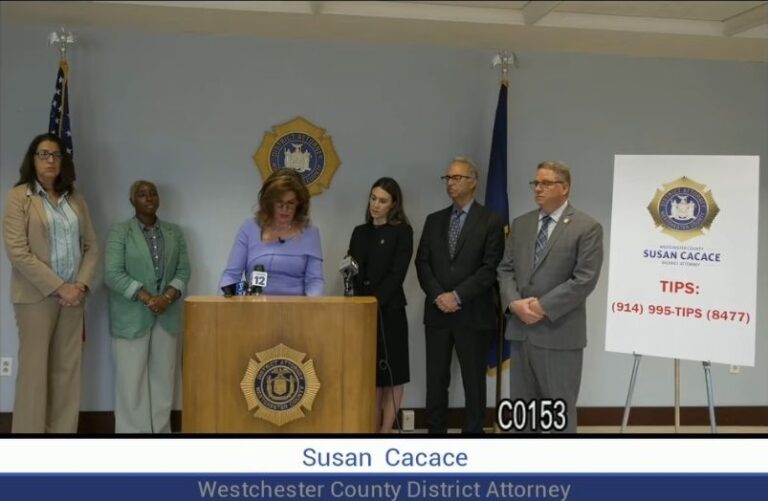
In a bold move against state-level immigration policies, the U.S. Department of Justice (DOJ) has filed lawsuits against New York Governor Kathy Hochul, Attorney General Letitia James, and DMV Commissioner Mark Schroeder. The lawsuits challenge the state’s controversial “Green Light” laws, which the DOJ claims protect undocumented immigrants at the expense of American citizens.

At a press conference announcing the legal action, the Attorney General made it clear that the new DOJ is prioritizing public safety over sanctuary policies. “New York has chosen to prioritize illegal aliens over American citizens,” she declared. “It stops today.”

This lawsuit follows a similar case against Illinois, where the DOJ took action against what they see as unlawful state interference in federal immigration enforcement. New York didn’t listen—so now you’re next,” she warned.

The Tragic Story of Kayla Hamilton: A Call for Change

The press conference highlighted the heartbreaking case of Kayla Hamilton, a 20-year-old woman who was raped and murdered in 2022 by an MS-13 gang member who had entered the U.S. illegally.

Tammy Nobles, Kayla’s mother and an “Angel Mom,” took the stage to share her daughter’s story. “Her murderer was able to come across the border knowing that he was flagged as an MS-13 gang member,” she said.

The killer had a criminal record in El Salvador for gang-related crimes but was allowed into the U.S. as an “unaccompanied minor.” The Department of Health and Human Services (HHS) dismissed concerns about his background, describing him as a “nice boy” who exhibited “age-appropriate behavior.”

Once in the U.S., he was flown to Maryland, where he was able to rent a room in the same mobile home where Kayla lived. The mobile home was owned by another undocumented immigrant, who knew the killer from El Salvador and allowed him to stay.

“Kayla had just turned 20, three days before she was murdered. He strangled her, raped her, robbed her of six dollars, and left her on the floor like trash,” Nobles said, her voice breaking.

After his arrest, the killer allegedly admitted to committing four murders and two rapes.

DOJ’s Case Against Hochul, James, and New York’s “Green Light” Laws

The DOJ’s lawsuits specifically target New York’s Green Light laws, which prohibit law enforcement from checking the immigration status of individuals during routine stops and deny federal authorities access to DMV records.

One of the most controversial provisions of these laws is a “tip-off” policy that requires the DMV commissioner to notify an undocumented immigrant when a federal immigration agency requests their records. The DOJ argues this effectively shields criminals from law enforcement.

“This is tipping off an illegal alien, and it’s unconstitutional,” the Attorney General stated. “That is why we have filed this lawsuit.”

States That Do Not Comply Will Be Held Accountable

The Attorney General clearly stated that this lawsuit is just the beginning. States that fail to comply with federal immigration laws will face legal consequences.

“We did it to Illinois. Strike one. Strike two is New York. And if you’re a state not complying with federal law, you’re next. Get ready,” she warned.

She also underscored the risk to law enforcement officers who cannot verify the identities of the individuals they encounter. “They have no idea who they’re dealing with, and it puts their lives on the line every single day,” she said.

The Attorney General also addressed concerns about leaks from within federal agencies that could jeopardize ICE operations targeting undocumented criminals.

“Anytime anyone leaks or tips off information regarding a pending investigation, it jeopardizes lives,” she said. “We will find you, investigate, and prosecute you.”

When asked about the potential impeachment of federal judges for failing to enforce immigration laws, she declined to comment directly but expressed frustration with the judicial system. “These are federal judges with lifetime appointments, but they will be struck down ultimately by the Supreme Court of the United States if the appellate courts don’t follow the law,” she asserted.

The DOJ hopes that legal pressure will force states like New York to abandon sanctuary policies that protect violent criminals.

“We don’t want to sue you; we don’t want to prosecute people. We want people to comply with the law,” the Attorney General emphasized.

She pointed to cases like Kayla Hamilton’s as a tragic example of the real consequences of lax immigration enforcement. “One Angel Mom is too many,” she said. “We have Angel Moms throughout this country who should not be going through this.”

As legal battles unfold, the future of immigration enforcement in the U.S. remains a contentious and closely watched issue. “It ends today,” she declared. “We’re coming after you.”

Black History During Black History Month By Paul Presendieu

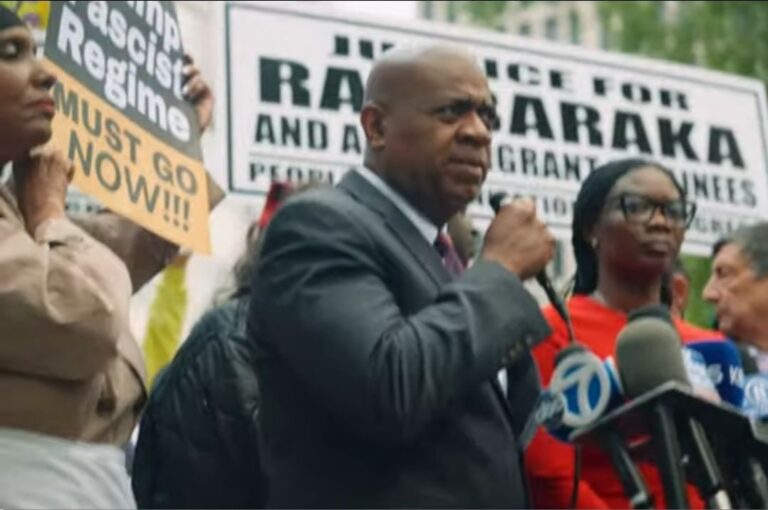
In a historic milestone during Black History Month, Ken Jenkins was elected on Tuesday, February 11, 2025, as Westchester County’s first Black County Executive.

This achievement is particularly significant given Westchester’s establishment in 1683 as one of the original 12 counties of England’s New York Colony, predating the Declaration of Independence and encompassing eras such as the Three-Fifths Compromise, the Civil War, Jim Crow laws, and the Civil Rights Movement. County Executive Jenkins’ election not only marks a pivotal moment in the county’s 342-year history but also reflects the ongoing journey toward racial equity and representation in American politics at all levels of government.

Beyond the historical significance, County Executive Jenkins brings a wealth of experience to the role. From 2007 to 2017, he served as a Westchester County Legislator, including four years as the first Black Chairman of the Westchester County Legislature (Established in 1703 as the Westchester County Board of Supervisors).

Following this, from 2018 to 2025, he held the position of Deputy County Executive under now Congressman George Latimer, making him the first individual to have served as both Chairman of the County Legislature and Deputy County Executive. His leadership extended to the national stage, where he served as Chair of the Transit/Rail Subcommittee of the National Association of Counties Transportation Steering Committee—a notable role considering that Westchester’s Bee-Line Bus System is the largest comprehensive bus system in New York State outside of New York City, with over 50 routes serving more than 27 million passengers annually.

County Executive Jenkins’ election is a testament to the progress spearheaded by the Black community in the pursuit of racial equity. His leadership and dedication have paved the way for future generations, and his tenure as County Executive promises to bring continued growth and inclusivity to Westchester County. As we celebrate this achievement during Black History Month, we honor the legacy of those who have fought for representation and equality, acknowledging that each milestone brings us closer to the ideals upon which our nation was founded.

“We hold these truths to be self-evident, that all men are created equal, that they are endowed by their Creator with certain unalienable Rights, that among these are Life, Liberty and the pursuit of Happiness.” ~ Declaration of Independence Preamble (July 4th, 1776)

Commissioner Norwood E. Jackson: A Trailblazer Who Gave Black Officers Hope and a Model for Leadership

0

As we celebrate Black History Month, we must recognize the pioneers who have left an indelible mark on our communities. Among them is Commissioner Norwood E. Jackson, a groundbreaking leader in Westchester County’s criminal justice system and a man of unwavering dedication to service, discipline, and reform.

Born in August 1934 in Washington, D.C., Jackson’s journey was defined by excellence and perseverance. While attending Central State University in Ohio, he earned his bachelor’s degree, excelled in football, and became a champion in discus and shot put. His athleticism and determination were just the beginning of a career that would break barriers and set new standards in law enforcement and corrections.

After a brief stint with the Cleveland Browns, Jackson dedicated 15 years to active duty in the U.S. Army, serving as an airborne ranger. His leadership was unparalleled—while stationed in West Germany, he held the critical position of Area Provost Marshal, commanding over 50,000 soldiers and 20,000 dependents. During the Vietnam War, his service earned him the prestigious Legion of Merit, one of the nation’s highest military honors, the Meritorious Service Medal, and numerous other commendations. He retired as a Lieutenant Colonel after 35 years of active and reserve service, leaving a legacy of integrity and dedication.

Jackson’s commitment to public service continued in Westchester County, where he joined the Department of Correction in December 1972 as a cross-complex security warden. His leadership and vision propelled him to new heights. In April 1989, he became the first African American appointed Commissioner of Correction in Westchester County—a historic achievement that shattered racial barriers in law enforcement leadership.

A baby lion learns to become a lion by watching the actions of a grown lion. Commissioner Norwood E. Jackson was that lion—both in the field of corrections and in the example he set as a Black man in leadership. He carried himself with strength, dignity, and unwavering faith, standing as a pillar in his community and a guiding force for Black officers throughout Westchester.

For young Black men, witnessing Commissioner Jackson in a position of power was more than inspiring—it was transformative. He was the only Black commissioner of any law enforcement agency when I began my career, and his presence alone was a beacon of hope. He didn’t just open doors; he showed us how to walk through them with confidence and purpose. He treated everyone with fairness, demanded professional excellence, and set the highest standards for those who served under him. But for Black officers, he was more than a leader—he was a blueprint. He exemplified what we could be in our careers and as men, fathers, and community leaders. He proved that professionalism, discipline, and integrity were pathways to success, authentic leadership, and lasting change.

As Commissioner, Jackson championed progressive policies focused on rehabilitation, mental health services, and educational programs for incarcerated individuals. Affectionately known as “Big Jack,” he believed in second chances and worked tirelessly to improve conditions for both staff and inmates. Under his leadership, Westchester County addressed critical issues such as jail overcrowding, leading to constructing a modern, new-generation correctional facility in 1992. Beyond his role in government, Jackson was an active board member of both the Salvation Army and the American Jail Association, reinforcing his lifelong commitment to community service and justice reform.

In recognition of Norwood E. Jackson’s remarkable contributions and lasting legacy, the Westchester County government honored him by renaming the Westchester County Jail as the Norwood E. Jackson Correctional Center. This historic decision made it the first law enforcement building in the county to be named after a Black man, cementing Jackson’s impact on the criminal justice system and the community he served.

Norwood E. Jackson never denied his Blackness to climb the ranks—he carried it with pride, strength, and unwavering faith. He never wavered in his belief in himself or his ability to lead, standing firm on his principles while proving that excellence, not compromise, is the key to success. Did he face racism? Absolutely. But he overcame it, not by shrinking in the face of adversity, but through Black Excellence—by excelling beyond expectations and shattering the barriers placed in his path.

Today, as we celebrate the historic election of Ken Jenkins, the first Black Westchester County Executive, we must acknowledge that leaders like Norwood E. Jackson paved the way. Long before Jenkins made history, Commissioner Jackson showed that Black men could rise to the highest levels of government leadership—not just as symbolic figures, but as exceptional, capable, and transformational leaders. He didn’t just break ceilings; he laid the foundation for others to climb higher.

Commissioner Norwood E. Jackson’s legacy is one of resilience, leadership, and an unshakable belief in rehabilitation and justice. As we honor Black History Month, his story is more than a chapter in history—it is a call to action. For those of us fortunate enough to have witnessed his leadership firsthand, his legacy is not just something to remember, but a responsibility to carry forward. His contributions continue to inspire generations, proving that true progress is built on the courage, determination, and excellence of those willing to lead by example.

County Exec Ken Jenkins Wins Special Election

1

Westchester County Executive Ken Jenkins defeated Republican Christine Sculti in a special election on Tuesday to occupy the position he was appointed to last month until the end of the year.

Unofficial results from approximately 80% of election districts showed the Jenkins leading by 64%-36%, a 28-point advantage, according to an unofficial tally posted on the Board of Elections website (see below). The special election had Jenkins and Sculti competing to complete the vacant term of Jenkins’ predecessor, George Latimer, who resigned in January after seven years as county executive to take up a House seat he won in November.

Sculti, who lost to Latimer in the general election in 2021, was an advisor to former county executive Rob Astorino. She has also served as chair and CEO of the Westchester County Taxi & Limousine Commission and as assistant to the Yonkers mayor, along with holding several other posts. She was endorsed by President Donald Trump to no avail.

Flanked by Governor Kathy Hochul, Westchester County Democratic Committee Chair Suzanne Berger, his wife and the mayors of Yonkers, Mount Vernon, and White Plains, Jenkins delivered his victory address (see video below) around 10 pm to an excited crowd of supporters at Kanopi in White Plains. He praised his new administration’s goals and contrasted them sharply with the three-week-old Trump administration.

Jenkins who made history as Westchester County’s first African American County Executive thanked voters Tuesday night for braving the wintry conditions to cast their ballots.

“It is an honor to be elected Westchester County Executive,” Jenkins shared with the crowd Tuesday night. “I want to thank everyone who showed up to the polls, in the snow and wind, to let their voices be heard. Instead of succumbing to partisan division, we chose to come together and chart a new course forward – one focused on bringing real, lasting results to every community across Westchester County.”

“We won’t be distracted by the chaos in Washington – my administration will continue to deliver great services for Westchester residents and tackle the issues that matter most,” he stated. “It’s time to build on our progress, secure funding for affordable housing, bring down costs for working people and their families, keep every resident safe, protect all our rights, defend democracy, and ensure everyone has a real opportunity to succeed.”

Jenkins worked as deputy county executive under Latimer for seven years after previously serving as a county legislator for eleven. The Board of Legislators appointed him as Latimer’s temporary substitute until the special election. The 63-year-old Yonkers resident previously worked for Apple and other technology and communications companies.

NNPA Launches National Public Education and Selective Buying Campaign

0

The National Newspaper Publishers Association (NNPA), representing the Black Press of America, has announced the planning and implementation of a national public education and selective buying campaign across the nation in direct response to those corporate entities that have dismantled their respective Diversity, Equity, and Inclusion (DEI) commitments, programs and staffing.  NNPA Chairman Emeritus Danny Bakewell Sr. explained, “Now is the time for the Black Press of America once again to speak and publish truth to power emphatically.” 

“We are the trusted voice of Black America, and we will not be silent or nonresponsive to the rapid rise of renewed Jim Crow racist policies in corporate America,” stated NNPA Chairman Bobby R. Henry Sr. “The Black Press of America continues to remain on the frontline keeping our families and communities informed and engaged on all the issues that impact our quality of life.”

At a recent convening of NNPA member publishers and editors, a united resolve was reached that each member publication of the NNPA will begin a national public education campaign coupled with the release of research data on those American companies that are engaging in efforts to sanction racial injustice, inequitable policies, divisive leadership, and economic apartheid in America.

“We note forthrightly that Black Americans spend two trillion dollars annually as consumers of products and services throughout the United States,” NNPA President and CEO Dr. Benjamin F. Chavis Jr. emphasized. “We now must evaluate and realign to question why we continue to spend our money with companies that do not respect us,” Chavis continued.  “This now must come to an end. These contradictions will not go unchallenged by 50 million Black Americans who have struggled for centuries to ensure equality, fairness, and inclusion in our nation’s democracy.”

A selective buying campaign involves exercising the right to select what we spend our money on and who we spend our money with. We are starting with targeting TARGET.

The following are some of the major American companies that have publicly retreated from Diversity, Equity, and Inclusion: TARGET, Lowe’s, John Deer, Walmart, Meta, Tractor Supply, Amazon, McDonald’s, and Ford.

Congress Launches Task Force to Declassify JFK, RFK, MLK, UAPs, Epstein List, COVID-19, and 9/11 Files

In a major push for government transparency, a new congressional task force dedicated to declassifying federal secrets has been established. Announced today, the Task Force on the Declassification of Federal Secrets will operate under the House Oversight Committee and will be led by Representative Anna Paulina Luna (R-FL).

House Oversight Committee Chairman James Comer introduced the initiative, describing Luna as a “sledgehammer against government secrecy.” He emphasized that the task force’s mission is to ensure that the American people have access to long-concealed historical records and critical government information.

Building on Trump’s Executive Order

The formation of the task force follows former President Donald Trump’s recent executive order to begin declassifying documents related to the assassinations of John F. Kennedy (JFK), Robert F. Kennedy (RFK), and Martin Luther King Jr. (MLK). The task force aims to expand this effort, investigating other major issues including:

  • Unidentified Aerial Phenomena (UAPs) and Unidentified Submerged Objects (USOs)
  • The Epstein Client List
  • The Origins of COVID-19
  • The 9/11 Files

Representative Luna affirmed that the task force’s priority is to combat the government’s long-standing “veil of secrecy.” She declared, “We will not stop until the American people have the answers they deserve.”

Bipartisan and Multi-Agency Cooperation

Although the task force is currently composed of Republican lawmakers—including Representatives Lauren Boebert, Andy Biggs, Eli Crane, Nancy Mace, and others—Luna stressed that the effort would be bipartisan. She pointed out that JFK and RFK were Democrats, and transparency should be a shared goal.

Luna also revealed that the task force is already working closely with the White House, Department of Justice, Department of Defense, and intelligence agencies to access crucial files. She expressed optimism that even the FBI and CIA would be cooperative, though she warned that if agencies attempt to obstruct access, the public will be informed.

First Hearings Set to Begin in March

The task force’s first hearing, scheduled for March, will focus on JFK’s assassination. Luna indicated that she personally believes the “single bullet theory” is flawed and that there were likely two shooters. She plans to bring in expert witnesses, including attending physicians from the hospital where Kennedy was treated, as well as former commission members involved in previous investigations.

Luna assured the public that the task force would not follow the pattern of previous government inquiries that failed to deliver substantive findings. “This will no longer be a task force that makes bold promises only to fade into irrelevance,”she stated.

The committee has also extended an invitation to whistleblowers who may possess crucial information regarding its areas of investigation. Luna noted that the FBI recently recovered thousands of lost pages related to the JFK assassination, further fueling the urgency of the task force’s work.

Additionally, oversight officials will be investigating potential government coordination with sanctuary cities, particularly regarding illegal immigration policies, as well as tracking who financed and organized mass transportation of undocumented migrants into urban centers.

Luna and Comer emphasized that the mission of the task force is not about pushing conspiracy theories but about restoring trust through transparency. “We’ve been treated like children for too long, kept in the dark by those we elected to serve us,” Luna asserted. She pledged that the findings will be made available to the public, ensuring that Americans can form their own judgments based on full access to historical records.

With bipartisan participation and unprecedented agency cooperation, the Task Force on the Declassification of Federal Secrets is poised to embark on a historic quest to unearth long-hidden truths. Their findings could shed new light on some of the most debated and mysterious events in American history

Autumn Lockwood Makes History As The First Black Woman Coach To Win A Super Bowl And Very Few Are Talking About It

With Black History Month in full e-f-f-e-c-t, there is a Super Superbowl story no one is talking about. Sure everyone is talking about Kendrick Lamar’s Super Bowl LIX halftime show featuring another escalation in one of the great Hip-Hop beefs of all time, which was a mesmerizing blend of music, culture, and social commentary, leaving an unforgettable mark on the biggest stage in sports. Then you had two Black starting quarterbacks, Jalen Hurts and Patrick Mahomes facing off against each other in the Super Bowl for the second time in three years.

As the confetti came down inside the Caesars Superdome on the Philadelphia Eagles following their wire-to-wire victory over the Kansas City Chiefs in Super Bowl 59, what I haven’t heard the mainstream media discussing is that Philadelphia Eagles Assistant Sports Performance Coach Autumn Lockwood made history as the first Black woman coach to win a Super Bowl when the Philadelphia Eagles defeated the Kansas City Chiefs in Super Bowl 59 at the Caesars Superdome. They did not highlight how her stunning Super Bowl victory solidified her legacy and paved the road for more Black women to join the NFL coaching ranks.

Yes, Autumn Lockwood has once again made her mark on history. In 2023, she made history as the first Black woman to coach in a Super Bowl, serving as an assistant sports performance coach for the Philadelphia Eagles in Super Bowl LVII. Fast forward to the present, and she’s made history by being the first Black woman coach to win a Super Bowl. And the fact that very few mainstream media outlets are talking about it, especially since it happened during Black History Month is egregious.

Sure Lamar’s solo headlining halftime show made history as the first-ever hip-hop artist to command the stage alone. Lamar’s 13-minute set was nothing short of spectacular. He opened with his Grammy-winning hit “HUMBLE.”, setting the tone for an electrifying show filled with cinematic visuals and intricate choreography. The rapper seamlessly transitioned into “DNA.”, a song that speaks to his personal journey and the resilience of Black culture. But it overshadowed Lockwood’s historic achievement at Caesars Superdome in New Orleans on Sunday, February 9th which deserves to be equally celebrated.

So allow me to introduce her to those who do not know her name. Autumn Lockwood was named an associate performance coach by the Philadelphia Eagles during the 2023 offseason. She originally joined the organization as a strength and conditioning associate in 2022.

Before the Eagles, Lockwood served as the director of sports performance at the University of Houston (2021-22) and was the assistant director of basketball sports performance at East Tennessee State (2020-21). In 2019, Lockwood gained her first NFL experience as an intern for the Atlanta Falcons’ strength staff during organized team activities.

From 2018-20, Lockwood worked as a strength and conditioning graduate assistant with the basketball program at East Tennessee State. She also interned with UNLV’s football program (2017-18) and assisted in strength and conditioning efforts for the University of Arizona’s Olympic sports (2017).

A native of Media, PA, Lockwood received her bachelor’s degree in criminal justice with a minor in psychology from Arizona. She also obtained her master’s degree in sports management from East Tennessee State.

Now, following their 40-23 victory over Kansas City, Lockwood has helped the team win its first Super Bowl under Jalen Hurts, and the team has maintained their promise about Lockwood’s historic feat. And from now on when you celebrate Black History, Women’s History and even NFL and Superbowl History make sure you put some respect on Autumn Lockwood’s name!

Trump Suggests Possible Pardon, DOJ Drops Corruption Charges Against NYC Mayor Eric Adams

In a major legal twist, the U.S. Department of Justice (DOJ) has ordered federal prosecutors to dismiss corruption charges against New York City Mayor Eric Adams. The decision, announced on February 10, 2025, comes as Adams seeks reelection and as the Trump administration continues to prioritize law-and-order policies, particularly on immigration enforcement.

According to the Associated Press, a two-page memo obtained by the outlet revealed that acting Deputy Attorney General Emil Bove directed prosecutors in New York to “dismiss” the bribery charges against Adams immediately. Bove clarified that the decision was not a reflection of the strength of evidence against Adams but was instead motivated by concerns that the case was brought too close to his reelection campaign and was interfering with his ability to support the Trump administration’s law-and-order initiatives.

Adams was originally indicted in September 2024 on multiple charges, including bribery, wire fraud, conspiracy, and soliciting illegal campaign contributions. Federal prosecutors alleged that he accepted luxury travel and other benefits from Turkish nationals in exchange for political favors, such as expediting the opening of a Turkish consular building without proper fire inspections. Despite the DOJ’s dismissal, the move was made without prejudice, meaning prosecutors could refile the case in the future.

Trump: “I Would Consider a Pardon”

When asked about the DOJ’s decision, President Donald Trump signaled that he would consider pardoning Adams if necessary.

“Yeah, I would. I think that he was treated pretty unfairly,” Trump said. “Now, I haven’t seen the gravity of it all, but it seems, you know, like being upgraded in an airplane many years ago. Probably everybody here has been upgraded. They see you’re all stars, and they say, ‘I want to upgrade that person from NBC, I’m going to upgrade him.’ And that would mean you’ll spend the rest of your life in prison? I don’t know, somehow, I hope not.”

Trump also suggested that Adams’ indictment may have been politically motivated, pointing to his vocal criticism of the Biden administration’s handling of the migrant crisis.

“It’s very interesting when he essentially went against what was happening with the migrants coming in, and, you know, he made some pretty strong statements like, ‘This is not sustainable.’ I said, ‘You know what? He’ll be indicted soon.’ And I said it not as a prediction, a little bit light-heartedly, but I said it. I said, ‘He’s going to be indicted,’ and a few months later, he got indicted. So, yeah, I would certainly look at it.”

Adams’ Response & Political Ramifications

Mayor Adams has repeatedly denied any wrongdoing and has framed the allegations as politically motivated. Following the DOJ’s decision, he issued a measured response, stating that he needed more information and would consult with his legal team before making further comments.

The dismissal of charges has sparked concerns about political interference in federal prosecutions. Critics argue that dropping the case at this stage raises questions about prosecutorial independence and could set a troubling precedent regarding how and when high-profile legal cases are handled.

With Adams vying for reelection in November 2025, the legal and political fallout from this case is far from over. The possibility of refiled charges—or even a presidential pardon—adds another layer of uncertainty to what has already been a contentious chapter in New York politics.