Home Blog Page 169

County Legislator James Nolan Opposes National Menthol Ban in Letter to Senator Schumer

In a letter addressed to Senator Schumer, Legislator James Nolan, who represents District 15, the Village of Bronxville, and parts of the City of Yonkers, on the Westchester County Board of Legislators, expressed his opposition to a proposed statewide ban on flavored tobacco products. He argued that such a ban would have far-reaching consequences, including potentially exacerbating the illicit tobacco market and unfairly targeting specific communities.

Last year, the Westchester County Board of Legislators passed a bill to ban flavored tobacco products, but Westchester County Executive George Latimer vetoed it. Nolan has retaken the task in this letter to Senator Schumer, highlighting the significant opposition they have encountered from Westchester County residents, businesses, and commuters, who voiced their concerns about the potential statewide ban.

One of the central arguments against the proposed ban is the potential boost it might provide to the illicit tobacco market. Nolan pointed out that in 2020, 53.5% of cigarettes smoked in New York were purchased from illicit sources. Such a ban, if implemented statewide, would place even more control in the hands of black market operators. This, in turn, could empower highly organized, international crime syndicates involved in tobacco smuggling – a concern recognized by the U.S. State Department as a “threat to national security.”

Tobacco smuggling has become a profitable venture for criminal groups, and the black market trade is lucrative. Additionally, there is a worry that terrorist groups could exploit these profits in the future. Notably, governments in the United States already lose billions of dollars in tax revenue each year due to tobacco-related issues, and implementing a flavored tobacco ban would likely exacerbate this issue.

Another significant concern raised by Nolan is the potential racial disparities that could arise from the ban. Banning flavored tobacco products could result in all menthol cigarettes in the state becoming untaxed and, therefore, illegal to possess. Nolan cited the tragic case of Eric Garner, who lost his life in 2014 during an encounter with the NYPD related to the sale of untaxed cigarettes. Garner’s family has expressed concerns that flavored tobacco bans could have unintended negative consequences in communities, particularly for African Americans and Middle Eastern Americans.

Moreover, it is suggested that prohibiting the sale of flavored tobacco may not effectively deter smokers from accessing these products. Criminals do not pay sales tax on their illicit profits, meaning the state will not recoup the lost sales tax revenue, ultimately placing the burden on taxpayers through new tax increases.

Legislator James Nolan and his colleagues urge Senator Schumer to reconsider supporting a national ban on flavored tobacco products. They argue that the potential benefits of the ban are far outweighed by the significant negative impacts it could have on illicit markets, tax revenue, and specific communities.

The Vital Role of Black Men as Exemplars of Manhood and Health for Black Children

During a recent visit to the Junior Student Council of Athur Truman School in Harlem, New York, where I spoke about my book, “The Empowering Benefits of Detox Cleansing and Eating Clean,” I was struck by the impressive understanding and execution of Robert’s Rules of Order by children of that age. Their commitment to structured meetings, with roll calls and opening and closing procedures, showed remarkable maturity.

This experience compelled me to reflect on the crucial role that Black men must play as role models for our children, not only in matters of character but also health and wellness. It’s imperative that we, as Black men, lead by example, emphasizing the significance of maintaining good physical health. Our choices and behaviors in this area send potent messages to Black children about the importance of caring for their bodies.

In light of the concerning fact that 24 percent of Black children are grappling with obesity, it becomes paramount to underscore the importance of maintaining a well-balanced diet and regular exercise to safeguard their health. It is worth noting that Black children are facing a disproportionately higher likelihood of experiencing food insecurity, being six times more susceptible compared to their peers from diverse backgrounds.

In addressing this critical issue, Black men can assume a pivotal role in influencing the dietary choices of Black children by actively championing healthier eating habits within our families and communities. This includes instilling the value of incorporating fresh fruits, vegetables, and whole grains into our daily diets while discouraging the consumption of sugary and processed foods. Undertaking these measures represents a significant and impactful stride toward enhancing Black children’s health and overall well-being.

Furthermore, Black men have a responsibility to educate Black children about the dangers of harmful habits such as smoking, excessive alcohol consumption, and substance abuse. Sharing personal stories and emphasizing the importance of healthy choices can guide young individuals away from detrimental behaviors.

It’s crucial to recognize that many of these children come from single-parent households, and we’ve witnessed a trend of Black children born out of wedlock for decades. This underscores the importance of Black men serving as examples of Black manhood and a commitment to healthy living.

In a world where societal perceptions and stereotypes often shape the identity and self-esteem of Black youth, having positive role models who embody both strong character and physical well-being is essential. We are facing a national crisis in recognizing the significance of Black men as role models and their critical role in fostering healthy lifestyles among Black children.

Historically, Black men have been subjected to various stereotypes perpetuated by media and societal biases. These stereotypes can have detrimental effects on the self-esteem and aspirations of Black children. However, Black men who excel in various fields prove that these stereotypes do not define them. They inspire younger generations to break free from limiting beliefs and strive for excellence in their endeavors.

Black men must also lead by example when prioritizing education and intellectual growth. It’s time to challenge the modern portrayal of Black men as scammers, drug dealers, and materialistic individuals. Instead, we should exemplify Black excellence to Black children, demonstrating that our intelligence transcends our surroundings.

Our role as Black men is encouraging young Black minds to pursue knowledge, higher education, or trades, opening doors to a brighter future. Successful Black men serve as beacons of hope for Black children, showcasing that hard work, dedication, and resilience can lead to professional success and motivating Black youth to aim high in their careers.

Moreover, in the contemporary era, it’s crucial to acknowledge the profound influence that actively engaged Black men have on developing values and social awareness among Black children, with a particular focus on Black girls. Statistics indicate that 61% of Black teenage girls express the need for assistance with their emotional and mental well-being, surpassing the nearly 45% rate among all adolescent girls. When Black girls can observe positive Black male role models, it empowers them and solidifies their belief in their own potential and inherent worth. This highlights the critical role of representation, allowing individuals to visualize themselves in positions of achievement, leadership, and impact, ultimately nurturing a heightened sense of self-esteem and aspiration.

In relationships, positive Black male role models can guide young Black girls in establishing high standards. They demonstrate the importance of mutual respect, effective communication, empathy, and kindness in healthy partnerships. By witnessing these positive dynamics, young Black girls can discern acceptable and unacceptable behavior in their relationships.

It is equally essential for Black men to serve as exemplars of good fatherhood and husbandry for young Black men. This influence is vital in instilling values of respect towards women and their bodies. By setting a positive example in these roles, we can work towards reversing the troubling trend of declining Black marriages within the Black community. Our marriage rates are the lowest among all ethnic groups, standing at just 30 percent.

In conclusion, Black men are profoundly responsible for serving as exemplars of manhood, fatherhood, health, and character for Black children. Through our actions, choices, and commitment to excellence, we can inspire the next generation to embrace their potential, prioritize health and wellness, and build strong, respectful, and fulfilling relationships. This collective effort is instrumental in fostering empowerment, challenging stereotypes, and nurturing a sense of belonging and possibility among Black youth, ensuring a brighter future for all.

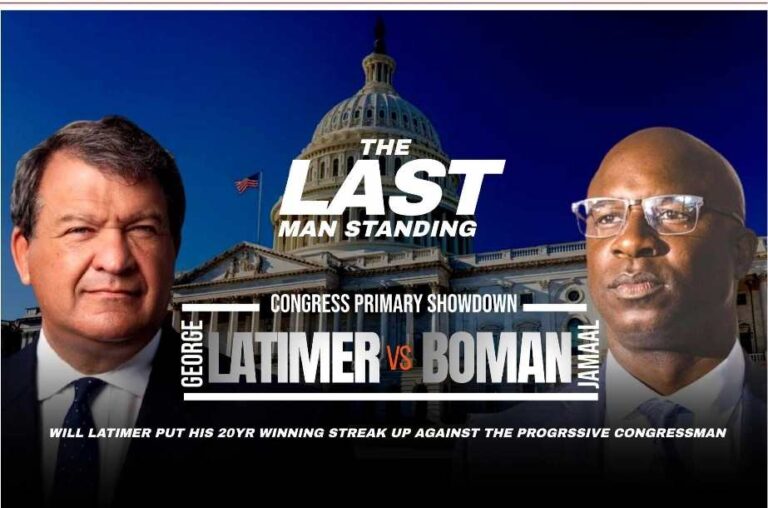
How Will Redistricting Affect Latimer’s Potential Challenge Versus Bowman?

1

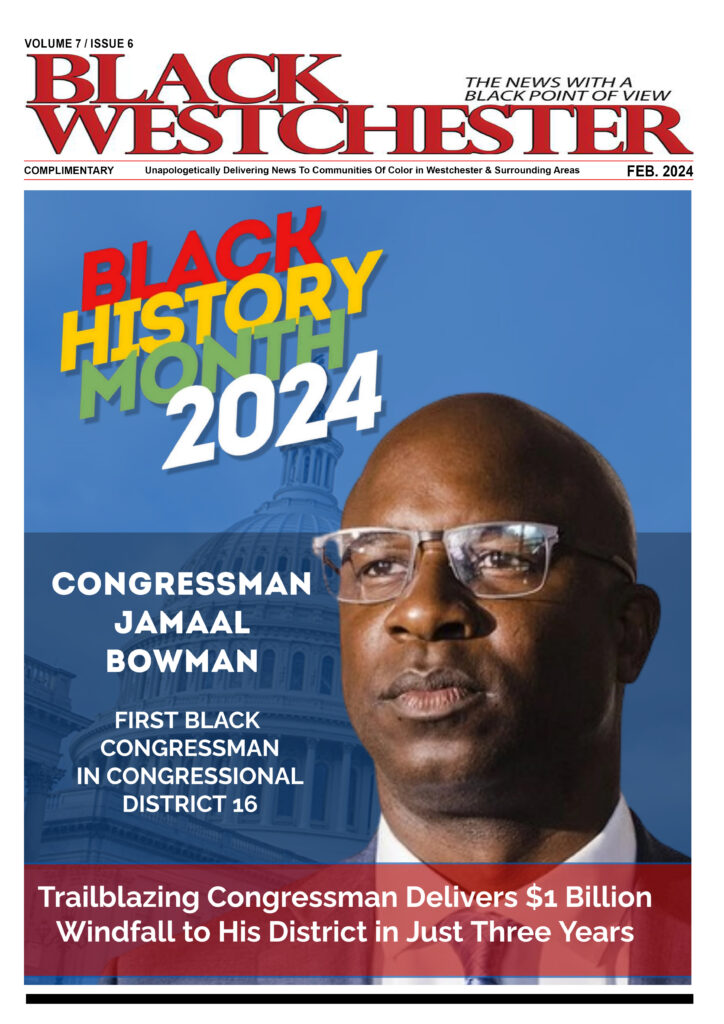
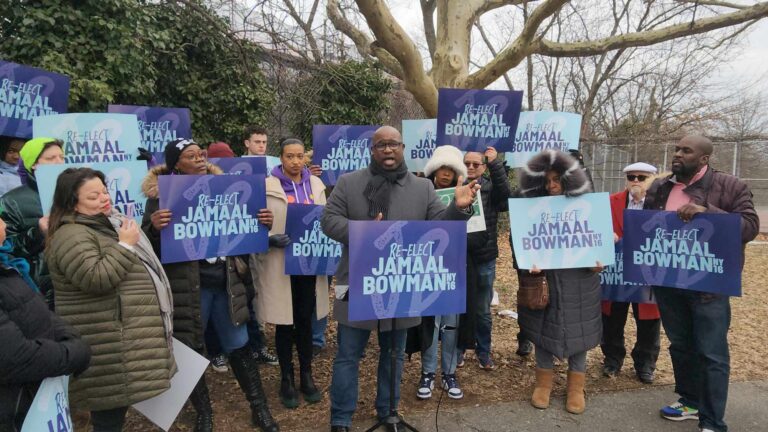
City & State Magazine asked the question, “Will Latimer challenge Bowman? It may come down to redistricting,” Black Westchester further delves into how race and redistricting will play a role in the potential congressional showdown.

“For months, Westchester County Executive George Latimer has been nudged towards running for Congress in New York’s 16th Congressional District against incumbent Rep. Jamaal Bowman. He would be a formidable candidate in the Democratic primary, thanks to strong name recognition in the district and a decent campaign war chest, and he is widely expected to eventually jump into the race. But so far, he has made a point of refusing to confirm his candidacy. The reason may be New York’s ongoing fight over redistricting.” City & State Magazine wrote.

Black Westchester is paying close attention to any potential changes to the district’s boundaries, which could have ramifications that would extend through the state, shaking up the race for the state’s 17th Congressional District and having a rippling effect throughout the state of New York. In CD-17, Democrats are hoping to take back the seat now held by incumbent Republican Rep. Mike Lawler as the Democrats look to recapture control of the lower chamber.

“The final boundaries of the state’s congressional districts are currently up in the air. Last year, the Court of Appeals struck down the district map passed by the state Legislature on the grounds that it was an unconstitutional gerrymander, which resulted in a court-appointed expert drawing a new, more Republican-friendly map for the 2022 election cycle. Democrats are now arguing that the court-appointed expert’s map was just a temporary fix, and the state’s Independent Redistricting Commission must be given the chance to draw new district maps before the 2024 election,” City & State wrote.

What Black Westchester found interesting was the next sentence in the article: “If the Court of Appeals accepts that argument, the Independent Redistricting Commission – which is led by Latimer’s deputy, Ken Jenkins – will have the opportunity to change the boundaries of the 16th Congressional District.”

One has to ask the question: is Deputy County Executive Ken Jenkins leading the Independent Redistricting Commission that will decide the district’s boundaries a conflict of interest?

“That’s an important factor. Anyone’s gonna want to know where their voters are and if you think about it, if they’re going to make changes to that district, where are they going to make the changes? Does it mean that it’s going to go further north into Westchester County, which conventional wisdom (says) would benefit Latimer or does it mean that it goes further south into the Bronx? Conventional wisdom is that that would benefit Bowman, but it depends on where in the Bronx, right?” Political consultant John Tomlin told City & State.

Jenkins who is the chair of the IRC, will be involved in deciding the district’s boundaries, which have the potential to benefit County Executive George Latimer should he decide to officially enter the race to challenge Congressman Bowman.

We reached out to DCE Jenkins to ask just that.

“No. I am appointed to serve on the IRC by Senator Stewart-Cousins. I am 1 of 10 votes. Should the Court of Appeals uphold the 3rd Department’s decision to have “the IRC get back to work,” the IRC will make a submission to the State Legislators for their consideration. The IRC is not the last word,” DCE Jenkins replied to Black Westchester.

The other nine commissioners of the IRC are former president of the NYS Tax Appeals Tribunal Charles H. Nesbitt (Vice Chair), former Administrator of Union Temple of Brooklyn Attorney Ross Brady, Esq., Director of Community Relations of the Carpenter Contractor Alliance of Metropolitan New York Yovan Samuel Collabo, former Asst. Dean at Albany Law School of Union University Attorney John Conway III, Esq., Dr. Ivelisse Cuevas-Molina, Dr. John Flateau (scholar-activist working at the intersection of Voter’s Rights and Election Reform), Elaine Frazier of Albany, Dir of Business Strategy & Risk at Meta Lisa Harris, Esq., and Willis H. Stephens Jr., Esq. of Mt. Kisco.

For many constituents, there is much riding on both this race and the redistricting. While many of Bowman’s Jewish constituents have urged CE Latimer to challenge CD-16’s first Black Congressman, several other organizations, including NYCD16 Indivisible, Concerned Families of Westchester, For the Many, New York Communities for Change, and Food & Water Action have all urged Latimer ‘to prioritize building Democratic power in Westchester over a possible primary against incumbent Democratic representative Jamaal Bowman in the 16th Congressional District.’ The Anti-Racist Alliance also wrote a letter urging Latimer ‘to seek another political path to avoid potential division among progressives.’

Black Westchester has also run a series or articles by Tasha Young titled, “Navigating The Shift,” parts one and two.

In part one she wrote;

“In 2020, the political landscape underwent a seismic shift as Jamal Bowman unseated the long-standing representative in CD 16. This change, however, was not isolated; Mondaire Jones, a black and openly gay man, emerged out of a field of 10 candidates to also become the first-ever Black person to represent Congressional District 17. These history makers both saw their constituents through Donald J. Trump, COVID-19, George Floyd, and Black Lives Matter, an insurrection in their first six days in office, unprecedented funding votes and subsequent fund allocation in the district, and the devastating impact of having congressional lines redrawn and having to defend their seats with a new constituent base. They have both legislated in a manner that brings more of their constituents into the decision-making process and they have delivered!”

In part two, she wrote:

“We need a party that pioneers new policy territories, and frankly, white male leadership isn’t cutting it. They don’t represent our needs; they can’t, not without us, and it’s time they step up to the plate. It’s part of the problem—the privilege of power without shouldering the responsibility to tackle these crucial issues. Where does this leave people of color? It’s time for a change—a change rooted in genuine action and representation. Now, let’s talk about understanding race equity and policy innovation. Imagine someone at the intersection of being white and male, trying to comprehend these concepts without facing the weight of systemic oppression. Their race and gender often grant them a free pass on showcasing innovation and serving credibility and resources on a silver platter, oftentimes without any accountability. That’s the epitome of white male privilege. For Black, indigenous folks, people of color, and women, it’s a different ball game. Credibility and resources are often denied. Respect? Not freely given. White women might get a bit more, but let’s discuss women of color—their respect often hinges on their proximity to whiteness.”

We agree with City & State Magazine when they wrote; “Should the district lines change, it will change the dynamics of the race… If the district were drawn to exclude some heavily Jewish areas of Westchester or to include Bronx neighborhoods like Co-Op City, Bowman would be much tougher to beat. But if the district were drawn to include even more neighborhoods in northern Westchester, it would likely benefit Latimer.”

As we have written before, this will be one of the most watched races in the 2024 election, with everyone waiting for Latimer’s decision to challenge Bowman with bated breath. Stay tuned to Black Westchester on this developing story of an election that could come down to not just race, but the ramifications of redistricting.

Environmental Justice in Mount Vernon: Recap of A Community Conversation – Save the Sound

0

[Republished with permission; originally posted, November 17, 2023, on SaveThe Sound.org]

At the heart of environmental justice is recognizing the right of people to have a real voice in what happens to the place they live. That’s why we’re partnering with other regional and national environmental groups to engage in conversation with residents of communities in the Long Island Sound region that have been impacted—historically and today—by excessive pollution, lack of access to green space and waters, and other forms of environmental racism.

On November 11, Save the Sound co-hosted a Hutchinson River-focused community conversation with Environmental Leaders of Color (ELOC), Adopt Clean Energy, Restore America’s Estuaries (RAE), and Long Island Sound Study (LISS) members at Mount Calvary CME Church in Mount Vernon, NY. This event follows a similar forum in the Fair Haven neighborhood of New Haven, CT

Dr. Diana Williams, executive director of Environmental Leaders of Color (ELOC) kicks off the Hutchinson River-focused community conversation at the Mount Calvary CME Church.

The conversation began with attendees completing an Environmental Justice (EJ) Needs Assessment survey. This survey, created by LISS and research firm Responsive Management, aims to ascertain what environmental justice needs residents encounter in their communities. This includes obstacles like proximity to polluting facilities, barriers to waterfronts, and inaccessibility to funds for sustainability projects or programs. Collection of the data will help LISS better identify inequities in the region and determine where to prioritize resources to support community-based sustainability initiatives.

Once the attendees completed the survey, Dr. Diana Williams, executive director of ELOC, kicked off the event. She spoke to how ELOC is assisting marginalized communities in preparing for climate change’s adverse impacts through education and advocacy and noted the need for more expertise and collaborations towards fixing Mount Vernon’s sewage infrastructure. She then welcomed introductions from Save the Sound, New York Sea Grant, and Restore America’s Estuaries.

Alex Rodriguez, environmental justice with Save the Sound in his introductory remarks.

Our environmental justice specialist Alex Rodriguez presented on the Hutchinson River and how its watershed connects to the Sound, as well as our shared goals: (1) protecting the health of the Sound and the people who live near it, (2) providing educational, recreational, and conservation opportunities for the public, and (3) elevating the needs of priorities of underserved communities.

“The earth is similar to our bodies, and the water within it; from the river to the Sound, is our blood. We have to take care of it and keep it clean,” said one Mount Vernon resident.

There was a significant dialogue about the need to clean the Hutchinson River and there was also prizes for participants who answered trivia questions correctly. Those questions included identifying what a watershed is, identifying what substances cannot be poured safely down a drain, and naming what municipalities are included within the Hutchinson River watershed.

“I didn’t know that pouring juice down the sink drain could impact my pipes because of its high acidic value. I learned you should dilute it with water if you needed to pour it down the drain,” said another resident.

Maddie Duda of Responsive Management, flanked by her colleague, Amanda Center, facilitating the envisioning portion of the conversation.

ELOC and Responsive Management then facilitated a group discussion regarding the visioning of the Hutchinson River. Mount Vernon and Bronx residents relayed their visions, including:

  • More youth programming
  • Less trash and illegal dumping
  • Better quality of surrounding waterways for things like fishing and swimming
  • More outdoor programs and opportunities to get outside
  • More natural places with water, trees, plants, and parks
  • More access to natural places
  • Lower food costs
  • More jobs that focus on the environment
  • More affordable housing
  • Clean up creeks and waterways
U.S. Representative Jamaal Bowman (NY-16) addresses community conversation participants.

The conversation attracted municipal officials from the sustainability department, city councilpersons, the local Parent Teacher Association (PTA), and U.S. Representative Jamaal Bowman (NY-16). Rep. Bowman noted that thanks to the Bipartisan Infrastructure Law and the Inflation Reduction Act, there are more federal dollars than ever before for environmental justice-focused projects and encouraged participants to take advantage of the opportunities.

Shahela Begum, program director of the Long Island Sound Community Impact Fund with Restore America’s Estuaries in her introductory remarks.

Save the Sound and Restore America’s Estuaries informed attendees about the Long Island Sound Community Impact Fund (LISCIF), formed through a partnership with RAE, the Environmental Protection Agency (EPA), and LISS and funded by EPA through the Bipartisan Infrastructure Law. It is awarded to projects that will increase access to Long Islan.d Sound while reducing environmental public health risks. LISCIF will also provide technical assistance in underserved communities. 

The event concluded on a positive note with residents eager to engage in additional activities related to the Hutchinson River. Fortunately, there are many opportunities coming up! Save the Sound is wrapping up development of a watershed management plan for the Westchester County portion of the Hutchinson River, and starting one for the Bronx portion. If you are a Mount Vernon or Bronx resident, please click here for our Hutchinson River Public Input Map and add your thoughts. The information gathered from watershed residents and users of the lands and waterways will help us:

  1. Identify nonpoint source pollution contributing to water quality impairment and risks associated with flooding, and propose management, restoration, and design recommendations to improve water quality and reduce flooding in the watershed;
  2. Identify implementable restoration and stormwater mitigation projects with a focus on those that provide flood mitigation and emphasize nature-based solutions; and
  3. Engage and educate municipal agencies, key stakeholders in the watershed, and the public through the formation of a Watershed Steering Committee, volunteer opportunities, public meetings, and webinars.

The information and visions you share can help us make environmental justice for the Hutchinson River watershed a reality—together.


About Save The Sound: Save the Sound leads environmental action in your region. We fight climate change, save endangered lands, protect the Sound and its rivers, and work with nature to restore ecosystems.

What makes us unique among regional nonprofits is the breadth of our toolkit and results. We work in many ways, from legislative advocacy and legal action to engineering, environmental monitoring, and hands-on volunteer efforts. Together, we restore and protect all that impacts New York’s and Connecticut’s environment, from rivers and shorelines to wetlands and forests, from the air we breathe to the waters of the Sound itself. For 50 years, we’ve been ensuring people and wildlife can enjoy the healthy, clean, and thriving environment they deserve—today and for generations to come.

Save the Sound is committed to justice in environmental action, and our team is constantly looking for ways to ensure both our internal operations and our programming support a diverse and equitable world.

Chief Judge Wilson Announces Appointment of Hon. Shirley Troutman as Franklin H. Williams Judicial Commission Co-Chair

0

Judge Shirley Troutman of the Court of Appeals has been appointed co-chair of the Franklin H. Williams Commission, joining Justice Troy K. Webber in leading the first court-based entity in the nation committed to racial and ethical fairness in the courts.

NEW YORK — Chief Judge Rowan D. Wilson announced on Wednesday, November 29th, the reappointment of Hon. Shirley Troutman as co-chair of the Franklin H. Williams Judicial Commission, which works to promote equal participation and equal justice for employees and litigants of color, advising court leaders on enhancing racial and ethnic fairness, diversity, and meaningful inclusion in the courts and justice system. Judge Troutman, who co-chaired the Commission from 2018 to 2022, is filling a vacancy left by Hon. Richard Rivera, who served as the Commission’s co-chair since February 2022, and was recently named to the newly created position of Statewide Coordinating Judge for Family Court Matters.

“I am delighted that my Court of Appeals colleague, trailblazing Associate Judge Shirley Troutman, who so ably co-chaired the Commission for four years, has enthusiastically agreed to again take the helm, along with Commission co-chair and Appellate Division, First Department Associate Justice Troy K. Webber, moving the Commission forward on the path to equal justice,” said Chief Judge Wilson. “Judge Troutman and Justice Webber have a spectacular record working together as co-chairs of the Commission. I can think of no one more committed to, or more qualified for, this important work than Judge Troutman, and look forward to the Commission’s important work under her renewed co-leadership.”

“I appreciate Chief Judge Wilson’s reappointment of me as co-chair of the Franklin H. Williams Judicial Commission and look forward to re-establishing a productive partnership with Justice Webber. The Commission is an answer to the clarion call of Ambassador Williams to persevere in the struggle to rid this nation of racism. I relish the opportunity to help the Commission continue to fulfill its mission,” said Judge T. Routman.

“I would like to thank Chief Judge Wilson for the reappointment of Judge Troutman as co-chair of the Williams Commission. I look forward to working with her again to achieve the goals of the Commission. I would be remiss in not thanking Judge Richard Rivera for his co-leadership during these past years and wish him continued success,” said Justice Webber.

Judge Troutman was born in Fort Valley, Georgia, and raised in Buffalo, New York, where she attended public schools. She is a graduate of the State University of New York at Buffalo and Albany Law School.

She began her legal career as an Assistant District Attorney in Erie County, then served as an Assistant Attorney General and as an Assistant U.S. Attorney, representing the State of New York and the United States in civil litigation. She has also served as an adjunct professor at the University at Buffalo School of Law.

In 1994, she was appointed by Mayor Anthony Masiello to serve as a judge for the Buffalo City Court and was elected to a full ten-year term that same year. In 2002, she was elected to the County Court in Erie County, where she served until her election to New York State Supreme Court in 2009. In 2016, she was designated by Governor Andrew Cuomo to serve on the Rochester-based Appellate Division, Fourth Department.

In 2021, she was nominated by Governor Kathy Hochul to serve on the New York State Court of Appeals, becoming the second African-American woman to sit on New York’s highest court. In addition to her previous service as co-chair of the Franklin H. Williams Commission, she is a past president of the National Association of Women Judges – New York Chapter and has served as a member of both the New York State Court System’s Advisory Committee on Judicial Ethics and Ethics Commission.

In tribute to outgoing Commission co-chair Hon. Richard Rivera, Chief Judge Wilson said, “I am grateful for Judge Rivera’s dedicated stewardship of the Commission as co-chair over the past 20 months. His new role as our first Statewide Coordinating Judge for Family Court Matters will be all-consuming, and we are relying on his expertise, sensitivity, and tireless dedication in promoting access to equal justice for children and families who appear in our State’s family courts. Those courts disproportionately involve low-income New Yorkers and people of color, and our efforts to improve the lives of distressed families in New York will benefit immeasurably from Judge Rivera’s intimate familiarity with operational and other issues impacting the family courts discussed in a recent report issued by the Franklin H. Williams Judicial Commission.”

Optimizing Sleep and Testosterone: Strategies for Health and Well-Being

Men’s testicles are the primary source of the hormone testosterone, with smaller amounts present in women’s bodies where their ovaries are. Research suggests that men who consistently get less than 7 to 9 hours of sleep per night may experience a reduction in testosterone levels, which can have negative implications for their overall health.

The Impact of Sleep Deprivation on Testosterone Levels

Testosterone plays a significant role in various aspects of a man’s life, including energy levels, libido, focus, and overall health. When testosterone levels decrease, it can lead to problems in these areas.

So, does sleep deprivation affect testosterone levels? Yes, it does. Our natural circadian rhythm causes testosterone levels to rise during sleep. Studies have shown that insufficient sleep can lead to a noticeable decrease in testosterone production.

Moreover, as men approach the age of 40, it’s common for their testosterone levels to decline naturally. Therefore, middle-aged or older men who struggle with sleep may experience a substantial reduction in their testosterone production.

The Connection Between Low Testosterone and Insomnia

There is a bidirectional relationship between low testosterone levels and sleep problems, particularly insomnia. Inadequate sleep can lead to a decrease in testosterone levels, which in turn can worsen or even cause insomnia.

Researchers have observed that cortisol levels (the body’s primary stress hormone) tend to rise as testosterone levels decrease. Elevated cortisol levels can increase alertness, resulting in shallower and shorter sleep cycles.

Other Negative Outcomes of Poor Sleep Patterns 

Some men experience low testosterone levels, a condition known as Low Testosterone (Low-T) or Testosterone Deficiency Syndrome (TD). A deficiency occurs when the body lacks a necessary ingredient in sufficient quantities, while a syndrome is a collection of symptoms indicating an underlying health issue. According to the American Urology Association (AUA), a blood testosterone level of less than 300 nanograms per deciliter (ng/dL) is considered low (Low-T). Symptoms of Low-T may include:

  • Reduced Desire for Sex: Low libido or a decreased interest in sexual activity is a typical symptom.
  • Fatigue: Men with Low-T often experience persistent fatigue or low energy levels, affecting their daily activities.
  • Decreased Lean Muscle Mass: Testosterone plays a role in maintaining muscle mass. Low-T can lead to a reduction in muscle bulk and strength.
  • Irritability: Mood changes, including increased irritability, can be a symptom of low testosterone.
  • Erectile Dysfunction: Difficulty in achieving or sustaining erections is a common sexual symptom associated with Low-T.
  • Depression: Low testosterone levels can contribute to mood disorders, including depression.

These symptoms may have various causes, such as opioid use, congenital illnesses, testicular damage or loss, diabetes, or obesity. If you experience any of these signs, it’s essential to consult with your physician.

Tips for Increasing Testosterone and Improving Sleep

The good news is that you can boost your testosterone levels and enhance your sleep quality by following these proven strategies:

  1. Maintain a consistent sleep schedule by going to bed and waking up simultaneously every day.
  2. Create a comfortable sleep environment in a calm, quiet, dark bedroom (ideally between 60-67°F).
  3. Reduce consumption of alcohol, caffeine, and nicotine, especially later in the day, as they can disrupt sleep quality.
  4. Avoid long naps and limit daytime naps to around 30 minutes if necessary.
  5. Avoid screens for at least an hour before bedtime, as the blue light from devices can negatively affect sleep.
  6. Incorporate regular exercise into your routine, preferably earlier in the day, as late-night exercise can make falling asleep more difficult.
  7. Consult your doctor if you experience sleep issues, as conditions like sleep apnea can impact testosterone levels and sleep quality.
  8. Maintain a healthy weight, as obesity and excess weight can negatively affect both the quantity and quality of sleep.

We have explored the intricate relationship between sleep and testosterone levels, shedding light on their profound impact on overall health and well-being. We have learned that inadequate sleep can lead to a decline in testosterone production, which in turn may contribute to a range of physical and psychological health issues.

However, the good news is that there are actionable steps individuals can take to improve their sleep patterns and boost testosterone levels naturally. By following the recommended strategies, such as maintaining a consistent sleep schedule, creating a conducive sleep environment, moderating alcohol and caffeine intake, and incorporating regular exercise, individuals can enhance their sleep quality and support healthy testosterone levels.

Recognizing the symptoms of low testosterone, such as reduced libido, fatigue, and mood disturbances, is essential for early intervention and seeking medical advice when necessary. Identifying and addressing potential underlying causes, whether related to lifestyle, medical conditions, or age-related changes, can significantly affect one’s overall health and vitality.

Ultimately, the relationship between sleep and testosterone is a two-way street, and taking steps to improve both can lead to a positive cycle of enhanced sleep quality, increased testosterone production, and improved overall health. By prioritizing healthy sleep habits and understanding the significance of testosterone in our lives, individuals can embark on a journey toward a healthier, more vibrant future.

Liz Whitmer Gereghty Suspends Her Campaign & Throws Her Support Behind Mondaire Jones

0

One of the most watched races in the 2024 election just took another turn. On Tuesday, November 28th, Congressional Candidate Liz Whitmer Gereghty called Mondaire Jones to notify him that she would be suspending her campaign and endorsing him in the race to represent New York’s 17th Congressional District, a decision that came nearly seven months after she launched her bid.

“I remain committed to doing everything possible to elect Democrats across the board in 2024, especially here in NY-17. Uniting our party and focusing our resources on taking back the House is critical to fighting back against the radical extremism plaguing our politics. In that spirit, I endorse Mondaire Jones’ campaign for Congress,” Liz Whitmer Gereghty said.

Gereghty’s decision to end her campaign avoids a messy and potentially expensive primary in the Hudson Valley, even though she received endorsements from groups including EMILY’s List and Elect Democratic Women.

Mondaire released a statement confirming the news that Gereghty called him to inform him she was suspending her campaign.

“Last night, Liz Whitmer Gereghty called to tell me she is suspending her campaign. I am honored to announce that she is endorsing me and throwing her full support behind my effort to defeat Mike Lawler, retake the House majority, and save American democracy from the threats posed by MAGA extremism,” former congressman Mondaire Jones said. “I am grateful for Liz’s contributions on the Katonah-Lewisboro school board and applaud her for stepping up to be a candidate in this important race. Over the next year, I look forward to working together to once again give the Lower Hudson Valley the representation it deserves in Congress.”

Republican Congressman Mike Lawler beat Sean Patrick-Maloney after he ran for Mondaire Jones’ CD-17 seat [Black Westchester].

In 2022, CD-17 was one of the New York Congressional seats that flipped red and helped the Republicans gain a narrow majority in the House of Representatives. Former DCCC Chair Sean Patrick-Maloney decided to run in CD-17 instead of defending his seat in CD-18 after redistricting, forcing Jones to run in the state’s 10th Congressional District to avoid challenging Maloney. As a result, both Democrats lost and Republican Mike Lawler won the CD-17 seat. Now Mondaire is running to reclaim his seat back for the Democrats. Democrats are heavily targeting many of those incumbents as they look to recapture control of the lower chamber.

Mondaire Jones is building a grassroots campaign to defeat Mike Lawler in New York’s 17th Congressional District. In his first quarter in the race, he raised $1.15 million and has earned the support of nearly 150 in-district and national leaders and organizations, including Speaker Emerita Nancy Pelosi, U.S. Representative Pat Ryan (D-NY), the Congressional Black Caucus PAC, the Equality PAC, the Congressional Progressive Caucus PAC, the Westchester County Democratic Committee, and the Rockland County Democratic Committee.

Mondaire Jones, who made history as the nation’s first openly gay Black member of Congress, was among a group including the Human Rights Campaign, LGBTQ Victory Fund, and Equality PAC, who strongly condemned Mike Lawler for his support Mike Johnson, a right-wing extremist as Speaker of the House.

And then there were two: Jones has to get past former Bedford Supervisor MaryAnn Carr in the Democratic primary to get a showdown with Lawler in the general election. Cook Political Report, Inside Elections, and Sabato’s Crystal Ball all rate the New York congressional race as a “toss-up.”

Navigating the Shift Pt 2: Let’s Not Repeat The Past But Boldly Move Forward In CD 16 & 17 By Tasha Young

0

My dear Democrats, let’s have a heart-to-heart! The second step to ensuring we turn CD16 Republican like CD17 is through racial division through regressive political strategy. Forfeiting another member of the Congressional Black Caucus for a white representative is a regressive policy across racial lines. This is what a challenge from George Latimer represents. 

We aspire to be on a path of true progression, and we refuse to let governance slide back to the ways of the past. People of color deserve to represent us; it’s non-negotiable if progression is our mission—there is no turning back! MAGA might represent yesteryear, but we’re after a party that champions progress across the board. No settling for Liberalism or Neoliberalism—we’re aiming for a nation that values freedom, justice, and liberty for all. 

The damage caused by white, male-dominated leadership is evident in energy policy and the struggle to create a fair healthcare system free from the clutches of greedy insurance and medical giants. We demand women’s autonomy over their bodies and urge Democrats to lead the charge for wage equality, ensuring fair pay for all—no more disparities! 

We need a party that pioneers new policy territories, and frankly, white male leadership isn’t cutting it. They don’t represent our needs; they can’t, not without us, and it’s time they step up to the plate. It’s part of the problem—the privilege of power without shouldering the responsibility to tackle these crucial issues. Where does this leave people of color? It’s time for a change—a change rooted in genuine action and representation. 

Now, let’s talk about understanding race equity and policy innovation. Imagine someone at the intersection of being white and male, trying to comprehend these concepts without facing the weight of systemic oppression. Their race and gender often grant them a free pass on showcasing innovation and serving credibility and resources on a silver platter, oftentimes without any accountability. That’s the epitome of white male privilege. 

For Black, indigenous folks, people of color, and women, it’s a different ball game. Credibility and resources are often denied. Respect? Not freely given. White women might get a bit more, but let’s discuss women of color—their respect often hinges on their proximity to whiteness. 

But here’s the thing: people of color, especially women of color, possess a superpower. Yes, you heard me right! We’ve had to navigate systems not designed for us, developing a unique ability to see through political games. It’s like we’ve got a built-in radar, spotting those power moves favoring white men at everyone else’s expense. 

Now, let’s get real about leadership and privilege. It’s about guiding, supporting, and following those who rightfully earn their positions through a democratic process, not subjugating them due to your privilege. That’s systemic racism at play. 

When those privileged by their white race and male gender come seeking advice on issues concerning marginalized communities, it’s a delicate balance for leaders from these communities. It gets intricate, trust me. Meanwhile, their white stakeholders often don’t put in the work to build relationships within these communities because they already have a rapport with leadership from those communities. 

Even this class of leaders and advisors, those who are people of color, are navigating these white male-dominated systems. Sometimes, they’re even at odds with their own community’s needs. It’s a tough balancing act, one that no one should have to endure, but here we are. We saw Rep. Jones tackle this at the congressional level, and now it seems history is repeating itself with the potential challenge to Rep. Bowman by the greatest County Executive Westchester has ever had. 

Republican Congressmen Mike Lawler defeated Sean Patrick-Maloney after the DCCC Chair ran for Mondaire Jones’ CD-17 seat [Black Westchester]

The transition from a Democratically held CD-17 to a Republican-held CD-17 congressional seat in Congress and its connections to strategic moves within white male dominance need a close examination. Sean Patrick Maloney’s shift and its ripple effects highlight 

these power dynamics, questioning the motives behind actions that often wield privilege against marginalized communities. 

And when implicit bias shows up, it’s not just a passing moment; it’s your duty to address it, especially if you want to maintain strong relationships with people of color and other identities, Democrats. Turning a blind eye? That just leads to being explicitly biased. We’re sharp at spotting these biases and figuring out what to do with that information. I’ll dive deeper into that in another article. 

Now, let’s revisit the steps that led to CD 17’s shift from blue to red. It’s rooted in racial power dynamics, something not everyone sees clearly. But picture this: if Rep. Bowman, the incumbent congressman, faces a challenge from someone like George Latimer, the county executive, it’s a stark display of power and privilege acting against a black man. There’s no room for misinterpretation there. This applies to Sean Patrick Maloney and would echo in George Latimer’s case. 

The weariness of white male dominance is felt, no matter the intersecting identities. For SPM, it was white, male, and gay; for George, it’s white, male, pushing a regressive agenda. 

What we’re chasing is progress—a future embracing freedom, justice, and liberty for all, not a step backward. We’re in pursuit of a party aligned with these values, pushing for universal healthcare, forward-thinking energy policies, women’s autonomy, and other domestic issues that are very real and very dangerous. 

Leadership isn’t just about holding a position; it’s about recognizing privilege gaps and the hurdles faced by marginalized groups. It’s about dismantling systems favoring a select few. Representation? Crucial! Those from marginalized backgrounds understand the power dynamics at play; they’ve navigated systems not made for them. 

The story of CD 17’s transition from Democratic to Republican is a classic example of strategic moves rooted in white male dominance. Sean Patrick Maloney’s shuffle and its aftermath shed light on these power dynamics, urging us to question actions often using privilege against marginalized communities. 

Ultimately, what’s needed here is change—a departure from the dominance of a single demographic and a move toward inclusive governance. Let’s keep this conversation alive and work toward a future that truly embraces our diversity and upholds our cherished ideals.

[Editor’s Note: This is part two of a series by Tasha Young. If you missed it also check out Part One]

STSI Black Business Directory – Recycle Your Black Dollars For The Holidays & All Year Round

0

Black Westchester has always been an advocate for supporting Black-Owned Businesses and recycling our Black Dollars. This year for the holiday season we are highlighting the Sister To Sister International Black Business Directory in our Black To Business section.


Tis’ the season, Black Friday, Small Business Saturday, Cyber Monday, Sharing Tuesday, and while we share this for the holiday season, every day is a good day to support Black Businesses, not just during the holidays but all year round!

In 1900, Booker T. Washington founded the National Negro Business League, an institution that convened members of the Black community who were business owners, community figures, and educators in order to pursue prosperity, financial growth, and economic development among the African American community. 

Supporting Black businesses today is more important than ever as many continue to recover from the economic losses caused by the coronavirus pandemic. 

On February 23, 2021, Forbes magazine reported: Despite this encouraging growth, Black business owners continue to face a disproportionate number of challenges, namely a lack of access to capital, and these obstacles have only been exacerbated by the Covid-19 pandemic. From my conversations with small-business owners, I am well aware of the unique hardships small businesses are facing across the country, and the acute impact to Black-owned businesses has been especially troubling. The number of active Black-owned businesses fell 41% between February and April 2020. And for those that have been able to keep their doors open, an August survey of 3,500 small-business owners found that less than 10% would describe their business as profitable and growing. 

Entrepreneurship and business ownership—particularly of community-based businesses—are crucial ways to develop community wealth, for both business owners and the people they employ. Healthy Black-owned businesses could be a critical component for closing the United States’ Black–white wealth gap

For those looking to give back and expand their network, The STSI Black Business Directory helps entrepreneurs, independent consultants, agents, and professionals with sustainable market visibility by providing a platform and outreach opportunities.​

And unlike other online directories, STSI has a plan to help market your business by leveraging our current audience.  We maintain consistent communication with local and regional organizations and engage over 3,000 email subscribers every month.

So head over to the  Sister To Sister International Black Business Directory for a list of local and online Black-Owned Businesses and start recycling your Black Dollars today!

About Sister To Sister International (STSI): Sister to Sister International, Inc. (STSI) is a nonprofit, non-governmental organization that links women,  girls, and families of African descent globally, to the resources that connect, advance, and strengthen them. We do this through advocacy, education, and the promotion of African culture. Developing healthy lifestyles is a cornerstone of the organization.  Our primary areas of focus include Health and Wellness, Education, and Global Affairs. To this end, we sponsor health symposia and campaigns, personal and professional development workshops and seminars; fundraisers to enable charitable contributions and student scholarships; global briefings; communications & academic enrichment programs for youth; publish periodic Newsletters and a Newsflash to promote advocacy and information sharing; dialogue with legislators on key issues affecting women and families; support UN conferences, network with women from all over the world and collaborate with partners to advance our causes.

A Comprehensive Self-Care Guide for Black Men

In the context of healthcare, the significance of holistic self-care for Black men cannot be emphasized enough. The recent surge in the popularity of self-care extends beyond gender boundaries and applies to all individuals, including Black men. Despite some aspects of self-care traditionally being associated with women, it is crucial for everyone, irrespective of gender. Unfortunately, Black men often face unique challenges when it comes to embracing self-care. These hurdles include societal expectations, limited representation in media, and a historical emphasis on career over personal well-being.

Self-care is a fundamental practice involving setting aside dedicated time in the midst of life’s demands to prioritize one’s health and well-being. It entails unapologetically focusing on oneself, momentarily setting aside the needs and obligations of others to relax and address one’s own needs. The ultimate goal is to reconnect with one’s authentic self, gaining a deeper understanding of desires, needs, and passions, free from external societal pressures. Self-care transcends mere relaxation; it’s a conscious commitment to nurturing one’s physical, mental, and emotional needs.

When I think of the need for Black men to live a healthy life, I am reminded of the Bible’s scriptures that state,

“Do you not know that your bodies are temples of the Holy Spirit, who is in you, whom you have received from God? You are not your own; you were bought at a price. Therefore, honor God with your bodies.” 1 Corinthians 6:19-20 (NIV):

This verse highlights the idea that our bodies are a precious gift from God and, as such, we are responsible for caring for them. It encourages individuals to honor God by caring for their physical health, a fundamental aspect of self-care.

Holistic self-care underscores the intricate interconnectedness of an individual’s physical, mental, and emotional well-being. It emphasizes the importance of maintaining balance across all facets of life to sustain good health. For Black men, self-care encompasses a broad spectrum, ranging from straightforward yet impactful actions such as staying hydrated to more personal endeavors like orthodontic treatment to enhance oral health. Self-care is a highly personalized and adaptable concept, varying from person to person, rooted in the principle of overall well-being.

Moreover, it is crucial to recognize a disconcerting lack of attention to the health and well-being of Black men. Persistent health disparities faced by Black men have often gone unnoticed, requiring urgent awareness and proactive measures for rectification. By focusing on enhancing health and addressing these disparities, we can pave the way for a brighter and healthier future for Black men. Holistic self-care practices empower them to take control of their physical, mental, and emotional health, fostering a more resilient and thriving community.

Nevertheless, self-care is equally important for men, and here are some suggestions to help nurture your body and mind:

Men’s Self-Care for Physical Health:

Exercise Regularly: Understand the importance of exercise, particularly for Black men and older Black men. Historically, men tend to be more physically active than women. For older Black men, maintaining an active lifestyle is incredibly crucial. However, it’s vital to emphasize including stretching exercises in your routine. Stretching enhances flexibility and is a preventative measure against injuries that can become more common with age. Prioritizing regular exercise not only bolsters physical health but also contributes to overall well-being, particularly as you age.

Eat a Balanced Diet: Recognize the significant role of dietary choices, especially for Black men. It’s crucial to adopt a lifestyle that includes more fruits and vegetables while reducing processed foods and meats that may have adverse effects on testosterone levels and potentially lead to erectile dysfunction. Prioritizing a diet rich in fruits and vegetables enhances overall health and can positively impact testosterone levels, promoting better sexual health and general well-being. Making these dietary changes is a proactive step towards optimizing your health as a Black man.

Prioritize Quality Sleep: Understand the critical importance of quality sleep, particularly for Black men. It’s essential to recognize that heart and lung issues that can disrupt sleep are more prevalent in men. To safeguard your health and well-being, prioritize getting a good night’s sleep consistently. Consider implementing a regular bedtime routine and exploring tools like a fan or white noise machine to create an optimal sleep environment. Ensuring quality sleep is a proactive step in maintaining your overall health as a Black man.

Moderate Alcohol Intake: Recognize the importance of maintaining average alcohol consumption, especially for Black men. According to the CDC, men, including Black men, have a higher tendency to engage in binge drinking. To safeguard your health and well-being, it’s crucial to limit your alcohol intake to no more than two drinks per day and make a habit of alcohol-free days. Practicing moderation with alcohol not only promotes physical health but also contributes to better overall well-being within the context of the Black community.

Quit Smoking: Understand the profound impact that Smoking, including the use of smokeless tobacco products, can have on your health. It’s essential to recognize that tobacco use is associated with significant health risks. If you’ve made previous attempts to quit Smoking and failed, remember not to lose hope. Breaking the habit often requires multiple attempts. With persistence and support, you can free yourself from the harmful effects of Smoking and improve your overall health and well-being.

Skin Care: Understand the unique considerations that affect Black men regarding skincare. It’s crucial to acknowledge that your skin is an organ that demands care and attention. Make a conscious effort to integrate skincare into your daily routine. This includes applying sunscreen to protect your skin from sun damage and shaving your face after a warm shower to minimize irritation and promote healthier skin. Prioritizing skincare is an essential step toward maintaining the well-being of Black men’s skin, considering the specific needs of your complexion.

Dentist Visits: Visiting the dentist is paramount for Black men as a crucial component of self-care. Dental health is essential for maintaining a confident smile and plays a significant role in one’s overall well-being. Regular dental check-ups can help detect and address oral health issues early, preventing more significant and costly problems down the road. Furthermore, disparities in oral health outcomes have been observed in minority communities, making proactive dental care even more critical. By prioritizing dental visits as a part of their self-care routine, Black men can contribute to better overall health, bolster their self-esteem, and set an example for the importance of comprehensive self-care within their communities.

Regular Check-ups: Recognize the significance of regular medical check-ups, especially for Black men. It’s essential to acknowledge that, on average, men have a shorter life expectancy compared to women. To enhance your chances of a longer and healthier life, proactively schedule routine health screenings and diligently adhere to your doctor’s recommendations. These check-ups are vital in identifying and addressing potential health issues early, ultimately contributing to your well-being as a Black man.

Men’s Self-Care for Mental Health:

Men’s mental health requires self-care practices. It’s depressing to see that Black men are still mainly absent from the national health conversation, as I have stated in previous pieces. Black males must learn how to take responsibility for their physical, mental, and emotional health. Men who practice self-care are more likely to have better lifestyles, be less stressed, and have higher emotional intelligence. It can result in happier feelings and less worry, promoting an optimistic attitude toward life.

Spiritual Connection: Delve into the importance of spirituality for Black men. Establishing a spiritual connection allows you to connect with something larger than yourself, which can be profoundly meaningful. A spiritual connection can be nurtured through personal reflection, prayer, or active involvement within your faith community. It’s an avenue to explore the intriguing intersection of spirituality and science, where you can find more profound meaning and insight. Additionally, contributing to your community through volunteer work can be a powerful expression of your spiritual beliefs, fostering a sense of purpose and unity within the Black community.

Nurture Friendships: Recognize the vital role that friendships play in the lives of Black men. Research consistently shows that men often have fewer and less emotionally intimate friendships than women. It’s crucial to invest more time and effort in nurturing these friendships. Take the initiative to ask deeper questions, engage in meaningful conversations, and work towards creating stronger and more profound connections with your friends. These bonds can serve as crucial sources of support, understanding, and resilience in navigating life’s challenges within the context of the Black experience.

Stress Management: Recognize the significance of effectively managing stress in the lives of Black men. Developing healthy strategies to cope with the daily challenges and pressures you face is essential for your overall well-being. Engaging in regular physical activity, enjoying the therapeutic benefits of music, and spending quality time with pets can be valuable tools for relaxation and mood improvement. Effectively managing stress is not only a means of enhancing your mental and emotional health but also a way to build resilience in the face of unique stressors often experienced within the Black community.

Lifelong Learning: Recognize the importance of continuous intellectual growth, particularly for Black men. Engage your mind by enrolling in courses that captivate your interest, especially those unrelated to your profession. Whether reading books or tuning into podcasts during your runs or drives, these activities serve as potent stimuli for your intellect. Lifelong learning enriches your knowledge and empowers you to explore new horizons and broaden your perspective, contributing significantly to your development as a Black man.

Mentors and Life Coaches: Having mentors and life coaches is paramount for Black men. These mentors can provide guidance, wisdom, and support in navigating the unique challenges and opportunities that Black men often face. They can offer valuable insights, share their experiences, and serve as role models, helping to shape and refine personal and professional goals. Mentors and life coaches can also offer a sense of belonging and encouragement, fostering self-confidence and resilience. In a world where racial disparities persist, having mentors who understand these realities can be incredibly empowering, equipping Black men with the tools and knowledge they need to thrive and excel in various aspects of their lives.

Seek Counseling: Mental health challenges such as depression, suicide, and substance abuse are more prevalent among men, including Black men. It is crucial to understand that seeking help is not a sign of weakness but a courageous step towards healing and well-being. Overcoming the stigma of seeking counseling is essential, as it can be life-saving.

Your primary care provider can be pivotal in guiding you to confidential mental health resources and treatment options. Embracing counseling and mental health support is a proactive measure that can positively impact your life as a Black man, promoting emotional resilience and overall health.

In conclusion, self-care is not a one-size-fits-all concept but a crucial practice for all individuals, including Black men. It involves caring for your physical, mental, and emotional well-being in a society that may present unique challenges. Prioritizing self-care can lead to a healthier, happier life.

Taking care of your physical health, from exercise to a balanced diet, is essential. Specific considerations, like managing stress and moderate alcohol consumption, are essential for Black men. Additionally, quitting smoking and practicing good skincare can significantly impact overall health.

Mental health is equally vital. Nurturing friendships, managing stress, and continuous learning contribute to emotional well-being. Spiritual connection and seeking counseling are powerful tools to address mental health challenges and foster personal growth.

Moreover, having mentors life coaches, and seeking support through counseling can empower Black men to overcome obstacles and thrive in a world where racial disparities persist.

By embracing self-care practices tailored to their unique needs, Black men can promote better physical and mental health, resilience, and overall well-being. In doing so, they play an essential role in breaking down barriers and contributing to a more equitable and inclusive society.