Home Blog Page 113

The Hidden Impact of the Gaza War on Democratic Voter Turnout

In the 2024 election, around 15 million Democratic voters chose to abstain from voting for either major candidate. This wasn’t simple voter apathy—it was a message. Many Democrats felt alienated by their party’s response to the Gaza war, which they saw as increasingly detached from the values of peace and justice they believed the party represented. Influential lobbying from groups like AIPAC and surprising endorsements from Republicans like former Vice President Dick Cheney and his daughter Liz Cheney only fueled these concerns, signaling to voters that Democratic leaders might be prioritizing political alliances over humanitarian values.

A Reality Check on Foreign Policy

For decades, the Democratic Party has built its platform on social justice, human rights, and support for the marginalized. Yet, for many in the party’s base, the Gaza conflict has thrown this commitment into question. Rather than hearing strong calls for de-escalation and humanitarian support, many voters saw Democratic leaders backing positions that appeared more aligned with powerful political lobbies than with a clear stance for peace.

A critical moment that deepened this sense of disillusionment came when President Biden openly defended Israeli Prime Minister Benjamin Netanyahu even as the International Court of Justice (ICJ) accused Netanyahu and the Israeli government of potential genocide. By standing with Netanyahu against the ICJ’s serious charges, Biden sent a stark message that exposed a contradiction in Democratic values surrounding civil and human rights. This position left many Democrats questioning whether the party’s leadership was willing to uphold the humanitarian principles it professes—or whether it was willing to look the other way.

When Vice President Kamala Harris subsequently took up the mantle as the 2024 Democratic presidential candidate, she did not address or correct Biden’s stance on the ICJ’s accusations. Her silence signaled a tacit endorsement of Biden’s position, which only reinforced the perception of a party willing to compromise on issues of international justice. For voters deeply committed to global human rights, this lack of accountability was profoundly disappointing.

The Influence of Political Lobbies and Endorsements

The role of AIPAC (American Israel Public Affairs Committee) further complicated matters. AIPAC has consistently poured millions into campaigns to oppose progressive Democrats like Jamaal Bowman and Cori Bush, both of whom have called for a re-evaluation of U.S. foreign aid policies, particularly in contexts where human rights abuses are reported. This outsized influence from pro-Israel lobbying groups underscored a growing disconnect, suggesting that voices pushing for reform in U.S. foreign policy were being sidelined.

The endorsement of the Democratic candidate by former Vice President Dick Cheney and his daughter Liz Cheney—both known for their unwavering support of military intervention—only amplified these concerns. For many Democrats, this endorsement represented a troubling alignment with figures emblematic of pro-war and interventionist policies. The Cheneys’ backing seemed to signal a shift within the party, one that many felt was drifting away from its stated commitment to peace and diplomacy. This coalition with pro-war voices left a bitter taste for voters who saw it as a profound misalignment with Democratic principles. The choice to abstain became, for some, a matter of integrity—an unwillingness to support a position that seemed to favor political expediency over human rights.

A Disconnect Between Values and Actions

Ultimately, the combined influence of pro-Israel lobbyists, the endorsement by the Cheneys, and the uncorrected stance on the ICJ’s accusations conveyed a troubling message to the Democratic base: that the party was increasingly willing to sacrifice its commitments to civil rights and justice on the international stage. This perceived abandonment of core values led many voters to withhold their support, questioning whether the Democratic Party would prioritize political alliances over its own values.

Not a Time for Blame—A Time for Reflection

This isn’t the time for a blame game within the Democratic Party. Instead, it’s a reality check. The message from the American people, made clear in their turnout, is simple: they don’t want war. They don’t want billions of dollars sent overseas for foreign conflicts while families at home struggle with rising costs, stagnant wages, and limited access to essential resources. It’s a message that highlights a growing frustration with both parties’ foreign policies—policies that many Americans feel prioritize international agendas over domestic needs.

The American people are weary of seeing endless foreign aid allocated to conflicts while their communities face a crisis of resources. With homelessness, inflation, healthcare costs, and economic uncertainty on the rise, many Americans believe those billions would be better spent improving the lives of citizens here at home rather than financing wars abroad. The message to Democratic leadership is clear: align with the immediate, everyday needs of the American people or risk losing the faith of those who helped build the party.

The Cost of Alienating Voters

This abstention from millions of Democratic voters wasn’t just a protest; it was a wake-up call. The party cannot continue to ignore the moral priorities of its base and expect unwavering support. If the party fails to listen, it risks alienating its progressive wing, whose members are increasingly unwilling to compromise on issues of human dignity, justice, and resource allocation.

A Path Forward

The Democratic Party now faces a pivotal moment. It must reassess its stance on foreign policy and how it responds to humanitarian crises abroad without sidelining the needs of Americans at home. This means taking steps to limit the influence of powerful lobbying groups like AIPAC and rethinking alliances that alienate the party’s core values. It means listening to Americans who want leaders committed to addressing the issues affecting their families and communities rather than extending endless resources to conflicts overseas.

This isn’t about party loyalty—it’s about realignment with the values of justice, compassion, and prioritizing American needs that many Democratic voters expect from their leaders. The 2024 election should serve as a turning point. Democratic leaders must understand that the American people demand a party willing to champion both humanitarian values abroad and quality of life at home. The decision they make now could shape not only the future of the party but the very trust and loyalty of the American public.

A Clear Mandate: Ignoring Voter Priorities Will Cost Democrats the Future

Former President Donald Trump returned to the White House after a decisive victory over Vice President Kamala Harris, securing both the electoral college and the popular vote. This historic achievement makes Trump the first Republican to win the popular vote since George W. Bush’s 2004 reelection, highlighting his lasting appeal among conservatives and his expanding support base among Black, Hispanic, and young voters. Trump’s return signals a significant shift in American politics, as voters across racial and generational lines found common ground in his message of economic stability, traditional values, and straightforward accountability.

Rather than responding with emotion, it’s essential to recognize the significance of this outcome. Trump’s victory reflects the country’s evolving priorities and voter trends, whether one agrees with his platform or not or if he’s a racist or not. This election was a clear mandate; dismissing it as merely a reflection of the country’s racism and misogyny is short-sighted and fails to recognize the deeper reasons behind Trump’s victory. Reducing the outcome to such simplistic labels ignores the nuanced voter priorities and sentiment shifts. Understanding how and why Trump won is essential for grasping the broader changes within the American political landscape.

Trump’s unprecedented and shocking gains with Black, Hispanic, and young voters have piqued the interest of many and have drawn emotional rage from others. This unexpected shift in voter demographics has sparked a wave of surprise and curiosity. Many in these communities were drawn to Trump’s emphasis on traditional family values and a pragmatic approach to economic issues. For many Black and Hispanic voters, Trump’s message of self-sufficiency, job growth, and reducing government dependency resonated, especially in communities hit hardest by rising living costs. Young voters, typically aligned with Democratic platforms, were also increasingly drawn to the conservative message of family values and individual responsibility. In the youngest age bracket of 18-29, the Democrats’ once-wide lead was significantly reduced; a 24-point advantage for Joe Biden in 2020 dropped to just 13 points under Harris in this election, marking a substantial shift.

Trump’s appeal was significantly bolstered by a new wave of young Black conservative surrogates who took to the campaign trail, speaking directly to the needs and concerns of minority communities. They tackled issues that matter most—economic opportunity, education reform, and family values—presenting a counter-narrative to the mainstream portrayal of conservatism. With their authenticity and genuine connection to the issues, these surrogates engaged a demographic often overlooked by Republican campaigns, bringing a sense of reassurance and understanding that resonated with voters who found their interests better represented in Trump’s platform than in the current Democratic agenda.

The Republican Party’s focused effort to amplify these voices connected with young voters who were less interested in party labels and more concerned with tangible issues like putting food on the table and paying bills. For many, practical needs outweighed the divisive accusations of racism coming from the other side. As one young voter put it, “Changing the economy is more important than focusing on who’s racist.” In the end, Trump’s policies spoke directly to the daily struggles of working families, resonating with those who prioritize economic stability over political rhetoric. This shift in messaging and focus helped Trump capture new support in communities that might once have been out of reach for Republicans, providing a sense of reassurance and understanding to these voters.

Additionally, Trump’s ability to resonate with blue-collar America—including traditionally Democratic union workers—helped solidify his support. Despite endorsements for Harris from union leaders, rank-and-file members broke for Trump, with the Teamsters even withholding their endorsement after internal polling showed 60% of members favoring him. This divide signals a shift where economic and cultural concerns outweigh traditional political loyalties.

Trump’s broader platform taps into cultural currents, appealing to voters who feel left behind by rapid societal and demographic changes. His rhetoric on traditional values, national identity, and promises to bring back American manufacturing speaks directly to communities struck by industrial decline and economic stagnation, resonating deeply with their concerns.

Trump’s position as an outsider—not a political elitist—resonated with both young and old voters frustrated by the establishment in Washington, D.C. The numerous court cases against him, from New York to Georgia, ultimately backfired, making Trump appear more relatable to the average American. In the eyes of many, these cases painted him as someone willing to challenge the status quo, standing firm in the face of elite resistance. The two assassination attempts only reinforced the perception that entrenched political powers were desperate to stop him, signaling to voters that the establishment was unwilling to embrace real change. Like it or not, this was the stage they set, fueling Trump’s image as a champion for the people.

There’s an old saying in politics: “It’s the economy, stupid!” This election proved that the maxim is more accurate than ever. Exit polls revealed that about two-thirds of voters felt the economy was either “not good” or “poor.” A striking 45% of voters reported that their financial situation had worsened since the last election—a steep increase compared to the 20% who said the same in 2020 about their situation in 2016. This shift underscores how deeply economic pressures have affected Americans and highlights why economic concerns dominated voters’ priorities this cycle.

Economic pressures were also a critical factor in Trump’s win. Housing costs, for example, have reached crisis levels, with rents up by an average of 24% over the past four years. Mortgage rates exceeding 6% have made homeownership unattainable for many Americans, leaving families stuck in high-rent situations or priced out of housing altogether. Trump’s pledge to tackle these issues through deregulation and economic incentives for homebuyers struck a chord with voters seeking relief from the crushing costs of housing. This stark reality of housing affordability underscores the urgency of these economic issues.

Food prices, too, have become a significant burden, with grocery costs rising by an average of 22%, pushing record numbers of families to seek help from food banks. In an economy where the average American income is around $55,000 a year, these escalating costs of essential goods have stretched household budgets to the breaking point. Trump’s campaign message focused on providing tangible relief to these pressures, offering policies to reduce costs and create economic stability—a promise resonating deeply with voters struggling to make ends meet.

Trump also aimed at current immigration policies, an issue that has become a significant strain on cities like New York. The city expects to spend $12 billion over the next three years on housing, food, healthcare, and other services for recently arrived undocumented immigrants. Similarly, Chicago’s expenses reached $361 million in 2023 alone, while Massachusetts anticipates a $2 billion burden. Other localities, including El Paso, Los Angeles, and Philadelphia, are also struggling to provide essential services to the influx of new arrivals. Trump’s criticism resonated with voters who were concerned about the nation’s capacity to sustain these costs and the impact on resources, underscoring immigration as a critical issue in his campaign.

Trump’s media strategy was also crucial to his success. Instead of relying on traditional media outlets, he reached millions directly through alternative platforms like podcasts and YouTube. This innovative approach, which allowed him to engage directly with a broad audience and avoid the traditional media filters, was highly effective. For instance, his appearance on the Joe Rogan podcast amassed over 43 million views, impressively demonstrating the reach and impact of his media strategy. This approach, which significantly influenced his success, enabled him to control his message and appeal to voters who feel sidelined or misrepresented by mainstream media, reinforcing his connection with the public on a personal level.

A significant new element in Trump’s campaign was his alliance with Robert F. Kennedy Jr. on the “Make America Healthy Again” (MAHA) initiative, which Kennedy crafted as a counterpart to Trump’s MAGA slogan. The MAHA platform, focused on tackling chronic disease, childhood illness, and systemic issues in healthcare, calls for removing harmful chemicals from food, eliminating conflicts of interest in medical research, and addressing root causes of disease. Collaborating with health experts like Dr. Marty Makary from Johns Hopkins, Casey and Calley Means, and former Trump health officials like Robert Redfield, Kennedy brought a bipartisan and reformist perspective to healthcare, which Republicans praised as a shift from insurance-focused debates to addressing the fundamental causes of illness.

On the issue of women’s rights and abortion, Trump took a clear stance, stating that he would leave the matter to the states. This election saw several states pass abortion rights amendments, reflecting strong local support for reproductive rights. Voters in Arizona, Colorado, Maryland, and Montana approved measures to protect abortion access. At the same time, Nevada voters also passed an amendment, though it will need to be approved again in 2026 to take effect. In New York, a separate amendment that prohibits discrimination based on “pregnancy outcomes” was passed, adding further protections. These results underscore that, even with a federal shift, many states are moving to solidify reproductive rights at the local level, shaping a patchwork of abortion access across the country.

Finally, Trump’s approach to foreign policy, especially regarding the Israel-Palestine conflict, was a significant factor in drawing this support. Amid escalating violence in Gaza, Trump took a hard line on ending the conflict, aiming to curtail military action and pursue peace through diplomatic channels. This stance resonated with many Muslim Americans who felt the Biden administration had failed to prevent the devastating escalation. As one Muslim voter put it, “My family was alive under Trump”—a powerful statement reflecting the sense of security that many felt during his administration. Trump’s assertive diplomacy and willingness to use U.S. leverage to push for a ceasefire gave many Arab American communities a renewed hope for stability in the region.

Simultaneously, Trump’s stance found support within the Jewish community, many of whom saw his firm approach as a way to secure Israel’s long-term peace without prolonged conflict. By advocating for an immediate cessation of hostilities, Trump managed to appeal to Jewish voters who sought security for Israel but were also weary of the cycle of violence that has strained the region for decades. His balancing act between strong support for Israel and his call for swift peace efforts offered a pragmatic stance that resonated across communities affected by the conflict.

For Democrats, Trump’s victory serves as a clear warning. This election was not just a win for Trump but a mandate—a rejection of the Democratic platform as it currently stands. You don’t have to like it, and you don’t have to accept it. As one of my mentors always says, it is what it is, and it is what it ain’t, meaning it is what the people voted for, and it ain’t what you thought they wanted! If Democrats continue to tell Americans to align with party values rather than listen to the needs of the people, they will alienate a significant portion of the electorate. The Democratic Party needs to recognize that values have shifted and that the issues voters care about have evolved. Voters, especially those from diverse backgrounds and younger generations, are not looking for lectures on party loyalty or who’s terrible or racist; they seek real solutions to economic and cultural challenges.

The Republicans are now in a solid position to take control of both the House and the Senate. If Democrats continue to deflect blame, shame voters, and dismiss the concerns of everyday Americans, they risk losing them altogether. The people have spoken, and the message is clear: the Democratic Party must realign with the values and priorities of the electorate, or they stand to lose ground in future elections as more voters find their values represented in the Republican platform or a third party. This election is a mandate for change—a call for Democrats to listen and adapt or risk becoming irrelevant in a shifting political landscape

PBP Radio Special Edition: A Deep Dive into Shifting Voter Demographics and Key Issues Shaping Our Vote

Black Westchester Magazine Presents The People Before Politics Radio Show – Episode 415 – Post-Election Edition

Join hosts Damon K. Jones and AJ Woodson for raw, unfiltered coverage of today’s most pressing issues, presented by Black Westchester Magazine. From presidential elections to local community stories, People Before Politics delivers hard-hitting news from the Black perspective.

Our fearless hosts cut through the noise each week to bring authentic, unapologetic reporting on the stories that matter most to our community. We go beyond the mainstream narrative, highlighting underreported issues while celebrating our culture and resilience.

With in-depth analysis, compelling interviews, and candid commentary, People Before Politics is more than just news. It’s a movement that prioritizes community impact, making it a vital voice in today’s media landscape.

People Before Politics Radio, Giving You Real Talk For The Community Since 2014!

Black Westchester presents the People Before Politics Radio Show every Sunday night, 6-8 PM, simulcasting live on Facebook, X (formerly Twitter), LinkedIn, Instagram, and YouTube and archived on BlackWestchester.com. Giving you that Real Talk For The Community since 2014.

To support the Black Westchester and the People Before Politics Radio Show, which provides the News With The Black Point Of view and gives you the real talk for the community for free, make a donation via PayPal at www.PayPal.me/BlackWestchesterMag. In the words of Ray Charles, “One of these days, and it [might not be] long, You’re gonna look for [us], and [we’ll] be gone.” Support independent, Black-free media!

As always, you can follow us on Facebook, InstagramLinkedIn, and YouTube

Contributions and Donations can be made via PayPal.

Greenburgh Restorative Circle Project Listening Circle at GPL

0

Greenburgh Public Library and The Greenburgh Restorative Circle Project Offer Community Listening Circles – Nov. 14thBuilding Bridges for Racial Equity and Inclusion

The Greenburgh Restorative Circle Project (GRCP) invites Greenburgh residents to gather in a Community Listening Circle to address the topic: Building a Community that Works for Everyone. They will address how you can strengthen trust, relationships, and understanding between those who live in the various neighborhoods in unincorporated Greenburgh.

The GRCP is a community-building initiative to promote race equity through civic engagement and community action. Greenburgh residents of all backgrounds are invited to gather in Community Listening Circles to share how their racial, ethnic, and cultural identities affect their lives and work in an atmosphere of safety, decorum, and equality, giving space and time to people who often feel they are not being heard.

GRCP is excited to launch its second round of Community Listening Circles, beginning with Building a Community That Works for Everyone, hosted by The Greenburgh Public Library on Thursday, November 14th, from 6:00 to 8:00 PM. Refreshments will be provided. 

Listening Circle participants will be invited to share the joys and challenges they experience as Greenburgh residents, and their thoughts about how we might be in community with one another in a way that each of us feels heard, valued, and appreciated.

Registration is required –  Listening Circle: Building a Community That Works for Everyone

Please consider joining and/or sharing the invitation with others in your network who might be interested in building a community together. All Greenburgh residents are invited to participate in these circles. Community leaders are encouraged to attend and invite their constituents.

As a reminder Listening Circles:

●       Are facilitated by trained Circle Keepers.

●       Use a talking piece to equalize the opportunity for participation.

●       Establish group guidelines that all participants agree to uphold and that preserve the integrity of the space.

●       Last approximately 2 hours and engage approximately 10 participants in each circle.

The Listening Circle is sponsored and organized by Restorative Justice Westchester (RJW), Showing Up for Racial Justice Westchester (SURJ), the Westchester Racial Equity Collaborative (WREC), and the Greenburgh Human Rights Advisory Committee.

With roots in Indigenous cultures around the world, Listening Circles and other Restorative Justice models provide people an opportunity to speak and listen to each other in a respectful atmosphere, with decorum, and equality, giving space and time to people who often feel they are not being heard.

Listening Circles are led by trained “circle keepers”, use a talking piece to equalize the opportunity for participation, and are grounded in common values and agreements that all participants commit to upholding. Each Listening Circle will be two hours in length and engage approximately 10 participants. To accommodate everyone interested, there will be several circles occurring simultaneously at each venue.

Light refreshments will be served. Doors open 30 minutes before the event. Starting promptly at 6 PM.

For more information about the Greenburgh Restorative Circle Project, email greenburghrcp@gmail.com 

Black Leadership Must Tell the Truth: Why the President Cannot Unilaterally Grant Police Officers Qualified Immunity

As a 33-year law enforcement veteran and a dedicated advocate for police reform and accountability, I know firsthand how urgently our justice system needs change. Unfortunately, widespread misinformation about the President’s powers over police immunity is a severe obstacle to real reform. Too often, I’ve seen Black leaders, self-proclaimed activists, radio hosts, and even some lawyers push a completely false narrative about presidential authority over qualified immunity. There’s a belief that, whether it’s Donald Trump or anyone else, a President could somehow extend “blanket immunity” to police officers nationwide. This is not true. The President does not have the authority to directly change qualified immunity protections, a legal doctrine that can only be altered by Congress or the courts.

Qualified Immunity: Defined by Courts, Not the Executive Branch

Qualified immunity is a legal doctrine established by the judiciary through Supreme Court precedent, not an executive power that a President can alter or enforce. The Supreme Court set the modern framework for qualified immunity in the 1982 case Harlow v. Fitzgerald. In this pivotal decision, the Court ruled that government officials are protected by qualified immunity from civil lawsuits unless they have violated “clearly established” statutory or constitutional rights that a reasonable person would have recognized. This doctrine shields government officials, including police officers, from liability unless their actions breach well-defined constitutional rights.

Qualified immunity has been shaped over decades of court rulings, making it a legal standard strictly under judicial control and out of reach of any President’s authority. Unfortunately, many civil rights attorneys often opt for settlements rather than pursuing trials, which can involve the difficult task of proving that an officer’s actions crossed the threshold necessary to overcome qualified immunity. Because of this tendency toward settlement, few cases have established precedent for holding officers liable for constitutional rights violations to the extent that qualified immunity is set aside. In the long run, this approach by some so-called civil rights attorneys can hinder real progress in holding officers accountable, prioritizing quick payouts over lasting reform.

The President’s power over qualified immunity is significantly limited—contrary to what some misconceptions may suggest. When President Obama unveiled his 21st Century Policing Model, it was offered as a set of recommendations rather than mandates. This approach was taken because the federal government does not possess the constitutional authority to compel local, county, or state police to adopt specific policies. The 10th Amendment to the U.S. Constitution reinforces this limitation, reserving powers not delegated to the federal government to the states or the people. This means that matters related to local law enforcement and their policies fall within the jurisdiction of individual states, not the federal government.

Even if a President were to issue an executive order aimed at reforming qualified immunity, it would not be sufficient to change or revoke such protections for officers across state and local jurisdictions. The doctrine of qualified immunity, which shields government officials, including police officers, from civil liability in specific circumstances, can only be modified through a Supreme Court decision or new legislation passed by Congress. Both pathways lie outside the President’s unilateral power, underscoring that any significant change to qualified immunity would require the collective action of other branches of government or the states themselves. The 10th Amendment’s emphasis on states’ rights ensures that such reforms are not solely within the federal government’s domain.

The President’s Limited Influence on Police Accountability

While the President can support certain policies or urge Congress to pursue specific reforms, executive power over policing policy is confined mainly to federal law enforcement agencies, such as the FBI, DEA, or ATF. The President may set guidelines for these federal agencies, but this authority does not extend to the approximately 18,000 state and local police departments nationwide.

Federal guidelines or funding incentives can encourage states to adopt reforms, but these tools are indirect. They do not create immunity protections or impose binding policies on state and local police. Claims that the President could mandate or remove qualified immunity protections across the board misrepresent how U.S. law works. The constitutional separation of powers and the federalist system give states control over local policing matters, limiting the President’s influence.

Advertisements to Black Men About Brining Back Stop and Frisk

Recent advertisements on social media have suggested that Project 2025 would reintroduce “stop and frisk” policies, but these claims are misleading. “Stop and frisk,” also known legally as a Terry Stop, originated from the 1968 U.S. Supreme Court case Terry v. Ohio. This ruling permitted police officers to stop and pat down individuals for weapons if they have a reasonable suspicion that the person is involved in criminal activity and may be armed and dangerous. To be factual, stop and frisk never left. The practice is not inherently illegal; it becomes unlawful when used discriminatorily.

The application of stop and frisk in New York City in the late 1990s and early 2000s serves as a notable example of its problematic use. While intended as a proactive policing strategy, data revealed that it disproportionately targeted specific groups, particularly racial minorities, raising significant concerns about racial profiling and violating constitutional protections under the Fourth and Fourteenth Amendments. In 2013, a federal court ruled that New York City’s implementation of the policy violated civil rights due to the discriminatory manner in which it was applied.

during PresidentiThus, while Terry Stops remain lawful when conducted within constitutional bounds—based on reasonable suspicion and without bias—their misuse to target specific demographics renders such practices unconstitutional. This is why it’s important to address these patterns and practices on a local county and state level if you want to make real change. Not use it to create fear and panic in Presidental elections. You are only doing a disservice to the victims.

The George Floyd Justice in Policing Act: A Case Study in Federal Limits

The George Floyd Justice in Policing Act is a clear example of federal limits on policing reform. This Act was crafted with sweeping goals for police accountability, yet it is fundamentally limited by the same constitutional constraints that restrict presidential authority. The Act applies only to federal law enforcement officers and cannot mandate changes across local, county, or state departments. For most law enforcement officers in America, the George Floyd Act serves only as an example or a potential incentive, not as a mandate.

Even with congressional support, federal laws cannot override the state authority that governs local policing. Under the Tenth Amendment, policing is a power reserved to the states, and federal legislation must respect this balance of power. While Congress can tie reforms to federal funding, compliance remains voluntary for states. This highlights that proper accountability and reform require state-level action.

State-Level Reform: The Path to Real Change

If qualified immunity reform is to happen, state governments are best positioned to enact it. Some states, like Colorado and New Mexico, have already introduced laws that limit qualified immunity protections within their jurisdictions, allowing individuals to seek justice in state courts if their rights are violated. These state-led reforms respect local needs and empower communities to decide the standards for their police departments.

Real progress will happen through state and local efforts. While federal incentives and guidelines can be helpful, meaningful accountability in policing relies on state and community-driven reform. States can take steps to redefine qualified immunity, set stricter accountability standards, and create compensation mechanisms for victims of police misconduct—all without waiting for federal action. Don’t let any local, county, or state official shift the responsibility to the federal government regarding solutions for your police department. They are deflecting from their duty to govern and be accountable.

The Path Forward: Fact-Based Advocacy Over Misinformation

Misinformation about the President’s power to grant or remove qualified immunity only misleads the public and distracts from effective reform strategies. It’s our collective responsibility to advocate for fact-based information and support state and local reforms, which are constitutionally grounded and more adaptable to specific community needs.

Activists, policymakers, and the public must understand that real change requires working within our federal structure. As powerful as the presidency is, it does not hold the keys to rewriting judicial doctrine or creating immunity policies for local police officers. To achieve a fairer and more accountable justice system, we must look to state and community-driven solutions that empower local governments to enact reforms that reflect their values. This is where our inspiration and motivation for change lies.

Ultimately, the President can advocate but cannot mandate qualified immunity. We must be laser-focused on solutions, not fear. True accountability lies in the hands of states and local communities. All politics are regional, and there is nothing more local than the policies of your police department. By focusing on informed, constitutionally sound advocacy, we can pursue real reform and ensure our policing system is just, transparent, and answerable to the people it serves.

New Rochelle City Council Appoints New City Manager

0

City Council Selects Wilfredo Melendez, PE as new City Manager

The New Rochelle City Council announced Wednesday night their unanimous selection of Wilfredo Melendez, PE to be the next City Manager. The appointment caps a months-long executive recruitment effort that initially produced a field of nearly forty candidates from a dozen states.  

 “We are delighted to welcome Wilfredo Melendez as our next City Manager,” said Mayor Yadira Ramos-Herbert. “During the past six months, while serving in the dual role of Acting City Manager and Public Works Commissioner, Wilfredo brought a unique blend of professional expertise, integrity, and humility—qualities that make him the ideal leader for this pivotal chapter in New Rochelle. His dedication to addressing some of our City’s most urgent infrastructure needs, coupled with his deep commitment to collaboration, has united our Council and exceptional staff around a shared vision. With Wifredo at the helm, we are excited to see New Rochelle continue to grow and evolve, knowing that his leadership will drive us forward and put our community first.”

City Manager Melendez has served as Acting City Manager since April of this year, overseeing the City’s departments and presenting the draft 2025 budget to the City Council earlier this month. He additionally has served as Commissioner of Public Works since February 2023, directing the diverse bureaus that maintain the City’s physical facilities and infrastructure, including Administration, central garage, Engineering, Property and grounds, Sanitation and recycling, Sewers and drains, Streets and highways, and Traffic Services. 

“I am truly honored to accept the role of City Manager for the City of New Rochelle. The dedication of our Mayor, City Council, skilled professional staff, and vibrant community has built an incredible foundation, and I am privileged to help shape our next chapter together. I’ve seen the strength, resilience, and potential of this City firsthand, and I’m committed to using my experience and passion for New Rochelle to build on our successes, tackle new challenges, and guide us toward an exciting future,” said Wilfredo Melendez, City Manager of New Rochelle.

Before joining the City of New Rochelle, Mr. Melendez spent sixteen years as Deputy Director of the Bureau of Water Supply-Water Treatment Operations South at the New York City Department of Environmental Protection, where he oversaw critical water treatment facilities that supplied the entirety of New York City’s drinking water. Mr. Melendez also has prior experience in the private sector, working at a construction firm as a project manager, superintendent, and engineer on a variety of multi-million dollar projects for the New York City Department of Design and Construction, NYNJ-Port Authority, and NYC Department of Sanitation. He began his career in 1989 at the NYC Department of Environmental Protection as a Resident Engineer, managing numerous water main, sewer, and roadway construction projects throughout the five boroughs of New York. Mr. Melendez received his Bachelor in Civil Engineering from Manhattan College.

Reporting directly to the City Council, by City Charter, New Rochelle’s City Manager serves as the Chief Executive Officer for the City and assumes full responsibility for all activities and operations of the City Government based on policies and priorities established by the City Charter, Mayor, and City Council. The City was supported through the recruitment process by Strategic Government Resources, a full-service local government consulting firm. 

Mr. Melendez will take the position on December 1.

The Election Won’t Save Us: Why Black Prosperity Depends on Economic Unity, Not Political Heroes

As Vice President Kamala Harris and former President Donald Trump gear up for another historic election, many in Black America find themselves in a familiar predicament—pinning their hopes for progress on the political stage while underestimating the immense economic power already within their reach. Yet, if this financial power is effectively harnessed, it can pave the way for a future brimming with hope and optimism.

The numbers tell a compelling story: Black America wields $1.7 trillion in spending power – more than many nations’ GDPs. This power is evident in our daily choices, from the products we buy to the services we use. Our churches alone collect $11 billion in donations annually, a significant amount that could be channeled into community development. Yet, we continue to invest our hopes in political solutions while allowing this enormous economic leverage to flow away from our communities.

Nowhere is this political disillusionment more apparent than in the Democratic Party’s persistent failure to champion reparations as a significant policy initiative despite Black voters consistently being their most loyal voting bloc. Reparations have the potential to fundamentally transform Black economic stability by addressing the racial wealth gap at its root. This inspiring potential of reparations, through direct financial compensation, educational grants, and investments in Black neighborhoods, could provide the foundational wealth needed for Black Americans to invest in property, launch businesses, and build lasting intergenerational wealth. These aren’t just support payments but investments in community development and economic resilience.

The economic impact of reparations would extend far beyond Black communities, serving as a powerful stimulus for the entire nation. An ‘economic stimulus’ is a financial boost that can jumpstart economic activity. Installing capital directly into Black communities would energize local economies, bolster Black-owned businesses, create jobs, and increase consumer spending. This economic activity would create a multiplier effect, driving growth across housing, education, and retail sectors while fostering a more inclusive economy. By narrowing the racial wealth gap, reparations could generate increased tax revenues, reduce dependence on social services, and expand economic mobility for all Americans.

Ultimately, neither party’s policies fully address the structural issues limiting wealth-building opportunities for Black Americans. Transformative change in Black economic wealth likely requires policies explicitly designed to tackle these more profound, systemic barriers beyond income or education alone. However, waiting for such policies means remaining dependent on a political system that has historically failed to deliver fundamental change.

The cautionary tale of the Obama presidency looms large. Despite its undeniable historical significance, the racial wealth gap widened during those eight years. This wasn’t due to specific policy failures but instead illustrated an immutable truth: political representation, however meaningful, cannot substitute for economic power.

Consider the disconnect: We celebrate Black candidates winning office while remaining silent as Black-owned banks control less than 1% of banking industry assets. We mobilize millions for political campaigns but struggle to support Black-owned businesses in our neighborhoods. We debate political endorsements while our $1.7 trillion spending power enriches everyone except our communities.

The solution is straightforward, yet it demands a fundamental shift in thinking. If Black churches invested just a portion of their $11 billion annual collections into community development corporations and business incubators, we could create sustainable engines of Black wealth creation. If we redirected just 15% of our spending power toward Black-owned businesses, we would generate an economic stimulus larger than any government program in history.

Our religious institutions must evolve beyond their traditional roles. Black churches have historically been centers of both spiritual and social capital – now, they must become centers of economic development. This means moving beyond teaching financial literacy to actively creating economic opportunities and institutions.

The current political climate is marked by deep polarization and uncertainty, with many feeling disillusioned by traditional political institutions. This presents an opportunity. As trust in these institutions wanes, we can redirect our community’s energy and resources toward building independent economic power. Instead of pouring billions into political campaigns, we could fund community development, business creation, and educational initiatives that create lasting change.

Education must be reimagined with economic empowerment at its core. While college remains valuable, we must broaden our vision of success. Our community’s future depends on developing multiple pathways to prosperity. This means investing heavily in vocational training programs that equip young Black people with skilled trades and technical certifications – paths that can lead to business ownership or high-paying careers without the burden of college debt. Our schools should be incubators for the next generation of Black business leaders, skilled tradespeople, and economic innovators. The curriculum must extend beyond traditional academics to include financial literacy, entrepreneurship, and investment strategies. Whether a student is heading to college, trade school, or straight into business ownership, they need to understand money management, market analysis, and wealth-building principles. Technical skills and business acumen are as valuable as academic degrees in the modern economy. We must prepare our youth for all paths to economic independence, not just the conventional route through university education.

This isn’t about abandoning political engagement – it’s about putting it in proper perspective. History has shown us the way. The civil rights movement understood that economic power and political rights were inseparable; their economic boycotts of segregated businesses proved as influential as their protest marches. The Black Power movement furthers this understanding, emphasizing that true freedom required economic independence and self-determination. They recognized that political rights without economic power meant dependence on the systems we sought to change. Today’s voting rights remain crucial, but without the leverage of economic power behind them, they’re like a hammer without a nail – a tool without impact. When we combine political rights with economic strength, we create the foundation for lasting change.

As we face another “historic” election, we must remember that our most significant power has continuously resided in our ability to collaborate for our interests. The path forward isn’t through political messianism – whether embodied by Harris or Trump – but through the patient, determined work of building economic power.

The $1.7 trillion in spending power and $11 billion in church donations represent potential and responsibility. We don’t need political heroes. We need unity, strategy, and the courage to build our institutions. These elements are the key to our empowerment and unity and will shape the next chapter in Black American history.

That’s the kind of change that lasts beyond any election cycle.

BW OCT/NOV 2024 – 10TH ANNIVERSARY ISSUE 2

0

Welcome to our second edition of our 10-Year Anniversary Commemorative Issue

Thank you to all who made this issue possible with your ads, donations, and contributions. If you still would like to make a donation, you can do so via PayPal www.PayPal.me/BlackWestchesterMag, Zelle MrAJWoodson@gmail.com or CashApp $MrAJWoodson

As always, we would like to take this time to thank all the readers, listeners, supporters, sponsors, contributors, and advertisers for their support in our effort to deliver the “News With The Black Point Of View” since 2014. We are always looking for writers, photographers, and interns. Email BlackWestchesterMag@gmail.com to inquire.

Send us your feedback and let us know what you think of this issue. Also, let us know what subjects/topics you would like to see us cover in the future, and send your letters to the editor to BlackWestchesterMag@gmail.com.

Peace and Blessings
AJ Woodson, Editor-In-Chief and Co-Owner

PBP Radio Episode 413 – Students Beings Patted Down Daily At MV Steam Academy

Early this week, several individuals contacted Black Westchester about a new Pat-Down Search Policy of every student daily at The Mount Vernon Steam Academy. We gathered a panel that included Dr. Kim Smith (Mount Vernon City School District (MVCSD) Acting Superintendent), Royce Russell (MVCSD Inhouse Counsel), Erica Peterson (MVHS PTA President), Mayo Bartlett (Civil Rights Attorney), Brenda L. Crump (Former MVCSD Trustee & Children/Family Advocate), and Isreal Williams (parent of a student at MV Steam Academy) to discuss this current policy and how to move forward. Check out this important courageous conversation and feel free to leave your feedback in the comment section.

Black Westchester presents the People Before Politics Radio Show every Sunday night, 6-8 PM, simulcasting live on Facebook, X (formerly Twitter), LinkedIn, Instagram, and YouTube and archived on BlackWestchester.com. Giving you that Real Talk For The Community since 2014.

To support the Black Westchester and the People Before Politics Radio Show, which provides the News With The Black Point Of view and gives you the real talk for the community for free, make a donation via PayPal at www.PayPal.me/BlackWestchesterMag. In the words of Ray Charles, “One of these days, and it [might not be] long, You’re gonna look for [us], and [we’ll] be gone.” Support independent, Black-free media!

As always, you can follow us on Facebook, InstagramLinkedIn, and YouTube

Contributions and Donations can be made via PayPal.

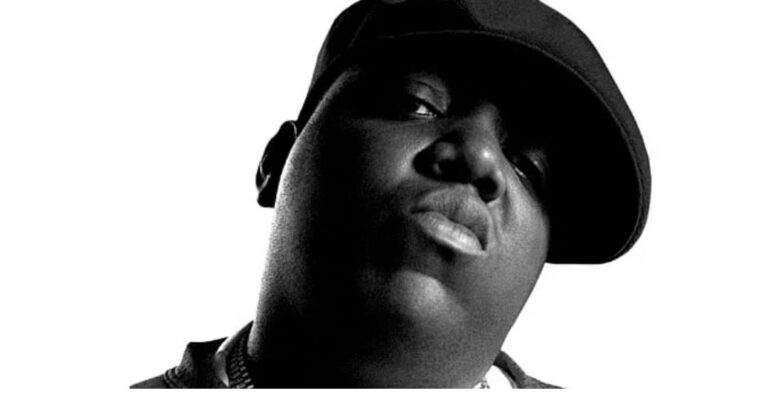
The Street Ninja: Black America’s Frankenstein: A Cultural Metaphor for Our Times

In Mary Shelley’s classic novel, a creature is assembled from disparate parts, given life through unnatural means, and ultimately turns destructive to society and its creator. Today, we see a similar phenomenon in the “street ninja” archetype: a constructed image of Black urban masculinity that has become a modern cultural Frankenstein’s monster.

Let me be clear about our word choice in this analysis. Throughout these chapters, I use the term “street ninja” as a conscious substitute for a more inflammatory racial slur that has been weaponized, commodified, and twisted by white supremacy to degrade Black men. The original term – which I choose not to perpetuate – has been both a tool of oppression and, paradoxically, a marketed badge of “authenticity” in the very culture we’re critiquing.

The substitution of “ninja” isn’t meant to lighten the gravity of our discussion or sanitize the reality of what we’re addressing. Instead, it allows us to examine this cultural phenomenon without giving further power to a word that has been used to dehumanize generations of Black men while simultaneously being sold back to our community as something to embrace.

This linguistic choice also helps highlight the artificial nature of the stereotype we’re discussing. Just as a ninja is a constructed image – a character type that has been dramatized and commercialized in popular culture – so too is the “street” archetype we’re analyzing. Both are performances, costumes that can be put on and taken off, rather than authentic expressions of identity.

Credit must first be given to Dr. Wesley Muhammad, whose profound insight about ‘the street ninja being ‘Black America’s Frankenstein’ crystallized a truth I’ve witnessed over thirty-three years of working with Black men in the American justice system. His metaphor captured perfectly what I’ve observed across three generations: a manufactured identity that has consumed its creators and devoured its children. We must support and amplify these authentic Black voices, as they hold the key to dismantling this destructive stereotype.

For thirty-three years, I’ve sat across from young men who spoke of their dreams through the language of this manufactured culture. I’ve watched as each generation inherited an increasingly distorted version of Black masculinity, each more disconnected from authentic cultural roots than the last. Grandfathers, fathers, and sons – three generations cycling through the same system, each trying to live up to an image created not by their ancestors but by white-owned media conglomerates profiting from their destruction.

Like many who’ve spent decades in this work, I’ve watched the tragic transformation of young Black men trying desperately to embody an identity that was never authentically theirs. This “street ninja” persona – this cultural Frankenstein – wasn’t born in our communities. Still, in corporate boardrooms, record label offices, and media headquarters, they are overwhelmingly controlled by white executives who’ve never set foot in the neighborhoods they claim to represent.

Like its Gothic predecessor, this creation emerged from a laboratory of sorts – not one of the electrical experiments and stolen body parts but of systemic racism, media manipulation, and economic exploitation. The ‘street ninja’ stereotype, with its exaggerated performance of toughness, criminality, urban swagger, drug dealing, pimping, and glorified street life, represents a patchwork identity stitched together from fragments of broken cultural connections and imposed narratives. To truly dismantle this destructive stereotype, we must address the root causes of systemic racism and economic exploitation.

Perhaps the most insidious aspect of this cultural manipulation has been the role of white-owned media conglomerates and record labels. These corporate entities have systematically promoted and profited from the “street ninja” image, packaging urban violence and Black cultural dysfunction as entertainment for mass consumption. Major record labels, predominantly controlled by white executives, have poured millions into promoting artists who perpetuate these destructive stereotypes while often shelving or marginalizing those who present alternative positive narratives of Black life.

The cynical calculus is clear: trauma sells. These companies have turned the pain of broken communities into platinum records, monetizing the very stereotypes that continue to devastate Black families, all in the name of “keeping it real.” They’ve created a profitable feedback loop where young artists feel pressured to embrace and amplify these harmful narratives to secure record deals and media attention.

The parallels with Frankenstein are striking and sobering. Just as Dr. Frankenstein’s creature was denied its humanity and forced to exist on society’s margins, generations of young Black men have been pushed to the periphery through redlining, mass incarceration, and educational inequality. The monster that emerged – this hypermasculine, often violent stereotype – is not a natural expression of Black manhood but rather a response to systematic dehumanization.

What’s particularly troubling is how this glorification continues even as its devastating effects become increasingly apparent. Generations of Black families have been torn apart, communities have been destabilized, and these destructive narratives have shaped young minds. Yet the machine keeps running:

  • Record labels continue to push the same harmful images.
  • Media companies continue to sensationalize Black violence.
  • Predominantly white audiences continue to consume this content from a safe distance.

The most tragic parallel lies in how this construct, like Frankenstein’s monster, ultimately turns destructive to its community. Young Black men may feel pressured to embody this stereotype, perpetuating cycles of violence and disconnection. The image becomes a self-fulfilling prophecy, offering limited scripts for Black male identity and behavior.

But unlike Shelley’s monster, this creation isn’t fiction. Real lives are at stake. Real communities bear the generational trauma of this cultural manipulation. The “street ninja” stereotype has become a tool for justifying police brutality, perpetuating educational inequality, and maintaining systemic barriers to economic advancement.

The political exploitation of the “street ninja” reached perhaps its most naked expression in the 1990s when Hillary Clinton infamously branded young Black men as “superpredators” who needed to be “brought to heel.” This wasn’t just a rhetorical flourish – it was calculated political theater that helped justify the 1994 Crime Bill, flooding our communities with more police while filling prisons with the very “monsters” that white supremacy had created. The bitter irony is that the same political establishment that helped record labels and media conglomerates profit from glorifying “street” culture then turned around and criminalized the young men who embodied it.

Clinton’s “superpredator” speech perfectly encapsulates the cynical political playbook: demonize the symptoms while ignoring the disease. Politicians wrung their hands about “gang culture” and “urban violence” while actively supporting policies that devastated Black communities – from underfunding schools to allowing predatory lending, from encouraging mass incarceration to ignoring systemic discrimination in employment. They passed “tough on crime” laws while disregarding the white-owned media empires getting rich off selling “thug life” to suburban teenagers.

The “street ninja” serves these politicians perfectly – a convenient threat when they need to scare suburban voters and a convenient victim when they need to show concern for urban issues. Yet their solutions consistently focus on containing the monster rather than examining who created it and why. They’ll fund police departments but not community centers, build prisons but not schools, and pass sentencing laws but not economic development initiatives. The political establishment needs the “street ninja” to remain fearsome, needs the cycle of violence to continue, and needs the broken families and lost youth – because without these crises, what would they campaign on?

Meanwhile, the same power structures that profit from creating and promoting “street” culture through media and music – overwhelmingly white-owned and controlled – fund these politicians’ campaigns. It’s a perfect circle of exploitation: create the monster, profit from the beast, criminalize it, profit from the criminalization, and repeat. From the record executive’s office to the campaign trail to the prison cell, the cycle continues unbroken, claiming generation after generation of Black men while enriching those who built the system.

The most devastating part? This political theater works precisely because it never addresses root causes. Real solutions would require acknowledging the deliberate role of white supremacy in creating and maintaining these conditions. It would mean confronting how political policies, media manipulation, and economic exploitation work together to keep Black communities trapped in cycles of trauma. Instead, politicians – both Democrat and Republican – find it more convenient to manage the crisis they helped create, ensuring they’ll always have their reliable boogeyman for the next campaign season.

Even our spiritual guardians fell victim to this calculated deception. Black preachers and clergy members, who should have been at the forefront of addressing the root causes, instead became unwitting accomplices in the system’s perpetuation. From their pulpits, they called for more policing, more onerous laws, and stricter enforcement – treating the symptoms while ignoring the disease. These religious leaders, despite their good intentions, failed to recognize how they were being manipulated to support the very system destroying their congregations. Their churches sit in communities that now resemble war zones – blocks of abandoned buildings, closed businesses, and corners claimed by the very “street ninjas” their prayers and policies failed to prevent.

The path forward requires acknowledging this cultural Frankenstein for what it is: not a natural expression of Black identity or Black manhood but a construct born from centuries of systematic oppression and corporate exploitation. It requires supporting authentic Black voices and stories that challenge this stereotype. Most importantly, it demands addressing the systemic conditions that continue to give this monster life, including the media and music industry structures that profit from perpetuating these harmful narratives.

The “street ninja” may be Black America’s Frankenstein, but unlike Shelley’s tale, we can write a different ending. Through conscious resistance, community rebuilding, and systemic change, we can dismantle this destructive construct and create space for more authentic, diverse expressions of Black male identity.

After all, the monster was never the real villain in Frankenstein—society created the conditions for its existence. The same holds today in our communities. The young men who embody the “street ninja” stereotype are not our enemy; they are the products of a carefully engineered system of cultural and economic warfare. To demonize them is to fall into the very trap white supremacy set for us—blaming the creation while ignoring the creator.

But this work matters only if we simultaneously expose and dismantle the systems that profit from manufacturing broken men. We must find a way to mentor our way out of a problem funded with billions of corporate dollars. We cannot pray away a cultural virus injected into our communities through every media platform. We cannot heal wounds that are being deliberately reopened for profit.

The survival of the Black male isn’t just about saving individuals—it’s about preserving the future of our entire community. When we lose a young man to this manufactured identity, we don’t just lose him; we lose future fathers, husbands, leaders, and builders. We lose the stability that comes from healthy families, the progress that comes from generational wealth building, and the strength that comes from unified communities.

Our very survival as a people depends on our ability to recognize, resist, and dismantle this cultural warfare. The Black family, the foundation of our community’s strength and resilience, cannot withstand another generation of engineered destruction. The time has come to name this poison for what it is and to finally confront those who profit from dispensing it.