






The Cost of Neglect: NYC Sends Strong Message to Slumlords With Historic Court Judgment
New York City officials announced on Wednesday, May 6th, a record-breaking $31 million penalty against the owners of two troubled Bronx apartment complexes accused of years of severe housing neglect, marking the largest civil judgment in the history of the city’s Department of Housing Preservation and Development (HPD).
“For years, tenants at Robert Fulton Terrace and Fordham Towers have been forced to live with vermin infestations, chronic elevator outages, and a lack of heat and hot water—while their landlords met their suffering with silence,” Mayor Zohran Mamdani said at a press conference announcing the news (see video below). “Today, that neglect is finally met with consequences.”
These penalties, which include at least $900,000 taken straight from the landlords’ accounts to pay for the buildings’ urgent repairs, amount to the highest civil penalty in the history of the New York City Department of Housing Preservation and Development (HPD).
According to city officials, the buildings accumulated thousands of complaints and more than 1,700 housing code violations over the past two years alone. The landlords were previously placed on Public Advocate Jumaane Williams’ “Worst Landlords List.”
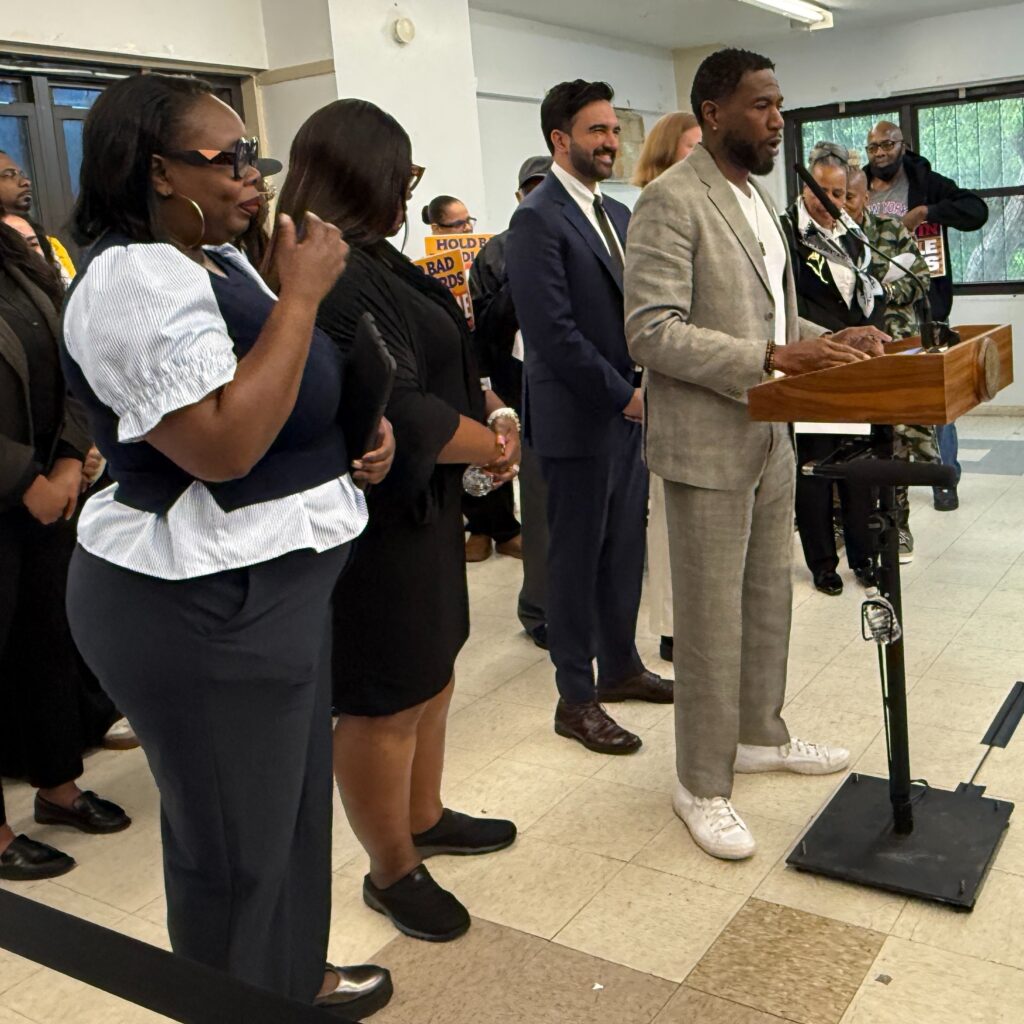
“We are sending a clear message to negligent landlords across this city: if you force tenants to live in dangerous and inhumane conditions, there will be consequences. Every New Yorker deserves safe, dignified housing — not broken elevators, mold, rats, and years of ignored complaints. These tenants fought to be heard, and today their voices were finally recognized,” said Jumaane D. Williams
Mayor Zohran Mamdani called the conditions “inhumane” during a press conference announcing the judgment.
“No landlord is above the law,” Mamdani said, pledging that the city would not only punish negligent ownership but also force meaningful repairs and oversight.
As part of the ruling:
- More than $900,000 from the landlords’ bank accounts has reportedly been frozen to fund emergency repairs.
- A Chief Restructuring Officer has been appointed to oversee building rehabilitation.
- The judgment will become liens against the properties, giving the city leverage over any future sale or transfer.
- City officials are pushing for a “preservation buyer” to take over the complexes and maintain affordability.
Tenants who have spent years organizing and demanding action welcomed the announcement cautiously, though many said accountability must also include compensation for residents forced to pay out-of-pocket for heaters, appliances, and repairs while living in unsafe conditions.
Housing advocates say the case could become a major turning point in New York City’s efforts to crack down on predatory landlords and deteriorating housing conditions, especially in working-class Black and Latino communities that have long complained about unequal enforcement and delayed responses to tenant suffering.
Though the lawsuit was originally filed in 2024—before Mamdani took office—it is an early and visible victory for the mayor who ran on a platform of tenant advocacy and landlord accountability.
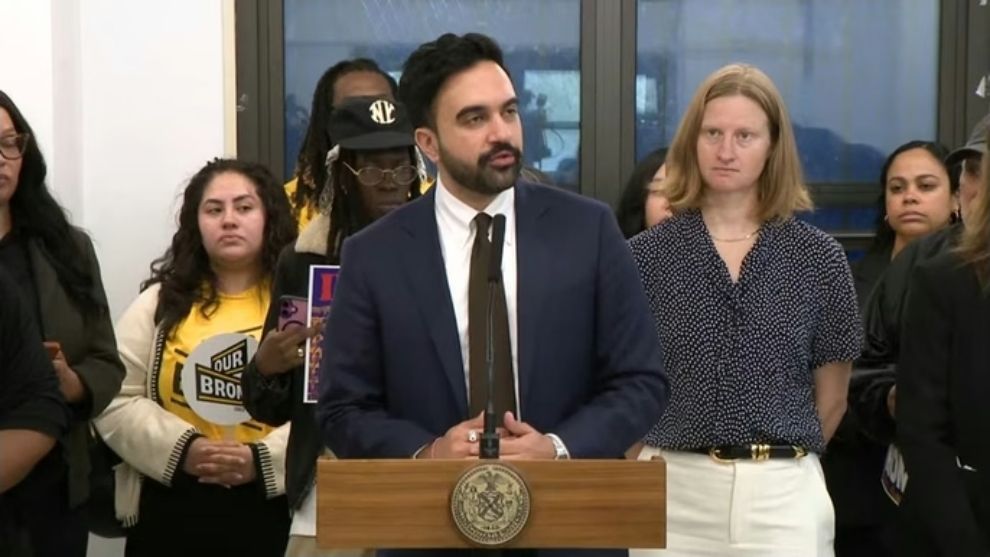
“No landlord is above the law. But penalties alone are not enough,” Mamdani added. “We are taking control of the situation to make sure repairs are made and conditions are permanently improved. Every New Yorker deserves safe, dignified housing.”
The mayor’s announcement was warmly received by tenants of the Robert Fulton building present at the press conference.
At Banks’ building alone, tenants have filed more than 2,300 housing complaints over the past two years, resulting in over 1,100 violations, according to HPD data. Fordham Towers has logged an additional 1,800 complaints, racking up more than 500 violations in the same period.
The 2024 lawsuit described residents going without hot water for days on end, forcing them to boil water just to bathe. The suit also described rat infestations, and elevator outages that effectively trapped residents who were unable to scale the hundreds of stairs to ascend the building’s 17 floors.
The mayor credited the buildings’ tenant organizations for their years of work to advocate for their neighbors and bring about change to the disturbing pattern of neglect.
Cea Weaver, director of the mayor’s Office to Protect Tenants, framed the ruling as a victory for tenants and tenant organizations throughout the city.
“In the Mamdani administration, the mayor of New York City is on tenants’ side,” she said. “This judgement is not just a step forward for the tenants of these buildings—it is a sign of a new era of leadership, where the City works hand in hand with organized tenants to deliver a fairer city for all New Yorkers.”
For far too many New Yorkers, especially Black and Brown families living in working-class neighborhoods, housing neglect has become normalized — leaking ceilings patched with buckets, broken elevators treated as routine, and children growing up in apartments plagued by mold, rodents, and unsafe living conditions. This historic $31 million judgment sends a message that the city can no longer look the other way while landlords profit off human suffering.
But the real victory will not be measured by headlines or courtroom numbers. It will be measured by whether tenants finally receive the safe, dignified housing they have been demanding for years. Accountability must mean repaired buildings, protected residents, and a housing system where people are valued more than profits. For the families who endured these conditions, justice is not just about punishment — it is about finally being seen, heard, and treated like their lives matter.