






In 2026, we celebrate progress — but we must also confront omission. This Women’s History Month, as institutions post polished tributes and curated timelines, one truth remains: Black LBTQ+ women have always been here, and their contributions, most of the time, are minimized, overlooked, or ignored.
LBTQ+ refers specifically to Lesbian, Bisexual, Transgender, and Queer Women. It does not include the “G” for gay men, because this conversation centers on women — particularly Black women — whose stories have been sidelined even within broader LGBTQ+ narratives. Their lives exist at the intersection of race, gender, and sexuality. That intersection has historically made them both indispensable and invisible. Especially in Westchester County, New York.
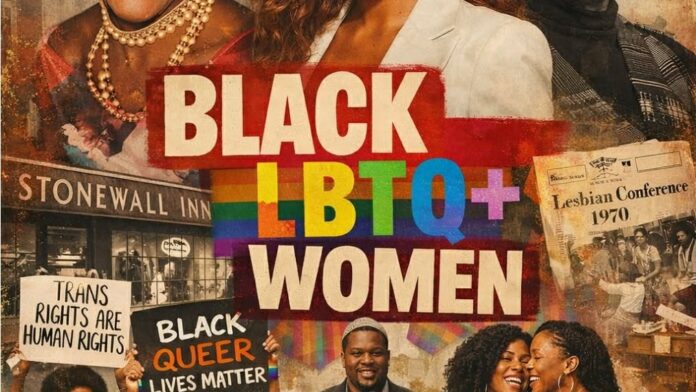
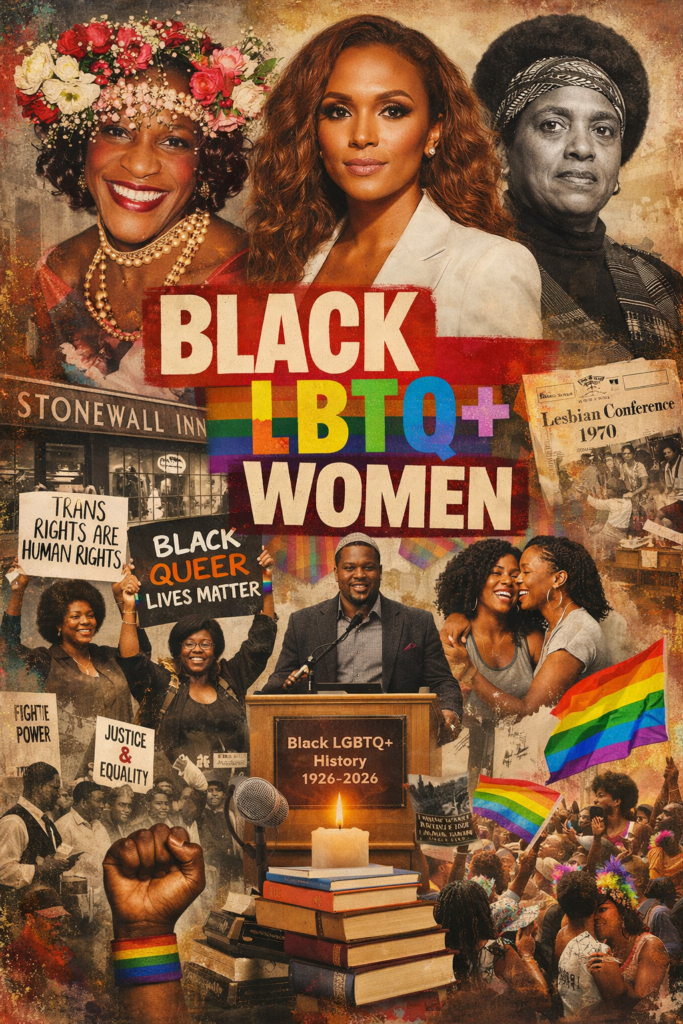
Consider Marsha P. Johnson, a Black transgender woman whose presence at the 1969 Stonewall uprising in Manhattan helped ignite the modern LGBTQ+ rights movement. Many say she threw the first brick that started the event to begin with. Or Janet Mock, a writer and advocate who reshaped national conversations about trans womanhood, media representation, and self-definition. Or Audre Lorde, the self-described “Black, lesbian, mother, warrior, poet,” whose essays and poetry challenged America to confront racism, sexism, and homophobia simultaneously.
These women are not side notes in history. They are architects of it.
Black LBTQ+ women have organized protests, written manifestos, taught classrooms, led churches, raised families, shaped culture, and transformed language. They have been involved in every facet of American life — from civil rights to literature to journalism to grassroots activism. And yet, for decades, many people tried not to talk about them. Their stories were deemed “too complicated,” “too controversial,” or simply erased.
Last week, at the Grinton I. Will Library in Yonkers, I presented on Black LGBTQ+ history from 1926 to 2026. I spoke about how times have sort of changed — how representation has expanded and how visibility has grown. But I also acknowledge reality: even today, times have not changed as much as we would like to believe. Violence persists. Black trans women are still being murdered.
This Women’s History Month, remembering Black LBTQ+ women is not an act of charity. It is an act of historical accuracy.