



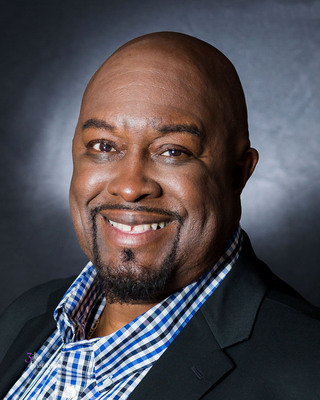
A conversation with Derek H. Suite, MD, MS, a leading African American sports psychiatrist who works with elite athletes and leaders across the Big Three leagues. By Percy Takyi, DO, MBA
From the hardwood to the gridiron to the ice, the demands of pro sports are intense—but the psychological terrain can differ vastly. Last month was Mental Health Awareness Month, but the conversation must
continue all year long. So Behind the White Coat Podcast sat with Dr. Derek Suite, a distinguished, board-certified sports psychiatrist and professor at Columbia University, who has quietly worked behind the scenes in all three major leagues: the NBA, NFL, and NHL. As founder of Full Circle Confidential and a consulting sports psychiatrist who has worked with organizations with iconic franchises across all three leagues, Dr. Suite brings over two decades of uniquely qualified expertise and experience to our conversation. We asked him to unpack the common threads—and the crucial differences—when it comes to treating elite athletes at the top of their game.
Q: What are the most common mental health concerns you see across professional athletes, regardless of sport?
“Athletes across all sports face some universal challenges,” Dr. Suite explains. “Performance anxiety is probably the most common issue I encounter, regardless of the league. The pressure to perform at an elite level night after night, with millions watching and criticizing, creates immense psychological strain.” Sleep disruption is another widespread concern. “Professional athletes travel constantly, crossing time zones and playing night games that throw off their circadian rhythms,” he notes. “This affects not just performance but overall mental health—your brain simply can’t regulate emotions properly without adequate rest.” Dr. Suite also highlights identity challenges, particularly after injuries or when players are benched. “When your entire self-concept is built around athletic performance, what happens when that’s suddenly taken away? This identity crisis can trigger depression and anxiety, whether you’re a point guard, linebacker, or goaltender.” Transition stress—whether as a rookie entering the league, being traded to a new team, or facing retirement—creates another vulnerable period for athletes. “These transitions demand psychological adaptation that many players aren’t prepared for,” he says. Though awareness has grown, Dr. Suite emphasizes that stigma remains a significant barrier to care, especially for men of color. “There’s still this perceived weakness in seeking help. This is slowly changing, but the stigma is real and prevents many athletes from getting support when they need it most.”
Q: How do players in the NBA, NFL, and NHL differ in how they present or talk about mental health issues?
“The culture of each league significantly influences how players express—or don’t express—their mental health challenges,” Dr. Suite observes. “The NBA has made tremendous strides in normalizing these conversations, with players like DeMar DeRozan and Kevin Love speaking openly about depression and anxiety. NBA players tend to be more verbally expressive about their emotional experiences.” In contrast, the NFL’s culture presents different challenges. “The NFL still operates within a ‘warrior’ mentality where toughness and stoicism are prized above all,” Dr. Suite notes. “Players often underreport symptoms out of fear it will affect their playing time or contract status. Mental health concerns typically emerge through somatic complaints—sleep problems, irritability, or unexplained fatigue—rather than direct acknowledgment of emotional struggles.” The NHL presents its own unique dynamic. “Hockey players bring a deeply ingrained stoicism to the table,” Dr. Suite explains. “There’s this culture of playing through pain without complaint that extends to psychological suffering as well. Cultural and geographic factors—many players come from Canadian or Eastern European backgrounds where emotional reserve is valued—add additional layers of reticence.” Dr. Suite emphasizes that these patterns aren’t absolute. “Individual personalities always transcend league cultures. I’ve met NFL players who are incredibly emotionally articulate and NBA players who struggle to name a single feeling.”
Q: Do the personality profiles or cognitive tendencies differ between these athletes? “While I’m cautious about overgeneralizing, there are some patterns worth noting,”
Dr. Suite says. “NBA players often demonstrate more analytical thinking patterns and tend to respond well to cognitive-behavioral approaches. They’re typically more image-conscious and socially engaged, which can be both a strength and a vulnerability in their mental health journey.” NFL players, by comparison, “tend to compartmentalize more effectively, which helps them manage the physical toll of the sport but can make psychological integration more challenging. They often respond better to structured mental conditioning techniques like visualization and focus drills rather than traditional talk therapy.” NHL players bring their distinct profiles. “Hockey players typically show remarkable pain tolerance and delayed self-advocacy—they’ll play through anything. In therapy, trust-building is essential. They respond best to relational approaches where the therapeutic alliance is strong.” Dr. Suite notes that these patterns align with research on psychological adaptations to different sporting environments but stresses that individual differences always take precedence.
Q: What does “buy-in” look like in each league when introducing mental health tools or therapy?
“Each league requires a different approach to get players engaged with mental health resources,” Dr. Suite observes. “In the NBA, there’s high interest in performance-based psychology and mindfulness—especially among younger players. Framing mental skills as performance enhancement tools works well, and players are often early adopters of techniques like meditation and visualization.” For NFL teams, Dr. Suite notes a different pathway to engagement. “Buy-in often comes through coach endorsement. If the head coach or a respected position coach validates mental skills training, players follow. The language matters tremendously—’mental conditioning’ resonates better than ‘therapy’ in this environment.” With NHL players, Dr. Suite emphasizes the importance of relationships. “Trust and confidentiality are everything with hockey players. Building rapport takes time, but once established, there’s strong loyalty to the process. I find that NHL players appreciate straightforward, pragmatic approaches without excessive psychological jargon.”
Across all leagues, Dr. Suite has found that integrated care models work best. “When mental health services are normalized as part of overall performance training—alongside strength conditioning, nutrition, and physical therapy—the stigma diminishes significantly.”
Q: How do injury, role changes, or contract issues affect mental health differently in each sport?
“The structure of leagues and contracts creates different psychological pressure points,” Dr. Suite explains. “In the NFL, where most contracts aren’t fully guaranteed, injury brings an immediate existential threat. Players face not just physical recovery but intense financial anxiety—one injury can end a career and financial security.”
NBA players, by comparison, “often struggle more with the loss of identity when moved to the bench or traded. The 82-game schedule also creates a unique mental fatigue that accumulates over the season. Teams are getting better at monitoring this, but the grind is real.” For NHL players, Dr. Suite highlights the particular impact of concussions and chronic pain. “Hockey players face significant neurological injury risk, which directly affects mood and cognition. The isolation that comes with road trips—particularly in smaller market cities during harsh winter months—can trigger depressive episodes that require special attention.”
Advice for Mental Health Professionals
Q: What advice would you give mental health professionals working with pro athletes?
“First, know the culture of the sport intimately,” Dr. Suite advises. “Watch games, understand the language, learn the unwritten rules. Your credibility depends on it.”
He emphasizes the importance of flexibility. “Be ready to have a session in a weight room, during a car ride, or via text at midnight before a big game. Traditional office-based therapy often doesn’t work in this population.” Trust, Dr. Suite stresses, trumps technique. “Athletes have been coached their entire lives and can spot inauthentic approaches immediately. Prioritize building genuine rapport over implementing the latest therapeutic methodology.” He also suggests reframing mental health as a performance edge. “Help them understand that mental skills training isn’t about fixing what’s broken—it’s about optimizing what’s already working.” Perhaps most importantly, Dr. Suite reminds his colleagues: “Never forget that behind the brand, behind the jersey, is a human being with the same fundamental needs for connection, meaning, and emotional safety as anyone else. The stakes and spotlights may be different, but the core needs remain the same.”
Looking Forward
“We’re getting better,” Dr. Suite concludes. “More players are asking the right questions. More teams are making space for this work. The next frontier isn’t just mental health—it’s mental wealth. Helping athletes build minds as strong as their bodies, with skills that serve them not just during their playing careers but throughout their lives.” As professional sports continue to evolve in their approach to mental health, Dr. Suite’s cross-league perspective offers a valuable lens for understanding both the universal challenges athletes face and the unique psychological terrain of each sporting culture.
Interview originally appeared in the June 2025 Pre-Primary Issue of Black Westchester Newspaper
About The Author: Percy Takyi, DO, MBA, is a physician with a passion for psychiatry, wellness, and medical education. He is the host of the podcast “Behind the White Coat: Failure and Percyverance,” where he explores the journeys and insights of healthcare professionals. Dr. Takyi is dedicated to promoting mental health, resilience, and holistic care in medicine.
For more information about Derek H. Suite, MD, MS, visit his website