Home Blog Page 83

Protecting Your Spiritual Energy from Spiritual Vampires

Have you ever walked away from a conversation feeling emotionally drained, anxious, or inexplicably exhausted? If so, you may have encountered a spiritual vampire—someone who unknowingly saps your emotional and spiritual energy. These individuals can show up in many forms: a friend who constantly leans on you for support without ever reciprocating, a coworker who always brings negativity into every space, or a family member who thrives on guilt and emotional manipulation.

Spiritual vampires often aren’t malicious. Their behavior may stem from unresolved trauma, mental health challenges, or deep-rooted attachment styles. But the impact they leave is unmistakable, especially for empaths and highly sensitive individuals who naturally absorb the energy of those around them.

Recognizing the presence of a spiritual vampire requires tuning into how you feel during and after interactions with certain people. You might notice a pattern: every conversation revolves around their problems, and yours are either dismissed or overshadowed. You may find yourself drawn into their constant drama, always being asked to mediate, advise, or console—even when the situation has nothing to do with you. In group settings, these individuals often dominate discussions, shifting attention toward themselves and away from meaningful, mutual exchanges.

Their behavior typically includes manipulative tendencies. They may guilt you into spending time with them, take advantage of your compassion, or expect emotional labor from you without boundaries. Many also exhibit bullying characteristics, making others feel small to ease their own insecurities. Their negativity is infectious; they tend to criticize, complain, and focus on what’s wrong in every situation, pulling your energy down with theirs. And while we all occasionally need support, spiritual vampires are chronically needy. Their sense of self-worth is tied to constant validation from others, creating emotionally imbalanced and codependent dynamics.

But what happens if, after reading this, you start to recognize some of these tendencies in yourself? The truth is, many of us have had spiritually draining moments. Acknowledging this is not a cause for shame but an opportunity for growth. The path forward begins with reconnecting to your spiritual center. Spend more time in prayer or meditation. Reaffirm your relationship with God, the universe, or your higher self. Doing so helps anchor your emotions and refocus your energy inward rather than seeking external validation.

Be mindful of how you speak—words carry energy. Make an intentional effort to shift from negative speech patterns to positive, life-affirming dialogue. Managing stress through consistent self-care is equally important. Whether it’s journaling, practicing daily affirmations, or seeking therapy, investing in your emotional health empowers you to show up in relationships from a place of fullness rather than neediness.

Developing self-awareness is also key. Take time to understand your emotional habits and how they affect those around you. Mindfulness practices, self-reflective reading, or simply being honest with yourself can lead to powerful insights. And in your relationships, try to focus less on being heard and more on truly listening. One of the most powerful lessons a mentor once shared is that we have two ears and one mouth for a reason—listening twice as much as we speak allows us to show up with empathy, presence, and humility.

In the end, protecting your spiritual energy is not about isolating yourself from others, but about drawing healthy boundaries that preserve your peace. It’s also about taking accountability when you’ve been the one draining someone else. You have the right to protect your energy just as much as you have the power to transform the energy you bring into the world.

Your spiritual well-being is sacred. When you honor it, you not only restore balance within yourself—you also create space for authentic, healthy, and fulfilling relationships that uplift everyone involved.

This article is adapted from my book, The Health Mindset: 6 Pillars of Health and Wellness – Transcendence and Transformation: Nurturing Your Spiritual Growth and Well-being for Success, available now on Amazon.

Men, It’s Time to Break Up with Processed Foods—Your Health Depends on It

We live in a culture of convenience—microwavable meals, fast food on every corner, and snacks loaded with additives engineered to hijack our taste buds. But behind the flavor and ease lies a deeper cost, one that particularly affects men: our health, our vitality, and even our masculinity.

The processed food industry isn’t just expanding waistlines—it’s eroding male strength, fertility, and mental resilience. And for Black men, the impact is disproportionately devastating.

Processed foods are not nourishment—they are engineered products. Stripped of natural nutrients and saturated with added sugars, trans fats, and artificial chemicals, they are linked to a wide range of health issues: heart disease, diabetes, depression, and yes, sexual dysfunction. But emerging science is revealing something even more alarming. A 2013 Harvard study found that men who consumed the highest amounts of processed meats had significantly lower sperm counts and more abnormalities in sperm shape and movement. What you eat could be silently sabotaging your ability to have children.

The epidemic of erectile dysfunction (ED) among younger men is no coincidence. Diets high in processed food, sugar, and saturated fat lead to obesity, cardiovascular disease, and diabetes—all of which are proven contributors to ED. When blood flow suffers, sexual performance suffers. Add hormonal imbalance and stress to the equation, and we’re watching masculinity unravel in real time.

At the heart of this unraveling is testosterone. Today’s young men have significantly lower testosterone levels than previous generations did at the same age. One major culprit? Our modern diet—highly processed, nutrient-deficient, and laced with endocrine-disrupting chemicals. And while this decline is affecting all men, studies show Black males are experiencing a sharper and earlier drop.

This isn’t just biological. Black communities are more likely to be exposed to environmental toxins, thanks to policies that have allowed polluting industries to cluster near low-income neighborhoods. They are more likely to live in food deserts, where fast food is abundant and fresh produce is scarce. They face higher rates of chronic stress from systemic racism, economic instability, and targeted policing. These conditions drive up cortisol—a hormone that suppresses testosterone. Layer in poor access to healthcare, cultural disconnection from traditional male development, and a lack of structured rites of passage, and you have a hormonal time bomb.

This is more than a public health issue. It’s a generational threat. Poor sperm quality doesn’t just lower fertility—it may affect the long-term health of our children, increasing risks for birth defects and neurodevelopmental disorders like ADHD and autism. What we consume today echoes into tomorrow, affecting not just our bodies, but our bloodlines.

This is not about vanity. It’s about sovereignty. We must break the cycle. That begins with rejecting the processed food economy that profits off our decline. We must prioritize whole, nutrient-rich foods that nourish rather than numb. This means cooking at home, reading labels, choosing water over soda, and recognizing that real strength starts on the plate.

Black men are not broken—but we are being broken down. And unless we shift our culture around food and masculinity, we will continue to lose our energy, our vitality, and our future. Our health is not a luxury. It’s the foundation of our freedom.

It’s time to reclaim it.


References

Generational testosterone decline and racial disparities:
Travison, T.G., et al. (2007). Journal of Clinical Endocrinology & Metabolism.
https://academic.oup.com/jcem/article/92/1/196/2598434

Processed meat linked to low sperm quality:
Chavarro, J.E., et al. (2013). Harvard School of Public Health.
https://www.hsph.harvard.edu/news/press-releases/processed-meat-sperm-quality

Testosterone levels show steady decrease among young U.S. men:
Pastuszak, A.W., et al. (2020). American Urological Association.
https://www.urologytimes.com/view/testosterone-levels-show-steady-decrease-among-young-us-men

Endocrine-disrupting chemicals and male reproductive health:
Gore, A.C., et al. (2015). Endocrine Reviews, Volume 36, Issue 6.
https://academic.oup.com/edrv/article/36/6/E1/2354691

Environmental racism and toxic exposure in Black communities:
Bullard, R.D. (1993). Dumping in Dixie: Race, Class, and Environmental Quality.

Processed foods linked to hypertension risk in Black adults:
American Heart Association News (2023).
https://newsroom.heart.org/news/black-adults-in-u-s-who-consume-ultra-processed-foods-at-greater-risk-for-hypertension

Red meat and prostate cancer in African American men:
Joshi, A.D., et al. (2012). Prostate Cancer Risk and Meat Consumption.
https://www.ncbi.nlm.nih.gov/pmc/articles/PMC3403708


This article is adapted from my book, The Health Mindset: 6 Pillars of Health and Wellness – Transcendence and Transformation: Nurturing Your Spiritual Growth and Well-being for Success, available now on Amazon.

The Forgotten Blueprint: Why Solomon’s Wealth Wisdom Must Be Reclaimed in Black Culture

“Why do we shout over Solomon’s wisdom but stay silent on his wealth?”

In pulpits across Black America, King Solomon is rightly revered. We honor him as the wisest man who ever lived—God’s chosen ruler, the author of Proverbs, and the builder of the Temple. His name is spoken with reverence. His writings are quoted with authority. Yet one of the most powerful aspects of his legacy—his economic brilliance—is rarely preached, studied, or applied.

Solomon wasn’t just a man of wisdom; he was a builder. A strategist. A steward of wealth and a leader who transformed Israel into a thriving, self-sustaining nation. He didn’t just pray—he planned. He didn’t just worship—he ruled. He created systems, secured trade alliances, built infrastructure, managed labor, and ushered in a period of prosperity the nation had never seen before.

So why is this part of his story missing in our faith culture?

The answer lies in a history that has shaped our theology around survival instead of sovereignty. Faith culture in Black communities was born under conditions of slavery, segregation, and systemic oppression. In that crucible, faith became our refuge. It was where we found dignity, identity, and hope. But as we fought for spiritual survival, we were often cut off from the tools of economic power. And over time, our culture—once rooted in faith, family, and community—was gradually replaced with something else.

Today, too often, what we call Black culture has been distorted into consumer culture. We glorify spending over saving, flexing over investing, and consuming over creating. We chase validation instead of valuation. We know the brands, but we don’t own the businesses. Nearly $1.8 trillion passes through our hands each year, yet much of it leaves our communities within hours. That’s not poverty. That’s misdirection. That’s a system—and a mindset—that doesn’t teach us how to build.

Let’s be clear: Black people are not poor. We are not helpless. We are not lacking talent, creativity, or intelligence. But many of us are financially broke—not because we don’t have money, but because we’ve been taught to spend it, not build with it. We’ve got $900 sneakers in the closet, $3,000 handbags on our arms, $500 weaves laid every two weeks, $400 jeans with the tags still on, a $70,000 Mercedes in the driveway—and $3,000 rent due in three days with nothing in savings. We wear our money. We drive our money. We post our money. But we don’t invest it, circulate it, or grow it. And it’s not just a financial problem—it’s a cultural misdirection, one that has separated us from the wealth-building principles that are not only practical, but profoundly biblical.

And our faith culture, which has long been the center of our lives, must now rise to meet this moment. Because the issue isn’t just injustice—it’s dependency. The real crisis we face is not just racism, but the lack of economic independence. We protest, we march, we boycott. These actions raise awareness, but awareness without infrastructure does not produce power. Attention is not ownership. And emotion is not strategy.

We are living in a new era of governance in Washington, D.C.—an era that is reshaping how institutions function, how resources are distributed, and how communities survive or thrive. The time we are in is demanding universal change—economically, spiritually, politically, and culturally. And if our theology doesn’t evolve with the times, we will continue to raise generations of people with deep faith but no power.

This is why we must reclaim the full legacy of Solomon.

Solomon was not only a man of prayer—he was a man of policy. He wasn’t just anointed; he was appointed to govern, to manage wealth, to create jobs, and to build. He designed systems. He invested in human capital. He secured long-term prosperity for his people. His leadership wasn’t just spiritual—it was structural.

It’s also worth examining how other cultures, like the Jewish community, have embraced a more holistic view of faith and finance. While we proclaim belief in the same scriptures and even revere Solomon as a spiritual icon, the Jewish cultural approach to his legacy looks very different. In Jewish tradition, money is not viewed as a threat to holiness—it’s seen as a tool for fulfilling God’s covenant. Economic life is interwoven with religious life. Business ethics, contracts, inheritance, community lending, and investing are all part of the faith conversation. Wealth is not something to apologize for; it’s something to manage wisely and distribute justly. They don’t just honor Solomon with words—they emulate his strategy. Meanwhile, in our faith culture, we believe in Solomon’s wisdom but detach it from how we think about money. We preach about his proverbs but don’t practice his principles. We spiritualize what they systematize. And until we shift that mindset, we’ll continue to live in the gap between inspiration and institution.

Yet in our faith culture today, Solomon’s blueprint is often overlooked. We focus on his wisdom but not his works. We preach the Proverbs but skip the principles of sovereignty that undergirded his reign. And that gap is costing us. Faith without works is dead, and faith without economics makes us educated slaves, still begging for jobs instead of creating them, still waiting for access instead of building our own doors.

This isn’t a message of blame—it’s a call to responsibility. A loving reminder that we are capable of more. The same God who gave Solomon the wisdom to build is offering us that same insight, if we’re willing to receive it. Our faith leaders and institutions must begin to teach not only righteousness but responsibility. Not only tithing but taxation. Not only worship but workforce development. Not only prayer but planning.

Our young people don’t just need inspiration—they need instruction. They don’t just need sermons—they need strategies. The Bible tells us clearly in Proverbs 22:6: “Train up a child in the way he should go, and when he is old, he will not depart from it.” But how can our children follow a path they’ve never been shown? How can they walk in wisdom when the blueprint has been hidden?

Solomon didn’t just leave us words to make us feel good—he left us systems to help us build. His life offers both revelation and responsibility. He gave us spiritual insight and economic strategy. If we want to raise a generation that doesn’t just survive but leads, owns, builds, and governs, then we must give them more than emotion—we must give them structure.

Solomon left us both. And it’s time we teach the whole blueprint.

OP-ED: Black Press and Black Church Unity Targeting TARGET by Benjamin F Chavis Jr.

For over 198 years, the Black Press and the Black Church have joined together for causes of freedom, justice, equality, equity, and empowerment. Today, more than ever before, there is renewed urgency for the Black Church and the Black Press to publicly amplify our mutual interests to protect and maintain the hard-fought gains and progress that have been accomplished by African Americans in the last two centuries.

On the record, “We are not going back in America and nowhere else in the world in 2025.” We have already suffered too much from the vicious unprecedented genocide, terrorism, and crimes against humanity during the Transatlantic Slave Trade, global imperialism, racism, colonialism, neocolonialism, reconstruction and Jim Crow, mass incarceration, and present day repressive policies and Executives Orders in an attempt to erase our history and legacy with libelous actions and falsehoods.

The prophetic voice of the Black Church continues to resonate with historic and contemporary inspiration and power. Together, we are resolutely demanding respect from Target and those companies that make billions of dollars from our consumerism.

We are not begging. We are demanding respect and an equitable business relationship with Target and corporate America. From executive decision makers to marketing and promotions account managers, to Human Resources directors, and to the shareholders of the companies, we demand economic restoration and respect.

We salute the bold leadership of The Reverend Jamal Harrison Bryant and the New Birth Missionary Baptist Church in Atlanta and other Black Church leaders across the nation who are standing up and preaching liberation theology.

TARGET will continue to be our target. We in the Black Press of America will continue our public education and selective buying campaign. No respect, no buying. No justice, no peace.

May God continue to bless the Black Church and the Black Press.

Rev. Dr. Benjamin F. Chavis, Jr. is President and CEO of the National Newspaper Publishers Association and BlackPressUSA

Black Westchester is a proud member of the National Newspaper Publishers Association (NNPA)

Big Soda Pushes Back: Governor Morrisey’s Health Reforms Face Corporate Resistance

West Virginia Governor Patrick Morrisey’s bold push to transform public health policy has sparked a fierce reaction — not just from within the political establishment, but from one of the most powerful lobbies in the country: the soda industry.

At a landmark event unveiling the “Four Pillars of a Healthy West Virginia,” Morrisey stood before students, legislators, and health officials — including U.S. Health and Human Services Secretary Robert F. Kennedy Jr. — and announced a sweeping health initiative aimed at cleaning up food systems, promoting exercise, expanding work requirements for food assistance, and reorienting SNAP benefits to favor nutritious food.

But behind the scenes, not everyone is applauding.

“These men and women, your leaders, are getting calls every day from the big soda companies,” Secretary Kennedy told the crowd. “They’re telling them they’re making a big mistake. They’re threatening to stop writing checks, to run candidates against them, to destroy their political careers.”

Soda Lobby Fights Back

The most controversial piece of the governor’s plan is a proposed federal waiver that would remove soda as an eligible item under SNAP, the Supplemental Nutrition Assistance Program. Morrisey framed the move as a commonsense step to align taxpayer-funded benefits with the program’s stated purpose: nutrition.

“SNAP stands for Supplemental Nutrition Assistance Program,” Morrisey said. “That ‘N’ is for nutrition — not nonsense.”

Kennedy, echoing the governor’s sentiment, criticized the soda industry’s efforts to redefine SNAP’s intent.

“Governor Morrisey told me the soda companies came in and said, ‘You need to be educated about this — food stamps aren’t a nutrition program.’ And he said, ‘Is there anything nutritious in this Diet Coke I’m holding?’ They admitted, ‘No, of course not.’”

A Familiar Playbook

Kennedy compared the soda industry’s tactics to those of Big Tobacco in the 1980s and ’90s, recounting how tobacco companies — facing public backlash — began buying up food companies and deploying scientists to engineer food products that were more addictive.

“They added softeners so people would chew less and overeat,” Kennedy explained. “They loaded products with sugar, which is as addictive as crack. And now, like Big Tobacco before them, they’re flooding into statehouses to block reform.”

The parallels were not lost on West Virginia lawmakers. Delegate Jason Barrett, a key architect of the food dye ban recently passed in the legislature, recounted the warnings he received:

“People told me, ‘Jason, Big Food and Big Drink are going to come after you.’ And my response was simple: ‘Big deal.’ The people of West Virginia are worth it.”

Legislators Under Pressure

Multiple state lawmakers, including Chairwoman Laura Chapman and Health Committee Chair Evan Worrell, confirmed they had been lobbied hard by soda and processed food companies. But they made clear they weren’t backing down.

“We recognize that a strong and prosperous West Virginia starts with the health of our families,” Worrell said. “And we are just getting started.”

Chapman added that 27% of West Virginians live in food deserts and emphasized the moral imperative of the reforms. “We’re here for the children,” she said. “They’re our future.”

A Movement Begins

Secretary Kennedy, in one of the most pointed moments of the day, issued a challenge to other governors across the nation:

“Get in line behind Governor Morrisey. Apply for a waiver to my agency, and we’ll give it to you. That’s how we make America healthy again.”

He warned that soda and food lobbyists are terrified — not of federal pressure, but of having to make “special products” for states like West Virginia and California that are beginning to outlaw harmful food additives.

The Stakes Are High

As Morrisey concluded the event, he reminded the audience that this is more than just policy — it’s about the future of the state.

“We’re not just climbing mountains in West Virginia. We’re moving them.”

With industry giants mobilizing against him, Governor Morrisey has made it clear: West Virginia is ready to lead the charge toward a healthier future — even if that means standing toe-to-toe with Big Soda.


Sidebar: What the SNAP Waiver Would Do

  • Remove soda and sugar-laden beverages from SNAP eligibility.
  • Encourage the use of benefits for fruits, vegetables, lean meats, and whole foods.
  • Introduce “Healthy Bundles” to simplify nutritious choices for families.

Public Response:

  • Polls show strong grassroots support across West Virginia, especially among parents and educators.
  • Activists from the “Maha Moms” movement have been key in raising awareness and lobbying lawmakers.
  • Industry groups are expected to mount legal and political challenges to delay or block implementation.

The battle lines are drawn. Now the question is: who will win — the people of West Virginia, or Big Soda?


For updates on the waiver process and legislation, visit governor.wv.gov.

“This article includes statements made during a public address by Governor Patrick Morrisey and Secretary Robert F. Kennedy Jr., used under fair use for news reporting and commentary.”

West Virginia is the First State to Commit to Holistic Healing: Governor Morrisey and RFK Jr. Announce Health and Wellness Initiative

In a bold and deeply personal commitment to statewide wellness, Governor Patrick Morrisey, alongside U.S. Health and Human Services Secretary Robert F. Kennedy Jr., unveiled the Four Pillars of a Healthy West Virginia — a transformative, whole-person health initiative set to reshape the state’s future. More than a policy platform, the pillars represent a healing path for West Virginians — not only physically and mentally, but economically.

From a Health Crisis to a Holistic Comeback

Addressing a packed auditorium at St. Joseph’s, Governor Morrisey openly acknowledged West Virginia’s dire health rankings: leading the nation in obesity, diabetes, heart disease, ADHD diagnoses, and low life expectancy. Yet his tone was one of resolve, not resignation.

“We can change this,” he said. “And I will walk this journey with you. I’m committing to follow the Four Pillars of Health — not just as policy, but in my own life.”

He pledged to lead by example, embracing healthier habits and a lifestyle rooted in purpose, movement, and clean eating.

The Four Pillars: A Wellness Framework for the Future

  1. Clean Up the Food
    West Virginia has become the first state to ban harmful synthetic dyes and additives in school meals — substances linked to learning disorders, hormone disruption, and cancer. “Our kids deserve better,” Morrisey said. “And now, they’re going to get it.”
  2. Find Purpose, Find Health
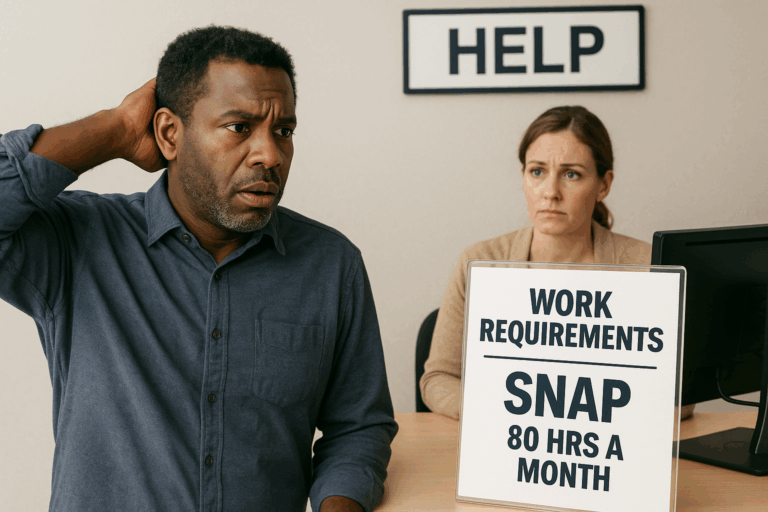
    With the nation’s lowest workforce participation rate, the state is expanding training and education requirements for SNAP recipients to promote purpose, work ethic, and long-term health. “Work is moral. It strengthens mind and body,” the governor emphasized.
  3. Move Your Body, Change Your Life
    Through the new Mountaineer Mile initiative, residents are challenged to walk at least one mile a day. “Exercise is medicine — for your body, your spirit, and your community,” Morrisey said, joking that RFK Jr. may now be his “personal trainer.”
  4. Reward Healthy Choices
    West Virginia will seek federal waivers to realign SNAP benefits to favor fresh produce, lean meats, and whole foods — while removing soda and ultra-processed foods from taxpayer subsidies. “Let’s make sure public funds support health, not harm,” Morrisey said.

RFK Jr.: Health Is the Foundation of Economic Strength

Secretary Robert F. Kennedy Jr. called the initiative “visionary,” praising the governor’s courage in standing up to powerful corporate lobbies. But he also made clear that the stakes go beyond health — they’re economic.

“We now spend $1.3 trillion a year on chronic disease,” Kennedy said. “That’s 90% of our health care budget. It’s the largest driver of national debt. And if we don’t reverse course, it will bankrupt us.”

He cited alarming trends: skyrocketing rates of obesity, infertility, diabetes, mental illness, and cancer — all linked to ultra-processed diets. “When my uncle was president, only 3% of Americans had chronic disease. Today, it’s 60%,” he noted.

Kennedy warned that without radical change, America will soon spend more on debt service — much of it tied to health care costs — than on national defense. “You can’t have a strong country with a sick population,” he said. “Fixing food is a patriotic act.”

A Unified Front: Policy, Community, and Purpose

Legislators across both chambers backed the initiative, inspired by grassroots advocacy from local groups like the “Maha Moms.” Chairwoman Laura Chapman pointed to the urgency of food deserts, especially for children. “We’re doing this for the next generation,” she said.

House Health Chair Evan Worrell, a father of seven with one on the way, shared how his wife’s leadership at home led him to champion reform in the legislature. “We’re not done. We’re just getting started,” he said.

A Moment of National Significance

The event culminated in the ceremonial signing of a letter of intent to request multiple SNAP waivers. Surrounded by schoolchildren and community leaders, Governor Morrisey issued a clear call to action:

“In West Virginia, we’re not just climbing mountains. We’re moving them. We’re embracing the Four Pillars — not just to feel better, but to live better, work better, and build a stronger future for our families, our economy, and our state.”

AJ Rok of JVC Force talks LI & 914 Hip Hop on Tha’ T-Money Podcast Joint Episode #58

I had the pleasure of being interviewed by my brother T-Money and his lovely co-host Staxx Cordero on the latest episode of Tha’ T-Money Podcast Joint. We talked about everything from our group JVC Force’s groundbreaking single, ‘Strong Island,’ WBAU & Long Island Hip-Hop, and my journey from rap artist to advocate, activist, journalist, and now author. We discussed my latest book, celebrating Hip-hop in the 914, ‘We Got Our Own Thang—A Look At Hip-Hop From The 914.’

You may remember T-Money from Yo MTV Raps with Doctor Dre & Ed Lover. My old school heads might remember him as a member of the group Original Concept who dropped that underground classic, “Knowledge Me.”

Check out and follow Tha’ T-Money Podcast Joint on YouTube & Instagram.

And as always, you can cop a copy or two of any of my books today on Amazon for $30.00, or you can order an autographed copy directly from me via Venmo @AJ-Woodson-2 or PayPal http://PayPal.me/BlackWestchestackWestchesterMag or CashApp $MrAJWoodson, add $5 for postage and make sure you email me your mailing address, MrAJWoodson@gmail.com.

Also, look out for the Hardcover Deluxe Version, which will have over 100 pictures coming soon!

Follow me on YouTube, Instagram, Twitter (X), and Facebook

Follow JVC FORCE on YouTube, Instagram, Twitter (X), and Facebook

Mt. Vernon’s Bates Hudson Named March Big Deal recipient by Big Brothers Big Sisters of Westchester & Putnam

 Big Brothers Big Sisters of Westchester & Putnam  (BBBSWP) has named Mount Vernon’s Ebonette Bates Hudson the March Big Deal honoree.  The Big Deal initiative was launched in January 2025 to recognize the invaluable contributions of their Bigs (mentors). This campaign highlights the inspiring stories of those who make BBBSWP thrive.  Ms. Bates Hudson, an attorney with the New York City Office of Administrative Trials and Hearings, mentored her Little, D.F., for seven years.

“I decided to become a Big sister because I had a strong desire to share what I’ve learned and experienced in order to make someone else’s path a little easier,” said Bates Hudson. “What this experience has taught me the most is humility. I do not have all the answers, but being supportive is what’s most important. Your Little’s interests and challenges will constantly change, but it is a rewarding ride.  The key to being a great mentor is flexibility and commitment.”

Match time includes attending D.F.’s softball games and gospel choir performances, Arthur Ashe Kids’ Day at the U.S. Open, swimming, and exploring New York City. Bates Hudson added, “New York City is so close yet so far away for so many of our Littles; exploring it is a wonderful way to expand a Little’s horizons.”

The Big Deal initiative highlights mentoring by featuring a Big from Westchester or Putnam County each month, sharing their experiences to inspire others to mentor. “We are so proud of our Bigs,” said Ann Ellsworth, CEO of BBBSWP. “They are the heart and soul of our organization, and we are deeply grateful for their commitment to their Littles and to BBBSWP.”

When asked about advice she gives to people considering becoming Big, Bates Hudson said, “Become a big! There will never be the perfect moment or enough money, or time. If you desire to make a difference, you will find ways to make it a fulfilling experience. You and your Little will expand each other’s definition of fun.”

The 2025 Economic Impact Report from Big Brothers Big Sisters highlights why mentorship matters:

Evidence-Based Impact:– Mentored youth are 10% more likely to attend college.- Alumni Littles are less reliant on social services and have stronger social connections.- Former Littles earn $56,000 more in lifetime earnings than non-mentored peers.Empowering Communities: Mentorship builds resilience, helping young people overcome adversity and fostering a more inclusive society.A Simple, Profound Solution: Connecting caring adults with youth creates transformative relationships that strengthen communities.

Big Brothers Big Sisters of Westchester & Putnam is committed to one-to-one mentoring, helping children reach their potential and build brighter futures. To learn more or apply, visit bigswestchester.org or call 914-937-3779. 

Why Health Care Gaps for Black Americans Are Worsening By Gaurav Gupta

0

The longstanding disparities in healthcare outcomes for Black Americans remain a pressing public health crisis. While some progress has been made, systemic barriers continue to widen gaps and create new challenges in access to care. For many Black communities, equitable and quality healthcare, a basic human right, remains difficult to attain.

In this article, we’ll explore the worsening crisis and analyze historical injustices, socioeconomic factors, and modern challenges driving widening health disparities.

The Rise in Barriers to Affordable and Quality Health Care

High insurance costs and provider shortages disproportionately impact Black Americans. Rural hospital closures, fewer community health centers, and restrictive public assistance worsen access issues. Additional challenges like transportation, childcare, and inflexible work schedules further prevent timely and effective medical care.

The Kaiser Family Foundation reports that the US has advanced toward universal health coverage since the Affordable Care Act. However, millions remain uninsured, with rates varying across racial and ethnic groups. In 2023, 9.7% of Black Americans were uninsured, compared to 6.5% of their white counterparts, which highlights persistent disparities. 

Racial Disparities in Preventive Care and Chronic Disease Management

Racial disparities in preventive care and chronic disease management remain a major concern. Black Americans have lower rates of screenings like mammograms and colonoscopies. It leads to delayed diagnoses and higher mortality from preventable diseases.

These inequities also affect chronic conditions such as diabetes and hypertension. Limited access to specialists, effective treatments, and culturally competent care worsens health outcomes. Additionally, the stress of systemic racism and discrimination further impacts both mental and physical well-being.

According to the American Heart Association, Black Americans experience some of the highest rates of high blood pressure worldwide. It often develops at a younger age and with greater severity. These communities also face disproportionate obesity rates, often due to limited access to healthy foods. Obesity increases risks for heart disease, stroke, diabetes, and cancer. 

Bias in Medical Treatment and Provider Shortages

Implicit and explicit biases within the medical field significantly contribute to healthcare disparities. These biases can influence diagnosis, treatment recommendations, and pain management, which leads to unequal care for these patients. Moreover, a severe shortage of healthcare providers, particularly in underserved communities, exacerbates these issues. 

This shortage restricts access to timely and culturally competent care, which means many individuals must depend on emergency rooms or skip treatment entirely.

Are there specific medical conditions where racial bias is most evident in treatment?

Racial bias is evident in pain management, maternal health, cardiovascular disease, and kidney disease. These patients receive less pain medication, face higher maternal mortality, and are undertreated for hypertension. They also experience disparities in dialysis referrals, which results in poorer health outcomes and preventable complications.

Post-Surgery Care and Medical Device

Disparities in post-surgical care contribute to higher complication rates and poorer recovery outcomes for Black patients. Research shows that these individuals are less likely to receive timely follow-up care, which increases the risk of postoperative infections and complications. Also, implicit bias can lead to inadequate pain management, further delaying recovery.

Many patients are also unaware of medical device-related lawsuits that highlight potential risks in surgical care. Among these lawsuits, the Bair Hugger lawsuit highlighted concerns that forced-air warming blankets used in surgery may increase deep joint infection risks. Limited awareness of such issues prevents patients from making informed decisions about their care.

TruLaw reports that in March 2025, the Bair Hugger MDL decreased by 48 cases, from 7,873 in February to 7,971 in March. February saw an increase of 146 cases. In contrast, March recorded 98 new filings.

The lack of legal advocacy and awareness disproportionately impacts Black communities. It limits their ability to address medical negligence or device-related complications. Without adequate resources, many such patients face challenges in seeking justice for harmful medical practices. 

Why are post-surgery complications more common in Black patients?

These patients face higher post-surgery complications due to disparities in follow-up care, infection risks, and inadequate pain management. Provider bias and limited access to quality post-operative care delay recovery. Also, lower awareness of medical device risks and legal advocacy worsen these health disparities.

Maternal Health Crisis and Higher Mortality Rates

Systemic racism, implicit bias in healthcare, and unequal access to quality prenatal and postpartum care drive this disparity. Racial discrimination, chronic conditions, and limited culturally competent providers further worsen these alarming health outcomes. The lack of adequate postpartum care further compounds the risks for these mothers.

A ScienceDirect study found persistent ethnic disparities in maternal mortality. Black women face a 3.3-fold (330%) higher risk of maternal death than white women, even after adjusting for health factors. After accounting for demographics and social deprivation, the risk remains 2.4 times (240%) higher. 

Are there specific hospitals or programs addressing Black maternal health disparities?

The Black Maternal Health Momnibus Act aims to improve care and address disparities in maternal health. The Birthing-Friendly Hospital Initiative works to reduce bias and enhance patient outcomes. Organizations like Black Mamas Matter Alliance focus on expanding access to quality maternal health services for these women across the US.

Addressing the Crisis: Steps Toward Health Equity

Expanding Medicaid nationwide, increasing Black healthcare providers, and enforcing anti-bias training are essential steps. Strengthening preventive care access, patient advocacy, and community health initiatives can help reduce disparities. Policy changes that include better hospital oversight, maternal health protections, and legal support for malpractice victims are crucial for meaningful healthcare reform.

Addressing social determinants of health, such as housing, education, and economic stability, is equally important in achieving long-term health equity for these communities.

A Call to Action: Bridging the Health Care Divide

The worsening healthcare gaps for Black Americans stem from systemic inequities, implicit bias, and structural barriers to quality care. The expansion of Medicaid, improvement in medical training, and supporting community health initiatives are crucial steps. 

True health equity requires collective action from policymakers, providers, and society to create a fairer health system.

Black Law Enforcement Group Calls Out Black Elected Officials for Inaction on Police Violence

New York, NY — In a strongly worded statement released this week, Blacks in Law Enforcement of America is calling out a growing crisis of accountability among Black elected officials, demanding immediate and unapologetic action to confront police violence in Black communities.

Read Statement from Blacks in Law Enforcement of America

The organization, composed of current and former Black law enforcement officers, issued the public rebuke in response to what it describes as ongoing failures by Black mayors, council members, state legislators, and attorneys general to implement meaningful structural reform—even in cities they control.

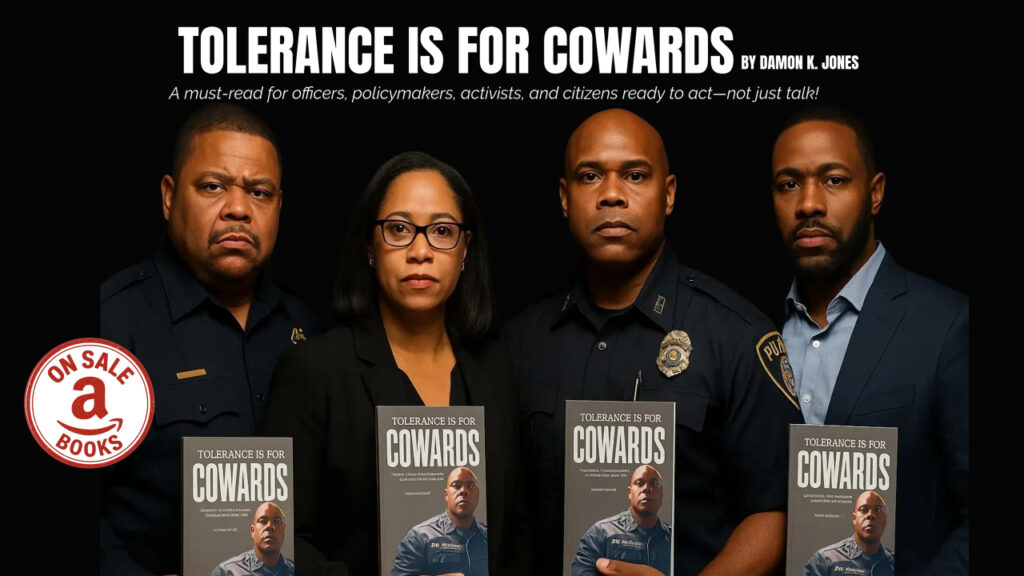
“We cannot continue to ignore that even with Black leadership at every level of government, the killings, beatings, and daily violations of Black people’s rights by law enforcement continue,” said Damon K. Jones, New York Representative for Blacks in Law Enforcement of America. “If we have the power, then we have the responsibility—and if we’re not going to use it to protect our people, then we are part of the problem.”

The group’s statement highlights major U.S. cities with Black leadership—New OrleansBaltimoreLouisville, and Mount Vernon, New York—that have faced federal investigations or consent decrees over unconstitutional policing. Despite the presence of Black mayors, the Department of Justice had to intervene in each case due to local inaction.

“These cities aren’t just led by Democrats—they’re led by Black mayors,” Jones said. “And yet, the federal government had to step in to force accountability. That tells you local leadership wasn’t doing enough.”

The group also directly criticized Black state attorneys general who have declined to prosecute white police officers in high-profile shootings of unarmed Black men, including those suffering mental health crises.

“When those entrusted to uphold justice won’t even try, who do Black people turn to?” Jones asked. “When is it legal to shoot an unarmed man having a mental breakdown? It feels like the killing of Black men by police has become more American than apple pie.”

In perhaps the most pointed portion of the statement, Jones drew a sharp comparison to how other communities respond to violence against their own.

“If antisemitism were rampant under a Jewish mayor, it would be shut down with the full force of political, legal, financial, and cultural power,” Jones said. “It would not be tolerated, and any system or actor that allowed it to persist would be dismantled. The response would be swift, unapologetic, and absolute. So why is anti-Black state violence still tolerated—and even managed—by Black mayors?”

The statement also denounced the African American Mayors Association (AAMA) for not having a clear, written platform to address systemic police violence. The organization pointed out that AAMA’s policy agenda lacks any reference to abolishing qualified immunity, prosecuting police misconduct, restructuring violent departments, or creating systems of civilian and community control.

“They talk about public safety, but they don’t say how they’ll make our communities safe from the police,” said Jones. “We’re tired of symbolism. We need substance.”

With the federal government under a second Trump administration and increasingly deferring public safety to states, the group emphasized that local and state Black officials now hold more power than ever to enact reforms—but continue to fall short.

“Black leaders can’t keep pointing fingers at Washington,” Jones added. “The power is in their hands now. If they lack the will to use it, then they should step aside for those who will.”

The statement ends with a blunt call for courage in Black leadership and an end to performative politics.

“Black communities deserve more than symbolic representation. We deserve real protection. We deserve true justice. And we deserve leaders who are not just present—but prepared to lead.”