
Welcome to another episode of Black Westchester presents Elevation Nation with Tasha Young. Join Tasha Young every Monday at a new time, now on 6 PM ET, for transformative conversations about elevating our relationships with ourselves and others. Through powerful discussions, expert interviews, and real-world insights, Elevation Nation explores the journey of personal growth and authentic connection. Simulcasting live on Facebook, LinkedIn, YouTube, Instagram, and Twitter (X).
The Suffering We Don’t Count: What Black America Deserves to Know About Long COVID, Post-Vaccine Syndrome, and Medical Betrayal

They told us to do it for our community. They told us to trust the science. They told us the side effects were rare. But now, millions of people are sick—really sick—but what we don’t know is how many of them are Black. The problem? Most of them aren’t being counted. And if they are, they’re being dismissed.
This is not an anti-vaccine rant. It is a warning. A wake-up call. A demand for honesty about what is happening in the aftermath of the pandemic, particularly in the lives of Black Americans. While the media and institutions have largely moved on, many in our communities are still suffering—silently, invisibly, and without support.
From the outset of the pandemic, Black communities were categorized as “vulnerable” and aggressively targeted for vaccination campaigns. These efforts, framed as care, often came with coercion: mandates, job requirements, and public pressure. Many complied because we wanted to protect our elders, our children, and our future. But now, too many of us are left dealing with chronic symptoms—fatigue, brain fog, nerve pain, irregular heartbeats, dizziness—that doctors can’t or won’t explain. For the poor and uninsured, there are few pathways to understanding what’s happening to their bodies.
In early 2025, Yale University published a groundbreaking study confirming what thousands have reported for years: Post-Vaccination Syndrome is real. The study revealed abnormal immune responses, reactivation of dormant viruses, and even the persistent presence of the spike protein in some individuals more than 700 days after vaccination. These findings mirror what is also being reported in Long COVID sufferers, and the symptoms overlap. Both are linked to chronic health conditions that disrupt lives, families, and economic security.
It is now estimated that over 17 million Americans are suffering from Long COVID. But how many of them are Black? We don’t know. And that’s the problem. We know that in most health crises, the impact on Black people is more severe due to underlying systemic disparities—yet we lack the data, resources, and advocacy to prove and address it. We have been shut out of the research. We don’t have the luxury of high-end clinics or specialists. And too often, when we seek help, we are dismissed.
What makes this even more dangerous is the silence. There are no widespread Black-led initiatives focused on Long COVID and post-vaccine syndromes. Few Black doctors specialize in these emerging illnesses. And most importantly, we don’t have enough Black advocates speaking up for our wellness and our recovery. We need more Black doctors, researchers, and public health experts dedicated to understanding what this disease is doing to us specifically. We need our clinical trials, our research hubs, and our patient support networks. We need culturally competent care and policy that reflects our reality, not just national averages that ignore race and poverty.
This is medical racism playing out in real time. We were first in line for prevention but last in line for healing. Our communities were used as the face of public compliance, and now we are being erased from the conversation about its consequences.
This is also a fight against Big Pharma and Big Media. These are the industries that profited from our compliance, shaped the public narrative, and now work overtime to downplay or erase the damage. Pharmaceutical companies raked in billions while giving us liability waivers instead of guarantees. Media outlets that once elevated Black voices during the pandemic are now silent when those same voices report ongoing harm. When money and reputation take priority over public health, especially Black health, it’s up to us to expose the truth and demand justice.
This is not a call for panic—it’s a call for power. We must organize, speak out, and demand a full accounting of how Long COVID and post-vaccination injury are impacting Black lives. We must train and fund Black doctors to lead this fight. And we must build independent institutions that center Black health and wellness, not just in times of crisis, but permanently.
They called us heroes when we rolled up our sleeves. Now, many of us are sick, broke, and forgotten. It’s time to speak the truth. Our lives and our future depend on it.
In Search of the Sweet Spot: Digital Mental Health and Communities of Color By Sonia Banks, Ph.D.


Once upon a time, the term “mental illness” did not exist—just madness, lunacy, idiocy, and melancholy.
Public discussions about promoting and protecting mental health did not exist. Words like “depression” and “anxiety” were discouraged. Individuals with mental illness were expected to live in the shadows and in silence. People of color with mental illness were even less visible.
But times have changed.
Today, thanks in part to the explosive impact of digital technology and social media, mental health has
become one of the hottest, openly discussed topics nationwide. Postings about personal mental health
journeys and mental health issues abound. Even within communities of color, which have been
historically distrustful of the mental health system, there has been a notable uptick in digital searches and
queries around mental health-related issues.
Increasingly, mental health providers are faced with mounting pressure to step away from the traditional
setting and office couch and into the new reality of virtual sessions and interactions in the digital space.
But navigating the virtual space comes with its professional challenges around ethics, boundaries, and
confidentiality, which makes many providers cautious and reluctant to enter. Others hesitate to adopt
platforms for fear that they might exclude low-income communities or, worse, surveil them.
Enter pioneering psychiatrist, Dr. Derek Suite, who has been somewhat of an “admiral” on the ever-expanding digital sea.
A clinical professor at Columbia University and the founder of FCC Wellness, a multidisciplinary digital
mental health platform, Dr. Suite regularly incorporates digital, virtual, and AI technologies to increase
overall client engagement and narrow gaps between mental health utilization and difficult-to-engage
communities. As the host of the daily Suite Spot Podcast, he also provides educational information and
daily insights on mental health topics with the goals of destigmatizing and demystifying mental illness.
“People of color have been understandably hesitant to engage with mental health providers.” Suite said.
“The podcast, website, and digital platform give them an opportunity to get to know me and feel my
energy and vibe at their pace and on their terms –be it in the car, the gym, or their homes.”
Synthesizing Science and Soul: Integrative Approach to Content Development
Using motivational wellness podcast weekday titles such as Making Moves Monday, Win it All
Wednesday and Slow Down Sunday, the Suite Spot‘s educational podcast, tackles a wide range of mental
health-related topics daily. Dr. Suite’s conversational approach belies the Suite Spot’s sophisticated
blending of concepts from neuroscience, psychology, biology –even astrophysics– with insights from
various disciplines, including social sciences and spirituality.
“If we were making music, the Suite Spot would be a ‘mash up’ of actionable, accessible insights created
from a fusion of science and the soul,” says Dr. Suite, whose podcast is available on YouTube and a wide
array of popular streaming services. “Synthesizing science and soul is our tag line. It’s what most of our
listeners were asking for. They did not want one at the exclusion of the other.”
The challenge, according to Suite, was to come up with a way to filter the scientific theories and make
them digestible, practical, and applicable to real-life situations and harmonize them with the psychological, cultural, and spiritual dimensions that are important to listeners. “What we learned is that people want to understand themselves and how they, and their situation, fit into a larger, more meaningful narrative,” says Dr. Suite. “Synthesizing the science and the soul dimensions puts us in the sweet spot with our audience.”
Time and Patience: Building a Meaningful Relationship with Social Media.
Dr. Suite, who is on multiple digital platforms, emphasizes the crucial need for abundant patience when
providers engage with social media. He cautions that rapid growth is rare and that listeners, and the
platform’s algorithmics, need time to know how to assess and best use posted content. It can take months if not years to build up a significant following.
Suite advises that providers should presume they have “silent readers” who choose to absorb their
information from a distance, and that it is possible to have different numbers of followers and different
levels of engagement on different platforms. Focusing on the number of likes, downloads, or reposts may
not be an accurate barometer of how many people are watching, according to Suite.
“I have had many people scroll through my online posts and podcasts and say they benefited greatly,
even took notes, but never engaged or liked anything on the platform.” Dr. Suite explains. “We call them
the Invisibles. You don’t see them but, trust me, they’re engaged– and most likely benefitting from what
you post.”
Measuring Success and Impact in the Digital Space
Beyond surface metrics, Dr. Suite advises observing other metrics such as profile views and time
spent on the page to further spot invisible engagement. Suite’s team employs a proprietary analytics system that aggregates and analyzes data from various touchpoints, including emails, phone calls, and digital engagements, to assess trends, patterns, correlations, and the impact on mental health engagement and usage.
“We have seen an 18 % rise in overall usage of Full Circle services coming directly from predominantly
Blacks and Latinos of who have heard the podcast since we started podcasting,” says Dr. Suite.
“Approximately 7 % of the increased users identified as black males, which suggests we have really
improved outreach to this challenging-to-engage population.” Full Circle also fields approximately 15
Inquiries are received monthly from individuals across the country, looking for referrals to local mental health providers. “Though our numbers are comparatively small, we are making a measurable impact on the communities we serve and steadily increasing engagement.” Suite says. “Social media has been a game changer –it gives everyone open access.”
Seizing the Megaphone: Implications for Clinical Practice
The time has come for providers, especially providers of color, to step out and step-up, in the virtual space, according to Dr. Suite. “Our training and cultural sensitivity position us to take an authoritative role in shaping the online messaging to communities of color. If we don’t proactively respond to the moment, the space will be missing an important safeguard,” says Suite.
Dr. Suite adds that increasing access to mental health care for the historically underserved remains a
critical challenge for many communities –a challenge that could be effectively addressed through digital
and virtual engagement. He asserts that providers of color are uniquely qualified to use the digital space to translate scientific advancements, dismantle longstanding healthcare barriers, and build bridges to
engagement with marginalized communities.
“Clinicians of color can also challenge homogenized digital therapy algorithms that overlook racialized
stressors,” says Dr. Suite, “and use things like intersectional matching to align care with clients’ lived
experiences, which is critically needed in the digital space.”

About the Author: Dr. Sonia Banks is a dynamic clinical psychologist and behavioral strategist known for her innovative, play-based personal and professional transformation approach. With a doctorate from George Washington University, she blends psychology with creativity, using interactive methods to help individuals and organizations unlock their “Possible Selves.” Her expertise spans anxiety, life transitions, and stress management, all delivered with her signature vibrancy.
PBP Radio – Sunday, March 30, 2025 With Brenda L . Crump & Marty Dolan

Welcome to another powerful episode of Black Westchester presents The People Before Politics Radio Show, where we bring you important news from a Black perspective that mainstream media won’t cover and give you that Real Talk For The Community.
This week, our guests are Brenda L. Crump, who joined Damon and AJ to talk about elected officials, community leaders, and heads of organizations not offering healthy alternatives at their events in our communities, which is a public health issue. And then Marty Dolan joins the conversation to discuss what he feels is the path forward for the Democratic Party.
People Before Politics Radio, Giving You Real Talk For The Community Since 2014!
Black Westchester presents the People Before Politics Radio Show every Sunday night, 6-8 PM, simulcasting live on Facebook, X (formerly Twitter), LinkedIn, Instagram, and YouTube and archived on BlackWestchester.com. Giving you that Real Talk For The Community since 2014.
To support the Black Westchester and the People Before Politics Radio Show, which provides the News With The Black Point Of view and gives you the real talk for the community for free, make a donation via PayPal at www.PayPal.me/BlackWestchesterMag. In the words of Ray Charles, “One of these days, and it [might not be] long, You’re gonna look for [us], and [we’ll] be gone.” Support independent, Black-free media!
Subscribe, hit the notification bell, and join the conversation this Sunday. At Black Westchester, we always put People Before Politics!
As always, you can follow us on Facebook, Instagram, LinkedIn, and YouTube
Contributions and Donations can be made via PayPal.

Before the Baby’s Born: What Junk Food Is Doing to the Next Generation of Black Families

Black women are the foundation of our communities. But what happens when the food most accessible to us—the kind found in school cafeterias, corner stores, and drive-thrus—is quietly working against our health and our ability to create life? Behind the convenience and low prices of processed food lies a deeper cost: hormonal disruption, reproductive illness, and generational harm.
Many of the foods marketed to and consumed in Black communities are loaded with synthetic chemicals that interfere with the body’s hormone systems. These include artificial additives, preservatives, plastic contaminants, and seed oils. Regular consumption destabilizes critical functions tied to puberty, menstruation, and fertility.
Black girls are entering puberty younger than ever. This early physical development is linked to long-term health consequences, including breast cancer, depression, and chronic reproductive issues. These early signs reveal how compromised the internal environment has become.
By adulthood, many Black women face a cascade of health conditions—fibroids, PCOS, endometriosis, and infertility. While these problems are widespread, Black women are more likely to be affected and less likely to receive adequate care. This is not about genetics but systems and environments that have failed us.
This crisis is not only about the absence of healthy food. It’s about the aggressive presence of harmful food. Fast food chains, convenience stores, and processed snack brands dominate our communities. These products are cheap, addictive, and heavily marketed—while real, whole foods are expensive or simply unavailable.
The result is a cycle: generations raised on nutrient-deficient, chemically-altered food that damages the body slowly over time. This is not a coincidence. It’s policy and profit working hand in hand.
When the womb is not well, the community is not well. When the seed is weak, the future is compromised.
We have to ask ourselves: what kind of children are we producing when both the mother and the father are unhealthy—consuming processed foods, drinking regularly, carrying excess weight, and living with chronic internal inflammation? What happens when conception begins in a toxic womb, fertilized by sperm weakened by poor diet and exposure to the same harmful substances?
The answer is sobering. We are passing down more than culture—we are passing down biological vulnerabilities. We’re seeing rising rates of developmental disorders, learning challenges, childhood obesity, and chronic illness among Black children. And much of it begins before birth.
If the conditions of conception are compromised, then the next generation begins life at a disadvantage—physically, emotionally, and neurologically. This is not just a family issue—it’s a communal and political emergency.
Breaking the cycle requires more than surface solutions. We need full-spectrum healing—nutritional, cultural, and political. That means investing in local food systems, building Black-owned co-ops and gardens, and teaching youth how to reconnect with food that sustains life. We need prenatal education rooted in truth, not just pamphlets from clinics.
From our local governments and school boards, we must demand a comprehensive plan to make our communities healthy—mentally and physically. This isn’t about shame. It’s about strategy. Healing begins with knowledge and is sustained through action.
The best food we can offer ourselves and our families is food prepared at home. Home-cooked meals are more than just nourishment—they’re a form of protection, tradition, and power. When we cook our own food, we control the ingredients, the quality, and the care that goes into every bite. We move away from the chemicals, preservatives, and additives that dominate processed and fast foods. Home cooking reconnects us to cultural roots, teaches our children essential life skills, and strengthens family bonds. In a world that profits from our dependence on toxic convenience, preparing meals at home becomes a revolutionary act of self-determination and healing.
Our health is our first defense. Our wombs and seeds are sacred ground. What we feed ourselves today shapes who we bring into the world tomorrow. If the food is toxic, the future will be too.
We must reclaim our food, restore our bodies, and protect our children before they’re even born. Because the most revolutionary act we can take right now is to create life with intention, not under the weight of systems that never intended for us to thrive.
1. Processed Foods and Hormonal Disruption
- Endocrine Society: “Endocrine-Disrupting Chemicals”
https://www.endocrine.org/topics/edc- This resource details how chemicals like BPA and phthalates, commonly found in food packaging and processed foods, interfere with hormone function.
- National Institute of Environmental Health Sciences (NIEHS): “Endocrine Disruptors”
https://www.niehs.nih.gov/health/topics/agents/endocrine/index.cfm- Covers sources of endocrine disruptors and their link to reproductive and developmental disorders.
2. Early Puberty in Black Girls
- Journal of Adolescent Health: Biro, F. M., et al. (2010). “Pubertal assessment method and baseline characteristics in a mixed longitudinal study of girls.”
https://doi.org/10.1016/j.jadohealth.2010.09.011- Found that Black girls begin puberty earlier than other racial groups, raising long-term health concerns.
- Breast Cancer Fund (Now Breast Cancer Prevention Partners): “The Falling Age of Puberty in U.S. Girls”
https://www.bcpp.org/resource/falling-age-of-puberty/- Discusses the environmental and dietary causes behind the earlier onset of puberty.
3. Reproductive Health and Infertility in Black Women
- American Journal of Obstetrics and Gynecology: “Racial and ethnic disparities in reproductive health services and outcomes”
https://doi.org/10.1016/j.ajog.2008.12.041- Highlights disparities in conditions like fibroids and infertility among Black women.
- Office on Women’s Health (U.S. Department of Health & Human Services): “Fibroids”
https://www.womenshealth.gov/a-z-topics/uterine-fibroids- Notes that Black women are more likely to develop fibroids at younger ages and experience more severe symptoms.
4. Food Apartheid and Access in Black Communities
- The Food Trust: “Understanding the Food Landscape in Communities of Color”
https://thefoodtrust.org- Documents systemic issues around food access in urban Black communities.
- Harvard T.H. Chan School of Public Health: “Food Deserts and Food Swamps”
https://www.hsph.harvard.edu/nutritionsource/food-deserts/- Explores how unhealthy food environments disproportionately impact communities of color.
5. Benefits of Home-Cooked Meals
- Johns Hopkins Bloomberg School of Public Health: Wolfson, J. A., & Bleich, S. N. (2015). “Is cooking at home associated with better diet quality or weight-loss intention?”
https://doi.org/10.1016/j.pmedr.2015.04.007- Found that people who cook more frequently at home consume fewer calories and less sugar.
- Harvard Health Publishing: “The benefits of cooking at home”
https://www.health.harvard.edu/blog/the-benefits-of-cooking-at-home-2020030918980- Discusses how cooking at home promotes healthier eating habits, weight control, and stronger family relationships.
Protecting Your Spiritual Energy from Spiritual Vampires

Have you ever walked away from a conversation feeling emotionally drained, anxious, or inexplicably exhausted? If so, you may have encountered a spiritual vampire—someone who unknowingly saps your emotional and spiritual energy. These individuals can show up in many forms: a friend who constantly leans on you for support without ever reciprocating, a coworker who always brings negativity into every space, or a family member who thrives on guilt and emotional manipulation.
Spiritual vampires often aren’t malicious. Their behavior may stem from unresolved trauma, mental health challenges, or deep-rooted attachment styles. But the impact they leave is unmistakable, especially for empaths and highly sensitive individuals who naturally absorb the energy of those around them.
Recognizing the presence of a spiritual vampire requires tuning into how you feel during and after interactions with certain people. You might notice a pattern: every conversation revolves around their problems, and yours are either dismissed or overshadowed. You may find yourself drawn into their constant drama, always being asked to mediate, advise, or console—even when the situation has nothing to do with you. In group settings, these individuals often dominate discussions, shifting attention toward themselves and away from meaningful, mutual exchanges.
Their behavior typically includes manipulative tendencies. They may guilt you into spending time with them, take advantage of your compassion, or expect emotional labor from you without boundaries. Many also exhibit bullying characteristics, making others feel small to ease their own insecurities. Their negativity is infectious; they tend to criticize, complain, and focus on what’s wrong in every situation, pulling your energy down with theirs. And while we all occasionally need support, spiritual vampires are chronically needy. Their sense of self-worth is tied to constant validation from others, creating emotionally imbalanced and codependent dynamics.
But what happens if, after reading this, you start to recognize some of these tendencies in yourself? The truth is, many of us have had spiritually draining moments. Acknowledging this is not a cause for shame but an opportunity for growth. The path forward begins with reconnecting to your spiritual center. Spend more time in prayer or meditation. Reaffirm your relationship with God, the universe, or your higher self. Doing so helps anchor your emotions and refocus your energy inward rather than seeking external validation.
Be mindful of how you speak—words carry energy. Make an intentional effort to shift from negative speech patterns to positive, life-affirming dialogue. Managing stress through consistent self-care is equally important. Whether it’s journaling, practicing daily affirmations, or seeking therapy, investing in your emotional health empowers you to show up in relationships from a place of fullness rather than neediness.
Developing self-awareness is also key. Take time to understand your emotional habits and how they affect those around you. Mindfulness practices, self-reflective reading, or simply being honest with yourself can lead to powerful insights. And in your relationships, try to focus less on being heard and more on truly listening. One of the most powerful lessons a mentor once shared is that we have two ears and one mouth for a reason—listening twice as much as we speak allows us to show up with empathy, presence, and humility.
In the end, protecting your spiritual energy is not about isolating yourself from others, but about drawing healthy boundaries that preserve your peace. It’s also about taking accountability when you’ve been the one draining someone else. You have the right to protect your energy just as much as you have the power to transform the energy you bring into the world.
Your spiritual well-being is sacred. When you honor it, you not only restore balance within yourself—you also create space for authentic, healthy, and fulfilling relationships that uplift everyone involved.
This article is adapted from my book, The Health Mindset: 6 Pillars of Health and Wellness – Transcendence and Transformation: Nurturing Your Spiritual Growth and Well-being for Success, available now on Amazon.
Men, It’s Time to Break Up with Processed Foods—Your Health Depends on It

We live in a culture of convenience—microwavable meals, fast food on every corner, and snacks loaded with additives engineered to hijack our taste buds. But behind the flavor and ease lies a deeper cost, one that particularly affects men: our health, our vitality, and even our masculinity.
The processed food industry isn’t just expanding waistlines—it’s eroding male strength, fertility, and mental resilience. And for Black men, the impact is disproportionately devastating.
Processed foods are not nourishment—they are engineered products. Stripped of natural nutrients and saturated with added sugars, trans fats, and artificial chemicals, they are linked to a wide range of health issues: heart disease, diabetes, depression, and yes, sexual dysfunction. But emerging science is revealing something even more alarming. A 2013 Harvard study found that men who consumed the highest amounts of processed meats had significantly lower sperm counts and more abnormalities in sperm shape and movement. What you eat could be silently sabotaging your ability to have children.
The epidemic of erectile dysfunction (ED) among younger men is no coincidence. Diets high in processed food, sugar, and saturated fat lead to obesity, cardiovascular disease, and diabetes—all of which are proven contributors to ED. When blood flow suffers, sexual performance suffers. Add hormonal imbalance and stress to the equation, and we’re watching masculinity unravel in real time.
At the heart of this unraveling is testosterone. Today’s young men have significantly lower testosterone levels than previous generations did at the same age. One major culprit? Our modern diet—highly processed, nutrient-deficient, and laced with endocrine-disrupting chemicals. And while this decline is affecting all men, studies show Black males are experiencing a sharper and earlier drop.
This isn’t just biological. Black communities are more likely to be exposed to environmental toxins, thanks to policies that have allowed polluting industries to cluster near low-income neighborhoods. They are more likely to live in food deserts, where fast food is abundant and fresh produce is scarce. They face higher rates of chronic stress from systemic racism, economic instability, and targeted policing. These conditions drive up cortisol—a hormone that suppresses testosterone. Layer in poor access to healthcare, cultural disconnection from traditional male development, and a lack of structured rites of passage, and you have a hormonal time bomb.
This is more than a public health issue. It’s a generational threat. Poor sperm quality doesn’t just lower fertility—it may affect the long-term health of our children, increasing risks for birth defects and neurodevelopmental disorders like ADHD and autism. What we consume today echoes into tomorrow, affecting not just our bodies, but our bloodlines.
This is not about vanity. It’s about sovereignty. We must break the cycle. That begins with rejecting the processed food economy that profits off our decline. We must prioritize whole, nutrient-rich foods that nourish rather than numb. This means cooking at home, reading labels, choosing water over soda, and recognizing that real strength starts on the plate.
Black men are not broken—but we are being broken down. And unless we shift our culture around food and masculinity, we will continue to lose our energy, our vitality, and our future. Our health is not a luxury. It’s the foundation of our freedom.
It’s time to reclaim it.
References
Generational testosterone decline and racial disparities:
Travison, T.G., et al. (2007). Journal of Clinical Endocrinology & Metabolism.
https://academic.oup.com/jcem/article/92/1/196/2598434
Processed meat linked to low sperm quality:
Chavarro, J.E., et al. (2013). Harvard School of Public Health.
https://www.hsph.harvard.edu/news/press-releases/processed-meat-sperm-quality
Testosterone levels show steady decrease among young U.S. men:
Pastuszak, A.W., et al. (2020). American Urological Association.
https://www.urologytimes.com/view/testosterone-levels-show-steady-decrease-among-young-us-men
Endocrine-disrupting chemicals and male reproductive health:
Gore, A.C., et al. (2015). Endocrine Reviews, Volume 36, Issue 6.
https://academic.oup.com/edrv/article/36/6/E1/2354691
Environmental racism and toxic exposure in Black communities:
Bullard, R.D. (1993). Dumping in Dixie: Race, Class, and Environmental Quality.
Processed foods linked to hypertension risk in Black adults:
American Heart Association News (2023).
https://newsroom.heart.org/news/black-adults-in-u-s-who-consume-ultra-processed-foods-at-greater-risk-for-hypertension
Red meat and prostate cancer in African American men:
Joshi, A.D., et al. (2012). Prostate Cancer Risk and Meat Consumption.
https://www.ncbi.nlm.nih.gov/pmc/articles/PMC3403708
This article is adapted from my book, The Health Mindset: 6 Pillars of Health and Wellness – Transcendence and Transformation: Nurturing Your Spiritual Growth and Well-being for Success, available now on Amazon.

The Forgotten Blueprint: Why Solomon’s Wealth Wisdom Must Be Reclaimed in Black Culture

“Why do we shout over Solomon’s wisdom but stay silent on his wealth?”
In pulpits across Black America, King Solomon is rightly revered. We honor him as the wisest man who ever lived—God’s chosen ruler, the author of Proverbs, and the builder of the Temple. His name is spoken with reverence. His writings are quoted with authority. Yet one of the most powerful aspects of his legacy—his economic brilliance—is rarely preached, studied, or applied.
Solomon wasn’t just a man of wisdom; he was a builder. A strategist. A steward of wealth and a leader who transformed Israel into a thriving, self-sustaining nation. He didn’t just pray—he planned. He didn’t just worship—he ruled. He created systems, secured trade alliances, built infrastructure, managed labor, and ushered in a period of prosperity the nation had never seen before.
So why is this part of his story missing in our faith culture?
The answer lies in a history that has shaped our theology around survival instead of sovereignty. Faith culture in Black communities was born under conditions of slavery, segregation, and systemic oppression. In that crucible, faith became our refuge. It was where we found dignity, identity, and hope. But as we fought for spiritual survival, we were often cut off from the tools of economic power. And over time, our culture—once rooted in faith, family, and community—was gradually replaced with something else.
Today, too often, what we call Black culture has been distorted into consumer culture. We glorify spending over saving, flexing over investing, and consuming over creating. We chase validation instead of valuation. We know the brands, but we don’t own the businesses. Nearly $1.8 trillion passes through our hands each year, yet much of it leaves our communities within hours. That’s not poverty. That’s misdirection. That’s a system—and a mindset—that doesn’t teach us how to build.
Let’s be clear: Black people are not poor. We are not helpless. We are not lacking talent, creativity, or intelligence. But many of us are financially broke—not because we don’t have money, but because we’ve been taught to spend it, not build with it. We’ve got $900 sneakers in the closet, $3,000 handbags on our arms, $500 weaves laid every two weeks, $400 jeans with the tags still on, a $70,000 Mercedes in the driveway—and $3,000 rent due in three days with nothing in savings. We wear our money. We drive our money. We post our money. But we don’t invest it, circulate it, or grow it. And it’s not just a financial problem—it’s a cultural misdirection, one that has separated us from the wealth-building principles that are not only practical, but profoundly biblical.
And our faith culture, which has long been the center of our lives, must now rise to meet this moment. Because the issue isn’t just injustice—it’s dependency. The real crisis we face is not just racism, but the lack of economic independence. We protest, we march, we boycott. These actions raise awareness, but awareness without infrastructure does not produce power. Attention is not ownership. And emotion is not strategy.
We are living in a new era of governance in Washington, D.C.—an era that is reshaping how institutions function, how resources are distributed, and how communities survive or thrive. The time we are in is demanding universal change—economically, spiritually, politically, and culturally. And if our theology doesn’t evolve with the times, we will continue to raise generations of people with deep faith but no power.
This is why we must reclaim the full legacy of Solomon.
Solomon was not only a man of prayer—he was a man of policy. He wasn’t just anointed; he was appointed to govern, to manage wealth, to create jobs, and to build. He designed systems. He invested in human capital. He secured long-term prosperity for his people. His leadership wasn’t just spiritual—it was structural.
It’s also worth examining how other cultures, like the Jewish community, have embraced a more holistic view of faith and finance. While we proclaim belief in the same scriptures and even revere Solomon as a spiritual icon, the Jewish cultural approach to his legacy looks very different. In Jewish tradition, money is not viewed as a threat to holiness—it’s seen as a tool for fulfilling God’s covenant. Economic life is interwoven with religious life. Business ethics, contracts, inheritance, community lending, and investing are all part of the faith conversation. Wealth is not something to apologize for; it’s something to manage wisely and distribute justly. They don’t just honor Solomon with words—they emulate his strategy. Meanwhile, in our faith culture, we believe in Solomon’s wisdom but detach it from how we think about money. We preach about his proverbs but don’t practice his principles. We spiritualize what they systematize. And until we shift that mindset, we’ll continue to live in the gap between inspiration and institution.
Yet in our faith culture today, Solomon’s blueprint is often overlooked. We focus on his wisdom but not his works. We preach the Proverbs but skip the principles of sovereignty that undergirded his reign. And that gap is costing us. Faith without works is dead, and faith without economics makes us educated slaves, still begging for jobs instead of creating them, still waiting for access instead of building our own doors.
This isn’t a message of blame—it’s a call to responsibility. A loving reminder that we are capable of more. The same God who gave Solomon the wisdom to build is offering us that same insight, if we’re willing to receive it. Our faith leaders and institutions must begin to teach not only righteousness but responsibility. Not only tithing but taxation. Not only worship but workforce development. Not only prayer but planning.
Our young people don’t just need inspiration—they need instruction. They don’t just need sermons—they need strategies. The Bible tells us clearly in Proverbs 22:6: “Train up a child in the way he should go, and when he is old, he will not depart from it.” But how can our children follow a path they’ve never been shown? How can they walk in wisdom when the blueprint has been hidden?
Solomon didn’t just leave us words to make us feel good—he left us systems to help us build. His life offers both revelation and responsibility. He gave us spiritual insight and economic strategy. If we want to raise a generation that doesn’t just survive but leads, owns, builds, and governs, then we must give them more than emotion—we must give them structure.
Solomon left us both. And it’s time we teach the whole blueprint.
OP-ED: Black Press and Black Church Unity Targeting TARGET by Benjamin F Chavis Jr.
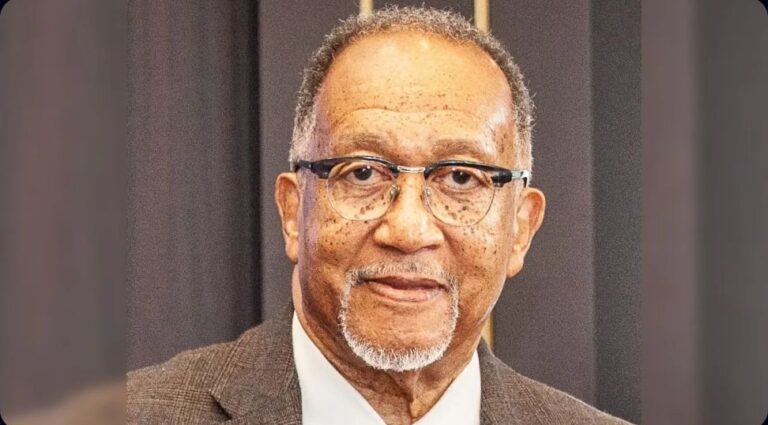
For over 198 years, the Black Press and the Black Church have joined together for causes of freedom, justice, equality, equity, and empowerment. Today, more than ever before, there is renewed urgency for the Black Church and the Black Press to publicly amplify our mutual interests to protect and maintain the hard-fought gains and progress that have been accomplished by African Americans in the last two centuries.
On the record, “We are not going back in America and nowhere else in the world in 2025.” We have already suffered too much from the vicious unprecedented genocide, terrorism, and crimes against humanity during the Transatlantic Slave Trade, global imperialism, racism, colonialism, neocolonialism, reconstruction and Jim Crow, mass incarceration, and present day repressive policies and Executives Orders in an attempt to erase our history and legacy with libelous actions and falsehoods.
The prophetic voice of the Black Church continues to resonate with historic and contemporary inspiration and power. Together, we are resolutely demanding respect from Target and those companies that make billions of dollars from our consumerism.
We are not begging. We are demanding respect and an equitable business relationship with Target and corporate America. From executive decision makers to marketing and promotions account managers, to Human Resources directors, and to the shareholders of the companies, we demand economic restoration and respect.
We salute the bold leadership of The Reverend Jamal Harrison Bryant and the New Birth Missionary Baptist Church in Atlanta and other Black Church leaders across the nation who are standing up and preaching liberation theology.
TARGET will continue to be our target. We in the Black Press of America will continue our public education and selective buying campaign. No respect, no buying. No justice, no peace.
May God continue to bless the Black Church and the Black Press.
Rev. Dr. Benjamin F. Chavis, Jr. is President and CEO of the National Newspaper Publishers Association and BlackPressUSA
Black Westchester is a proud member of the National Newspaper Publishers Association (NNPA)
Big Soda Pushes Back: Governor Morrisey’s Health Reforms Face Corporate Resistance
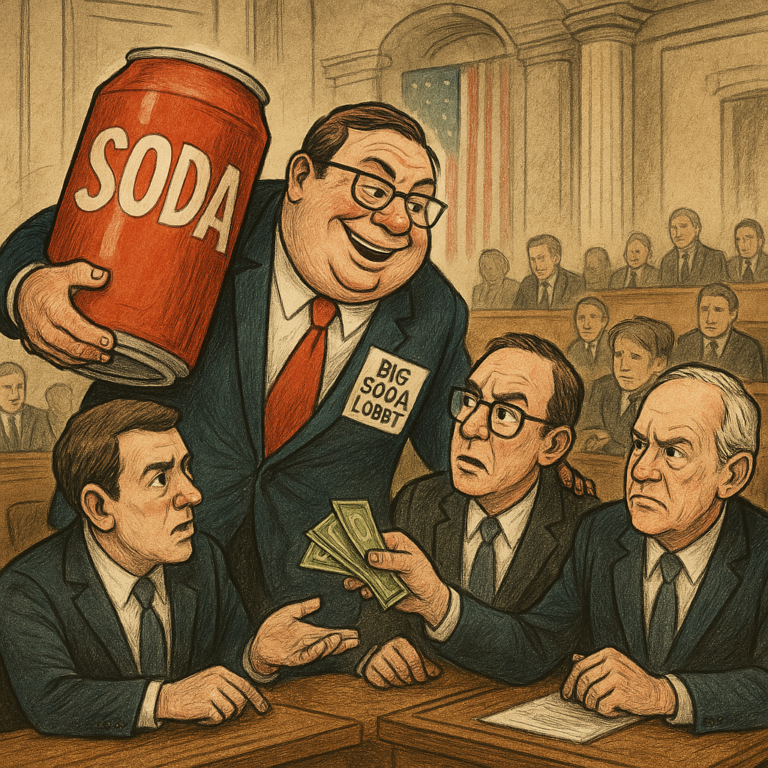
West Virginia Governor Patrick Morrisey’s bold push to transform public health policy has sparked a fierce reaction — not just from within the political establishment, but from one of the most powerful lobbies in the country: the soda industry.
At a landmark event unveiling the “Four Pillars of a Healthy West Virginia,” Morrisey stood before students, legislators, and health officials — including U.S. Health and Human Services Secretary Robert F. Kennedy Jr. — and announced a sweeping health initiative aimed at cleaning up food systems, promoting exercise, expanding work requirements for food assistance, and reorienting SNAP benefits to favor nutritious food.
But behind the scenes, not everyone is applauding.
“These men and women, your leaders, are getting calls every day from the big soda companies,” Secretary Kennedy told the crowd. “They’re telling them they’re making a big mistake. They’re threatening to stop writing checks, to run candidates against them, to destroy their political careers.”
Soda Lobby Fights Back
The most controversial piece of the governor’s plan is a proposed federal waiver that would remove soda as an eligible item under SNAP, the Supplemental Nutrition Assistance Program. Morrisey framed the move as a commonsense step to align taxpayer-funded benefits with the program’s stated purpose: nutrition.
“SNAP stands for Supplemental Nutrition Assistance Program,” Morrisey said. “That ‘N’ is for nutrition — not nonsense.”
Kennedy, echoing the governor’s sentiment, criticized the soda industry’s efforts to redefine SNAP’s intent.
“Governor Morrisey told me the soda companies came in and said, ‘You need to be educated about this — food stamps aren’t a nutrition program.’ And he said, ‘Is there anything nutritious in this Diet Coke I’m holding?’ They admitted, ‘No, of course not.’”
A Familiar Playbook
Kennedy compared the soda industry’s tactics to those of Big Tobacco in the 1980s and ’90s, recounting how tobacco companies — facing public backlash — began buying up food companies and deploying scientists to engineer food products that were more addictive.
“They added softeners so people would chew less and overeat,” Kennedy explained. “They loaded products with sugar, which is as addictive as crack. And now, like Big Tobacco before them, they’re flooding into statehouses to block reform.”
The parallels were not lost on West Virginia lawmakers. Delegate Jason Barrett, a key architect of the food dye ban recently passed in the legislature, recounted the warnings he received:
“People told me, ‘Jason, Big Food and Big Drink are going to come after you.’ And my response was simple: ‘Big deal.’ The people of West Virginia are worth it.”
Legislators Under Pressure
Multiple state lawmakers, including Chairwoman Laura Chapman and Health Committee Chair Evan Worrell, confirmed they had been lobbied hard by soda and processed food companies. But they made clear they weren’t backing down.
“We recognize that a strong and prosperous West Virginia starts with the health of our families,” Worrell said. “And we are just getting started.”
Chapman added that 27% of West Virginians live in food deserts and emphasized the moral imperative of the reforms. “We’re here for the children,” she said. “They’re our future.”
A Movement Begins
Secretary Kennedy, in one of the most pointed moments of the day, issued a challenge to other governors across the nation:
“Get in line behind Governor Morrisey. Apply for a waiver to my agency, and we’ll give it to you. That’s how we make America healthy again.”
He warned that soda and food lobbyists are terrified — not of federal pressure, but of having to make “special products” for states like West Virginia and California that are beginning to outlaw harmful food additives.
The Stakes Are High
As Morrisey concluded the event, he reminded the audience that this is more than just policy — it’s about the future of the state.
“We’re not just climbing mountains in West Virginia. We’re moving them.”
With industry giants mobilizing against him, Governor Morrisey has made it clear: West Virginia is ready to lead the charge toward a healthier future — even if that means standing toe-to-toe with Big Soda.
Sidebar: What the SNAP Waiver Would Do
- Remove soda and sugar-laden beverages from SNAP eligibility.
- Encourage the use of benefits for fruits, vegetables, lean meats, and whole foods.
- Introduce “Healthy Bundles” to simplify nutritious choices for families.
Public Response:
- Polls show strong grassroots support across West Virginia, especially among parents and educators.
- Activists from the “Maha Moms” movement have been key in raising awareness and lobbying lawmakers.
- Industry groups are expected to mount legal and political challenges to delay or block implementation.
The battle lines are drawn. Now the question is: who will win — the people of West Virginia, or Big Soda?
For updates on the waiver process and legislation, visit governor.wv.gov.
“This article includes statements made during a public address by Governor Patrick Morrisey and Secretary Robert F. Kennedy Jr., used under fair use for news reporting and commentary.”