





On December 21, 2025, the episode of Black Westchester’s People Before Politics Radio Show with Damon K. Jones, AJ Woodson, and Larnez Kinsey featured guests Marc Fishman and James Christopher, who joined the show to discuss a proposed amendment to the Law Enforcement Misconduct Investigative Office Act. The Law Enforcement Misconduct Investigative Office Act refers to New York’s Executive Law Section 75, enacted in 2020, which established the Law Enforcement Misconduct Investigative Office (LEMIO) within the State Attorney General’s office to provide statewide oversight for local police misconduct, investigating abuses like excessive force, corruption, and dishonesty, and recommending reforms to enhance accountability and public trust. This law mandates reporting of misconduct by officers and agencies, creating a new layer of external review for patterns of abuse.
As promised on the show, Black Westchester is sharing the attached drafted letter, urging the NYS Senate and Assembly to support strengthening the LEMIO office and to help raise awareness of their efforts, encouraging others to contact their state representatives to sponsor and support this amendment (see below).
LEMIO Amendment Senate Format Expanded Public by BLACK WESTCHESTER MAGAZINE
Mr. Christopher and Mr. Fishman are reaching out to NYS Legislators, including Senator Shelley Meyers, to sponsor and support the proposed amendment and shared the following email to the state legislators with Black Westchester…
I urge your support for the proposed amendment to strengthen the Law Enforcement Misconduct Investigative Office (LEMIO). As written, LEMIO can confirm misconduct but cannot require meaningful follow-through. That gap leaves New Yorkers without justice even after wrongdoing is acknowledged by the state.
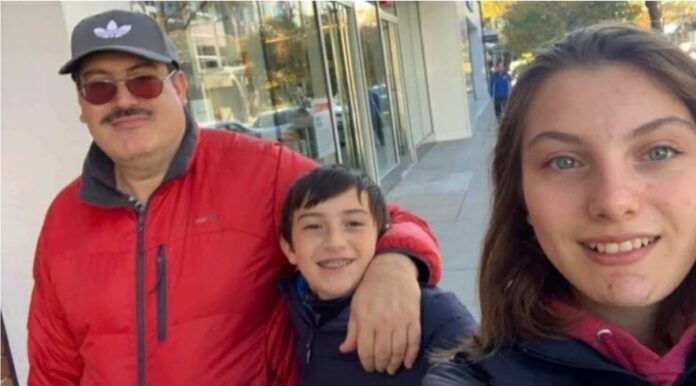
As highlighted in Black Westchester Magazine, disabled father Marc Fishman’s case illustrates this problem clearly: official police misconduct was acknowledged, yet no mandatory case review followed. For defendants who are unjustly arrested, this lack of follow-through is not a technical oversight; it is a civil-rights failure.
For defendants—who are disproportionately Black and disabled—this is not a technical flaw; it is a civil-rights failure. When confirmed misconduct triggers no mandatory review or action, Black and disabled New Yorkers are left bearing the consequences of violations the state has already recognized.
This amendment ensures that when misconduct is officially identified, it leads to review, transparency, and accountability—not silence. It does not weaken law enforcement. It strengthens trust by ensuring fairness applies equally to all New Yorkers.
I respectfully urge you to support this amendment and help ensure that accountability in New York means action, not just findings.
For more information, contact James Christopher at james@james-christopher.com