



Carter G. Woodson, the founder of what began as Negro History Week and later became Black History Month, did not intend for it to be a festival of pride detached from results. He created it because Black history was being erased, distorted, and misused—and because he believed that misunderstanding history would guarantee repeated failure in the present.
Yet today, Black History Month has primarily become a season of applause rather than accountability. We celebrate names, moments, and symbols, but rarely stop to reflect on what Woodson was actually trying to teach us about power, economics, and miseducation. In honoring the calendar, we have ignored the warning.
Woodson understood that the greatest threat to Black progress was not ignorance alone, but education that trained people to think in ways that benefited others at their own expense. His central argument was not emotional. It was structural. Control how people think, and their actions—and outcomes—will follow predictably.
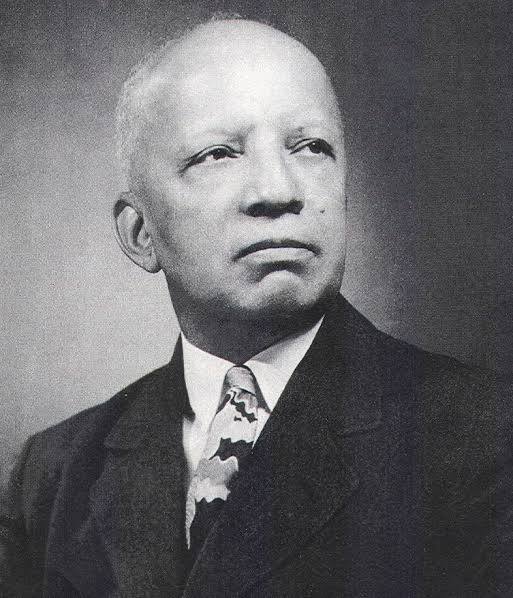
In The Mis-Education of the Negro, Woodson warned that when people are taught to see themselves as permanent victims or perpetual dependents, they will willingly accept inferior outcomes without coercion. This was not merely a psychological observation. It was an economic one. A population conditioned to distrust its own capacity will never build durable institutions.
Woodson observed that Black Americans were increasingly being trained to pursue recognition rather than ownership, protest rather than construction, and ideology rather than economic competence. He did not oppose the protest, but he insisted that the protest without a constructive program was ineffective. Without building something tangible, protest becomes performance rather than leverage.
He was equally critical of the two dominant ideological paths offered to Black America in his time: liberal paternalism and revolutionary socialism. Liberalism promised uplift through reform, philanthropy, and administration—always managed by others. Communism promised justice after revolution, always delayed to some future moment. Woodson rejected both because neither required Black people to own, control, or govern their own economic destiny. In both cases, power remained external.
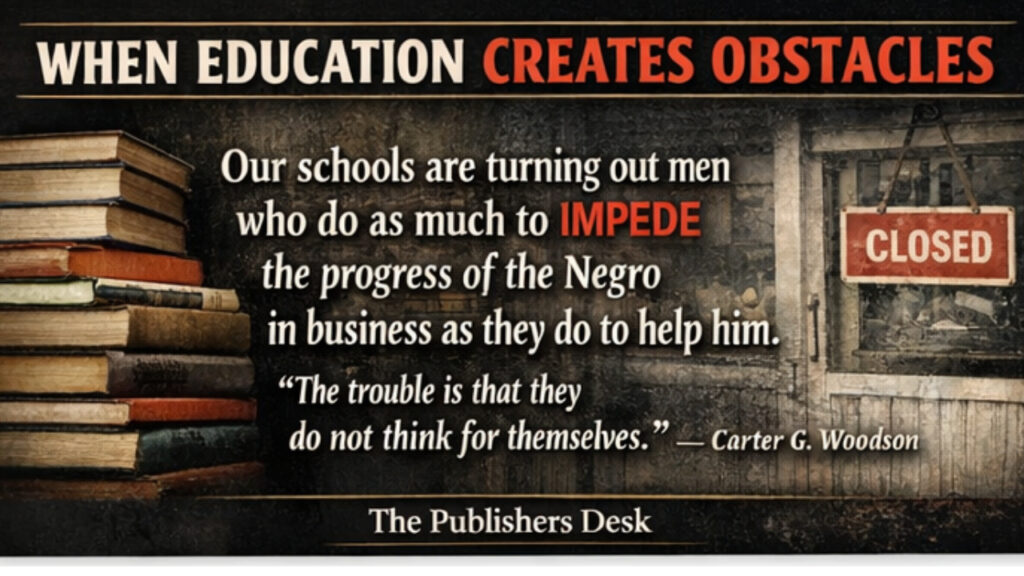
Perhaps Woodson’s most uncomfortable warning—especially for modern audiences—was his critique of educated Black leadership. He observed that formal education often produced people fluent in theory but detached from production. Many educated Black Americans, he noted, were trained to distrust Black businesses, to assume Black enterprise was inferior, and to see white institutions as inherently more competent. Education, instead of producing builders, produced skeptics.
Woodson went further. He argued that highly educated Black elites often undermined Black business not through malice, but through indoctrination. They repeated what they had been taught in elite institutions: that Black people could not succeed in business, that capitalism offered no path forward, and that ownership was futile. These conclusions were drawn not from experience, but from ideology. The result was predictable—Black businesses were starved of capital, loyalty, and support.
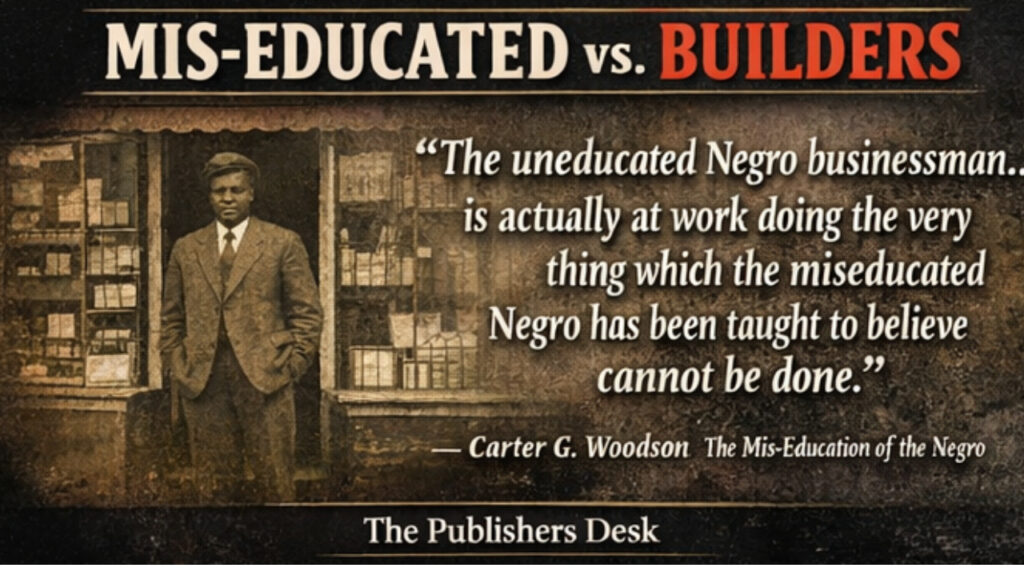
By contrast, Woodson pointed out that the so-called uneducated Black businessman was already doing what the educated class insisted could not be done. He was building businesses, acquiring property, and creating employment under hostile conditions, without waiting for political permission or ideological consensus. The irony Woodson exposed was devastating: those dismissed as “uneducated” were often closer to independence than those with the most credentials.
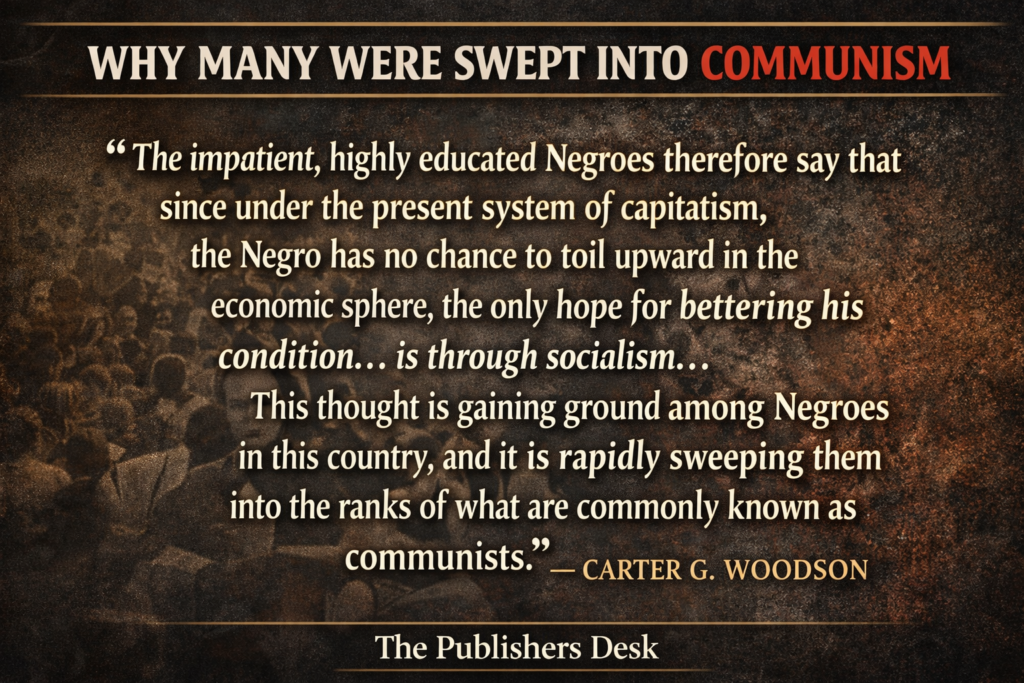
This analysis led directly to Woodson’s warning about socialism and communism. He acknowledged why these ideas appealed to educated Black Americans who had been taught that capitalism was closed to them. But he rejected the logic of waiting for a total system overhaul. His argument was unsentimental and straightforward: if Black people waited for ideological revolutions to improve their condition, they would be economically exhausted long before liberation arrived.
Measured against today’s political landscape, Woodson’s warnings feel less like history and more like a diagnosis. Black America is more educated than ever, more politically mobilized than ever, and more visible than ever. Yet Black wealth remains disproportionately low. Black business ownership remains fragile. Black communities remain dependent on external capital and external decision-making. Political loyalty has produced symbolism and representation, but not leverage.
This is not accidental. It is the outcome Woodson predicted. Political systems reward loyalty, not results. Ideological movements reward emotion, not production. Education divorced from ownership produces critics instead of builders. Under those incentives, stagnation is not a failure—it is the expected result.
Woodson made one thing unmistakably clear: no group has ever been elevated by ignoring its own needs, aspirations, and capacity for self-determination. That truth has not changed.
Carter G. Woodson did not create Black History Month so we could celebrate progress we have not secured. He made it so we would pause, reflect, and correct course. If Black History Month has become a celebration without reflection, then we are honoring the tradition—but abandoning the lesson.