



Federal prosecutors have officially indicted New York Attorney General Letitia “Tish” James on charges reportedly connected to mortgage fraud, marking a stunning turn in the career of one of the most powerful figures in New York politics, according to the Associated Press. But for readers of Black Westchester, this development didn’t come as a surprise.
Read: New York Attorney General Letitia James indicted on fraud charge, AP source say
For nearly a year, Black Westchester has been reporting extensively on the questionable financial disclosures and property dealings involving James’ Norfolk, Virginia home — the same property now central to the federal indictment. Our investigative coverage, featuring analysis by white-collar crime expert Sam Antar, exposed serious inconsistencies in James’ mortgage filings, property classifications, and sworn financial statements.
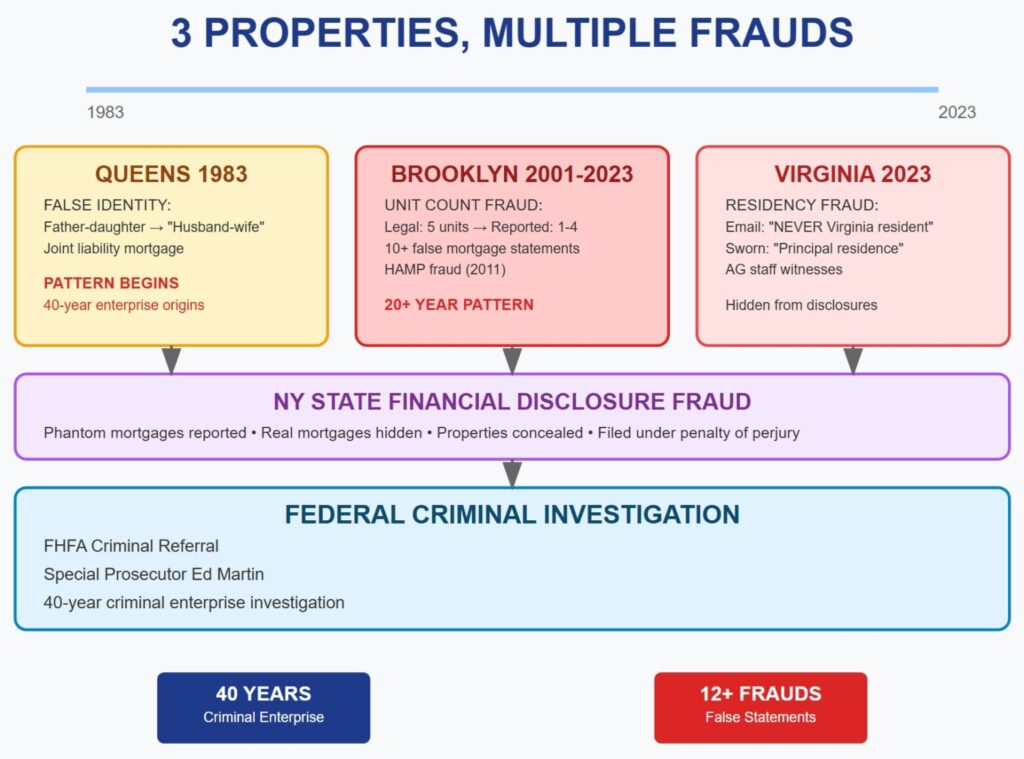
According to Antar’s findings, James signed an affidavit declaring the Norfolk property as her principal residenceto secure a $219,780 mortgage from Annac Home Mortgage, co-owning the property with her niece. Yet, public records show she never relocated to Virginia, as required by the loan terms, and she failed to disclose the propertyon her state ethics filings for both 2023 and 2024. Federal investigators now allege that this omission constitutes a material misrepresentation — one that could rise to the level of mortgage fraud.
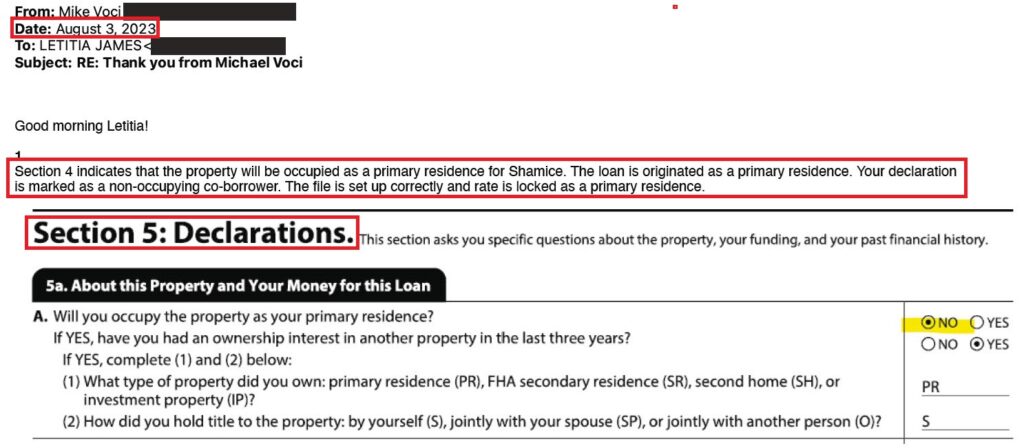
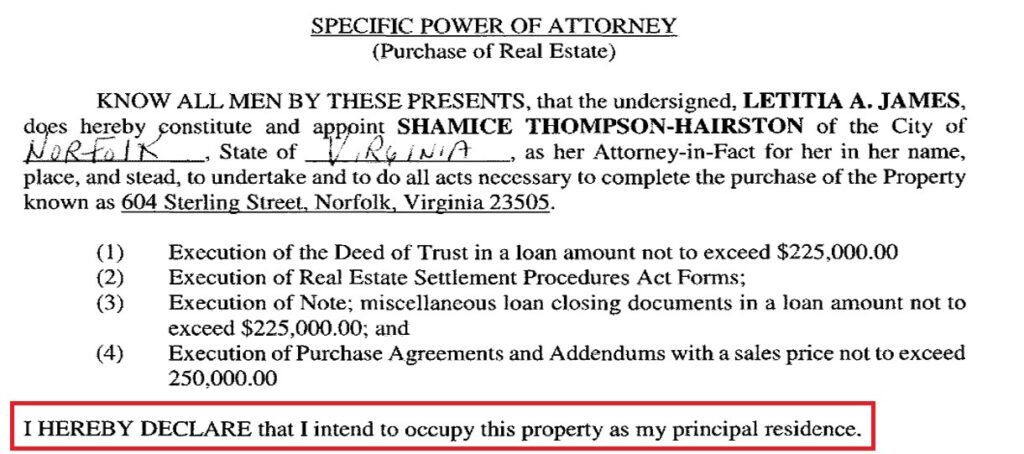
Antar also identified multiple “phantom mortgages” — loans James reported on her state financial disclosures that don’t exist in official public databases. These included unrecorded mortgages tied to her Brooklyn brownstone at 296 Lafayette Avenue, where records show discrepancies in both property classification and mortgage registration. In one case, Antar discovered the original certificate of occupancy classified the building as a five-family dwelling, but James reported it as a four-unit residence — a critical distinction that could have allowed her to qualify for federal residential loan programs
Antar summarized the pattern succinctly:
“Real mortgages hidden, phantom loans reported, property use misrepresented, and disclosures altered across multiple years.”
He also raised the question of why certain mortgages were never recorded — suggesting that avoiding New York’s steep mortgage recording tax may have been a motivating factor.
In addition, Antar’s review of her filings between 2020 and 2025 revealed that income sources vanished, while unverified liabilities appeared in their place. These discrepancies, combined with her use of unrecorded loans, prompted questions about whether James violated federal statutes on false statements (18 U.S.C. §101) and mail and wire fraud (18 U.S.C. §§1341, 1343), as well as New York State Public Officers Law §73 regarding financial ethics.
What makes this indictment even more politically charged is the hypocrisy it exposes. While Letitia James was spearheading high-profile fraud cases against Donald Trump — accusing him of inflating property values to gain favorable loans — her own filings allegedly reflected the same violations she publicly condemned.
Her attorney, Abby Lel, reportedly told federal investigators that James never intended to occupy the Virginia property, contradicting her signed affidavit to the lender. If true, either the mortgage application was fraudulent or her state disclosures were — but both cannot be true.
Adding to the intrigue, the James case remained under seal Thursday, making it impossible to assess what evidence prosecutors currently have. But as was the case with the Comey charges, the prosecution followed a strikingly unconventional route. The Trump administration recently removed Erik Siebert, the veteran prosecutor who had overseen the investigation for months but resisted pressure to file charges, and replaced him with Lindsey Halligan— a White House aide and former Trump personal lawyer who has never worked as a federal prosecutor.
For Black Westchester, this story underscores why independent Black media must hold even our own leaders accountable. Representation without integrity is not progress. When those we elevate to fight injustice become the subjects of investigation, it reveals how deeply politics has corrupted our sense of moral clarity.
The same Attorney General who preached about “equal justice under the law” now faces that very principle herself. And while some may see this as a partisan takedown, we see it as a long-overdue test of truth — one that no amount of political spin can erase.
As this case unfolds, Black Westchester will continue to follow the facts, not the party line. Justice must remain blind — even when the accused once stood at the podium.