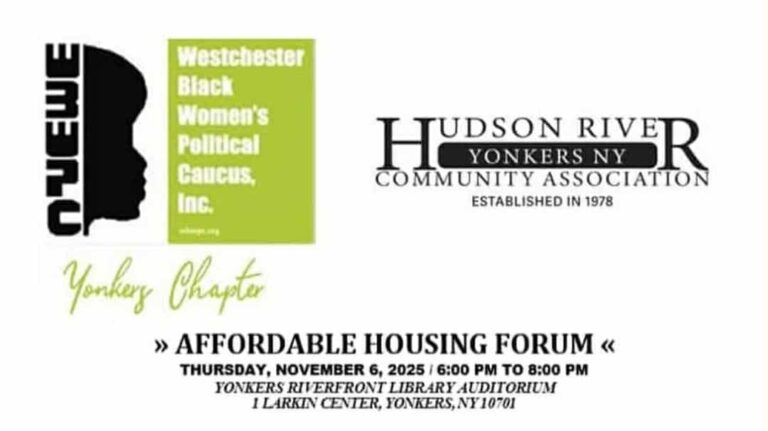
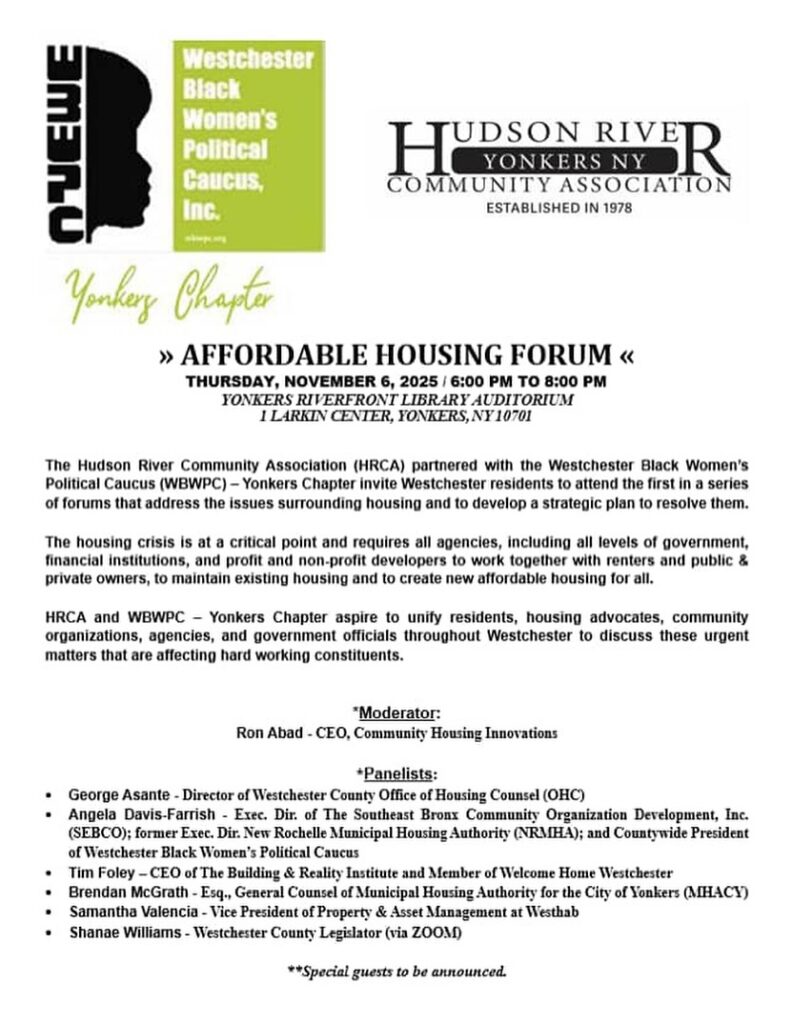
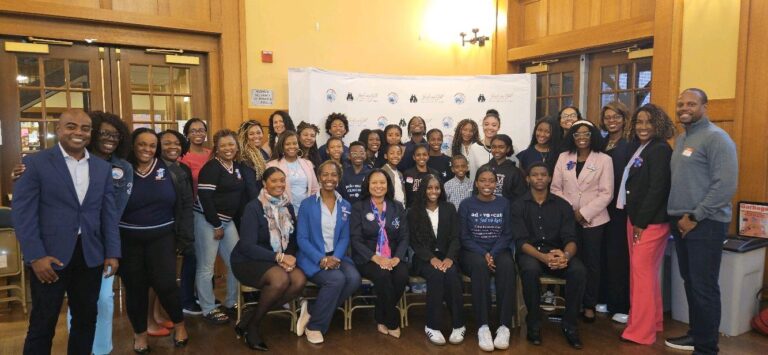
The Hudson River Community Association (HRCA) and the Westchester Black Women’s Political Caucus (WBWPC) – Yonkers Chapter invite Westchester residents to attend the first in a series of community forums addressing housing issues and working toward a strategic plan for solutions.
The forum will take place on Thursday, November 6th, from 6:00 PM to 8:00 PM at the Yonkers Riverfront Library Auditorium,1 Larkin Center, Yonkers, NY 10701.
The forum will bring together advocates, developers, community organizations, agencies, and government officials across Westchester to address housing challenges and create a strategic plan for their resolution and discuss strategies that promote equity, access, and stability for working families.
As organizers note, together, we can shape policy, strengthen partnerships, and create housing opportunities for all.
“The housing crisis is at a critical point and requires all agencies, including all levels of government, financial institutions, and profit and non-profit developers to work together with renters and public & private owners, to maintain existing housing and to create new affordable housing for all.”
Moderator:
Ron Abad – CEO, Community Housing Innovations
Panelists:
Shanae Williams – Westchester County Legislator (via ZOOM)
George Asante – Director of Westchester County Office of Housing Counsel (OHC)
Angela Davis-Farrish – Exec. Dir of The Southeast Bronx Community Organization Development, Inc. (SEBCO), Deputy Director of Rochelle Municipal Housing Authority (NRAMHA), and Countywide President of Westchester Black Women’s Political Caucus
Tim Foley – Member of the Yonkers Building & Realty Institute and Member of Welcome Home Westchester
Brendan McGrath – Esq., General Counsel of Municipal Housing Authority for the City of Yonkers (MHACY)
Samantha Valencia – Vice President of Property & Asset Management at Riseboro
The Hudson River Community Association (HRCA), established in 1978, has partnered with the Westchester Black Women’s Political Caucus (WBWPC) – Yonkers Chapter to present this series of forums on critical housing issues in Westchester County.
More than 2 million New Yorkers cast a ballot in a high-stakes election that smashed recent turnout levels.
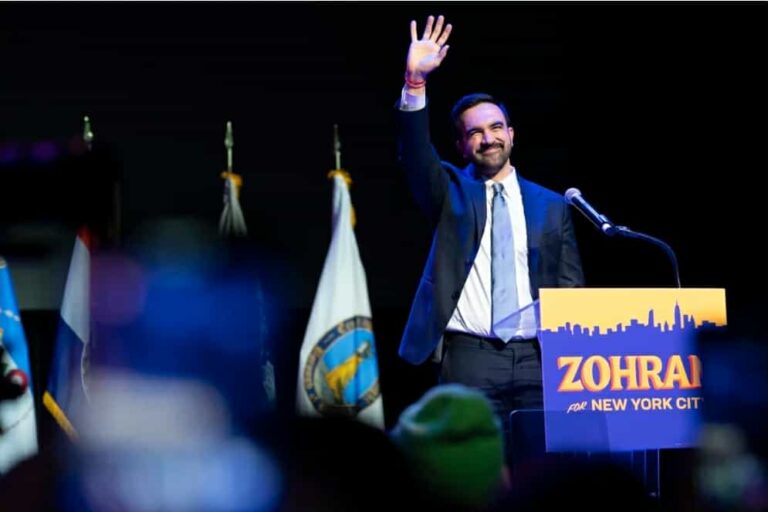
Zohran Mamdani, a member of the Queens Assembly, won a contentious mayoral election on Tuesday, capping an incredible political ascent. He will be the first Muslim to serve as mayor of New York City, the youngest mayor in more than a century, and one of the most well-known democratic socialists in the nation. He is only 34 years old.
Mamdani, who was born in Uganda, is a Muslim of Indian descent who has lived in the United States since he was seven years old, before becoming a naturalized citizen in 2018, led former Governor Andrew Cuomo, who ran as an independent and received 42% of the vote, with almost 50% of the vote after nearly 97% of the votes were counted. Curtis Sliwa, the Republican nominee, came in last with 7%.
Some Democratic strategists have pointed out that South Asian and Arab Muslims in the U.S., many of whom immigrated post-1965, have historically not been invested in politics. Asian-Americans in general have also been underrepresented in polling and research, even in recent election years, ABC News previously reported.
“This campaign has awakened something powerful in New York’s South Asian and Muslim communities — a sense of visibility, pride, and political belonging that’s been denied for generations,” Dora Pekec, a spokesperson for Mamdani, shared.
Supporters began arriving and gathering at the Brooklyn Paramount Theatre around 9pm ET, when the polls in New York closed. Many attenders were seen wearing Mamdani campaign merchandise such as baseball caps, beanies, and T-shirts.
“I’m ecstatic!” “This is life-changing!” “I’m lost for words!” were just some of the refrains from the crowd as they celebrated history in the making: New York has its first Muslim mayor.
The crowd was full of high-profile Democrats, including New York Representative Alexandria Ocasio-Cortez; the New York City public advocate, Jumaane Williams; the city comptroller, Brad Lander; the New York attorney general, Letitia James; and actor Cynthia Nixon. Twitch streamer Hasan Piker was among those seen making the rounds, talking to members of the media and partygoers.
Jasmine Gripper, co-director of New York’s Working Families Party, celebrated the victory and said she was feeling “excited and proud of what we accomplished”.
“Not only did we defeat Andrew Cuomo once, we defeated him twice, sending him back to the suburbs, but we got to elect a real, true champion for working families, Zohran Mamdani, and this is a history-making campaign, and we’re excited that he won, and we’re excited to get his agenda to the finish line,” she said.
At around 11.30pm, Mamdani walked onstage to applause. Before he even began speaking, the crowd was deafening as it chanted “Zohran, Zohran!”
Mamdani thanked his supporters and volunteers in his speech, vowing to fight for all New Yorkers and to make the city more affordable for everyone.
“On January 1, I will be sworn in as the mayor of New York City, and that is because of you,” Mamdani said. “Thank you to the next generation of New Yorkers who refused to accept that the promise of a better future was a relic of the past. You showed that when politics speaks to you without condescension, we can usher in a new era of leadership. We can fight for you because we are you.”
He continued, to a cheering crowd: “For as long as we can remember, the working people of New York have been told by the wealthy and the well-connected that power does not belong in their hands … And yet over the last 12 months, you have dared to reach for something greater. Tonight, against all odds, we have grasped it. The future is in our hands.”
People could be seen hugging, raising fists and waving their phones in the air as he spoke.
Mamdani offered one final note about his biggest competitor, Cuomo: “My friends, we have toppled a political dynasty. I wish Andrew Cuomo only the best in private life, but let tonight be the final time I utter his name as we turn the page on the politics that abandons the many and answers only to the few. New York, tonight you have delivered a mandate for change.”
As Mamdani listed out his pledges, which included providing universal childcare, fast and free buses, freezing rent hikes for those in rent-stabilized units and more, the crowd responded with even more thunderous applause.
In perhaps the most fiery part of his speech, Mamdani called out Donald Trump by name to declare that he is ready to face the president head-on as New York’s mayor-elect.
“So, if there is any way to terrify a despot, it is by dismantling the very conditions that allowed him to accumulate power. This is not only how we stop Trump, it’s how we stop the next one. So, Donald Trump, since I know you’re watching, I have four words for you: turn the volume up,” he said, the crowd exploded again, cheering with approval.
The first prospective millennial mayor of New York City ended his speech on a softer note, by putting his hand on his heart and thanking everyone in the room around him.
“This power is yours,” he told the crowd, before being joined by his parents and wife. “The city belongs to you.”
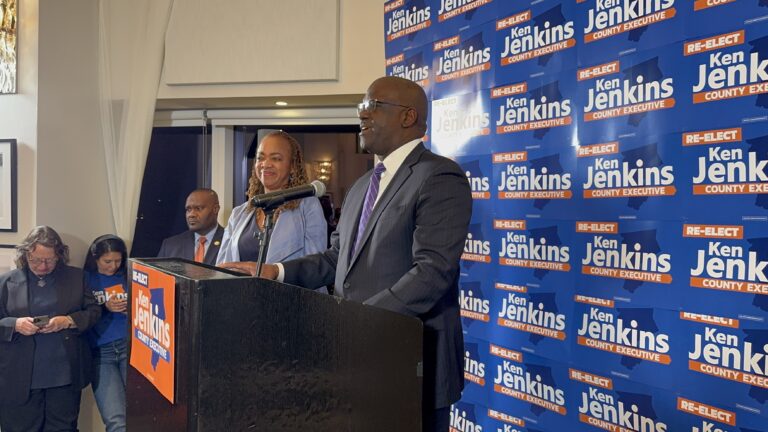
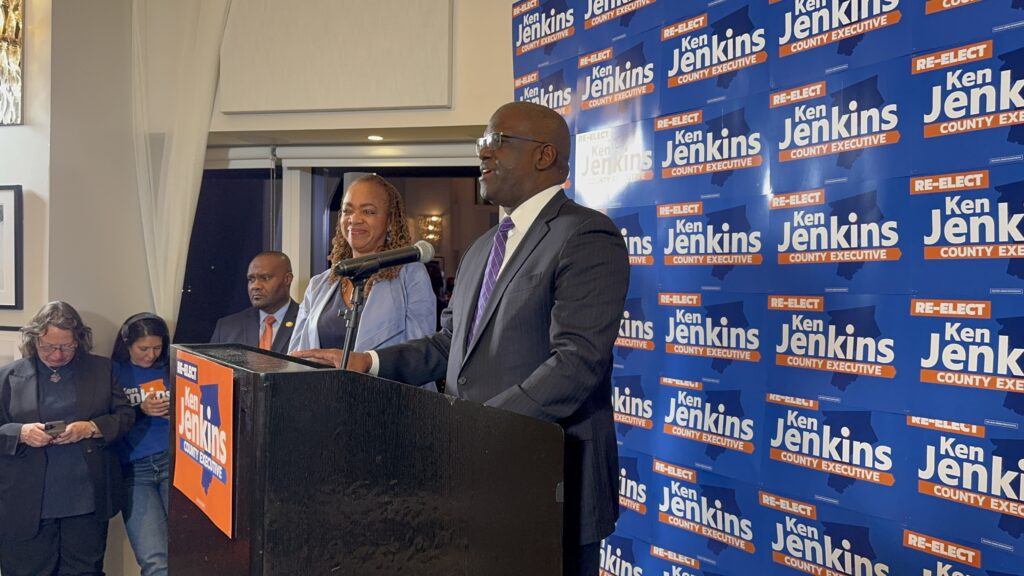
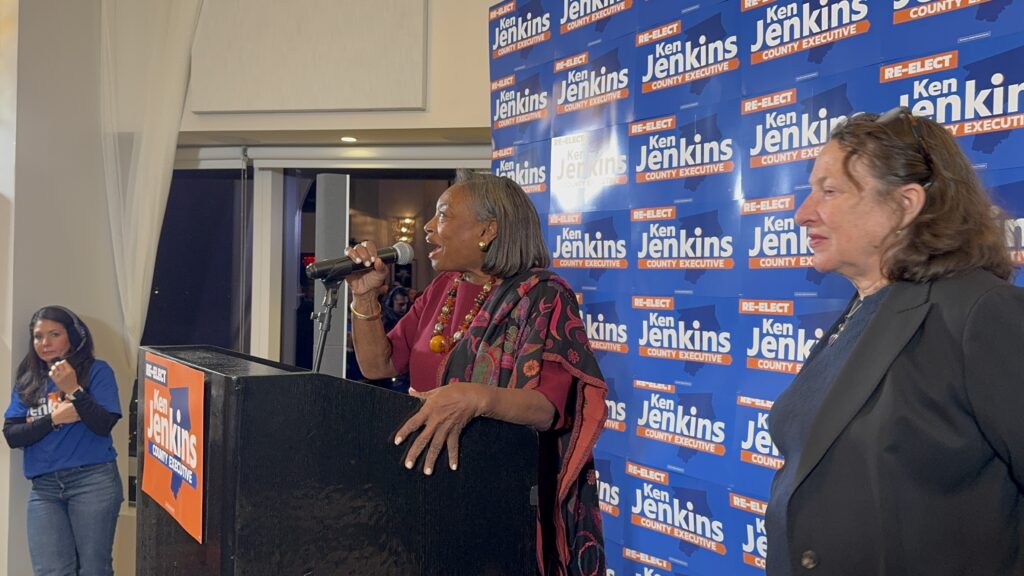
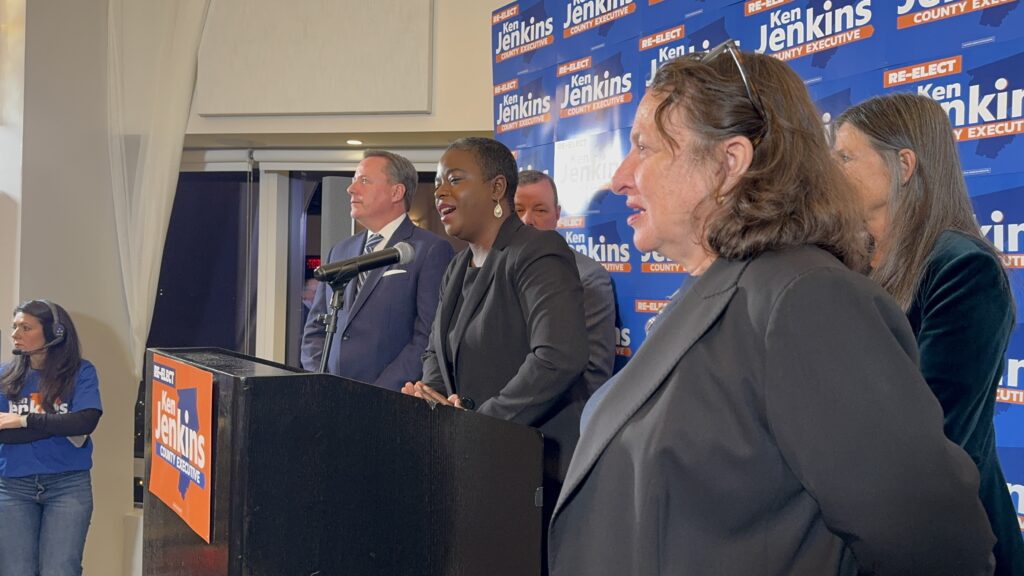
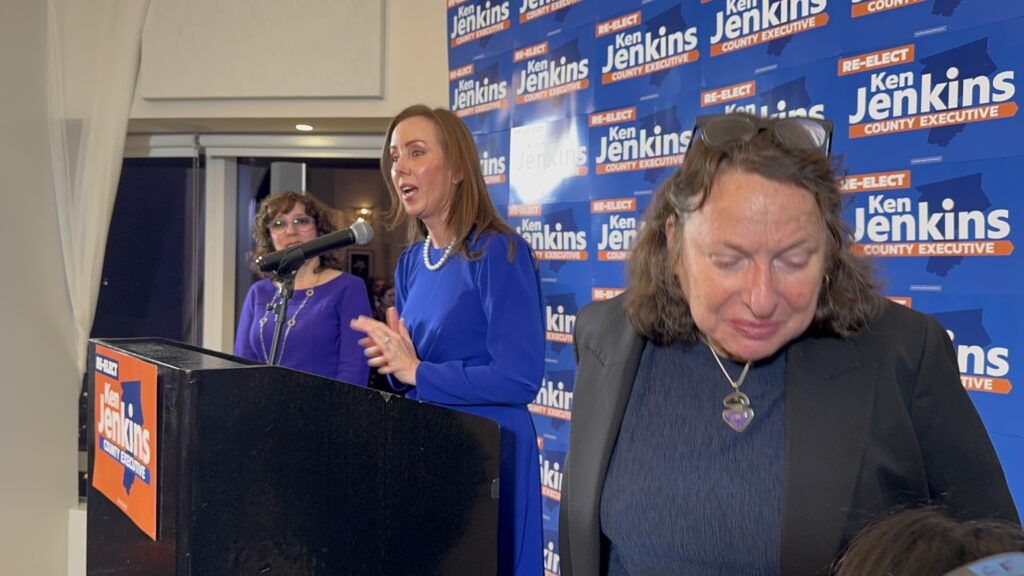
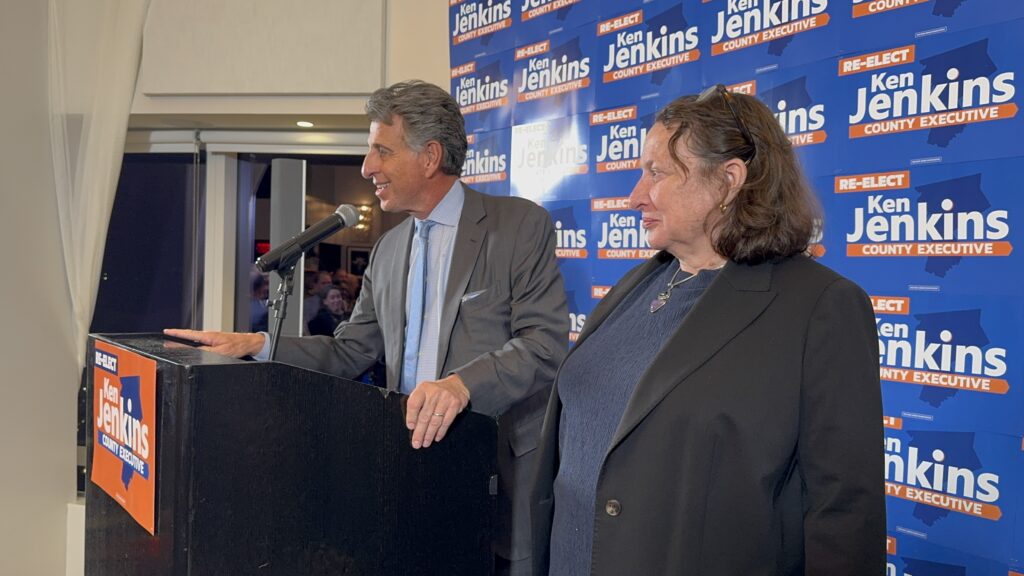
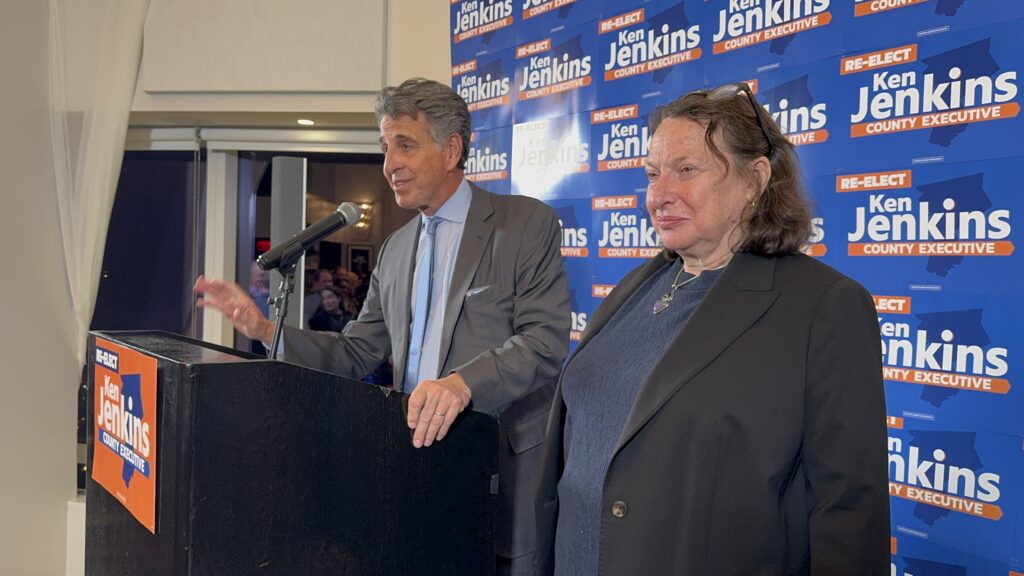
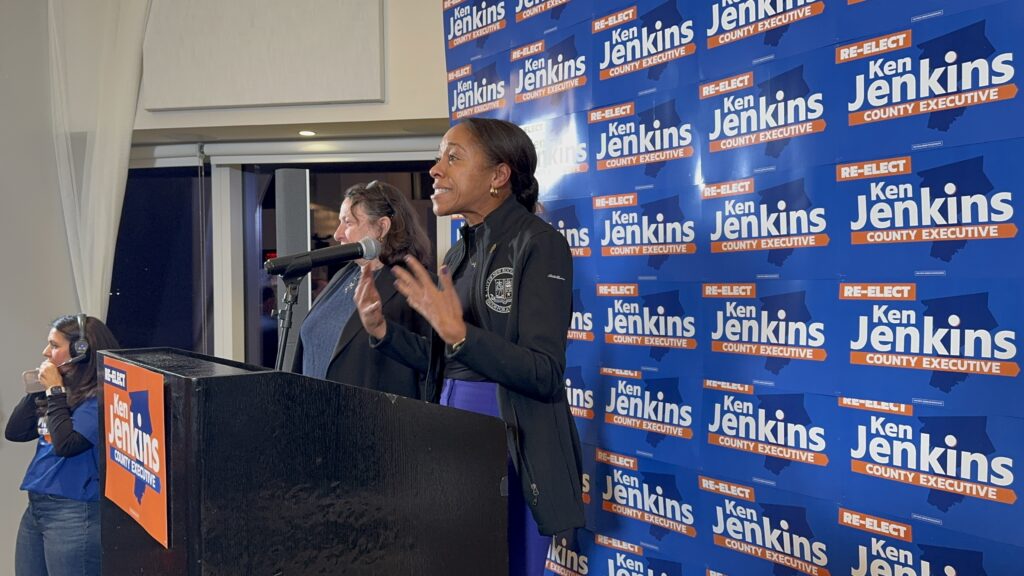
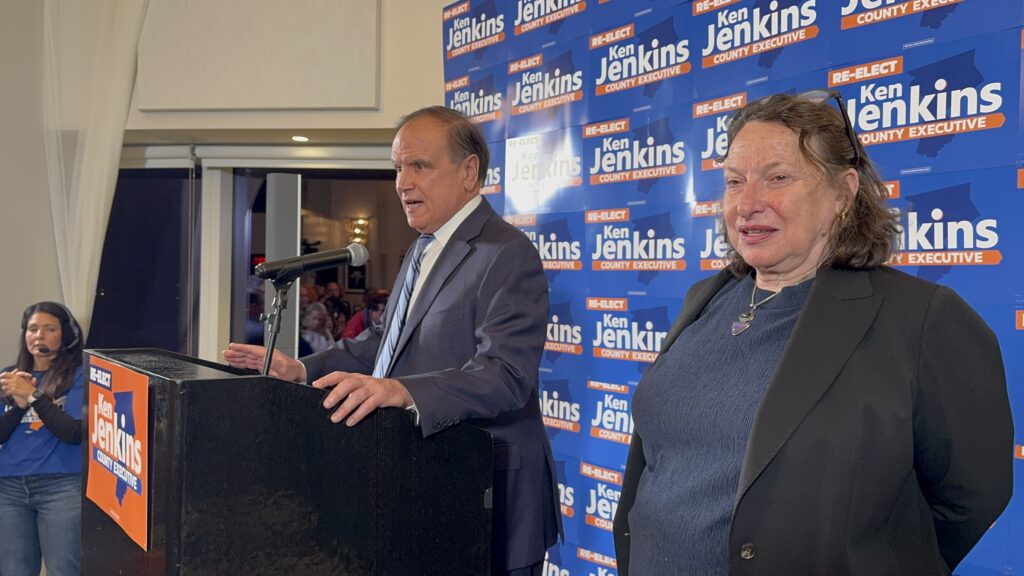
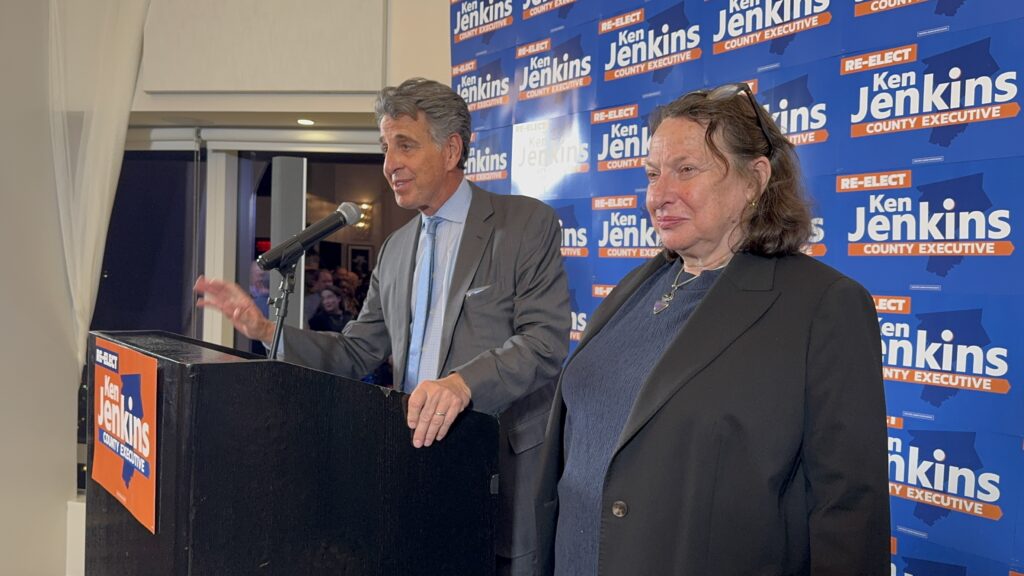
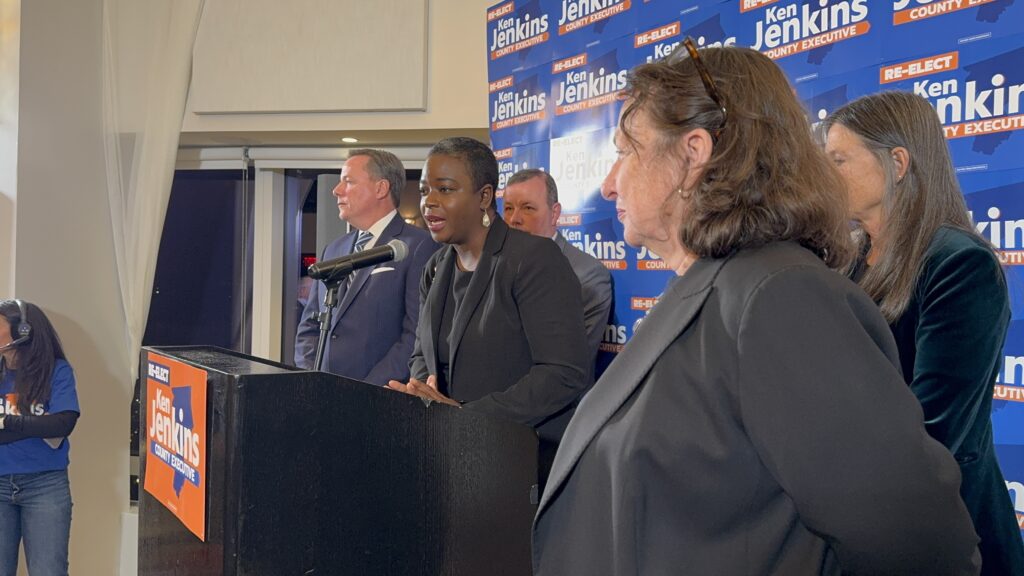
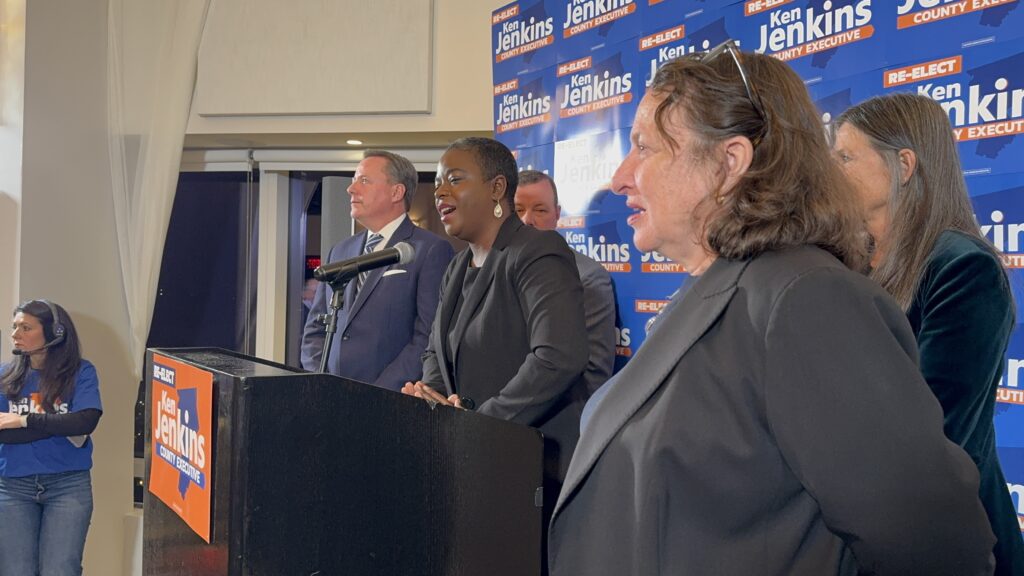
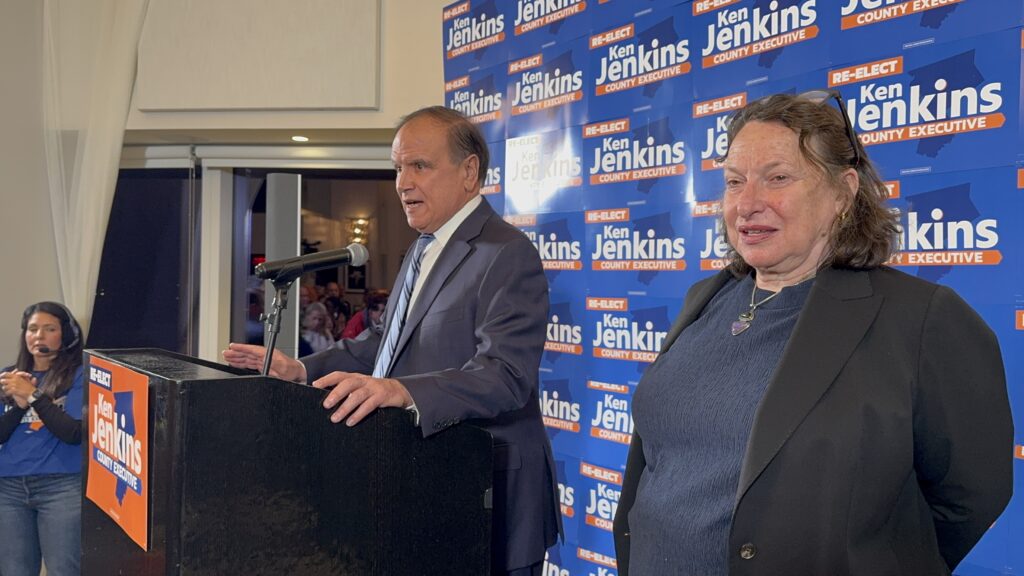
Westchester County made history on Election Day. For the first time in its 339-year history, the people of this county elected a Black man, Ken Jenkins, as County Executive. It’s a milestone that speaks to how far we’ve come — and a reminder of how much further we still have to go.
Jenkins’ victory is not just a win for one man. It’s a statement about what perseverance looks like, what representation means, and what the future of leadership in this country can become when experience meets integrity. For decades, Jenkins has been the steady, informed presence in Westchester politics — a man who put in the work, mastered the system, and never wavered from public service even when the odds or timing weren’t in his favor.
A Moment Long Overdue
Westchester is a county rich in diversity, yet long defined by political homogeneity. From Yonkers to Mount Vernon, from Greenburgh to Port Chester, Black and Brown communities have powered this county’s labor, culture, and civic life — but too often, not its leadership. Jenkins’ election shatters that old ceiling. It’s a symbolic correction to a system that for generations failed to reflect the faces and voices that make this country thrive.
But symbolism is only the beginning. Because history doesn’t sustain itself, policy does. And for Ken Jenkins, this win brings both pride and pressure. As the first Black County Executive, he now stands at the intersection of expectation and execution — where progress must be more than a photo opportunity.
A Record Built on Service — and Respect
Those who know Jenkins understand that this victory didn’t happen overnight. He earned it the long way — through years of public service, as a County Legislator, as Chair of the Board, and as Deputy County Executive under George Latimer.
Over that time, Ken has mastered the art of persuasion and respectful debate. As I said recently on one of my social media posts about him: “Do we always agree? Absolutely not. But at the end of the day, he works for the best interest of the people — and in politics, we have to work to get the best.” That’s what makes him effective. He knows how to disagree without disrespect, and how to unify without compromising his integrity.
He has seen what works in government and what doesn’t. And because of that experience, he enters office with something many elected officials lack: the wisdom that leadership isn’t about ego — it’s about outcomes
What Comes Next
Westchester stands at a crossroads. Skyrocketing housing costs continue to push working families out. Municipalities like Mount Vernon and Yonkers are still battling the lingering effects of infrastructure neglect. Our schools and youth programs need innovation, not bureaucracy.
Suppose Jenkins can bring his brand of steady, informed leadership to these issues. In that case, this historic moment will become a defining one — not just for him, but for generations of Westchester residents who deserve to see equity in action, not just in headlines.
Jenkins’ leadership will be tested early. Affordable housing, climate resilience, public safety, and fiscal management remain the county’s biggest challenges. Yet, if his record is any indicator, Jenkins won’t run from the hard work — he’ll run toward it.
The Broader Meaning
This election wasn’t just about breaking a barrier; it was about building a bridge. For the Black community, it’s a validation of patience and persistence. For Westchester as a whole, it’s a call to move past politics as usual and toward governance that mirrors the diversity and depth of the people it serves.
Ken Jenkins’ rise reminds us that leadership built on preparation lasts longer than leadership built on popularity. It also challenges a generation of young Black men and women to see government not as an enemy, but as a platform — one that can be reclaimed and redefined by those willing to serve.
A Victory With Purpose
The morning after Election Day, when the celebrations fade, the real work begins. Jenkins now carries the hopes of a community that’s waited far too long to see itself at the table of power. He also holds the responsibility to make sure that the table stays open — that progress doesn’t stop with him, but continues through him.
In the end, history is not just made by being first. It’s made by being faithful to the people, to the purpose, and to the promise of progress. Ken Jenkins’ victory represents all three.
Westchester County just turned a page. Let’s make sure the next chapter is one of action, equity, and unity — not just history remembered, but history fulfilled.
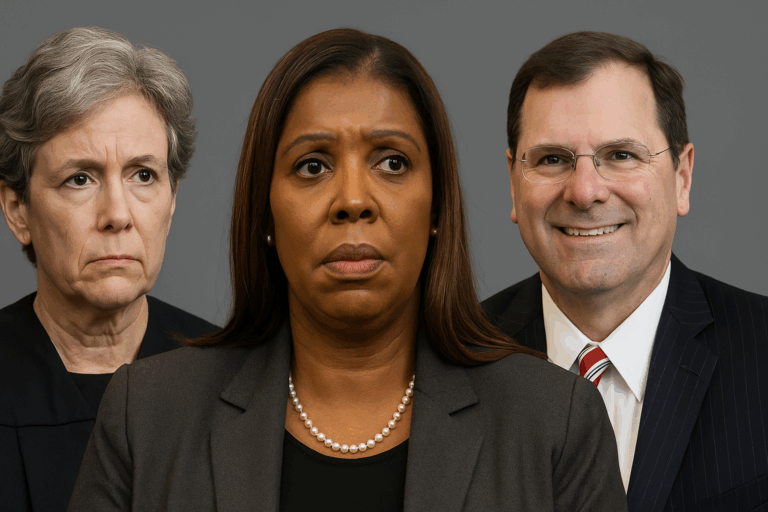
“The cat is out of the bag.” With that one statement, U.S. District Judge Lorna G. Schofield removed the veil of secrecy surrounding one of the most politically charged legal battles in the nation. Her October 31, 2025, ruling didn’t end the investigation into New York Attorney General Letitia James — it simply made it public. What happens next could have major consequences for both state and federal power, and for how justice is wielded when politics is involved.
Judge Schofield, sitting by designation in the Northern District of New York, ruled that the public has the right to see what’s happening inside the case In re Grand Jury Subpoenas to the Office of the New York State Attorney General.
The case involves two federal grand jury subpoenas issued by Acting U.S. Attorney John A. Sarcone III to James’s office on August 5, 2025. One subpoena seeks records from James’s civil fraud case against Donald J. Trump, and the other demands documents from her office’s civil action against the National Rifle Association. Both subpoenas were issued as part of an ongoing criminal investigation reportedly looking into whether James’s office violated anyone’s civil rights during her high-profile prosecutions.
The Attorney General’s Office didn’t comply with those subpoenas. Instead, Letitia James’s legal team filed a motion to quash — a legal move to throw them out entirely. Her attorneys argued that the subpoenas were a political hit job, a form of retaliation from the federal government for her aggressive pursuit of Trump and the NRA. They claimed the subpoenas infringed on New York State’s sovereignty and that Acting U.S. Attorney Sarcone’s appointment was invalid, making the subpoenas unenforceable. Her personal attorney, Abbe Lowell, went as far as confirming to NPR that the federal government had demanded “every piece of paper” related to both cases.
While the motion to quash was filed under seal — hidden from the public — the story quickly leaked. Major outlets including The New York Times, Fox News, Reuters, Bloomberg, and The Associated Press all reported that the Justice Department had opened a civil rights investigation into the New York Attorney General’s Office. With so much public reporting already out, Judge Schofield ruled that secrecy served no purpose. She wrote that “one simple fact drives this conclusion: the information at issue is not secret,” adding, “in the wake of two hundred-plus news reports on the matter, one can safely assume that the cat is out of the bag.”
Her order to unseal the case was a win for transparency — but not for Letitia James. The decision only makes the filings and arguments public; it doesn’t void the subpoenas. Judge Schofield specifically noted that James’s motion to quash would be “addressed in a separate opinion.” Until that happens, the federal subpoenas remain active, and her office is still legally obligated to respond. In plain terms, James may still be forced to turn over internal communications, case files, and email records concerning her office’s pursuit of Trump and the NRA.
The U.S. Attorney’s Office for the Northern District of New York — representing the federal government — opposed unsealing from the start, arguing that disclosure could compromise the integrity of the grand jury investigation. Judge Schofield rejected that claim, ruling that redactions, not secrecy, could address any valid confidentiality concerns. She emphasized that the issues at stake were of “national concern,” touching on allegations of political retaliation by the executive branch, questions of state sovereignty, and whether the acting U.S. attorney’s appointment was lawful. These are constitutional questions that affect not just New York but every state’s ability to function independently when the federal government wields its investigative power.
The unsealing of the case has broader implications beyond the courtroom. It raises serious questions about accountability, political power, and the limits of elected prosecutors when their targets are also political figures. For Letitia James, this battle now tests the very system she once used to take down her opponents. If the federal government succeeds in enforcing the subpoenas, it could open the door to unprecedented oversight of a state attorney general’s office — a move that would be seen by many as retaliation, but also by others as necessary accountability for prosecutorial overreach.
For now, the case stands as a reminder that transparency and accountability cut both ways. Judge Schofield didn’t protect James; she protected the public’s right to see the process unfold. Her decision peeled back the curtain but left the substance of the investigation untouched. The subpoenas still stand. The grand jury still has authority. And the legal showdown between the state of New York and the federal government is far from over.
This is not just a courtroom dispute — it’s a test of political power and principle. Judge Schofield made it clear that secrecy was never meant to be a shield for government actors, whether state or federal. But for Letitia James, who once vowed to “shine a light in every dark corner” of Trump’s empire, the spotlight has now turned on her own office. The cat is out of the bag — and it’s not going back in anytime soon.
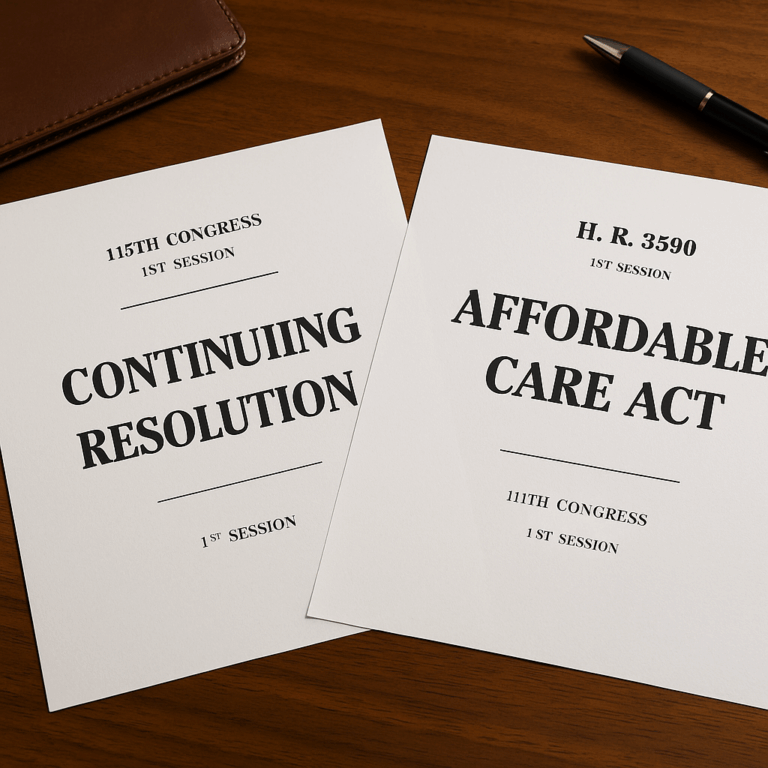
There have now been fifteen votes to keep the government open. Democrats have consistently voted no. They claim they’re standing on principle, but the reality is that you can’t fix healthcare with the government shut down — and you can’t fix it with it open either, unless you go through the proper process.
The Affordable Care Act remains one of the most politically protected yet structurally flawed laws in modern history. It’s been defended by rhetoric, not results. And now, Congress is trying to use a Continuing Resolution, or CR, as a bargaining chip — pretending it’s a tool to repair healthcare. But a CR is not legislation. It’s not reform. It’s a delay.
A CR doesn’t change the law. It doesn’t restructure programs or address the Affordable Care Act’s core design failures. It simply spends money we don’t have to keep a system we refuse to fix.
Modern politics thrives on optics, not outcomes. Shutting down the government has become performance art — where both parties pretend that political brinkmanship equals courage. In truth, a CR is a temporary check to keep agencies running at last year’s spending levels. It keeps the lights on but doesn’t fix the wiring. Yet politicians tell voters it’s leverage for “reform,” when in reality, it can’t rewrite a single paragraph of the ACA.
The Affordable Care Act is permanent law, not a budget line item. To amend it, Congress must go through committee hearings, debate, and full legislative action. That means the House Ways and Means, Energy and Commerce, and Senate Finance Committees, not cable news studios. But serious policy work takes time and courage. Today’s politicians prefer microphones over mathematics and hashtags over hard choices.
The real reason healthcare is broken isn’t lack of funding — it’s lack of discipline. The ACA expanded the government’s reach far beyond its competence and then acted surprised when bureaucracy couldn’t deliver results.
The flaws are evident to anyone willing to look. It forces the young and healthy to subsidize the old and sick, calling it fairness while distorting the market. It expanded Medicaid to people it was never designed for, turning a program for people with low incomes into a system of dependency. It punished small businesses through employer mandates that discouraged hiring and growth. It offered temporary subsidies for political convenience, not fiscal honesty — and now blames others as those subsidies expire. And it squeezed hospitals, especially in minority and rural communities, under reimbursement rates that make quality care harder to sustain. These failures aren’t accidents; they are the logical consequences of central planning.
A Continuing Resolution can’t repair any of that. It simply extends the same spending for a few more weeks or months. It can’t modify Medicaid, adjust premiums, or simplify the ACA’s tangled bureaucracy. The notion that a CR can “fix healthcare” is not only false — it’s dishonest. No serious policymaker believes that a trillion-dollar health system can be repaired through a temporary funding patch.
Both parties share blame. Democrats built the ACA on political illusions and temporary money. Republicans respond with symbolic shutdowns that accomplish nothing. Neither wants to do the work of policy because real work exposes the trade-offs and truths voters might not want to hear.
If Congress is serious about fixing healthcare, it must reopen the government and send the ACA back to committee. That’s where the hard questions belong — where lawmakers can hear from economists, doctors, insurers, and state officials, not speechwriters. Reform must be phased in responsibly: stabilize the markets first, fix Medicaid next, then simplify the tax credits and restore competition. And above all, be honest about costs — because nothing in government is ‘free’. This is a task that requires bipartisan cooperation, not political posturing.
A Continuing Resolution can’t fix healthcare because no budget gimmick can correct a failure of political will. The ACA was written to expand dependency, not efficiency. Until that truth is confronted, the same cycle will repeat: shutdowns, speeches, and no solutions.
Government shutdowns make headlines. Real reform makes history. Congress needs fewer theatrics and more truth.
References
U.S. Congress Roll Call Votes (2025 Continuing Resolution Votes) Congressional Record — House and Senate Floor Votes, September–October 2025. Accessible via: Congress.gov (Confirms Democrats voted “no” on all 15 CR votes to fund the government.)
Congressional Budget Office (CBO). “Estimated Budgetary Effects of the Affordable Care Act.” Congressional Budget Office, Washington, D.C. (March 2011). (Analyzes long-term fiscal impacts of the ACA and the structural rise in entitlement spending.)
Centers for Medicare & Medicaid Services (CMS). “National Health Expenditure Data, 2010–2023.” U.S. Department of Health and Human Services. (Documents Medicaid enrollment increases and the federal-state cost burden following ACA expansion.)
Kip Piper, MA, FACHE. “The Affordable Care Act: A Giant Social Experiment.” National Library of Medicine, Health Affairs (2014). (Identifies administrative flaws and rollout failures within CMS during ACA implementation.)
The Commonwealth Fund. “Senate Passes Health-Care Overhaul Bill, 60–39.” December 24, 2009. (Confirms ACA passage in the Senate with zero Republican votes.)
HealthReformVotes.org. “House Roll Call: Patient Protection and Affordable Care Act, March 21, 2010.” (Confirms ACA passed the House 219–212, without Republican support.)
Congressional Research Service (CRS). “Continuing Resolutions: Overview of Components and Practices.” CRS Report RL34700, updated July 2023. (Explains the legal limits of CRs and why they cannot amend or replace existing law.)
Government Accountability Office (GAO). “Antideficiency Act and Federal Budget Process.” GAO Financial Management Series (2022). (Clarifies that CRs maintain spending authority only and cannot legislate new programs or alter statutory law.)
Kaiser Family Foundation (KFF). “Medicaid Enrollment & Spending Growth, 2010–2024.” KFF Health Policy Analysis (2024). (Provides data on the 90+ million Medicaid participants and the expansion’s fiscal impact.)
The Wall Street Journal. “The Employer Mandate’s Hidden Cost.” Editorial Board, April 2016. (Discusses how ACA employer coverage rules disincentivized full-time hiring and small business growth.)
The Heritage Foundation. “Why Obamacare’s Temporary Subsidies Are the Real Budget Gimmick.” Heritage Policy Analysis Report, June 2022. (Explains how Democrats structured short-term subsidies to minimize CBO scoring while assuming later extensions.)
The New York Times. “Hospitals Feel the Strain as Medicaid Expands.” April 2023. (Documents how reimbursement cuts have led to closures and reduced access, particularly in low-income communities.)
Thomas Sowell. “The Economics and Politics of Health Care.” Collected Essays, Hoover Institution, Stanford University (2012). (Provides the economic framework on incentives, distortions, and unintended consequences in government-controlled systems.)
Some stories don’t make it into history books because they don’t fit the syllabus of control.
In 1996, Minister Louis Farrakhan, leader of the Nation of Islam, became the subject of one of those stories.
He had just completed what newspapers called his World Friendship Tour, thirteen nations across Africa and the Middle East, from Sudan to South Africa to Libya.
At each stop, he spoke the same truth: “If we can’t borrow dignity, we must build it.”
Then came the offer that cracked Washington’s calm: Libya’s leader Muammar Gaddafi pledged $1 billion to help African Americans establish banks, businesses, and schools.
It wasn’t a sermon, it was a sovereign development plan:
factories in Detroit,
affordable housing in Chicago,
farms in the Mississippi Delta,
a media fund so Black America could control its own narrative.
But before any ink could dry, the U.S. Treasury’s Office of Foreign Assets Control (OFAC) said no.
Libya was under sanctions; any financial link would be a felony. (Washington Post, 1996)
Within days, Farrakhan, his wife, and several of their children discovered that every account and credit card attached to their names had been frozen.
Not one Libyan dollar had entered U.S. soil, yet they were locked out of their own money. (Associated Press, 1996)
The government didn’t just block a transfer; it staged a warning: even imagining financial independence can be punished.
The Hidden Anatomy of a Block
Most Americans never learn that OFAC’s power wasn’t built for terrorists; it was built for ideology.
Created in 1950 to enforce Cold-War trade bans, it evolved into a financial intelligence agency that now controls the digital arteries of global banking.
Its list of restricted entities covers more than 12,000 pages, and a U.S. bank can face million-dollar fines for a single transaction that touches a sanctioned name.
In 1996, those rules collided with race.
Internal Treasury memos later released through the Freedom of Information Act show officials worrying that accepting Libya’s money could “legitimize separatist movements inside the United States.”
Translation: economic self-determination looked like sedition.
Washington had reason to panic.
Just six months earlier, the Million Man March had drawn nearly a million Black men to D.C., peacefully, powerfully, outside the control of any political party.
Add a billion dollars in capital and an African ally? That wasn’t philanthropy; it was autonomy.
The Fine Print on Freedom
Sanctions decide who gets to build, trade, and breathe.
The official language spoke of “foreign-policy consistency.”
What it meant was, only state-approved people of color can prosper globally.
Even as OFAC froze accounts in Chicago, Libya had quietly invested in liberation movements across Africa, funding the ANC in South Africa and student programs in Ghana.
U.S. agencies knew the money wasn’t dirty; they feared it was symbolic, proof that Black freedom didn’t need American permission slips.
The Ghost in the Algorithm
Fast-forward three decades. The hand-signed Treasury letters are gone; now the system polices itself.
Every transaction is scanned by artificial-intelligence compliance engines built on the same logic as OFAC’s 1990s database.
The language changed from “terror risk” to “financial risk,” but the outcome is identical.
Black-led nonprofits report international wires held for weeks under “enhanced review.”
Caribbean banks have been dropped by U.S. correspondents in what regulators call de-risking, a polite term for digital redlining. (Reuters, 2023)
And while no one freezes credit cards by name anymore, algorithms do it invisibly, flagging “suspicious activity” that too often translates to Black capital moving freely.
From Frozen Accounts to BOI Files
In 2025, the U.S. rolled out the Beneficial Ownership Information (BOI) rule through the Financial Crimes Enforcement Network. (FinCEN.gov)
Every LLC, nonprofit, and faith-based cooperative must now disclose who ultimately controls it.
On paper, it targets shell companies. In practice, it builds a searchable map of community power.
Back in 1996, OFAC had to subpoena a bank to learn who owned what.
Today, the data arrives voluntarily.
What began as a freeze on one man’s accounts has become a system that pre-registers potential disobedience.
New York: Where the Struggle Localizes
New York is where global money and Black meaning share a ZIP code.
Wall Street dictates markets; Harlem dictates soul.
And between them lies the quiet bureaucracy that decides which dreams clear and which decline.
In Yonkers, local co-ops trying to trade with Ghana hit “compliance flags.”
In Mount Vernon, diaspora investors lose weeks to document requests.
In Harlem, wellness collectives can’t open merchant accounts without proof of “international-transaction vetting.”
That isn’t progress, it’s surveillance wrapped in policy.
The same logic that froze Farrakhan’s household now throttles community banking one PDF at a time.
The Culture of Denial
Every empire begins its control with a story.
In the 1800s, Africans were called incapable.
In the 1900s, Black banks were called unstable.
In the 2000s, Black nonprofits were called “high-risk.”
Now the algorithm whispers the same thing in code.
This is how you govern without guards, by convincing the spreadsheet that equity is exposure.
Spiritual Economics: The Currency of Connection
Here’s what the system still can’t quantify: the sacred economy that built us.
Before Wall Street, there was Will Street, grandmothers pooling coins for rent, churches funding college tuitions, and Harlem barbers lending hope on credit.
Our wealth was never measured by interest rates but by interest in one another.
In Yoruba tradition, Aṣẹ divine life-force-multiplies through gratitude and good work.
In Kemet, Ma’at defined prosperity as balance, not excess.
In the Black South, “hand-me-down economics” kept generations afloat.
That’s spiritual economics, an economy where energy, trust, and reciprocity circulate when cash cannot.
Every buy-Black market in the Bronx.
Every auntie is collecting rent relief at church.
Every community garden that feeds more souls than mouths.
These are our hedge funds.
Because abundance isn’t about deposits, it’s about alignment.
That’s what Farrakhan’s billion represented: not money, but memory; not wealth, but will.
A cosmic correction. A wealth transfer from colonizer to creator.
The U.S. government stopped the transaction, but not the transmission.
That current still hums through art, activism, and agriculture, from Harlem stoops to Westchester soil.
Money moves on wires; spirit moves through will.
And no sanction has the bandwidth to block that.
The Blueprint for Now
We can’t fight 21st-century barriers with 20th-century tools.
We need literacy, legality, and lineage braided together.
Financial Literacy as Protection – Host teach-ins decoding OFAC, BOI, crypto, and international law. Knowledge is the firewall.
Build Diaspora Credit Networks – Create legal credit unions that move funds between New York and the Caribbean without exploitation.
Lobby for Racial Impact Audits – Require regulators to measure how compliance policies affect minority banking access.
Teach Spiritual Economics – Make reciprocity and rest part of economic development; mental health is market health.
The Full-Circle Truth
The blocked billion of 1996 wasn’t just a financial scandal; it was a spiritual referendum.
It asked a country built on free labor whether it could stomach free people.
Three decades later, the answer still hesitates.
But every Harlem harvest, every Westchester start-up, every community grant written in our own voice is a quiet unfreezing.
The system may hold the patents, but we hold the pattern.
The oldest economy known to humankind: exchange rooted in trust, creativity, and divine circulation.
Mount Vernon, NY — November 6, 2025 (6:00–8:30 PM)
The African American Advisory Board Asthma Committee will host an important community forum on Thursday, November 6, 2025, from 6:00 to 8:30 PM at Westchester Community College – Mount Vernon Extension Center, located at 17 South 5th Avenue, Mount Vernon, NY.
The Asthma Information Community Forum aims to raise awareness about the growing impact of asthma within Black and Brown communities across Westchester County. The event will bring together residents, health professionals, and local leaders to discuss prevention strategies, treatment access, and environmental factors contributing to high asthma rates among families and children.
Community Empowerment Through Awareness
Organizers say the goal is to educate and empower families by providing practical tools for asthma management and connecting them with local health resources. Presenters will cover topics such as recognizing asthma symptoms, reducing household triggers like mold and secondhand smoke, and understanding the link between air quality, housing conditions, and respiratory health.
“This isn’t just about treating asthma—it’s about preventing it,” said a representative from the African American Advisory Board Asthma Committee. “We want to help our community understand what’s causing these high rates, how to protect our children, and how to advocate for cleaner, healthier living environments.”
Health, Environment, and Equity
Asthma disproportionately affects Black and Latino families, especially in densely populated areas like Mount Vernon and Yonkers, where aging housing stock, poor ventilation, and environmental pollution contribute to respiratory illnesses. The forum will highlight how social and ecological conditions directly affect public health outcomes and what can be done to address them.
Local health experts and advocates will also share insights on available support programs, community screenings, and medical resources offered through Westchester County’s Department of Health and partner organizations.
A Call to Action
The African American Advisory Board Asthma Committee continues its mission to improve health equity by engaging the community through education, advocacy, and collaborative partnerships. Organizers encourage residents, parents, and caregivers to attend this free event and be part of the conversation.
“This is about making sure everyone has the right to breathe clean air and live a healthy life,” said one committee member. “Together, we can build a healthier future for Westchester.”
The Office of the Director of National Intelligence recently confirmed that the United States is stepping away from its long-standing approach of “regime change” and “nation building.” After two decades of foreign interventions that cost trillions of dollars, this shift marks a major redirection in American strategy — one centered on stability, strength, and self-preservation rather than global control.
A Turning Point in U.S. Strategy
For much of the 21st century, America’s foreign policy revolved around the idea that democracy could be spread through military intervention. From Iraq to Afghanistan, the results were the same: instability abroad and exhaustion at home. The new direction acknowledges that the greatest threats to the nation’s security are not in foreign deserts or distant capitals, but in our own economic weakness, political division, and social decay.
This is a moment of realignment. Instead of trying to rebuild other nations, the United States is refocusing on rebuilding its own — strengthening supply chains, restoring industry, and investing in infrastructure.
Why This Matters to America
This change could mark the beginning of a new economic era. For years, the U.S. poured trillions into wars that produced little return for the American people. Ending those commitments allows resources to be redirected toward domestic renewal — such as job creation, innovation, manufacturing, and education.
In short, America can now invest in itself.
It’s also a chance to rebuild the nation’s global credibility. A more balanced foreign policy sends a message that the U.S. values peace through strength — not dominance through destruction. It repositions America as a nation of stability rather than intervention, a partner rather than a power broker.
Why It Matters for Black America
For Black Americans, this shift holds powerful symbolism. For generations, we’ve watched America attempt to rebuild other nations while neglecting its own. The end of regime change abroad is a reminder that real progress starts at home — and that power must be built, not borrowed.
This moment calls for leadership rooted in confidence, not dependency. Instead of asking for a seat at someone else’s table, it’s time to build our own and invite others to sit with us — not from a place of weakness or complaint, but from a position of clarity and conviction.
The message is simple: the same discipline America is learning to apply in its foreign policy — knowing when to stop giving away its resources, when to prioritize its own house first — must also apply to how we see our place within this nation.
A New Era of Responsibility
The U.S. decision to move beyond regime change is about learning from failure — understanding that endless expansion leads to exhaustion. The same principle applies to society at home. If the country wants to remain strong, it must focus inward, rebuild its foundation, and cultivate resilience.
This isn’t about isolationism — it’s about intentional power. It’s about acting from a position of strength, discipline, and self-respect.
And that’s a lesson not just for policymakers in Washington, but for every community across America that’s ready to stop waiting for validation and start walking in its own authority.
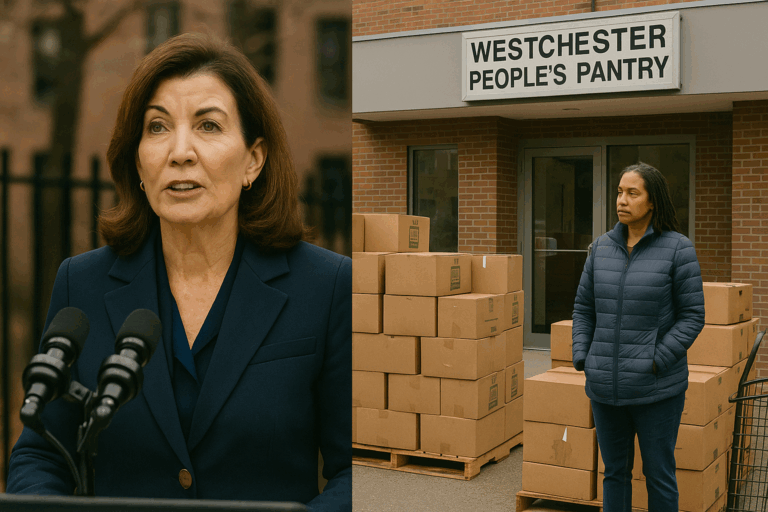
In October 30, 2025, Governor Kathy Hochul declared a statewide disaster emergency as the federal government announced it would not release November’s Supplemental Nutrition Assistance Program (SNAP) benefits due to the ongoing shutdown. This decision jeopardizes food access for nearly three million New Yorkers, including hundreds of thousands of Black families who already shoulder the state’s highest rates of food insecurity.
The Crisis at Hand
New York typically distributes $650 million each month in SNAP benefits. With the federal stoppage, the state has pledged $65–$106 million in emergency funds for food banks and pantries. However, these resources do not directly reload EBT cards. Instead, they will be funneled to nonprofit organizations, churches, and community programs struggling to meet demand.
For many, that means longer lines at food pantries, smaller grocery trips, and impossible trade-offs between paying rent and buying food. State officials warn that emergency food programs will be stretched to their limit within weeks if federal support does not resume.
The Unequal Impact on Black New Yorkers
Black households in New York—particularly in the Bronx, Mount Vernon, Yonkers, and parts of Brooklyn—are among those most reliant on SNAP assistance. These communities already face higher unemployment rates, lower wages, and limited access to affordable grocery stores.
The emergency magnifies long-standing racial inequities:
Food insecurity among Black New Yorkers is nearly double the statewide average.
Health disparities—such as diabetes, hypertension, and obesity—are often linked to poor nutrition and limited food access.
Community strain grows as churches, neighborhood programs, and volunteer networks carry the burden of feeding families once sustained by federal aid.
This crisis also has mental-health consequences. The pressure of providing for one’s family amid uncertainty can deepen stress, depression, and shame—particularly among Black men who already face the social expectation of being providers in economically unstable environments.
Community Resources in Westchester
For residents in Westchester County who are struggling to feed their families during this emergency, immediate help is available:
Westchester People’s Pantry 📍 47 South 5th Avenue, Mount Vernon, NY 10550 📞 914-272-6857 Open Wednesdays and Saturdays 10 AM – 1 PM Serving all residents, including laid-off federal workers, with groceries, diapers, and baby formula.
Feeding Westchester 📞 914-923-1100 🌐 feedingwestchester.org Feeding Westchester partners with more than 300 food programs across the county, ensuring that no family goes hungry during this shutdown.
What This Moment Reveals
This emergency highlights a deeper truth: Black New Yorkers cannot depend solely on government programs for survival. Economic independence, local food systems, and community self-reliance are the only long-term solutions.
Churches, nonprofits, and civic leaders must now work together to strengthen local food supply chains, fund mutual-aid networks, and push for state-level policies that ensure Black food sovereignty—the right to feed our communities with dignity and stability.
As Jesus reminded us, “Man shall not live by bread alone.” But in times like these, making sure every family has bread on the table is a moral obligation we share together.
The Westchester County and Rockland-Orange Chapters of Jack and Jill of America, Incorporated, hosted an inspiring National Security Forum focused on the rising leadership, civic engagement, and national awareness of Black youth.
The forum brought together 98 attendees from Westchester, Rockland, Orange, the Mid-Hudson Valley, and the Stamford-Norwalk area to celebrate the next generation of Black leaders through education, discussion, and empowerment. As a result of this forum, these young leaders are now equipped with a deeper understanding of national security, leadership, and civic responsibility, ready to make a positive impact in their communities.
Teen Leadership Takes the Stage
Westchester County Teen President A. Morgan, Legislative Chair A. Coaxum, and Rockland Teen Legislative Chair M. Euoardo delivered powerful messages on youth empowerment and civic duty. Their words reflected the organization’s mission of nurturing confident, community-driven leaders ready to make an impact.
Distinguished Guests Inspire the Next Generation
Rockland County Legislator Dr. Dana Stilley shared an empowering address on the role and resilience of Black women in leadership. Westchester County Executive Ken Jenkins, the county’s first Black executive, praised Jack and Jill’s long-standing contribution to cultivating excellence and civic engagement among African American families.
The forum’s keynote speaker, Asha Castleberry-Hernandez — U.S. Army Major, national security expert, and former White House representative — captivated the audience with insights on government operations, global safety, and civic responsibility. Her dialogue with students encouraged young people to see themselves as part of America’s leadership pipeline.
Building Future Leaders from PreK to High School
The event featured engaging breakout sessions for children from PreK through 12th grade. These sessions, led by experienced professionals, explored topics like national security, leadership, and safety. Even amid challenging weather, 47 youth participants earned leadership credits for their dedication and active participation in these sessions.
The youngest attendees, preschoolers through first graders, participated in fun, skills-based activities such as “Simon Says” to practice communication and active listening — reinforcing Jack and Jill’s commitment to developing capable, confident communicators from an early age.
Why Forums Like This Matter for the Black Community
Events like the National Security Forum are not just important; they are vital for the Black community. They provide our youth with access to civic education, leadership development, and professional mentorship that are rarely emphasized in traditional school settings. They introduce young Black students to the mechanics of government, national service, and global policy — areas where African Americans remain underrepresented. This forum is a beacon of hope, a platform that empowers our youth and inspires them to reach for the stars.
These forums are not just about education and empowerment; they are about unity and connection. They bridge generational gaps by enabling accomplished leaders to share their knowledge and inspiration with the next wave of thinkers, policymakers, and public servants. They also reinforce positive identity and self-worth, reminding our children that Black excellence is not the exception — it is the standard. By engaging our youth early in issues of security, governance, and responsibility, we strengthen the foundation for future civic leaders who will advocate for justice, equity, and community empowerment.
Community Support and Celebration
The forum concluded with a celebratory dinner sponsored by Red Rabbit, a moment of joy and togetherness that brought families together in fellowship and pride. The Office of New York State Attorney General Letitia James supported the event by donating over 100 giveaway bags, which mothers and “Jills” lovingly filled with treats for the children. This support and celebration are a testament to the strength and unity of our community.
Acknowledging Strong Leadership and Collaboration
The event’s success was made possible by the dedication of Pink, Blue, and You coordinators Tia Leslie Troy (Westchester County Legislative Chair), Christina Merriweather (Rockland-Orange Legislative Chair), and Millicent Lee (Rockland-Orange Member). These coordinators played a crucial role in organizing and hosting families across regions, ensuring that the event was a resounding success.
Congratulations to the Westchester County Chapter, under the leadership of President Janelle Bradshaw, for spearheading this remarkable community initiative — a testament to the enduring legacy of Jack and Jill of America, Inc. and its mission to shape leaders who will safeguard and strengthen our communities for generations to come.