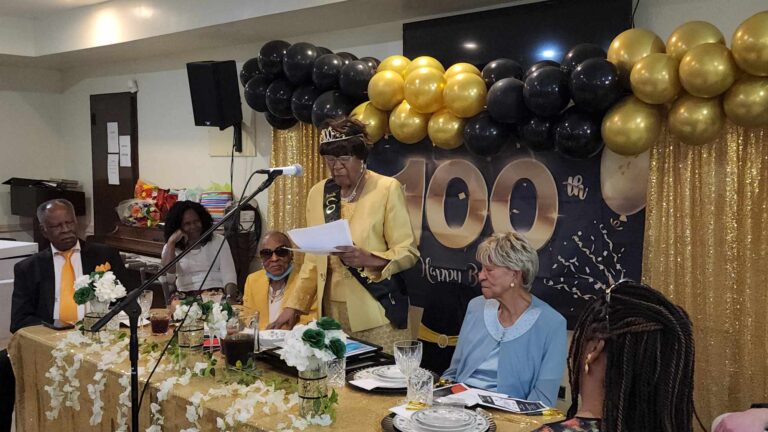
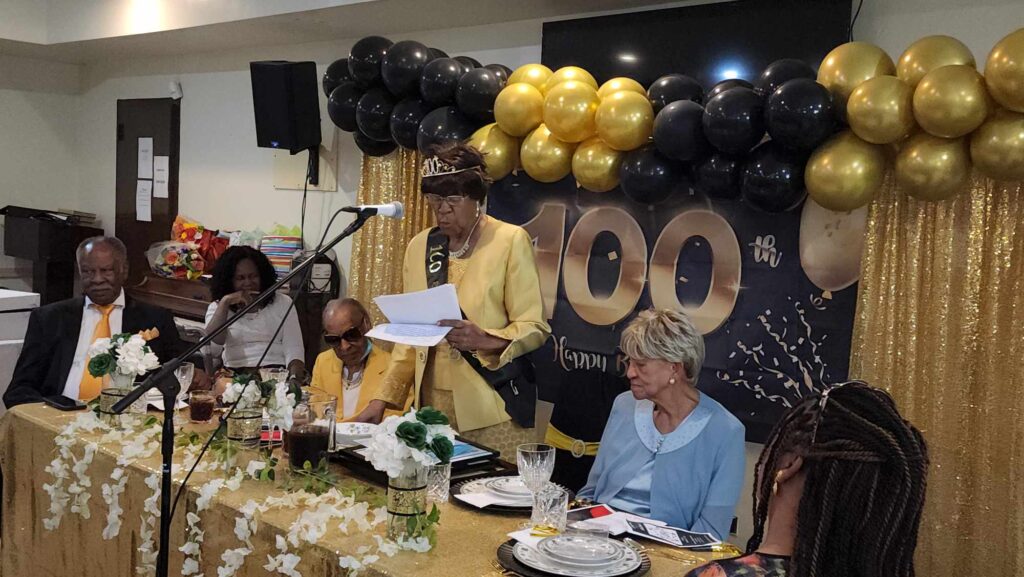
“People want to know my secret; you have to have a relationship with God and pray through it all,” Priscilla Edmunds shared with the crowd.
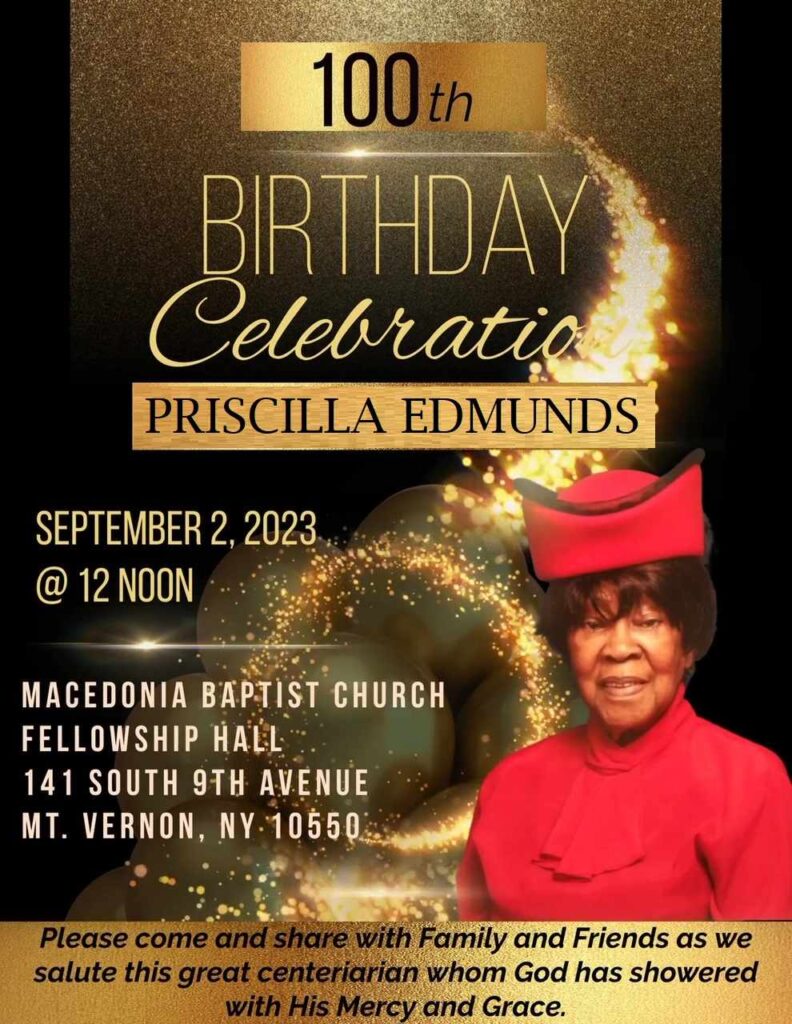
Over 100 plus people came out to celebrate the 100th Birthday Celebration of Priscilla Edmunds at Macedonia Baptist Church, located at 141 South 9th Avenue in Mount Vernon, on Saturday, September 2nd.
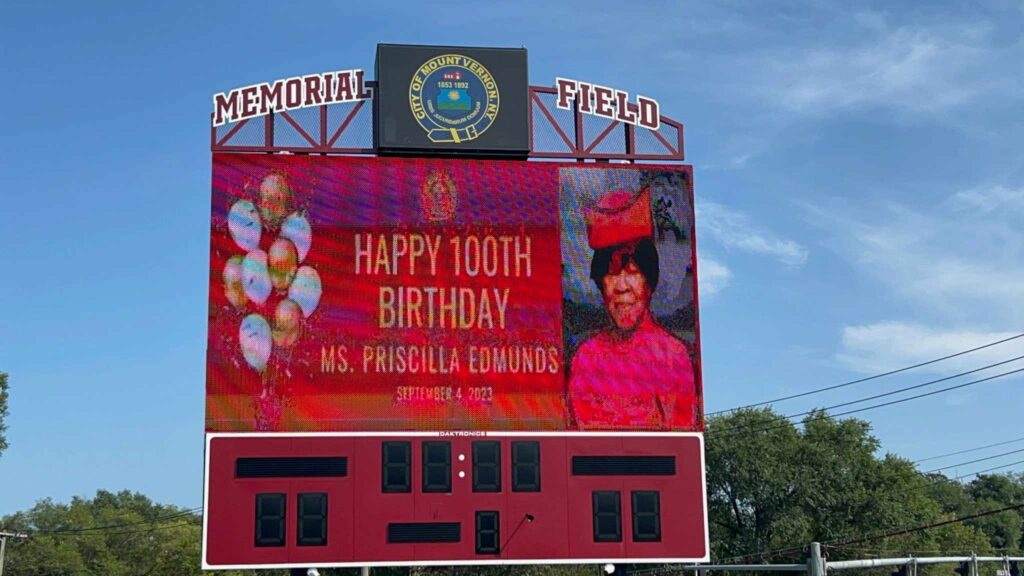
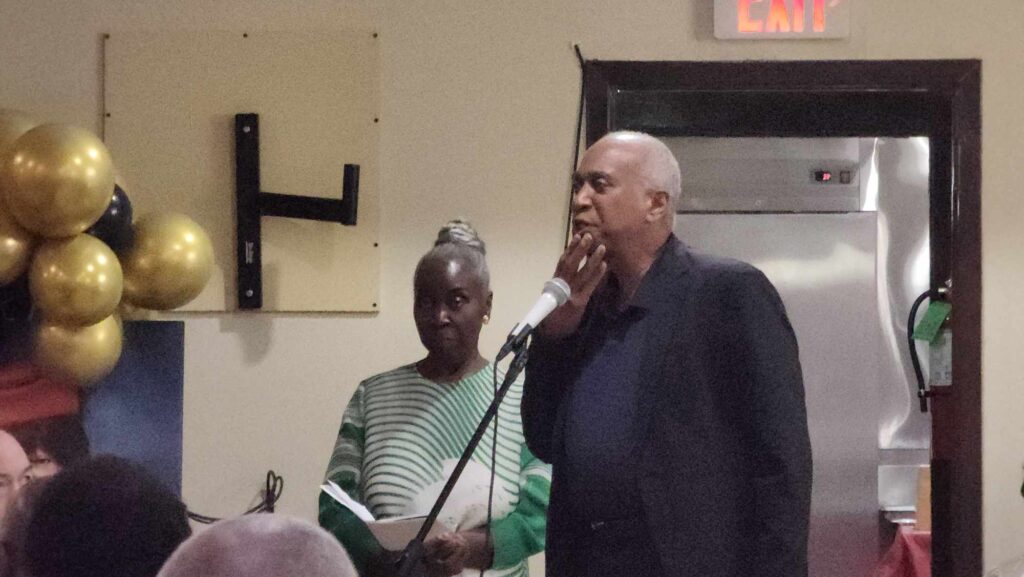
It was a great event with Assemblyman J. Gary Pretlow, Mayor Shawyn Patterson-Howard, former Mayor Ernie Davis, Council President Danielle Browne, and others — each praising Ms. Priscilla Edmunds’ long and distinguished service. Dennis Hanratty, the Executive Director of the Mount Vernon United Tenants (MVUT) served as Emcee of the event. And then on her birthday on Monday, they had her magnified picture on the electronic scoreboard at Mount Vernon’s newly rehabilitated Memorial Field. All-in-all a well-deserved recognition.
On Thursday, July 27, MVUT and tenants organized a major meeting in the Macedonia Towers (150 South Fifth Avenue). The leading tenant organizers were Shawna Holmes and Priscilla Edmunds. Priscilla Edmunds was instrumental in the planning for this meeting; at the time of the planning and the meeting, she was weeks away from her 100th birthday! This is just one of many examples of Ms. Edmunds’ decades of distinguished service and selflessness.
“They just won’t let me retire,” she joked.
“Wishing an amazing Happy Birthday to Ms. Priscilla Edmunds who is 100 Years Young today. Ms. Priscilla is VERY ACTIVE, and continues to volunteer at food pantry giveaways, and serves as a housing advocate. Her mind is clear and her movements brisk. She is an active member of Macedonia Baptist Church and Church Women United. With Long Life Will I Satisfy You!,” Mayor Shawyn Patterson-Howard (SPH) shared.
Mayor SPH used her White House connections to facilitate a citation from President Biden to Ms. Edmunds. “We may not all be famous, but we can all be great.” Dr. Martin Luther King, Jr.
“Ms. Priscilla Edmunds is the epitome of grace, resilience, and service. On the occasion of her 100th birthday, we don’t just celebrate her age; we celebrate a century of invaluable contributions, unflagging leadership, and boundless compassion. Ms. Edmunds has shown us all what it means to truly ‘Love your neighbor as yourself.’ Her lifetime of action speaks volumes, and we are profoundly grateful for her enduring legacy,” Mount Vernon Council President Danielle Brown shared with BW.
“Blessings & Honor to this lovely, vibrant 100 year old…Priscilla Edmunds. She is the spice of life!! We salute you,” Judy Williams Davis shared.
This joyous event was organized by Church Women United, Mount Vernon New York Unit, and co-sponsored by Friends of Macedonia Towers, Macedonia Baptist Church, and the Family of Mrs. Priscilla Edmunds.
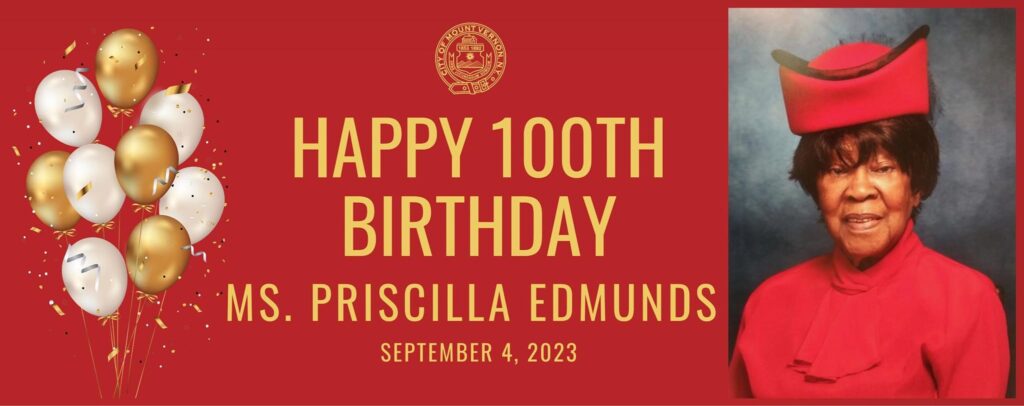
Black Westchester salutes Sis. Priscilla Edmund, who turned 100 years old on Monday, September 4, 2023. We are honored and blessed to give one of Mount Vernon’s oldest living residents her flowers while she is still with us to smell them. Happy 100th Birthday Ms. Priscilla Edmunds! A Great Centenarian! You are truly a Black Westchester Living Legend!
Black Westchester has been exclusively covering this story from the beginning. Let’s take a look at how we got here. On Thursday, November 2nd, Damon K. Jones, Publisher of Black Westchester, and the New York representative of Blacks in Law Enforcement of America (BLEA), expressed his concerns publicly regarding a recent proposal made by Westchester County to the Westchester Corrections Officers Benevolent Association (COBA), as stated by COBA’s President, Neil Pellone, in his November 1st letter to the COBA members.
According to Pellone, the County had approached COBA with a contract settlement plan, acknowledging the collective efforts of COBA members on social media and with the support of local legislators. The proposed contract would cover the years 2020 and 2021, a two-year contract for a combined 6% despite the fact that COs went 4 years without a contract.
Issue now goes to City Council, where public comment is scheduled for Tuesday, November 14
After hearing a number of residents again demand an independent police review board with the power to investigate civilian complaints about police misconduct, New Rochelle’s Community-Police Partnership Board (CPPB) voted on November 3 to recommend a board empowered only to review police investigations of themselves in response to citizen complaints.
The issue now goes to the City Council, which will hold its next meeting (and a 7:00pm Citizens To Be Heard session) on Tuesday, November 14. Three of the seven members of the current City Council will be replaced in January based on the elections held on Tuesday, November 7.
The CPPB adopted the recommendation of CGR, a consulting firm hired earlier this year, to create a “review-focused” Civilian Complaint Review Board (CCRB), rather than the “investigation-focused” board demanded by the community. CGR’s report acknowledged that a review model would have “limited power to determine police misconduct outcomes,” and a CCRB with investigative powers would better address “community stakeholder concerns about potential police bias…in the review process.” But CGR recommended a review model, explaining that it wished to “balance the community’s desire for an independent body…with the administration’s concerns about cost and broad powers.”
Interviews described in the CGR report showed that community members characterized community/police relations as “mediocre or needing improvement, while NRPD members said their relationship with city residents was “good to great.” Community stakeholders told CGR they felt that “an independent and unbiased group should be available to address police complaints” with “real authority and official capacity to influence change.” Most NRPD leaders, on the other hand, told CGR they “did not see the need for a CCRB” and believed that the current review process was sufficient.
The CGR report and CPPB vote came 18 months after a deadline imposed by the City Council when it passed its police reform plan in March 2021. In a statement by Lisa Burton, read by Lourdes Font, Burton objected to “the deliberate slow-walking of this process” and described the proposed review-only CCRB as “watered down.” “The African American community in New Rochelle has been shaken by violence,” Burton wrote, “yet the level of urgency is missing.”
Aisha Cook, Vice President of the New Rochelle NAACP, referenced the killing of Jarrell Garris by NRPD Detective Steven Conn on July 3—the second killing of a Black man by the NRPD in the past three years. “If our goal is to increase transparency and trust between the community and the membership Police Department,” she said, “more oversight, not less, is needed.”
Martin Sanchez, an attorney and the son and grandson of police officers, called the CGR recommendations “a very sad testament to a do-nothing organization.” Noting the lack of public awareness of New Rochelle’s police reform efforts, particularly in the Latinx community, Sanchez said, “We have to be transparent. But more importantly, we have to be vigilant. You have to have a sense of urgency. I see none of that from anyone here on the platform.”
Dr. Carla Woolbright, former president of the New Rochelle NAACP, said, “There’s no way that we should have a Civilian Complaint Review Board with no authority to do anything but listen to the complaint. We should have our civilians involved that are also part of the investigation process that have access to those investigative records. If we want to build trust between the police and our community, we have to have an open process with people in the community involved that the community trusts….It shouldn’t be the police policing themselves.”
Rodney Bynum, a cousin of Jarrell Garris, noted the failure of the NRPD to discipline the officer who killed his cousin on July 3,2023, and the two-year delay in dismissing Detective Michael Vaccaro, who was caught on video punching and kicking Malik Fogg, another Black man, while Vaccaro was off-duty in 2021. Asking, “You can’t have a review board with enough oversight because that’s going to affect your budget?” he continued, “How does having officers that are on paid leave affect your budget? How does having officers that are being sued for their actions affect your budget? That’s not your budget. That’s our budget. We’re the taxpayers. You work for us. We don’t work for you. But you’re conducting yourselves like you’re working for yourselves.“
Alprentice McCutchen, a teacher at New Rochelle High School, speaking as a parent and educator, expressed concern about “the crisis of interaction … between the youth and institutions within this community” and called for “an authentic Board to let them know that if they ever have a complaint, they know that action can be taken,…that it’s not just a performative set of steps, it’s not just a perfunctory set of steps, it’s something that’s actually going to happen.”
Bruce Soloway, a member of New Rochelle Against Racism (New RoAR), called the CGR report “a betrayal of the people of New Rochelle” and a “sham.” “How much money is too much to save another Black life?” he asked. “How much accountability is too much accountability? The City Council did not create the CPPB and mandate the creation of a CCRB to appease the fears of the police or to balance the city budget. It did so to save lives and improve the safety and quality of life of the people of New Rochelle.”
In conclusion, Deputy Police Commissioner and CPPB Co-Chair Neil Reynolds, speaking only for himself, discussed “facts and feelings.” “Facts can inform feelings, and feelings certainly can inform facts,” he said. “Each of us has views created by our own lived experiences…. Either-or only continues to divide us and cause further conflict. We cannot continue to disregard a fact or a feeling in favor of the other. We have to accept that both can and do exist simultaneously. If we stop talking past each other and stop invalidating each other’s facts and feelings, we will realize that we agree on more than we disagree on when we listen, speak, work, and engage with each other.”
Reynolds then called for a vote, and the CPPB approved the CGR vote by a vote of 10-3. Two present and one former police officer on the board voted “no”, apparently opposing the creation of any review board at all.
“Union Warns Rising Medical Costs And Increase Employee Health Insurance Contributions Are Unsustainable And Will Result In Mass Exodus Of Correction Officers, Jeopardizing Current Staffing Levels And Jail Safety,” – COBA President Neil Pellone.
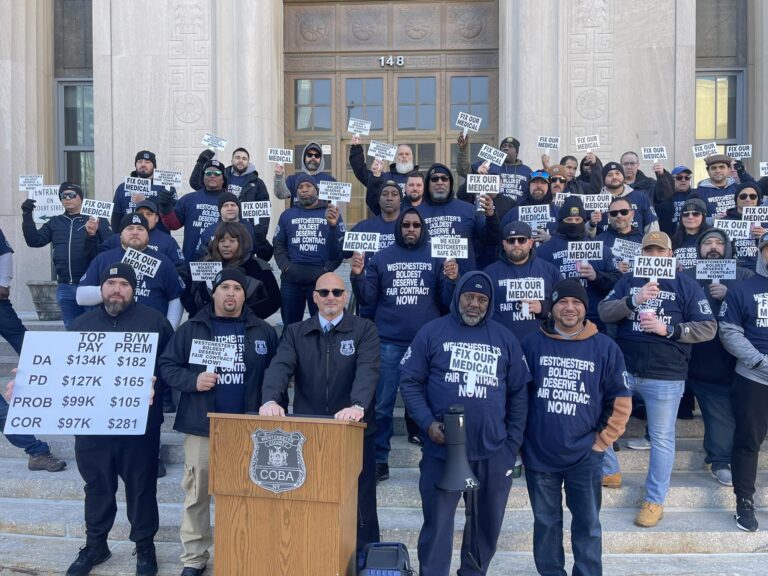
Westchester COBA, the union representing all Correction Officers who provide care, custody, and control over approximately 2,300 inmates (annually) at the Westchester County Jail, held a demonstration at the Westchester County Office Building to protest rising medical costs and increased health insurance contributions on Monday, November 13th, at 12:00 PM.
Westchester COBA President Neil Pellone joined by members of his executive board, over 100 Westchester Correction Officers, as well as members of Nassau, Rockland County, and NYC Corrections and the NYPD, gathered at the county building (148 Martine Avenue) to protest the fact that their raises have not kept up with their contributions for health insurance coverage. Health insurance coverage contributions for a single correction officer have ballooned from $1,750 in 2014 to $2,483 in 2023, while family health insurance contributions have soared from $4,600 in 2014 to $6,548 in 2023, according to a press release by President Pellone.
“Fix our medical. What do we want? Fair Contracts. When do we want it? Now!” was the chant from the correction officers.
Black Westchester has been exclusively covering this story from the beginning. Let’s take a look at how we got here. On Thursday, November 2nd, Damon K. Jones, Publisher of Black Westchester, and the New York representative of Blacks in Law Enforcement of America (BLEA), expressed his concerns publicly regarding a recent proposal made by Westchester County to the Westchester Corrections Officers Benevolent Association (COBA), as stated by COBA’s President, Neil Pellone, in his November 1st letter to the COBA members.
According to Pellone, the County had approached COBA with a contract settlement plan, acknowledging the collective efforts of COBA members on social media and with the support of local legislators. The proposed contract would cover the years 2020 and 2021, a two-year contract for a combined 6% despite the fact that COs went 4 years without a contract.
That brings us to the Monday, November 13th rally, protesting in front of the county building. BW reached out to the county who informed us they would be responding in a press conference at 2PM.
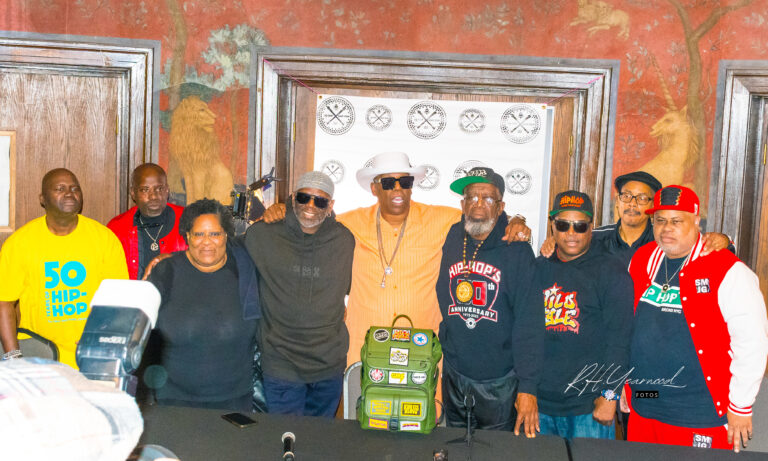
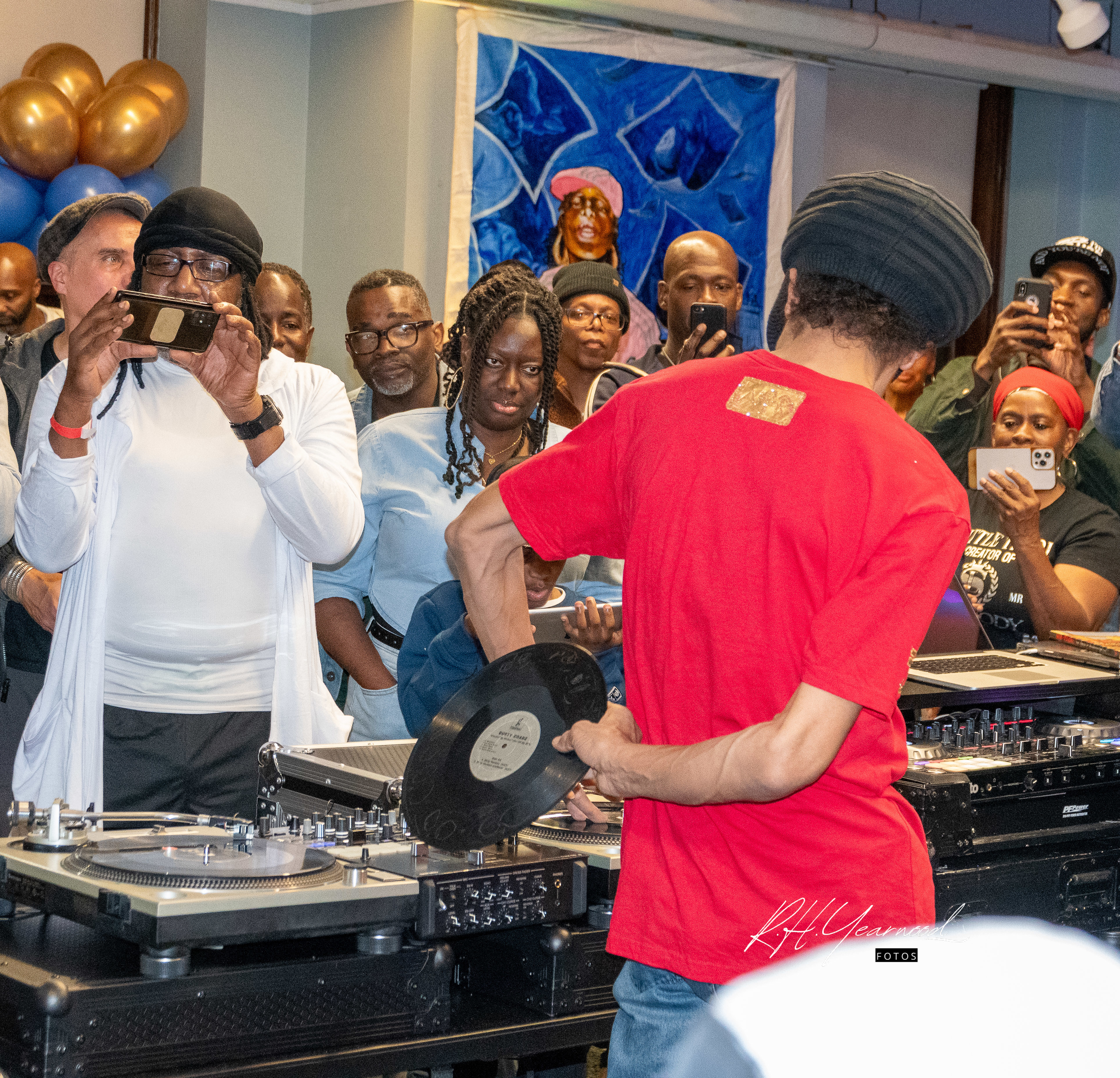
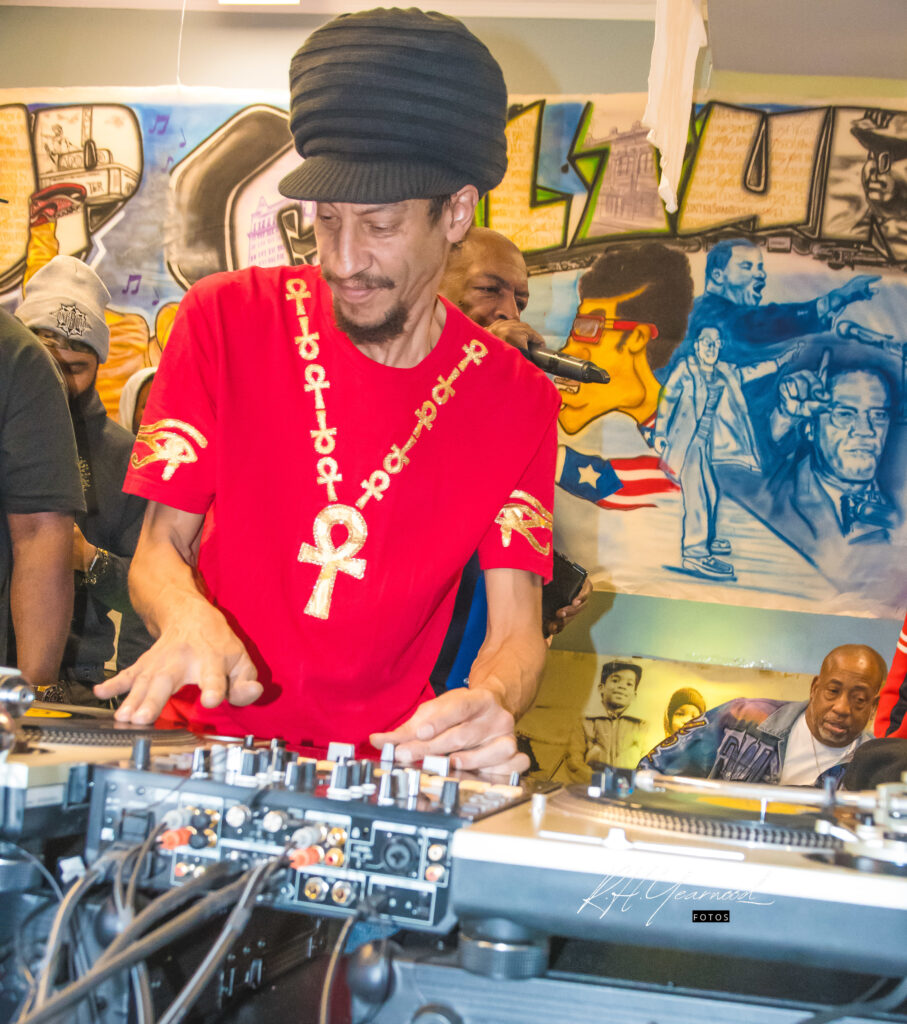
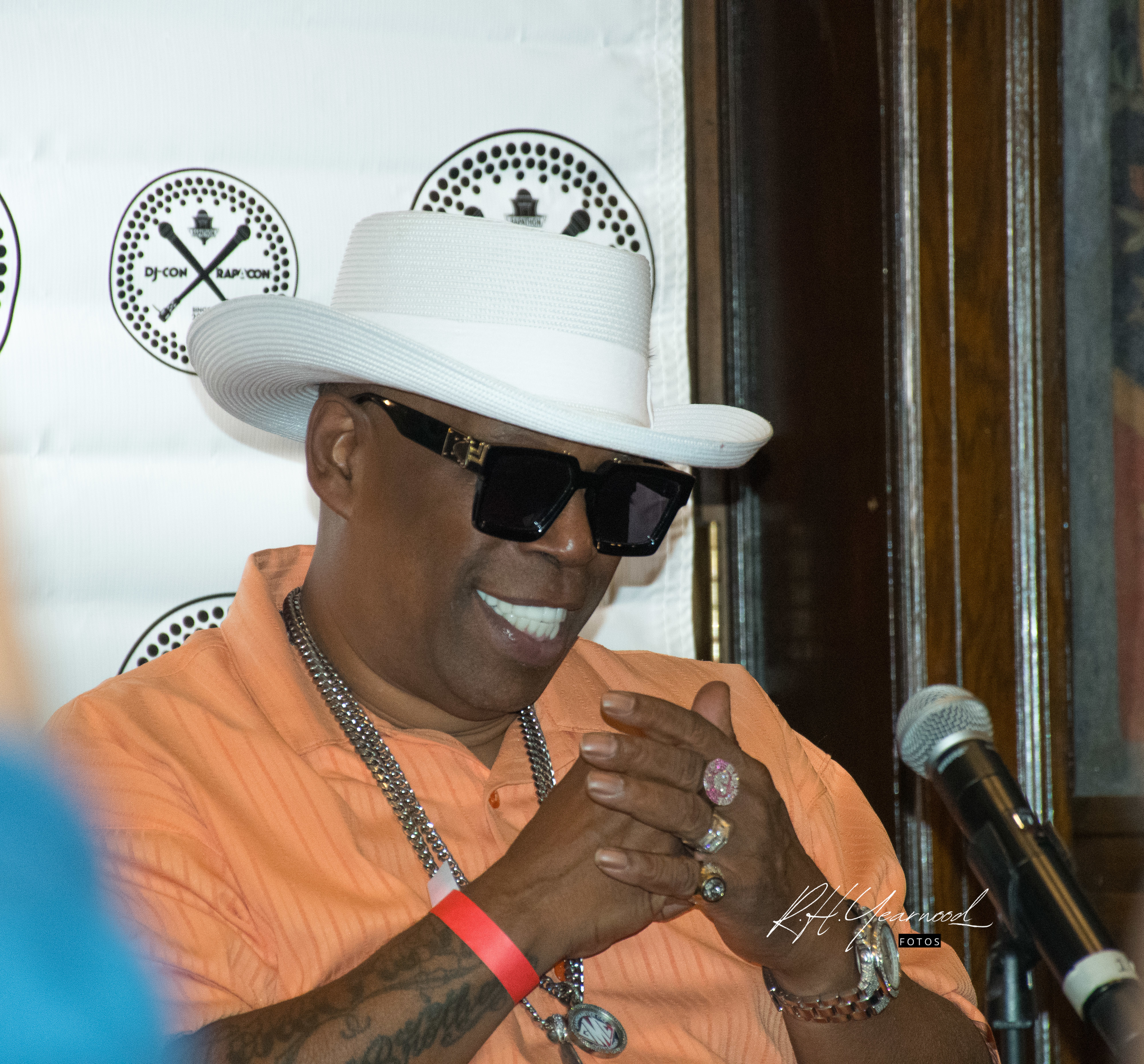
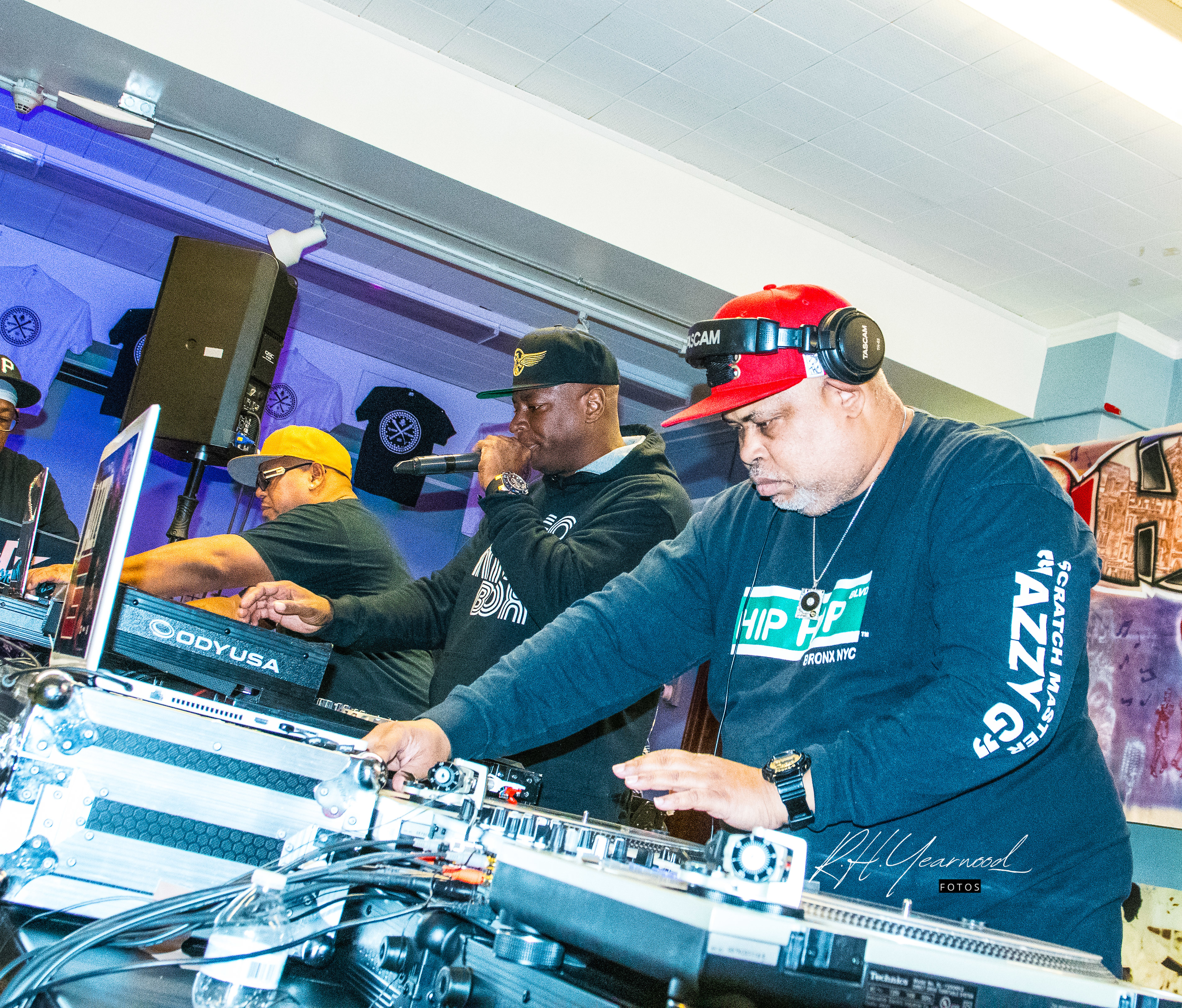
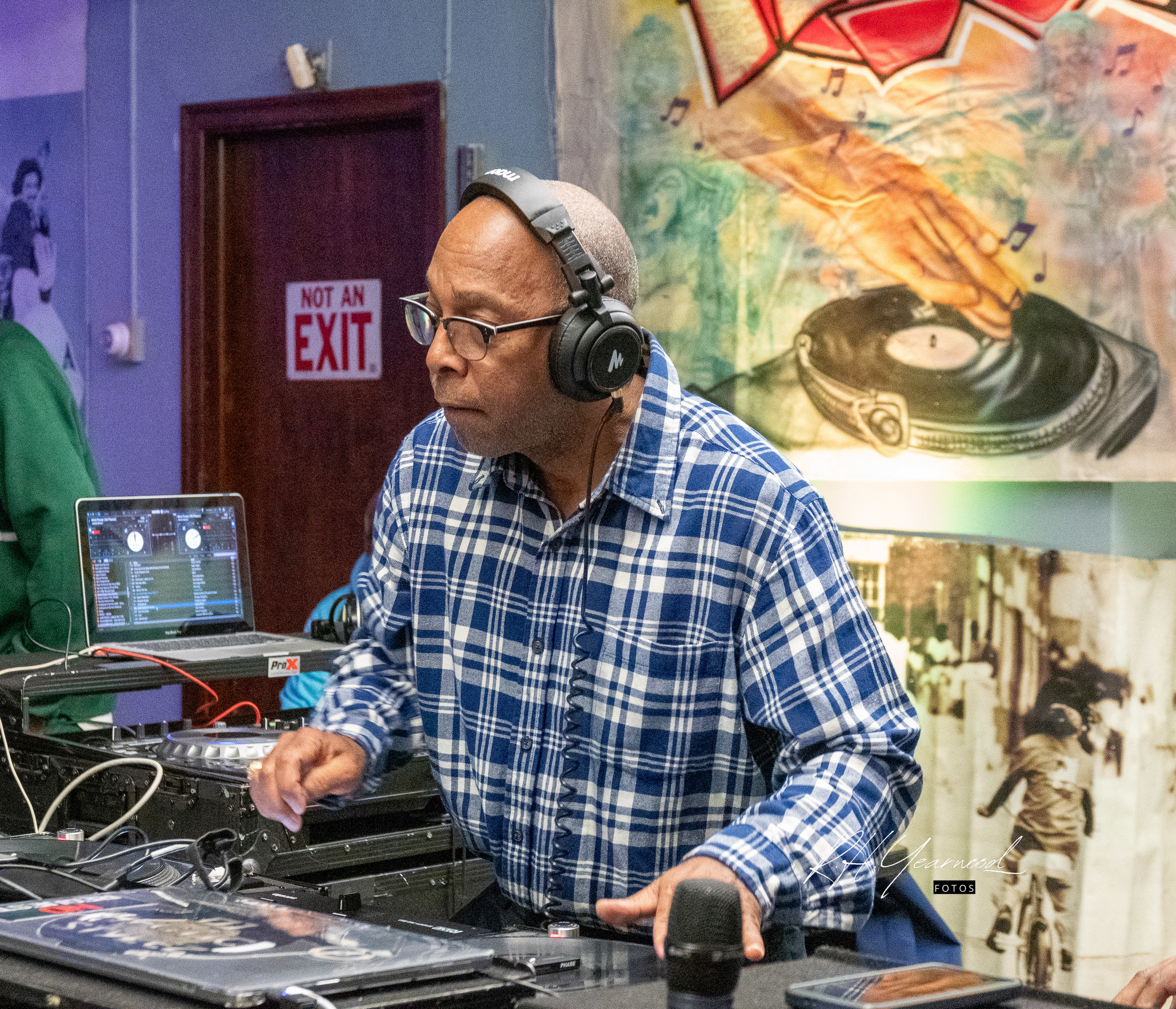
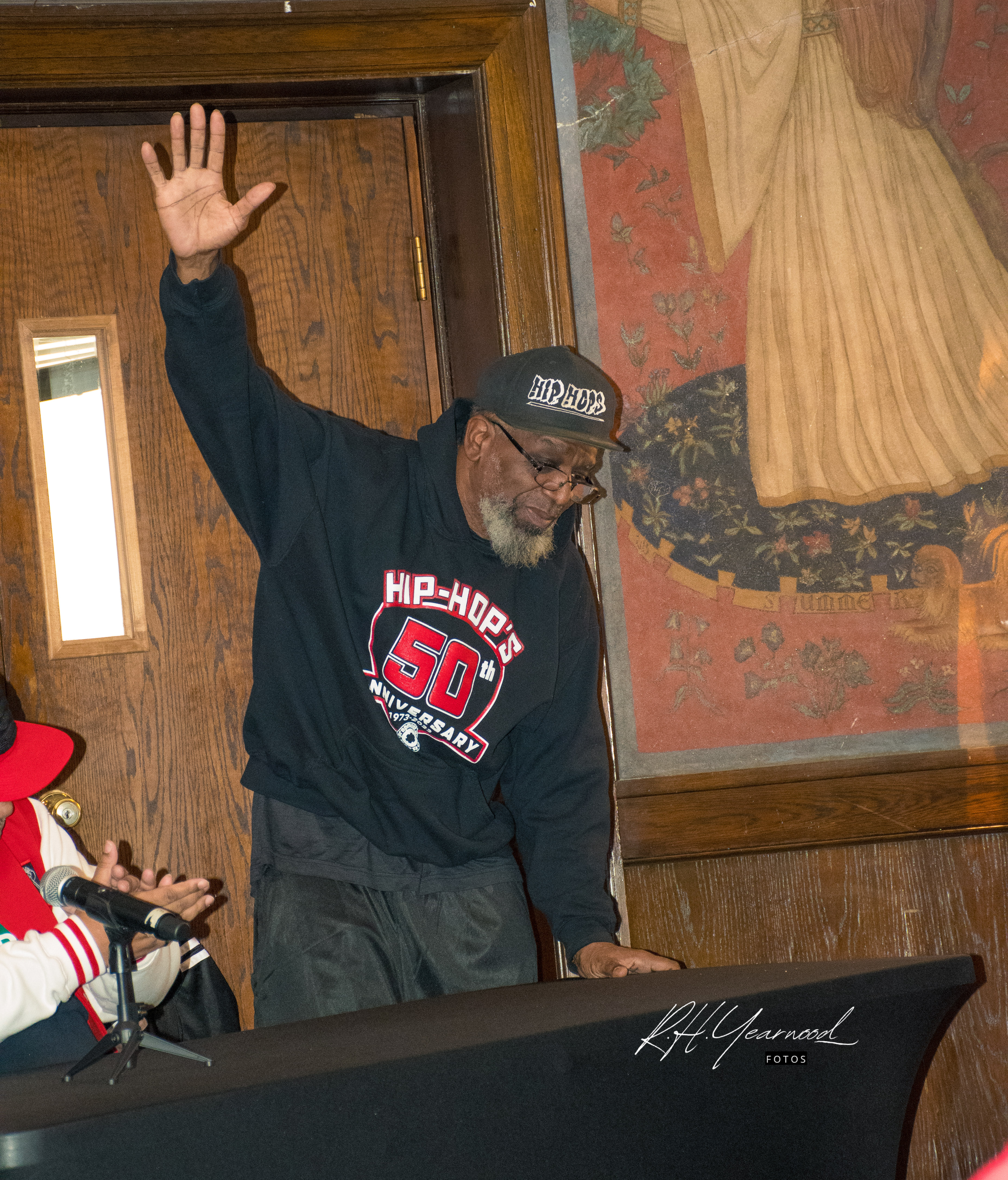
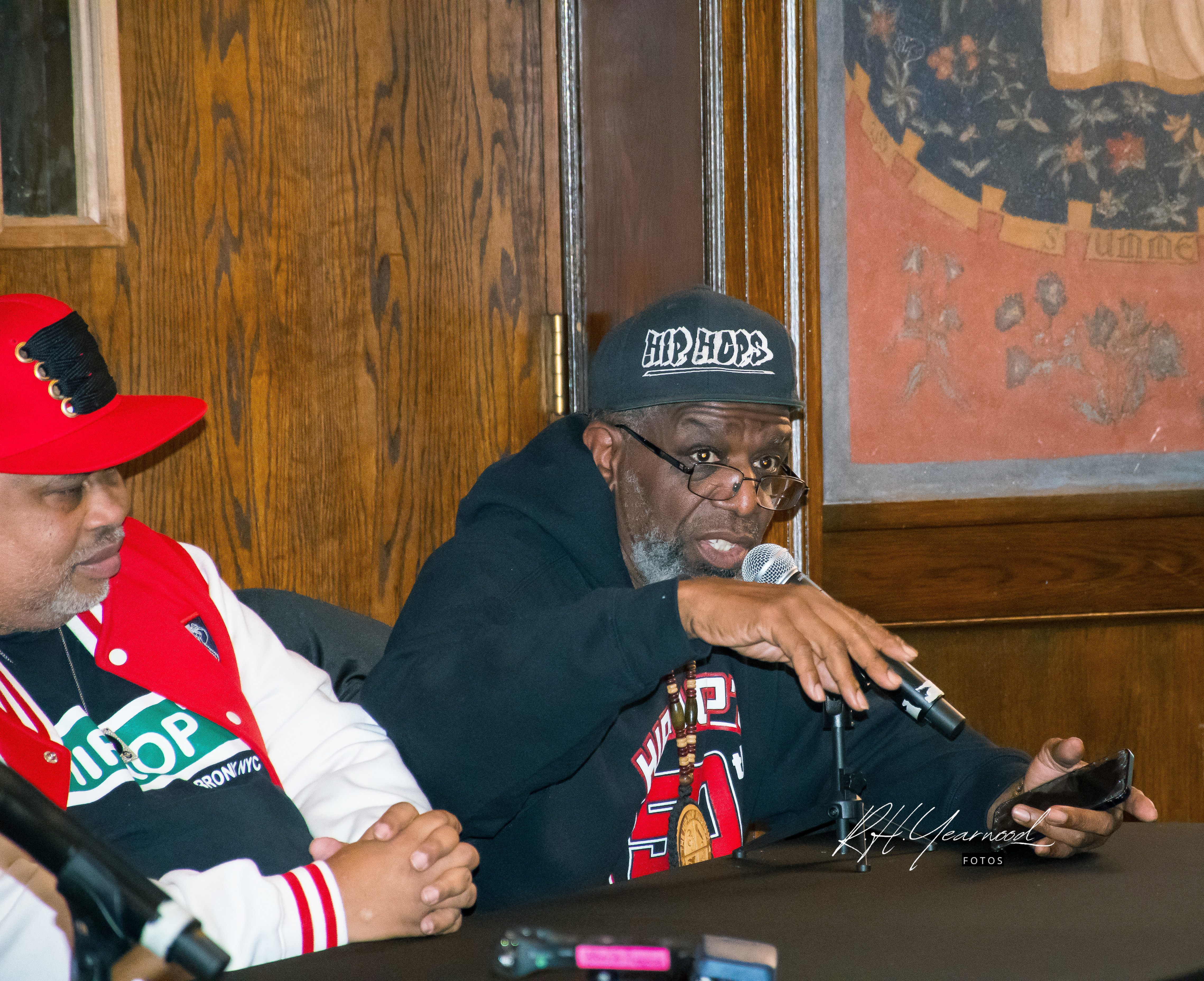
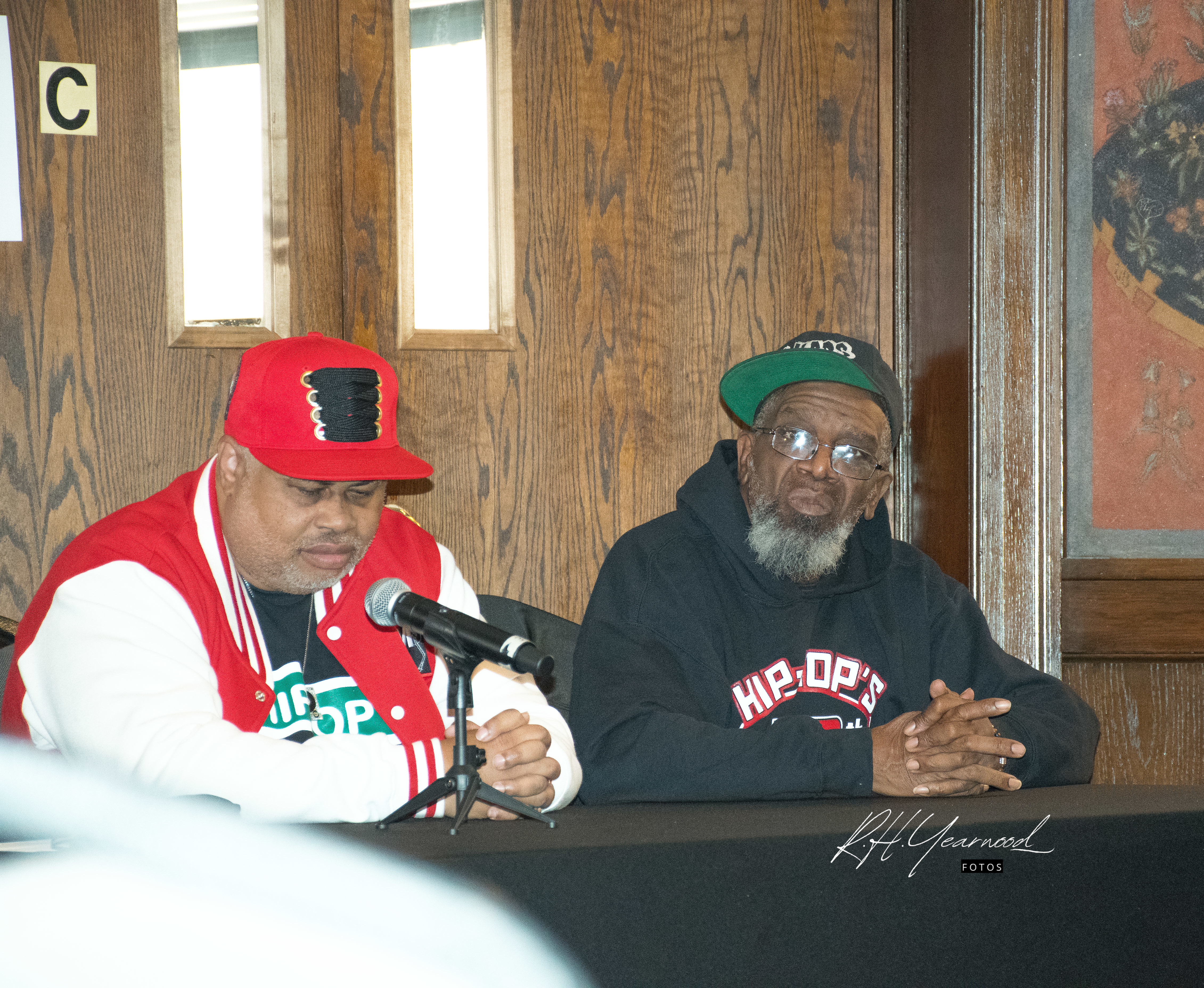
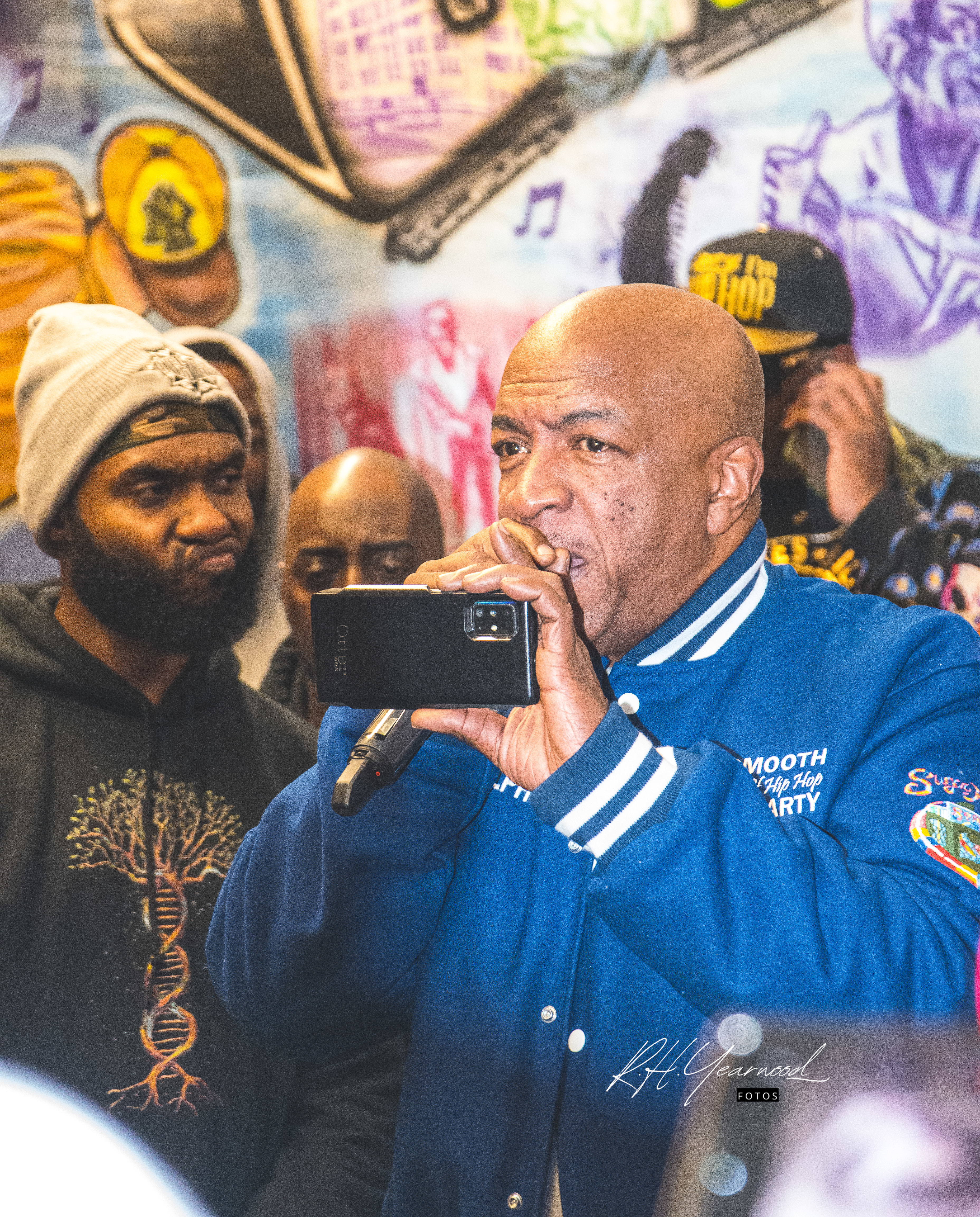
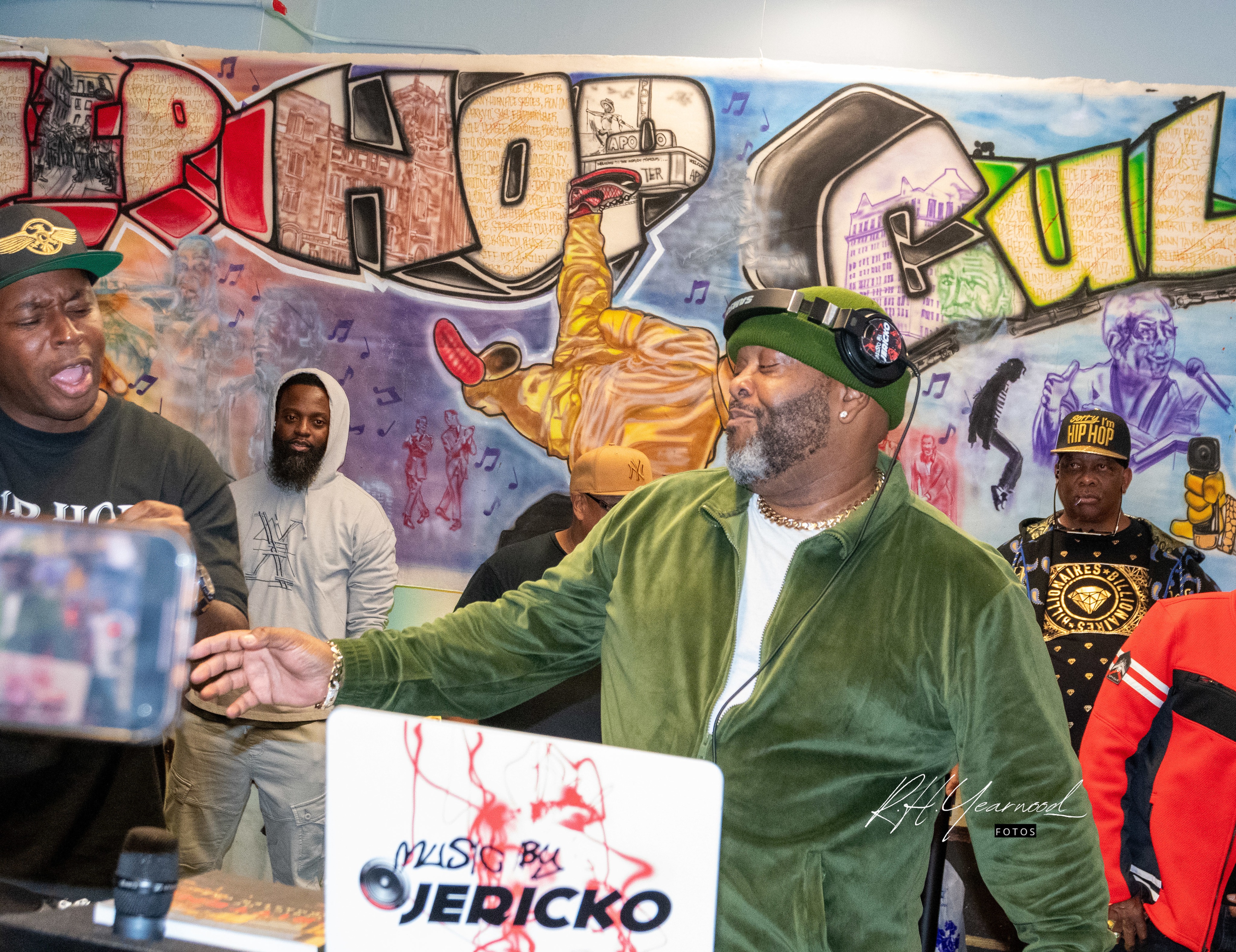
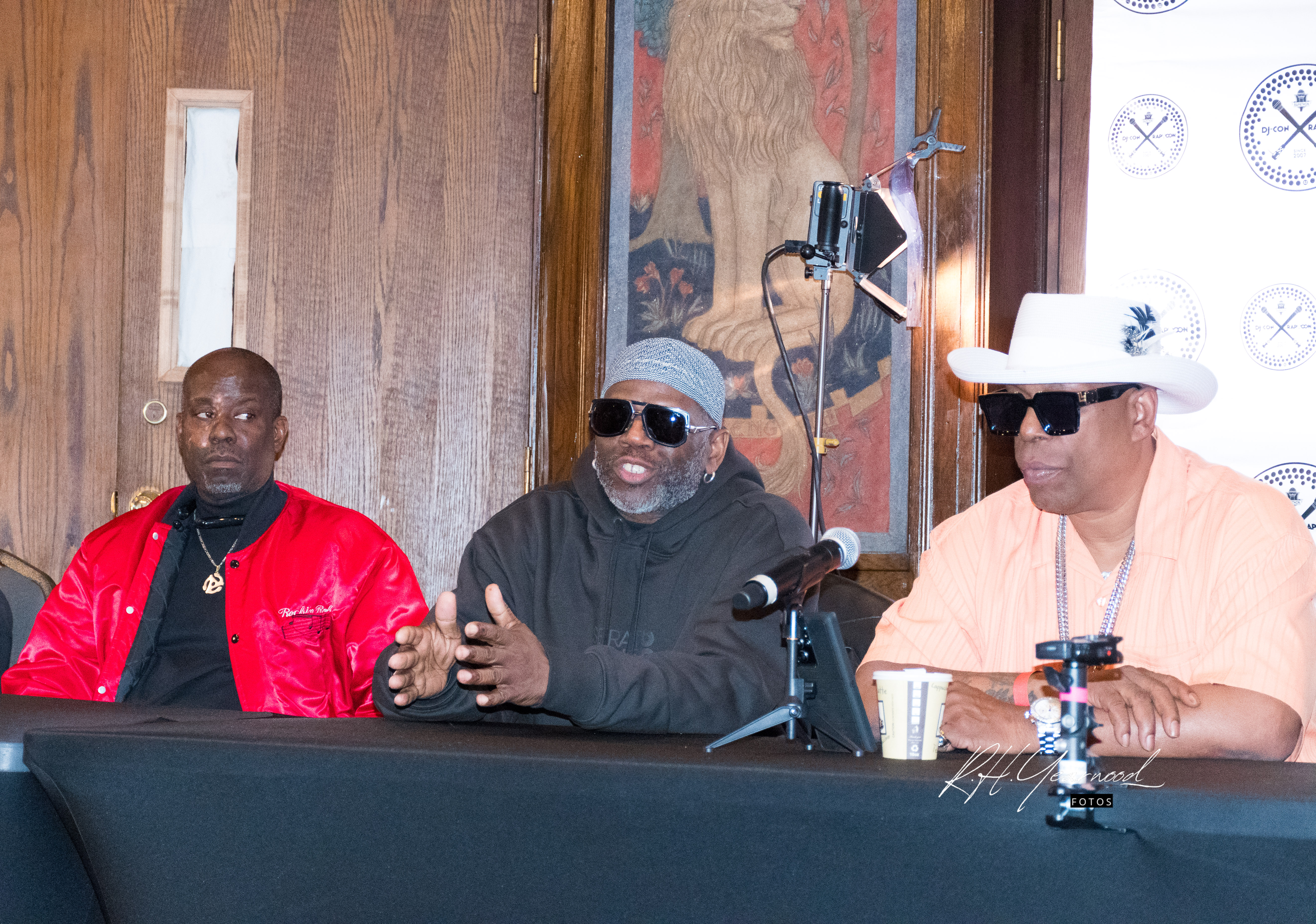
Before the samples, before the remixes, there were the beats that made a trillion-dollar industry called Hip-Hop! On Sunday, November 5, 2023, Hip-Hop pioneers, fans, and purest as well as many Mount Vernonites gathered at The Mount Vernon Public Library located at 20 South First Avenue, for a 50th anniversary of Hip-Hop celebration, featuring the 1st generation of DJs and the breakbeats that changed the world.
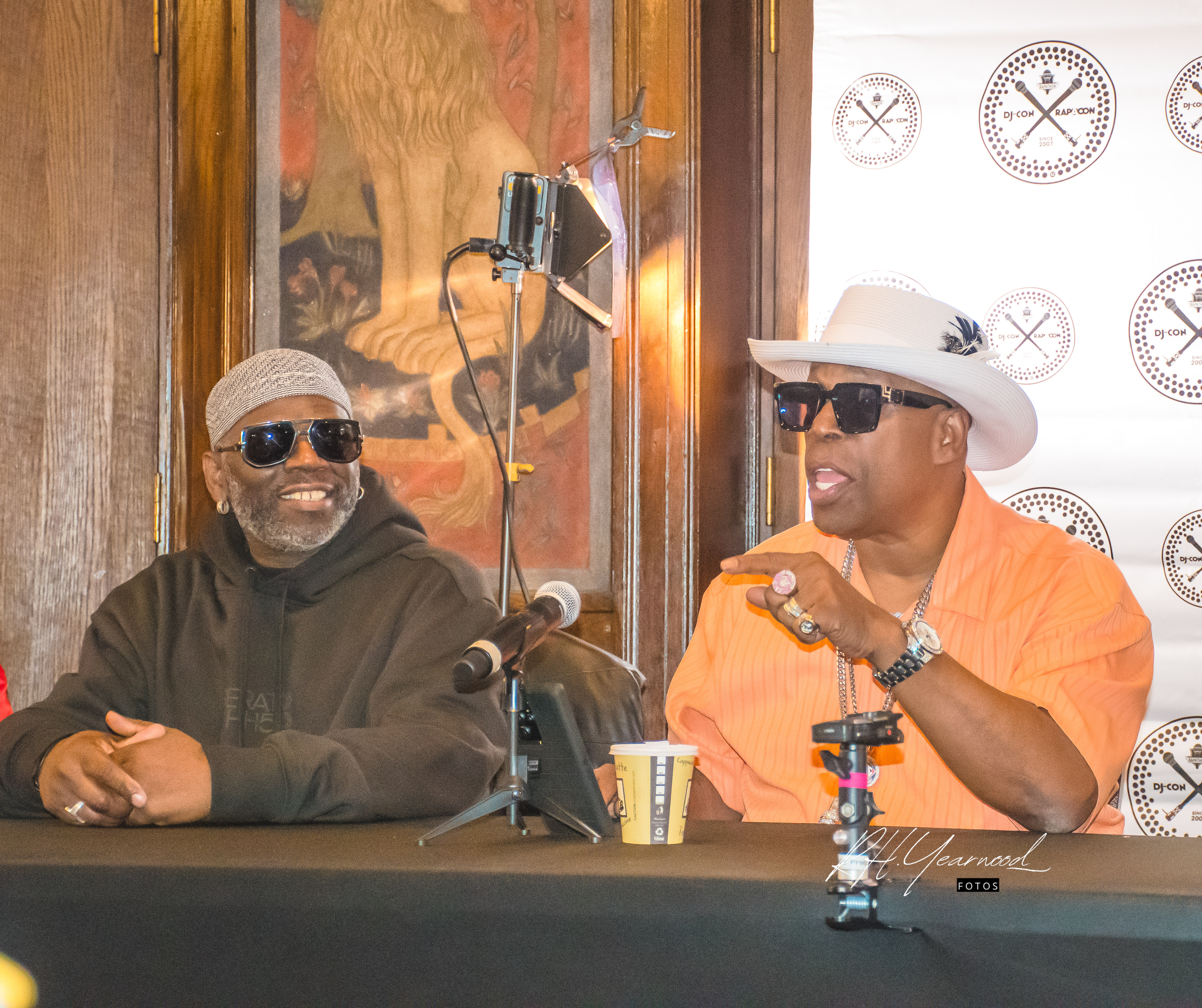
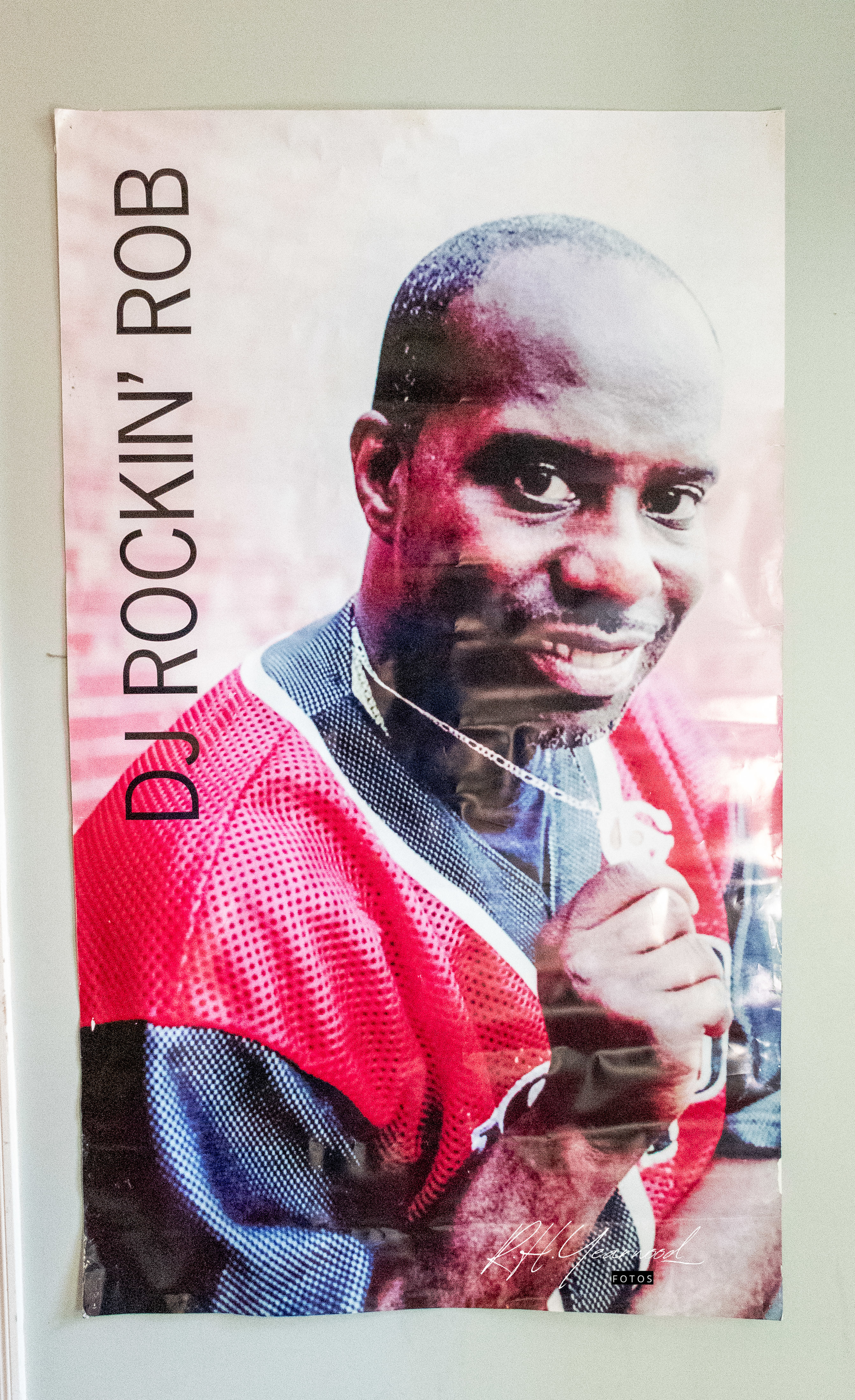
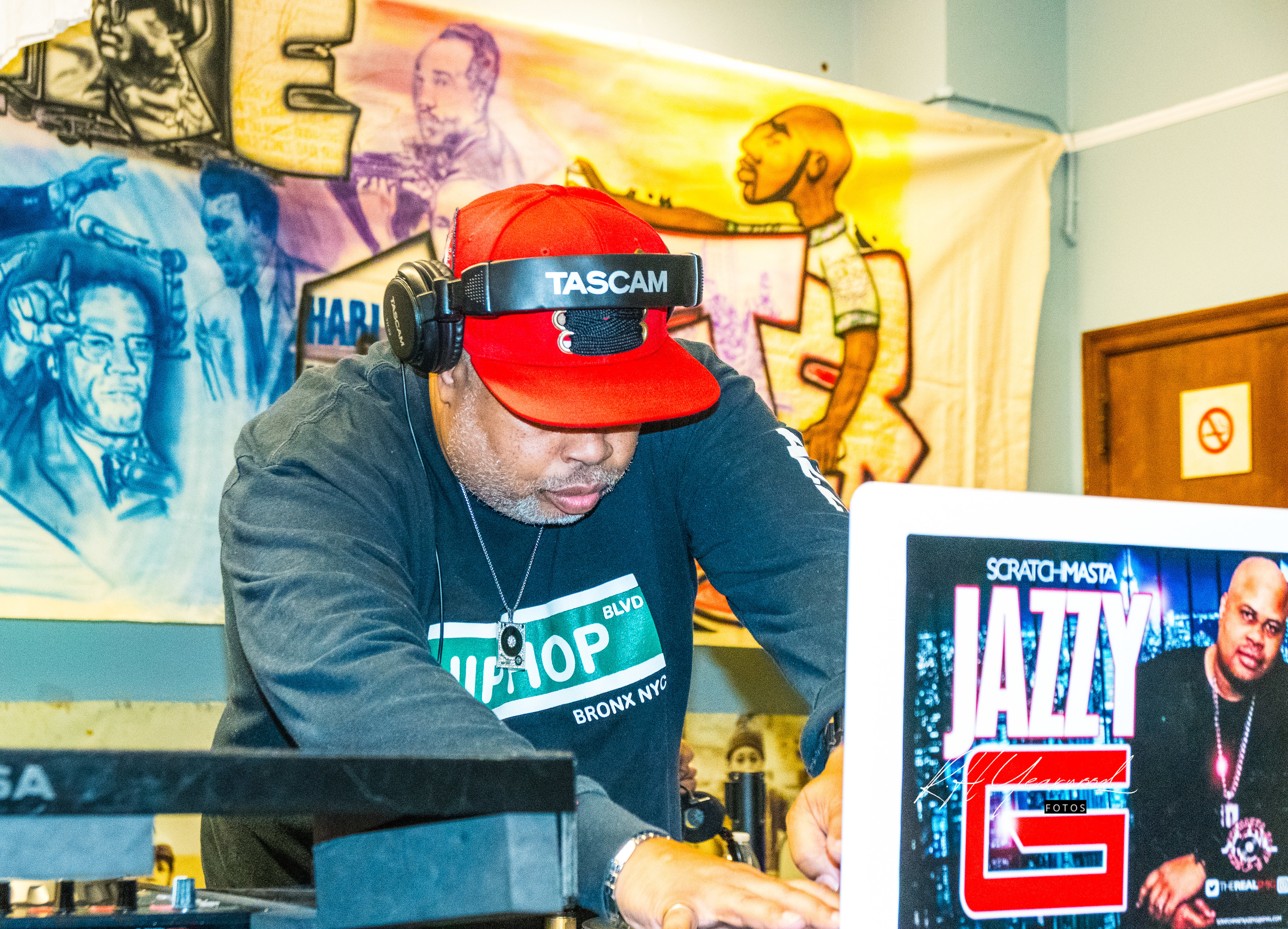
The afternoon started off with an informative and powerful panel discussion titled “The Beats That Made Hip-Hop” featuring legendary Hip-Hop DJs Grand Wizard Theodore, Grand Mixer DXT, DJ Flame, DJ Mark C of the legendary Collins Brothers, DJ Tony Tone of the Cold Crush Brothers, ScratchMasta Jazzy G and DJ Rockin’ Rob hosted by GrandMaster Caz who treated the crowd with a brief but dope freestyle and is one of the people who provided the foundation for the culture and personally the emcee that made me want to pick up the mic and rock the crowd.
“The music, the breaks, the beats, the foundation of Hip-Hop. the music provided a platform for the dance and for everything else to happen, so there is no party without no music,” Caz told News 12’s Jade Nash who was giving a listen in scratch records during the program, by Kurtis “Baybe KLD” Lee.
Then you had DJ CON, an unending DJ Merry-Go-Round hosted by Kev Lawrence, with Grand Wizard Theodore-the inventor of the scratch, Tri-State Jericko-The Voice of Westchester, and a really special display in turntablism from DJ Supreme, the Grandmaster.
Followed by a live taping of Video Music Box hosted by “Uncle” Ralph McDaniels and co-hosted by Monet Helene, and then a Concert After-Party and The People Before Politics Radio Show.
This incredible event was coordinated by Curtis Sherrod, “Many hip-hop legends were made in Mount Vernon.” It’s another reason why Sherrod said the library wanted to host the program. “From Heavy D, Pete Rock, CL Smooth, to the Collins Brothers,” Sherrod said.
This is the second event by Sherrod. On Sunday, October 15th, 2023, at 2 p.m., he coordinated with the Mount Vernon Public Library on a seminal event. It’s called “A Great Day in Mount Vernon.”
All the photos below were taken by Renee Ham Yearwood.
News 12’s Jade Nash on the scratch at MVPL’s The Beats That Made Hip-Hop” event, Sunday, November 5, 2023 [Renee Ham Yearwood]
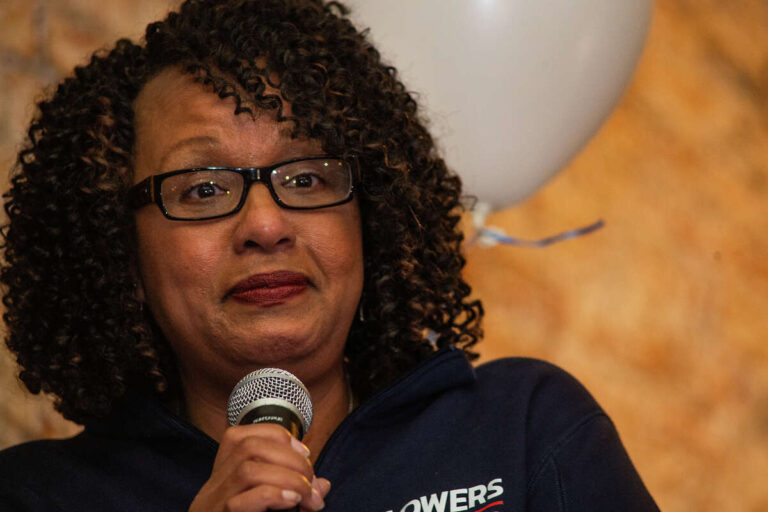
On election night, veteran Poughkeepsie City Councilwoman Yvonne Flowers became the first black woman mayor of the 32,000-person city, even though a third of the population is Black. Flowers turned back a challenge from schoolteacher and former Poughkeepsie cop Anthony LaRocca Jr. Flowers defeated Republican LaRocca in all eight city wards with 3,195 votes to 1,474.
Flowers stated after winning every ward, “People are ready for a change—they’re ready for this city to be united.” In front of supporters and council members, the enthusiastic mayor-elect said she was ready to begin. Flowers said she would relax on Wednesday, then work with the council on the 2024 proposed budget, her transition team, and the city administrator search.
Flowers is a lifelong resident of Poughkeepsie who has spent four terms representing the fifth ward. The daughter of the late John Flowers, a celebrated community organizer and carpenter in the city, Flowers touts a long history of community outreach and credits her family with inspiring her to get into politics. Flowers’ brother, Frank, says he couldn’t be prouder.
“I want to make sure that people don’t expect miracles because Yvonne is a human being. But what I want to really see from this is everyone learning from this experience and everyone playing their part,” he adds. “Everyone has to play their part. If everyone plays their part and puts a little bit in, we’re gonna get a great outcome.”
Flowers, first beat incumbent Mayor Marc Nelson in June’s Democratic Primary, who became mayor and city administrator in January after Rob Rolison was elected to the state senate last year.
Flowers received Nelson’s endorsement and the backing of other city lawmakers, many of whom attended the Democrat’s watch party at Refinery 51. In her victory speech, Flowers described a tiring and contentious campaign, but she urged her supporters to put the race behind them.
“We have a lot of work ahead of us. We already see the challenges that are in our city, and now it’s time to pull together and make that happen,” said Flowers. “You look in this room, and you see a diverse group of people in here. And it is time that we start getting rid of that divide in our city.”
Flowers is on the emergency housing facility stakeholders group created by the county legislature to provide input into the shelter process. She has also challenged the county’s decision to locate the shelter in her ward for the past two years. Flowers has advocated for better training and equipment for the city’s police force and to revitalize the Main Street Corridor.
The 170-year-old city of Poughkeepsie is home to the largest population of Black and minority residents in Dutchess County. Poughkeepsie will also have a few new faces on the council in January. Da’Ron Wilson ran unopposed for the councilman-at-large position and will assume the role of chairman when he takes office.
WESTCHESTER HAS IT OWN GEORGE FLOYD’S – SAY THEIR NAME, SAY THEIR NAME!!!
It’s that time of year again. As we gear up for the holiday, let’s not forget about the families in Westchester fighting for accountability and justice for their lost loved ones at the hands of the police. There are two vigils coming up that Black Westchester is asking all who can to come stand with the family. While it is important to stand for those who are killed by the police 1000s of miles away, like George Floyd, it is equally important to remember “Westchester Has It Own George Floyds.” Two of them were killed in November.
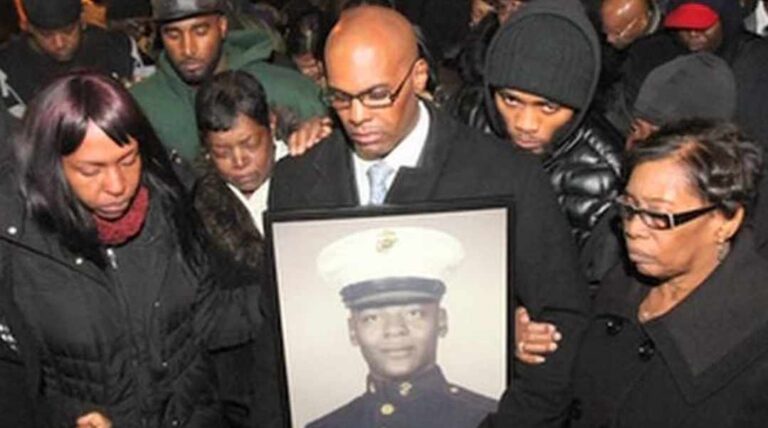
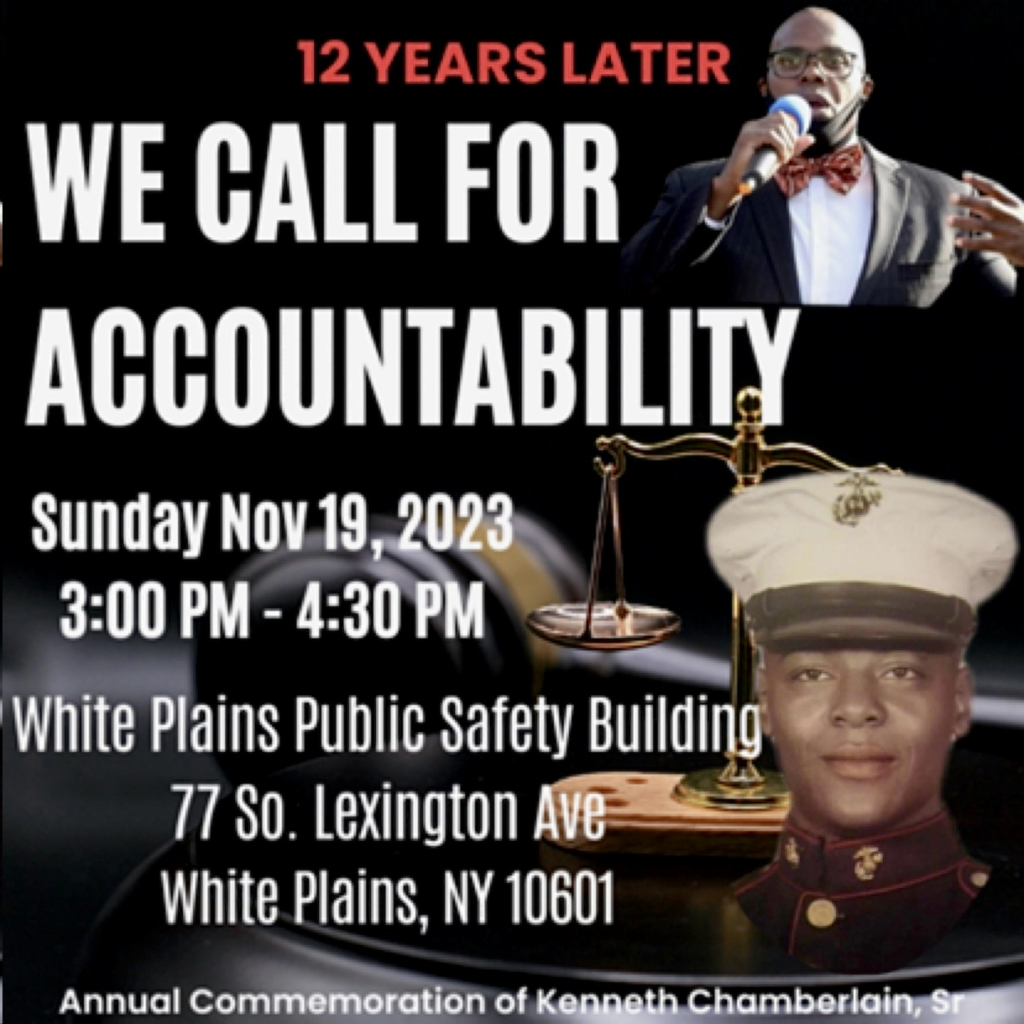
On Sunday, November 19th, come out and stand with the Chamberlain family at the 12th annual Commemoration of Kenneth Chamberlain Sr. Come out and stand with Kenneth Chamberlain Jr. as he calls for accountability for his father, who was killed on November 19, 2011, by the White Plains Police Department, who showed up for a wellness check.
Let’s come out strong in numbers, on Sunday, November 19th, from 3:00 PM- 4:30 PM at the White Plains Public Safety Building, located at 77 So. Lexington Avenue, White Plains, NY
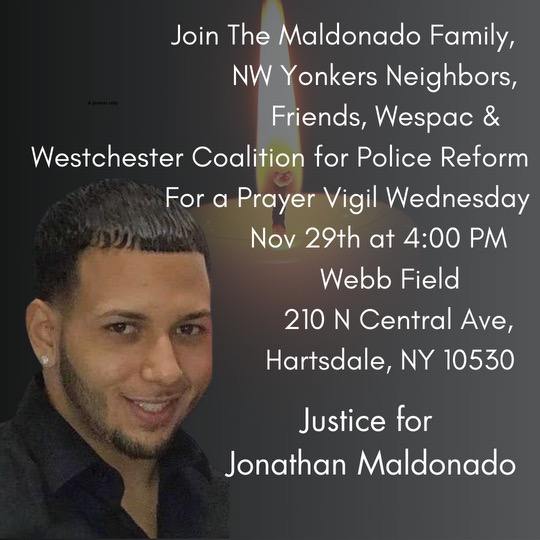
And then on Wednesday, November 29th, let’s come out strong to stand with Westpac and the Westchester Coalition for Police Reform (WCPR) in support of the family of Jonathan Maldonado.
Jonathan was killed on November 29, 2017, by the Greenburgh Police Department.
There will be a prayer vigil on November 29th at 4 p.m. at Webb Field, located at 210 N. Central Avenue in Hartsdale.
#JusticeForJonathan
Come stand with these families, show our support and keep both their names and the fight for justice and accountability alive.
The 1619 Project, a book by Nikole Hannah-Jones that explores the role of slavery in the US and its legacy, has been transformed into a Hulu miniseries. Check out this monthly viewing of an episode followed by a discussion led by a different pair of facilitators each month.
Watch and listen to this important conversation with facilitators AJ Woodson and Paul Feiner that took place Wednesday, October 11, 2023. If you can please stop by the Greenburgh Public Library and check out the remaining episodes of this important docuseries and discussions that follow.
AJ Woodson is the Editor-In-Chief of Black Westchester and Co-Owner of Urban Soul Media Group, the parent company, and Host & Producer of the People Before Politics Radio Show, Author, Journalism Fellow, a Black Historian and Documentarian.
Paul Feiner is the longest-serving Town Supervisor in the history of Greenburgh. During the past 30 years, improvements to the town and government systems are too vast to list. Spotlight Westchester Magazine named Paul Feiner the “most interesting politician in Westchester” in their “the Best of Westchester 2001 issue”. He was honored by the Rotary Foundation as a Paul Harris Fellow.
This discussion was part one of a six-part series of discussions based on the six episodes of the 1619 Project Docuseries that was co-sponsored Bet Am Shalom Synagogue, the Greenburgh Human Rights Advisory Committee, Greenburgh Public Library, the White Plains/Greenburgh Chapter of the NAACP and Woodlands Community Temple
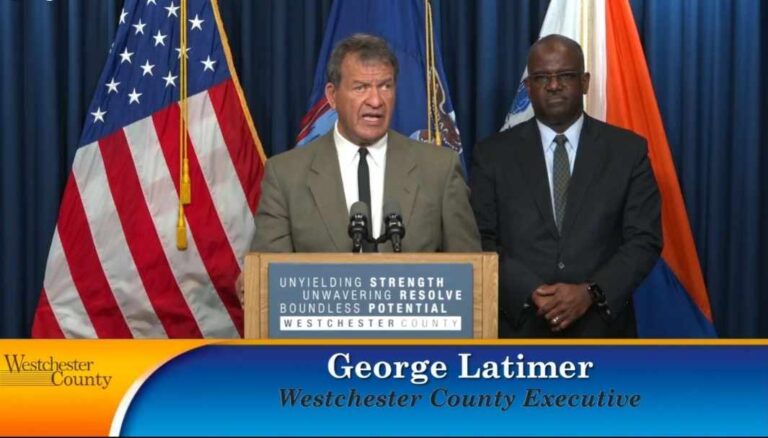
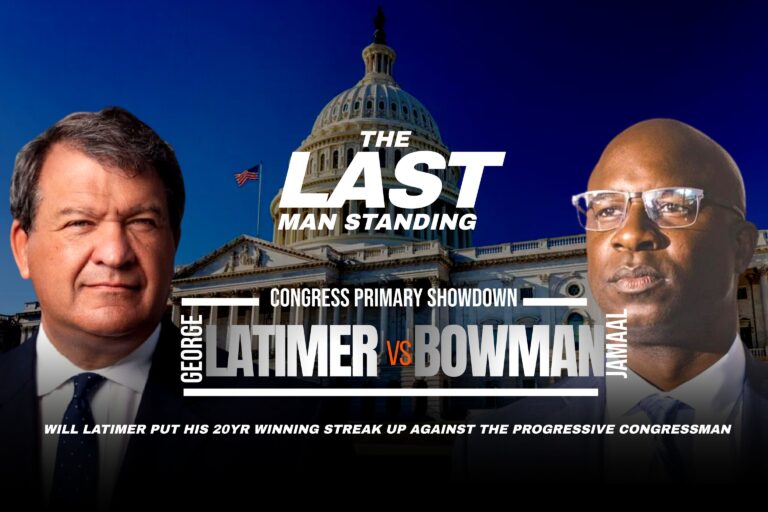
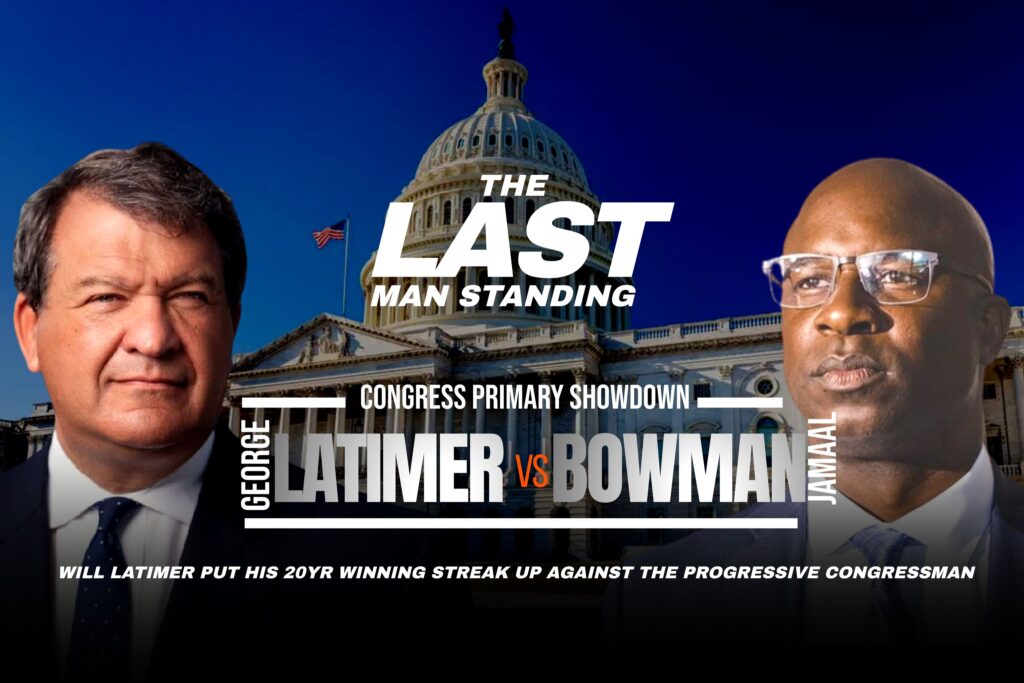
On Monday, October 8th, eight progressive groups in Westchester County and the Hudson Valley—including NYCD16 Indivisible, Concerned Families of Westchester, For the Many, New York Communities for Change, and Food & Water Action—sent a letter to Westchester County Executive George Latimer, urging him to prioritize building Democratic power in Westchester over a possible primary against incumbent Democratic representative Jamaal Bowman in the 16th Congressional District.
“We respect the work you have done, but we believe that a primary challenge in New York’s 16th district would divide and hurt Democrats and organizers who must dedicate limited resources to flipping red seats in this state. Democrats must be united in the face of the election of a far-right MAGA Speaker of the House. Your candidacy would serve to undermine a progressive champion who has time and again fought for working New Yorkers, prioritized the needs of his district, and handily won the last two primaries for federal office.” (You can read the full letter below).
This letter comes on the heels of a letter addressed by the Anti-Racist Alliance a week earlier, expressing deep reservations about CE Latimer’s potential run for Congress in District 16 (DC16), urging him to seek another political path to avoid potential division among progressives.
Dear George Latimer, We the undersigned organizations strongly urge you to not to stage a primary challenge against Representative Jamaal Bowman. Our country and the world are in a very precarious state right now. We must address myriad crises in the United States, including climate change, combating homelessness, ending gun violence, promoting universal health care and standing up for working families still recovering from the economic impacts of the COVID epidemic. Jamaal Bowman has been an advocate for all of these causes and more, both in-state and in the halls of Congress.
We respect the work you have done, but we believe that a primary challenge in New York’s 16th district would divide and hurt Democrats and organizers who must dedicate limited resources to flipping red seats in this state. Democrats must be united in the face of the election of a far-right, MAGA Speaker of the House. Your candidacy would serve to undermine a progressive champion who has time and again fought for working New Yorkers, prioritized the needs of his district, and handily won the last two primaries for federal office.
The entire county looks to you to uphold our Democratic values and ensure we continue winning and implementing progressive policies that protect all New Yorkers. We simply Cannot afford the divisiveness and resource drain a primary election would bring at this time. We urge you to consider other political avenues at the end of your final term as county executive.
While chaos ensues in other areas of the globe, we know our state and county can lead the charge on so many issues to improve the lives of all of us. We hope you seriously consider our request not to run for Congress in New York’s 16th district and look forward to working with you as county executive for a progressive future for all New Yorkers. Sincerely, NYCD16 Indivisible Concerned Families of Westchester For the Many New York Communities for Change New York Progressive Action Network Food & Water Action United for Clean Energy Young Democratic Socialists of America, New Castle & Mount Kisco Chapter
In late September, Black Westchester reported that Latimer had reportedly been approached by Democratic donors, Police Unions, and Jewish Groups about primarying Rep. Jamaal Bowman in the 16th Congressional District, after a report by News 12’s Tara Rosenblum.
On Wednesday, October 8th Rosenblum reported, “After months of speculation, Westchester County Executive George Latimer has reportedly made the decision to run in a Democratic primary against Rep. Jamaal Bowman.” According to Roseblum, Latimer is expected to make his official announcement in the next few weeks.
Anyway, as you slice it, this will be a heavily watched election. Both candidates are known to take a punch and are dominant counterpunchers. As of right now, this is all speculation since Latimer hasn’t officially announced, but it would be a great fight. In the potential match-up, who will be the last man standing?
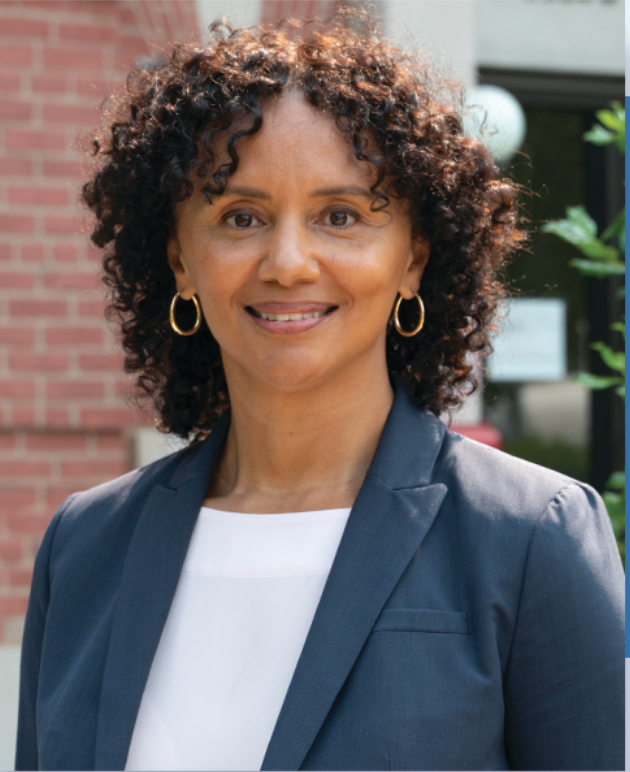
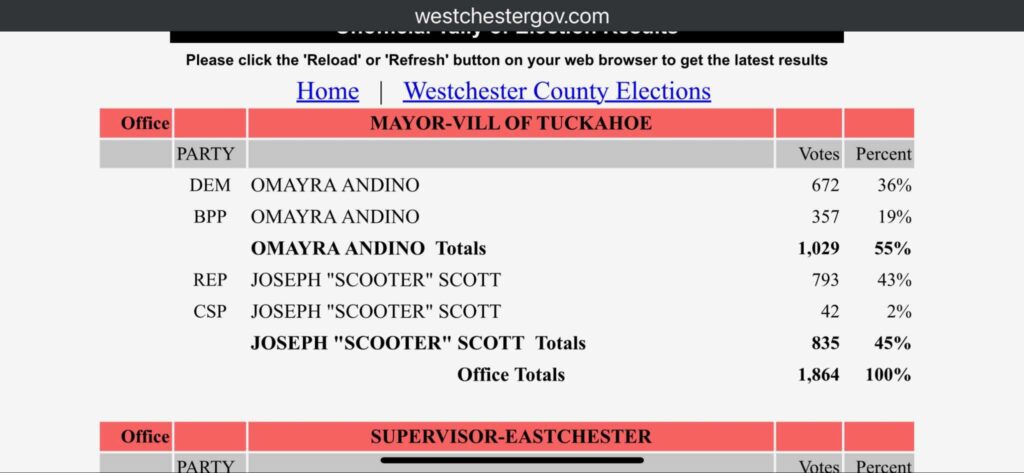
In the Village of Tuckahoe, with a resounding total of more than one thousand votes, Mayor Omayra Andino won re-election, defeating Republican challenger Joseph ‘Scooter’ Scott with 55% of the vote—1,029 votes overall. History was made in Tuckahoe in March 2021 when, for the first time, its mayor was a woman and a person of color. Omayra Andino now wins a second term on Tuesday night.
“When we exercise our right to vote, we uplift Democracy. The people of Tuckahoe have spoken loudly and I’m honored to continue to serve them as Mayor alongside my passionate and competent colleague, Josh. Unfortunately, due to a technicality, our friend and running mate, Darryl Taylor, did not cross the finish line with us. It’s a heartbreak as we move forward to do the will of the people,” Mayor Omayra Andino shared with Black Westchester Wednesday morning.
Democrat Joshua Gaccione was the top finisher in the race for two Trustee seats on Tuckahoe’s Village Board, with 29% of the vote—982 votes overall, nearly one-third of all votes. The electoral victory was the first for Gaccione, who was appointed last April to fill a vacant Board seat.
“Seven months ago, I made a promise to the voters of Tuckahoe that I would do everything to earn their votes,” Gaccione said. “I am honored and humbled by the overwhelming support, and I look forward to continuing to work with the mayor and my fellow trustees to keep moving Tuckahoe forward.”
The winner of the second Trustee seat was Republican Danny Lang, who previously served two terms as a Tuckahoe trustee. Lang received 25% of the vote—840 votes overall. The runners-up in the Trustee race were Republican Claudia Demaio-Francis and incumbent Darryl Taylor, who was running only on the Bipartisan ballot line. On October 24, neither Lang nor Demaio-Francis showed up for the League of Women Voters’ candidate forum at Tuckahoe’s Village Hall.
In all, nearly one-fourth of Tuckahoe’s registered voters cast ballots in what was a historic election for the Village. It was the first time in more than a century that the Village election was held in the fall. In a 2022 ballot question, voters overwhelmingly approved switching Tuckahoe’s election from March to November.
“We are gratified by the higher-than-usual voter turnout in this election,” said Tuckahoe Democratic Party Chair Julie Gurdin. “When Mayor Andino and the Trustees decided to let voters decide when best to hold our election, she was confident that it would increase interest and participation in Village life – and that has proven to be the case. The broad-based support Omayra received shows that voters welcome the leadership, dignity, and accountability that she, Josh, and Darryl brought to the Board – and the commitment of all three inspired a wave of work by our dedicated volunteers.”
The Village has benefitted in both visible and intangible ways under Andino’s leadership. While nearly a third of Tuckahoe streets have been repaved and major upgrades were completed at Main Street Park and the Community Center, Village finances have never been stronger, as its credit rating was raised to an all-time high AA-plus by S & P.
Gaccione and Lang join Deputy Mayor Cara Kronen and Trustee Nicole Engelbert on the Village Board. Kronen and Engelbert, both Democrats, were elected last year.
“Naturally, I am disappointed about not rejoining the Board,” Taylor said. “But there are many ways to volunteer in our village, so I’ll continue to provide leadership at ECAP as we work to make the lives of those in our beloved Tuckahoe better. I encourage everyone to come forward to serve our community.”