




“This Fourth of July is yours, not mine
You may rejoice, I must mourn…”
Frederick Douglass’s stirring and well-known speech, “What to the Slave is the Fourth of July?” given on July 5, 1852, is the reason he is so famously linked to the Fourth of July. Douglass used Independence Day to draw attention to the glaring contrast between the American ideals of liberty and the reality of slavery in a speech to the Rochester Ladies’ Anti-Slavery Society.
Douglass’s eloquence and personal experience as a former slave made his speeches incredibly influential in raising awareness about the horrors of slavery and garnering support for the abolitionist movement. His bold critique challenged the prevailing beliefs of white Americans about race and slavery, forcing them to confront the inconsistencies in their own values. What to the Slave Is the Fourth of July?” has served as an inspiration for generations of activists and writers fighting for civil rights and racial justice, including in contemporary movements like Black Lives Matter.
In a time when there are efforts to whitewash American History and erase our history, Black Westchester celebrates Douglass. The speech’s themes of hypocrisy, injustice, and the pursuit of true liberty resonate even today, making it a powerful text for understanding and addressing ongoing issues of racial inequality. In July 1776, Black people were not free, so in the words of Frederick Douglass, What to the Slave is the Fourth of July?
Douglass chose to give one on July 5th instead. When Douglass gave his speech, he acknowledged the signers of the Declaration of Independence, but he made it clear that there was too much work to be done before the 4th of July would be a day of celebration for Blacks.
Fellow-citizens, pardon me, allow me to ask, why am I called upon to speak here today? What have I, or those I represent, to do with your national independence? Are the great principles of political freedom and of natural justice, embodied in that Declaration of Independence, extended to us? And am I, therefore, called upon to bring our humble offering to the national altar, and to confess the benefits and express devout gratitude for the blessings resulting from your independence to us?
We share this video of James Earl Jones reading Douglass’ famous and powerful speech (see video below).
…But such is not the state of the case. I say it with a sad sense of the disparity between us. I am not included within the pale of glorious anniversary! Your high independence only reveals the immeasurable distance between us. The blessings in which you, this day, rejoice, are not enjoyed in common.ÑThe rich inheritance of justice, liberty, prosperity and independence, bequeathed by your fathers, is shared by you, not by me. The sunlight that brought light and healing to you, has brought stripes and death to me. This Fourth July is yours, not mine. You may rejoice, I must mourn. To drag a man in fetters into the grand illuminated temple of liberty, and call upon him to join you in joyous anthems, were inhuman mockery and sacrilegious irony. Do you mean, citizens, to mock me, by asking me to speak today? If so, there is a parallel to your conduct. And let me warn you that it is dangerous to copy the example of a nation whose crimes, towering up to heaven, were thrown down by the breath of the Almighty, burying that nation in irrevocable ruin! I can today take up the plaintive lament of a peeled and woe-smitten people!…
Frederick Douglass delivered his powerful speech, “What to the Slave Is the Fourth of July?”, on July 5, 1852, in Rochester, New York, at a meeting organized by the Rochester Ladies’ Anti-Slavery Society. In the address, Douglass critically examined the hypocrisy of celebrating American independence and freedom while slavery persisted. He highlighted the stark contrast between the ideals of liberty enshrined in the Declaration of Independence and the reality of enslavement for millions of African Americans.
The speech was delivered shortly after the passage of the Fugitive Slave Act of 1850, which intensified the persecution of escaped slaves and fueled the abolitionist movement. Angered by the passage of the Fugitive Slave Act of 1850, Frederick Douglass delivered his famous “Fifth of July” address on July 5, 1852, at Rochester’s Corinthian Hall. (Emancipation of slaves in New York—which occurred on July 4, 1827—was traditionally celebrated on July 5 so as not to conflict with Independence Day observances.) In thunderous language, he condemned America’s July Fourth holiday as a hollow fraud because there was neither dignity nor freedom for Americans whose skin was black. He reserved some of his harshest language for pro-slavery Christian clergymen: “I would say welcome infidelity! Welcome to atheism! Welcome to anything! In preference to the gospel as preached by those divines! They convert the very name of religion into a barbarous cruelty.” Many historians consider this the most important antislavery speech of the years leading up to the Civil War.
Efforts to limit or remove Black history from school curricula in the United States are gaining ground, raising concerns about the impact on students’ understanding of history and its connection to present-day society. Critics argue that these efforts aim to present a sanitized version of American history that minimizes or ignores the experiences and struggles of Black people. This can lead to a less accurate and complete understanding of the nation’s past and how it continues to shape the present.
In summary, efforts to limit or exclude Black history from school curricula are viewed by many as an attempt to erase or distort important narratives about the nation’s past and present. These actions have sparked considerable debate and concern about the potential consequences for education and society as a whole.
So this Fourth of July weekend, as you enjoy backyard barbeques and fireworks displays, let us not forget these powerful words of Frederick Douglass. Let’s share them with our youth. No matter what efforts the government attempts to erase our history, it is our job to carry on the traditions of the African griots who played a vital role in preserving and transmitting culture, history, and traditions through oral performance.
Also, check out some other events, dates, and achievements that took place in the month of July!!!









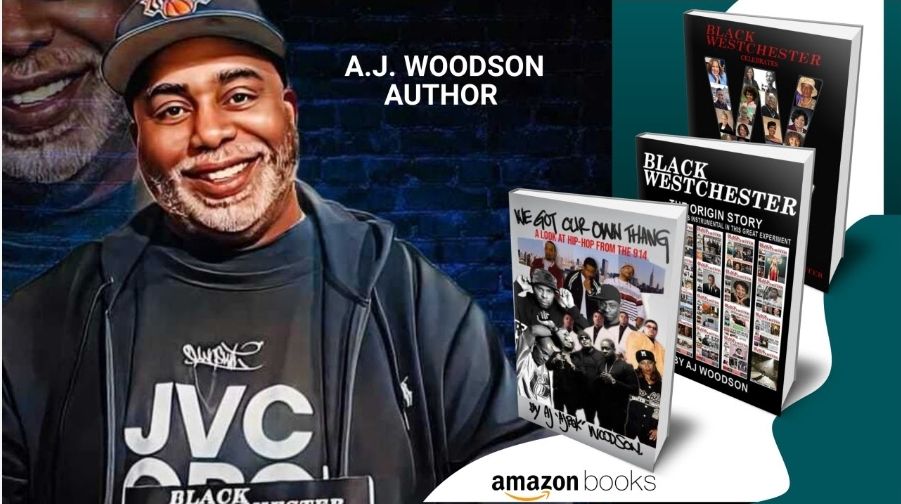



I have never in my life celebrated the 4th of July. My ancestors were enslaved and endured atrocities post slavery. What do I look like celebrating that holiday.?! As the son of my father a Jamaican born immigrant, and my mother who grew up in the Jim Crow state of Virginia, there wasn’t any celebrations of American holidays that didn’t include our ancestors in our home. Fredrick Douglass’ speech will always resonate with me. What is currently going on in the whitewashing of American history in this country is an abomination.
exactly, thank you for your comment my brother