



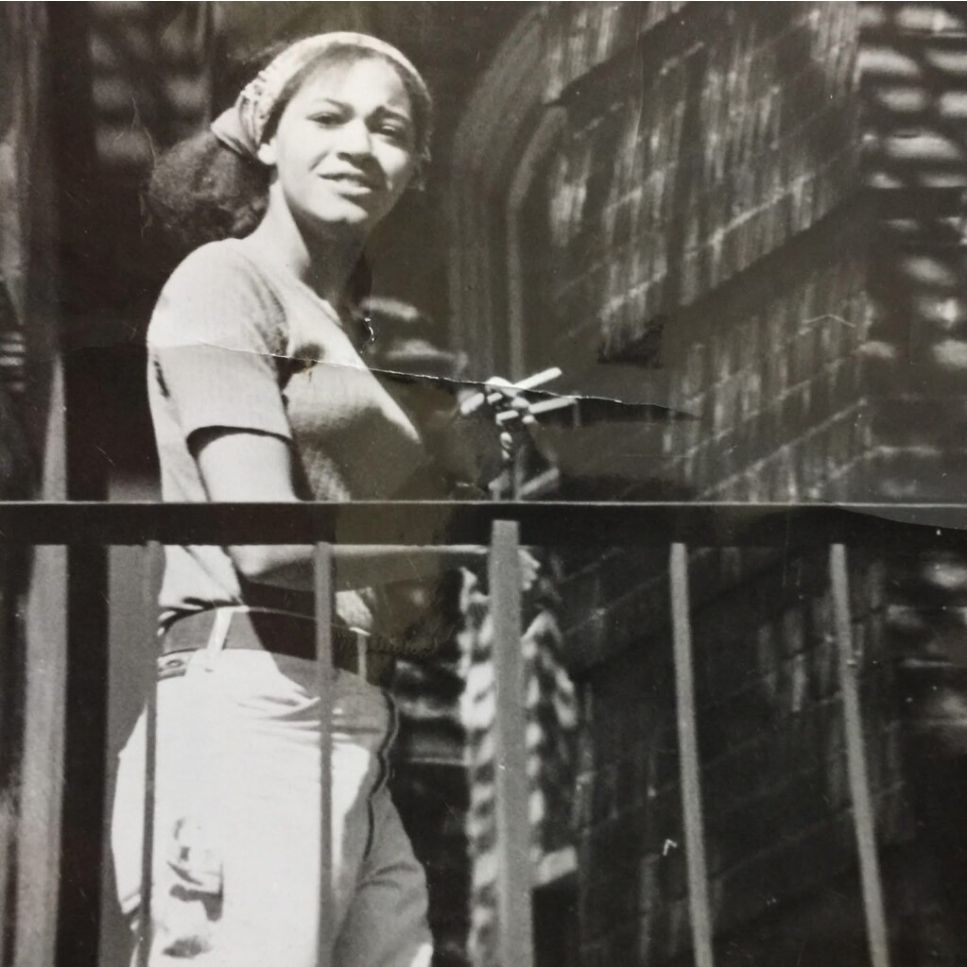
In a historic moment for the City of Rye, Marion Anderson became the first Black councilmember elected to serve on the Rye City Council, marking a significant step forward for representation in one of Westchester County’s oldest municipalities.
For many residents, Anderson’s election is more than a political milestone—it is a reflection of a changing community and a long-overdue expansion of who has a seat at the table. A lifelong Rye resident born at United Hospital, Anderson is a “proclaimer” who has been active in the community, marking a significant milestone in the city’s history since its settlement in 1660.
Her election has also sparked conversation across Westchester County about the importance of representation at the municipal level—where decisions directly impact daily life, from housing and education to public safety and infrastructure. Anderson’s election reflects both a personal achievement and a broader step forward in diversifying local government in a city where Black representation at the municipal level has long been absent. Supporters say her victory signals progress and a growing commitment to inclusion in local leadership.
“I am honored to serve the residents of Rye and look forward to working together to strengthen our community,” Anderson said following her election. “This moment is bigger than me—it represents opportunity, progress, and the voices of those who have not always been heard.”
Community leaders and residents have praised Anderson’s historic win, noting the importance of representation in shaping policies that reflect the needs of all residents. Her role on the council is expected to bring a fresh perspective to key issues, including housing, education, and community engagement.
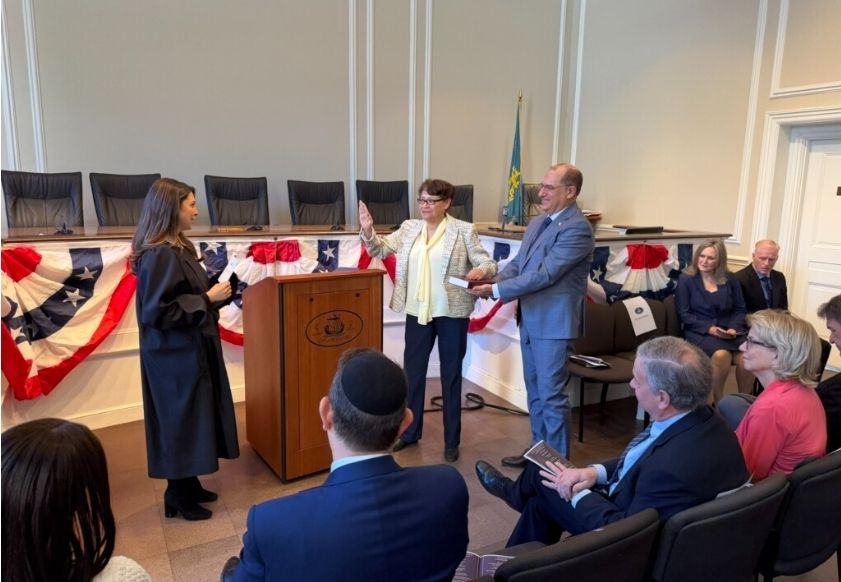
Noting Rye was first settled in 1660, and that only recently Westchester County gained its first Black county executive with Ken Jenkins, she said hers was a milestone she was proud to share with Jenkins and that “it’s been a long time coming from both Westchester County and the City of Rye”.
As Anderson took office earlier this year, many saw her historic election not as an endpoint but as the beginning of a new chapter—one in which leadership more fully reflects the diversity, experiences, and voices of the community it serves.
Her victory stands as both a milestone and a message: that barriers can be broken, and that change, while often slow, is always within reach. Her historic appointment stands as a reminder that progress, while long overdue, continues to move forward—one seat at a time.