




For years, we have watched friendships dissolve, careers collapse, and businesses face boycotts simply because individuals supported Donald Trump or dared to vote Republican. Celebrities have been publicly shamed, influencers “canceled,” and everyday people pressured to choose between their politics and their livelihoods. The message has been uncompromising: Support Trump, and we will not support you.
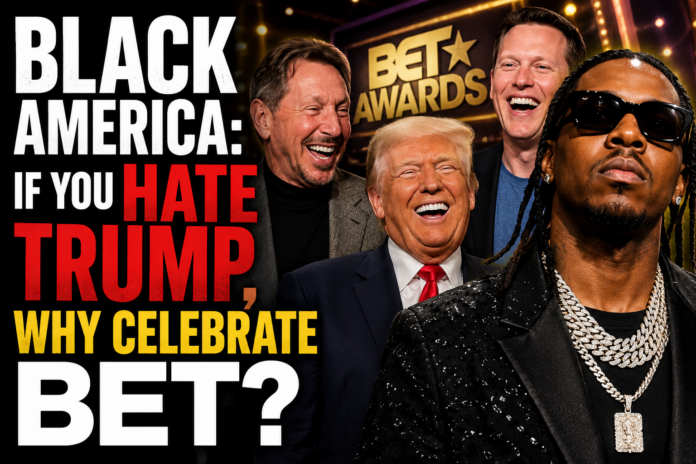
If that is the standard, then why does the BET Awards remain one of the most celebrated nights in Black entertainment?
This is not a rhetorical question. It is a serious challenge to our consistency.
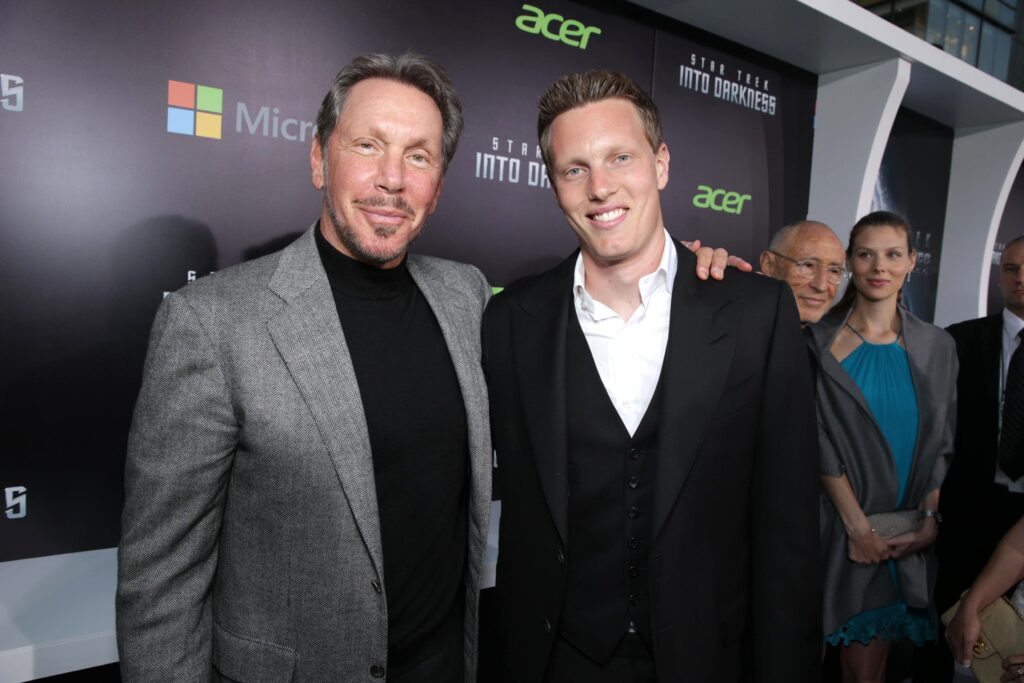
BET is no longer an independently Black-owned network. It operates under Paramount Skydance, led by CEO David Ellison, son of Oracle founder Larry Ellison. Larry Ellison has poured tens of millions of dollars into causes and groups supporting Donald Trump, including roughly $45 million to pro-Trump efforts, while maintaining a close personal relationship with the president.
Read: The Death of Black Owned Media: The Last Piece of Black Ownership at BET Is Gone
Yet every year, Black artists, executives, and fans gather for the BET Awards. Red carpets are rolled out. Performances trend. Influencers post glamorous photos. Advertising revenue flows. And few seem interested in asking who ultimately owns the platform and where the profits go.
This reveals a glaring double standard. When an individual Black entertainer expresses support for Trump, the response is swift and severe—lost opportunities, fan backlash, and accusations of betrayal. But when a massive media conglomerate with clear ties to Trump-aligned ownership profits from Black culture? Silence. Celebration. Business as usual.
Are our boycotts and cancellations based on principle—or on convenience?
If political affiliation, donations, and ownership matter, they must matter equally. We cannot apply harsh scrutiny to individuals while giving corporations a pass. That is not economic activism. It is selective outrage.
This inconsistency extends beyond one awards show. For decades, Black leaders and thinkers—from Booker T. Washington to modern voices like Claud Anderson—have emphasized ownership, not mere access or visibility. True power comes from controlling institutions, circulating dollars within our communities, and building wealth through ownership. We talk about “buying Black” and supporting Black businesses, yet one of our premier cultural events funnels significant profits to a multibillion-dollar empire with leadership deeply connected to Trump-world interests.
The selective approach undermines the very economic empowerment we claim to seek. Black consumer spending power exceeds $1.8 trillion annually. Redirecting even a portion of that toward genuine ownership could transform communities. But ignoring corporate ownership in our biggest cultural moments means leaving real power—and real money—on the table for others.
The issue is larger than politics. It is about integrity. If we demand accountability from individuals, we must demand it from the platforms and corporations that profit from our talent, viewership, and culture. Otherwise, we are not practicing principled economic nationalism—we are engaging in performative symbolism.
Black America deserves better than convenient outrage. We deserve consistent principles, critical thinking about ownership, and strategies that prioritize long-term empowerment over short-term celebration. It is time to move beyond symbolism and demand real economic power.
The conversation starts with honesty. Let’s have it.