




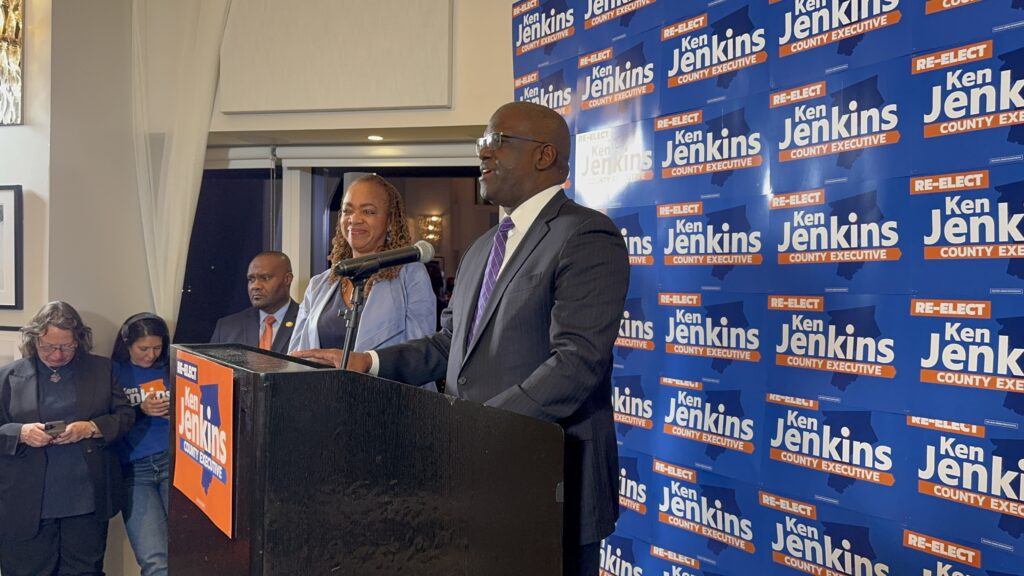
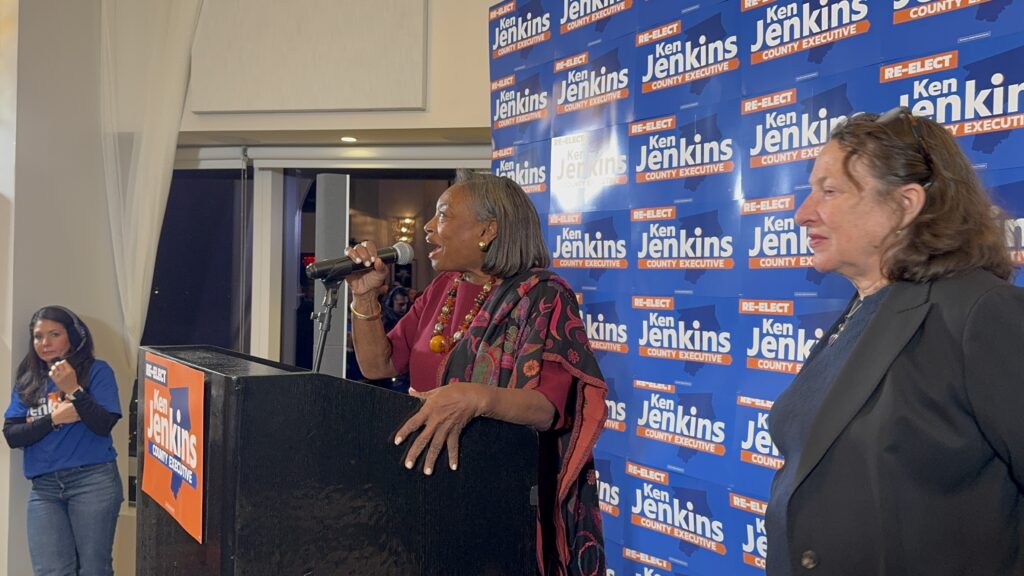
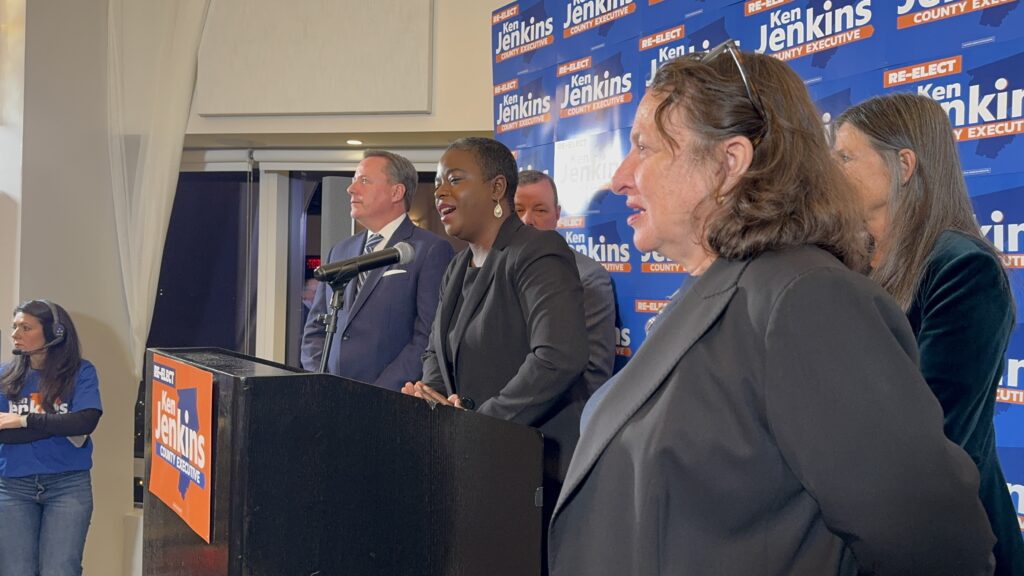
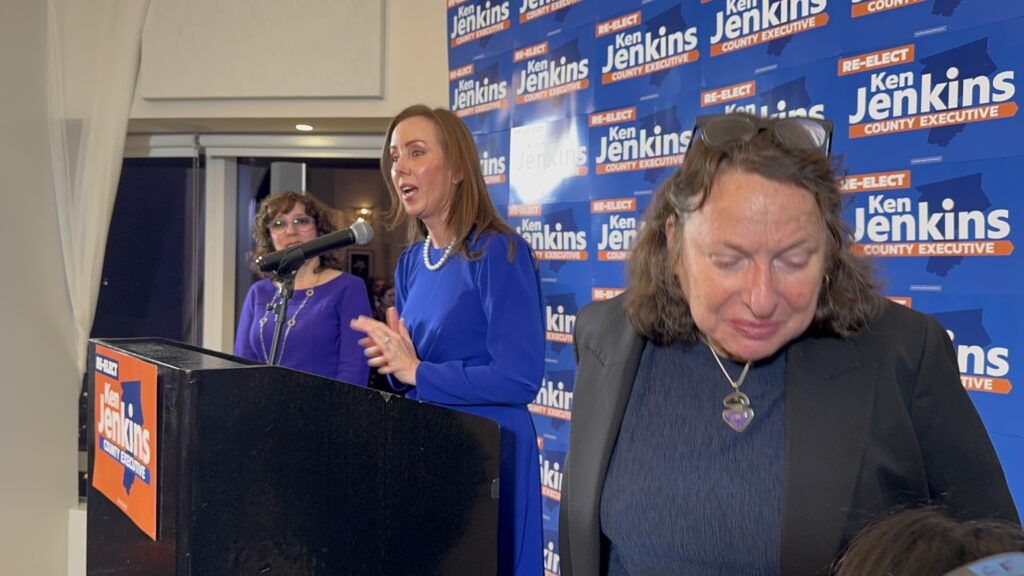
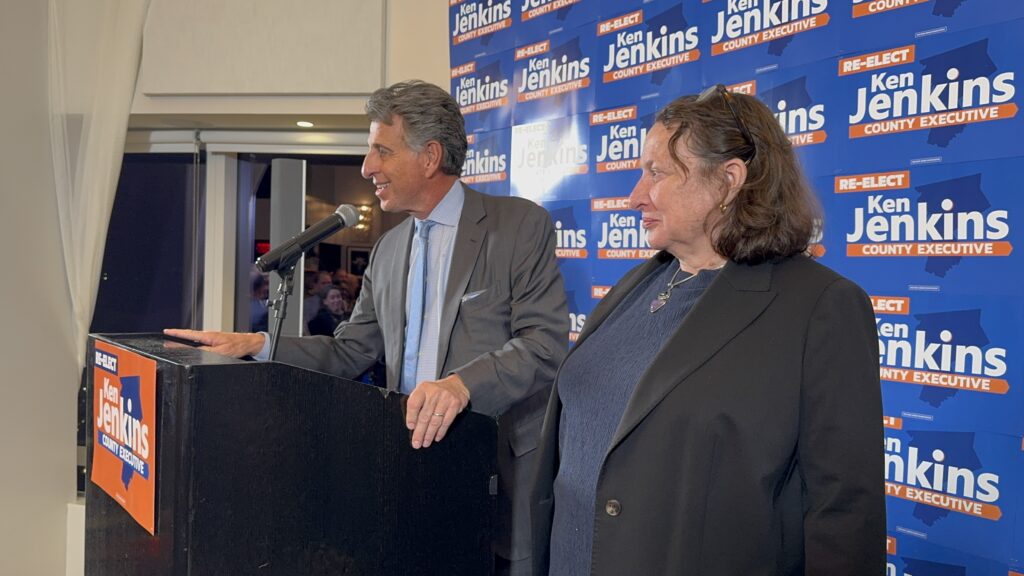
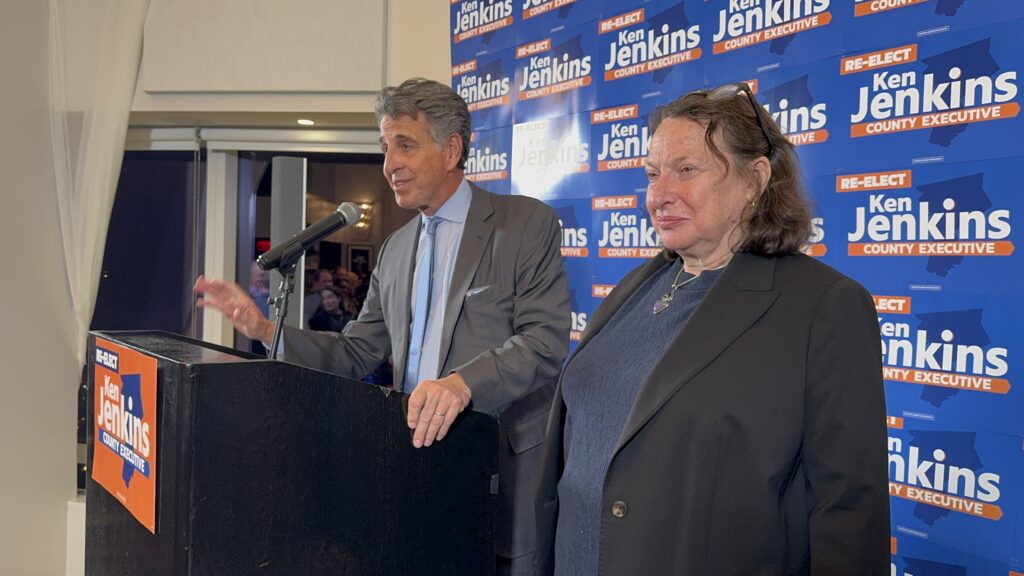
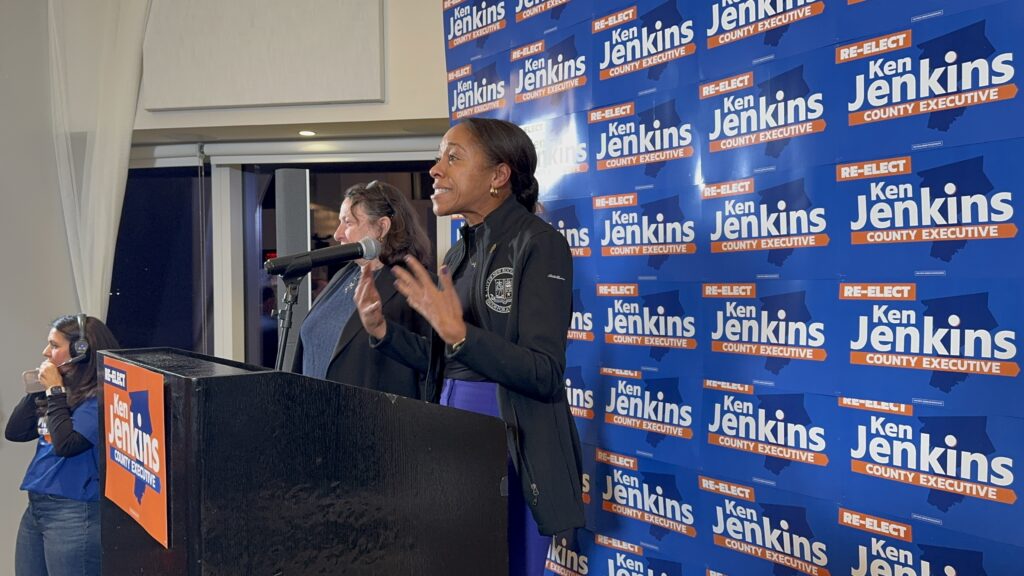
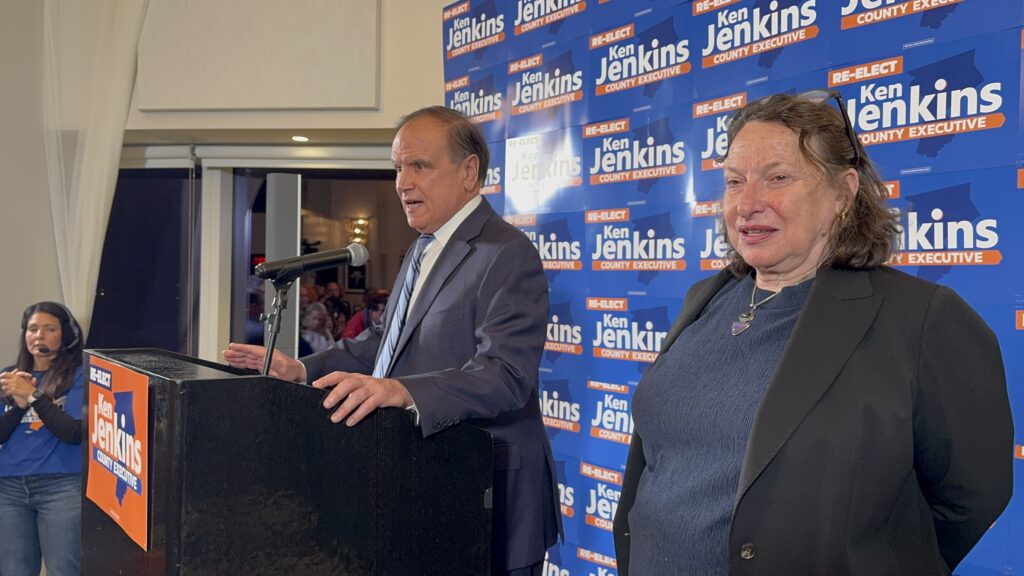
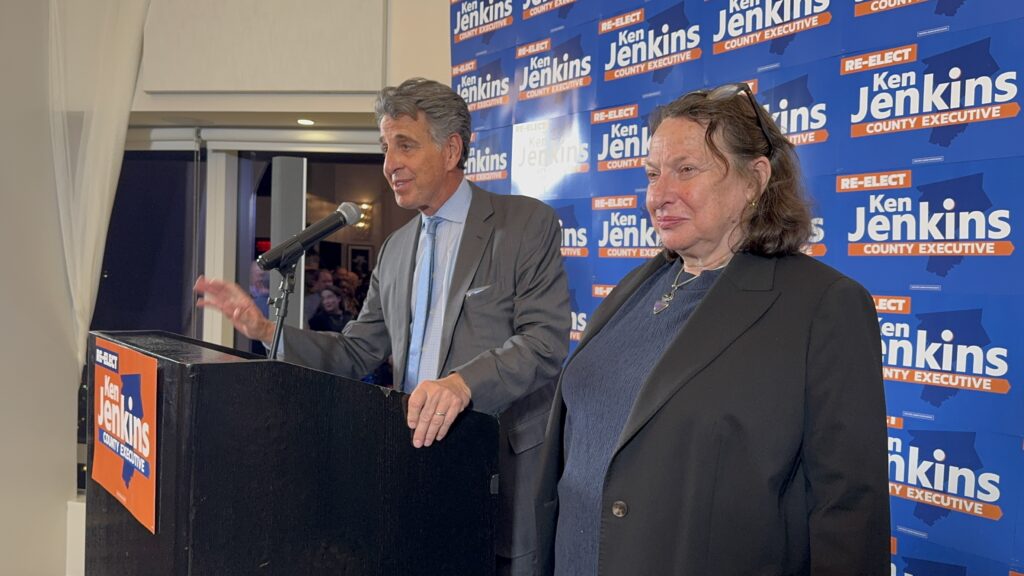
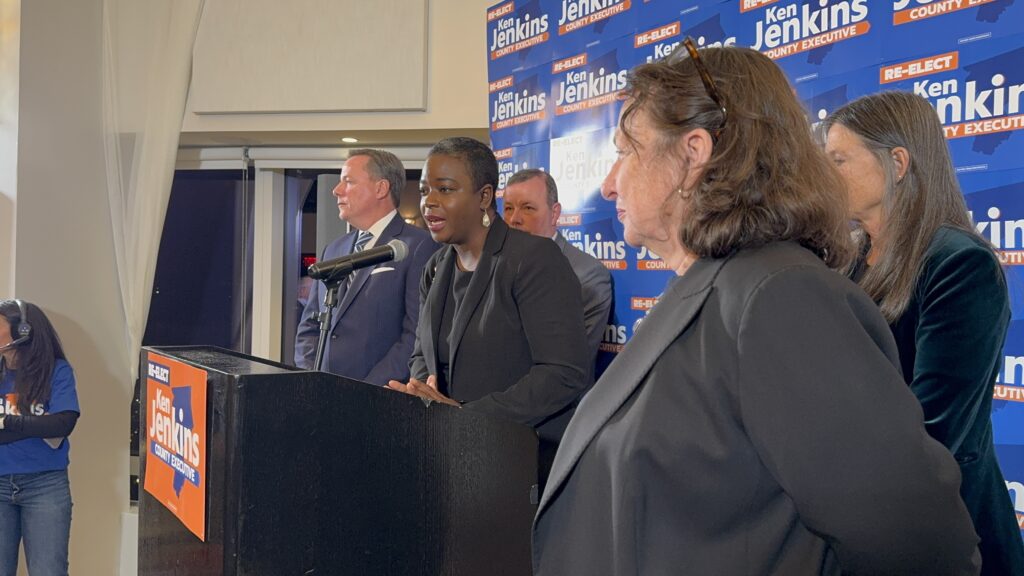
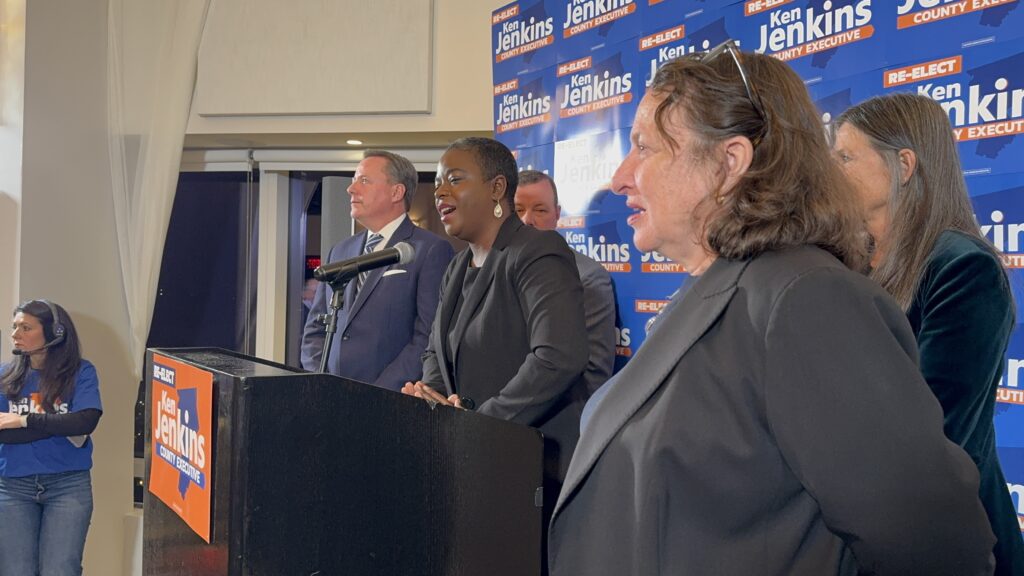
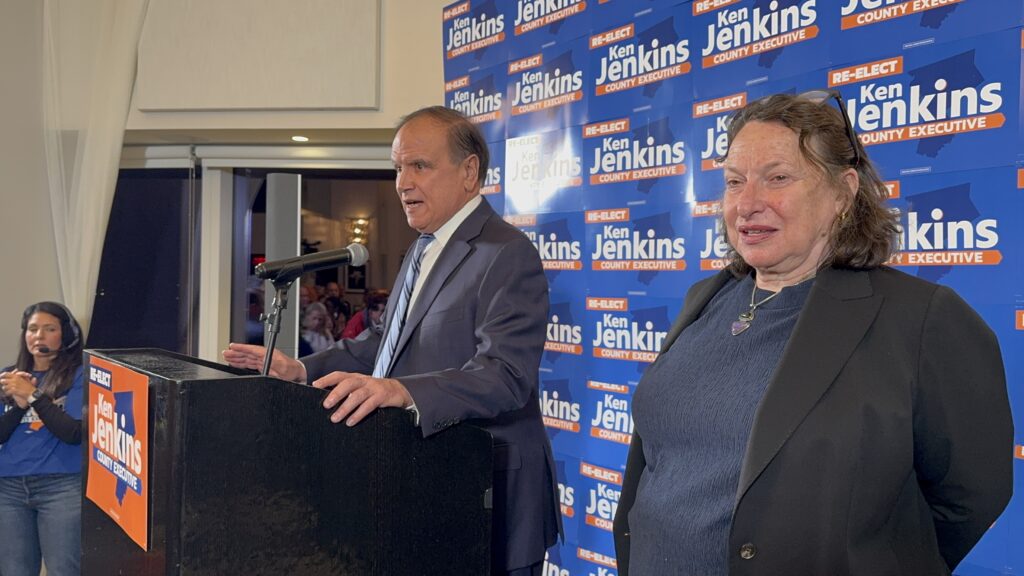
Westchester County made history on Election Day. For the first time in its 339-year history, the people of this county elected a Black man, Ken Jenkins, as County Executive. It’s a milestone that speaks to how far we’ve come — and a reminder of how much further we still have to go.
Jenkins’ victory is not just a win for one man. It’s a statement about what perseverance looks like, what representation means, and what the future of leadership in this country can become when experience meets integrity. For decades, Jenkins has been the steady, informed presence in Westchester politics — a man who put in the work, mastered the system, and never wavered from public service even when the odds or timing weren’t in his favor.
A Moment Long Overdue
Westchester is a county rich in diversity, yet long defined by political homogeneity. From Yonkers to Mount Vernon, from Greenburgh to Port Chester, Black and Brown communities have powered this county’s labor, culture, and civic life — but too often, not its leadership. Jenkins’ election shatters that old ceiling. It’s a symbolic correction to a system that for generations failed to reflect the faces and voices that make this country thrive.
But symbolism is only the beginning. Because history doesn’t sustain itself, policy does. And for Ken Jenkins, this win brings both pride and pressure. As the first Black County Executive, he now stands at the intersection of expectation and execution — where progress must be more than a photo opportunity.
A Record Built on Service — and Respect
Those who know Jenkins understand that this victory didn’t happen overnight. He earned it the long way — through years of public service, as a County Legislator, as Chair of the Board, and as Deputy County Executive under George Latimer.
Over that time, Ken has mastered the art of persuasion and respectful debate. As I said recently on one of my social media posts about him: “Do we always agree? Absolutely not. But at the end of the day, he works for the best interest of the people — and in politics, we have to work to get the best.” That’s what makes him effective. He knows how to disagree without disrespect, and how to unify without compromising his integrity.
He has seen what works in government and what doesn’t. And because of that experience, he enters office with something many elected officials lack: the wisdom that leadership isn’t about ego — it’s about outcomes
What Comes Next
Westchester stands at a crossroads. Skyrocketing housing costs continue to push working families out. Municipalities like Mount Vernon and Yonkers are still battling the lingering effects of infrastructure neglect. Our schools and youth programs need innovation, not bureaucracy.
Suppose Jenkins can bring his brand of steady, informed leadership to these issues. In that case, this historic moment will become a defining one — not just for him, but for generations of Westchester residents who deserve to see equity in action, not just in headlines.
Jenkins’ leadership will be tested early. Affordable housing, climate resilience, public safety, and fiscal management remain the county’s biggest challenges. Yet, if his record is any indicator, Jenkins won’t run from the hard work — he’ll run toward it.
The Broader Meaning
This election wasn’t just about breaking a barrier; it was about building a bridge. For the Black community, it’s a validation of patience and persistence. For Westchester as a whole, it’s a call to move past politics as usual and toward governance that mirrors the diversity and depth of the people it serves.
Ken Jenkins’ rise reminds us that leadership built on preparation lasts longer than leadership built on popularity. It also challenges a generation of young Black men and women to see government not as an enemy, but as a platform — one that can be reclaimed and redefined by those willing to serve.
A Victory With Purpose
The morning after Election Day, when the celebrations fade, the real work begins. Jenkins now carries the hopes of a community that’s waited far too long to see itself at the table of power. He also holds the responsibility to make sure that the table stays open — that progress doesn’t stop with him, but continues through him.
In the end, history is not just made by being first. It’s made by being faithful to the people, to the purpose, and to the promise of progress. Ken Jenkins’ victory represents all three.













Great article and well written.
Thank you for your feedback
– AJ Woodson
Editor-In-Chief