



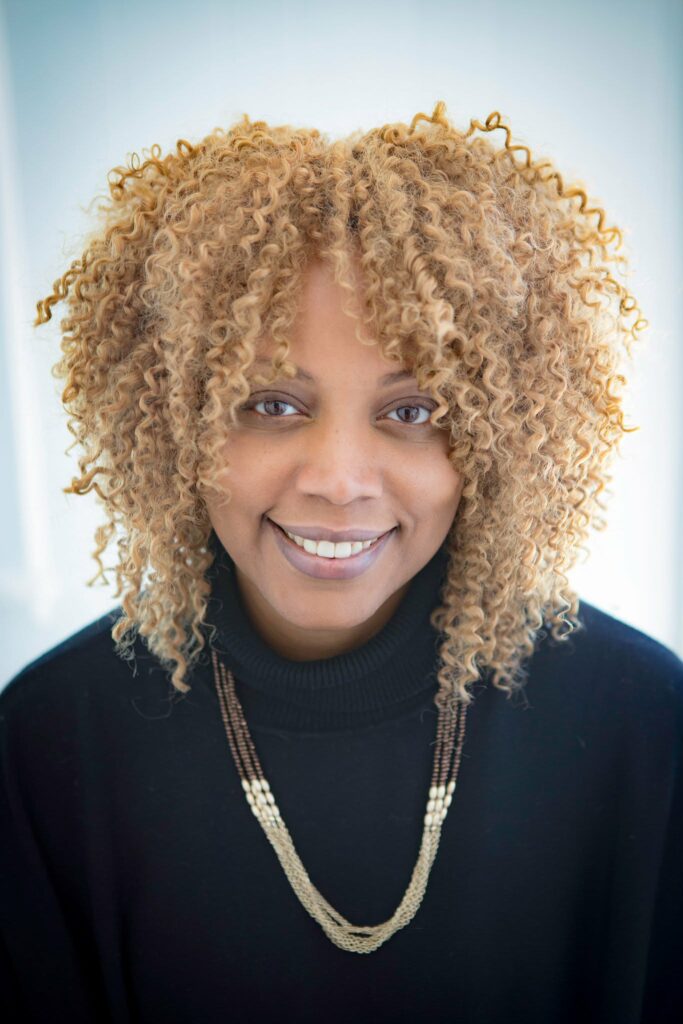
Dr. Betty Campbell, an adjunct professor of criminal and social justice and the Commissioner of Jurors for Westchester County, is the first African-American woman to attain this position in New York State. The Iona College graduate has 25 years of experience in criminal justice and law, including nearly a decade at the Manhattan DA’s Office in its Witness Aid Service Unit, Alternative to Incarceration Unit, and Drug Treatment Alternative to Prison Program.
Dr. Campbell served as Director of the 9th Judicial Problem-Solving Courts, which she spearheaded, and is also a trauma-informed response trainer. A lifelong resident of New Rochelle, she seeks to apply her “extensive research on leadership in policing and experience working with diverse communities to create positive change.”
Dr. Betty Campbell was a single mother just out of high school, who was raising her child, working full-time, and pursuing an associate degree at night. After earning her associate degree, she went on to earn a bachelor’s degree in criminal justice. That led to a job in the Manhattan District Attorney’s office. She spent a decade in the Witness Aid Service Unit, the Alternative to Incarceration Unit, and the Drug Treatment Alternative to Prison Program, which she spearheaded. While working in the DA’s office, Betty earned a master’s in public administration from New York University. She came to work for the court system in 2002, planning and overseeing 35 problem-solving courts in the Ninth Judicial District, which encompasses Westchester, Putnam, Dutchess, Rockland, and Orange counties. In 2011, Betty earned her doctorate in education.
In August of 2017, the Westchester County Jury Board unanimously appointed Campbell the first commissioner of jurors of color ever in Westchester, and the first female jury commissioner of color in the entire state.
She learned that justice takes on many different forms. In the District Attorney’s office, she worked first with crime victims and the Witness Aid Service unit, and then defendants in the Alternative Sentencing Unit, and then predicate felons in the DTAP Program. She realized that everyone had different needs and different outcomes. In the DA’s office, she was introduced to the practice of restorative justice, especially in the Alternative Sentencing Unit and the DTAP Program, because those units’ response to criminal behavior focused on restoring harmony between the offender and society. The Alternative to Sentencing Unit was a unit that was responsible for assigning individuals to various community service projects. If you had a case and your disposition was community service, the Alternative to Sentencing Unit actually assigned people to various community service.
The historical significance of Campbell’s role is not lost on her. Community outreach and education are integral to her mission of educating people about the lesser-known aspects of the jury process, such as the option of volunteering for service before receiving a questionnaire in the mail.

Dr. Campbell tells Black Westchester that she feels like a trailblazer in her position and hopes young African American kids will be inspired by her achievement.
“My job is to ensure that we have a diverse pool of qualified jurors from a cross-section of the county. The ability to participate in the jury process is a privilege; therefore, I’d like prospective jurors to think of their summons as an invitation to participate in something great—our justice system.”
Black Westchester celebrates Dr. Betty Campbell!
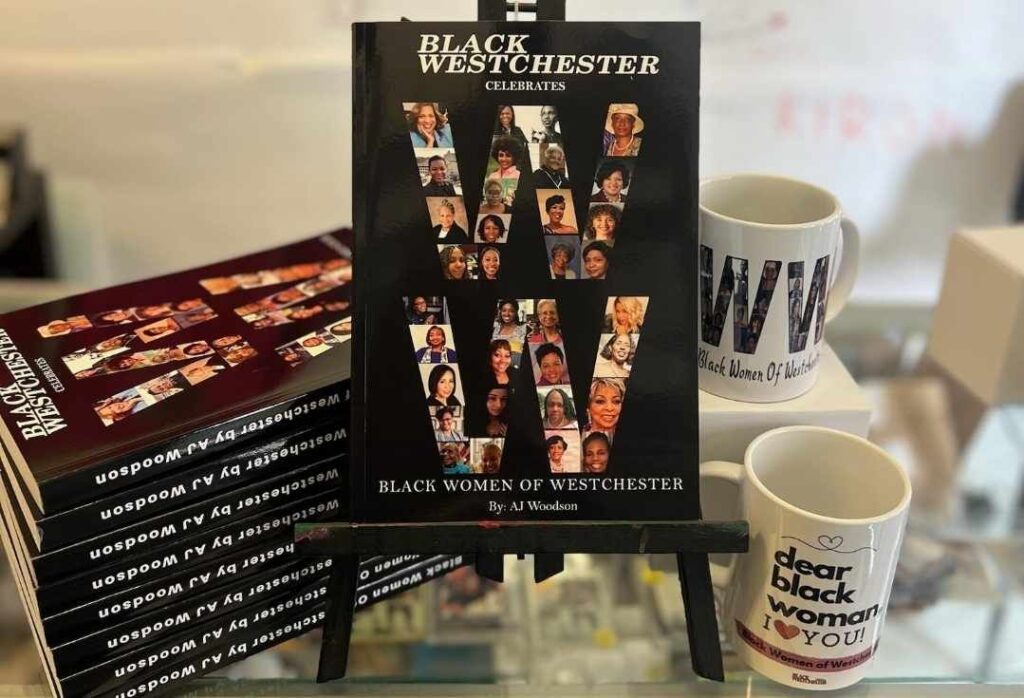
Excerpt from the book, “Black Westchester Celebrates Black Women Of Westchester,” available on Amazon or email BlackWestchesterMag@gmail.com to purchase your autographed copies.