




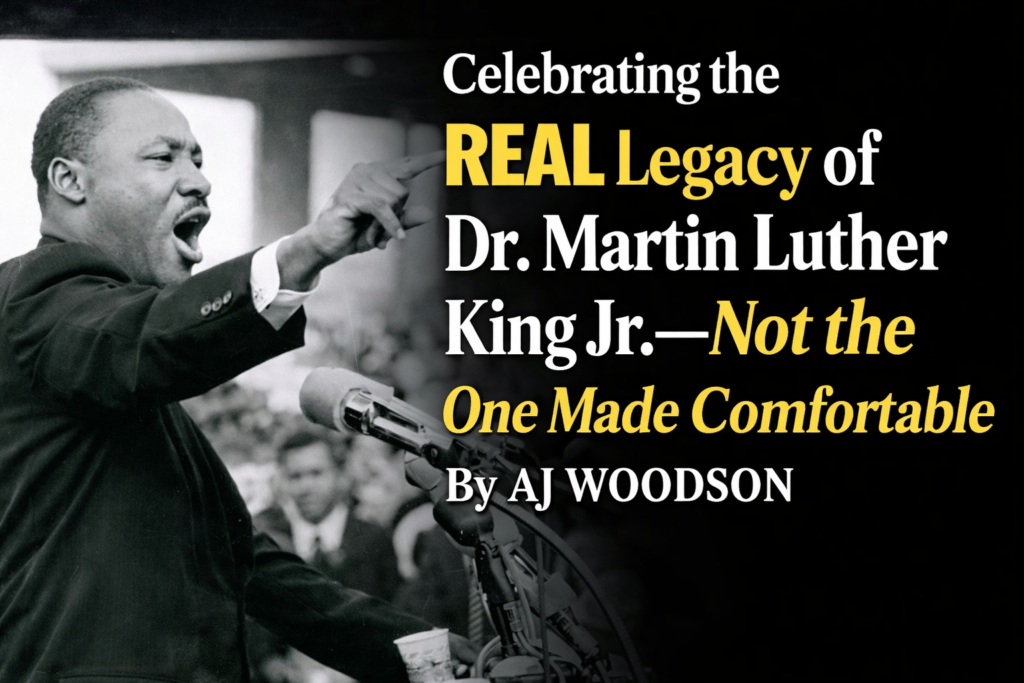
Every January for his birthday and February for Black History Month, Americans gather to honor Dr. Martin Luther King Jr. with phrases taken neatly from context, speeches shorn of discomfort, and a depiction of the man made palatable enough to offend no one. We are reminded that he had a dream, that he believed in peace and that love could overcome hatred. What we are rarely reminded of is that Dr. King was considered dangerous in his day by the powers to be, surveilled and labeled a terrorist by the federal government, denounced and condemned by the mainstream mostly white press, and assassinated while organizing the poor.
That whitewashing of history is not an accident. It is a strategy.
In his latter years, Dr. King greatly broadened his focus to confront poverty and economic inequality. He culminated the multiracial Poor People’s Campaign demanding jobs and income for all. To bring oppressed communities together and demand economic justice, and he advocated for systemic improvements. He believed that economic justice was the next stage of the fight for equality, reparations, contending that poverty was the main cause of societal inequality and that as long as adventures like Vietnam continued to attract men, skills, and money, America would never devote the necessary resources to the rehabilitation of its impoverished.
In his “Beyond Vietnam – A Time to Break Silence” speech on April 4, 1967 at Riverside Church in New York City when he was named co-chairperson of Clergy and Laymen Concerned About Vietnam, Dr. King spoke out against the Vietnam War and to “recapture the revolutionary spirit” of social justice in America.
This is the speech they NEVER share every January and February because it goes against their narrative of Dr King being a peaceful dreamer who believe in non-violence. But Rev. Martin Luther King Jr. knew the political consequences of speaking out against the Vietnam War − and he did it anyway.
“They got money for war, but can’t feed the poor,” Tupac spat in 1993 on his hit single Keep Ya Head Up.
Dr King challenged the government asking that very question, 26 years earlier. How could a nation spend so much money on a war, King asked, when it could not feed or protect its own people?
…and I knew that America would never invest the necessary funds or energies in rehabilitation of its poor so long as adventures like Vietnam continued to draw men and skills and money like some demonic destructive suction tube. So, I was increasingly compelled to see the war as an enemy of the poor and to attack it as such.
Perhaps a more tragic recognition of reality took place when it became clear to me that the war was doing far more than devastating the hopes of the poor at home. It was sending their sons and their brothers and their husbands to fight and to die in extraordinarily high proportions relative to the rest of the population. We were taking the black young men who had been crippled by our society and sending them eight thousand miles away to guarantee liberties in Southeast Asia which they had not found in southwest Georgia and East Harlem. And so we have been repeatedly faced with the cruel irony of watching Negro and white boys on TV screens as they kill and die together for a nation that has been unable to seat them together in the same schools. And so we watch them in brutal solidarity burning the huts of a poor village, but we realize that they would hardly live on the same block in Chicago. I could not be silent in the face of such cruel manipulation of the poor.
Ten days after the Beyond Vietnam speech, in another speech rarely shared, at Stanford University titled “The Other America,” Dr. King addresses race, poverty and economic justice. (At various times in 1967 and ’68 he gave slightly different versions of “The Other America” to other audiences.) Here, he expounds on his nonviolent philosophy and methodology.
And I use this subject because there are literally two Americas. One America is beautiful for situation. And, in a sense, this America is overflowing with the milk of prosperity and the honey of opportunity. This America is the habitat of millions of people who have food and material necessities for their bodies; and culture and education for their minds; and freedom and human dignity for their spirits. In this America, millions of people experience every day the opportunity of having life, liberty, and the pursuit of happiness in all of their dimensions. And in this America millions of young people grow up in the sunlight of opportunity.
But tragically and unfortunately, there is another America. This other America has a daily ugliness about it that constantly transforms the ebulliency of hope into the fatigue of despair. In this America millions of work-starved men walk the streets daily in search for jobs that do not exist. In this America millions of people find themselves living in rat-infested, vermin-filled slums. In this America people are poor by the millions. They find themselves perishing on a lonely island of poverty in the midst of a vast ocean of material prosperity.
The version of Dr. King most often presented today is a neutralized King—one stripped of his radical critique of American power, capitalism, militarism, and racial hierarchy. But I say to truly celebrate his REAL legacy requires us to move beyond comfort of rewritten force-fed history and confront what he actually stood for—and what he was fighting against.
Dr. King Was Not a Symbol—He Was a Threat
Dr. King was more than just a civil rights activist calling for desegregation by the late 1960s. He had turned into a moral insurgent challenging the foundations and fundamentals of American culture. He publicly denounced the Vietnam War and referred to the US as “the greatest purveyor of violence in the world today.” He criticized capitalism for creating both crippling poverty and outrageous wealth. He demanded not charity, but justice.
For this, he was vilified.
Major newspapers accused him of undermining national unity. Politicians distanced themselves. Even some civil rights allies urged him to “stay in his lane.” The FBI labeled him a subversive, wiretapped him, and attempted to destroy him psychologically. None of this fits the Hallmark version of Dr. King we are taught to celebrate.
Don’t get it twisted “The Dream” Was Never Colorblindness. Perhaps the most abused part of Dr. King’s legacy is the idea that he dreamed of a “colorblind” America—one where race no longer mattered and everyone simply got along. That framing ignores his actual words and intent. Dr. King did not argue that America should ignore race. He argued that America must repair the damage racism caused. He supported policies that today would be labeled “radical,” “divisive” or even “Liberal”: fair housing laws, labor protections, guaranteed income, and massive public investment in marginalized communities. He understood that equality without equity is a lie.
Let’s be real, Dr. King’s Fight Was Economic as Much as It Was Racial. At the time of his death, Dr. King was organizing the Poor People’s Campaign—a multiracial movement aimed at confronting poverty, wage exploitation, and economic injustice. He was in Memphis supporting striking sanitation workers, men who carried signs reading “I Am a Man” because the system refused to recognize their humanity. This was not accidental symbolism. Dr. King understood that racism and economic exploitation were intertwined. He believed civil rights victories meant little if people remained poor, housing insecure, and disposable.
That is why he demanded a guaranteed income.
That is why he challenged corporate power.
That is why he frightened those in power.
Even many of our Black Elected Officials and Black Pastors today run with the watered down narrative of Dr. King as a peaceful dreamer, because the Real Dr. King Still Makes America Uncomfortable.
“Justice too long delayed is justice denied” was not a polite suggestion—it was an indictment.
The reason the real Dr. King is rarely taught is simple: his message still threatens the status quo.
A King who demands racial repair challenges power.
A King who condemns militarism questions empire.
A King who criticizes capitalism disrupts profit.
A King who sides with workers unsettles wealth.
So America keeps the dream—and buries the demands.
To all our Teachers, Preachers and Politicians I say Honoring Dr. King Means More Than Quoting Him
To truly honor Dr. Martin Luther King Jr. is not to repost his words once a year while ignoring the conditions he fought against they other 364 days. It means asking uncomfortable questions about whose lives are still undervalued, whose labor is still exploited, and whose suffering is still normalized.
It means recognizing that the struggle he gave his life for is unfinished.
Dr. King did not die for a holiday.
He died for a transformation.
And if we are serious about honoring his legacy, we must stop celebrating the version of him that makes us feel good—and start confronting the one who demanded we do better.
Because the real tribute to Dr. King is not remembrance.
It is resistance.
Let’s celebrate the REAL Dr. Martin Luther King Jr., today. January 15, 2026 would have been his 97th birthday! Let’s not just celebrate the day off, lets continue the work. Let’s not let his legacy be watered down and whitewashed! Continuing the work he lived and died for is the best way to celebrate Dr. King and honor his legacy and that’s REAL TALK!

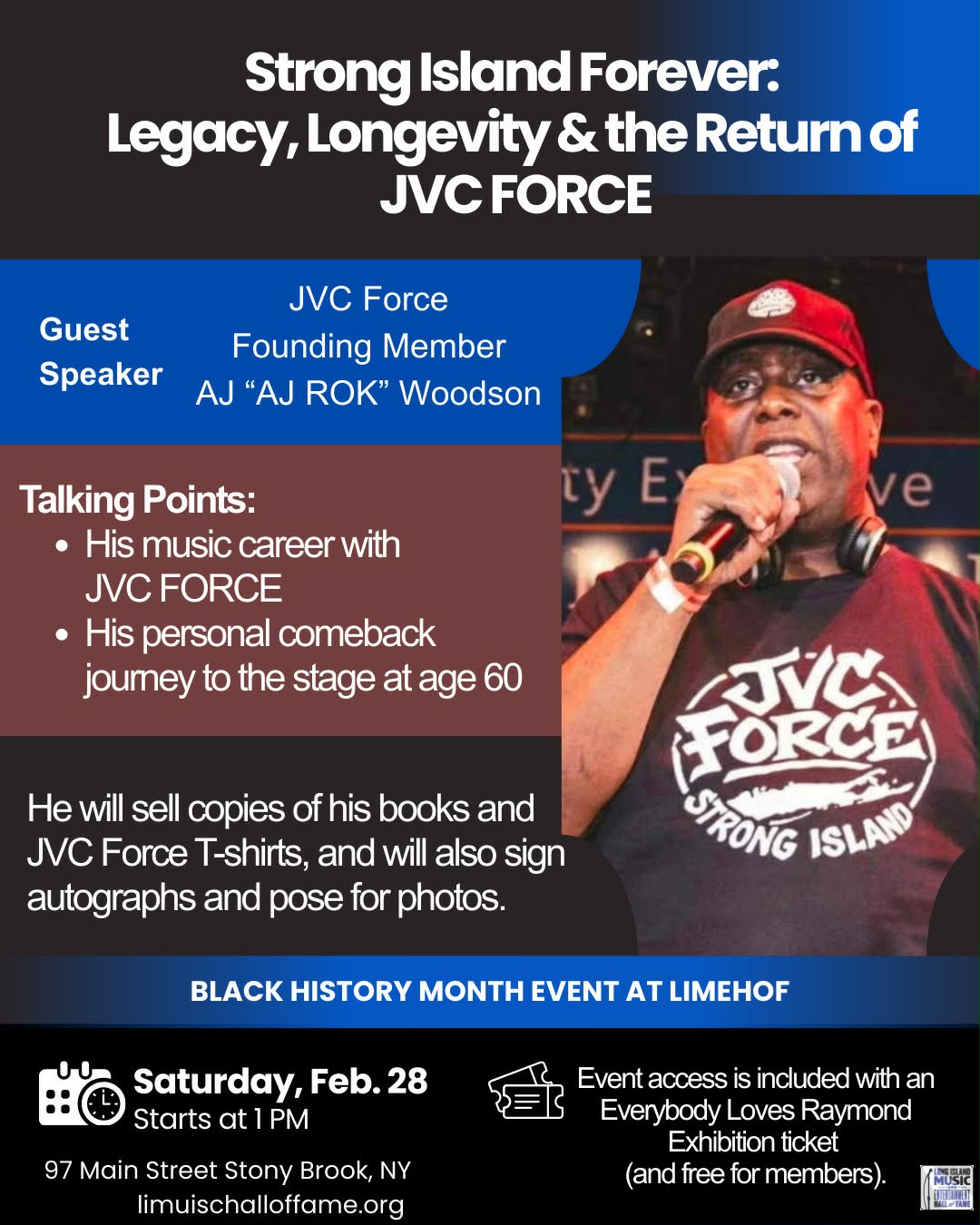







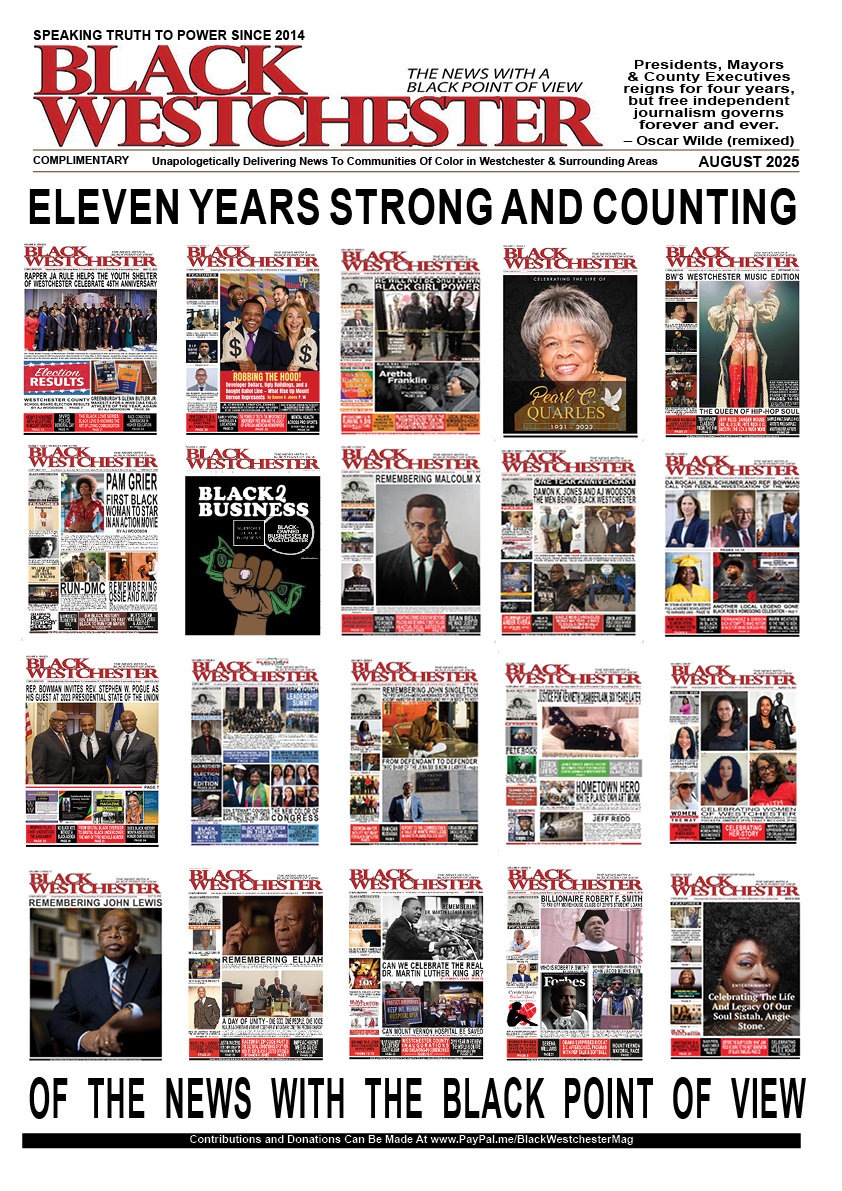

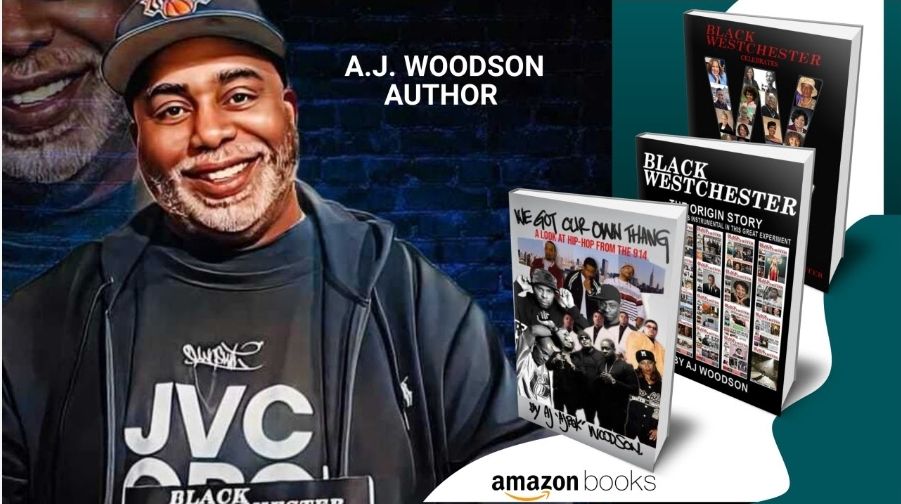



This article is a reminder of why AJ’s editorial leadership at Black Westchester matters so deeply. It takes intention and courage, to make room for writing that doesn’t soften the truth or make history easier to swallow. This piece didn’t just quote Dr. King, it honored him by telling the whole story, the parts that still make people uncomfortable.
I’m proud to call you my friend and mentor, and even more proud to be a part of the Black Westchester family. As a writer and as a reader, I’m grateful for a platform that chooses depth over ease, accountability over applause, and truth even when it disrupts. That kind of editorial care is felt.
Thank you very much my sister and thank you for your tremendous editorial contributions as well!!!