



Netflix finds itself in the crosshairs of controversy again — this time, not for password sharing crackdowns or price hikes, but for what some critics see as a deliberate push of transgender themes in children’s programming.
The uproar ignited after Dead End: Paranormal Park, an animated series featuring a transgender lead character, gained visibility on the platform. Soon after, other youth-targeted content, including Strawberry Shortcake: Berry in the Big City, drew criticism for including LGBTQ+ characters. The backlash escalated when billionaire Elon Musk called on his millions of followers to cancel their Netflix subscriptions, framing the issue as an attack on children and family values.
The Boycott Movement
Across social media, hashtags like #CancelNetflix have gained momentum. Conservative commentators and parent groups argue that children’s media should not be the arena for sexual identity debates, accusing Netflix of“indoctrination.” Some subscribers claim they have already canceled, while others are demanding corporate accountability.
Counting the Cost: Billions on the Line
This isn’t just a culture war — it’s also affecting Wall Street. Following Musk’s call for boycotts, Netflix shares fell between 1 and 2 percent in a single trading session, wiping out an estimated $15–17 billion in market value. Reports also suggest a noticeable spike in subscription cancellations, though Netflix itself has not confirmed these numbers.
Still, financial analysts warn that these market shocks are often short-lived. Netflix weathered a similar storm during the 2020 backlash against ‘Cuties,’ and many investors believe that long-term subscriber churn is unlikely to be catastrophic. However, the sell-off demonstrates that even cultural debates can have real financial consequences for billion-dollar corporations.
What It Means for Black America
For Black families, the controversy raises more profound questions. Who decides what values our children are taught through the media? Should we leave that decision to corporations in Silicon Valley and Hollywood, or should we take more responsibility for shaping cultural content in our households?
Historically, Black America has battled for representation on screen, fighting against stereotypes that painted us as criminals, maids, or comic relief. Now, as new cultural agendas flood children’s programming, the question is whether a new fight over identity politics is overshadowing our fight for visibility.
The Black community must also confront the economic angle. Our children are heavy consumers of streaming content. If we don’t build our own platforms, we are at the mercy of billion-dollar companies deciding what images and values dominate the screen. Meanwhile, Black-owned streaming platforms, children’s book publishers, and production studios struggle to get the same attention or support.
Beyond Netflix: The Need for Black-Owned Online Platforms
This moment is bigger than Netflix. It’s about building Black-owned online platforms that can deliver programming shaped by our values, our stories, and our vision for the next generation. If families don’t feel represented or respected on mainstream platforms, the answer cannot be limited to outrage. It must also be ownership. Just as we encourage people to “Buy Black,” we must also encourage them to “Watch Black.”
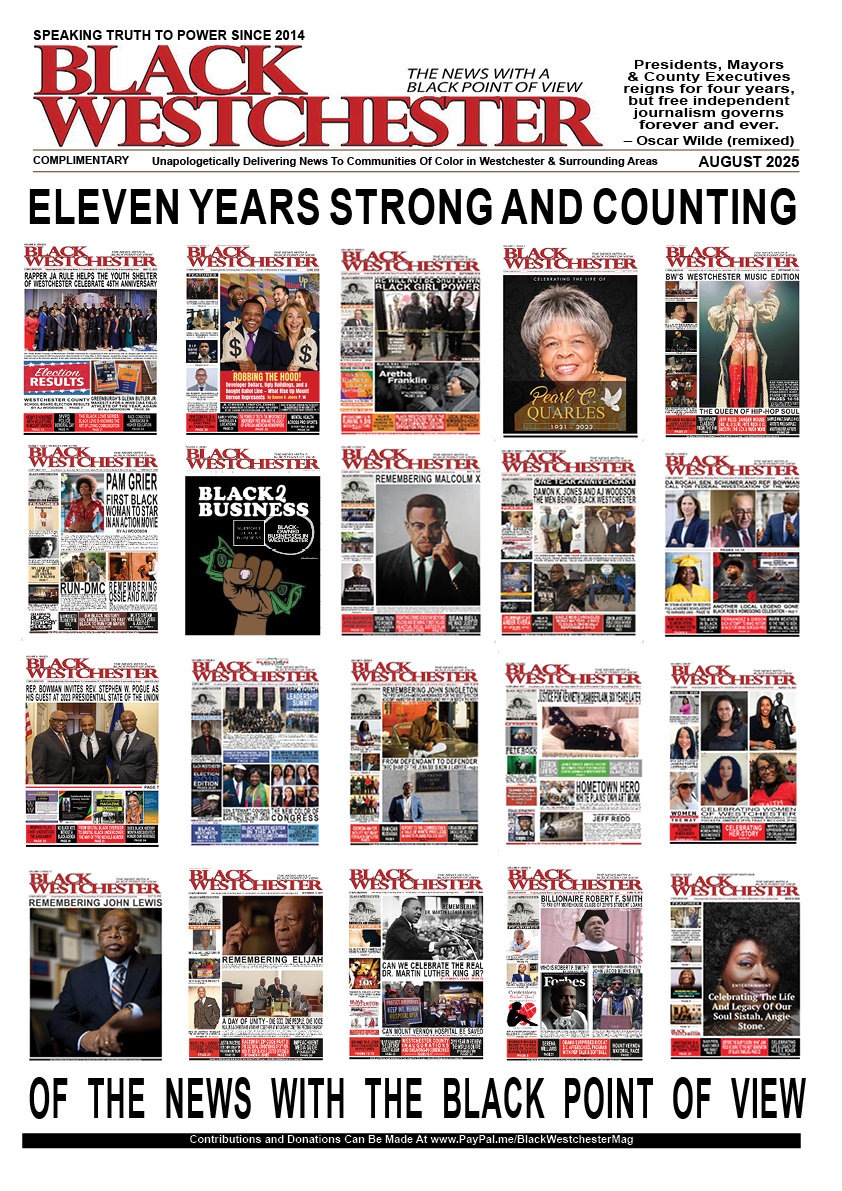
Black Westchester has long argued that without institution-building — whether in politics, media, education, or business — our community will always be reacting to someone else’s agenda instead of setting our own. Netflix is just the latest example.
The Bottom Line
Whether you cancel Netflix or keep your subscription, the deeper challenge is what we allow into our homes and into our children’s minds. The real boycott we need is against passivity — against allowing others to shape the moral compass of our community.
The fight is not just about trans kids’ shows. It’s about control, responsibility, and the future of Black families.








“Buy black” “Watch black”? That sounds racist. If one were to say “Watch white” or “Buy white”, there would be an uproar.
White people already do that. Do you say that to The Jews who have an entire community? Do you say that to the Asians who have China Town? Do you say that to the Italians who have Little Italy? What do you think they are doing in those communities? Buying from their own and selling to their own. But when Black people say its racist! GTFOH!