




There Are Days That Move You.
And then, there are days that mark you.
Days that don’t just shift your calendar, but shift your consciousness.
Days that enter you quietly, but leave you changed.
Monday, June 23rd, 2025, was one of those days.
Not just for the attendees. Not just for the organizers.
But for the soul of Westchester County itself, etched like a prayer whispered between generations.
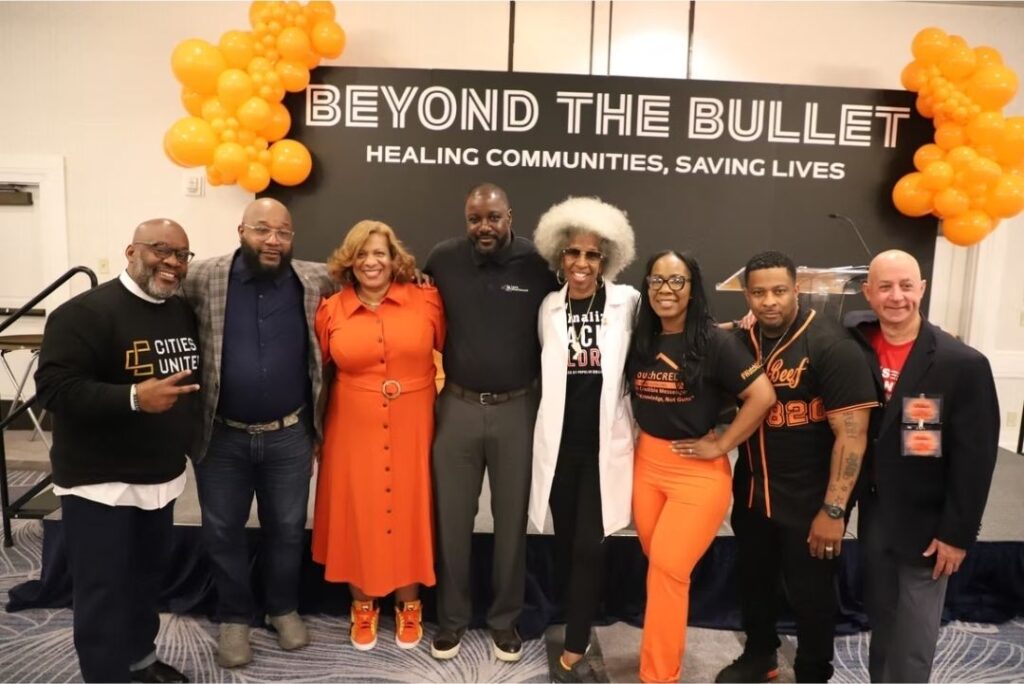
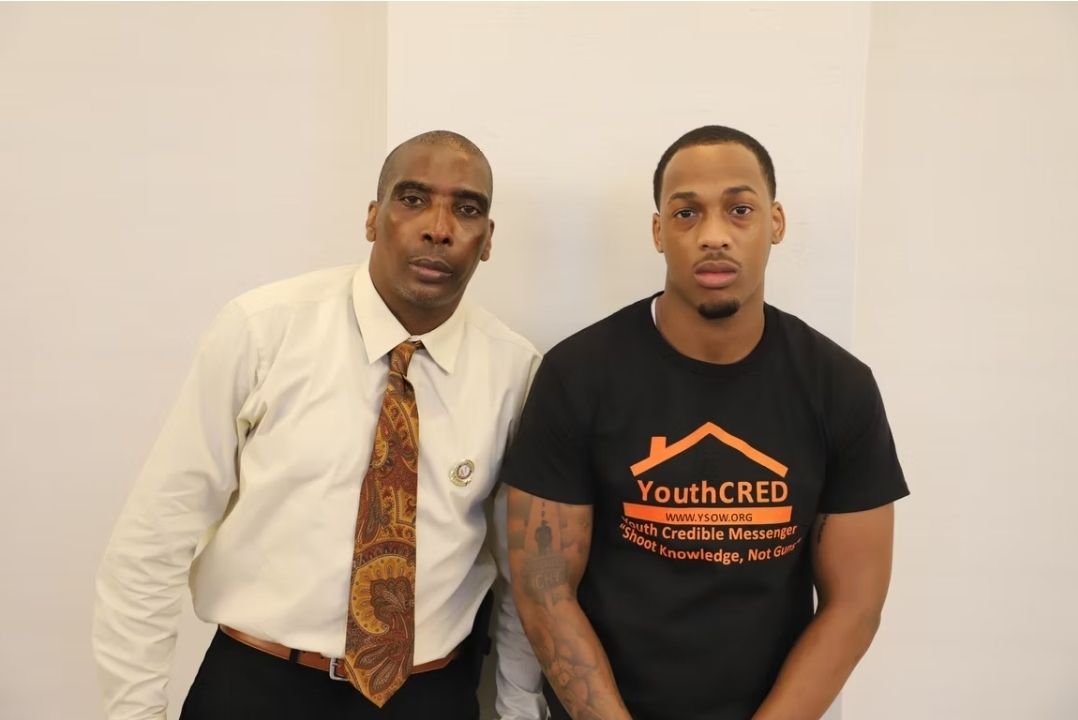
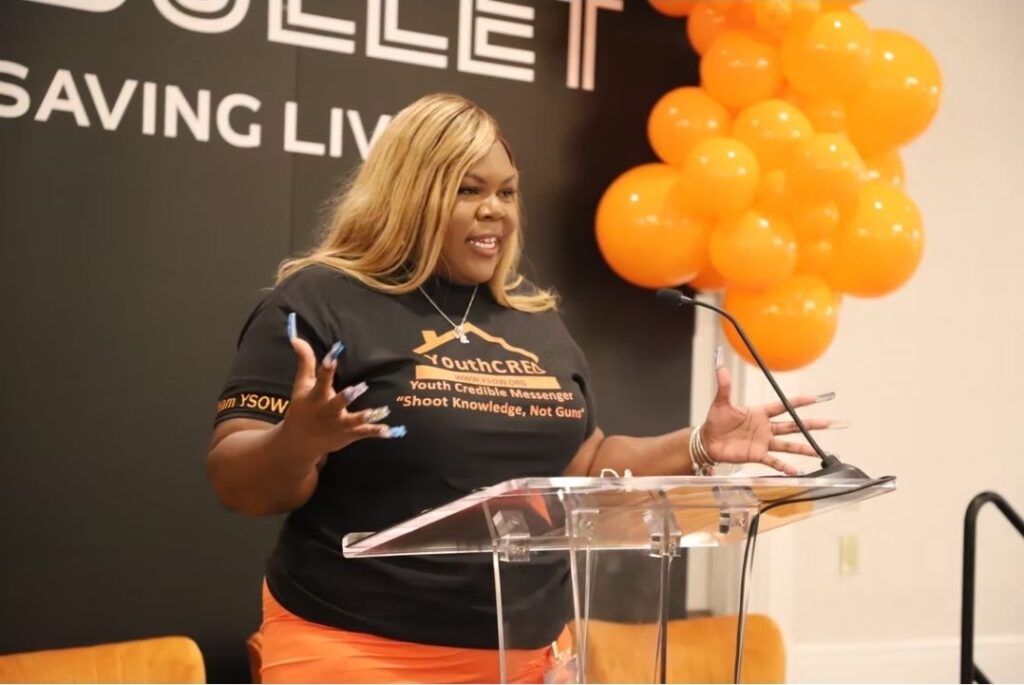
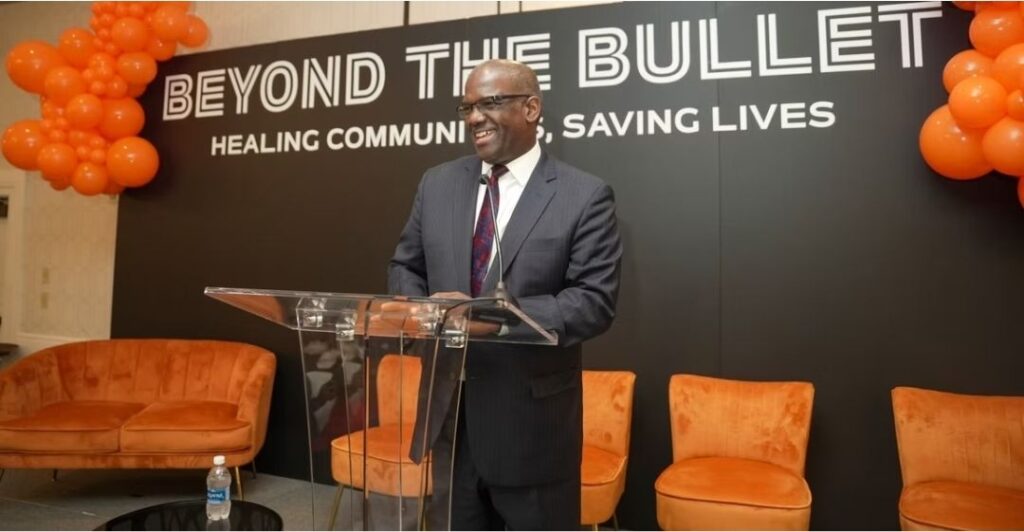
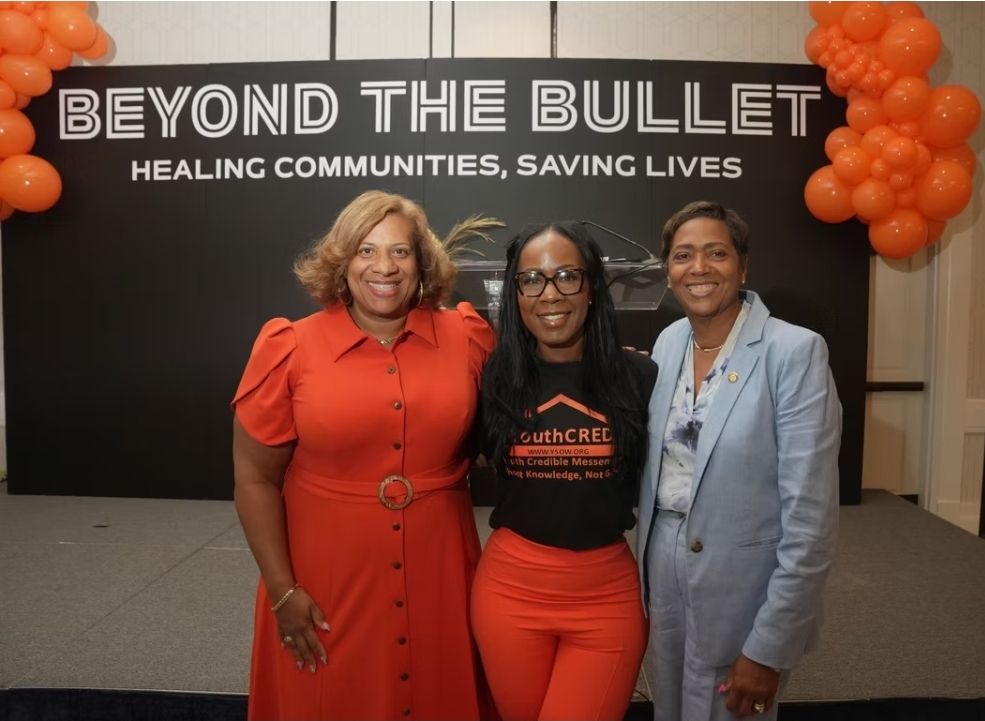
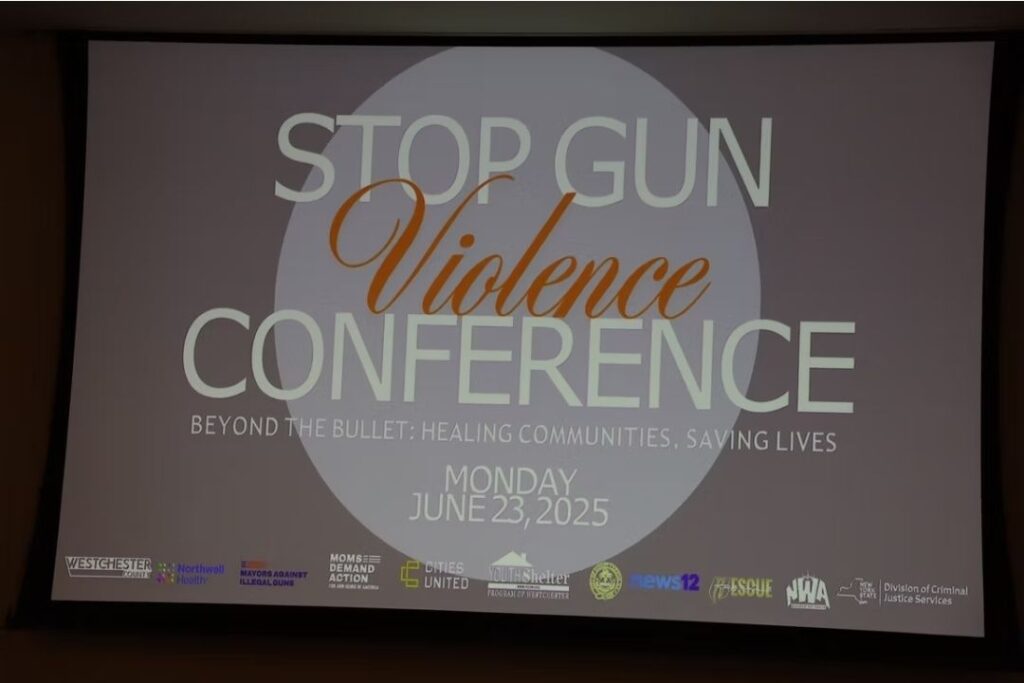
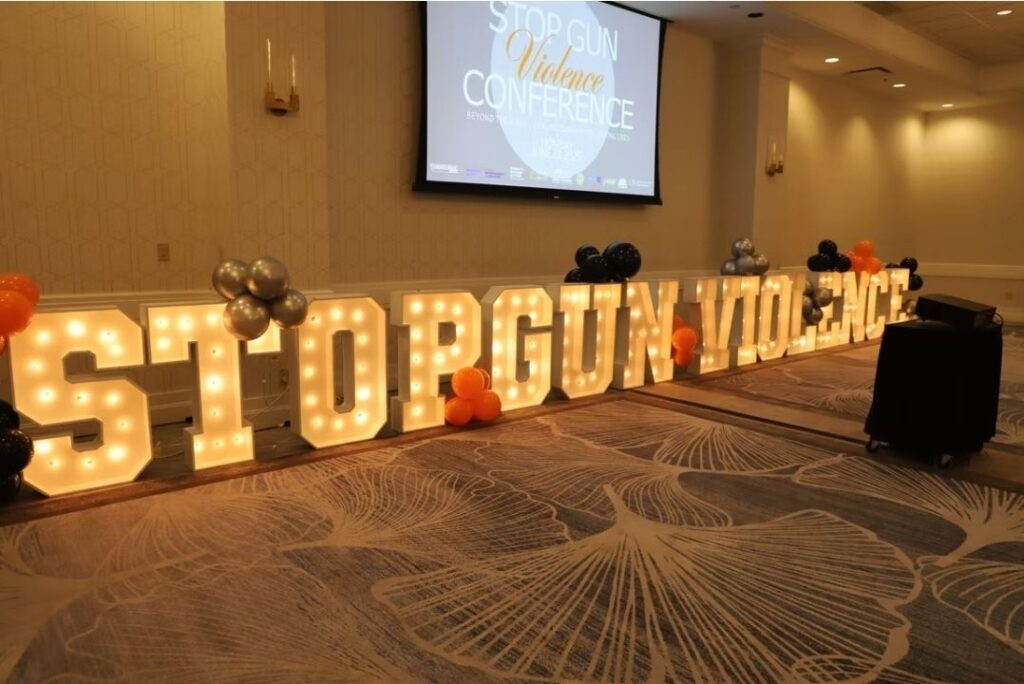
At the Sonesta Hotel in White Plains, the Youth Shelter Program of Westchester (YSOW) did more than host a conference.
They conjured a portal.
A space that didn’t just ask us to listen, it demanded that we feel.
A space that held our rage without shame, our tears without rush, and our dreams without apology.
They built a room where grief was honored, healing was possible, and justice wasn’t abstract, it was embodied.
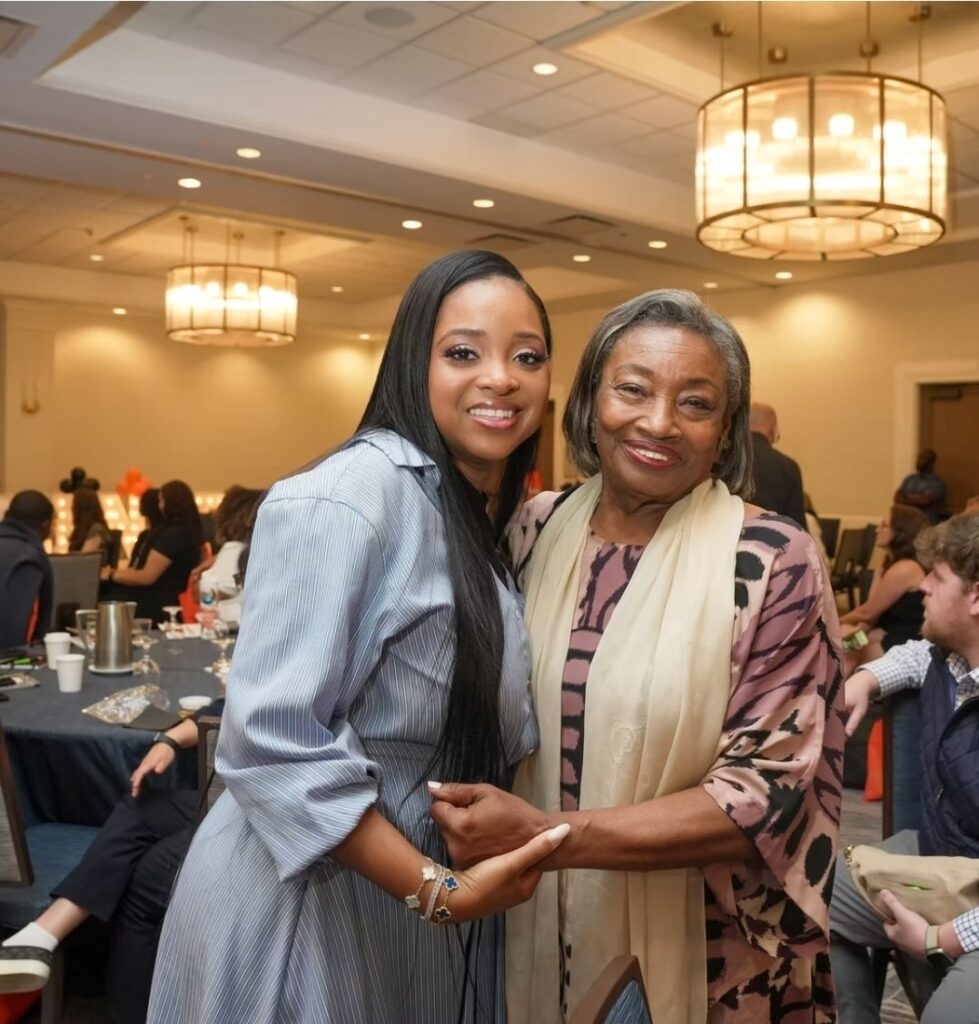
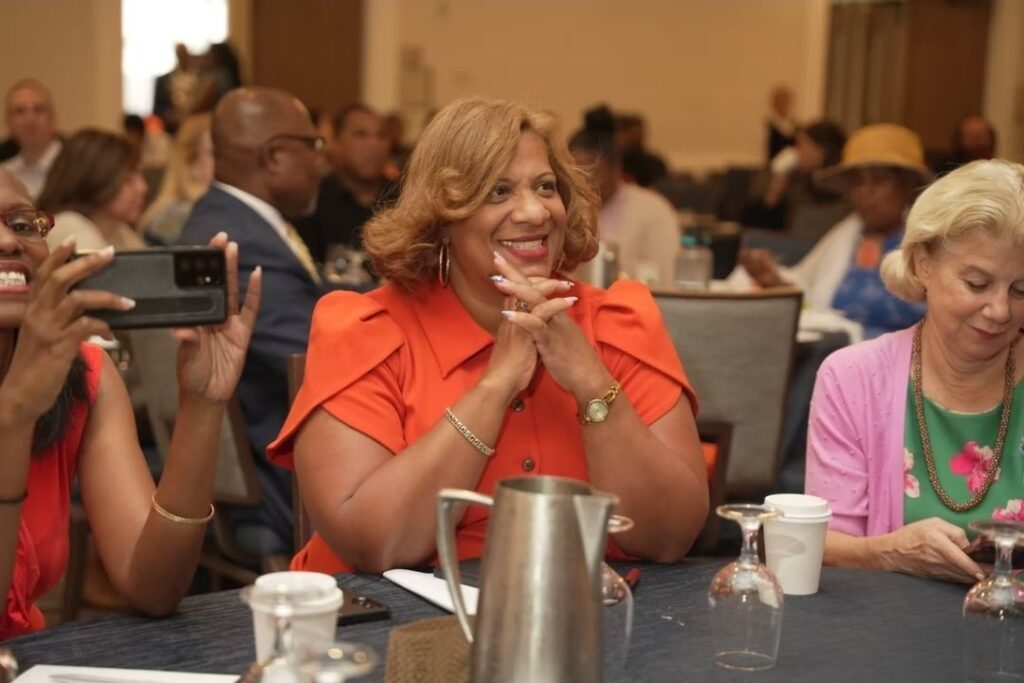
More than 300 people filled the space that morning.
Activists. Educators. Youth. Elders. Survivors. Systems workers. Spiritual workers.
But what we walked into wasn’t just a ballroom.
It was a living altar.
A consecrated space.
A sonic, spiritual, and emotional container big enough to hold the weight of what we’ve lost and the magnitude of what we’re still here to create.
It was an offering.
- To the names we’ve chanted and the ones we’ve whispered.
- To the mothers who keep showing up with broken hearts and brave faces.
- To the young people who have learned to mourn before they’ve even learned to vote.
- To the neighborhoods that deserve more than sirens and shutdowns.
- To the future that keeps calling us back to the work.
What YSOW built that day wasn’t a moment, it was a blueprint.
For how we gather.
For how we grieve.
For how we organize.
For how we heal.
And Westchester didn’t just show up.
We answered the call.
A Sacred Shift in the Narrative
We’ve gotten too used to counting bodies.
Too used to rewriting birthday plans into funeral arrangements.
Too used to living in neighborhoods where the sirens are more consistent than the solutions.
Where trauma becomes routine, and grief wears no expiration date.
But that day, we paused.
Not out of obligation, but out of sacred urgency.
We grieved out loud. We named names that still echo in our marrow.
We made room for both tears and testimony.
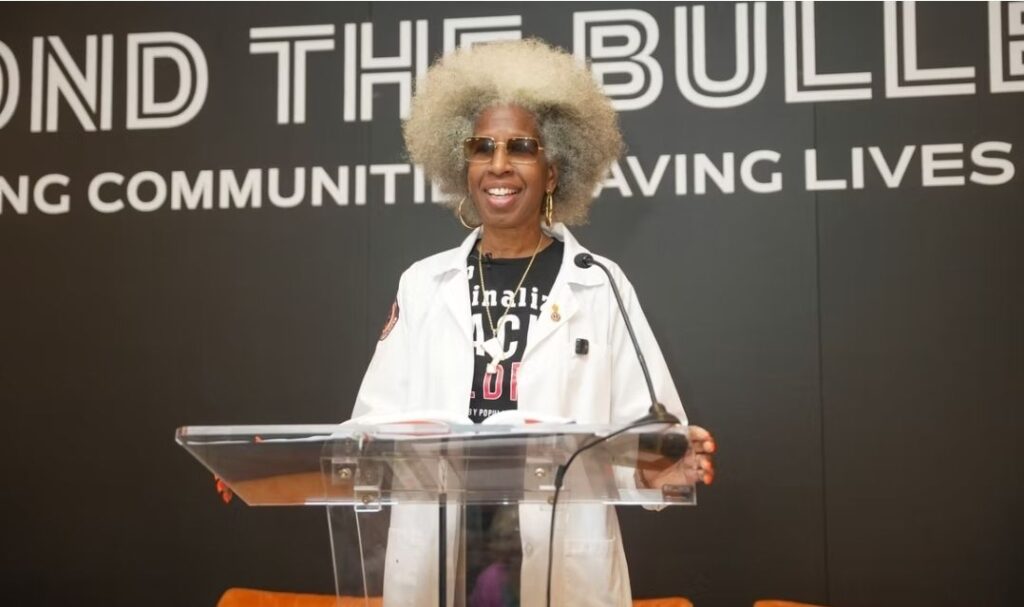
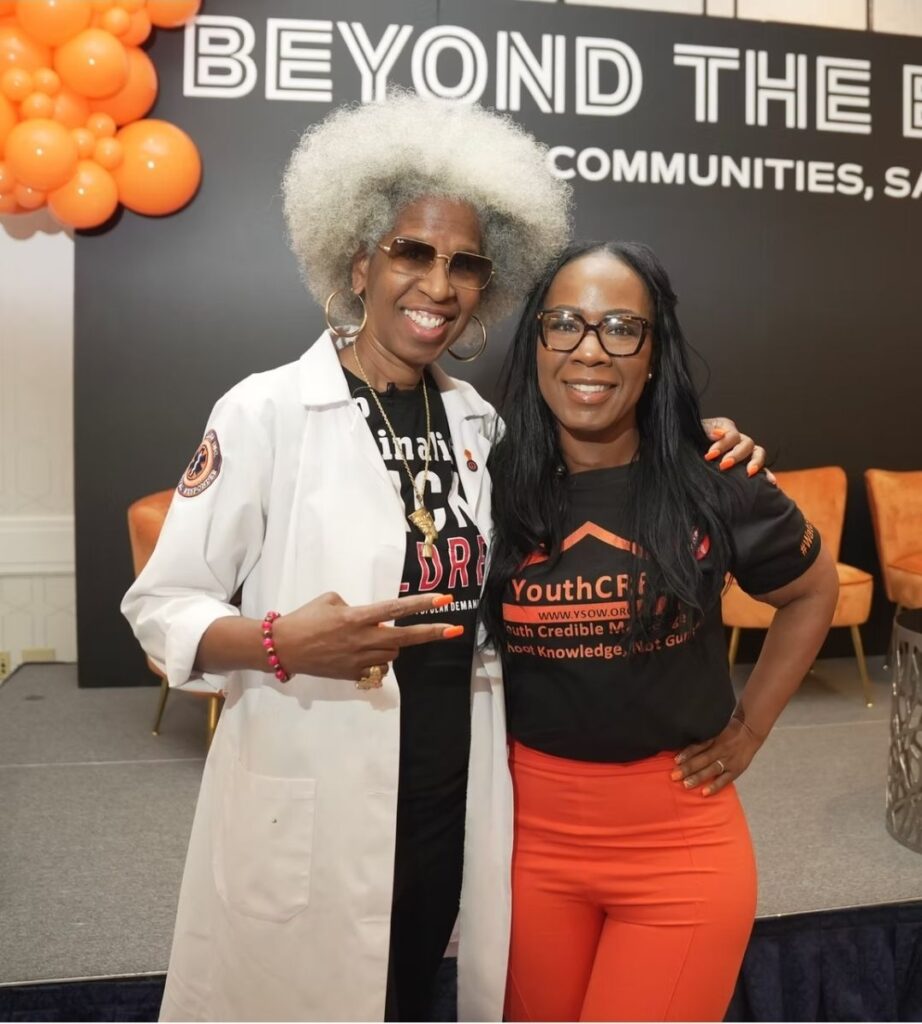
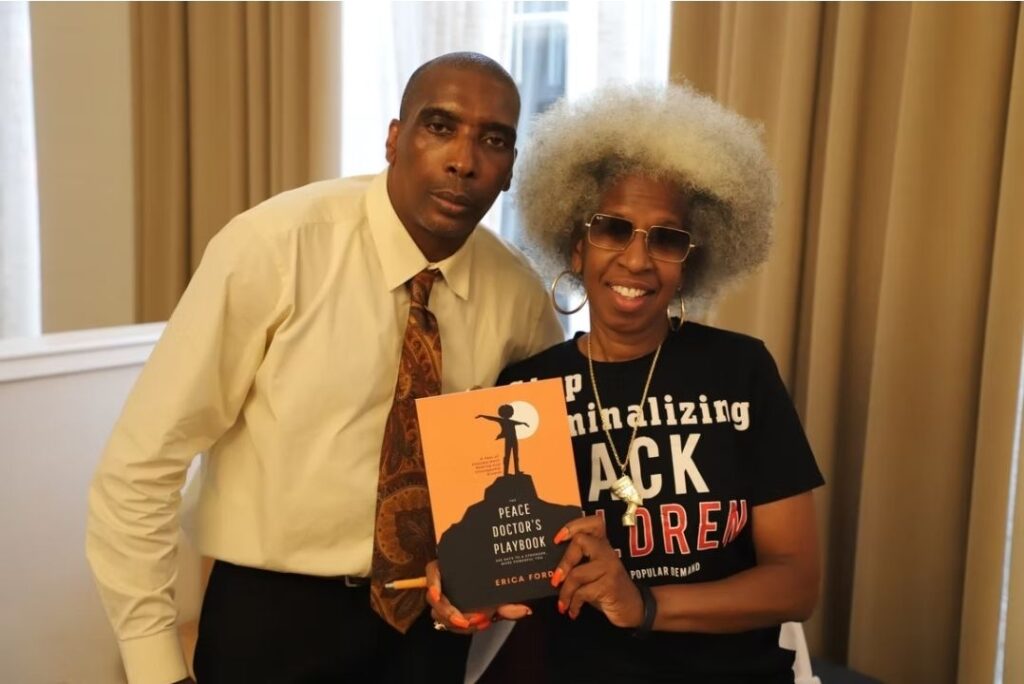
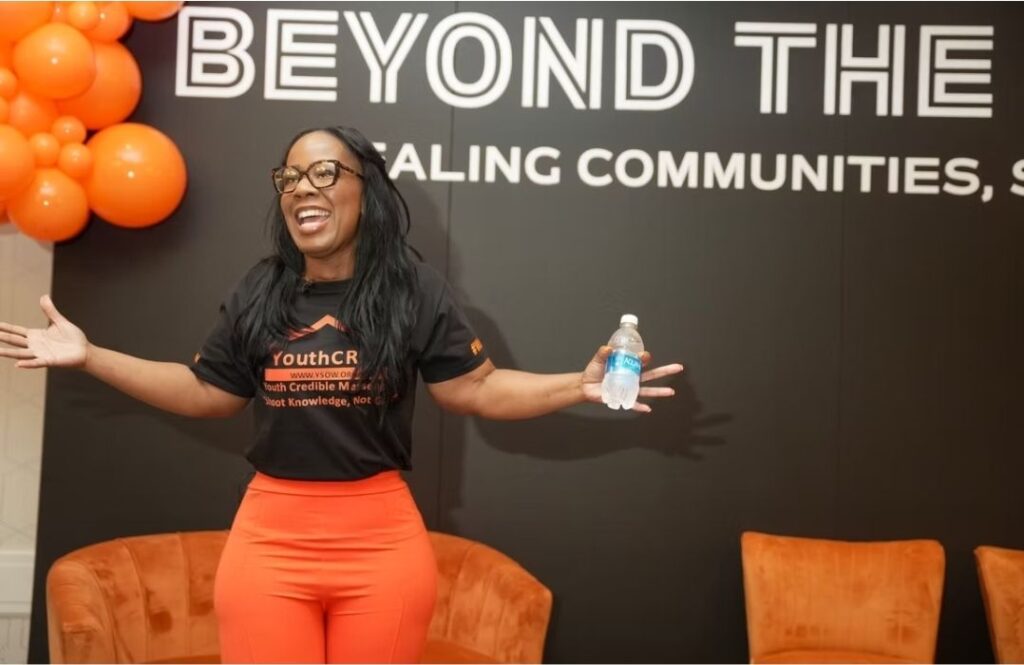
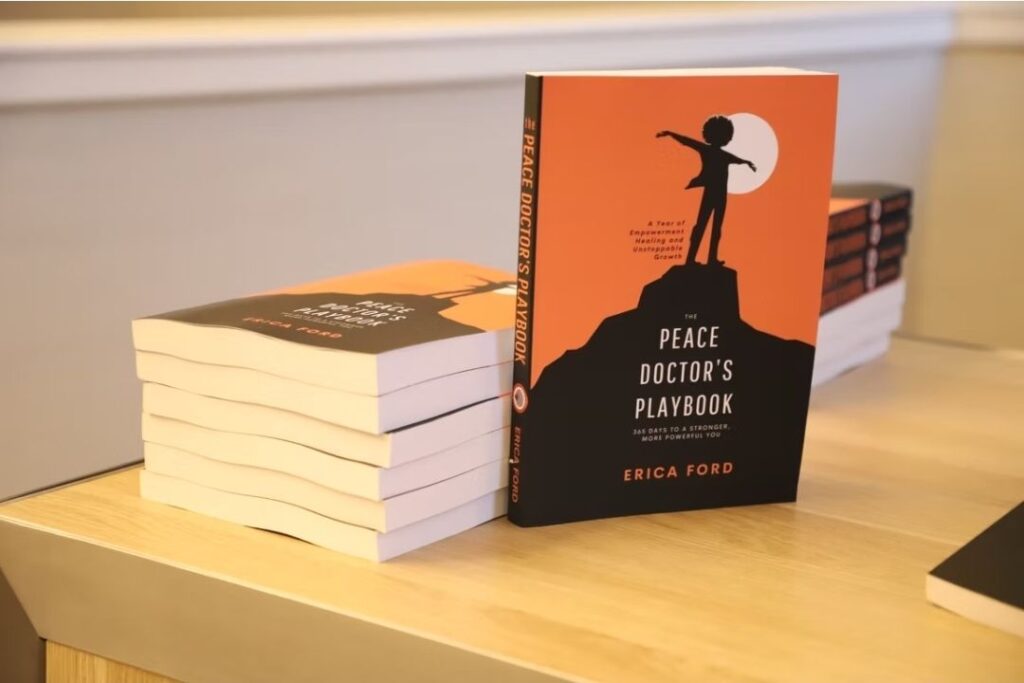
Dr. Erica Ford, with the grounded fire of a healer and the clarity of a revolutionary, took the mic and cracked something wide open in us.
Not just with facts. Not just with vision.
But with remembrance.
“You are not broken,” she said.
“You are burdened. And you deserve to be unburdened.”
The room didn’t just hear it, we exhaled it.
Some for the first time in years.
Her voice became a balm, smoothing over rough edges carved by systems that never saw us fully.
It was part gospel, part grounding, part grandmother-tongue.
a call to return to ourselves.
And it wasn’t a keynote.
It was a calling back to our sacred worth.
To our right to joy. To our right to feel safe in our bodies, in our blocks, in our homes.
Dr. Ford reminded us that healing isn’t a luxury.
It’s an act of resistance.
And it belongs to us.
More Than Panels, We Had Prophets
Tara Rosenblum, a familiar face from the evening news, stepped out of the role of reporter and into something far more intimate truth-teller. She didn’t just moderate. She offered herself.
Her voice wavered, not from nerves, but from knowing.
Knowing the weight of stories that never make the air. Knowing that journalism, at its highest form, is a ministry of memory.
That day, Tara reminded us: storytelling is sacred work.
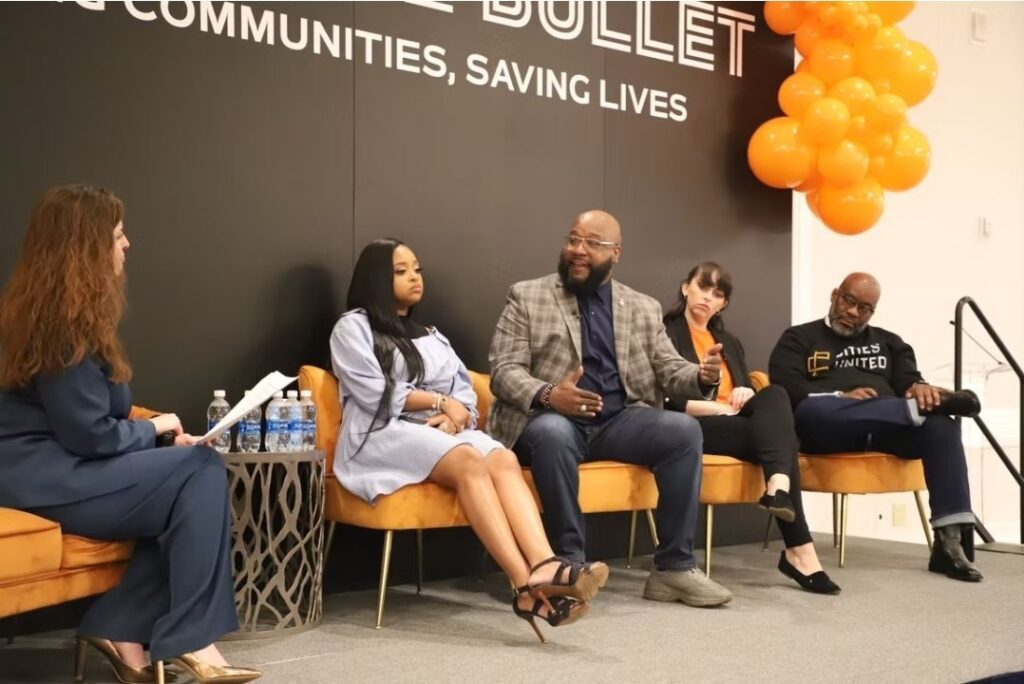
Then came the panel.
But don’t get it twisted, this wasn’t your typical lineup of “thought leaders.”
This was soul fire.
This was testimony.
This was the kind of gathering that shifts frequencies in a room. You could feel it. A stillness. A grounding. A collective lean-in.
- Anthony Smith, representing Cities United, offered strategy with a backbone. Not theory, lived insight.
- Emma Cornell, rooted in White Plains, brought the complexity of local policy and how it lands on real bodies.
- Dr. Chico Tillmon, fresh from the streets of Chicago, delivered the kind of raw, unfiltered truth only someone who’s survived the very violence we’re fighting against could offer.
- Dr. Tamika D. Mallory, prophetic as ever, broke it all the way down. With fire and clarity, she named what so many have carried in silence.
“Violence don’t just start with the bullet,” she said.
“It starts with disinvestment. It starts with silence.”
And when she said it, the room breathed differently.
Because we knew.
We’ve seen school budgets slashed while police budgets soar.
We’ve watched playgrounds rot while prisons expand.
We’ve watched entire communities be called “dangerous” while their needs are ignored.
This wasn’t panel talk.
It was, we’ve buried too many talk.
It was, i’m tired of writing eulogies and press releases talk.
It was, we are not waiting on legislation to save us talk.
What happened on that stage wasn’t just informative, it was transformative.
It gave the room a new vocabulary for violence and a new vision for justice.
Not performative justice.
Not charity justice.
But power-rooted-in-people justice.
We Danced. We Ate. We Held Each Other.
At lunchtime, something sacred happened. The Main Ballroom didn’t just serve food; it became a sanctuary.
The DJ knew exactly what the spirit needed, spinning tracks that felt like warm memories, Mary, Frankie, a little Lauryn.
A mother danced with her son in slow rhythm, his little arms wrapped tight around her waist. An elder stood alone, eyes closed, shoulders rocking gently to the beat, like she was swaying with the ancestors themselves.
Laughter moved freely between tables. Strangers became play cousins. It was a pause from survival and a taste of freedom.
But upstairs was only half the story.
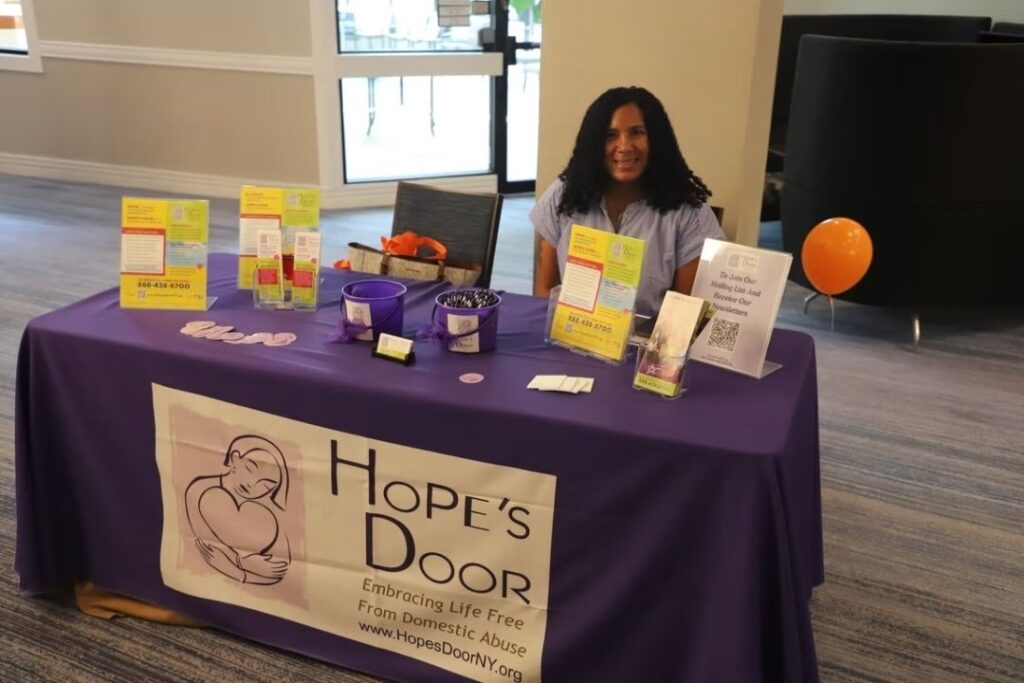
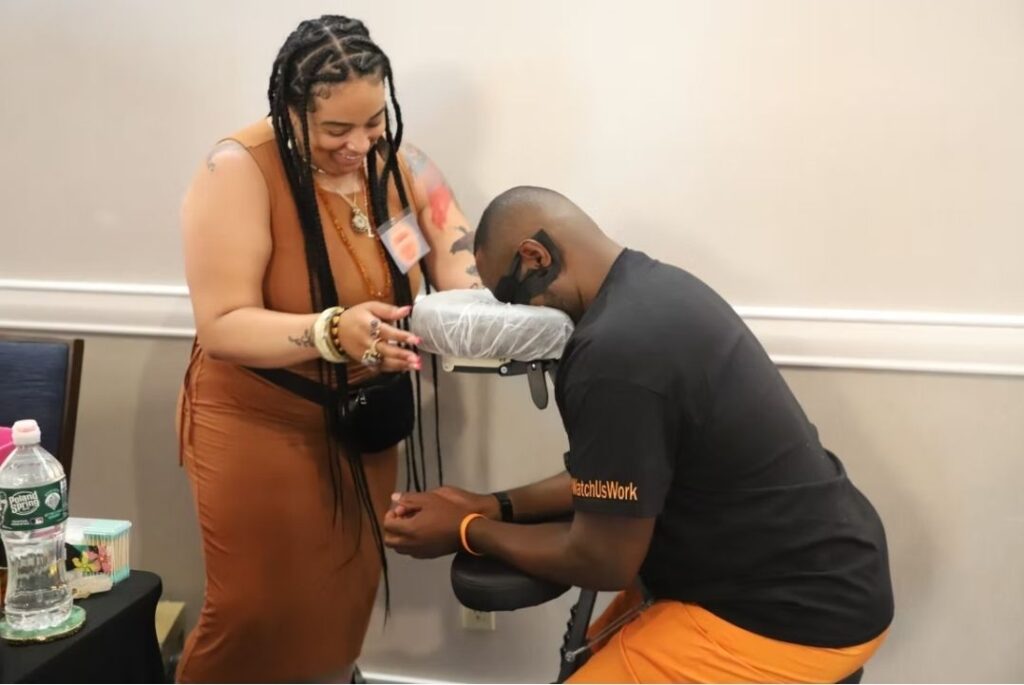
Downstairs, the vendors transformed the lower lobby into a living tapestry of Black and brown wellness, each table a portal, each practitioner a vessel.
They weren’t just selling products.
They were sharing practices. Rituals. Remedies. Language. Love.
Massage chairs offered nervous system resets, where people melted into the moment and remembered how it felt to be still.
Reiki practitioners and herbalists guided people back to their breath, back to their body, with oils, and touch that honored ancestral knowing.
Artists and therapists held space for people to rewrite the stories that trauma tried to narrate for them.
This wasn’t self-care as a trend. This was community care as a return.
Return to the body. Return to connection. Return to self.
People didn’t leave these tables with just flyers and samples; they left with frameworks.
- New words to name what they were feeling.
- New techniques to soothe what they were carrying.
- And perhaps most importantly, new permission to claim healing in a way that felt true to them.
Whether it was lavender sachets tucked into bags or affirmations whispered between sisters, healing became tangible, not theoretical.
It didn’t require a diagnosis. It didn’t wait for a prescription.
It simply required presence and the courage to say: I’m worth this.
That hour wasn’t a break from the work. It was the work.
It reminded us that healing is not a luxury.
It’s a birthright.
And when rooted in culture, connection, and care, it becomes contagious.
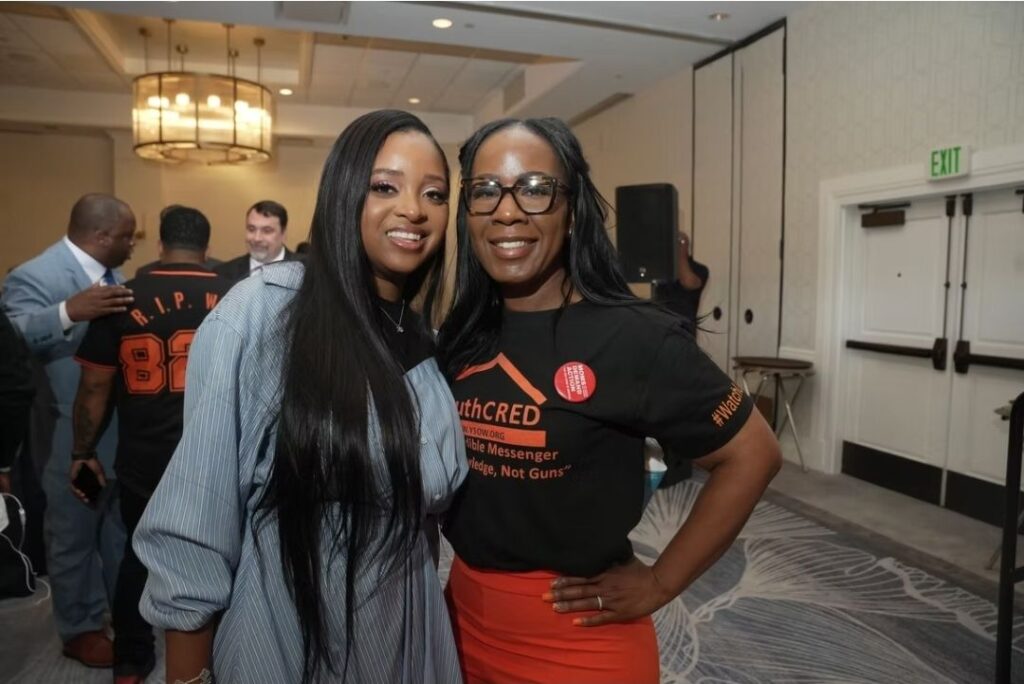
A Collective Closing: Honoring the Grief, Holding the Vision
As the final hours approached, the energy in the room softened, not from fatigue, but from fullness. We had listened, learned, unlearned, and remembered. And now, we were being asked to return to ourselves, and each other.
There was no formal altar. No candlelit ritual.
But there was a sacredness in the air.
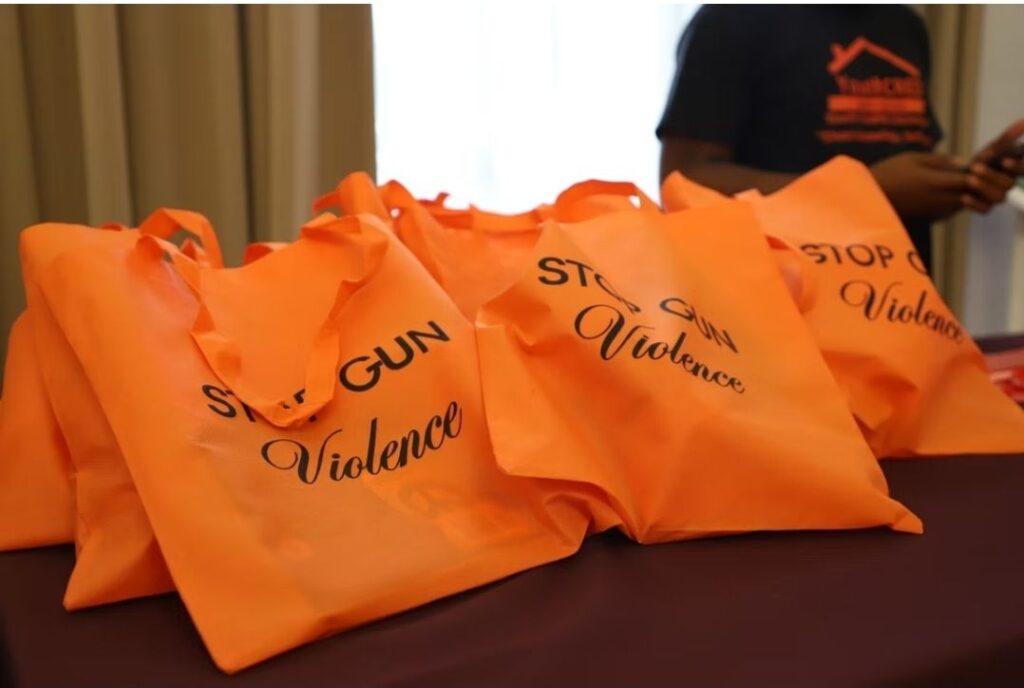
Some of us stood quietly near the exits, hands holding bags and brochures, hearts holding so much more. Others stayed seated, still processing what was stirred.
A few hugged strangers who didn’t feel like strangers anymore.
The day didn’t close with a spectacle. It closed with presence.
And in that quiet, something was released.
Some released a word they’d been carrying.
Some released tension they didn’t know was there.
Some released the myth that healing is only for those who haven’t been harmed.
We had arrived as individuals with pain.
We left as a community with purpose.
And while there may have been no glass wall or spoken testimonies in that final hour, the truth still stood:
We are not just surviving gun violence, we are outliving it.
With joy. With clarity. With each other.
This Is What Westchester Needs More Of
Let’s be honest: Westchester wears a mask.
It’s the county of mansions and mortgages, Ivy League pipelines and country clubs.
But peel back the postcard, and you’ll find something else:
Wounds that whisper through Mount Vernon, Yonkers, Peekskill, Port Chester.
You’ll find public housing one exit away from private golf clubs.
You’ll find school districts divided not by ability but by zip code and zoning.
Beyond the Bullet stripped that mask away, not with shame, but with truth.
It didn’t ask for perfection.
It demanded presence.
This wasn’t about politics.
It was about people, their stories, their healing, their brilliance that has too often been buried under bureaucracy.
It wasn’t about checking boxes on a grant report.
It was about burning the box down and building something that fits our lives, our rhythms, our healing journeys.
This conference didn’t pretend Westchester doesn’t have the resources.
It asked why they’re not always reaching the people who need them most.
And it wasn’t performative.
It was prophetic.
Because healing isn’t just soft work, it’s strategic work.
And the people who showed up that day, they came to do both.
Mayor Shawyn Patterson-Howard said it best:
“This isn’t a moment. This is a movement. And it’s rooted in healing.”
And that’s what Westchester needs more of:
Not more meetings, more mosaics of movement.
Not more speeches, more spaces to be seen.
Not more policing, more presence.
Because when we center healing over harm,
When we remember that safety is a birthright, not a budget line,
We don’t just change narratives, we change futures.
A Love Letter to Our Future
YSOW didn’t just organize an event.
They opened a portal.
They reminded Westchester and the world that when we lead with truth, tenderness, and transformation, we create more than programs.
We create possibility.
They gave us a glimpse of what happens when the work is not just reactive, but rooted.
Not just grant-funded, but spirit-fueled.
Not just community-based in name, but community-born in every breath.
This wasn’t a day to check in.
It was a day to check ourselves and see that everything we need is already here.
We saw youth not just speaking at the mic, but leading the room.
We saw survivors not just surviving, but teaching us how to live again.
We saw wellness not as an afterthought, but as the framework.
We saw policy meet poetry, and data meet drumbeat.
And now?
We owe it to ourselves and to each other, to keep building what we saw that day:
- Youth-centered, not just youth-involved
- Healing-driven, not harm-managed
- Community-rooted, not system-reliant
Because we’re not just beyond the bullet.
We’re beyond the fear that told us we couldn’t gather like this.
We’re beyond the silence that choked out our grief.
We’re beyond waiting for someone else to fix it.
We are not broken.
We are building.
We are not lost.
We are locating ourselves in each other.
We are not alone.
We are the answer.
This wasn’t just a conference.
It was a love letter to our future.
And if we’re brave enough to re-read it, to re-live it, to re-commit to it.
Westchester will never be the same again.
For every life lost. For every dream deferred. For every community ready to rise, this is for you.
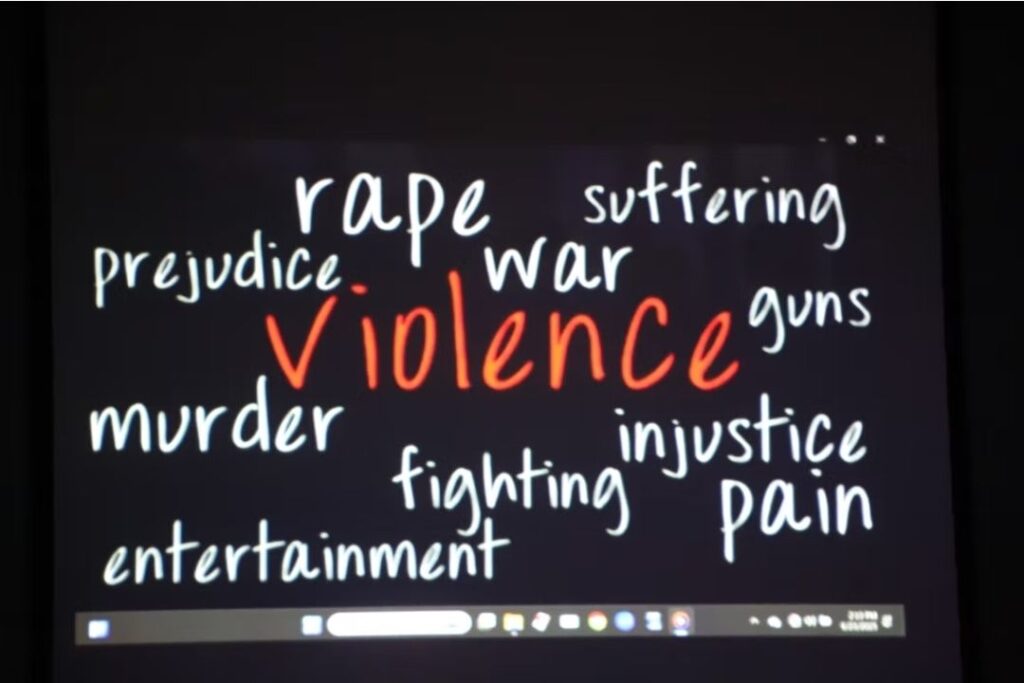








What a Great week for Westchester County. This was not only the start of an eventful week on gun violence- it was a conversation of empowerment given to the youth. The youth that needs to be heard when dealing with this topic and listened to by the community of change. With that, now we have the knowledge to produce the results we need to achieve a better outcome. Let’s work! If you wasn’t there. Make plans to attend next year’s conference.