








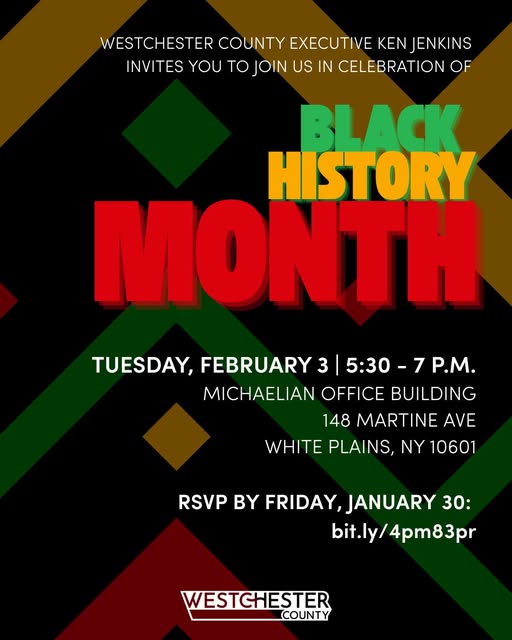
(White Plains, NY) – On February 3, 2026, at 5:30 p.m., the tone for the evening was set with intention, reverence, and purpose.
Before any speeches.
Before any applause.
Before any celebration.
Rev. Kymberly McNair opened the gathering with prayer.
Her voice was steady. Centered. Grounded. She didn’t rush. She created space. Space to breathe. Space to reflect. Space to arrive fully in the moment. It was the kind of prayer that wasn’t performative; it was protective. A reminder that this gathering wasn’t just about recognition. It was about responsibility.
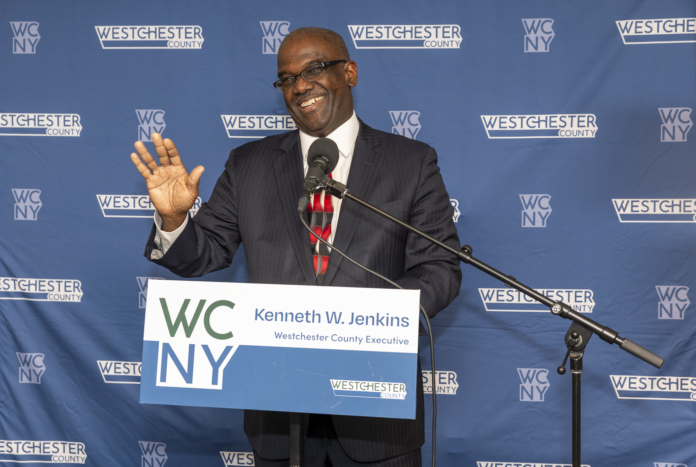
Then County Executive Ken Jenkins took the microphone.
Not with theatrics.
With presence.
With purpose.
With an understanding that Black history is not something you reference once a year and put back on the shelf.
“Black History Month gives us the opportunity to pause and recognize the people whose contributions helped define Westchester and strengthen our communities. The achievements we celebrate today were built through perseverance, sacrifice, and leadership. Honoring that legacy means continuing to work toward a County where opportunity is real and accessible for everyone,” CE Jenkins shared with Black Westchester.
It’s something you live.
It’s something you protect.
It’s something you build policy and community around.
From the moment he spoke, it was clear he wasn’t there to offer recycled phrases or ceremonial language. He talked about perseverance, sacrifice, and leadership in a way that honored both the past and the present. And when he said opportunity had to be real, accessible, measurable, not just promised, the response was immediate. Heads nodded. People murmured in agreement. Because Black communities know the difference between symbolism and substance.
This was substance.
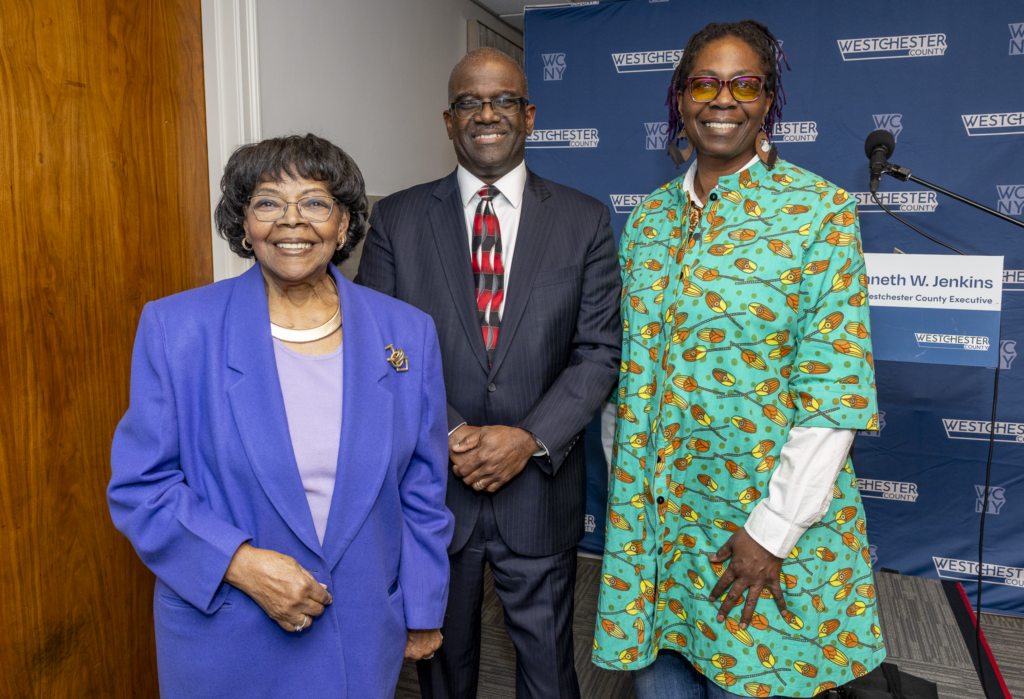
Then Barbara Edwards, Chair of the African American Advisory Board (AAAB), followed with calm authority and undeniable grace. She didn’t raise her voice. She didn’t need to. When she spoke about Black history living in our schools, churches, neighborhoods, and civic life, the atmosphere shifted. Faces softened. Bodies leaned in. Some people blinked back tears.
“This reception brings our community together to honor a history that is deeply woven into Westchester’s identity. Black history lives in our schools, neighborhoods, houses of worship, and civic life. I am grateful for the County’s continued commitment to recognizing that legacy and ensuring it is preserved and celebrated,” Barbara Edwards shared with Black Westchester.
Because she wasn’t delivering a speech.
She was naming lives.
She was honoring generations.
She was reminding everyone that preservation is an act of love and resistance.
With that foundation set, I moved fully into the space, reading it the way Black women instinctively do, measuring energy, intention, and authenticity before settling in.
There wasn’t music setting a mood.
The soundtrack was us.
Voices layered over each other. Laughter echoes across marble floors. People call each other by first names and childhood nicknames. Heels clicking with purpose. Dress shoes shuffling softly. The smell of catered food drifted through the air, pulling people closer without permission.
It felt alive.
Not staged.
Not stiff.
Alive.
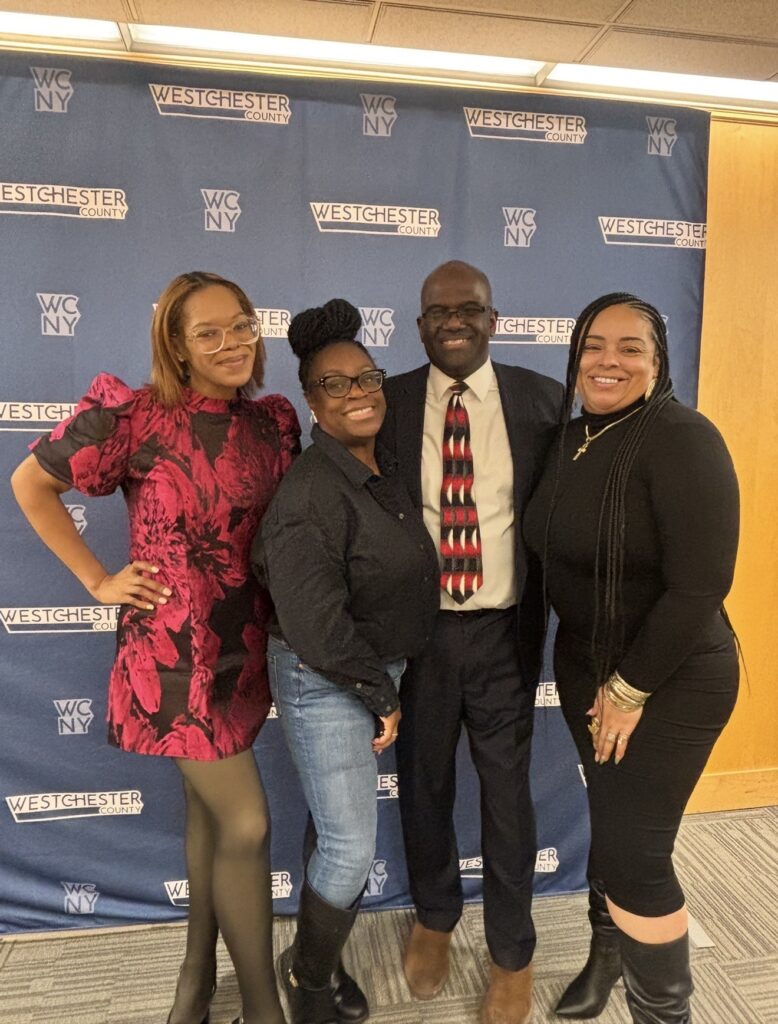
Women in vibrant prints stood beside elders in perfectly pressed suits. Young professionals hovered near conversations, phones in hand, careful not to interrupt moments that mattered. Members of the NAACP Yonkers, Port Chester-Rye, WhitePlains/Greenburgh, and New Rochelle chapters moved through the space with intention, checking in, connecting people, strengthening bonds that have held our communities together for generations.
Elected officials were present and engaged, not tucked away in corners. County Clerk Thomas Roach, former Mayor of White Plains, moved through conversations with ease, listening as much as he spoke. Nearby, Terry Clements, Vice Chair of the Westchester County Board of Legislators, checked in with community leaders and advocates, reinforcing that representation means showing up, not just signing off.
Hugs lasted longer than etiquette allows.
Handshakes turned into real exchanges.
Nobody was rushing.
Nobody was pretending.
This wasn’t networking.
This was community remembering itself.
Before anything officially continued, I watched two older men lean in close, laughing about something that clearly lived in their shared history. Nearby, a teenage girl stood quietly, absorbing every word like she was being handed directions. And in that small, ordinary moment, I saw Black history doing what it has always done: transferring wisdom without ceremony.
Standing near the refreshment table, someone leaned in and said simply, “I’m glad I came tonight.” And I knew exactly what she meant.
Between remarks, something powerful unfolded.
Educators compared notes.
Organizers exchanged strategies.
Business owners found allies.
Parents introduced their children to possibility.
NAACP leaders strengthened networks that sustain our communities.
No cameras needed.
No speeches required.
This was infrastructure being built in real time.
When the call went out to support Black-owned businesses, visit historical sites, and stay engaged beyond February, it didn’t feel like a suggestion. It felt like a collective agreement. Like everyone silently said, We know. And we’re on it.
As the evening came to a close, nobody rushed out. People lingered in small circles, still talking, still laughing, still planning. The lights stayed bright. The energy stayed steady. The purpose didn’t evaporate.
Walking out, I felt full in ways food can’t provide.
Full of pride.
Full of clarity.
Full of responsibility.
Because Black History Month is not about nostalgia.
It’s about navigation.
It’s about knowing where we come from so we know where we’re going.
It’s about refusing to let our stories be minimized, diluted, or erased.
If you weren’t there, you missed something real.
Not just an event.
A moment.
A movement.
A mirror.
Next time?
Don’t hesitate.
Be there.


Beautifully written and heartfelt.
Reminds me of the phase “ I am Black History “!