





From Republican Policy to Political Taboo
One of the curiosities of modern American politics is not what is debated, but what is carefully avoided. Reparations is one such subject. Today’s Democrats speak of it cautiously, often burying the issue beneath studies, commissions, and symbolic gestures. At the same time, many modern Black Republicans dismiss reparations outright, treating them as a Democratic invention rooted in victimhood politics. Both positions ignore an inconvenient historical fact: reparations were originally a Republican idea, openly argued for and fought over during Reconstruction, which underscores its legitimacy and importance.
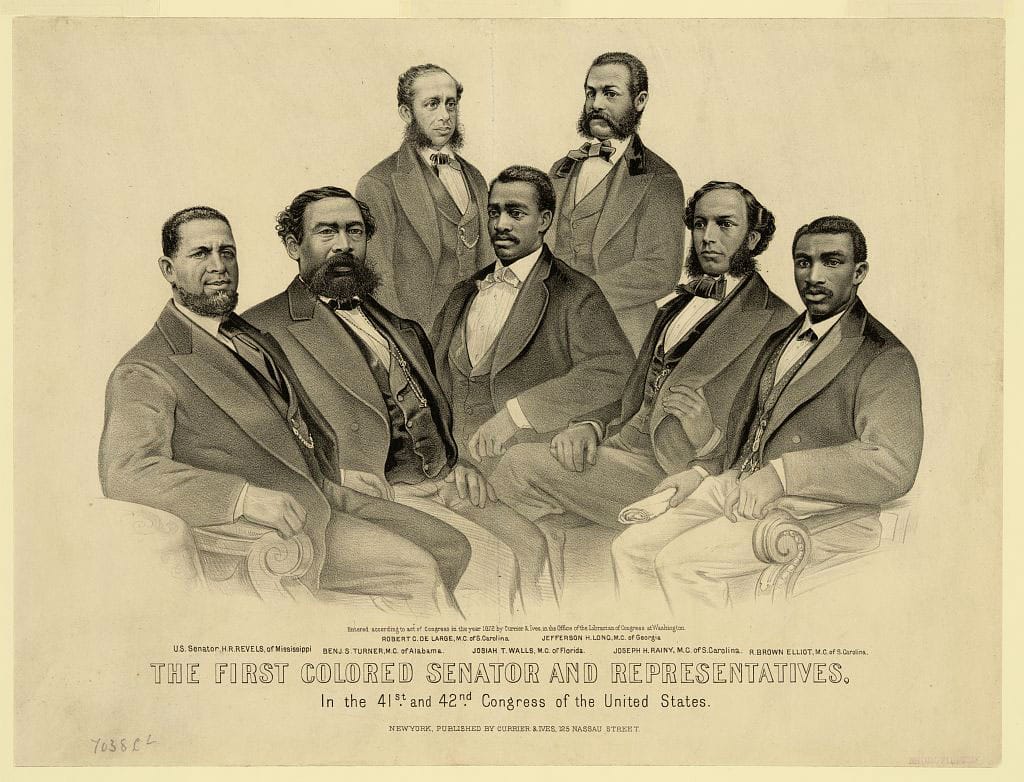
In the years immediately following the Civil War, the Republican Party was not debating whether formerly enslaved people deserved assistance. The debate was whether the nation could remain stable without compensating millions of people whose unpaid labor had helped build it. Republican lawmakers understood something modern politics prefers not to say plainly: freedom without an economic foundation is fragile.
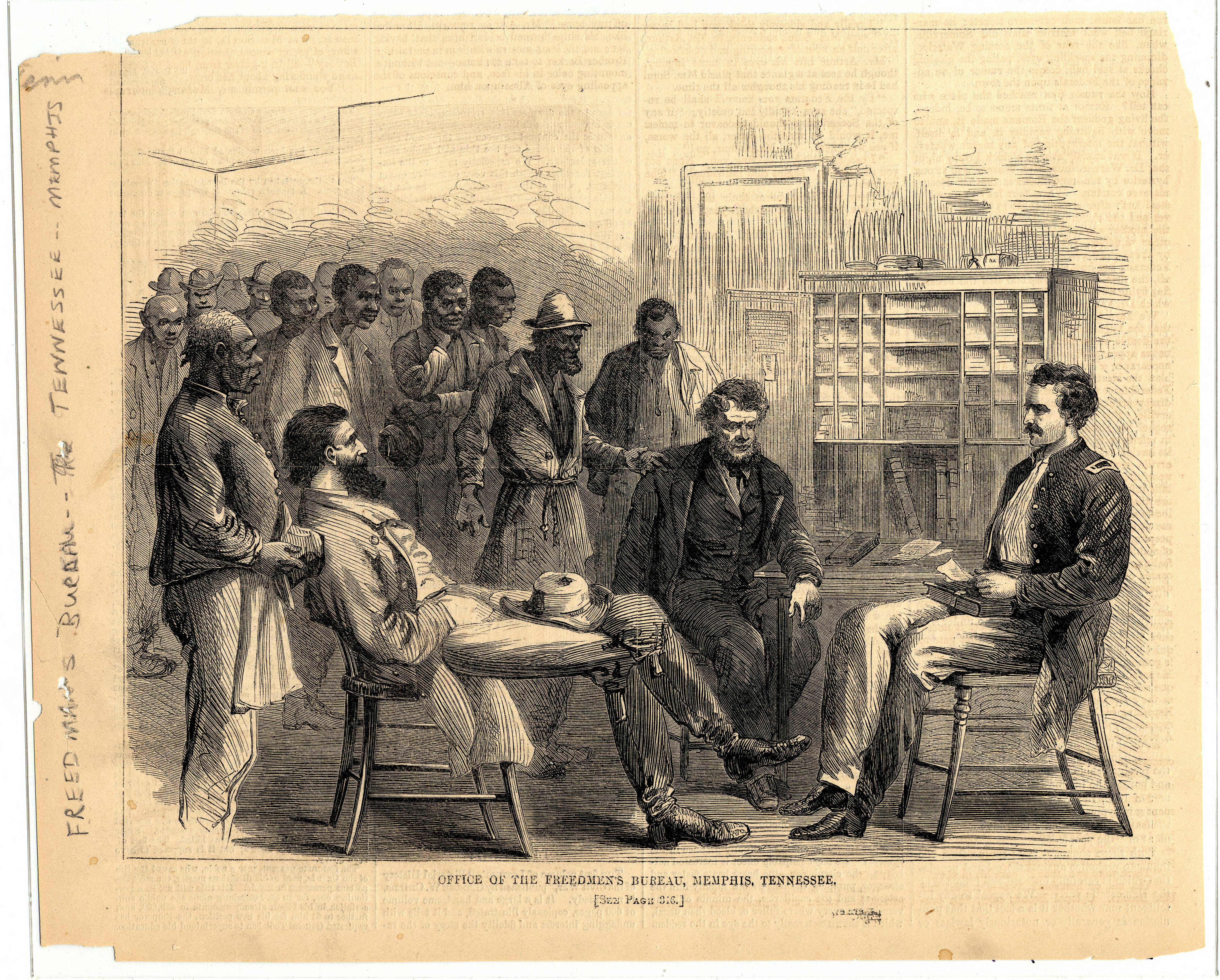
That understanding was not theoretical. Republican leaders such as Thaddeus Stevens argued on the floor of Congress that land confiscated from former Confederates should be redistributed to formerly enslaved people. His reasoning was neither sentimental nor ideological. It was practical. A population released from bondage with no assets, no land, and no capital would predictably fall into dependency or renewed exploitation. Stevens was not arguing for sympathy. He was arguing for stability.
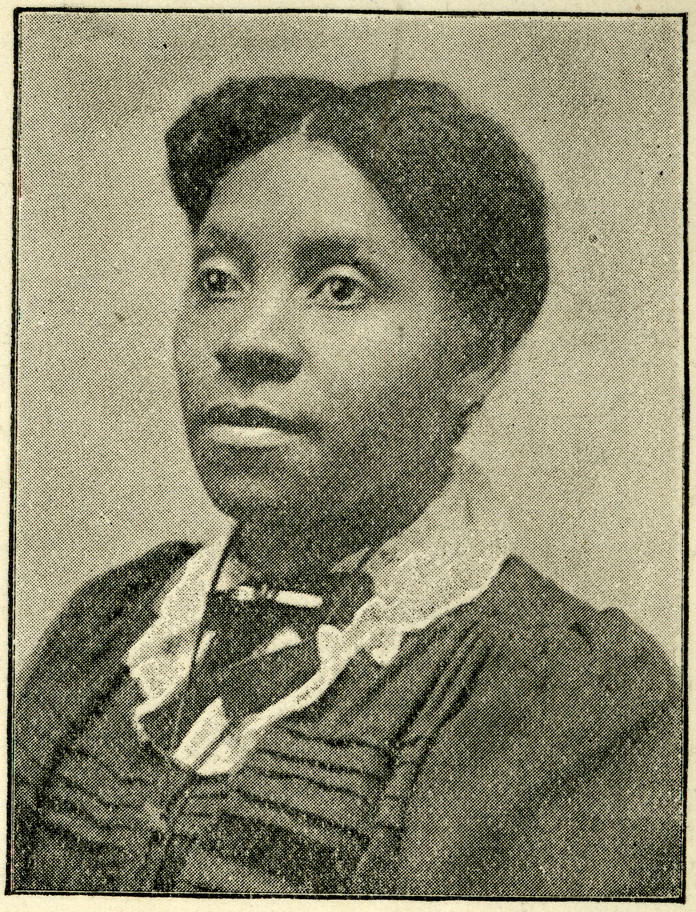
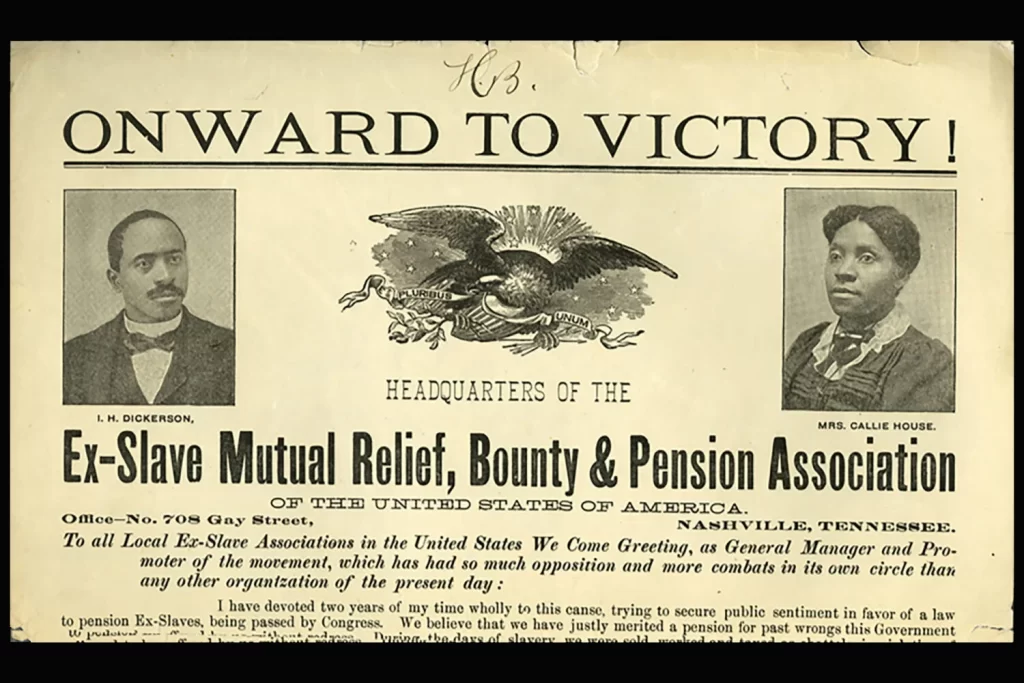
Black Republicans shared this view. Decades later, Black Republican organizers such as Callie House led the Ex-Slave Pension Movement, petitioning Congress for federal pensions modeled after those paid to Civil War veterans. This was one of the most significant mass political movements led by Black Americans at the turn of the twentieth century. It failed not because its logic was weak, but because Black political leverage had been systematically dismantled after Reconstruction.
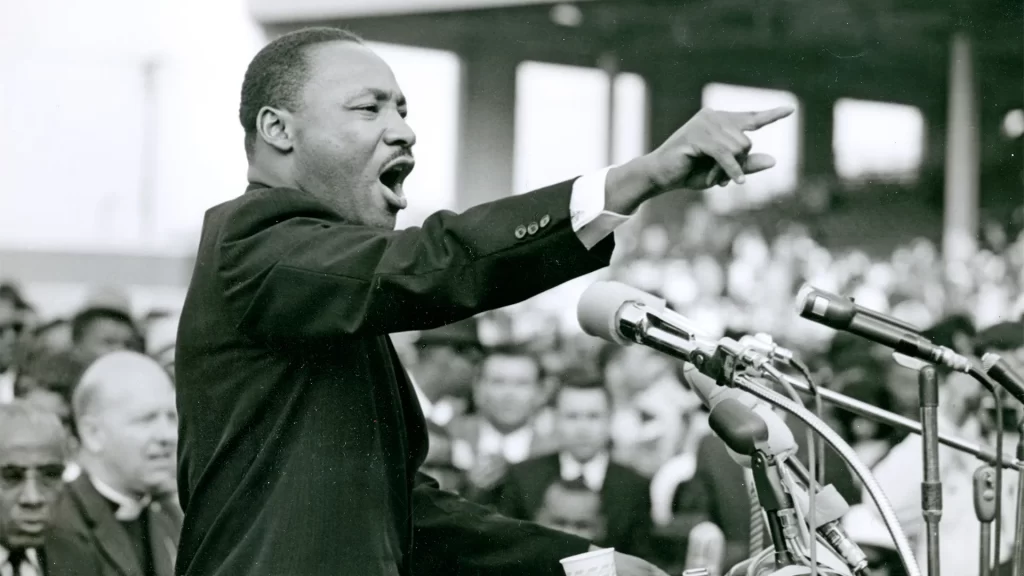
That logic did not disappear with Reconstruction. Even during the Civil Rights era, the argument resurfaced—though history often remembers it selectively. Martin Luther King Jr. is frequently reduced to a harmless dreamer, sometimes even recast as a “safe” Black conservative. Yet in his most famous speech, King framed America’s promise as a promissory note—one written to Black Americans and returned marked “insufficient funds.” This was an economic critique, emphasizing that civil rights without material repair would leave inequality structurally intact.
The United States has paid restitution to multiple ethnic and national groups when political will existed. Japanese Americans received direct payments and a formal apology under the Civil Liberties Act of 1988. Native American tribes received land settlements and financial compensation through treaty claims and court rulings. Alaska Natives received land and monetary restitution under the Alaska Native Claims Settlement Act. In none of these cases were recipients required to demonstrate cultural readiness or moral worthiness before compensation. The principle was straightforward: acknowledging a wrong and providing a settlement is a matter of justice and fairness, which should also apply to reparations for Black Americans.
It is also worth noting that Jewish survivors received restitution and reparative benefits from the United States itself, even though Germany, not America, carried out the Holocaust. The U.S. facilitated restitution, returned seized assets, supported refugee resettlement, and administered compensation programs domestically through organizations such as the Claims Conference. Jewish Americans did not need to prove U.S. culpability in Germany’s crimes to receive restitution here. The standard applied was responsibility to protect and remedy harm suffered by people under U.S. jurisdiction, not geographic proximity to the original offense.
Reparations resurfaced again during the Black Power era and later in the early 1990s. In both cases, it failed for familiar reasons. During the Black Power period, the emphasis shifted toward rhetoric, symbolism, and moral urgency without sustained institutional leverage. In the 1990s, Black scholars and authors revisited reparations with serious economic and legal arguments. Yet by then, Black voters had become a reliable constituency rather than a negotiated one. Democrats, secure in electoral loyalty, faced little incentive to advance a politically risky policy. Votes were given; leverage was surrendered. Reparations were acknowledged rhetorically and avoided legislatively.
This pattern explains the modern dilemma. Democrats evade reparations because they face little political cost for doing so. Many Black Republicans dismiss it to signal ideological distance from Democrats—even when that dismissal contradicts their own political ancestry. In both cases, the outcome is identical: debts are deferred, not settled.
The modern media economy further distorts the situation. A growing number of Black conservative influencers portray reparations as a Democratic tool of victimhood. Rarely discussed are the financial and ideological incentives shaping these narratives. Wealthy donor networks—often aligned with pro-Israel political advocacy—have invested heavily in conservative media spaces. Within that ecosystem, dismissing reparations functions less as historical analysis and more as a loyalty signal.
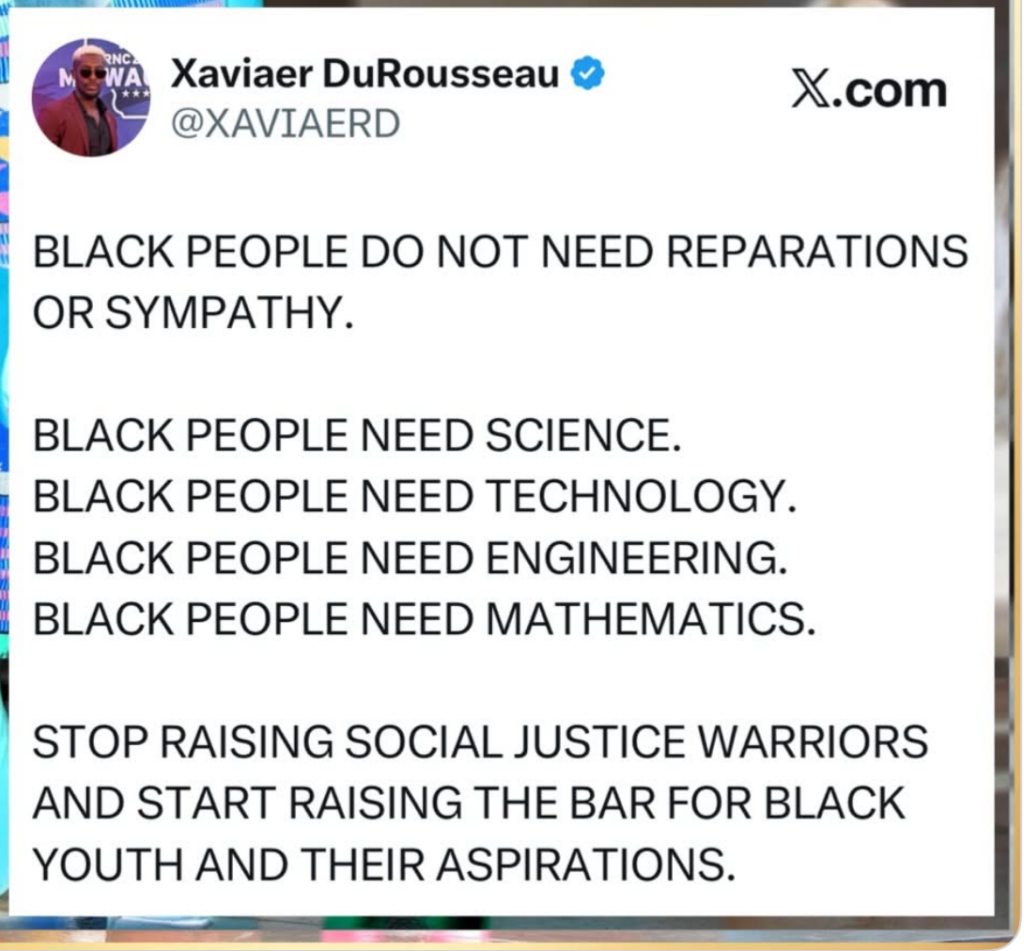
Influencers like Xaviaer DuRousseau operate within a well-funded conservative media ecosystem — including institutions such as PragerU — that is sustained by large donors, foundations, and ideological networks with strong pro-Israel priorities. Within this ecosystem, narratives opposing Black American reparations are routinely amplified and framed as “personal responsibility” or “anti-victimhood,” while far less scrutiny is applied to the billions of U.S. taxpayer dollars sent annually to Israel, or to the fact that Israel itself was founded through international reparative support following World War II. The contradiction is striking: Black Americans are told restitution is divisive or unnecessary, yet foreign aid, military funding, and historic reparations for other groups are treated as moral obligations that must not be questioned. This selective logic reveals that the issue is not opposition to reparations as a principle, but which groups are deemed worthy of repair — and which histories are politically convenient to dismiss.
The irony is difficult to ignore. The United States sends billions of taxpayer dollars each year to Israel with little debate about the feasibility or moral hazard. Yet when the discussion turns to reparations for Black Americans—whose exploitation occurred on U.S. soil, under U.S. law, enriching the American state—the objections suddenly multiply. Too divisive. Too complicated. Too unrealistic. Standards that rarely apply elsewhere become decisive only here.
None of this suggests that reparations should replace responsibility, family, or self-discipline. Early Black Republicans never argued that. Neither did King. Reparations were never intended to substitute for independence; they were meant to make independence possible.
A policy born in Republican thought, echoed in the Civil Rights era, and reinforced by repeated American precedent, is now treated as politically radioactive by both parties. Democrats avoid it. Black Republicans deny it. Influencers distort it. Meanwhile, restitution remains acceptable everywhere—except at home.
History does not disappear because it is ignored.
It simply waits—until leverage returns.
References & Historical Sources
Reconstruction & Republican Reparations Framework
- Thaddeus Stevens, speeches and congressional debates on land redistribution (U.S. Congressional Globe, 1865–1867)
- Special Field Orders No. 15 (1865) – U.S. War Department (Sherman’s “40 acres” order)
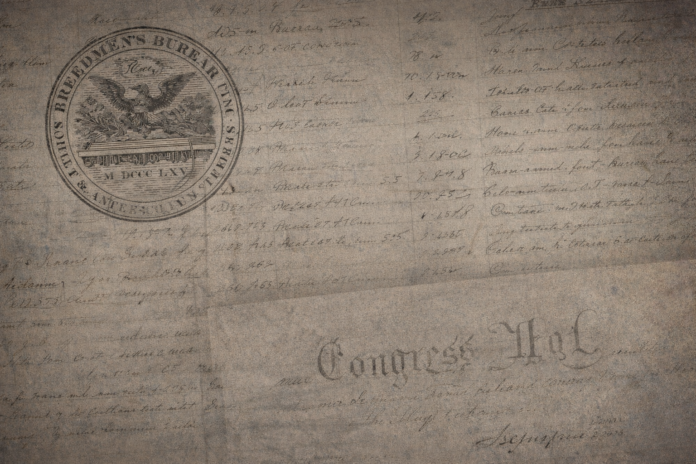
- Freedmen’s Bureau records and legislation (1865–1872)
Black Republican Reparations Movements
- Callie House and the National Ex-Slave Mutual Relief, Bounty and Pension Association
- Mary Frances Berry, My Face Is Black Is True: Callie House and the Struggle for Ex-Slave Reparations (2005)
Civil Rights Era & Economic Justice
- Martin Luther King Jr., I Have a Dream speech (1963) — “promissory note” and “bad check” passages
- Martin Luther King Jr., Where Do We Go from Here: Chaos or Community? (1967)
- The Poor People’s Campaign (1968)
U.S. Reparations to Other Groups
- Civil Liberties Act of 1988 — Japanese American internment reparations
- Alaska Native Claims Settlement Act
- Indian Claims Commission decisions and federal treaty settlements
Jewish Restitution & U.S. Role
- Claims Conference (Conference on Jewish Material Claims Against Germany)
- U.S. Holocaust Refugee and Restitution policies (post–World War II)
- Germany–Israel Reparations Agreement (1952) — Luxembourg Agreement
Modern Reparations Scholarship
- Ta-Nehisi Coates, The Case for Reparations (The Atlantic, 2014) — historical documentation focus
- William Darity Jr. & A. Kirsten Mullen, From Here to Equality (2020)
- Randall Robinson, The Debt: What America Owes to Blacks (2000)