




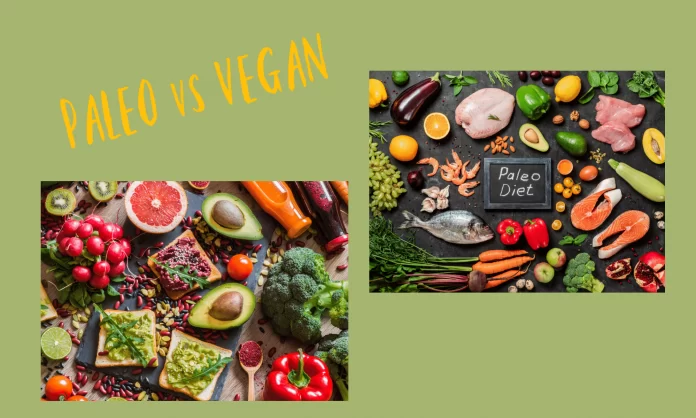





A recent study has challenged the traditional understanding of the Paleo diet, suggesting that ancient Stone Age people might have leaned more towards a plant-based eating style rather than focusing primarily on meat.
The Paleo diet, also known as the caveman or Stone-Age diet, typically encourages the consumption of lean meats, fish, fruits, vegetables, nuts, and seeds. Proponents of this diet often highlight the importance of selecting low-glycemic fruits and vegetables for better health.
This diet is based on the idea of mimicking the nutritional habits of early humans up until around 2000 BC. Advocates argue that since our genetics and physiology have changed little since the Paleolithic era, eating like our ancestors could offer health benefits.
However, a new study published in the Nature Ecology & Evolution Journal has shed light on the dietary habits of ancient hunter-gatherer groups, specifically the Iberomaurusians, who lived during the Paleolithic period. Researchers analyzed chemical signatures in bones and teeth to gain insights into their diet.
Contrary to the common belief that meat was the primary protein source for these ancient people, the study found evidence suggesting that they consumed a significant amount of plant-based foods, including wild plants. This discovery challenges the notion that the Paleo diet was strictly meat-centric.
Stable isotope analysis focused on nitrogen and zinc isotopes in teeth enamel and collagen revealed that plant matter was an important part of the Iberomaurusians’ diet. Additionally, the presence of cavities in buried remains indicated the consumption of starchy plants like beets, corn, rye, and cassava.
Although this finding suggests a high proportion of plant-based foods in the diet of these pre-agricultural populations, it doesn’t discount the possibility of variation in individual protein intake during the Stone Age. Nonetheless, it marks a significant shift in our understanding of Paleolithic diets, highlighting the importance of plant foods in early human nutrition.


[…] Source: blackwestchester.com […]