

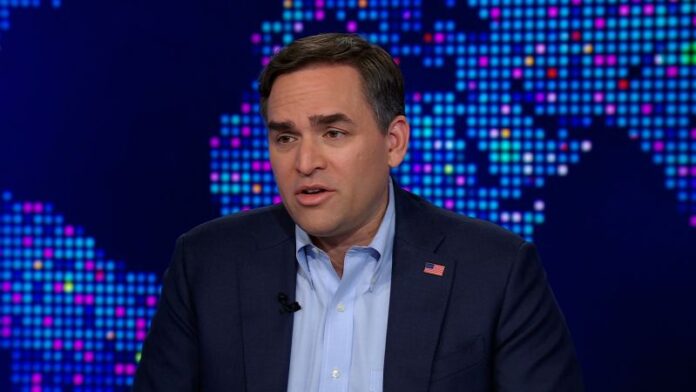




In the wake of Donald Trump’s decisive 2024 election victory, which included both the popular vote and a majority in the Electoral College, Democratic Congressman Wiley Nickel of North Carolina has proposed the formation of a “shadow cabinet” to serve as a structured opposition to Trump’s administration. In a recent interview with CNN’s Laura Coates, Nickel outlined the concept and addressed questions about its democratic implications and historical precedents.
The Concept of a Shadow Cabinet
The shadow cabinet, an idea drawn from parliamentary systems like those in the United Kingdom, involves opposition members mirroring official government roles. These members offer real-time critiques of policies and propose alternatives, aiming to hold the administration accountable.
Nickel explained that the shadow cabinet would function as a formalized Democratic effort to counter Trump’s cabinet, focusing on key issues such as climate change, healthcare, and civil rights. “This is about ensuring transparency and accountability in governance,” Nickel said. “It’s essential for the public to see there are clear alternatives.”
Is It Undemocratic?
Some critics have questioned whether forming a shadow cabinet undermines the democratic process, particularly since Trump secured both the popular vote and the Electoral College in his victory. Nickel addressed these concerns directly.
“Democracy thrives on debate and accountability,” he argued. “This isn’t about delegitimizing the administration; it’s about ensuring the public has a choice and that government actions are scrutinized.”
Historically, similar efforts have emerged in the U.S., though less formalized. Opposition parties have often organized coordinated critiques of presidential policies, particularly during contentious administrations. For example, during the Nixon administration, Democratic leaders formed informal coalitions to challenge policies on Vietnam and civil rights. However, a fully structured shadow cabinet would be a first in American politics.
Potential Challenges and Precedents
While the shadow cabinet idea aligns with democratic principles of free expression and debate, it raises practical and cultural questions. Could such a move be seen as overly partisan in a deeply divided political climate? And would it effectively inform voters or deepen polarization?
Nickel remains optimistic. “This is not about partisanship—it’s about strengthening democracy by providing a consistent, clear alternative,” he said.
A New Chapter in U.S. Opposition Politics
With Trump’s victory solidifying his mandate, Nickel’s proposal reflects the opposition’s broader effort to redefine its role in American politics. Whether the shadow cabinet materializes or not, it has already sparked a significant conversation about the boundaries and responsibilities of political dissent in a democracy.