



In 1963, Malcolm X gave Black America a warning that still cuts today. He said the white conservative was like a wolf — snarling, obvious, easy to see coming. But the white liberal, he said, was a fox: showing the same teeth, but smiling while he did it. The danger wasn’t the wolf’s open hostility. It was the fox’s hidden hostility, dressed up as friendship, that led people to believe help had finally arrived.
Sixty years later, Black voters across this country are asking the right question: after generations of Democratic majorities in city halls, state houses, and Congress, where is the tangible payoff? Where are the fully funded schools in Black neighborhoods, the closed wealth gap, the reparative investment promised election after election? The frustration is earned and national — this is not a New York story; it is an American one. The Democratic Party has, for decades, treated Black voters as a guaranteed bloc rather than a constituency it had to keep delivering for — and that is the central “smiling fox” lesson Malcolm X warned against.
The mistake would be assuming that a new label — democratic socialist — automatically means a different animal, and that mistake isn’t confined to one city. Zohran Mamdani’s rise to the New York City mayoralty is the most visible example right now, but he is a symbol of a wider national moment: democratic socialism presenting itself, from New York to Chicago to statehouses around the country, as a break from the old machine — something promising to fight for working people rather than manage decline on their behalf. For Black voters everywhere who are skeptical of the Democratic establishment, that message can sound like exactly the alternative Malcolm X never got to see.
But the argument worth making, for Black America broadly and not just for one city’s electorate, is this: a change in branding is not the same as a change in species. Democratic socialism, as practiced through DSA-aligned politics wherever it takes root, is still organized largely around coalition politics where Black working-class concerns compete with — and often lose out to — other priorities within the coalition. That matters because the real question is not whether the coalition sounds progressive, but whose agenda gets funded first when budgets get tight — the same question Malcolm X insisted people ask of liberals who claimed to be allies.
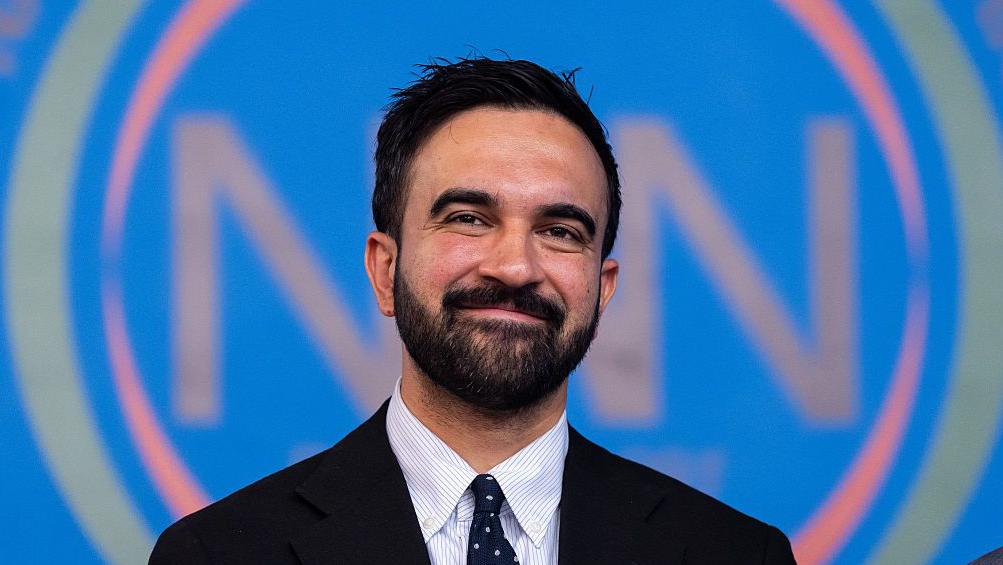
The test Malcolm X offered wasn’t “is this person nicer than the last one.” It was: does the smile come with delivered results, or does it just come with a smile? Applied here, the fair question isn’t whether Mamdani or any democratic-socialist leader is more likable or more sincere-sounding than the establishment they ran against — by most accounts, many of them are. The question, for Black communities from New York to any other city or state where this politics takes hold, is whether these coalitions produce a specific, trackable Black agenda. If that doesn’t materialize, then what’s changed is the smile, not the jaws.
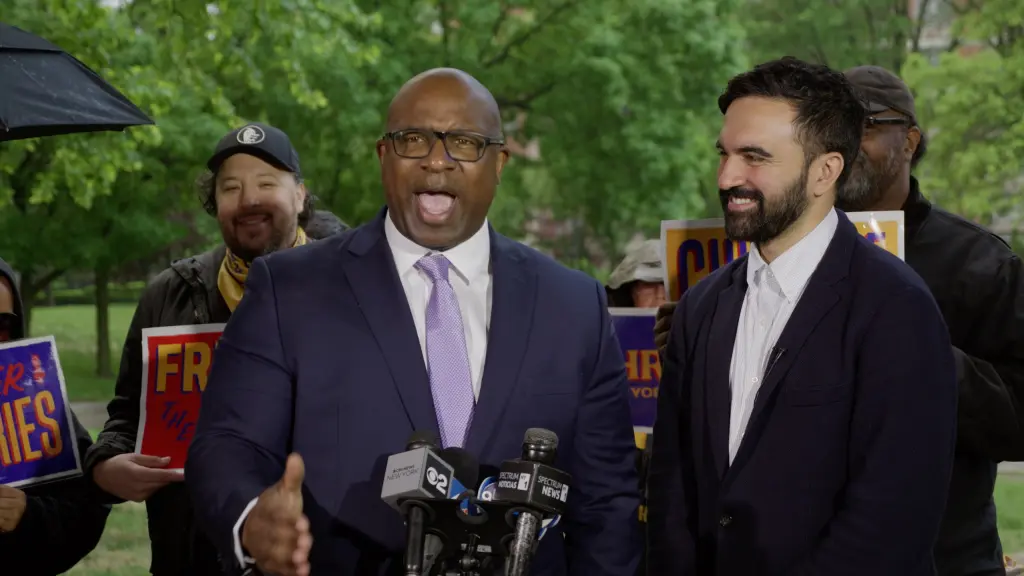
This is where former Congressman Jamaal Bowman’s role in the movement deserves a close look. Bowman, a Bronx democratic socialist and early Mamdani backer, has been one of the loudest voices insisting this movement speaks for and represents Black people’s concerns. That claim should be tested against the same standard Malcolm X applied to anyone claiming to be an ally of Black people: not what’s said, but what’s built. On the specific question of Black wealth, the socialist agenda as it currently stands has no real answer.
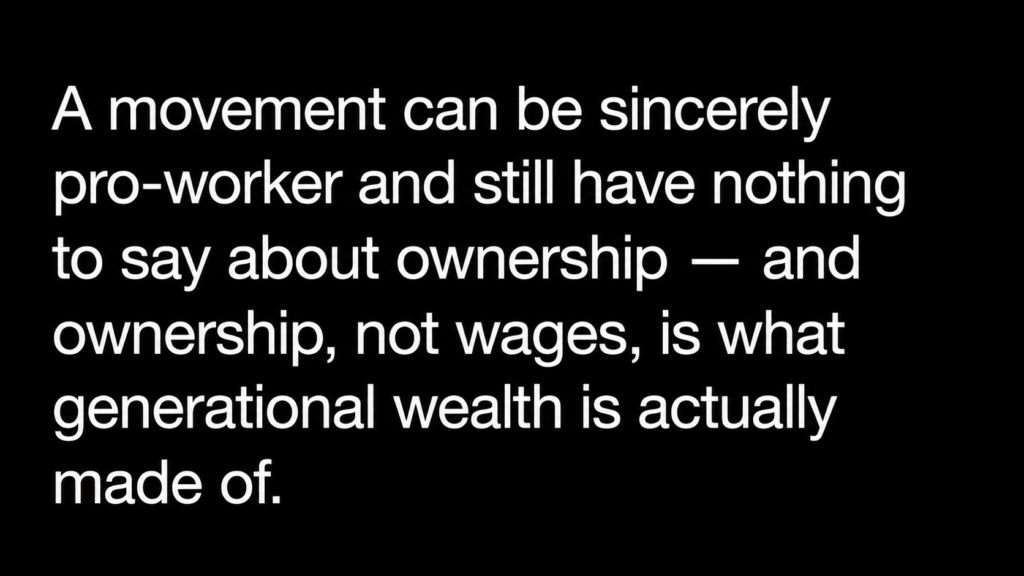
Economics 101 says there are only three real pathways to building and keeping generational wealth: equity ownership, real estate, and entrepreneurship. Look at where democratic socialism, as a movement, actually stands on each one. Stock and equity ownership is treated as a symbol of the very capital class the movement organizes against. Real estate is approached almost entirely through the lens of tenants versus landlords — rent freezes and rent control, not a serious push to get more Black families into ownership positions where property appreciation can compound across generations. And small business formation, historically one of the clearest routes Black families have used to build wealth, gets treated with the same suspicion as any other capitalist enterprise. A movement can be sincerely pro-worker and still have nothing to say about ownership — and ownership, not wages, is what generational wealth is actually made of.
That’s the warning worth writing plainly, for Black America as a whole: don’t trade a fox for a fox just because the new one smiles differently, wears a different party pin, or has Black surrogates vouching for it. Hold the receipts wherever this movement asks for your vote. Ask for the wealth-building agenda in writing — not the wage agenda, the ownership agenda. Judge by results, the same way Malcolm X always insisted Black voters should — no matter which city, which election, or which spokesperson it shows up with.