



Elected officials, business leaders, and entrepreneurs gathered to celebrate minority and women-owned businesses while discussing the challenges of taking a business to the next level.
MID-HUDSON, NY — The Business Outreach Center (BOC) Network and the New York State Division of Minority and Women’s Business Development celebrated the 2026 graduates of the Business Growth Accelerator (BGA) Mid-Hudson program, bringing together entrepreneurs, business leaders, government representatives, and elected officials for an event focused on business growth and economic opportunity.
The Business Growth Accelerator is designed to help Minority and Women-Owned Business Enterprises move beyond simply starting a company toward building sustainable businesses capable of competing for larger contracts. The program provides entrepreneurs with technical assistance, business-development strategies, networking opportunities, and guidance to strengthen their operations.
The celebration recognized the graduates’ accomplishments and gave entrepreneurs a chance to hear directly from business owners and government leaders about what it takes to grow a company in today’s economy.
ELECTED OFFICIALS AND BUSINESS LEADERS JOIN THE CELEBRATION
The program featured several prominent guest speakers, including U.S. Representative George Latimer, representing New York’s 16th Congressional District; New York State Senator Jamaal T. Bailey, representing the 36th Senate District; and Westchester County Executive Kenneth W. Jenkins as keynote speakers.
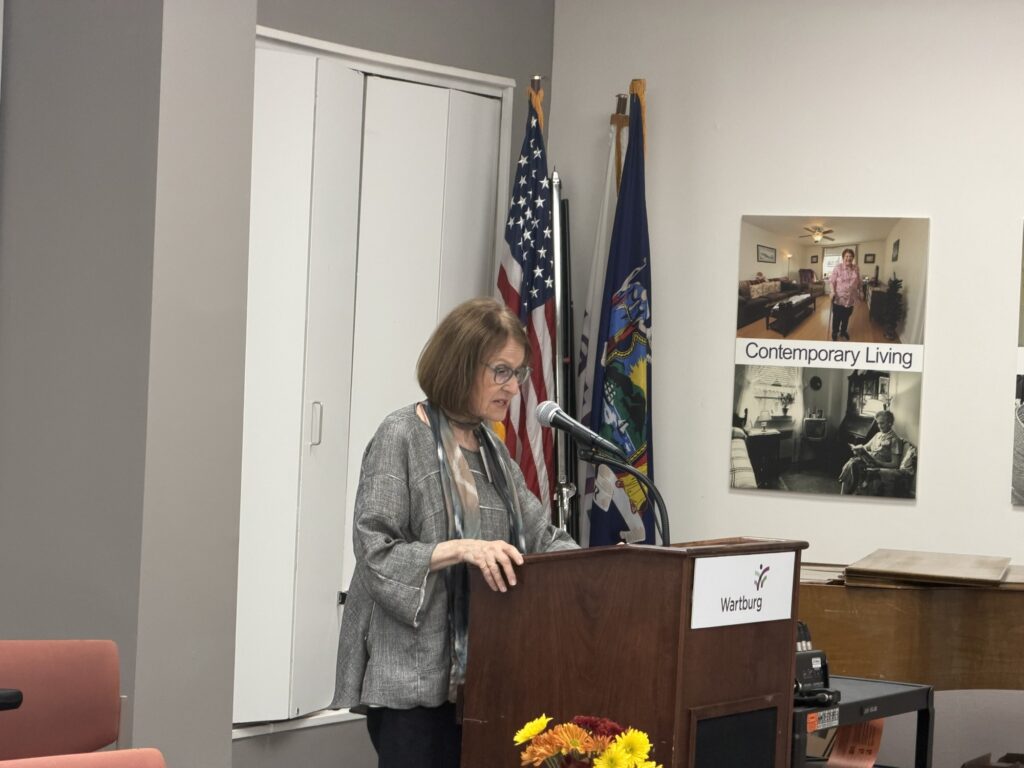
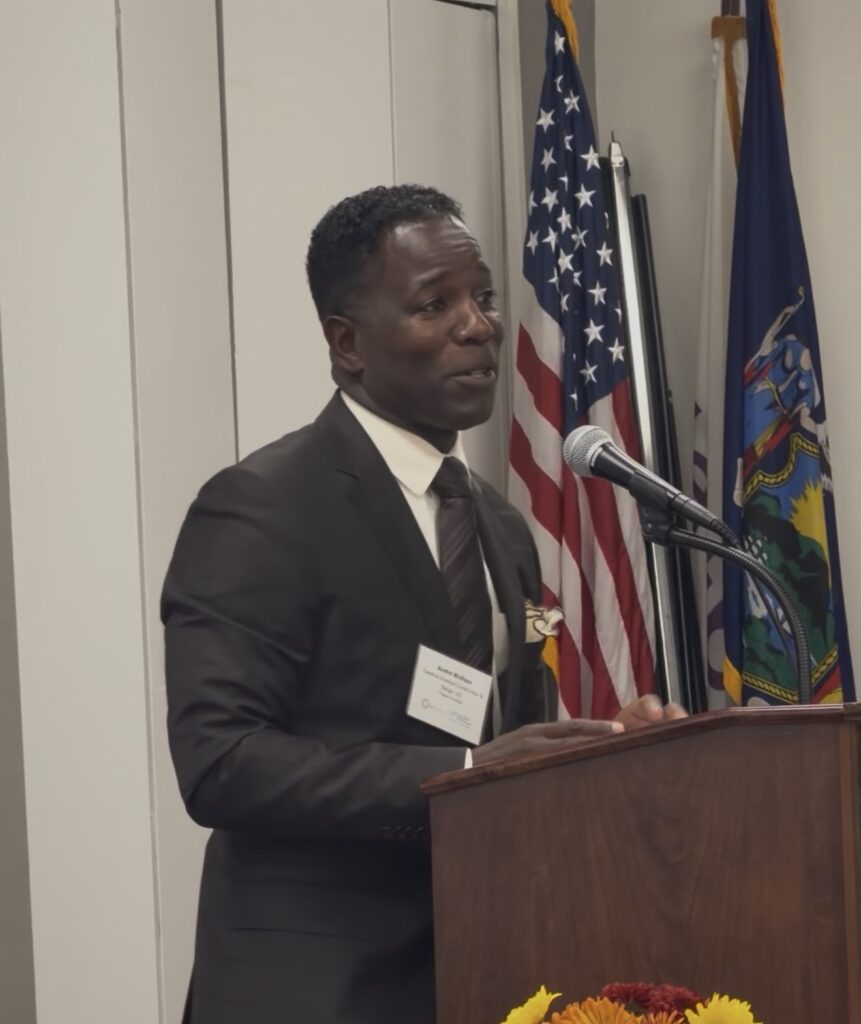
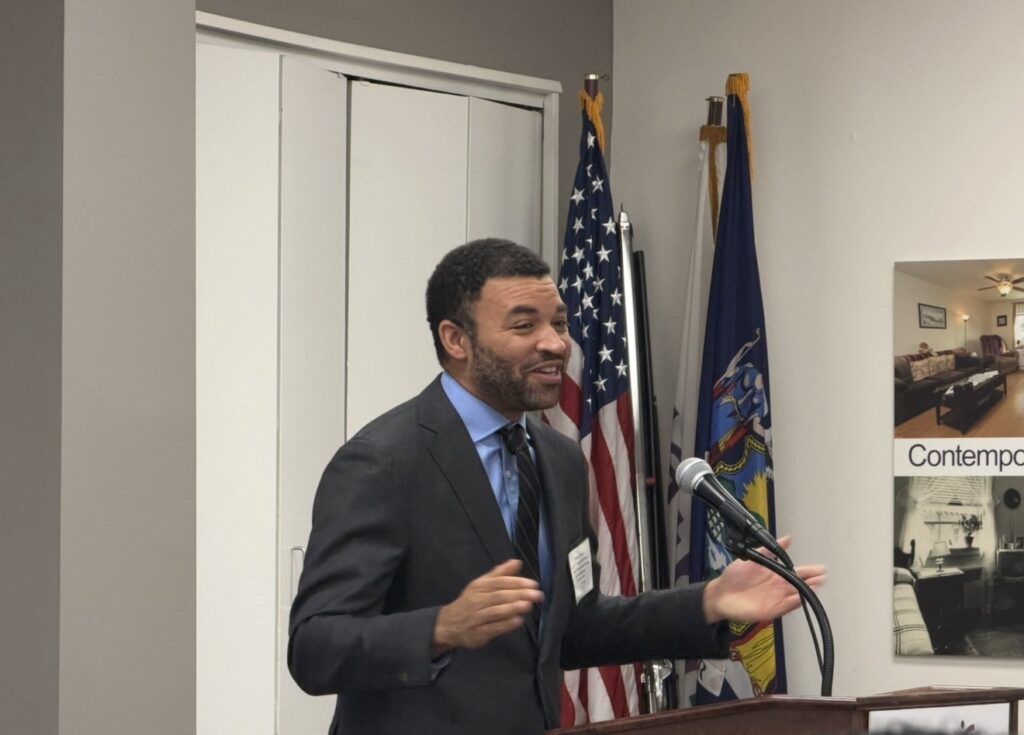

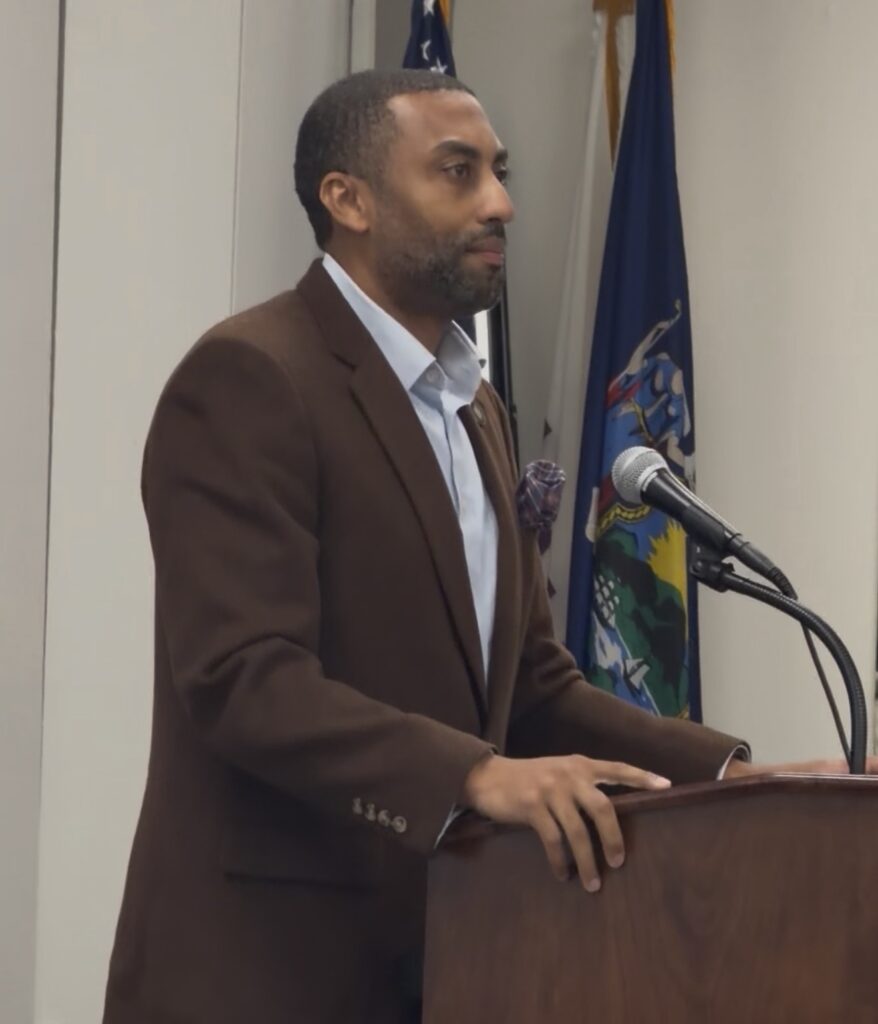
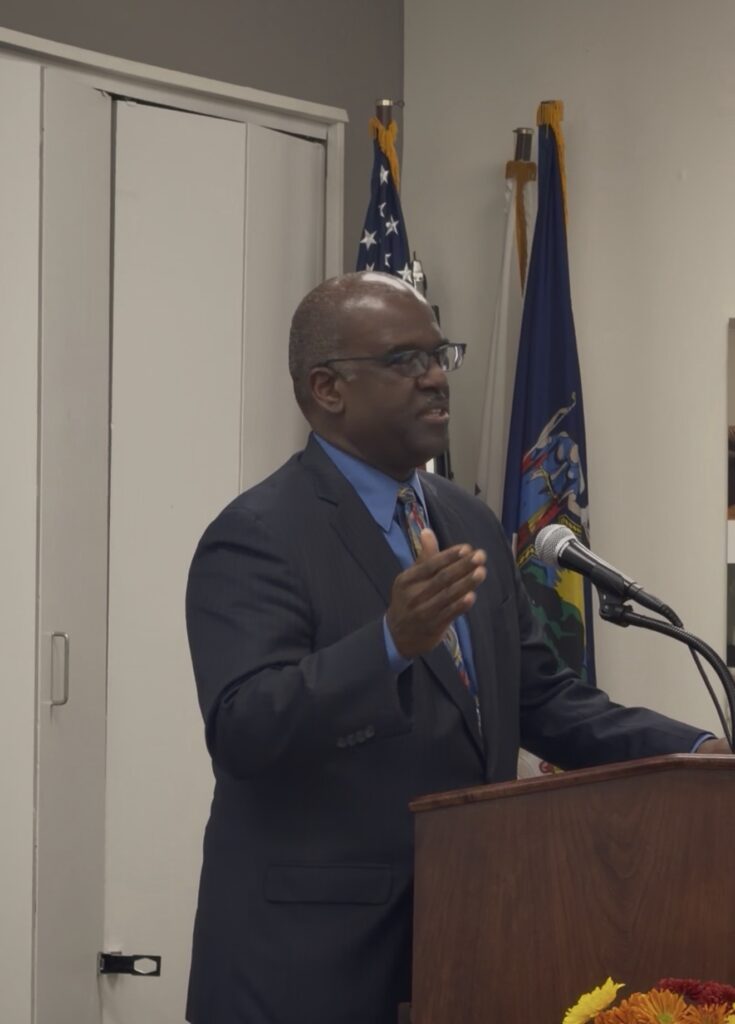
Mount Vernon Councilman André Wallace, President of Creative Direction Construction & Design, LLC, delivered graduate remarks, bringing a strong Mount Vernon presence to the program as both an elected official and entrepreneur.
Nancy Carin, Executive Director of BOC Network and BOC Capital, welcomed attendees. Jason M. Clark, Executive Director of the New York State Division of Minority and Women’s Business Development, also delivered remarks, along with Doniphan Soro of the division’s Business Development Unit.
BOC Network representatives Kevin Chu, Senior Business Development Officer, and John Frias, Senior Program Manager, were also recognized for their work with the program.
“BEYOND BGA” PANEL FOCUSES ON THE NEXT LEVEL
An important part of the event was the panel discussion, “Beyond BGA: Accelerating the Next Stage of Growth,” featuring Diane Moore, CEO of CleanWork Solutions; Roxanne Guerrero, President of KCM Contracting Inc.; and Elton Paul, co-founder and principal of GIP & Sons.
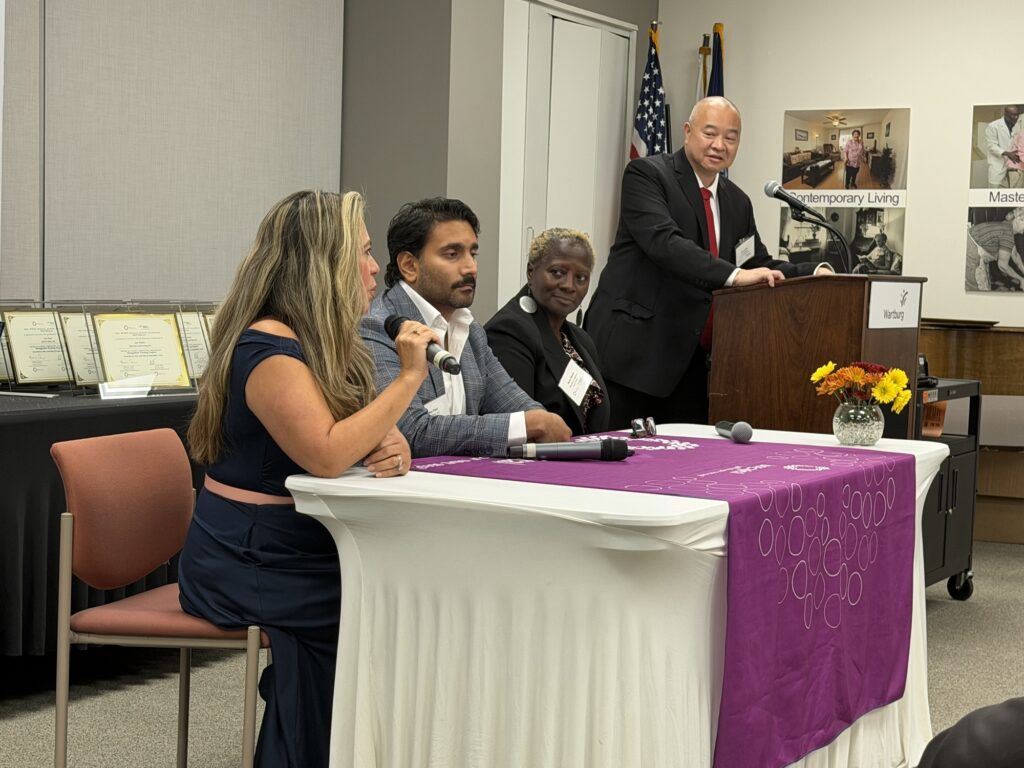
The discussion focused on a critical issue for entrepreneurs: what happens after the training ends. Starting a business and receiving MWBE certification can open doors, but growing a company requires entrepreneurs to think about capacity, relationships, financing, contracting opportunities, and long-term sustainability.
The panel gave graduates a chance to hear from business owners about the realities of moving from entrepreneurship to business growth. That means learning how to compete for larger contracts, strengthen internal operations, build professional relationships, and prepare a company to handle opportunities when they arrive.
That conversation matters because certification alone does not guarantee contracts. A company still must be prepared to compete, manage cash flow, meet insurance and contracting requirements, hire workers when necessary, and deliver quality services on schedule.
TURNING TRAINING INTO CONTRACTS
According to Empire State Development, the Business Growth Accelerator provides assistance in areas including procurement, financial management, business administration and marketing, along with mentoring and technical assistance.
In October 2025, the state reported that BGA 3.0 had enrolled 168 MWBE firms across eight regions, with 25 participating businesses securing 55 contracts totaling more than $34.8 million.
Those numbers demonstrate why the conversation must eventually move beyond certification and graduation toward measurable economic results. The question is not simply how many entrepreneurs complete a program, but how many eventually secure contracts, increase revenues, hire employees, and build sustainable companies.
BUILDING BUSINESSES THAT BUILD COMMUNITIES
For Black and other historically underserved communities, business development should be about more than encouraging entrepreneurship. The larger objective should be creating companies capable of employing people, purchasing property, competing for major contracts, and circulating economic resources throughout their communities.
Small businesses already represent approximately 98 percent of businesses in New York State and employ roughly 40 percent of the state’s private-sector workforce, according to Empire State Development. That makes small-business development as much a workforce and community-development issue as an entrepreneurship issue.
The 2026 BGA Mid-Hudson graduation therefore represents both an accomplishment and a beginning. The next chapter will be determined by what graduates do with the knowledge, relationships, and opportunities they developed through the program.
The goal should not simply be producing more minority- and women-owned businesses. It should be developing stronger businesses that can compete, grow, create jobs, and build generational economic opportunity.
Black Westchester congratulates the 2026 BGA Mid-Hudson graduates and all the entrepreneurs working to build stronger businesses throughout Westchester County and the Mid-Hudson region.