



WSCO’s Fifth Annual Sickle Cell Walk Was More Than a Walk. It Was a Reminder That Awareness Has to Become Action
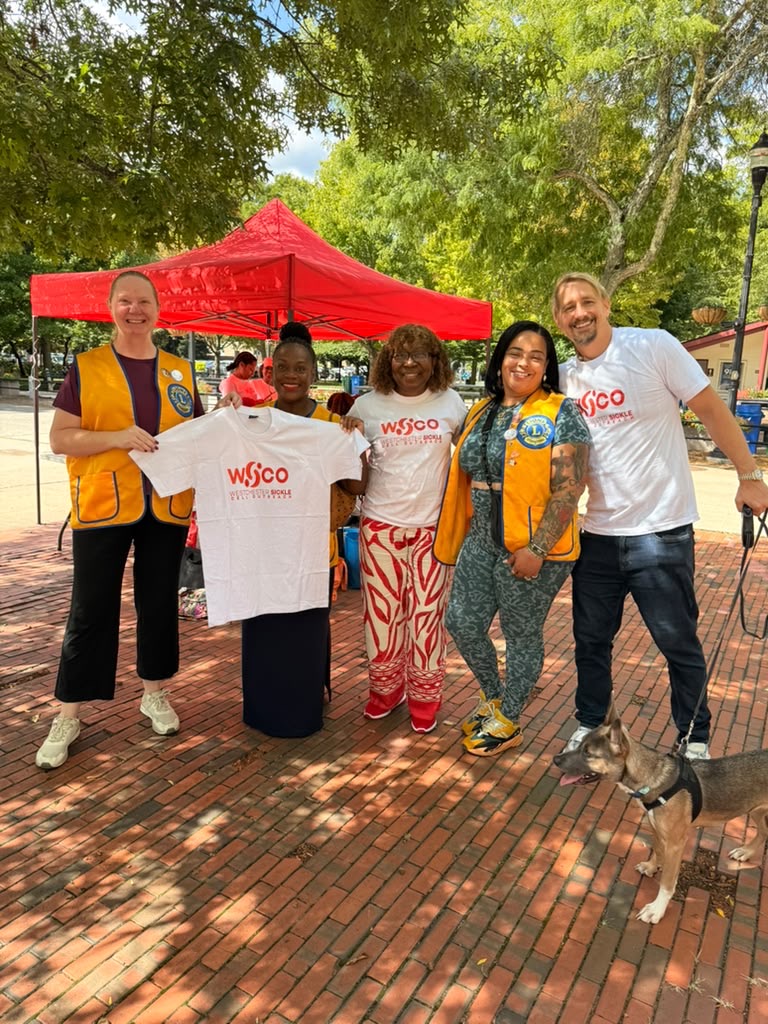
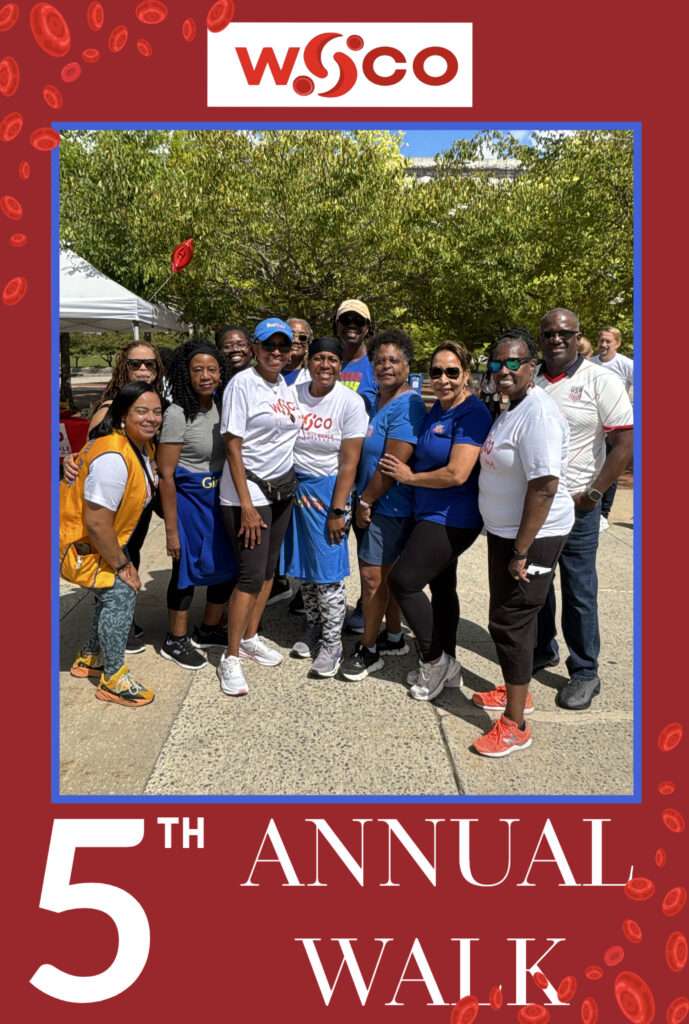
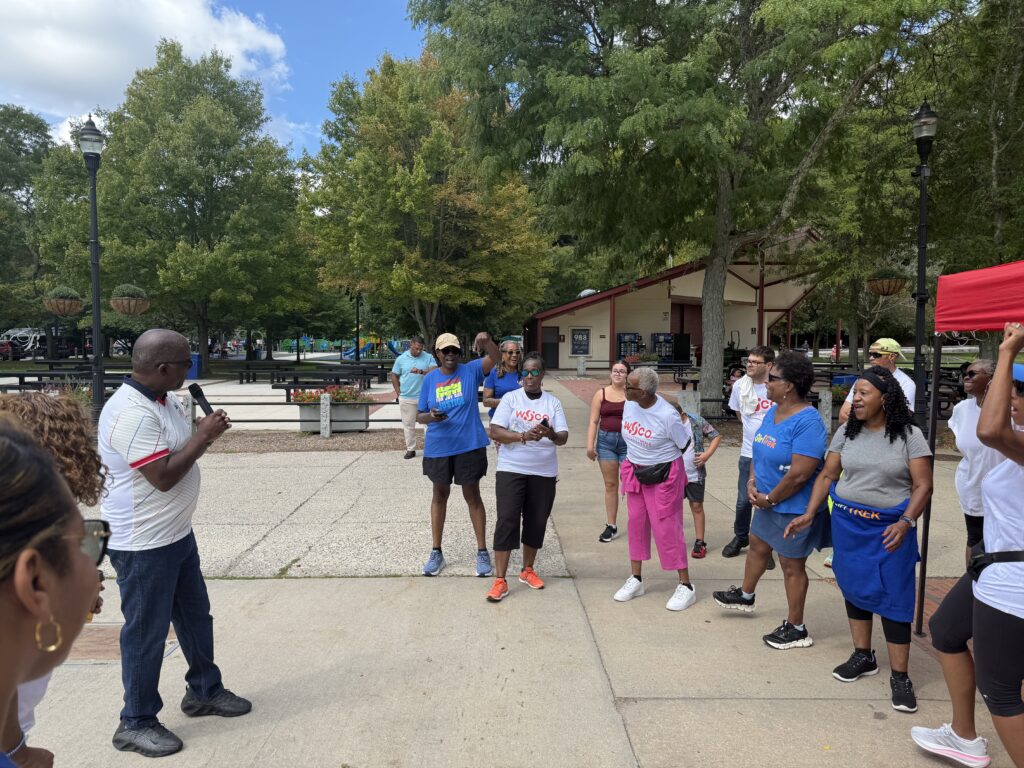
There are some Saturdays when you get up, handle your errands, catch up on life, and keep it moving. Then there are Saturdays when showing up means something. On Saturday, September 5, 2026, from 11 a.m. to 3 p.m., at Kensico Dam Plaza, 1 Bronx River Parkway in Valhalla, New York, families, advocates, elected officials, community organizations, and neighbors gathered for the Westchester Sickle Cell Outreach Fifth Annual Sickle Cell Walk for Education. The assignment was bigger than getting our steps in. We were walking for people living with sickle cell disease, for families who have learned how to navigate pain other people cannot see, and for a community that deserves to be seen, heard, funded, and supported.
Sometimes we hear the words sickle cell so often that we forget there are actual people behind them. Somebody’s daughter. Somebody’s son. Somebody’s mother. Somebody trying to get through a workday while managing pain. Somebody sitting in an emergency room trying to explain what their body is experiencing. Somebody exhausted from having to educate other people about an illness they already have to live with. Awareness cannot simply mean knowing sickle cell exists. Awareness should move us toward caring about the people living with it.
That is why leadership showing up mattered. Westchester County Executive Kenneth W. Jenkins and U.S. Representative Mike Lawler were among the elected officials in attendance, while White Plains was represented by Common Council Members Jeremiah Frei-Pearson and Valerie Simmons. Their presence created something more important than another photo opportunity: an opportunity for people closest to this issue to be in the same space as people positioned to influence public priorities.
They were joined by Symra Brandon, former Westchester County Legislator for District 16 and Director of Community Affairs for New York State Senate Majority Leader Andrea Stewart-Cousins, as well as Rev. Kym McNair, Westchester County Director of Faith-Based Initiatives. Community leadership was equally present, including Dr. Cheryl Brannan of Sister to Sister International, the Ann Sullivan White Plains Lions Club and GirlTrek Westchester. Government, service organizations, health advocates and residents were occupying the same space around an issue that deserves sustained attention.
Sickle cell awareness cannot live only inside hospitals and doctors’ offices. The conversation has to reach our churches, schools, barbershops, beauty salons, civic organizations and family gatherings. Sometimes the first person who encourages somebody to ask another question, learn their family history, or seek additional information isn’t wearing a white coat. Sometimes it’s your walking partner, your Lion, your neighbor, or somebody who loves you enough to say, “Please go get checked.”
For the Ann Sullivan White Plains Lions Club, service is supposed to leave the meeting room. For GirlTrek Westchester, whose work centers movement, wellness, and community among Black women, there is something especially meaningful about putting actual footsteps behind a health cause. When civic organizations stand beside advocates, families, healthcare professionals, and government representatives, a walk becomes more than symbolic. It becomes an example of what community partnership can look like when everybody brings their lane to the same mission.
The presence of elected officials should mean listening, too. Listen to the person living with sickle cell. Listen to the parent who has navigated the healthcare system. Listen to the advocate trying to keep a community organization funded. Listen to the family that knows what a crisis looks like at two o’clock in the morning. The people closest to a problem often understand things that will never fit neatly into a briefing memo, and events like this create an opportunity for those experiences to reach decision-makers directly.
That is also why the work of Westchester Sickle Cell Outreach deserves support beyond one September afternoon. The walk creates visibility and brings new people into the conversation, but people living with sickle cell wake up the next morning still living with sickle cell. Families still need information. Advocacy still requires resources. Programs still need funding, and organizations doing this work need partners who remain engaged after Kensico Dam Plaza gets quiet again.
So here is the call to Westchester: turn awareness into something tangible. Donate what you can. If you own a business, explore sponsorship. If you belong to a church, union, fraternity, sorority, chamber, civic organization, or professional network, introduce WSCO to people who should know its work. If you have expertise in healthcare, fundraising, communications, advocacy, or community engagement, ask how your skills can help. Caring becomes powerful when somebody can actually use it.
Support Westchester Sickle Cell Outreach
Learn more about Westchester Sickle Cell Outreach
What happened on September 5 at Kensico Dam Plaza was a reminder of what Westchester can look like when government, civic organizations, advocates, and residents move around a common purpose. The walk may have ended that afternoon, but the responsibility didn’t.
Keep educating. Keep advocating. Keep opening doors and investing in the organizations doing the work. People living with sickle cell don’t get to take the disease off when the event ends, so our commitment to them shouldn’t end there either.